


Brake bleeding methods compared comes down to how each technique moves fluid and evacuates trapped air—because air compresses, your pedal feel and stopping performance depend on how completely you remove it. In practical terms, the “best” method is the one that fits your tools, your vehicle, and how much air you think is in the system.
For most home garages, the core choices are gravity, pump, and vacuum bleeding. Each can work well, but they differ in speed, control, mess risk, and how likely you are to create new bubbles while trying to remove old ones.
To make the decision clearer, we’ll compare methods by what matters most: pedal firmness, repeatability, the chance of introducing air, and what to do when ABS complicates the job. After that, we’ll connect the method to real scenarios—caliper swaps, line replacement, full flushes—so you can pick with confidence.
Giới thiệu ý mới—to get the most from any method, you need to understand what each one is actually doing inside the lines, so we’ll start with a direct side-by-side comparison and then move into step-by-step technique.
What are the main brake bleeding methods (gravity, pump, vacuum) and how do they differ?
There are three main brake bleeding methods: gravity is simplest, pump is most tactile, and vacuum is most convenient for solo work; they differ by whether fluid is pulled by height, pushed by pedal pressure, or drawn by suction at the bleeder. To connect that idea to real outcomes, the key is how each method manages bubbles and prevents new air from sneaking in.
To compare them fairly, think in terms of pressure direction and flow stability. Gravity bleeding relies on a slow, steady drip that coaxes air upward and out. Pump bleeding uses bursts of pressure that can move air fast but can also churn fluid if done aggressively. Vacuum bleeding pulls fluid outward through the bleeder, which is fast and one-person friendly, but it can “fake you out” with bubbles coming from bleeder threads rather than the brake lines.
Before you choose, it helps to see the tradeoffs at a glance. The table below compares method strengths, weaknesses, and the typical use case so you can match the technique to your job and your comfort level.
| Method | Best for | Main advantage | Main drawback | Common “gotcha” |
|---|---|---|---|---|
| Gravity | Minor air, gentle finishing, simple systems | Low risk, minimal tools, steady flow | Slow; may not clear stubborn pockets | Reservoir runs low if unattended |
| Pump (two-person) | Traditional bleed after repairs, quick results | Strong pedal feedback; moves air fast | Higher risk of aeration if rushed | Pedal over-travel can damage old master seals |
| Vacuum | One-person bleeding, long lines, repeated cycles | Convenient; can be very fast | Thread bubbles can mimic trapped air | Loose hose fit causes messy leaks and false bubbles |
Now that the differences are clear, the next step is choosing by risk: which approach is least likely to make things worse when you’re learning or working on an older vehicle. That naturally leads us to technique and safety fundamentals.
Which method is safest for beginners and why does technique matter more than tools?
Yes—gravity bleeding is usually the safest starter method because it uses low force, steady flow, and fewer steps where mistakes can add new air. However, the method alone doesn’t guarantee success; consistent technique is what determines whether you end up with a firm pedal or a spongy one.
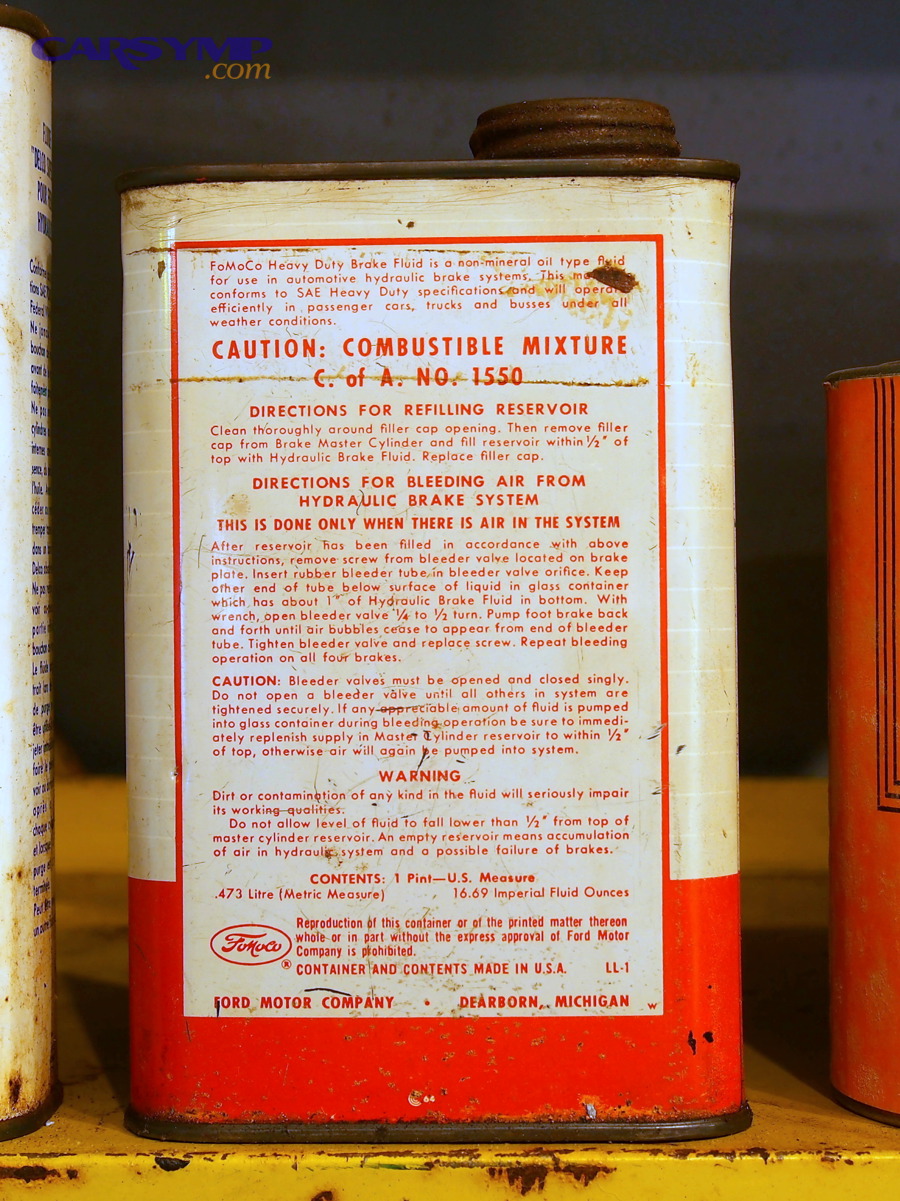
To understand why technique wins, focus on the three beginner failure points: letting the reservoir drop, opening the bleeder too far, and rushing the flow. Any method fails if the master cylinder ingests air, because that air can spread through multiple circuits and take much longer to remove. So your first “tool” is a habit: check fluid level often and top up with the correct DOT type before it gets near the minimum line.
Next, think about how air behaves. Tiny bubbles cling to high points, fittings, and caliper bores; a gentle, continuous flow can carry them out, while violent pulsing can break larger bubbles into smaller ones that take longer to coalesce and exit. That’s why “slow and steady” often beats “fast and aggressive,” especially if you’re not sure how much air is inside.
That said, “safe” doesn’t mean “always works first try.” If you replaced a hose, opened a hard line, or ran the reservoir dry, you may need a method that moves more volume. So the practical beginner progression is: start with gravity to establish flow, then move to controlled pump or vacuum cycles if the pedal still feels soft.
With those priorities set, we can zoom into each method and show what “good technique” looks like—starting with the simplest approach, which is gravity bleeding.
How does gravity bleeding work step by step, and when does it struggle?
Gravity bleeding works by letting brake fluid drip from the bleeder under the force of height and time, so air rises and exits gradually with minimal agitation. Next, we’ll turn that principle into a repeatable process you can follow without guessing.
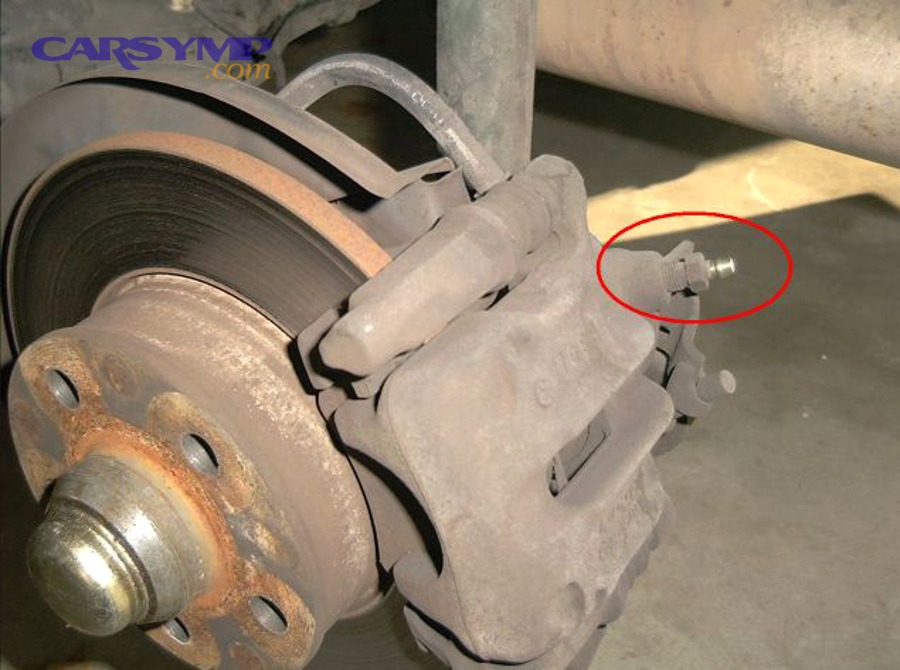
Step one is setup: level the vehicle safely, remove wheels if needed, and clean each bleeder area so dirt can’t fall inside when you crack it open. Step two is reservoir management: fill the master cylinder to the max line and keep the cap loosely on to reduce contamination while still allowing venting. Step three is clear tubing: push snug, transparent hose over the bleeder nipple and route the other end into a catch bottle so you can watch bubbles without spraying fluid everywhere.
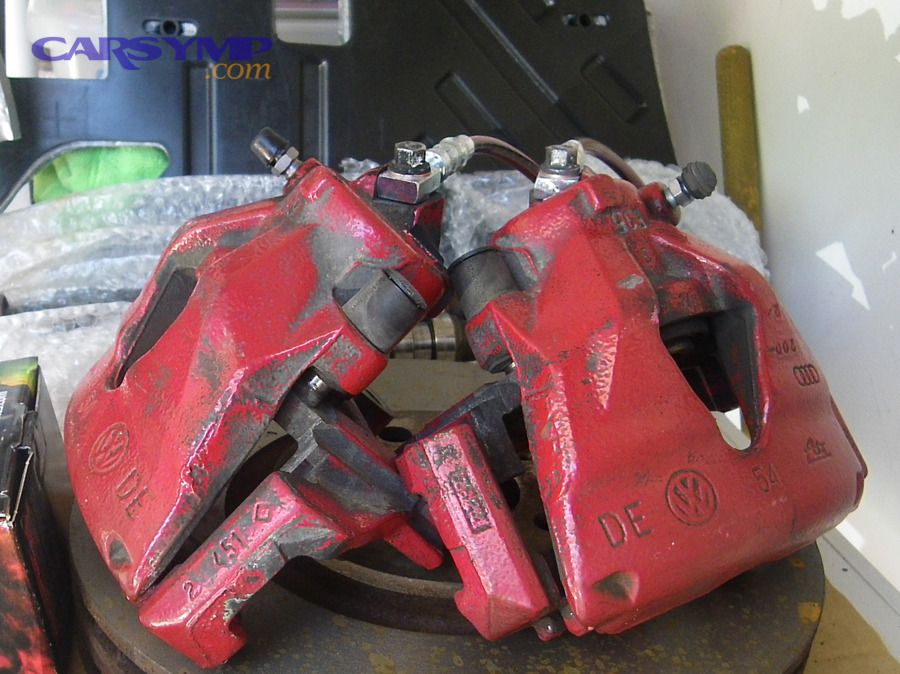
Then the core action is simple: open the bleeder slightly—usually a quarter turn is enough—and wait. You’re looking for a steady drip or thin stream. If it’s barely moving, you can gently tap the caliper and the line with a plastic tool to encourage bubbles to dislodge, and you can turn the steering to reposition front calipers slightly so trapped pockets have an easier path out.
To keep flow stable, don’t open the bleeder too far. A wide-open bleeder can let air sneak past the threads as the fluid drips, especially if the fit is loose. A smaller opening maintains a more controlled path for fluid and reduces mess.
So when does gravity struggle? It struggles when air is trapped behind restrictive valves, when the line geometry has multiple high points, or when there is a lot of air volume after major component replacement. In those cases, you may see intermittent drips, long pauses, or a pedal that improves slightly but never firms up. That’s your cue to switch to a method that moves fluid faster while still avoiding turbulence.
With that limitation understood, the next method—pump bleeding—adds pressure and speed, but it also adds risk if the technique is sloppy. Let’s compare it carefully.
How does the two-person pump method compare for speed, feel, and risk?
The two-person pump method is usually fastest for restoring pedal feel because pressure pulses push air toward the bleeder quickly, and the person at the pedal can feel improvement in real time. To keep that advantage without creating new bubbles, you need disciplined timing and limited pedal travel.
This method works best when you treat it like a coordinated sequence, not a frantic stomp. The assistant at the pedal applies smooth pressure and holds it; the person at the wheel opens the bleeder briefly to release air and fluid, then closes it before the pedal is released. That “open-close, then release” order prevents air from being drawn back in through the bleeder.
The biggest risk is pedal over-travel. On an older master cylinder, pushing the pedal to the floor can drive seals across corroded or unused bore areas, which can tear seals and create internal bypass—making the pedal soft even when there’s no air left. A simple fix is to place a block of wood under the pedal so it can’t travel beyond its normal operating range.
Another risk is “aeration by aggression.” Rapid pumping can whip fluid into foam, especially if the reservoir level is low or if the return ports are agitating the surface. Instead, use slow, deliberate presses—think “compress and hold,” not “pump like a jackhammer.”
And because this article focuses on brake bleeding methods compared, here’s the practical comparison: pump bleeding often clears bulk air faster than gravity, and it provides immediate tactile feedback; but it requires a helper, has higher mess potential, and punishes poor coordination. If you’re working alone or want consistent repeatability, vacuum bleeding is often the next best option—so let’s analyze it in detail.
How does vacuum bleeding compare for one-person jobs and stubborn air?
Vacuum bleeding is often the best one-person method because it continuously draws fluid through the system while you watch for bubbles at the hose. Next, we’ll clarify how to prevent “false bubbles” so you don’t keep bleeding endlessly for air that isn’t actually in the lines.
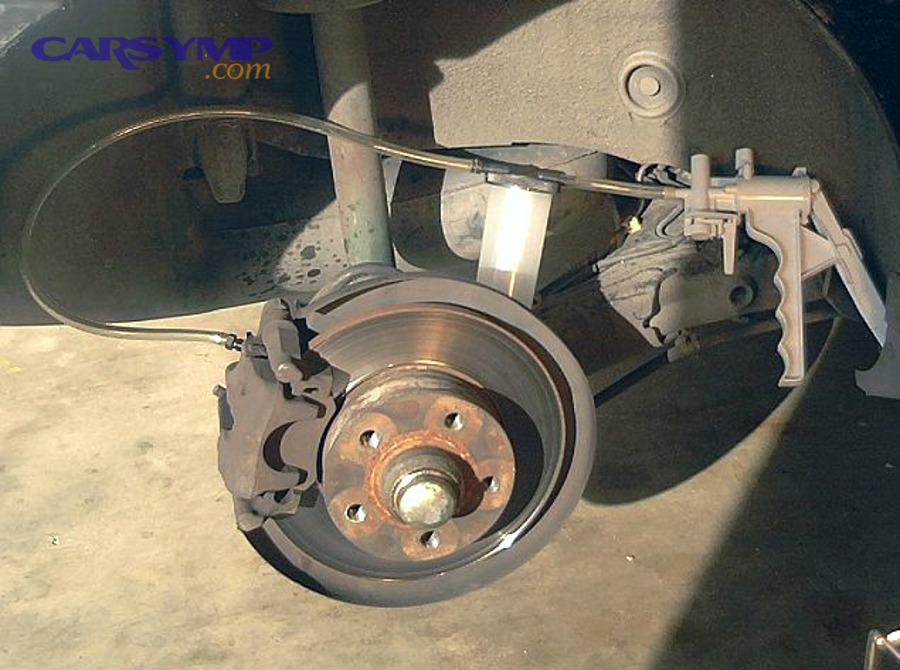
The concept is straightforward: attach a vacuum tool to the bleeder nipple, create suction, crack the bleeder, and let fluid flow into the collection cup. Because flow is continuous, it can be faster than stop-start pump cycles, and it’s easier to manage alone. It also works well for repeated micro-cycles: pull fluid, close bleeder, refill reservoir, repeat.
The main vacuum-specific issue is that bubbles can appear even when the system is already air-free. That’s because suction can draw air through the bleeder screw threads where the screw meets the caliper. Those bubbles travel into your clear hose and look like trapped air evacuating from the brake line—but they might be coming from outside the hydraulic path.
To reduce that effect, keep the bleeder only slightly open and ensure your hose connection is tight. Many experienced DIYers also apply a small amount of grease around the bleeder base (not inside the hole) to help seal the threads from ambient air. The goal is not perfection—it’s clarity: you want bubbles you see to represent bubbles you’re removing.
Another vacuum tip is to “prime” the line. If the caliper or wheel cylinder was completely dry, you can pull a short initial flow, close the bleeder, then wait a minute and tap the caliper lightly to encourage bubbles to rise. Then pull again. That pause-and-pull rhythm often clears stubborn pockets better than one long vacuum session.
At this point, you’ve seen each method’s strengths. Next, we’ll tie them together with the decision logic that actually yields results: wheel order, reservoir control, and how to avoid undoing your progress.
How do you choose the right wheel order and keep the master cylinder safe?
You choose wheel order by bleeding the circuit farthest from the master cylinder first unless the vehicle manual specifies otherwise, and you keep the master safe by never letting the reservoir run low and by avoiding pedal over-travel. To connect method choice with system design, the wheel order is what turns “good bleeding” into “consistent bleeding.”
Many vehicles follow the classic order: right rear, left rear, right front, left front. The reasoning is distance: you clear the longest line first so air doesn’t migrate back and forth as you work. However, some modern cars use diagonal split systems or specific ABS hydraulic routing that changes the recommended order. If you have a service manual sequence, follow it—because that sequence matches the internal plumbing.
Regardless of order, reservoir discipline is non-negotiable. Brake fluid is not “set and forget.” Every bleeding method pulls fluid out, and air can re-enter instantly if the level drops enough to uncover a port. A simple routine is to check and top up after every wheel, and also midway through the wheel if you’re doing long vacuum pulls.
Now connect this to method selection: gravity bleeding is slow and gives you time to notice the reservoir dropping, but it can tempt you to walk away—don’t. Pump and vacuum methods can drain fluid quickly, especially when you’re flushing old fluid. So for those, set a timer or develop a habit: every 30–60 seconds, glance at the reservoir.
If you’re doing a full flush, it also helps to keep the master cylinder area clean and protected. Wipe spills immediately; brake fluid damages paint. Use fender covers or towels. And always use fluid from a sealed container—brake fluid absorbs moisture from the air, which lowers boiling point and can degrade braking under heat.
Once wheel order and reservoir control are locked in, the next question is what happens when ABS is part of the system—because ABS modules can trap air in places normal bleeding can’t easily reach.
What changes when ABS is involved, and when should you escalate?
ABS changes bleeding because air can be trapped inside the hydraulic control unit and valves, which may not purge with normal wheel-by-wheel bleeding alone. Next, we’ll identify the practical signs that tell you whether normal methods are enough or whether you need an ABS-specific procedure.
In many routine jobs—like replacing pads, rotors, or even a single caliper—you can often bleed successfully without doing anything special to ABS, as long as you never ran the master cylinder dry and you didn’t introduce significant air upstream. The reason is that the ABS valves may not have ingested air in the first place.
However, if the reservoir ran empty, if you replaced the master cylinder, or if you opened lines near the ABS unit, air can end up inside the ABS hydraulic block. That air may cause a persistent soft pedal even after multiple clean, bubble-free bleeds at the wheels. In that scenario, the key phrase you’ll see in many procedures is: When to use a scan tool to bleed ABS. Practically, you escalate when conventional bleeding produces no more line bubbles but the pedal remains spongy, or when the service manual explicitly calls for cycling ABS solenoids as part of bleeding.
Some vehicles allow an “ABS activation bleed” using a scan tool routine that opens and closes valves to move fluid through the block. Others recommend a road test on a safe surface to activate ABS and then re-bleed—though that approach should be done cautiously and only when appropriate for your conditions and experience.
The important comparison point is this: gravity, pump, and vacuum techniques can all do a perfect job at the calipers while still leaving air trapped in the ABS unit. So if you’ve done everything right at the wheels and the pedal still won’t firm up, the limitation may be inside the ABS hydraulic path—not in your method execution.
With ABS realities covered, the final step is confirming success and diagnosing failure: how you recognize remaining air, and what mistakes commonly create it again.
How do you confirm the system is air-free and fix a soft pedal?
You confirm the system is air-free when the pedal is firm, consistent, and does not slowly sink under steady pressure, and when clear tubing shows no true bubbles coming from the caliper during controlled bleeding. Next, we’ll map symptoms to causes so you can correct the exact problem instead of repeating the same bleed indefinitely.
Start with the feel test: with the engine off, press the brake pedal several times to remove booster assist, then hold moderate pressure. A healthy, air-free hydraulic system should feel solid and should not drift toward the floor. With the engine on, the pedal will drop slightly due to booster assist, but it should remain firm and predictable.
Now connect symptoms to likely issues. If the pedal is spongy and improves after pumping, that often points to compressible air still present. If the pedal is consistently low but firm, you may have rear drum adjustment issues or pad-to-rotor clearance that needs to be seated, not necessarily air. If the pedal slowly sinks, you may have internal master cylinder bypass or an external leak—bleeding won’t fix that.
Two phrases matter here because they guide troubleshooting: Signs of air in brake lines include a springy pedal, delayed engagement, and noticeable improvement after rapid pumps. Meanwhile, Common mistakes that introduce air include letting the reservoir run low, releasing the pedal with the bleeder open during pump bleeding, using a loose hose that leaks at the bleeder nipple, and over-opening the bleeder so air can slip past threads during vacuum pulls.
To fix a soft pedal systematically, use this sequence:
- Re-check for leaks: inspect bleeders, hose banjo bolts, caliper unions, and hard line fittings for moisture or seepage.
- Re-bleed with control: choose one method and execute it slowly, with clear tubing, and with strict reservoir monitoring.
- Change method if stalled: if gravity improves slightly but plateaus, switch to controlled pump cycles; if solo, switch to vacuum with a tight seal.
- Address ABS if needed: if wheel bleeds show no air but the pedal remains spongy, follow the vehicle’s ABS bleeding routine.
One more practical point: if you’re trying to bleed brakes after a major repair, you may need extra cycles simply because air can hide in small cavities. Tap calipers gently, reposition flexible lines if possible, and allow short pauses so microbubbles can rise. Then bleed again. That patience is often the difference between “almost firm” and “factory firm.”
At this stage you have the core comparison, the execution details, and the diagnostic logic. Contextual border—next we’ll move from the main comparison into edge cases and frequently asked questions that help you avoid rare but frustrating setbacks.
FAQ and edge cases for brake bleeding at home
This FAQ covers tricky scenarios—new parts, mixed fluid specs, stubborn bleeders, and vacuum-thread bubbles so you can finish the job without guesswork. To keep the section practical, we’ll answer each question with a clear action and the reason it works.
If you want a visual walkthrough of technique and sequence, the video below pairs well with the method comparisons above because it demonstrates consistent pedal control, clean tubing observation, and a disciplined bleed routine.
Do you need to bench-bleed a new master cylinder?
Yes, bench-bleeding is strongly recommended for a new master cylinder because it removes large air pockets before the master is installed, making wheel bleeding dramatically easier. Next, the goal is to start your vehicle bleed with a master that already moves solid fluid.
Bench-bleeding uses short hoses that loop fluid from the outlet ports back into the reservoir so you can stroke the piston gently without introducing new air. If you skip this step, you can spend a long time chasing air that keeps recirculating inside the master bore. Keep strokes short and slow, and stop once bubbles stop appearing in the loop hoses.
Can you mix DOT 3, DOT 4, and DOT 5.1 fluid?
Usually yes for DOT 3, DOT 4, and DOT 5.1 because they are glycol-based, but you should still follow your manufacturer’s recommendation for performance and compatibility. Next, the reason this matters is boiling point and moisture absorption behavior.
Mixing glycol-based fluids is generally acceptable in emergencies, but it can lower the overall boiling point to that of the weakest fluid in the mix. If you’re already bleeding, the best practice is to flush with the correct spec until the fluid at each wheel is clean and consistent. Do not confuse DOT 5 (silicone-based) with DOT 5.1—DOT 5 is typically not compatible with systems designed for glycol fluids.
Should you seal bleeder threads during vacuum bleeding?
Sometimes—sealing the threads can reduce false bubbles during vacuum bleeding, which helps you accurately judge when line air is truly gone. Next, the key is choosing a seal approach that doesn’t contaminate the hydraulic path.
A safe approach is applying a small amount of grease around the bleeder screw’s exterior threads and base (not inside the hole) so suction doesn’t pull outside air along the threads. The purpose is diagnostic clarity, not creating a permanent seal. After bleeding, clean the area thoroughly so you can spot leaks later.
What if a bleeder screw is clogged, seized, or snaps?
If the bleeder is clogged or seized, you should stop and address the hardware before continuing, because forcing it can snap the screw and turn a simple bleed into a caliper or wheel cylinder replacement. Next, the priority is safe extraction, not speed.
Use penetrating oil and allow time, then use the correct wrench size and steady pressure. If it snaps, replacement is often the fastest reliable fix—especially on rusty calipers where extraction risks damaging the seat. After hardware repair, return to the main method choice: start with gravity to establish flow, then use pump or vacuum for final firmness if needed.
Key takeaways: Gravity is gentle and beginner-friendly, pump is fast with good coordination, and vacuum is convenient for solo work but can show false bubbles. Whichever method you choose, reservoir management and correct sequencing determine success.