


A trustworthy neighborhood mechanic is someone who fixes what’s needed, explains why, and proves it with clear documentation—so you leave safer, not simply poorer. In practice, the most reliable “signs” show up in how the shop communicates, estimates, and stands behind its work.
You can identify that trustworthiness fast by watching for transparency habits: written estimates, approval checkpoints, parts-and-labor clarity, and a calm willingness to answer questions without pressure. Those behaviors aren’t “nice-to-haves”; they’re the foundation of fair repair.
Beyond the paperwork, trust is also visible in the shop’s culture: clean processes, consistent staff roles, safety-first routines, and a preference for diagnosis over guessing. The best mechanics act like long-term caretakers of your vehicle, not one-time sellers.
Giới thiệu ý mới: Below are the most practical, on-the-spot signs you can use to judge a neighborhood mechanic—plus what to ask, what to verify, and what to do if something feels off.
What are the clearest signs a mechanic is truly trustworthy?
Yes—there are clear signs a neighborhood mechanic is trustworthy: they explain the problem in plain language, document costs before work begins, and invite your approval at decision points. Tiếp theo, you’ll want to spot these signs early—often within your first 10 minutes in the shop.
They lead with diagnosis, not guesses
A trustworthy mechanic starts with the symptom, then moves to tests—scan data, visual inspection, road test, smoke test, pressure test, or measured voltage—before naming a part. Cụ thể, they can tell you what evidence points to their conclusion (codes, readings, wear patterns, leaks, play in a joint), and what would disprove it.
Để minh họa, when a shop says “It’s definitely the alternator” without showing charging voltage or load-test results, that’s not confidence—it’s a sales shortcut. A dependable mechanic is comfortable saying: “Here’s what we know, here’s what we still need to confirm.”
Bên cạnh đó, they separate “must-fix now” from “monitor later” and explain risk (safety, breakdown likelihood, damage cascade) instead of fear-based urgency.
They provide written, itemized estimates before turning a wrench
Trustworthy shops put the estimate in writing, itemized by labor, parts, and fees—then ask for your approval. Tiếp theo, they define what “diagnosis” costs and whether that fee is credited toward the repair.
According to a AAA consumer survey, many drivers struggle with the industry because of unclear pricing and recommended services they don’t understand—so trustworthy shops counter that with clarity and documentation.
They explain options and let you choose the “why,” not just the “what”
A reliable mechanic gives you choices when choices exist: OEM vs quality aftermarket, immediate repair vs short-term monitoring, or “repair now” vs “plan it next month.” Hơn nữa, they explain the tradeoff using outcomes you care about—safety, longevity, warranty, noise, drivability—not jargon.
When the mechanic says, “You can do pads now and rotors later,” they also explain whether that’s safe, how it affects braking feel, and what it may cost you in the long run.
They welcome your questions without getting defensive
Defensiveness is often a mask for weak evidence. Trustworthy mechanics expect questions and answer them calmly: what failed, how you know, what happens if I wait, what parts are you using, and what warranty do you provide. Quan trọng hơn, they don’t punish curiosity with attitude or pressure tactics.
How do transparent estimates and approvals prevent surprise charges?
Transparent estimates prevent surprise charges by locking in a shared plan: what will be done, what it will cost, and when you must be contacted if the plan changes. Sau đây, you’ll learn the approval checkpoints that honest shops follow—and how to spot upsell pressure before it hits your wallet.

They separate “inspection/diagnosis,” “recommended,” and “authorized”
A trustworthy shop has three distinct buckets:
- Inspection/diagnosis: tests and teardown (if needed) to identify the issue.
- Recommended repairs: what they believe should be done, with reasons.
- Authorized repairs: only what you approved, in writing or recorded consent.
Tiếp theo, the biggest trust signal is when the service advisor repeats back your authorization (“We’re approved for X and Y, not Z”) and documents it.
They show you line-item logic, not a lump-sum mystery
Line items are accountability. A trustworthy estimate makes it easy to see:
- Labor hours and labor rate (and why a job takes that long)
- Parts price and brand (or OEM source)
- Shop supplies, hazardous waste fees, taxes (where applicable)
- Diagnostic fees and whether they’re waived if you proceed
Ví dụ, if “shop supplies” is a flat $65 on every job, a good shop can explain what it covers and whether it’s capped. If they can’t explain it, it’s not a fee—it’s padding.
To make this practical, the table below summarizes what a transparent estimate usually contains and what you should ask if anything is unclear.
| Estimate Element | What a Trustworthy Shop Provides | What You Should Ask |
|---|---|---|
| Labor | Hours + rate + job description | “What steps are included in that labor time?” |
| Parts | Brand/type (OEM vs aftermarket) and unit pricing | “Is this OEM-equivalent? What warranty does the part carry?” |
| Diagnosis | Testing performed and fee policy | “If you don’t find the cause, what happens to the diagnostic fee?” |
| Fees/Shop supplies | Named fees with explanation and caps | “What does this fee cover, and is it a percentage or flat amount?” |
| Authorization | Documented approval and a call/text checkpoint for changes | “Will you contact me before any added work?” |
They give you a clean “pause point” before any upsell
Trustworthy shops don’t “stack recommendations” as if everything is urgent. They pause, prioritize, and let you decide. Tiếp theo, if you’ve been burned before, say it directly: “I’m trying to focus on safety and root-cause repairs first.” A good shop respects that boundary.
When you’re looking up Reading estimates and avoiding upsells, the pattern to watch is whether the advisor uses evidence and priority—or pressure and vague warnings.
They document what happened after the repair
A trustworthy mechanic closes the loop with a completed repair order describing what they did, the parts used, and charges—so you have a record for warranties and future diagnosis. Consumer guidance from the FTC emphasizes getting a completed repair order and asking for replaced parts where allowed.
Which credentials, licensing, and affiliations actually matter?
The credentials that matter are the ones that signal verified competence, legal compliance, and ongoing training—especially for modern vehicles. Để bắt đầu, you’ll want to distinguish between meaningful credentials (verifiable, current, relevant) and decorative badges.
Relevant, current certifications beat generic “experience” claims
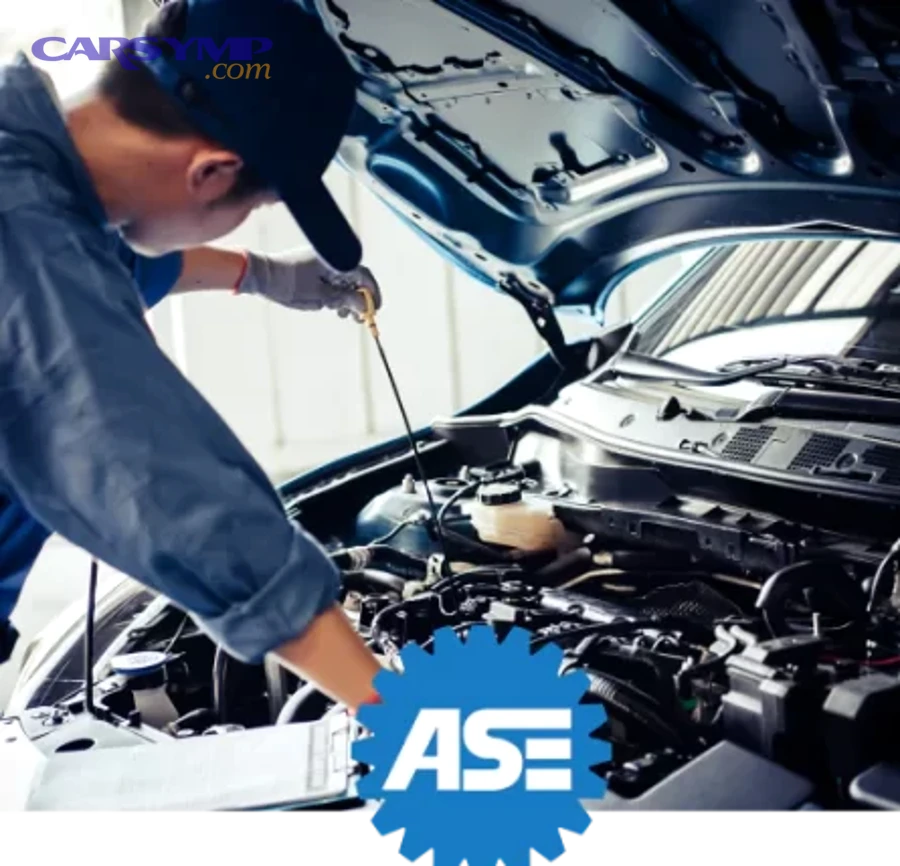
“I’ve been doing this 20 years” can be true and still outdated—today’s cars are software-heavy, sensor-driven, and tightly networked. Trustworthy mechanics invest in training and can explain what they specialize in (diagnostics, drivability, brakes, suspension, HVAC, electrical, hybrids/EVs, ADAS calibration).
Tiếp theo, don’t just ask “Are you certified?” Ask: “Who is certified here, and for what type of work?” A good shop can answer without embarrassment.
State requirements and consumer-protection rules signal legitimacy
Depending on where you live, there may be licensing, registration, estimate/authorization rules, or posted consumer rights for auto repairs. A legitimate shop knows the basics and won’t resist written authorization. Ngoài ra, consumer protection guidance (like state attorney general resources) often emphasizes written authorization for inspection/diagnosis and repair—trustworthy shops align with that standard.
Clear insurance and warranty policies are “credibility infrastructure”
Trustworthiness is also operational: the shop can explain how they handle comebacks, warranty claims, and supplier defects. Tiếp theo, look for a written warranty policy and a calm explanation of what’s covered: parts, labor, time/mileage limits, and exclusions.
They’re honest about what they don’t do in-house
A neighborhood mechanic earns trust by saying: “We don’t do that here, but here’s who does.” That might include body work, transmission rebuilds, glass, or complex module programming. Hơn nữa, trustworthy shops protect you from half-baked work by referring you out when needed.
What does a healthy shop culture look like when you walk in?
A healthy shop culture looks organized, safety-minded, and customer-centered: roles are clear, communication is consistent, and the environment supports careful work. Tiếp theo, you’ll learn what to notice—without judging a shop by superficial “shiny” aesthetics.

Clean processes matter more than a spotless floor
A trustworthy shop may be busy and imperfect, but it should be process-clean:
- Cars are tagged and tracked (keys labeled, work orders matched)
- Parts are staged per vehicle, not piled randomly
- Tools and lifts are maintained (no obvious safety hazards)
- Technicians follow consistent procedures
Tiếp theo, if you see repeated chaos—missing keys, vague paperwork, “we’ll figure it out later”—that’s often the same chaos that creates billing surprises.
They communicate in a predictable rhythm
Trustworthy shops set expectations: when they’ll diagnose, when they’ll call, how approvals work, and what delays mean. Đặc biệt, they use a consistent channel (call/text/email) and stick to it, instead of leaving you guessing.
They prioritize safety and ethics over speed
A good neighborhood mechanic won’t rush a safety-critical repair just to “get it out today” if it compromises quality. Tiếp theo, they’ll tell you what must be done right now (brakes, steering, tires, major leaks) and what can wait responsibly.
How can you verify reputation without being tricked by reviews?
You can verify reputation by triangulating: patterns in reviews, consistency in policies, and the shop’s response to problems. Sau đây, you’ll learn a method to avoid being fooled by cherry-picked testimonials or suspicious five-star floods.
Look for repeatable behaviors, not emotional praise
In honest reviews, customers describe process details: “They called before adding work,” “They showed photos,” “They returned old parts,” “They honored the warranty.” Tiếp theo, prioritize reviews that mention your type of vehicle and repair category.
Consumer Reports’ repair shop survey data highlights how owners evaluate shops on attributes like honesty, price, and quality—so reviews that reference those specifics are more trustworthy than vague praise.
Pay attention to how the shop responds to negatives
Every shop will have an unhappy customer eventually. The trust signal is the response: calm, factual, and solution-oriented—without attacking the reviewer or revealing private details. Trong khi đó, a defensive, insulting, or evasive response suggests a fragile culture.
Cross-check with community signals
A neighborhood mechanic’s reputation often lives beyond review sites: local referrals, repeat customers, and long-term relationships. Ngoài ra, notice whether the shop has stable staffing, consistent business identity, and a clear specialization.
When you’re also Finding a shop for your car make, consistency matters: a trustworthy shop will tell you upfront if they have the tools and experience for your model and drivetrain, rather than learning on your dime.
How do trustworthy mechanics handle parts, warranties, and “comebacks”?
Trustworthy mechanics treat parts and warranties as shared risk: they document what was installed, stand behind workmanship, and handle returns or defects without drama. Tiếp theo, you’ll see what “warranty confidence” looks like in real conversations.
They can explain part choices in plain tradeoffs
Trustworthy shops don’t pretend every part is identical. They explain why they recommend a certain brand: fitment, failure rates they’ve seen, supplier support, noise/vibration performance, and warranty ease. Tiếp theo, they’ll also tell you when OEM truly matters (certain sensors, timing components, ADAS-related parts).
They offer a written warranty and honor it
A written warranty is a promise you can hold. It should state time/mileage limits, coverage (parts and labor), and what voids it (abuse, contamination, missed maintenance in some cases). Hơn nữa, the shop should explain the warranty before you pay, not only after something goes wrong.
They’ll show you old parts when it makes sense
Not every old part is safe or useful to handle, but trustworthy shops will offer to show or return replaced parts when allowed and practical. This is less about “catching” them and more about building confidence that the work was real. FTC consumer guidance notes that asking for replaced parts may be required or supported by state law in some places.
They handle comebacks with process, not blame
Even good repairs can have complications: a defective part, an underlying issue revealed after the first fix, or a secondary failure. A trustworthy mechanic treats a comeback as a diagnostic process: verify symptoms, check workmanship, validate the part, and communicate next steps—without implying you caused it unless evidence clearly shows it.
What are the biggest red flags that suggest a “shady” shop?
Yes—there are red flags that strongly indicate a shady shop: vague pricing, pressure tactics, refusal to document work, and diagnosis without evidence. Tiếp theo, you’ll learn what to do when you see these signs so you can protect yourself without turning the visit into a conflict.
They won’t give a written estimate or won’t honor approvals
If a shop resists putting numbers in writing, you’re being asked to accept risk blindly. Tiếp theo, if they start work without your authorization—or treat your approval as a formality—that’s a major trust breach.
According to AAA’s survey reporting, many drivers cite overcharges and recommendations for unnecessary services as reasons for mistrust, which is exactly why written estimates and approval checkpoints matter.
They use fear-based urgency without explaining risk
“Your car is unsafe” may be true—but a trustworthy shop explains why and shows evidence (measurements, wear indicators, leaks, looseness, test results). Trong khi đó, a shady shop uses urgency to skip your decision-making process.
They recommend a long list of add-ons that aren’t connected to your concern
Upsells often appear as unrelated packages: flushes, cleaners, “tune-ups,” or vague “conditioning services.” Tiếp theo, ask the linking question: “How does this recommendation relate to the symptom I came in for?” If they can’t connect it, treat it as optional at best.
If you’re searching “best auto repair shop near me,” don’t let convenience override clarity: the best shop is the one that can justify each recommendation with evidence and priority, not the one with the shortest drive.
They can’t explain what you’re paying for
When asked “What does that charge include?” trustworthy advisors explain. Shady advisors deflect (“That’s just what it costs”) or become irritated. Quan trọng hơn, confusion is profitable—so honesty reduces confusion by design.
How can you build a long-term relationship with a neighborhood mechanic?
You build a long-term relationship by aligning expectations: clear priorities, documented maintenance history, and consistent communication habits. Sau đây, you’ll see a practical approach that helps you get better care over time—and reduces the odds of surprise repairs.
Start with a “small test repair” and evaluate the process
Instead of waiting for a crisis, try a lower-stakes visit: inspection, oil service, brakes evaluation, or a known maintenance item. Tiếp theo, evaluate:
- Did they document the estimate before work?
- Did they explain priority clearly?
- Did they finish when promised—or communicate delays?
- Did the final invoice match the estimate and approvals?
This method helps you judge trustworthiness based on behavior, not marketing.
Share context that helps them diagnose accurately
A trustworthy mechanic becomes even better with information: when the issue happens, what changes it, recent work done, warning lights, and any patterns (wet weather, cold start, turning, braking). Hơn nữa, keep your previous invoices and maintenance history—good shops use history to avoid repeating work.
Agree on priorities: safety, reliability, then optimization
Many conflicts start when the customer wants “just fix the noise” but the mechanic sees safety risks. A trustworthy relationship sets a shared order: safety first, reliability second, comfort/optimization last. Tiếp theo, ask the shop to rank recommendations in three tiers so you can plan costs responsibly.
Create a repair fund and reduce desperation decisions
When money is tight, people are more vulnerable to pressure. AAA has reported that a substantial portion of U.S. drivers struggle to afford unexpected repairs—making clear budgeting a real consumer need.
Như vậy, even a small monthly “car fund” helps you make rational choices: second opinions when needed, quality parts where they matter, and timely maintenance that prevents bigger failures.
Contextual Border: Up to this point, you’ve learned the core signs of trustworthiness—documentation, evidence-based diagnosis, and accountable warranty behavior. Tiếp theo, the next section covers rarer “green flags” that signal a shop is unusually customer-first, especially on modern vehicles.
What rare green flags separate exceptional neighborhood mechanics from merely “okay” ones?
Exceptional shops go beyond honesty—they build systems that make honesty easy: visual documentation, proactive planning, and consistent education. Sau đây, are four uncommon signs that often indicate you’ve found a true long-term partner for your car.

They use photos or digital inspections to show, not just tell
One of the strongest rare signals is visual proof: photos of leaks, worn pads, cracked bushings, or scan screenshots—paired with a short explanation. Tiếp theo, this reduces misunderstanding and turns the estimate into evidence, not persuasion.
Some industry materials discuss how digital inspection workflows can increase transparency; while methods vary, the practical takeaway is simple: if they can show it, you can trust the recommendation more.
They provide a “maintenance roadmap” customized to your mileage and usage
Instead of pushing random add-ons, exceptional shops build a plan: what to do now, what to schedule next, and what to monitor—based on your driving style (short trips, towing, highway commuting, extreme heat/cold). Hơn nữa, they explain the “why” in terms of preventing breakdowns and protecting expensive components.
They’re candid about uncertainty and offer staged diagnostics
On complex issues (intermittent electrical faults, evaporative leaks, drivability complaints), the best shops propose staged diagnostics: step 1 confirms or eliminates a hypothesis; step 2 goes deeper only if needed. Tiếp theo, this protects you from paying for random part swaps.
They make it easy to say “not today” without punishment
Exceptional mechanics respect your budget. They document recommendations, explain risk honestly, and let you defer non-urgent work—without guilt, sarcasm, or scare tactics. Tóm lại, if you feel safer after a “no,” you’re likely in the right shop.
FAQs
Should you always get a second opinion?
No—not always, but you should when the diagnosis isn’t supported by evidence, the estimate is unusually high, or the recommendations feel unrelated to your symptoms. Tiếp theo, a trustworthy shop won’t take offense; they’ll often encourage verification for major repairs.
Is a cheap quote a sign of honesty?
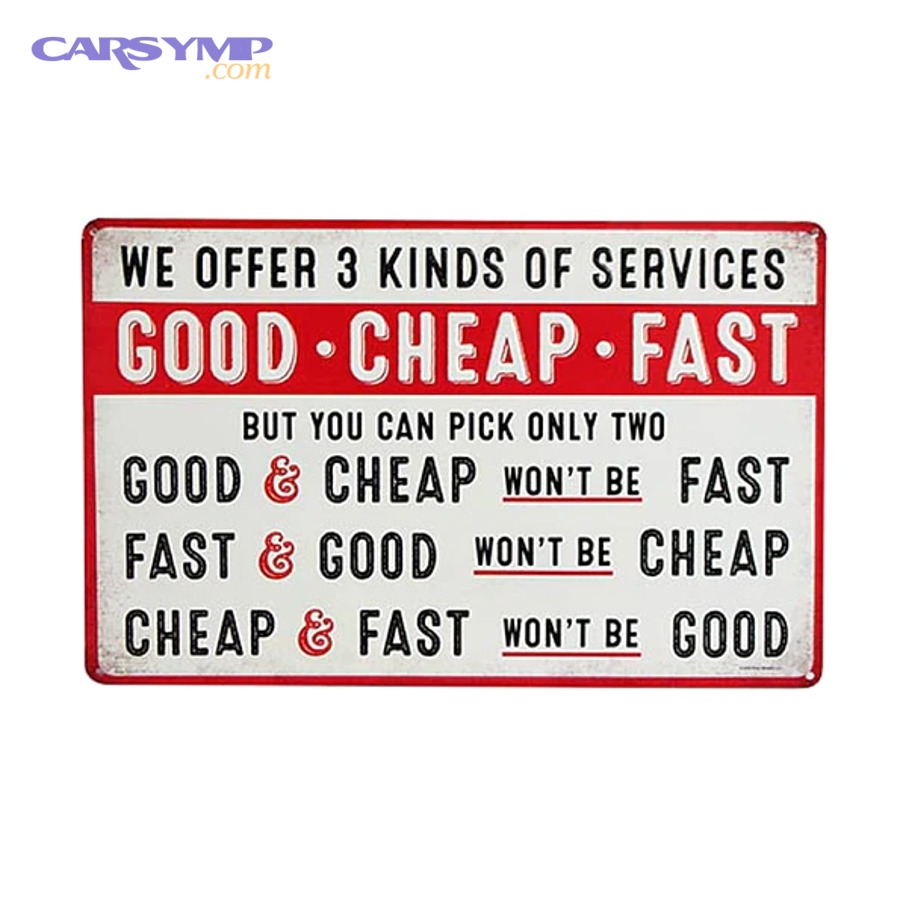
No—low price can be honest or risky. Trustworthiness is shown by documentation, parts quality clarity, and warranty support. Trong khi đó, an unusually cheap quote may hide cut corners (low-grade parts, skipped steps, or no warranty follow-through).

What should you bring or prepare for the first visit?
Bring your vehicle symptoms notes (when it happens, what changes it), any recent invoices, and your priorities (safety vs comfort vs cost). Tiếp theo, ask for a written estimate and a call/text approval checkpoint before added work.
What if the shop recommends many services at once?
Ask for prioritization in tiers: must-do now, plan soon, monitor later. Hơn nữa, request the evidence for each “must-do” item. Trustworthy shops can justify urgency; shady shops rely on overwhelm.
Video tip: A short overview on how transparency tools and inspection communication can help customers understand repairs is embedded below.