


Change brake fluid based on the earliest of two triggers: the factory schedule or clear warning signs (dark fluid, soft pedal, moisture contamination). That approach protects braking performance because brake fluid is hygroscopic and degrades over time, even if the car “feels fine.”
Besides timing, this guide helps you pick the right service level—simple exchange vs full flush—so you avoid partial fixes that leave old, moisture-loaded fluid in the ABS modulator and calipers.
It also explains what makes one vehicle need fluid sooner than another (humidity, mountain driving, towing, track use, frequent ABS activation), so you can build an interval that matches your real-world conditions.
More importantly, “Giới thiệu ý mới” this article shows you exactly what to inspect, what to measure, and what to do next—so the interval decision becomes a repeatable routine, not a guess.
When should you change brake fluid: follow schedule or symptoms first?
Yes—use both: change brake fluid on the manufacturer interval, but do it sooner if symptoms or contamination appear, because moisture and heat aging reduce boiling point and corrosion protection. Next, treat your interval as a decision rule, not a fixed date.
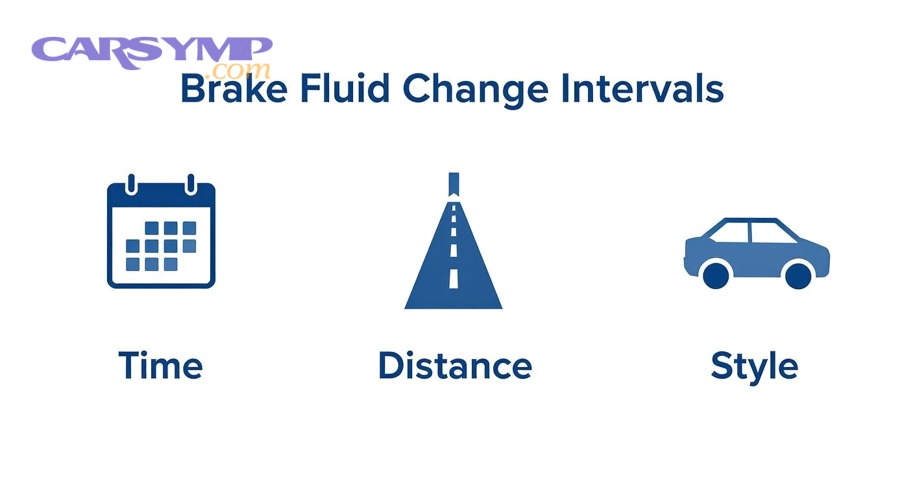
What the “interval” really means for brake fluid aging
Brake fluid interval means the safe time window before the fluid’s water content, oxidation, and additive depletion start increasing risk (fade, corrosion, sticky valves), especially under repeated heat cycles. To connect this to action, you’ll decide using schedule + risk factors + a quick inspection.
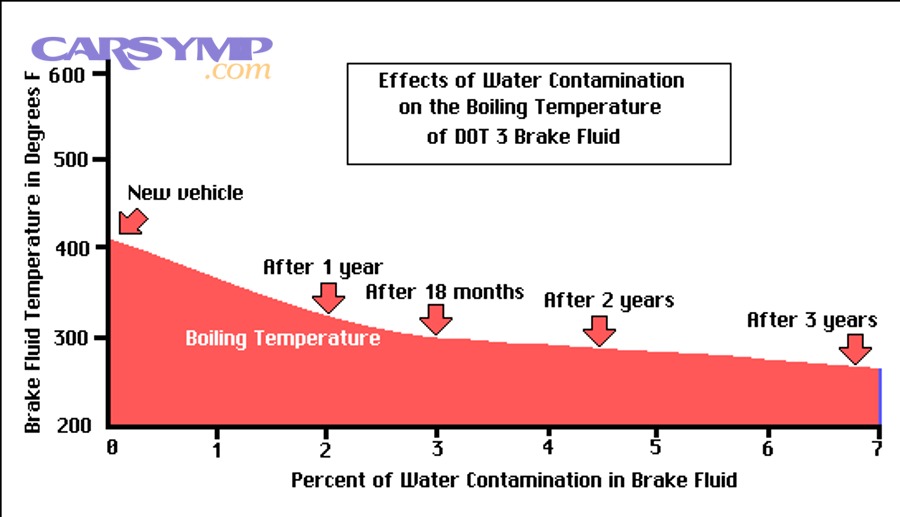
Cụ thể, brake fluid absorbs moisture through hoses, seals, and reservoir venting; that water lowers boiling point and can create internal rust in steel lines and ABS components. The result is not always immediate failure—often it shows up as gradually softer pedal, inconsistent braking, or premature caliper and master cylinder wear.
Why symptoms can override the calendar
Symptoms override the calendar because they indicate the fluid has already crossed a functional threshold (contamination, aeration, seal wear, overheating). Bên cạnh đó, symptoms usually appear after the system has been stressed, meaning the interval has become “too long” for your usage.
Ví dụ, if you smell hot brakes after downhill driving and the pedal gets long, the fluid may be boiling locally at the caliper. If the reservoir fluid is very dark or you see fine debris, you may have rubber degradation or corrosion in progress, which calls for earlier service than a generic timeline.
Typical baseline interval most drivers can start with
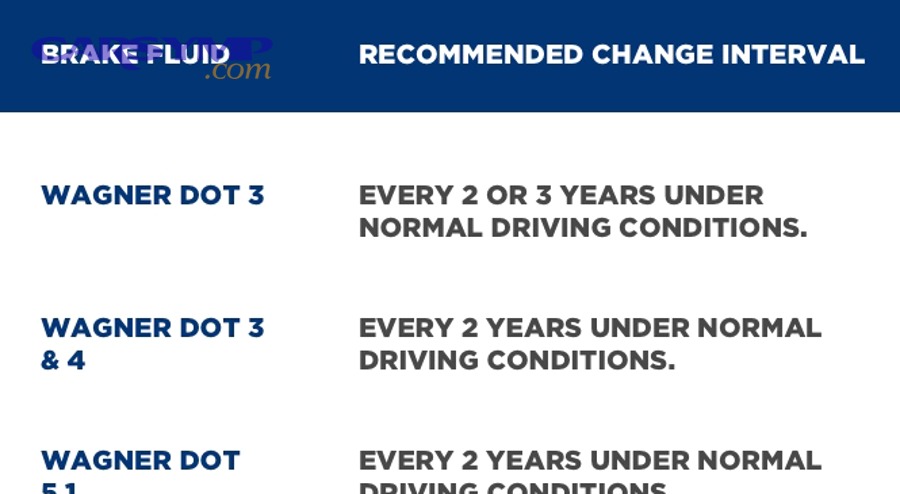
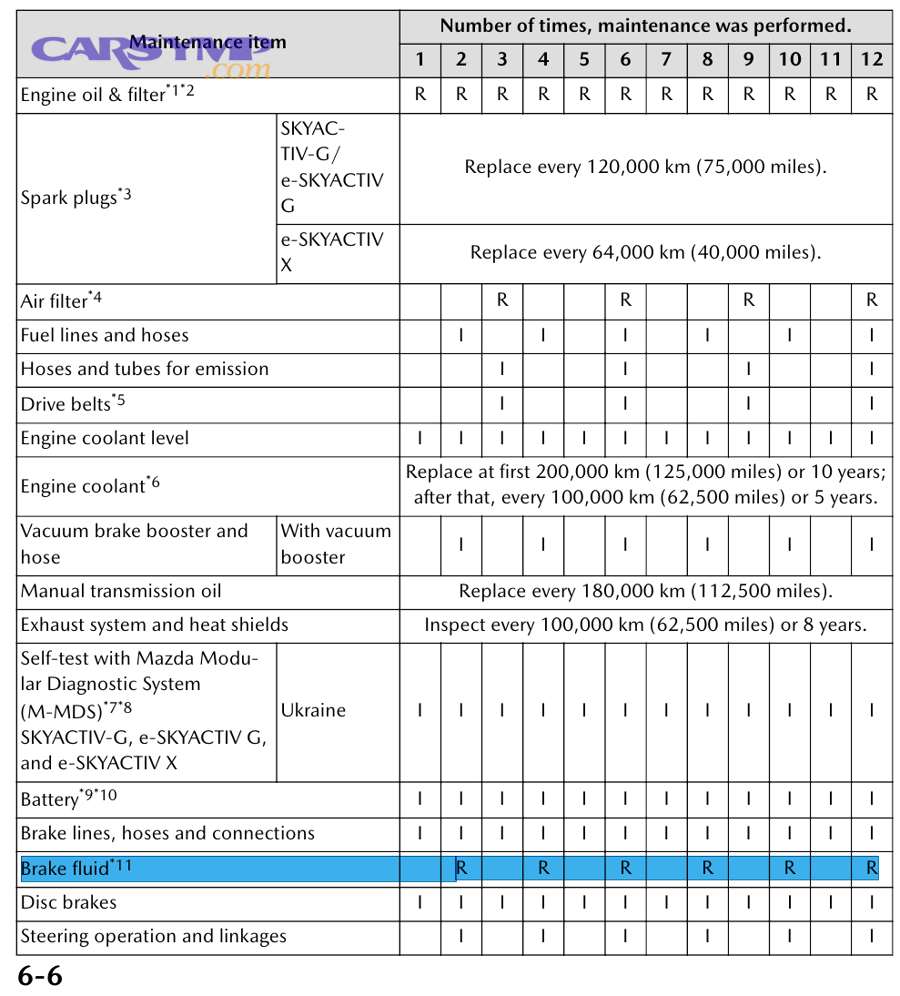
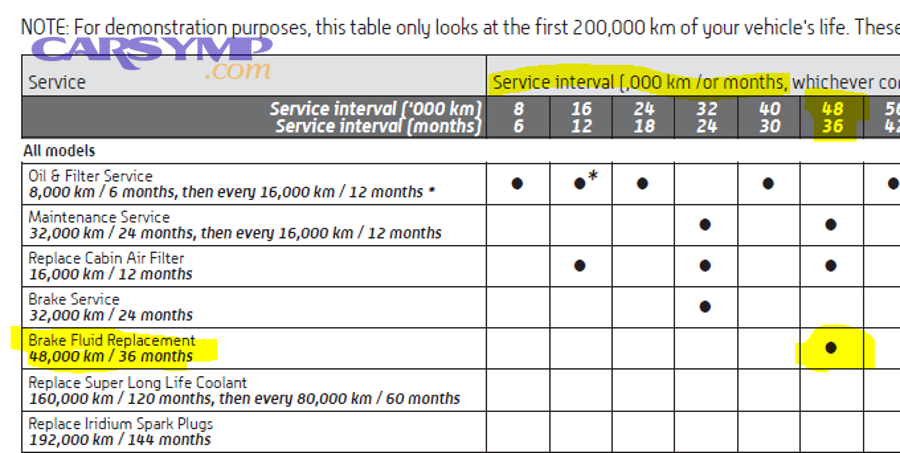
A practical baseline is every 2 years for many daily-driven vehicles unless your owner’s manual specifies differently; then adjust shorter for harsh use and longer only with measurement. Tuy nhiên, the safest rule is “manual first,” because some OEMs specify time-based or mileage-based service tied to their system materials.
Để minh họa, a car in a humid coastal area with frequent stop-and-go heat cycling may need fluid sooner than the same model in a dry climate. If you do heavy braking (mountains, towing, track), shorten the interval because heat accelerates oxidation and water’s impact.
Evidence-style note you can cite in your content system
The key mechanism is widely documented: glycol-based brake fluids (DOT 3/4/5.1) absorb water, which lowers boiling point and can increase corrosion risk inside braking components over time.
What are the clearest signs your brake fluid is overdue?
Overdue brake fluid usually shows up as a soft/long pedal, fluid that looks dark or contaminated, abnormal ABS behavior during hard stops, or uneven braking feel after heat. Sau đây, use a checklist so you don’t mistake pad/rotor issues for fluid problems.
Pedal feel clues: soft, spongy, or gradually sinking
A soft or spongy pedal can mean air, but it can also mean fluid is overheated or moisture-laden, causing compressibility under heat. Tiếp theo, separate “fluid” clues from mechanical leaks by checking the reservoir level and visible seepage.
Cụ thể hơn, a pedal that feels normal when cold but gets long after repeated braking often points to boiling or micro-bubbles forming in hot calipers. A pedal that slowly sinks at a stop may indicate internal master cylinder bypass, but old fluid can accelerate seal wear—so fluid service and diagnosis are linked.
Visual clues: color, clarity, and debris
Healthy fluid is usually clear to light amber; very dark brown/black fluid or suspended particles suggest oxidation and contamination. Bên cạnh đó, cloudy fluid can indicate water contamination or mixing issues.
Để bắt đầu, look into the reservoir with a light (do not introduce dirt). If the fluid looks like dark tea or has “glitter” specks, plan a flush and inspect for internal corrosion. If rubber bits appear, hoses or seals may be degrading, which can later cause caliper sticking or master cylinder issues.
Heat clues: brake fade on descents or repeated stops
Yes, overheating episodes are a strong reason to shorten the interval because water lowers boiling point and makes fade more likely. Tuy nhiên, fade can also come from pads—so you’ll confirm by noting whether the pedal gets long (fluid) vs firm but less bite (pads).
Ví dụ, on a mountain descent, if you push harder and the pedal travels farther, fluid is suspect. If the pedal stays firm but stopping distance increases, pads may be overheating. Either way, a heat event is a logical trigger to refresh fluid sooner.
Tool clue: brake fluid tester readings
A moisture or boiling-point tester gives the fastest decision support: if water content is elevated or boiling point is low, change the fluid now. Ngoài ra, consistent high readings justify sticking close to the manual interval.
Cụ thể, many shops use electronic conductivity testers; some use boiling-point testers. Conductivity tools vary by fluid chemistry and can be less accurate on some formulations, so treat them as trend tools, not absolute truth—pair results with symptoms and visual condition.
Which driving conditions shorten brake fluid interval the most?
Yes—harsh conditions shorten the interval because they increase heat cycles and moisture exposure, accelerating fluid breakdown. Tiếp theo, match your interval to your environment and brake workload rather than copying another car’s schedule.
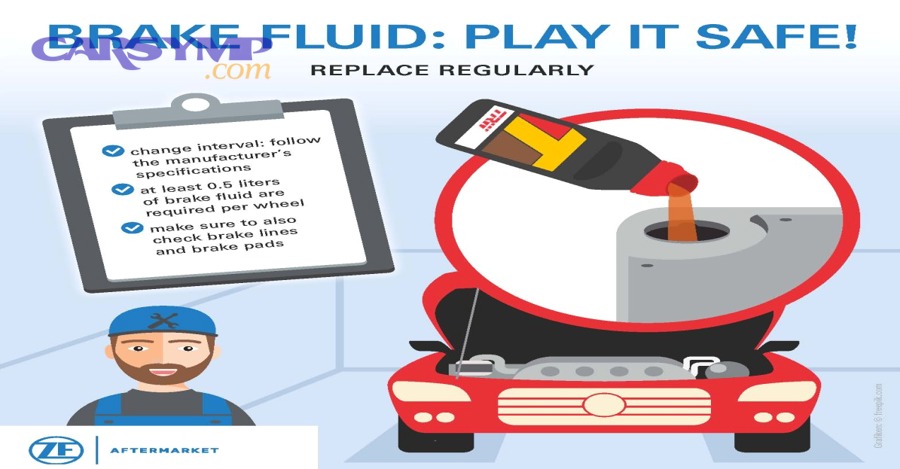
Humidity and temperature swings
High humidity and frequent temperature swings increase moisture absorption and condensation risk. Bên cạnh đó, short trips that never heat-soak the brakes can allow moisture to linger rather than evaporate during long hot runs.
Ví dụ, coastal climates, rainy seasons, and garaged-to-cold transitions can all add water to the system over time. If you live in these conditions, consider testing yearly and flushing at 18–24 months if readings drift upward.
Mountain driving, towing, and heavy loads
Downhill braking and towing create repeated high caliper temperatures that accelerate oxidation and can boil marginal fluid. Tuy nhiên, the same vehicle used mostly on flat roads may be safe on a longer interval.
Cụ thể hơn, towing increases brake energy per stop; mountain descents keep brakes hot for minutes at a time. If you do these monthly, shorten the interval and prioritize high-quality fluid with a strong dry/wet boiling point rating (within your system’s specs).
Track days, aggressive driving, and frequent ABS activation
Track use and repeated ABS events add heat and cycling through the ABS modulator valves, stressing fluid and components. Hơn nữa, once fluid has been overheated, it can degrade faster afterward.
Để minh họa, one track weekend can justify a post-event flush, especially if you felt fade or the pedal changed. For street-only cars, frequent ABS activation in winter braking can still justify closer monitoring because the modulator is an expensive component to protect.
Long service life components and neglected maintenance history
If you bought a used car with unknown fluid history, assume it’s overdue and baseline it with a flush, then track future intervals. Quan trọng hơn, older systems may have more internal corrosion risk, making fluid replacement higher value than many owners expect.
Cụ thể, dark fluid in an older vehicle often correlates with caliper slide pin issues and piston seal aging. Fresh fluid won’t fix seized hardware, but it reduces the chemical stress that accelerates the next failure.
How can you set a personalized brake fluid interval rule you can repeat?
Use a 3-factor rule: manufacturer interval + risk factors + condition check, then choose the earliest trigger to act. Sau đây, you’ll turn it into a simple annual routine.
Step 1: Anchor to the owner’s manual, then adjust
Start with the manual’s time/mileage schedule because it reflects system materials and OEM validation. Tiếp theo, shorten it if you have high heat or humidity exposure; lengthen only with objective testing.
Cụ thể, if the manual says 3 years, a dry-climate commuter might stay close to that with yearly testing. If the manual says 2 years, treat that as a maximum, not a suggestion—especially if you drive mountains or tow.
Step 2: Add “risk multipliers” that shorten the timeline
Apply one or more risk multipliers: mountains/towing, track days, humid climate, frequent ABS, or unknown history. Bên cạnh đó, if you’ve had any brake hydraulic part replaced (caliper, hose, master cylinder), consider flushing to standardize fluid quality across the system.
Ví dụ, if you tow regularly, change every 12–18 months. If you do occasional mountain trips, keep 18–24 months. If you never stress brakes and live in a dry region, testing can justify following the manual closely.
Step 3: Perform a quick annual condition check
Do a yearly check: fluid color/clarity + pedal feel consistency + tester reading if available. Ngoài ra, inspect for leaks and check rubber caps/boots because external issues often drive internal contamination.
Để bắt đầu, wipe around the reservoir cap before opening so dirt doesn’t enter. Look at the fluid in the reservoir and note any cloudiness. Then road-test safely: confirm the pedal is consistent across repeated stops and doesn’t change dramatically with heat.
Table: Interval triggers and what they mean
This table shows a practical decision map: common triggers, what they usually indicate, and the recommended action so you can choose an interval confidently.
| Trigger | What it suggests | Recommended action |
|---|---|---|
| Owner’s manual time/mileage reached | OEM baseline aging window | Schedule a full fluid exchange/flush |
| Fluid is dark brown/black or has debris | Oxidation/contamination; possible corrosion | Flush; inspect hoses, seals, and caliper hardware |
| Pedal gets long after repeated braking | Boiling/micro-bubbles; moisture-laden fluid | Flush soon; evaluate pad heat and caliper drag |
| Unknown service history (used car) | High uncertainty and risk | Baseline flush now; then start your interval tracking |
| Tester shows elevated moisture/low boiling point | Objective degradation threshold reached | Change immediately; shorten future interval |
Is brake fluid “lifetime,” and can you safely skip changes?
No, brake fluid is not lifetime for most vehicles because it absorbs moisture and degrades with heat and time; skipping changes raises risk of fade, corrosion, and expensive ABS component wear. Tiếp theo, you’ll see why “it still stops” is not a reliable safety test.
Why braking can feel normal even when fluid is degraded
Brakes can feel normal in gentle driving because the fluid never approaches its boiling point and corrosion progresses quietly. Tuy nhiên, the problem shows up during emergency stops, long descents, or repeated braking—exactly when you need brakes most.
Cụ thể hơn, water in fluid can sit in low spots and promote rust; rust particles can damage seals and valves. Over time, that can contribute to sticking calipers or master cylinder bypass, and it can shorten the life of the ABS modulator.
What “skipping fluid changes” tends to cost later
Skipping can lead to internal corrosion, seized bleeders, sticky ABS valves, and premature caliper/master cylinder issues. Quan trọng hơn, those repairs are far more expensive than routine fluid service.
Ví dụ, bleeder screws can seize and snap, turning a simple flush into caliper replacement. ABS modulators are expensive, and while many failures are multifactorial, poor fluid condition increases the chemical and corrosion stress they endure.
When a “skip” might be less risky—and why it still isn’t ideal
In very dry climates with light braking and verified low moisture readings, extending slightly beyond the interval may be lower risk—but it’s still not optimal because additives deplete and contamination still accumulates. Ngoài ra, most drivers don’t measure; they guess, and guessing is the problem.
To stay evidence-based, use a tester and document results annually. If readings stay consistently good, you can align closer to the manual schedule. If not, shorten the interval.
How do you choose the right brake fluid service: exchange or full flush?
A full flush is the safer choice when fluid is dark, the history is unknown, you’ve had heat events, or you want to protect ABS components; a simple exchange is best for routine maintenance when fluid condition is still good. Sau đây, match the service type to the risk.
Brake fluid exchange: what it does and what it leaves behind
An exchange mainly refreshes fluid in the reservoir and some lines, but can leave older fluid in calipers and ABS passages. Tuy nhiên, it can still be useful as a low-risk maintenance step if done more frequently and the system is already clean.
Cụ thể, if a shop uses a quick suction method only at the reservoir, you may not get meaningful replacement at the wheels. That’s why an “exchange” should still involve bleeding at each caliper/wheel cylinder if you want real system renewal.
Full flush: why it’s the standard for interval resets
A flush pushes new fluid through each wheel until it runs clear, removing more moisture and contaminants and equalizing fluid quality throughout the system. Bên cạnh đó, it’s the best way to reset your interval clock after unknown history or component replacement.
Để minh họa, flushing also helps reveal weak points: if one corner outputs very dark fluid, that corner may have more corrosion or less fluid circulation, prompting closer inspection of the caliper and hose condition.
How much fluid replacement is “enough”?
Enough means: clean-looking output at each wheel, stable pedal feel, and no air introduced; volume varies by vehicle size and ABS complexity. Ngoài ra, bleeding order matters by platform, so follow service information to avoid chasing air.
Cụ thể hơn, a typical passenger car may require 0.5–1.0 liter or more for a flush, sometimes more if you’re purging very old fluid. If a shop uses too little and stops early, you may get mixed results and an interval that doesn’t truly reset.
What makes the “right interval” different for DOT 3, DOT 4, and DOT 5.1 systems?
There are 3 main glycol-based types commonly used in modern vehicles—DOT 3, DOT 4, and DOT 5.1—and the right interval depends more on moisture/heat exposure than the label alone. Tiếp theo, you’ll connect fluid type to real interval decisions.
How fluid type changes heat margin, not immunity to moisture
DOT 4 and DOT 5.1 generally offer higher boiling points than many DOT 3 fluids, improving heat margin; none of these are immune to moisture absorption. Tuy nhiên, higher-performance fluids can still degrade quickly under repeated high heat and moisture exposure.
Cụ thể, if you drive mountains or do performance driving, the extra boiling-point headroom can reduce fade risk, but you still need periodic replacement because wet boiling point drops as water content rises. The interval should be tied to usage and testing, not just the bottle.
Compatibility and mixing: how it affects your interval strategy
Mixing compatible glycol-based fluids can be acceptable in emergencies, but it can dilute performance and complicate testing trends. Ngoài ra, always follow the cap/manual spec because seals and ABS calibrations can be designed around certain viscosity profiles at cold temperatures.
Important safety note: DOT 5 (silicone-based) is different from DOT 5.1; mixing silicone DOT 5 with glycol fluids is generally not recommended for most modern systems. Build your interval plan around the correct spec first, then optimize within that spec.
Table: Practical differences that influence interval decisions
This table summarizes how the common DOT types relate to heat margin, moisture behavior, and who should prioritize shorter intervals.
| Fluid type | Typical role | Interval sensitivity |
|---|---|---|
| DOT 3 | Everyday driving, many commuter vehicles | More sensitive to heat events; shorten if mountains/towing |
| DOT 4 | Higher heat margin; common on many modern vehicles | Still moisture-sensitive; monitor annually if hard use |
| DOT 5.1 | High-performance glycol option with strong cold-flow | Shorten with track/ABS-heavy use; test and flush proactively |
How-to: What are the safest at-home steps to flush brake fluid correctly?
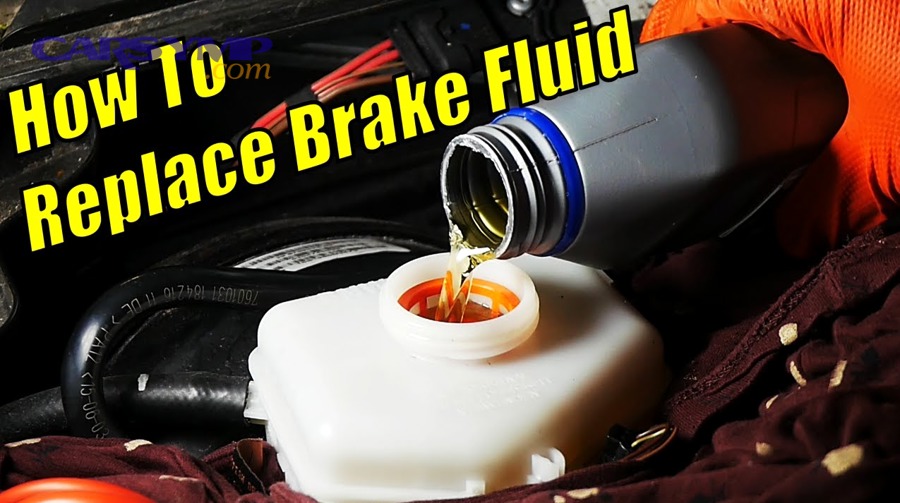
Use the correct fluid, a clean method, and a step-by-step wheel bleed to replace old fluid without introducing air; the result is a firmer pedal and a real interval reset. Sau đây is a home-friendly process with the key risk controls.
Preparation: tools, cleanliness, and paint protection
Prepare gloves, eye protection, correct brake fluid, a clear hose, catch bottle, wrench for bleeders, and optionally a vacuum or pressure bleeder. Tiếp theo, protect paint because brake fluid can damage finishes.
Cụ thể, clean around the reservoir cap before opening. Use only sealed, fresh fluid because opened containers can absorb moisture. Keep the reservoir from running low at all times—this is the biggest home DIY failure point.
Bleeding sequence: do it in the right order for your vehicle
Follow the vehicle-specific bleeding order because some systems (especially with ABS) differ from the old “farthest wheel first” rule. Tuy nhiên, if you don’t have service data, the common pattern is right rear, left rear, right front, left front—but verify when possible.
Để bắt đầu, attach a clear hose to the bleeder and submerge the other end in a catch bottle partially filled with old fluid to prevent air backflow. Have a helper press-and-hold the pedal, open the bleeder briefly, close it, then release. Repeat until fluid runs clear at each wheel.
The most important step: never let the reservoir run dry
Yes, keeping the reservoir topped up is the single most important success factor, because letting it run dry pulls air into the master cylinder and ABS modulator. Bên cạnh đó, once air enters the ABS module, you may need scan-tool procedures to fully purge it.
Cụ thể hơn, check the reservoir level every few cycles and top up with fresh fluid. Work slowly; rushing causes mistakes. If the pedal suddenly drops or becomes very spongy mid-process, stop and re-check for air and leaks.
Finishing checks: pedal feel, leaks, and safe test drive
Finish by confirming a firm pedal, no seepage at bleeders, and a stable brake feel during a cautious test drive. Ngoài ra, dispose of old fluid properly and wipe any spills immediately.
Để minh họa, after the flush, pump the pedal to confirm consistent height. Then do low-speed stops in a safe area. If the pedal remains spongy, you may have trapped air, a loose bleeder, or a mechanical issue that needs diagnosis beyond fluid service.
Contextual Border
Now that you can decide the interval using schedule, symptoms, and usage—and you know how to execute a proper flush—Tiếp theo, we’ll zoom into the less obvious details that often determine whether your interval decision truly protects expensive components.
Supplementary: What hidden factors can make your brake fluid interval shorter than expected?
Four hidden factors often shorten the interval: micro-leaks, hose aging, caliper heat drag, and poor previous bleeding quality. Sau đây, each factor connects directly to the “interval” decision you make.
Micro-leaks and cap seals that “breathe” moisture
Small leaks and weak reservoir cap seals can accelerate moisture entry and contamination even if the fluid level looks stable. Tuy nhiên, the interval impact is real because the system is no longer as sealed as intended.
Cụ thể, check around the master cylinder, ABS unit, hose crimps, and caliper piston dust boots for dampness. Even slight weeping can create a chronic moisture path and justify a shorter interval plus repair.
Old rubber hoses and internal liner deterioration
Aging hoses can shed internal material and reduce return flow, adding debris that darkens fluid and affects caliper release. Bên cạnh đó, degraded hoses can mimic caliper problems by acting like a one-way valve under pressure.
If your fluid turns dark quickly after a flush, inspect hoses and consider replacement—then re-flush to protect the new components. This is how interval logic ties into deeper hydraulic health.
Brake drag and repeated overheating from sticking hardware
Dragging brakes overheat fluid locally and accelerate oxidation, shortening the interval even if you don’t drive aggressively. Ngược lại, a free-rolling brake system keeps temperatures lower and extends fluid stability.
Cụ thể hơn, if you notice one wheel gets hotter, smells, or shows uneven pad wear, fix the drag first; otherwise, new fluid will degrade quickly again. After repairs, flushing is a smart reset to remove overheated fluid from that corner.
Previous service quality: partial bleeding and trapped old fluid
A “flush” that doesn’t reach each wheel or leaves old fluid in ABS passages can make your interval effectively shorter, because you’re starting from a mixed baseline. Quan trọng hơn, inconsistent service explains why some owners see dark fluid again within months.
If your maintenance history includes quick reservoir suction services, consider one thorough full flush and document the date; then your future interval decisions become predictable and data-driven.
FAQ
Should you change brake fluid after replacing pads or rotors?
Not always; pads/rotors alone don’t require fluid replacement, but if the fluid is old, dark, or you opened the hydraulic system, changing fluid is smart. Tiếp theo, treat pad/rotor service as a good opportunity to inspect fluid condition and reset the interval if needed.
Can low brake fluid level mean you need a flush?
No, low fluid level more often indicates pad wear or a leak; a flush addresses fluid condition, not fluid loss. Tuy nhiên, if the level dropped due to a leak and you repaired it, flushing afterward can help remove contaminated fluid and standardize system quality.
How do you know if a shop really did a full flush?
Ask what method they used (pressure, vacuum, or manual), whether they bled at all four wheels, and how much fluid they used; also request the old fluid to be shown if possible. Bên cạnh đó, you can mark the reservoir level and observe fluid clarity afterward as a sanity check.
How often should you test brake fluid if you don’t want to guess?
Test annually if you live in humid areas or drive mountains/tow; otherwise test every 12–24 months and compare trends. Tổng kết lại, the best interval is the earliest of manual schedule, harsh-use triggers, or an objective test that shows degradation.