


Many drivers want a simple routine that works for daily roads without guessing speeds, temperatures, or stop counts—and they also want to know which brake jobs actually require a break-in and which do not.
Just as important, you need to recognize early warning signs that mean you should stop and re-check hardware before the brakes overheat, glaze, or pull to one side.
Tiếp theo, “Giới thiệu ý mới” you’ll learn a repeatable bedding sequence, plus practical checks that confirm the break-in is working and that the braking system is safe for normal driving.
What is a brake break-in, and why does it matter after service?
A brake break-in is a short, structured set of stops that deposits an even friction layer on the rotor while heat-cycling the pad gently, so braking becomes smooth, predictable, and consistent.
To begin, think of braking surfaces as two materials learning how to work together: the pad compound, and the rotor face. During normal braking, a thin “transfer layer” (sometimes called a friction film) forms on the rotor; proper bedding helps that layer become uniform instead of patchy, which is a common trigger for judder and squeal.
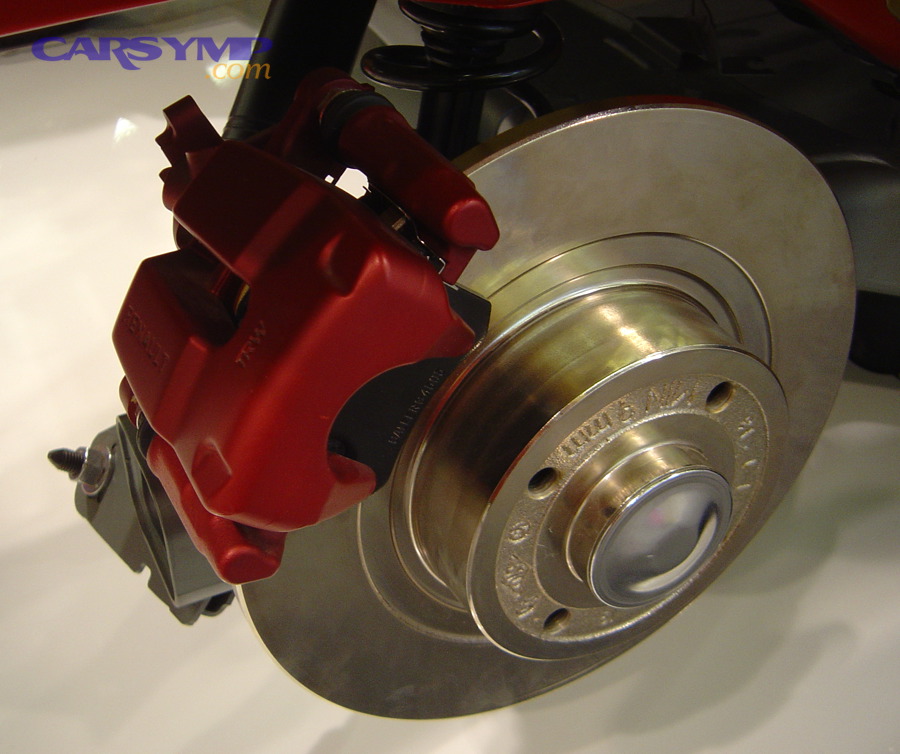
Specifically, break-in reduces three early-life problems that show up right after brake work:
- Glazing: Excessive heat too soon can harden pad resins and reduce bite, making the pedal feel “wooden.”
- Uneven transfer: Patchy film can cause vibration, a pulsing pedal, or steering wheel shake under light-to-medium braking.
- Hot spotting: Holding the car stopped with hot pads pressed against one rotor area can imprint material and create a “grab-release” sensation.
Theo nghiên cứu của University Politehnica of Bucharest từ Department of Machine Elements and Tribology, vào 07/2022, các đặc tính ma sát–mòn và sự ổn định hệ thống phanh phụ thuộc mạnh vào điều kiện bề mặt tiếp xúc đĩa–má và tải nhiệt, nên giai đoạn chạy rà (running-in) có vai trò lớn trong việc ổn định hành vi phanh.
After that foundation, the next step is knowing when break-in is truly necessary—because not every brake service needs the same routine.
Which brake jobs actually require a break-in routine?
Most pad-and-rotor contact changes benefit from break-in, but the routine is most important when you install new friction surfaces or disturb the pad’s contact geometry.
Next, use this quick grouping to decide how serious your bedding needs to be:
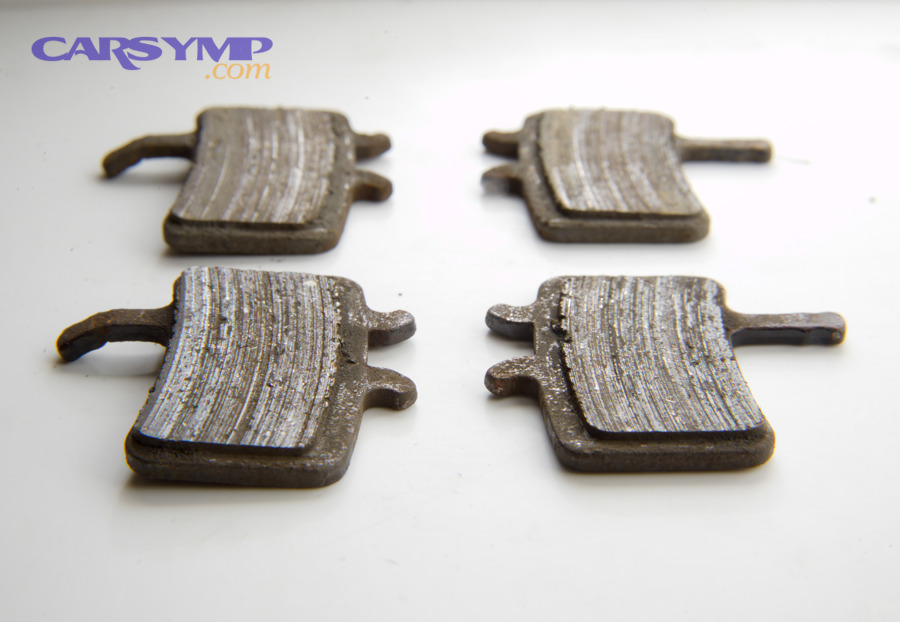
- High priority (do a full bedding routine): New pads, new rotors, new pad compound type, resurfaced rotors, or any time the rotor face is cleaned to bare metal.
- Medium priority (do a lighter routine): Pads reused on the same rotors after caliper/bracket work, or rotors reused with the same pad type after careful deglazing.
- Low priority (still do safety checks, light heat cycles): Fluid flush only, wheel bearing work, or ABS sensor work that doesn’t change pad-to-rotor contact.
If you performed brake caliper replacement, the break-in decision depends on whether pads/rotors were replaced, contaminated, or repositioned. Caliper work can change how evenly the pad clamps—so even with reused pads, a light bedding plus careful inspection is smart.
In addition, performance pads (track-capable compounds) may require a different heat window than commuter pads; that’s why you should always check the pad maker’s instructions if available.
After you’ve identified your job type, you’ll want a pre-drive safety checklist—because bedding is not a substitute for correct installation and bleeding.
How do you confirm the brakes are safe before the first bedding drive?
You confirm safety by verifying pedal firmness, fluid level, leaks, correct torque, free wheel rotation, and proper pad seating—before you try any repeated stops on the road.
After that, run this step-by-step check in a calm driveway setting:
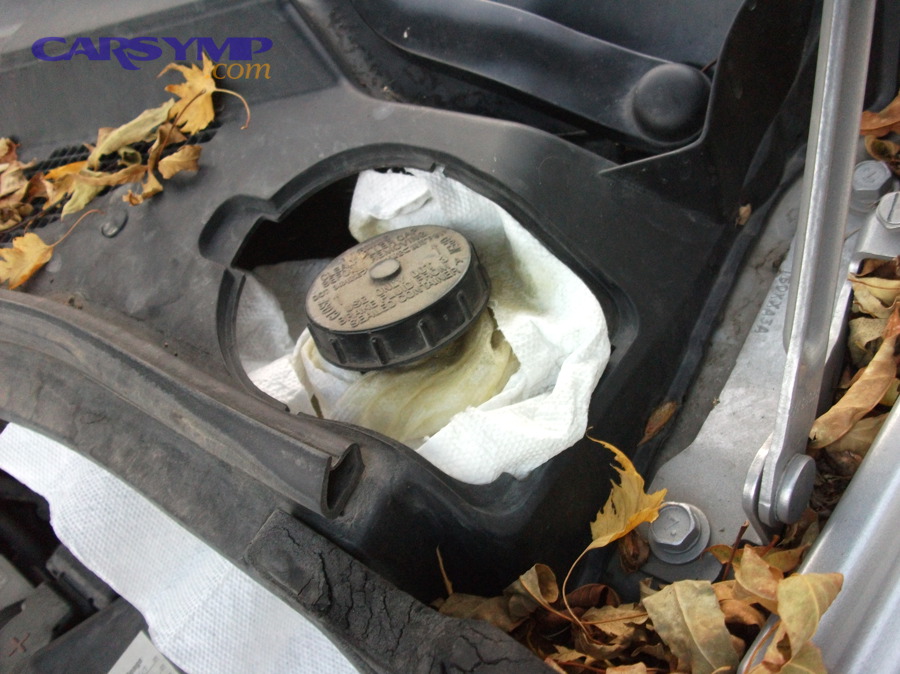
- Pedal check (engine off, then on): Pump the pedal; it should firm up. Start the engine; pedal should drop slightly with booster assist, then feel solid—not sinking.
- Fluid level and cap: Confirm the reservoir is between MIN/MAX and the cap seals properly; wipe any spilled fluid immediately.
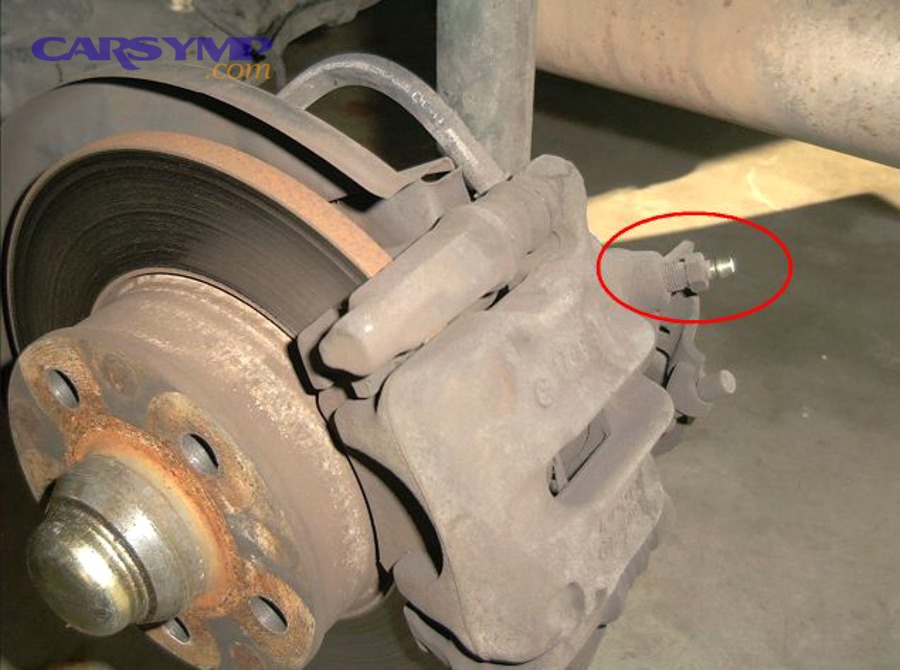
- Leak scan: Look around calipers, hose fittings, bleeder screws, and the master cylinder area for wetness or drips.
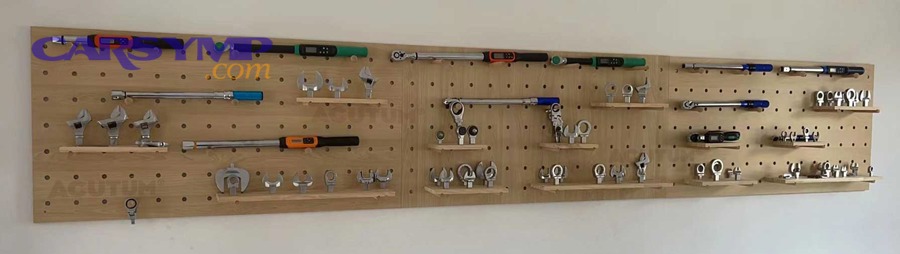
- Wheel torque: Tighten lug nuts to specification using a proper torque tool pattern to avoid rotor distortion.
- Free rotation test: With the wheel raised safely (if you have equipment), spin by hand; light pad drag is normal, heavy binding is not.
- Initial bed seat: In a safe spot, do 2–3 gentle stops from low speed to ensure the car stops straight and the pedal remains consistent.
If the pedal is spongy, you may still have air in the system or a sealing issue. If the pedal is firm but the car pulls, you may be facing alignment/traction differences—or a brake-side imbalance that requires deeper diagnosis.
For example, a “pull plus heat” pattern can overlap with Sticking caliper symptoms, but it can also be confused with hose restrictions or hydraulic issues; that’s where Caliper vs hose vs master cylinder diagnosis becomes relevant before you keep driving and cook the pads.
Once safety checks pass, you’re ready for the core routine: a street-friendly bedding sequence that minimizes glazing and maximizes consistency.
What is a simple step-by-step bedding routine for daily driving?
A practical daily-driver bedding routine is a set of moderate stops that gradually raise pad and rotor temperature, then cool them with airflow—without coming to a complete “hot hold” stop at the end.
To begin, pick a safe, straight road with little traffic and a long shoulder or turn-off. Then follow this sequence:
- Warm-up (3–5 stops): From about 25–30 mph (40–50 km/h), brake gently to ~5 mph (8 km/h). Drive 20–30 seconds between stops.
- Build heat (6–10 stops): From about 35–45 mph (55–70 km/h), brake with medium pressure to ~5 mph. Avoid ABS activation and avoid full stops.
- Stabilize (2–3 stops): From about 45–55 mph (70–90 km/h), do 2–3 firm stops to ~10 mph (do not lock wheels). Keep control smooth.
- Cool down (5–10 minutes): Drive at moderate speed with minimal braking to let airflow cool the brakes evenly.
To make it safer, keep these guardrails:
- No “hot hold”: At the end of the firm stops, do not stop and keep the pedal pressed hard at a standstill. If you must stop, roll gently, use the parking brake carefully, or leave space to creep.
- No panic braking early: Avoid emergency-level stops in the first few miles unless safety requires it.
- No water shock: Avoid puddles, car washes, or spraying wheels right after bedding; sudden cooling can stress rotors.
If your brake manufacturer provides a specific number of stops or speed targets, use their numbers as the primary instruction. Otherwise, this staged approach works well because it ramps heat gradually rather than spiking it.
To help you visualize the process, here is a short explainer video on bedding principles and what “transfer layer” means in real driving:
After you’ve done the basic routine, the next question is how to adapt it when your parts are not all-new—because mixed setups bed differently.
How should you adapt break-in for new rotors, used rotors, or mixed parts?
New rotors need a slower heat ramp, used rotors need surface preparation and a lighter reset, and mixed parts need extra attention to even contact so the transfer layer doesn’t become patchy.
Next, use this comparison framework to choose your approach:
- New pads + new rotors: Follow the full staged routine, extend the cool-down, and avoid heavy braking for the first 100–200 miles (160–320 km) if possible.
- New pads + used rotors: Clean and deglaze the rotor surface (proper method for your rotor type), then do a slightly lighter heat build to avoid smearing old deposits.
- Used pads + new rotors: Expect longer time to stabilize; the pad face may not match rotor geometry. Start with gentler stops and confirm contact patterns.
- Used pads + used rotors (same pairing): Often needs only a short, moderate reset—unless contamination or vibration existed before the service.
When rotors are reused, the hidden risk is uneven old material transfer. If the old pad compound differed from the new one, you can get compatibility issues where the new pad tries to lay down a different film chemistry on top of old deposits.
Theo nghiên cứu của SAE International từ Brake Colloquium & Exhibition, vào 10/2021, lớp transfer film hình thành trên bề mặt rotor có thành phần và đặc tính vật lý riêng, và sự khác biệt vật liệu má phanh có thể làm thay đổi đặc tính lớp film này—điều đó giải thích vì sao thay đổi compound thường cần bedding kỹ hơn để ổn định ma sát.
After choosing the right adaptation, you also need to avoid the common mistakes that quietly ruin bedding—because many “bad brakes” after service are actually bad break-in.
What mistakes ruin bedding and lead to glazing, squeal, or vibration?
Yes—bedding can be ruined, and the biggest causes are overheating too soon, stopping and holding hot pads, contaminating friction surfaces, or bedding on a road that forces repeated hard stops without cooldown.
Next, watch for these frequent failure patterns and what they typically cause:
- Too hard, too early: Can glaze pads and create a slick, shiny rotor band that reduces bite and increases noise.
- Hot hold at a stop: Can imprint pad material on one rotor spot, creating a “thump” or steering shake on light braking later.
- Riding the brakes downhill: Sustained heat can cause fade, resin boiling, or uneven film—especially before the transfer layer is stable.
- Contamination (grease, oil, brake fluid): Can cause permanent squeal, smoke, and poor friction; often requires pad replacement and rotor cleaning.
- Uneven torque or dirty hub face: Can mimic warped rotors by creating rotor runout that becomes disc thickness variation over time.
To be practical, if you smell strong burning resin or see smoke during the first heat build, stop the process and let everything cool fully before continuing. Smell alone isn’t always bad, but sharp, acrid smoke usually means you pushed beyond the pad’s intended temperature window.
After you avoid the pitfalls, you’ll want to verify whether the break-in succeeded—because “it feels fine” isn’t always the same as “it’s stable.”
How can you verify break-in success with feel, sound, and rotor appearance?
You verify success by checking straight-line braking, consistent pedal response, reduced noise, even rotor coloration, and balanced temperatures side-to-side after similar stops.
After that, use a simple “three-layer” verification:
- Driving feel: Brake from moderate speed with steady pressure; the car should stop smoothly, without steering shake, pulsing, or sudden grab-release.
- Sound profile: Light whoosh is normal; persistent squeal, grinding, or cyclic scraping suggests contamination, hardware issues, or uneven transfer.
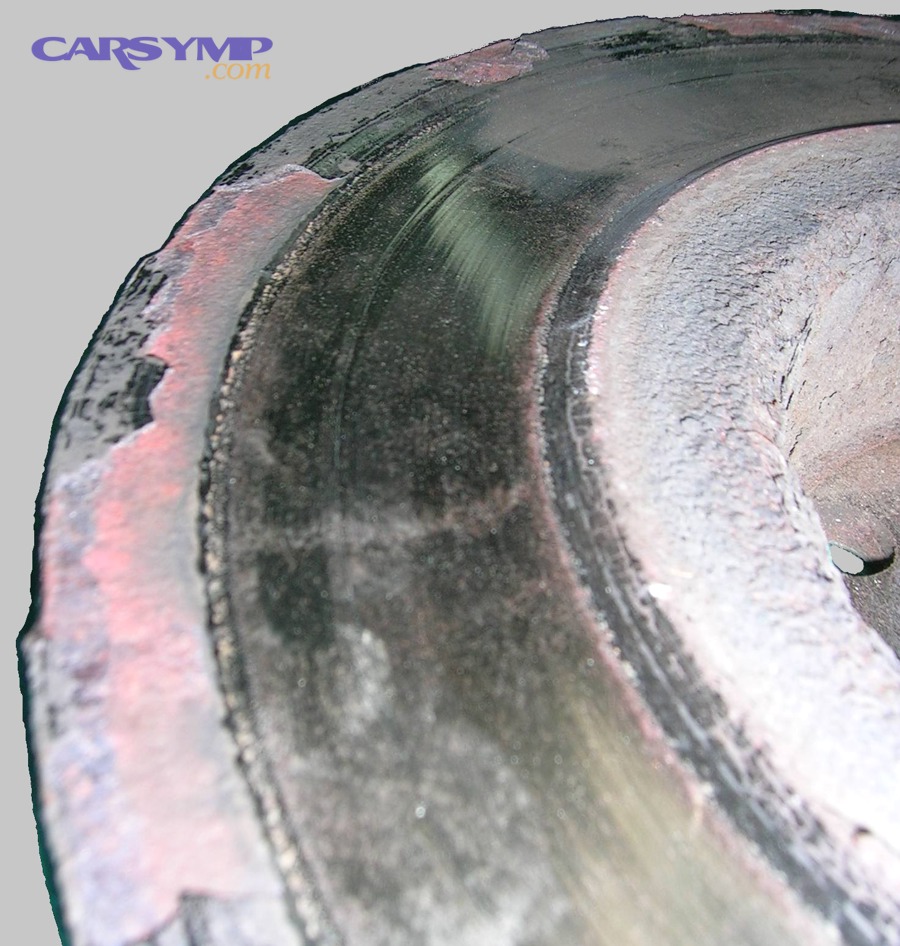
- Rotor face: Look for a uniform, slightly darker “swept” area. Patchy dark islands can indicate uneven transfer; bright polished spots can indicate poor contact.
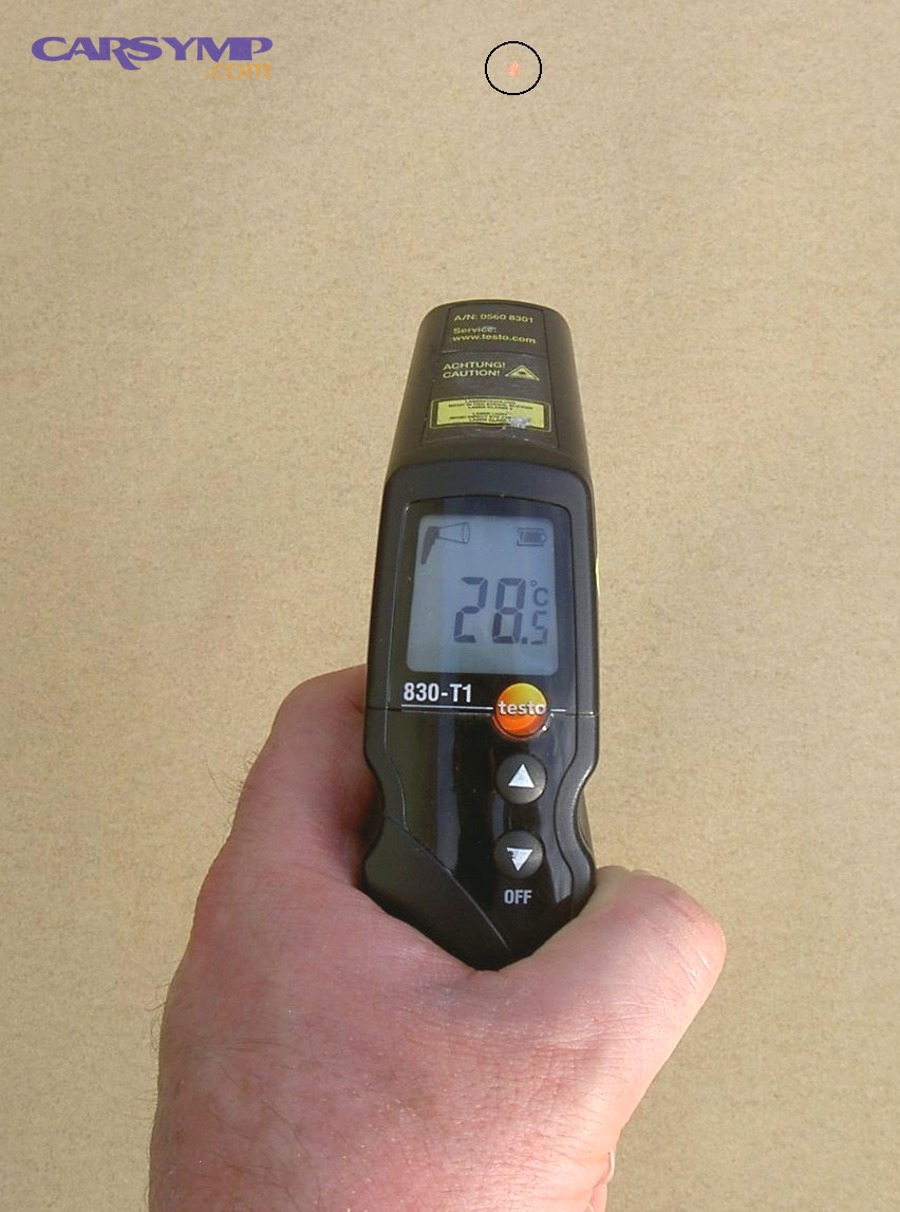
To quantify temperature safely, you can use an infrared thermometer after the bedding run (never touch hot parts). Compare left vs right rotor temperatures after identical driving; large differences can hint at dragging, uneven clamping, or air/hydraulic issues.
Theo nghiên cứu của University Politehnica of Bucharest từ Department of Machine Elements and Tribology, vào 07/2022, tải nhiệt và điều kiện bề mặt ảnh hưởng mạnh đến độ ổn định ma sát và hành vi mòn; vì vậy kiểm tra dấu hiệu nhiệt (màu bề mặt, mùi, và chênh nhiệt) giúp phát hiện sớm tình trạng chạy rà không ổn định.
Once you understand what “good” looks like, the next step is knowing when to stop and re-check—because continuing to drive on a bad setup can damage rotors fast.
When should you stop driving and re-check the brakes immediately?
Stop and re-check immediately if you have a sinking pedal, severe pull, grinding metal noise, smoke that persists, brake warning lights with poor braking, or a wheel that becomes dramatically hotter than the others after short driving.
Next, treat these as “red flags” that override any bedding plan:
- Pedal feels spongy or suddenly worse: Possible air in lines, a leak, or improper bleeding—do not keep bedding.
- Car pulls hard under braking: Could be uneven clamping, a dragging side, or hydraulic imbalance; continuing can overheat one corner.
- Grinding that changes with wheel speed: Possible pad installed wrong, missing hardware, rotor contact, or metal-to-metal.
- One wheel too hot to approach: Indicates drag; this overlaps with Sticking caliper symptoms and must be addressed before pad damage occurs.
- Brake fluid smell or visible wetness: Fluid leaks are urgent; brake fluid also destroys friction surfaces if it reaches pads/rotors.
If you suspect a hydraulic root cause (hose restriction, master cylinder issue, or caliper fault), pause and switch from “break-in mode” to systematic troubleshooting; that’s exactly where Caliper vs hose vs master cylinder diagnosis prevents wasted parts and repeat overheating.
After safety is confirmed again, you can restart bedding—but only once the underlying fault is fixed.
How long should you drive gently after bedding, and what should you avoid?
After bedding, drive normally but avoid repeated high-energy stops for the next 100–200 miles (160–320 km) if possible, because the transfer layer and pad surface continue to stabilize under everyday heat cycles.
Next, follow these “first-week” habits that keep the film even:
- Avoid holding the pedal hard at a hot stop: If you’re at a long light, ease pressure or leave space to creep slightly.
- Avoid long downhill brake riding: Use lower gears and intermittent braking to manage heat.
- Avoid washing wheels while hot: Let brakes cool first to reduce thermal stress and uneven deposits.
- Avoid “testing max brakes” repeatedly: One firm test is fine, but repeated panic stops early can overheat fresh surfaces.
If your brakes feel slightly grabby or slightly soft in the first day, that can be normal as surfaces finish stabilizing—what you should not accept is worsening vibration, worsening pull, or noise that escalates with temperature.
After these driving rules, it helps to answer the most common practical questions people have right after brake work, especially when symptoms don’t match expectations.
FAQ: What do drivers ask most after brake service and break-in?
These are the most common post-service questions, and the answers focus on what you can check safely without specialized shop equipment.
Next, use the closest matching question to decide your next action.
Is it normal to smell something during the first drive?
Yes—light odor can be normal as pad resins and coatings heat for the first time, but thick smoke, sharp burning, or a smell that worsens rapidly means you should stop and cool down.
After that, re-check for a dragging wheel, missing hardware, or a stuck piston/slide that’s overheating one corner.
Why does my pedal feel different right after the job?
A slightly different pedal can be normal due to pad shape and initial contact, but a spongy pedal is not normal and often indicates air, leaks, or incomplete bleeding.
Next, verify fluid level, check for leaks, and ensure the pedal firms up with pumping; if not, do not continue bedding.
Why do I hear squeal even after bedding?
Squeal can persist if pads are contaminated, hardware is missing, pad edges are chattering, or the transfer layer is uneven—bedding alone won’t fix a mechanical fit problem.
After that, inspect anti-rattle clips, pad seating, slide lubrication, and rotor surface condition before assuming the pad “is bad.”
Can I bed brakes in the rain or cold weather?
You can, but it’s harder to build stable heat and easier to cool unevenly, so extend the sequence gently and prioritize a long cooldown drive with minimal braking.
Next, if the road is slick, avoid any stop level that risks ABS cycling repeatedly during early bedding.
Contextual Border: From here, we move beyond the basic daily-driver routine into advanced notes—how friction layers form, why coatings matter, and how to manage high-performance pads without creating uneven deposits.
Advanced break-in notes for transfer layers, coatings, and performance pads
Advanced break-in focuses on building an even transfer layer within the pad’s intended temperature window while preventing localized deposits, especially when materials, coatings, or driving demands differ from normal commuting.
Next, use these deeper concepts when the “simple routine” isn’t enough.
How does the transfer layer build, and why can it become uneven?
The transfer layer builds as microscopic pad material adheres to the rotor under heat and pressure, creating a stable friction interface—but it becomes uneven when temperature spikes, contamination, or prolonged hot holds concentrate material in patches.
After that, understand the practical consequence: uneven transfer can feel like warped rotors even when the rotor is dimensionally fine, because braking torque varies as pads pass over different friction zones.
Theo nghiên cứu của SAE International từ Brake Colloquium & Exhibition, vào 10/2021, lớp transfer film trên rotor có đặc tính riêng và ảnh hưởng trực tiếp đến hành vi ma sát; do đó mục tiêu của bedding là tạo lớp film đồng đều thay vì “đốt nóng” một lần thật mạnh.
Should you bed-in coated rotors or plated hats differently?
Yes—coated rotors (especially on non-swept areas) still need normal bedding on the swept face, but you should extend warm-up stops and avoid very hard early stops so coatings and machining residues don’t smear into uneven deposits.
Next, if the swept face has any protective oil, clean it properly before driving; bedding is not a cleaning method, and oil contamination can permanently damage pads.
How do you handle high-performance pads without glazing them on the street?
High-performance pads often need higher temperatures to stabilize, so the safest approach is a longer moderate sequence with repeated airflow cooling rather than a few extreme stops that exceed the street tire’s grip and trigger ABS.
After that, if the pad is truly track-focused, follow the manufacturer’s heat-cycle guidance; otherwise you risk either under-bedding (weak bite) or over-bedding (glaze and noise) in normal traffic.
How does break-in connect to uneven wear, drag, and post-service diagnosis?
Break-in cannot compensate for a brake that drags or clamps unevenly, so if you see one-sided heat, rapid dust on one wheel, or a consistent pull, you must fix the mechanical or hydraulic cause first.
Next, if the symptoms point to Sticking caliper symptoms, confirm slide/piston freedom and hose flow; and if the pattern suggests a deeper hydraulic imbalance, use Caliper vs hose vs master cylinder diagnosis before repeating the bedding cycle and overheating parts again.