


ABS considerations during fluid service matter because anti-lock systems hide extra valves, pump passages, and small cavities where air and old fluid can linger, even when the pedal “seems fine.”
Beyond a firm pedal, the real goal is stable pressure control under panic stops—so the ABS can modulate each wheel without delay, noise, or unexpected warning lights.
Many vehicles also require a specific sequence (and sometimes a scan-tool routine) to cycle solenoids inside the ABS hydraulic unit, which changes how you plan your tools, safety checks, and test drive.
To begin, the sections below turn ABS considerations during fluid service into a practical workflow you can follow, with “Giới thiệu ý mới” moments that connect each step so you don’t miss the hidden traps.
What are ABS considerations during fluid service, and why aren’t they the same as non-ABS brakes?
ABS considerations during fluid service are the extra steps needed to remove air and degraded fluid from the ABS hydraulic control unit’s valves and pump, not just the calipers, so braking stays predictable under ABS activation. Next, you’ll see how the ABS unit changes where air can hide.

Specifically, a conventional system is mostly “master cylinder → lines → calipers,” while ABS inserts a hydraulic unit in between. That unit contains solenoid valves that open/close rapidly during a skid event, plus a pump/motor that can re-pressurize circuits. Those internal passages can trap micro-bubbles that a simple gravity bleed never moves.
To illustrate, think of the ABS unit as a “meronym” of the braking system: it is one part, but it has sub-parts (valves, accumulator chambers, pump channels) that behave differently than a straight brake line. That is why ABS considerations during fluid service are less about how hard you press the pedal and more about flow paths and valve states.
Also, the fluid’s viscosity and cleanliness matter more in ABS because valve orifices are tiny. Contaminated or moisture-laden fluid can increase corrosion risk and change how smoothly valves respond, which you might only notice during a hard stop on a slick surface.
The workflow implication is simple: you must plan for (1) minimizing air entry, (2) moving fluid through the ABS unit, and (3) verifying ABS operation afterward. After that, you can decide whether your vehicle needs a scan-tool “auto bleed” routine or a standard wheel sequence.
Theo nghiên cứu của University of Life Sciences in Lublin từ Department of Agricultural, Forestry and Transport Machines, vào 02 January 2020, nhóm tác giả nhấn mạnh các hãng thường khuyến nghị thay dung dịch phanh khoảng mỗi 2 năm hoặc ~40.000 km và chất lượng dung dịch ảnh hưởng đến hệ như ABS/ESP.
Can you bleed an ABS-equipped brake system without a scan tool?
Yes—sometimes you can bleed ABS without a scan tool if no air entered the ABS hydraulic unit, you only opened a caliper circuit, and you keep the reservoir from running low; however, if air is inside the ABS unit, a scan-tool routine is often the most reliable way to purge it. Next, we’ll pinpoint how to tell which case you’re in.
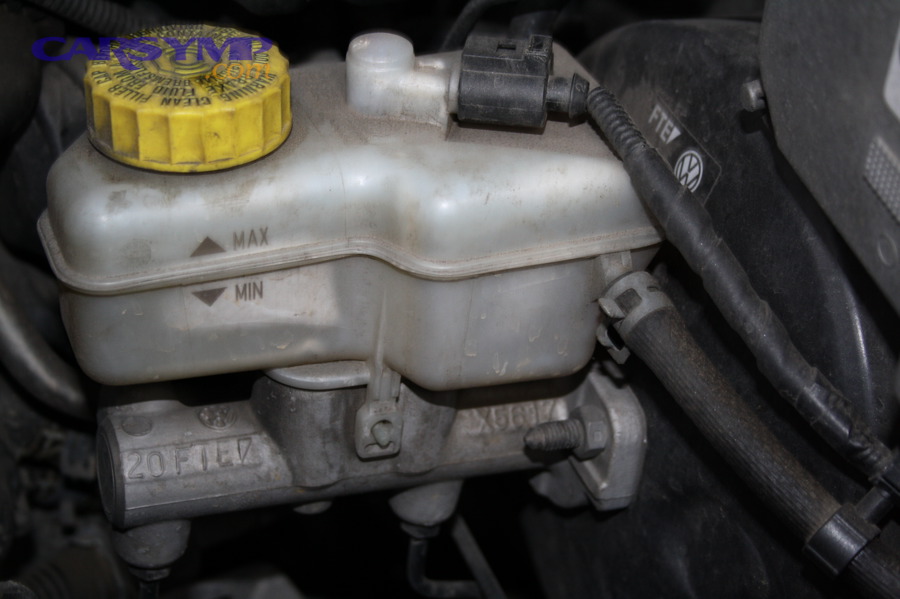
Here are three practical reasons the answer changes from car to car:
- Valve state problem: Air can sit behind closed solenoid valves. If the valve never cycles open during bleeding, the bubble never exits.
- Pump cavity problem: The ABS pump and accumulator passages may not see steady flow during a basic pedal bleed.
- Procedure dependency: Some OEM procedures explicitly require cycling solenoids and running the pump, then re-bleeding each wheel.
So how do you decide quickly? If you replaced a brake hose, master cylinder, ABS module, or let the reservoir empty, assume air got into the ABS unit. If you only cracked a bleeder to swap pads/caliper and kept the reservoir full, standard bleeding often succeeds.
In vehicles that support an “automatic bleed procedure,” the scan tool can command the ABS solenoids and pump to cycle, then instruct you to bleed wheels in a defined order. That’s not a luxury step—it’s the direct way to open the hidden hydraulic doors.
Theo nghiên cứu của AA1Car.com từ mục kỹ thuật ABS bleeding, vào thời điểm hướng dẫn được công bố trên trang, quy trình auto-bleed dùng scan tool thường energize/cycle solenoids khoảng một phút rồi yêu cầu bleed từng bánh và lặp lại để đẩy khí còn lại.
After that, the safest mindset is: if the pedal remains spongy after correct wheel bleeding, don’t keep “pumping harder”—move to an ABS cycling method, because more pumping can aerate fluid and waste time.
How do you plan a safe ABS fluid service before you open anything?
You plan a safe ABS fluid service by reducing air entry, controlling fluid level, choosing the right bleed method, and preparing an ABS-cycling step if required, so the ABS unit never becomes the place where bubbles survive. Next, we’ll turn that plan into a clear checklist.

Start with four “root attributes” that control the outcome:
- Reservoir discipline: Keep the reservoir topped up; never let it gulp air. Mark the MAX line and check every few minutes.
- Cleanliness: Clean the cap area before opening. Dirt that drops in becomes abrasive grit for valves and seals.
- Tool choice: Decide manual, pressure, or vacuum bleeding based on vehicle layout and your skill level.
- ABS strategy: Decide in advance whether you will run an ABS solenoid/pump cycle (scan tool or OEM method) and re-bleed afterward.
Next, build a “do-not-do” list that prevents the most common ABS service failures:
- Do not shake brake fluid containers; it introduces micro-bubbles that mimic air-in-system.
- Do not reuse old fluid from catch bottles; it can contain moisture and contaminants.
- Do not over-stroke the pedal on an old master cylinder; it can damage seals by pushing into rusty bore areas.
If you’re documenting the job (recommended), note the date, mileage, fluid type, and whether an ABS cycle was performed. That record matters later if an ABS light appears and you need to differentiate “electrical fault” from “hydraulic air.”
Theo nghiên cứu của University of Life Sciences in Lublin từ nhóm tác giả Caban et al., vào giai đoạn nghiên cứu 2017–2018 (November–December) được mô tả trong bài, các kiểm tra chất lượng dung dịch cho thấy chỉ số sôi/độ ẩm thay đổi theo thời gian vận hành và kiểm soát chất lượng giúp duy trì hệ phanh và các hệ như ABS.
After that, you are ready to execute with fewer surprises—because most ABS “nightmare bleeds” start from poor preparation, not from complicated technology.
How-to: What is a reliable step-by-step sequence for ABS considerations during fluid service?
A reliable sequence is: stabilize reservoir level, exchange fluid at each wheel in the correct order, perform an ABS solenoid/pump cycle if needed, then re-bleed and verify pedal and ABS operation, which systematically removes air from both lines and the ABS unit. Next, we’ll break down the critical steps that most people skip.

Step 1: Set the baseline. With the vehicle on level ground, clean the reservoir cap area, open carefully, and top up to MAX. Keep a sealed fresh bottle ready so the reservoir never runs low.
Step 2: Choose a method and stabilize flow. Pressure bleeding (low, steady pressure) often gives the most consistent bubble removal because it maintains a constant flow rate. Manual bleeding can work but depends on technique and timing.
Step 3: Bleed wheels in the correct order. Many vehicles follow “farthest wheel first,” but some ABS/diagonal split systems require a different order. Follow the service manual for your exact model whenever possible.
Step 4: Watch the output, not the clock. Keep bleeding each corner until fluid runs clear and bubble-free. If you see froth, pause and let bubbles rise before continuing.
Step 5: ABS cycling (when required). If air may be inside the ABS unit, run the scan-tool automatic bleed (or OEM ABS actuation routine), then repeat wheel bleeding because cycling dislodges trapped air into the lines.
Step 6: Final verification. Pedal should be firm with engine off, then slightly softer with vacuum assist (engine on) but still solid. Confirm no warning lights and perform a controlled road test.
Theo nghiên cứu của AA1Car.com từ hướng dẫn bleeding ABS, vào mô tả quy trình auto-bleed, scan tool sẽ cycle solenoids và yêu cầu bleed từng bánh sau khi bơm/van hoạt động, nhằm đẩy khí còn lại ra ngoài.
After that, you can refine your process: if the first wheel produces many bubbles, slow the flow rate, because rushing can shear bubbles into smaller ones that take longer to clear.
How do you prevent air from entering (and staying inside) the ABS hydraulic control unit?
You prevent air from entering and staying inside the ABS unit by maintaining reservoir head pressure, avoiding dry lines, using consistent flow, and cycling ABS valves when air intrusion is suspected, so bubbles cannot remain behind closed solenoids. Next, we’ll connect each prevention tactic to a real failure pattern.
Failure pattern #1: Reservoir gulp. This happens when the fluid level drops below the outlet port in the master cylinder reservoir, allowing air into the master cylinder and downstream circuits. The fix is prevention: frequent top-ups and a “stop line” you never cross.
Failure pattern #2: Fast pedal strokes. Rapid pumping can create aeration—tiny bubbles that behave like trapped air. The better approach is slow, deliberate pedal travel (or steady pressure bleeding) and allowing bubbles to rise between cycles.
Failure pattern #3: Opening upstream components. Replacing a master cylinder, ABS module, or proportioning valve means air can enter complex internal passages. In these cases, bench bleeding (for master cylinders) and ABS cycling are not optional.
Failure pattern #4: “Looks good at the bleeder” but still soft. This often indicates air trapped in the ABS hydraulic unit. The tell is a pedal that improves slightly but never becomes crisp, especially after an ABS event or rough road test.
Theo nghiên cứu của Caban et al. từ nhóm nghiên cứu đa trường đại học, vào 02 January 2020 (Published online), bài viết mô tả tính hút ẩm của dung dịch gốc glycol làm giảm nhiệt độ sôi và có thể dẫn đến “steam cork” (bọt hơi), làm giảm khả năng truyền áp lực—một cơ chế khiến cảm giác bàn đạp và kiểm soát ABS xấu đi khi điều kiện xấu xảy ra.
After that, you’ll appreciate why “air control” is the true center of ABS considerations during fluid service: ABS can modulate pressure only if the hydraulic medium is incompressible.
Which bleeding method is best for ABS: manual, vacuum, or pressure?
Pressure bleeding is usually best for ABS because it provides steady flow that clears micro-bubbles and reduces pedal-pumping aeration, while vacuum and manual methods can work but are more sensitive to leaks and technique. Next, we’ll compare them in practical, real-garage terms.
Pressure bleeding: Best for consistency. You set a safe pressure and let fluid move through circuits smoothly. It’s especially helpful when you must push fluid through the ABS hydraulic unit after valve cycling.
Vacuum bleeding: Convenient at the caliper, but it can pull air around bleeder screw threads, creating “phantom bubbles.” That can mislead you into thinking air remains inside the system when it’s actually thread leakage.
Manual (pedal) bleeding: Lowest tool cost, but highest technique dependence. Timing matters, pedal over-travel can damage old master cylinder seals, and rapid strokes can aerate fluid.
For ABS-equipped vehicles, the deciding factor is not only the method, but whether you can maintain a stable, bubble-free flow after ABS solenoid cycling. That’s where pressure bleeding tends to outperform.
Theo nghiên cứu của Centric Parts từ tài liệu kỹ thuật “Brake Fluid Basics”, vào phần mô tả tiêu chuẩn FMVSS 116, mức “wet” được đo với 3,7% nước theo thể tích và có giới hạn sôi tối thiểu; tài liệu cũng lưu ý một số dung dịch hiệu năng cao có thể vượt giới hạn độ nhớt, cần thận trọng khi dùng với hệ ABS.
After that, you can choose with clarity: pressure bleeding for reliability, vacuum for convenience with careful technique, and manual only if you can execute slowly and consistently.
How does moisture and contamination affect ABS performance during real driving?
Moisture and contamination reduce boiling point and promote corrosion, which can create vapor bubbles under heat and degrade valve/pump behavior, so ABS modulation becomes less consistent when you need it most. Next, we’ll connect the lab facts to on-road symptoms.
ABS is most stressed during repeated braking, downhill heat load, towing, or aggressive driving—situations that elevate caliper and fluid temperatures. If the fluid’s boiling point has dropped due to water absorption, you increase the risk of vapor formation (compressible gas) which makes pressure control sloppy.
Contamination also matters because ABS valves operate with tight clearances. Corrosion debris or degraded inhibitors can contribute to sticky valve action, delayed release, or noisy ABS operation. While you might never notice in gentle stops, emergency braking is unforgiving.
To make this concrete, do not assume the reservoir sample tells the whole story. Fluid near calipers experiences higher heat and can show worse condition than the reservoir, which is exactly why some tests differ by sampling point.
Theo nghiên cứu của Acta Technologica Agriculturae từ bài “Measurement of Brake Fluid Boiling Point”, vào May 2025, nhóm tác giả báo cáo dung dịch lấy ở bình chứa thường có nhiệt độ sôi cao hơn ở caliper và chênh lệch có thể tới ~20°C, cho thấy khu vực bánh xe có thể “xấu hơn” dù bình chứa trông ổn.
After that, the logic for ABS considerations during fluid service becomes obvious: you are not just chasing a firm pedal—you are protecting the ABS unit and preserving heat margin that prevents vapor bubbles during a true emergency.
What mistakes commonly trigger ABS/traction lights after fluid service?
The most common mistakes are letting the reservoir run low, trapping air in the ABS unit, contaminating connectors/sensors during work, and skipping post-service verification, which can lead to warning lights even if the brakes “kind of work.” Next, we’ll map each mistake to a quick diagnostic response.
- Reservoir ran low: Air enters master cylinder and possibly ABS unit. Response: re-bleed, then run ABS cycling routine and re-bleed again.
- Bleeder left loose or threads leaking: Fluid seep or air ingress. Response: tighten to spec, clean, re-bleed and confirm no bubbles.
- Caliper piston pushed back without managing reservoir: Overflow and paint damage; also can backflow debris toward the ABS unit. Response: inspect fluid quality and consider more thorough exchange.
- Electrical disturbance: Wheel speed sensor wiring tugged, connector not fully seated, or low battery voltage during scan-tool procedures. Response: re-check connectors, clear codes, road-test.
- Skipped bedding/verification drive: You never confirmed ABS actuation and sensor plausibility. Response: controlled road test and scan for pending codes.
In many cases, the light is not “ABS is broken” but “ABS saw an implausible signal” right after service. That’s why a clean work area and gentle handling of harnesses matter as much as hydraulic technique.
Theo nghiên cứu của AA1Car.com từ nội dung hướng dẫn ABS bleed, vào mô tả quy trình, việc cycle solenoids/pump rồi bleed theo hướng dẫn giúp loại bỏ khí còn lại—một nguyên nhân nền tảng gây pedal mềm và có thể dẫn đến bất thường khi ABS tự kiểm tra.
After that, you can respond logically: treat warning lights as a system check outcome, not a mystery—start with fluid/air status, then connectors and codes.
How do you confirm the job is correct: pedal feel, scan data, and road test?
You confirm correctness by checking a firm, repeatable pedal, verifying no leaks, validating ABS functionality on a safe low-traction test, and (if available) reviewing scan-tool data for faults or incomplete bleed routines. Next, we’ll outline a safe confirmation protocol.
Pedal feel checks: With engine off, pedal should become firm after a few presses and hold without slowly sinking. With engine on, it will drop slightly due to booster assist but remain solid, not spongy.
Leak and level checks: Inspect all bleeders, hose connections, and the master cylinder area. Confirm the reservoir is at the correct mark and the cap is secure.
ABS functional check: In a safe environment, perform a controlled stop that triggers ABS (wet grass/gravel lot at low speed, if legal and safe). You should feel ABS pulsing without a sudden loss of pedal height.
Scan-tool confirmation (when available): Ensure no stored ABS codes, and confirm that any auto-bleed routine completed fully. If the tool provides live wheel speed data, confirm all four sensors read plausibly during a slow roll.
Theo nghiên cứu của Centric Parts từ tài liệu kỹ thuật, vào phần mô tả tiêu chuẩn “wet” và giới hạn tối thiểu, việc giữ dung dịch trong biên an toàn về sôi/độ nhớt là cơ sở để tránh bọt hơi và đảm bảo ABS phản ứng ổn định trong điều kiện nóng.
After that, your confidence should come from repeatable checks, not just “it feels okay once.” ABS considerations during fluid service demand consistency because ABS is a repeatable control system, not a one-time event.
Contextual Border
Advanced edge cases that make ABS considerations during fluid service harder
These edge cases matter because they create rare air paths, unusual valve behavior, or misleading test results, so a “normal bleed” can look successful while hidden risk remains. Next, the H3 items cover the uncommon scenarios worth knowing before they happen.
What if the ABS hydraulic unit was replaced or run completely dry?
If the ABS unit was replaced or drained, assume significant air is trapped inside its internal chambers, so you typically need a scan-tool solenoid/pump cycling routine plus repeated wheel bleeding until pedal firmness becomes stable. Next, treat this like a multi-stage purge rather than a single bleed.
In this scenario, it’s normal to see “good” fluid at the bleeders while the pedal still feels elastic, because air is moving from the ABS unit into the lines only after cycling. Plan for multiple cycles and take breaks to let micro-bubbles rise in the reservoir.
Theo nghiên cứu của AA1Car.com từ hướng dẫn auto-bleed, vào mô tả quy trình, việc cycle ABS solenoids và pump theo thời lượng được hướng dẫn rồi bleed từng bánh là cơ chế chủ đạo để tống khí khỏi BPMV/ABS unit.
How can fluid viscosity and “high-performance” fluids complicate ABS behavior?
High viscosity can slow valve response and increase pressure losses in small passages, so some fluids that seem “better” on paper can be a mismatch for certain ABS designs, especially in cold conditions. Next, match fluid choice to OEM requirements rather than hype.
This is also where the phrase brake fluid change sometimes causes confusion: people focus on brand and boiling point but ignore viscosity limits that matter for ABS modulation speed. Choose a fluid that meets the vehicle’s specification and climate needs.
Theo nghiên cứu của Centric Parts từ “Brake Fluid Basics”, vào phần nói về tiêu chuẩn và giới hạn, tài liệu cảnh báo một số brake fluid hiệu năng cao có thể vượt giới hạn độ nhớt và cần thận trọng khi dùng trong xe có ABS.
Why can reservoir-only testing mislead you after service?
Reservoir-only testing can mislead because fluid near calipers may be more heat-stressed and contaminated, so the system’s “worst point” can remain risky even when the top looks clean. Next, consider sampling strategy and symptoms, not just appearance.
This is a practical reason to be skeptical of “it looks clear in the tank” after you finish. If the pedal feel changes after repeated hard stops, or ABS activation feels rough, the issue may be localized near the wheels or within the ABS unit’s flow paths.
Theo nghiên cứu của Acta Technologica Agriculturae từ “Measurement of Brake Fluid Boiling Point”, vào May 2025, tác giả ghi nhận chênh lệch nhiệt độ sôi giữa bình chứa và caliper có thể lên đến khoảng 20°C, nhấn mạnh tầm quan trọng của đánh giá tại điểm lấy mẫu.
How do you handle waste fluid safely without creating legal or environmental problems?
You handle waste fluid safely by collecting it in a sealed container, avoiding skin/paint contact, and disposing of it through an approved hazardous-waste or recycling channel, so you protect health and comply with local rules. Next, treat cleanup as part of the service, not an afterthought.
In many shop notes, the phrase Proper brake fluid disposal is the reminder that this liquid is not “just oil”—it can damage paint, irritate skin, and contaminate water if dumped. Also, keep it away from children and pets, and label the container clearly.
If you are building standardized guidance for your audience on carsymp.com, add a short “where to take it” line (local auto parts store programs, municipal hazardous waste days), because readers often complete the mechanical work but fail at the final step.
Theo nghiên cứu của Caban et al. từ nhóm tác giả, vào 02 January 2020 (Published online), bài viết nêu các khía cạnh môi trường và sức khỏe liên quan đến chất lỏng vận hành và nhấn mạnh kiểm soát chất lượng/điều kiện vận hành nhằm tăng an toàn tổng thể.
FAQ
Below are common questions that appear right after ABS considerations during fluid service, especially when the job “mostly works” but still feels suspicious. Next, each answer is designed to be actionable, not vague.
Should I trigger ABS during a road test after servicing fluid?
Yes, a controlled ABS activation test can confirm the system modulates correctly and helps reveal air that only shows up when valves cycle. However, do it only in a safe, legal location at low speed, and stop if the pedal drops excessively or warning lights appear.
Why does the pedal feel firm in the garage but soft on the road?
This often points to heat or repeated braking revealing a low boiling margin, or to air shifting within the ABS unit during valve activity. If it repeats, re-check for leaks, re-bleed, and consider an ABS solenoid/pump cycling routine followed by another bleed.
What does “Brake fluid flush vs bleed difference” mean in practice for ABS?
In practice, the phrase Brake fluid flush vs bleed difference describes whether you are primarily exchanging old fluid throughout the system (flush) or primarily removing trapped air after a repair (bleed). For ABS-equipped vehicles, both can require cycling valves so the ABS unit is not left with old fluid or trapped air.
How often should I service fluid if I drive in mountains, tow, or brake hard?
Hard use raises heat load and can accelerate fluid degradation, so follow your manual first, then shorten intervals if you see moisture/boiling-point test failures or repeated heat stress. Many drivers look for a When to change brake fluid interval guide to align driving style with interval decisions, but the most reliable trigger is testing plus symptom tracking rather than guessing.
What’s the best single “rule” to avoid ABS bleeding headaches?
Never let the reservoir run low, and treat ABS considerations during fluid service as a two-stage job: wheel bleeding plus ABS valve/pump cycling when air intrusion is possible. If you do that, most “mystery spongy pedal” cases disappear.
Video demonstration
To see the concepts in motion—especially valve cycling and post-cycle bleeding—watch a practical walkthrough that focuses on ABS considerations during fluid service and the common “air trapped in ABS” scenario. Next, compare the video steps to your service manual for your exact model.
Tóm lại, ABS considerations during fluid service are about controlling air, moving fluid through hidden valve paths, and verifying ABS behavior afterward. Do that well, and you protect both braking feel and the system’s ability to save traction when it counts.