


When noise means unsafe to drive, the key is not the loudness—it’s the pattern, the feel, and what changes at the same time (pedal travel, steering pull, warning lights, smoke, burning smell). If the noise signals reduced braking control, you should stop driving and arrange a safe recovery.
Beyond the immediate “stop or go” decision, you also need to pinpoint whether the sound comes from pads, rotors, calipers, wheel bearings, tires, or something rubbing. That helps you avoid the most common mistake: assuming a “small squeal” is harmless until it becomes a sudden loss of braking performance.
Another practical goal is knowing what quick checks you can do without tools and without putting yourself at risk near traffic. These checks won’t replace a technician, but they can prevent a bad call—like continuing to drive on a grinding sound that’s actively destroying friction surfaces.
To begin, the safest approach is to treat certain combinations of noise + symptoms as a hard stop. After that, you can narrow the cause and choose the least risky next step.
Is it unsafe to drive right now when the noise starts?
Yes if the noise arrives with any control change (longer stopping, pedal sinking, hard pedal, steering pull, ABS/Brake light, smoke, burning smell); no only if the brakes feel normal and the sound is brief, light, and repeatable without worsening.
To start, use a simple “risk triage” mindset: brakes are a safety system, so any sign that friction, hydraulics, or wheel rotation is compromised moves the decision toward stopping immediately. After that, confirm whether the noise is paired with symptoms that indicate loss of material (pads), loss of clamping (caliper/hydraulics), or loss of rotation stability (bearing/tire).
Stop driving immediately if you notice these “noise + danger” pairings
Grinding + weak braking suggests pad material may be gone and metal is contacting rotor, quickly reducing friction consistency and increasing stopping distance. Clunking + steering pull can indicate loose hardware or a caliper bracket issue that may worsen in minutes. Hissing + sinking pedal can point to a hydraulic leak or internal failure—this is not a “drive it home” situation.
Next, if any warning light is on (Brake/ABS) and the sound is new, treat that combination as high risk, because the system is already reporting a fault while you’re hearing a mechanical symptom.
It may be driveable for a very short distance only when all control feels normal
A light, brief squeal only on the first stop of the day (especially in damp air) can be surface rust or moisture film, and it often disappears after a couple of normal stops. However, even “maybe normal” noises become unsafe when they intensify, become constant, or start happening without braking.
After that, if you decide to move the car at all, keep speed low, increase following distance dramatically, and plan the shortest, safest route to a shop—no highways, no steep descents, no heavy traffic.
Which brake noises are the strongest red flags for danger?
The most dangerous sounds are grinding, metallic scraping that persists, heavy clunks, and loud growls that rise with wheel speed, because they often mean friction is failing, parts are loose, or rotation is unstable.
To begin, think of noise as a “symptom language.” High-frequency squeal can be minor or meaningful, but low-frequency grind/clunk usually means contact, looseness, or damage. After that, your job is to match the sound to the likely failure mode and the risk of sudden performance drop.
Grinding: the “stop-now” sound most drivers ignore once
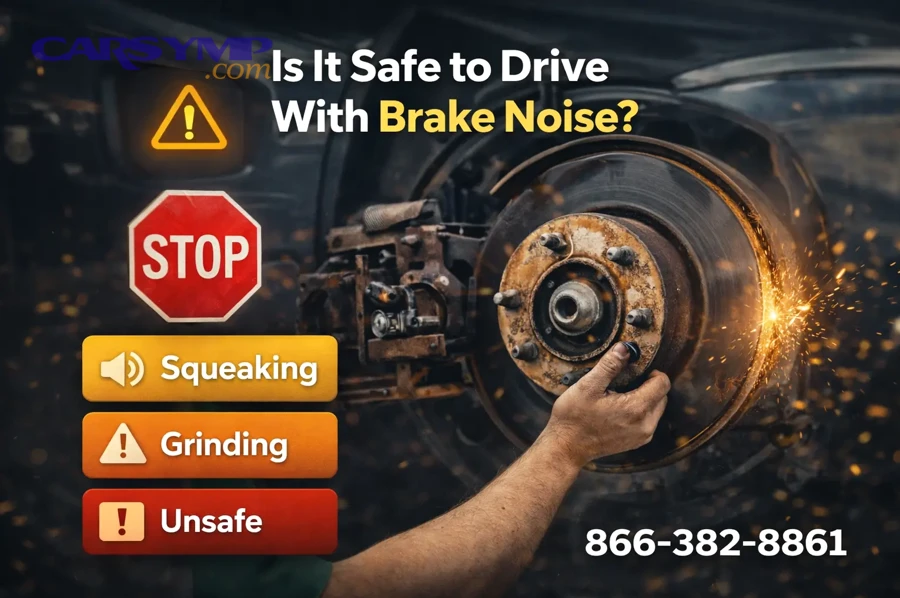
Grinding is commonly the sound of metal-on-metal contact: pad backing plate against rotor, or rotor against a caliper bracket due to missing pad material or shifted hardware. This can overheat the rotor, reduce effective friction, and throw debris into the caliper, increasing the chance of uneven braking or sudden fade.
Next, if grinding appears only when braking, you still treat it as urgent because the braking event is exactly when you need predictable friction the most.
Clunking or knocking when braking: loose or shifting components
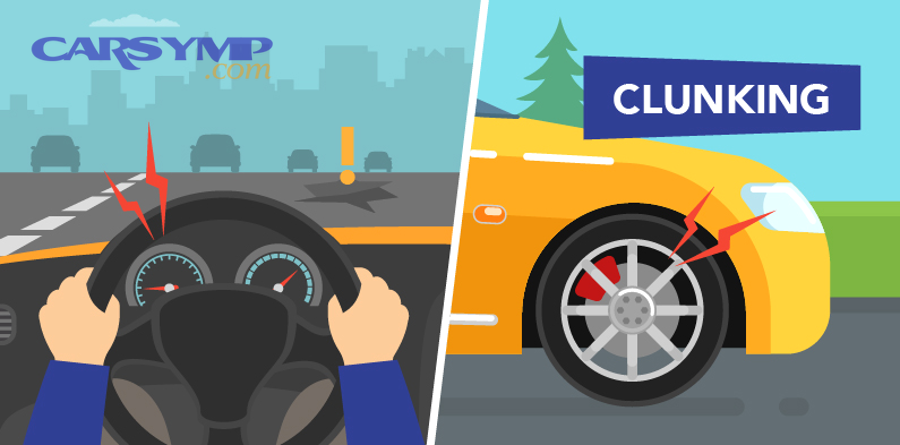
A clunk during braking can come from loose caliper bolts, worn slide pins, missing anti-rattle clips, or pads that are not seated correctly. The danger is that what is “a little loose” can become “a lot loose” quickly, changing how the caliper clamps and how the car tracks under braking.
After that, if clunking is paired with steering pull, a change in pedal feel, or a wheel that feels hot, stop driving and arrange a tow.
Growling that changes with speed: not always “brakes,” still unsafe
A growl that rises with speed and is present even when you’re not braking can be a wheel bearing, tire issue, or a dragging brake. If the noise changes when you gently swerve left/right, that’s a classic sign the load is shifting—wheel-end problems can become unsafe suddenly.
Next, don’t assume it’s unrelated just because it’s not a squeal; unsafe-to-drive decisions are about control risk, not part names.
Can squealing be unsafe, or is it usually normal?
Squealing can be normal or unsafe: it’s unsafe when it’s constant, gets louder rapidly, happens with vibration or poor braking, or appears after a braking system has been overheated; it’s more likely normal when brief, light, and disappears after a few stops.
To start, squeal is a high-frequency vibration problem—sometimes from harmless surface conditions, sometimes from worn pads or glazing. After that, judge squeal by context: temperature, moisture, recent hard braking, and whether the sound is tied to pedal pressure.
When squeal is likely low-risk
Light squeal on the first stop in the morning can come from thin surface rust on rotors, dampness, or pad compounds that naturally squeal when cold. If the pedal feels firm, the car stops straight, and the sound fades quickly, it’s often not an emergency.
Next, confirm it truly fades with normal driving and doesn’t return immediately at every stop.
When squeal becomes a warning you should respect
Persistent squeal can mean pads are near the end of life or are vibrating due to missing hardware, uneven wear, or caliper slide issues. In a proper brake noise diagnosis, technicians pay attention to whether squeal changes with light vs hard braking, because that can separate pad vibration from rotor surface defects.
After that, if squeal is joined by a scraping sound, a pulsing pedal, or a sudden change in stopping power, treat it as unsafe to continue driving.
What if the noise comes with vibration, pulsing, or steering pull?
If noise is paired with vibration, pulsing, or steering pull, it is often unsafe to continue because it suggests uneven friction, rotor surface problems, a sticking caliper, or wheel-end instability—all of which can reduce control under braking.
To begin, your brake system should apply clamping force evenly. When you feel pulsing, it means braking force is varying as the wheel turns; when you feel pull, it means left vs right braking force is unbalanced. After that, even if you can still stop, the situation can escalate with heat and repeated braking.
Pulsing pedal: why it can be more than “just ABS”
ABS pulsing is usually felt only during hard stops on slippery surfaces, and it’s accompanied by rapid, controlled pulsation. If you feel pulsing during gentle braking on dry pavement, you may be dealing with uneven rotor thickness, pad deposits, or a rotor surface issue. In everyday language, people call this “warped rotors,” but the important point is inconsistent braking torque.
Next, avoid high speeds and avoid long downhill runs because heat can amplify uneven friction and make braking less predictable.
Pulling to one side: treat it like a traction and stability risk
Pulling can be caused by a sticking caliper, uneven pad friction, contaminated pads, or a brake hose issue that affects pressure release. The danger is not only longer stopping distance but also lane deviation during emergency braking—exactly when you can’t afford surprises.
After that, if the pull is strong, the steering wheel fights you, or the car darts under braking, stop driving and arrange recovery.
Vibration plus noise: common pathways to “unsafe quickly”
Vibration and noise together can indicate loose hardware, worn suspension components amplifying brake forces, or severe rotor surface variation. Drivers sometimes continue because “it still stops,” but the risk is that parts can loosen further, friction can overheat, and control can degrade suddenly.
Next, if you smell burning or notice one wheel is much hotter than the others, assume a dragging brake and stop driving.
What noises mean you might be losing braking power, not just comfort?
Noises that suggest friction loss or mechanical interference—grinding, persistent scraping, loud groaning with poor bite, or a sudden change in sound paired with longer pedal travel—can indicate real braking power loss.
To start, braking power loss shows up as more pedal travel, reduced bite, or fading after a few stops. After that, match the sound and the feel: the dangerous cases are the ones where the system can’t reliably convert speed into heat through controlled friction.
Low groan plus weak response: heat, glazing, contamination, or hydraulic trouble
A groan or moan can happen with certain pad materials, but if it arrives with noticeably weaker braking, it may indicate overheated pads, glazed surfaces, or contamination (oil/grease/brake fluid). Contamination reduces friction and can cause unpredictable braking—sometimes it “grabs,” sometimes it “slides.”
Next, do not test this repeatedly on the road; one or two careful stops are enough to tell you control is changing.
Scraping that continues when you release the brake: possible dragging
Scraping that persists while coasting can be a bent dust shield or debris, but it can also be a pad dragging due to sticky caliper slides. A dragging brake can overheat rapidly and may lead to fade, rotor damage, or in extreme cases smoke and fire risk near the wheel well.
After that, if you see smoke or smell a sharp burning odor, pull over safely, shut the vehicle off, and keep away from the wheel area until it cools.
Sudden change in pedal travel + any new noise: treat as unsafe
If the pedal suddenly goes lower, feels spongy, or feels inconsistent—especially with a new scraping or grinding—assume the system is compromised. This is not the time for “just one more trip,” because braking performance can drop further with each stop.
Next, prioritize a safe stop and a tow rather than troubleshooting in traffic.
What if the noise happens only at certain moments (reversing, turning, or first stop)?
Moment-specific noises can be harmless, but they become unsafe when they repeat consistently, get louder, or add symptoms like pull, vibration, or heat—because that pattern often reveals interference, looseness, or uneven wear.
To begin, timing matters: reversing loads the brakes differently, turning shifts wheel-end loads, and first-stop noise may be moisture or rust. After that, identify whether the noise is linked to pedal pressure, wheel speed, or steering angle.

Only when reversing: sometimes normal, sometimes hardware
Some vehicles make a mild squeak in reverse due to pad composition and rotor film, but repeated clunks or loud scraping can indicate pad hardware shifting or contact with a shield. If the sound is harsh enough to feel through the chassis, treat it as a mechanical issue, not a “quirk.”
Next, if you’ve recently had brake service, re-check lug torque and caliper hardware because reversing can expose looseness quickly.
Only when turning: consider wheel bearings and tire rub too
If the noise follows steering angle more than pedal pressure, it might be a wheel bearing, tire rubbing the liner, or a rock trapped near the rotor shield. Wheel-end issues can become unsafe quickly because they affect stability and can escalate with heat and speed.
After that, if the noise increases with speed even when you’re not braking, reduce speed and avoid driving until inspected.
Only at first stop: moisture and surface rust—but confirm it clears
Overnight moisture can leave a thin rust layer on rotors; the first application can scrape it off and create a short-lived sound. The safe version is a noise that disappears within a few normal stops and never changes braking feel.
Next, if the noise stays after warming up, it’s no longer a “first-stop only” case—move toward inspection.
What safe steps should you take immediately if you suspect danger?
If you suspect the noise means unsafe to drive, your safest steps are: slow down gently, increase following distance, avoid hard braking, pull over in a safe area, and choose towing if control is affected.
To start, your goal is to reduce kinetic energy and avoid heating the brakes further. After that, you want to prevent a second problem—like getting stranded in a dangerous spot—by choosing a safe pull-off and communicating clearly.
A quick roadside decision checklist (no tools)
- Pedal feel changed? Spongy, sinking, or much harder than usual → stop driving.
- Car pulls or shakes? Pulling or severe vibration → stop driving.
- Smoke or burning smell? Pull over, shut off, let cool, call for help.
- Warning lights? Brake/ABS + new noise → treat as high risk.
- Grinding? Do not “test it” repeatedly—assume pad/rotor damage.
Next, if you must move off the roadway, crawl at very low speed to the nearest safe shoulder or parking area, and keep braking to the minimum needed.
What to avoid doing (because it increases risk)
- Don’t continue at highway speed “until it gets worse.” It can get worse fast.
- Don’t pump the brakes repeatedly as a test; if there’s a leak or overheating, you may accelerate failure.
- Don’t spray water on a hot rotor; rapid cooling can create cracks and worsen vibration.
- Don’t put your hand near a wheel you suspect is hot; burns happen instantly.
After that, if the vehicle is safe to park, document what you noticed (sound type, when it happens, any lights) so the next step is quicker and safer.
What simple checks can you do at home before driving again?
You can do a basic safety check by looking for obvious pad/rotor damage, leaks, loose wheels, and heat clues—without removing parts—then decide whether to drive slowly to a shop or arrange towing.
To begin, choose a flat, well-lit place. After that, inspect with your eyes and nose first: fluid, dust patterns, uneven rotor coloring, and burning smells tell you a lot without touching anything hot.
Visual and smell checks that matter for safety
- Wheel area wetness: Look behind each wheel for fresh fluid streaks or wet dust clumps.
- Rotor surface: Deep grooves, heavy scoring, or blue/purple heat spots suggest severe contact or overheating.
- Uneven dust: One wheel much dirtier can hint at a dragging brake.
- Burning odor: Sharp, acrid smell near one wheel suggests overheating—do not drive until inspected.
Next, if you recently had service and the noise began immediately after, suspect hardware fitment, missing clips, or a shield rubbing rather than “normal wear.”
How a careful short test (only if control feels normal) should be done
If—and only if—the pedal feel is normal and there are no warning lights, you can do a very short, low-speed test in an empty lot. Apply brakes gently, then a little more firmly, listening for escalation. Stop immediately if you hear grinding, feel pull, or notice vibration.
After that, if the sound remains, plan professional inspection; do not keep repeating tests “to see if it goes away.”
Use a structured checklist mindset so you don’t miss basics
Many drivers benefit from a written routine similar to a DIY brake inspection checklist, because stress makes people skip steps. Focus on safety-critical checks first (fluid, pedal feel, wheel heat clues), then comfort-related checks (minor squeal patterns).
Next, if you’re unsure, treat uncertainty as risk and choose towing—guessing wrong on brakes has a high cost.
How do you explain the noise to a shop so they can find the unsafe cause fast?
You should describe the noise by sound type, when it happens, which side, and what changed (pedal feel, vibration, pull, warning lights), because that narrows the failure path and reduces risky “test driving.”
To start, technicians diagnose faster when you speak in patterns rather than guesses. After that, clear descriptions help them choose the safest first inspection steps—especially when the sound could indicate loose parts or severe wear.

A script you can use (short but high value)
- Sound: squeal / grind / scrape / clunk / growl.
- Trigger: only braking / coasting / reversing / turning / first stop.
- Speed range: low-speed only or rises with speed.
- Feel change: pulsing, vibration, steering pull, longer stopping, pedal travel change.
- Heat/smell: any burning odor or smoke, and which wheel area.
Next, mention any recent work (pads/rotors/tires) and exactly when the noise started, because post-service issues can be mechanical fitment or missing hardware rather than “normal aging.”
Why naming likely causes can slow the diagnosis
If you tell a shop “it’s definitely the rotor,” you may accidentally anchor the first check in the wrong direction. Instead, present the evidence and let them confirm. They can then evaluate pad friction surfaces, caliper slides, and Rotor issues that cause noise in an efficient order.
After that, ask for a safety-first recommendation: whether the car should be towed, whether it’s safe for a short drive, and what immediate risks they see.
How do you prevent brake noises from becoming unsafe situations again?
You prevent unsafe noise by keeping friction parts within service limits, maintaining caliper movement, avoiding overheating, and addressing early symptoms before they become metal contact or dragging brakes.
To begin, “noise prevention” is really “control preservation.” After that, build a habit of reacting earlier: the cheapest fix is usually the one done before heat damage, scoring, or hardware failure occurs.
Maintenance habits that reduce risk, not just sound
- Don’t delay pad replacement until grinding; replace when wear is approaching minimum.
- Inspect hardware (clips, shims, slide pins) during service to prevent clunks and uneven wear.
- Use proper bedding after new pads/rotors so friction surfaces stabilize and don’t glaze quickly.
- Address dragging early if one wheel is hotter or dirtier; that pattern often worsens rapidly.
Next, if you frequently drive in mountains, tow, or commute in stop-and-go traffic, your brakes live a harder life; shorten inspection intervals to match the workload rather than relying on a generic schedule.
Don’t treat noise as “just noise” when it changes the system’s behavior
Many unsafe cases start as mild sounds that drivers ignore until the braking feel changes. If you adopt a consistent decision rule—noise plus any control change equals stop-and-inspect—you reduce the chance of turning a minor service into a high-risk roadside event.
After that, if you want a structured approach, combine your observations into a simple log and schedule inspection when patterns emerge, instead of waiting for the sound to become dramatic.
Contextual Border: The sections above focus on immediate safety decisions and high-risk symptom patterns. Next, we’ll extend the context to special situations where the same sound can mean different risk levels, depending on environment, vehicle type, and recent service history.
Extra context that changes whether the noise is unsafe to drive
Some brake sounds are highly context-dependent: weather, road salt, regenerative braking, and recent service can change what a noise means, so your decision should adapt to these conditions rather than relying on one rule for every situation.
To begin, this is where drivers often misclassify risk: they either panic over a harmless film squeal or ignore a serious mechanical scrape. After that, use the four scenarios below as a “context lens” before you decide to keep driving.
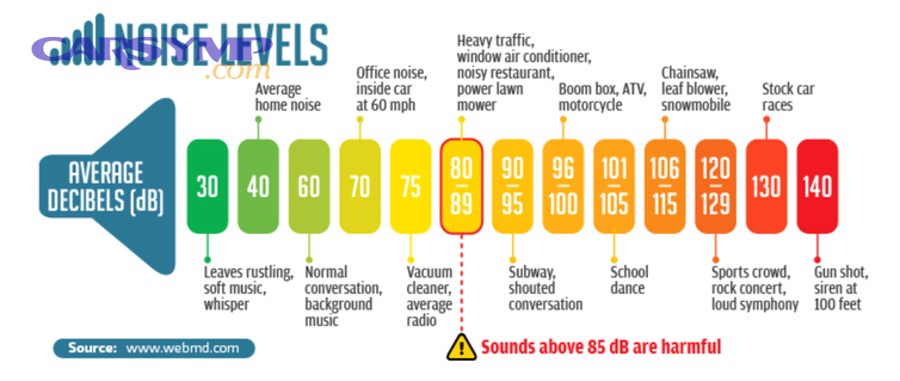
Wet weather and overnight rust: when a brief squeal can be normal
Moisture can create a thin film on rotors and pads that produces a short squeal on the first one or two stops. The safer pattern is: light sound, no pedal change, stops straight, and the sound disappears quickly. The unsafe pattern is: sound persists, grows, or becomes scraping, especially if paired with vibration or pull.
Next, if you park outside and notice the sound only after rain, pay attention to whether it clears reliably; “reliably clears” is the line between normal film effects and developing wear or hardware issues.
Regenerative braking vehicles: why friction brakes can surprise you
Hybrids and EVs often use regenerative braking for deceleration, which means the friction brakes may be used less in light driving. That can allow surface rust or deposits to build, creating noise when friction brakes engage more strongly. The safety decision still follows the same core rule: if braking feel changes or the noise is harsh/persistent, stop driving and inspect.
After that, occasional controlled friction-brake use (where safe) can help keep rotor surfaces clean, but it should never be used to “burn off” a dangerous grinding or scraping sound.
Right after brake service: what’s normal vs what’s unsafe
Some mild noise can occur during bedding-in, but loud clunks, persistent scraping, or immediate severe vibration right after service is not normal. Those patterns can indicate missing hardware, mis-seated pads, or contact with shields/brackets. If the sound appears immediately after service and is harsh, treat it as unsafe until confirmed.
Next, if the shop performed pad replacement, ask specifically about the Pad wear indicator sound identification outcome and whether the indicator was present or removed, because confusion here can lead drivers to ignore real metal contact.
FAQ: quick answers drivers use to decide “safe or unsafe”
Is a “metal tick” always dangerous? Not always, but if it repeats with wheel speed or braking and grows louder, it can become unsafe because it may indicate contact or looseness—inspect promptly.
Can I drive if it only squeals lightly? Only if braking feel is normal, the sound is brief and not worsening, and there are no warning lights; otherwise treat it as potentially unsafe.
What if I hear a scrape while coasting? That can be debris or a shield, but it can also be dragging brakes; if there’s heat, smell, or the scrape persists, avoid driving until checked.
How do I avoid guessing wrong? If you can’t confidently rule out control changes, choose the safer option: stop driving and get professional inspection.