


How often to replace cabin air filter is usually every 12 months or 15,000–30,000 miles for normal driving, but the real interval depends on where and how you drive, plus how sensitive you are to odors and airflow changes.
Most drivers can treat it like a “check-and-decide” service: inspect the filter at least twice a year, then replace sooner if it shows heavy loading, musty smell, or a noticeable drop in HVAC airflow.
If you commute in traffic, park under trees, drive on dusty roads, or live in wildfire-smoke regions, the replacement window often shrinks because the filter fills faster and becomes less effective before the calendar says it “should.”
To introduce a new idea: the best schedule is not just about mileage—it’s also about symptoms, cabin comfort, and the filtration performance you’re actually getting day to day.
How often to replace cabin air filter in normal driving?
For most vehicles, how often to replace cabin air filter is every 12 months or 15,000–30,000 miles, whichever comes first, because that’s when dust loading typically starts to reduce airflow and filtration efficiency for average conditions.
Next, the key is to match the interval to your “real” cabin environment rather than a generic number.
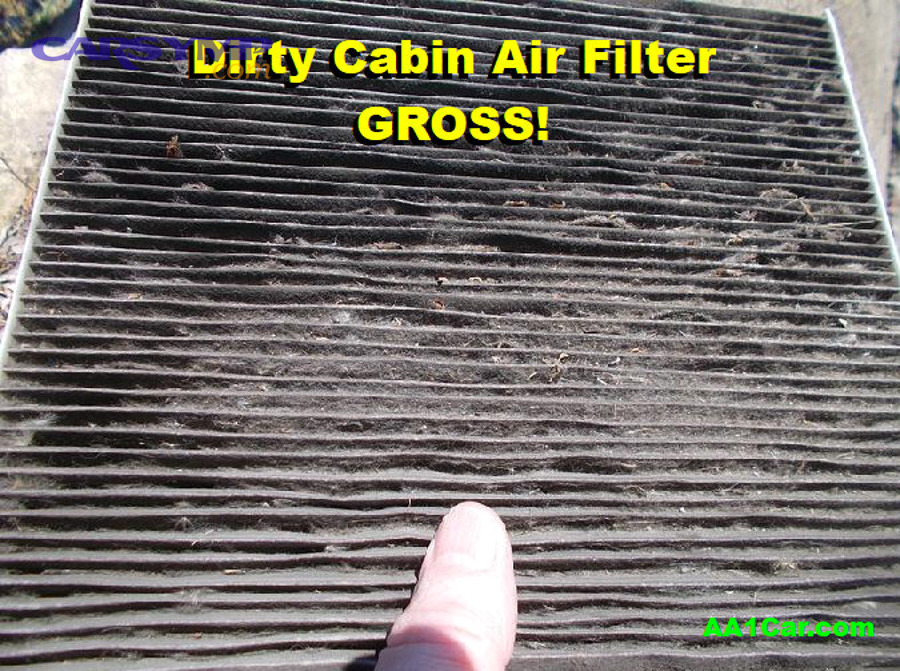
The cabin filter sits in the HVAC air path and acts like a gatekeeper for what enters the passenger compartment through the ventilation system. Over time, it captures pollen, soot, road dust, tire and brake particles, and organic debris like leaves. A moderate buildup is normal; the problem starts when the filter’s pores clog enough to restrict airflow or when moisture plus organic material creates odor.
Think of the “normal” interval as a balance between three everyday outcomes:
- Airflow: you want steady fan output at the same blower setting.
- Defogging: you want quick windshield clearing without needing max fan all the time.
- Cabin cleanliness: you want less dust film on the dash and fewer odor episodes after rain.
There are also two practical “decision rules” that keep you from overthinking it:
- Calendar rule: replace yearly if you prefer a predictable routine.
- Performance rule: replace whenever airflow/odor changes even if mileage is low.
The performance rule matters because filtration performance is not static; it changes as the filter loads. A partially loaded filter can sometimes trap fine particles well, but once it becomes too loaded, it can restrict flow and push you into using higher fan speeds or recirculation more often—both of which change your exposure profile and comfort.
Theo nghiên cứu của Health Canada từ Water and Air Quality Bureau, vào 02/2023, cabin air filtration có thể giảm phơi nhiễm hạt trong xe khoảng gần một phần ba so với giả dược trong thiết kế thử nghiệm bắt chéo ngẫu nhiên.
So, you’re not just replacing a “consumable”—you’re restoring a protective layer that influences what you breathe during every commute.
Which driving conditions shorten how often to replace cabin air filter?
Yes—certain environments do shorten how often to replace cabin air filter, mainly because they increase particle load, moisture, or organic debris that clogs media faster and triggers odor or airflow loss sooner.
To begin, map your driving to the conditions below and you’ll quickly see why “one interval” doesn’t fit everyone.
This table helps you translate driving conditions into a realistic check/replace cadence so you can plan maintenance without guessing.
This table shows common driving conditions, suggested inspection timing, typical replacement timing, and the main reason the filter loads faster.
| Driving condition | Inspect | Typical replace | Why it loads faster |
|---|---|---|---|
| Heavy city traffic / tunnels | Every 3–4 months | 6–12 months | Higher soot and ultrafine particle exposure near tailpipes |
| Dusty roads / construction zones | Every 2–3 months | 3–9 months | Large dust mass clogs pleats quickly |
| High pollen seasons / rural planting | Season start + mid-season | 6–12 months | Pollen and plant debris accumulate and retain moisture |
| Humid climates / frequent rain | Every 4–6 months | 6–12 months | Moisture + organics increase musty odor risk |
| Wildfire smoke episodes | After major smoke events | As needed | Fine particles and odors saturate media and carbon layers |
| Parking under trees | Every 4–6 months | 6–12 months | Leaves, seeds, and organics enter intake area |
In real life, these conditions often stack. For example, a commuter who sits in traffic and also parks under trees can see early restriction because soot loads the media while leaves and organics add bulk and odor potential. Meanwhile, dusty-road drivers often notice “airflow first” as the initial symptom because the filter face loads quickly.
Theo nghiên cứu của Environmental Pollution từ nhóm tác giả tại Environmental Pollution (Elsevier), vào 02/2023, hiệu suất giảm PM2.5 trong cabin có thể đạt khoảng 45% với lọc đang dùng và 77% với lọc mới theo điều kiện thử nghiệm thực tế.
So, if your environment is harsher than average, shorten the interval proactively rather than waiting for comfort to collapse.
What symptoms mean it’s time to replace cabin air filter sooner?
Yes—symptoms can justify replacing sooner than your mileage plan: reduced airflow, musty or sour odor, and more dust/allergy irritation are the top three signs the filter is overloaded or contaminated.
After that, use a quick symptom-to-cause map so you replace for the right reason, not just because a service reminder popped up.
This table helps connect symptoms you feel in the cabin to what’s likely happening at the filter and what action makes sense.
| Symptom | What it usually indicates | What to do |
|---|---|---|
| Fan sounds normal but airflow is weak | Pleats clogged; high pressure drop | Inspect filter; replace if dark/packed with debris |
| Musty smell when AC starts | Moisture + organic loading; possible microbial growth | Replace filter; consider cleaning intake area and checking drain |
| Windows fog more easily | Reduced airflow to glass + higher cabin humidity | Replace filter; confirm blower and HVAC settings |
| More dust on dash / visible lint | Filter bypass (poor seal) or saturated media | Replace with correct fitment; confirm airflow arrow direction |
| Headaches/drowsiness on recirculation | CO₂ buildup from long recirc use; not solved by filter alone | Cycle fresh air periodically; replace filter if airflow is restricted |
Reduced airflow is usually the most “objective” symptom: you notice you’re turning the fan higher to get the same feel at the vents. That extra fan speed can increase noise and sometimes makes the HVAC feel less efficient even when refrigerant is fine.
Odor symptoms tend to be seasonal: first cold snap, first humid week, or after heavy rain. The smell often appears at startup because the evaporator area is damp and the filter can hold moisture and organics. If odor persists after replacement, then the filter was a contributor, but not the only source—still, it’s the simplest, lowest-cost first step.
Sensitivity symptoms vary widely by person. Some drivers notice irritation quickly in pollen season, while others only care when there’s a strong odor. This is where your own “comfort threshold” matters: if you’re sensitive, replace sooner and choose higher-efficiency media (while still protecting airflow).
Theo nghiên cứu của Health Canada từ Water and Air Quality Bureau, vào 02/2023, lọc cabin có thể giảm PM2.5 khoảng 30% và black carbon khoảng 32% trong điều kiện thử nghiệm—gợi ý rằng lọc bị tắc hoặc xuống cấp làm mất đi lợi ích bảo vệ này.
So, symptoms are not “subjective noise”—they’re early warnings that your filter is no longer doing its job efficiently.
How can you inspect and decide how often to replace cabin air filter?
The best method is a 3-step inspection: locate the filter, evaluate loading and odor, then decide replace now vs. schedule soon; this approach keeps how often to replace cabin air filter accurate even when driving conditions change.
Next, you’ll use a simple checklist that takes minutes and prevents both under- and over-replacement.
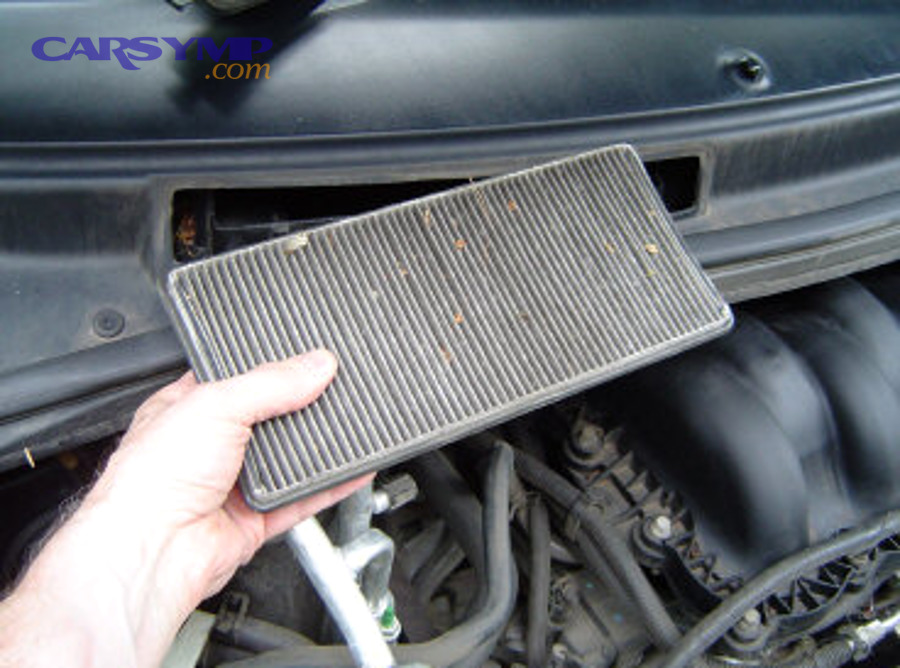
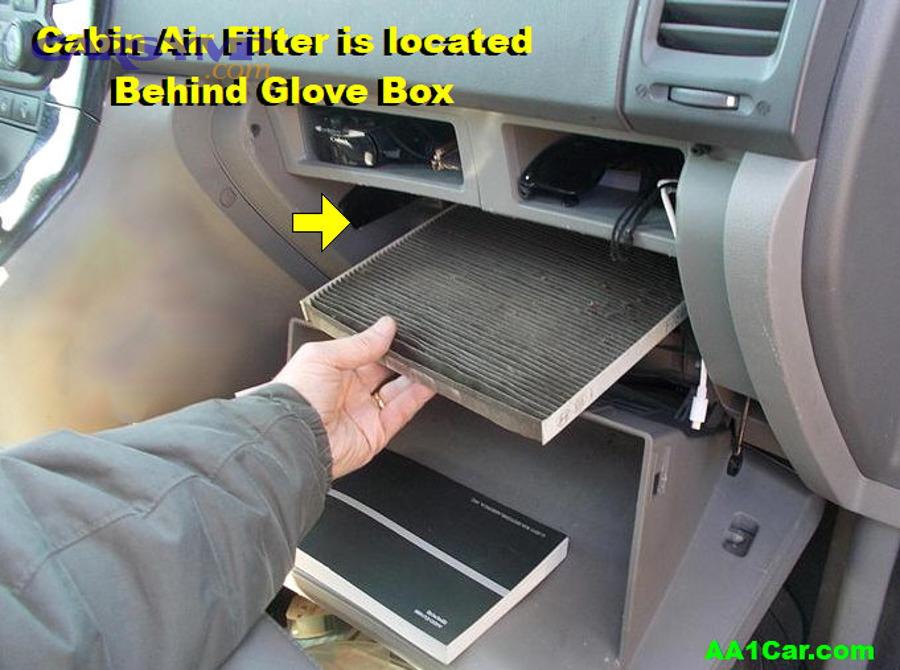
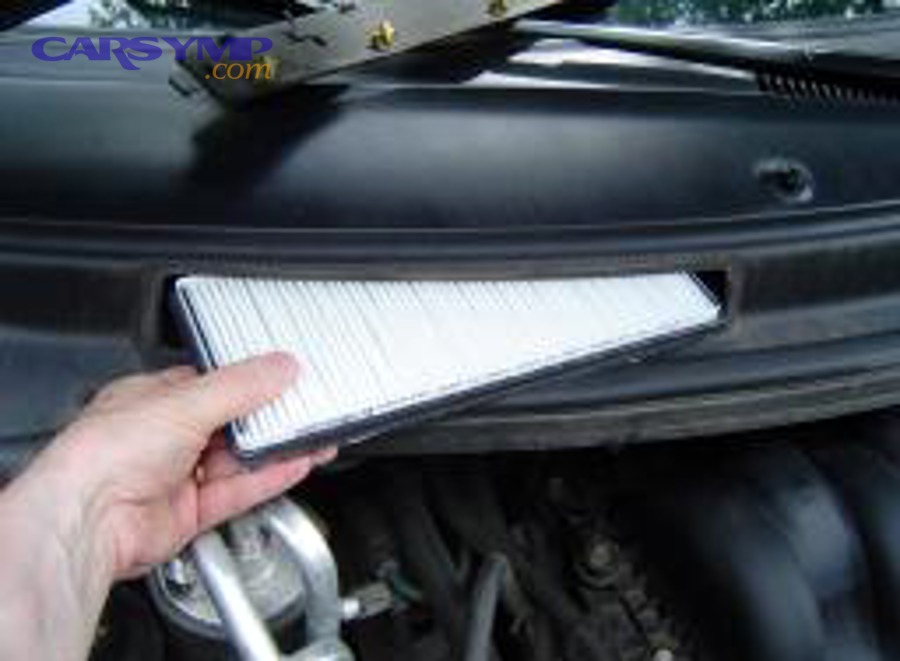
Step 1: Access and visual check. Most cabin filters are behind the glove box, under the cowl, or in a footwell panel. Once removed, look at the “clean side” and “dirty side.” If the pleats are packed, matted, or the surface looks uniformly dark gray/black, airflow restriction is likely. If you see leaves, seeds, or clumps, loading is already advanced.
Step 2: Light and texture test. Hold the filter up to a light source. A healthy filter still shows light through many pleat gaps. If it blocks light almost completely across most pleats, you’re beyond the “fine dust” phase and closer to real restriction. Run a finger lightly across the surface; heavy, gritty transfer suggests high particle loading.
Step 3: Odor check and intake area check. Smell the filter briefly (don’t inhale deeply). A sour, musty, or mold-like odor supports replacement even if it doesn’t look terrible. Also check the intake area for leaves and debris because a clean filter can clog quickly again if the intake is a debris trap.
From those three steps, choose one of three decisions:
- Replace now: heavy loading, clear restriction, or musty odor.
- Replace soon: moderate loading and you’re approaching peak season (pollen, smoke, winter defogging).
- Keep and recheck: light loading, no odor, airflow feels normal.
One subtle but important point: inspection should happen when your environment changes. If you recently moved, changed commute routes, started parking outdoors under trees, or had wildfire smoke, your “old” interval might instantly become wrong.
Theo nghiên cứu của Environmental Science: Processes & Impacts (RSC) từ University of California, Riverside, vào 09/2025, hiệu quả lọc cabin và thiết bị lọc bổ sung thay đổi theo tốc độ quạt HVAC, và một số lọc carbon OEM cho thấy giảm NO2 khoảng 64–67% trong thiết lập thử nghiệm.
So, inspection is the bridge between generic schedules and real-world performance.
How much time and effort does changing the filter take, and what mistakes change how often to replace cabin air filter?
Most cars allow a filter swap in 5–20 minutes, and doing it correctly prevents premature clogging; common mistakes—wrong direction, poor sealing, crushed pleats—can shorten how often to replace cabin air filter because air bypasses or loads unevenly.
After that, focus on fitment and installation details that keep airflow and filtration stable across the interval.
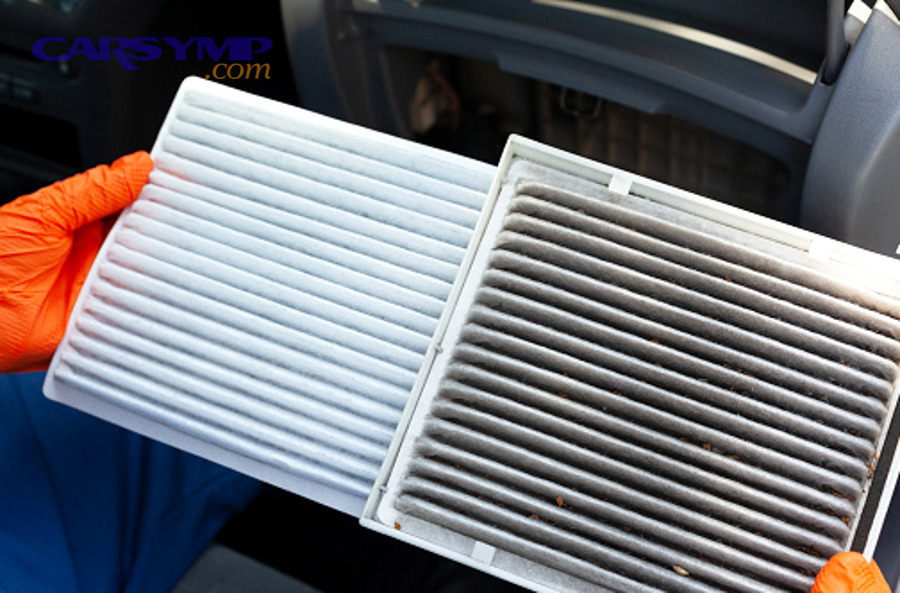
Even when the job is quick, small errors can create big differences in results:
- Airflow arrow reversed: the media may still trap particles, but loading behavior and structural support can be wrong, sometimes increasing collapse risk.
- Seal gaps: if the frame doesn’t seal the housing, air bypasses the media; you’ll see more cabin dust and the filter may look oddly “clean” in places.
- Damaged housing door: a loose cover can rattle and leak, again reducing effective filtration.
- Ignoring intake debris: leaves and seeds in the intake area become “instant clogging” on the next filter.
For many drivers, the best approach is to pair the filter swap with a quick intake cleanup and a quick HVAC performance check: fan speed at the same setting, vent output feel, and defogging response. If the HVAC suddenly feels stronger at the same blower speed, you just confirmed the filter was restricting flow earlier than you thought—meaning your previous interval was too long for your conditions.
In the background, this matters because restriction can push you to higher blower speeds. Higher airflow demand can change cabin pressure dynamics and, in some systems, reduce the relative time air spends in the filter media. That’s one reason why “correct fitment + correct install” can be as important as the filter brand itself.
Theo nghiên cứu của Environmental Pollution từ Environmental Pollution (Elsevier), vào 02/2023, hiệu quả giảm PM2.5 chịu ảnh hưởng bởi chế độ thông gió và thiết bị lọc; điều này nhấn mạnh rằng lắp đặt đúng và vận hành HVAC hợp lý giúp bạn nhận đủ lợi ích trong suốt chu kỳ sử dụng.
So, when you install it right, you stabilize performance—and your interval becomes predictable again.
How does replacing on time affect airflow, defogging, and exposure during commuting?
Replacing on time improves airflow, supports faster defogging, and helps maintain consistent particle reduction during commutes; in other words, it protects comfort and reduces what you breathe when traffic exposure is highest.
Next, connect the “feel” improvements you notice to the filtration and ventilation mechanisms behind them.
Airflow and HVAC efficiency. A fresh filter lowers pressure drop, so the blower does less work to move the same air. That often feels like “stronger AC” even though refrigerant didn’t change. It can also reduce fan noise at a given setting because the blower isn’t straining against a clogged media.
Defogging and visibility. Defogging depends on moving enough conditioned air across glass. When airflow is restricted, you compensate by maxing fan speed, changing vent modes, or blasting temperature swings. A clean filter makes the system respond more linearly: small knob changes produce noticeable results.
Exposure during commuting. Exposure in traffic is not only about being on the road; it’s about what enters the cabin micro-environment. The filter’s job is to reduce particulate entry when you’re closest to emissions sources. This is particularly relevant in stop-and-go traffic, near diesel vehicles, and in tunnels where concentrations can spike.
The practical takeaway is to keep the filter “in the effective zone.” If you run it far past its loaded state, you may still get some filtration, but you trade away airflow and may shift your ventilation habits in ways that increase fatigue (for example, heavy recirculation without periodic fresh-air cycling).
Theo nghiên cứu của Health Canada từ Water and Air Quality Bureau, vào 02/2023, cabin air filtration giảm nồng độ PM2.5 khoảng 6 μg/m³ và giảm phơi nhiễm hạt gần một phần ba trong điều kiện thử nghiệm—cho thấy bảo dưỡng đúng hạn có giá trị rõ ràng trong môi trường giao thông.
So, on-time replacement is both a comfort upgrade and a consistent exposure-control strategy.
Contextual Border: The sections above answer the “when” and “why” behind replacement timing. Below, we expand into choosing media and optimizing the filter’s role in your personal driving context.
How do you choose the right cabin filter media without harming airflow?
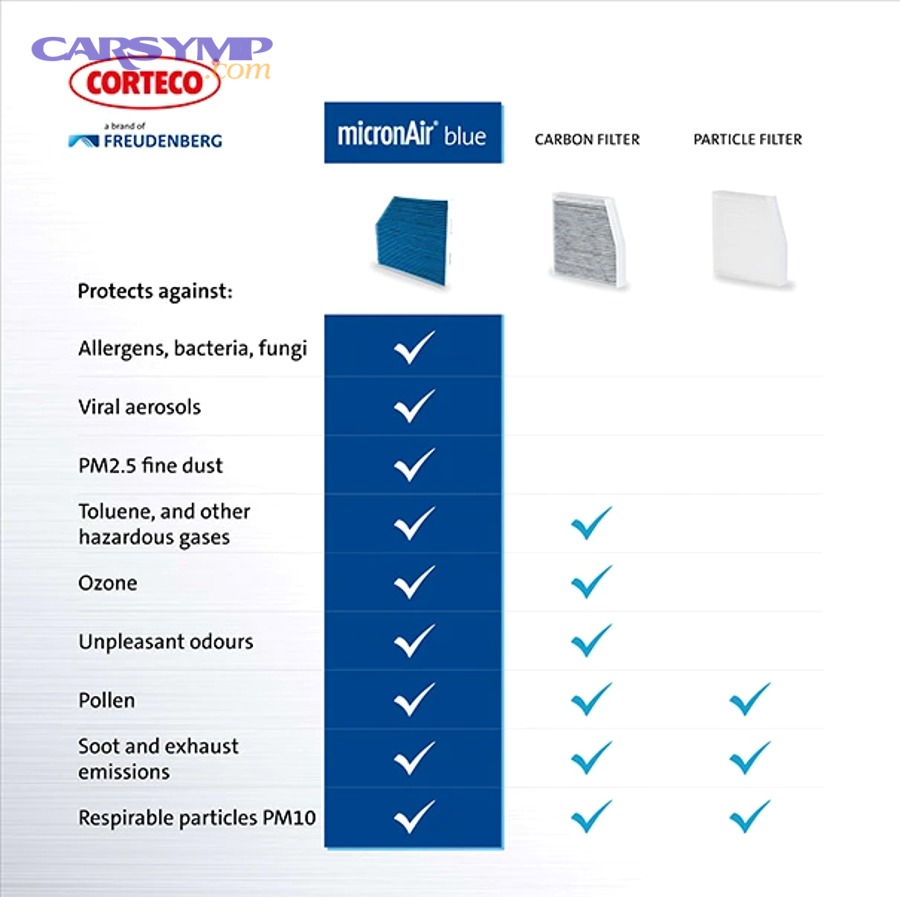
The best choice balances fit, filtration goal, and airflow: a standard particulate filter is fine for most drivers, carbon layers help with odors and some gases, and high-efficiency options help in heavy pollution—if your HVAC can handle the added restriction.
Below, we’ll separate the options by what they add (and what they cost you), so you can pick without guessing.
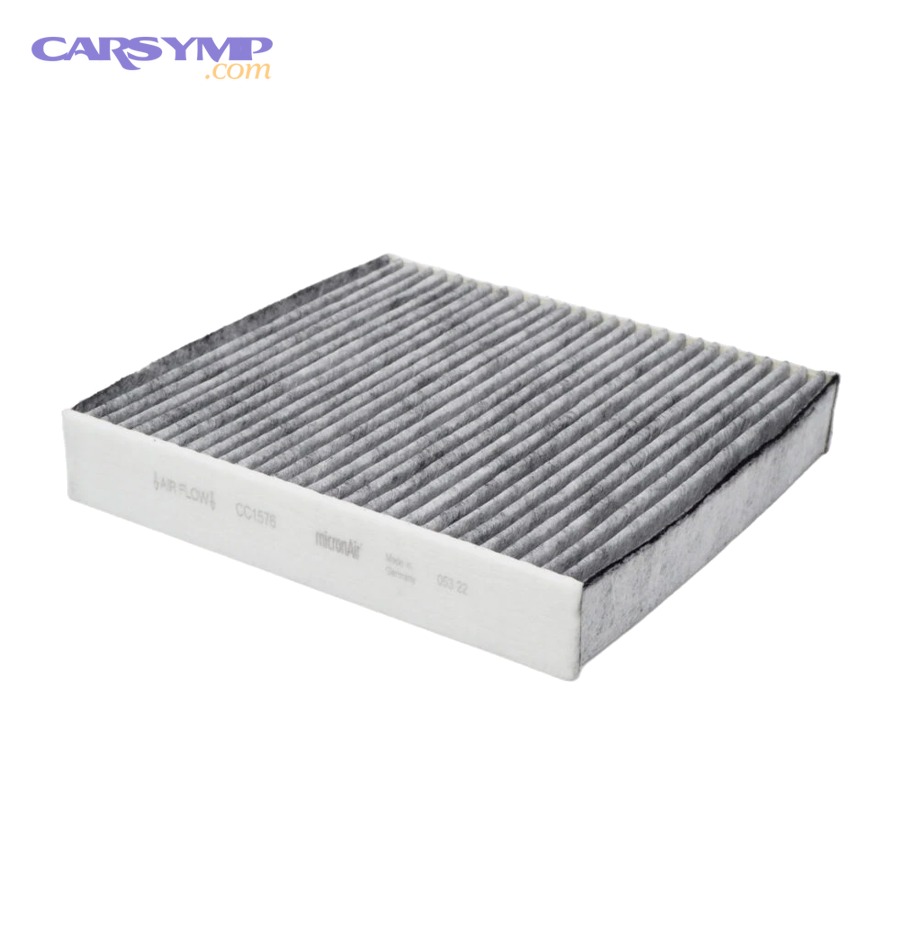
What does an activated carbon layer add in daily driving?
An activated carbon layer primarily targets odors and certain gaseous pollutants, which is why it’s popular for traffic commuting, wildfire smoke smell, and urban environments. The tradeoff is that not all carbon implementations are equal—amount, contact time, and media design matter.
In practical terms, choose carbon when you routinely notice exhaust odors at stoplights, you drive in tunnels frequently, or you want stronger odor control after rain. Also remember carbon can “saturate” faster in extreme odor events, so you may replace sooner than your usual schedule.
Theo nghiên cứu của Lawrence Berkeley National Laboratory từ Indoor Environment Group, vào 08/2008, các bộ lọc chứa than hoạt tính có thể loại bỏ khoảng 60–70% ozone sau 67–81 ngày lắp đặt trong điều kiện đo thực tế.
When do high-efficiency options make sense, and when do they backfire?
High-efficiency media can reduce very small particles more effectively, which can be valuable in dense traffic corridors or during smoke events. However, if the media creates too much restriction for your blower and duct design, you may lose airflow and feel like the HVAC “got weaker.”
A good rule is: if your system already struggles at low fan speeds or your vents feel weak with a clean standard filter, don’t jump straight to the highest-restriction option. Instead, prioritize correct fitment and consider carbon for odor control before extreme efficiency levels.
Theo nghiên cứu của Environmental Pollution từ Environmental Pollution (Elsevier), vào 02/2023, lọc cabin hiệu suất cao có thể nâng hiệu quả lọc PM2.5 lên khoảng 85–96% trong một số điều kiện thử nghiệm, nhưng vẫn tồn tại đánh đổi với thông gió và CO2 nếu vận hành không hợp lý.
Why fitment, seals, and airflow direction decide real performance
Even the best media fails if air bypasses it. Always match the exact part number to your vehicle and verify the housing door closes fully. Install with the airflow arrow aligned to the car’s ventilation direction, and avoid crushing pleats during insertion—deformed pleats reduce effective surface area and can increase restriction quickly.
After installation, run the fan at a familiar setting and confirm the “feel” is stronger or at least normal. If airflow is unexpectedly weak, recheck the door seal and that nothing blocks the filter cavity.
Theo nghiên cứu của Health Canada từ Water and Air Quality Bureau, vào 02/2023, hiệu quả giảm hạt phụ thuộc điều kiện vận hành thông gió và cấu hình lọc—nên việc lắp kín và đúng hướng là điều kiện để bạn nhận đủ lợi ích.
How to plan cost vs value so you replace at the right time
Instead of asking “Which filter is best?” ask “Which filter is best for my interval?” A moderately priced filter replaced on time often outperforms a premium filter left in too long. If you pay for carbon or higher-efficiency media, protect that investment with a shorter inspection cadence—especially after high-smoke or high-pollen periods.
This is also where cabin air filter replacement becomes a habit rather than a surprise: when you attach it to seasonal checks (spring pollen, fall leaves, winter defogging), your replacement timing becomes consistent and you avoid the worst comfort drops.
Theo nghiên cứu của Environmental Science: Processes & Impacts (RSC) từ University of California, Riverside, vào 09/2025, một số lọc carbon OEM cho thấy giảm NO2 khoảng 64–67% trong thử nghiệm, trong khi một số lọc aftermarket rẻ có thể không tạo ra mức giảm tương tự—gợi ý rằng “giá trị” nằm ở hiệu quả thật và lịch thay đúng.
FAQ
These quick answers help you decide what to do today if you’re unsure about your current filter condition.
Next, use the question that matches your situation and act on the simplest next step.
How often to replace cabin air filter if I drive very little?
Still use a time-based schedule—about once a year—because moisture, organics, and odor can develop even when mileage is low, especially if the car sits outside or in humid climates.
How often to replace cabin air filter if I have seasonal allergies?
Inspect at the start and mid-point of your worst season, and replace when symptoms or odor rise. In the body of your decision, consider Allergies and air quality benefits as a practical reason to shorten the interval.
Can a dirty cabin filter cause weak AC even if refrigerant is fine?
Yes. A clogged filter restricts airflow, so the air coming out may feel less “cold” simply because volume is lower. Replacing restores airflow and can make AC feel stronger without any refrigerant work.
Is it better to use recirculation all the time to keep outside pollution out?
Recirculation can reduce outside pollutant entry, but long continuous use can increase CO2 and drowsiness. Cycle fresh air periodically, especially with multiple passengers.
Do premium filters always last longer?
Not always. Media type and carbon layers can help, but harsh conditions still load the filter quickly. Your best strategy is consistent inspection, not blind trust in a longer advertised interval.
How do I choose between carbon and high-efficiency media?
Pick carbon for odor and traffic smell control; pick high-efficiency for heavy fine-particle exposure—then verify airflow stays acceptable. In the body of your decision, use HEPA vs charcoal cabin filter comparison thinking: particles vs odors/gases, plus the HVAC airflow tradeoff.