


If you’re pricing the cost to replace cabin air filter at a shop, the short answer is: most drivers pay a modest service fee, but the final number swings based on labor access, filter type, and whether the shop bundles an inspection.
Beyond the number, you also want to know what you’re actually buying: a clean-air HVAC pathway, restored airflow, and less strain on the blower motor—plus a quick check for debris that can create bigger HVAC issues later.
Price clarity matters because quotes can look inconsistent across shops, and “parts only” pricing can be misleading when the labor step is what you’re really paying for on some vehicles.
To start, we’ll break down realistic ranges, what drives the price up or down, and the smartest ways to get the service done without overpaying—After that, you’ll see how filter choices and driving conditions change the value of the job.
How much does it cost to replace a cabin air filter at a shop?
Most shops charge an all-in price that commonly lands under about $150, with many estimates clustering around a “parts + quick labor” service level; Next, the details below show how that range is built and why quotes vary.
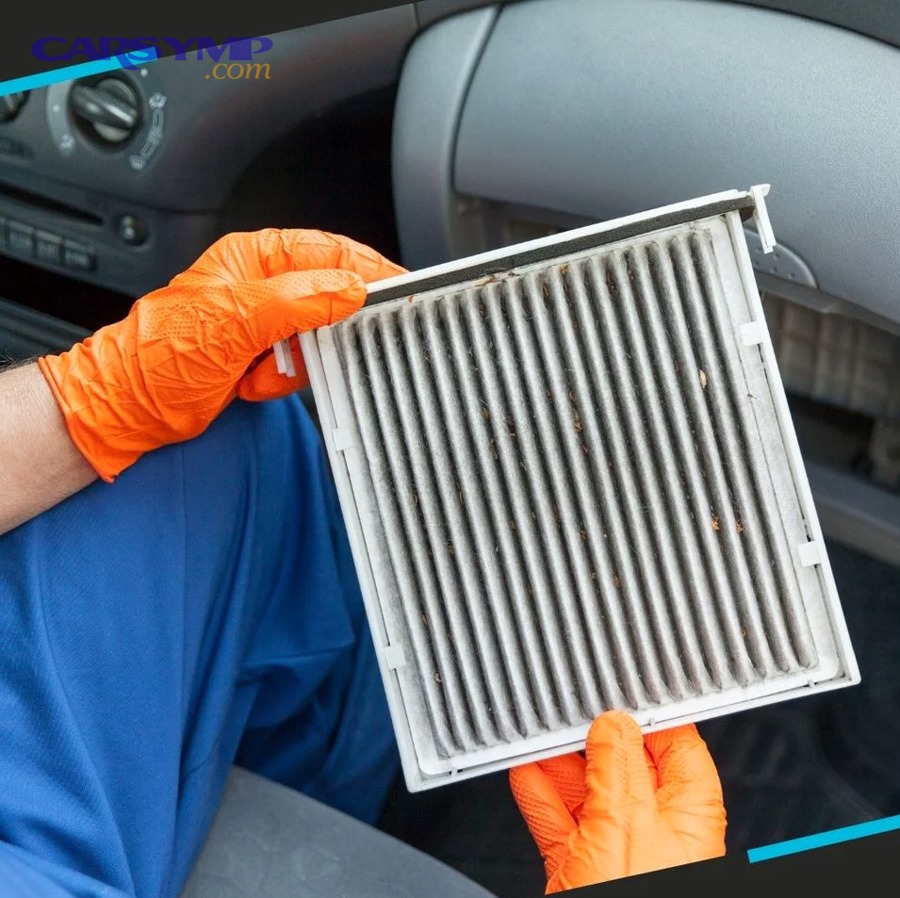
A practical way to think about pricing is to split it into three buckets: (1) the filter itself, (2) the time it takes to reach the filter housing and reinstall trim, and (3) shop overhead (fees, taxes, supplies). Some vehicles make the job a true “five-minute swap,” while others hide the filter behind glovebox panels or under-dash covers that take longer and require careful clip removal.
In many U.S. markets, a cost estimator benchmark shows a typical total range that includes both labor and parts. For example, RepairPal’s estimator lists an average range between $78 and $115, with labor and parts broken out, and notes its estimates were last updated on October 16, 2025.
Another budgeting-style reference point is AAA’s guidance that drivers should plan on spending up to $100 to replace the cabin air filter at intervals like every 15,000 miles (with the note that you can save by doing it yourself, since many OEM-style filters cost less than $25).
Theo nghiên cứu của RepairPal từ bộ phận Cost Estimator, vào 10/2025, chi phí trung bình cho dịch vụ thay lọc gió điều hòa trong xe thường nằm khoảng $78–$115 (tùy xe và khu vực).
What are you paying for in the shop price?
You’re paying for the filter part plus the technician’s time to access the housing, verify airflow direction, and reassemble panels without breaking clips; After that, you’ll see which line items are “normal” and which deserve questions.
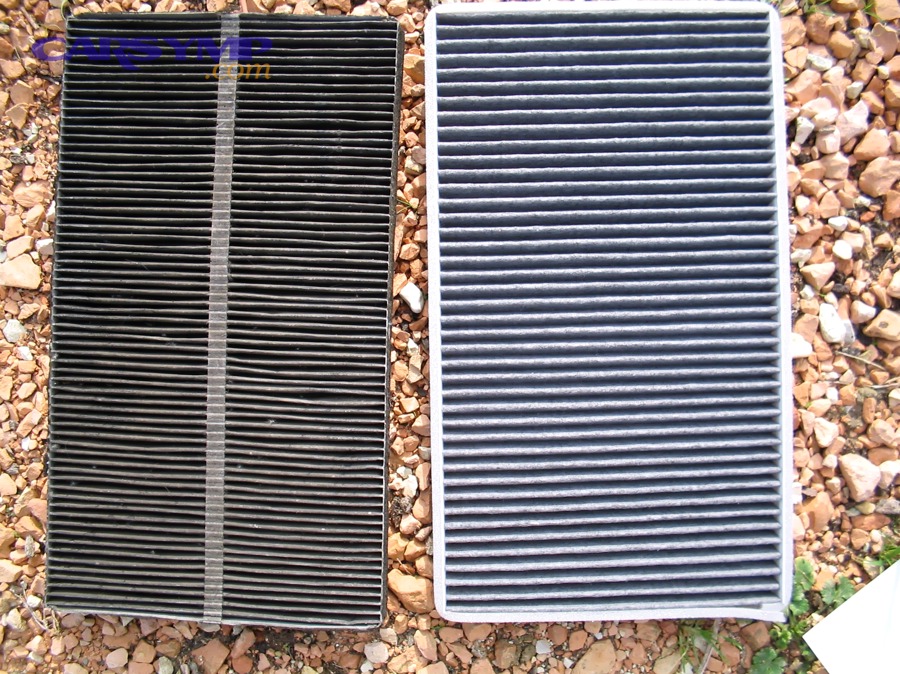
Most invoices for this service are short, but they can still hide meaningful differences:
- Filter type and grade: standard particulate (dust/pollen), activated-carbon (odor/VOC support), or higher-efficiency media.
- Access labor: glovebox drop, under-dash trim, cowl access, or dual-filter setups on some vehicles.
- Inspection and cleanup: checking the housing for leaves/debris so it doesn’t get pulled deeper into the blower/evaporator area.
- Shop fees and taxes: supplies fees, environmental fees, or local tax rules.
Good shops also confirm correct orientation (airflow arrow), ensure seals sit flat (no bypass gaps), and verify the blower sounds normal afterward. This matters because a poorly seated filter can whistle, reduce airflow, or allow debris to slip around the edges.
When you see “diagnosis” attached to a cabin filter line, ask what it includes. Many cases really just need a visual check and replacement—unless there are odors, wetness, or signs of water intrusion that point to a clogged drain or HVAC mold concerns.
Theo nghiên cứu của University of California, Riverside từ Department of Mechanical Engineering (Bourns College of Engineering) và Center for Environmental Research and Technology, vào 01/2020, chất lượng không khí trong cabin chịu ảnh hưởng bởi chế độ thông gió, tốc độ quạt và mức trao đổi khí với bên ngoài—vì vậy thao tác lắp đúng và kiểm tra luồng gió là phần “giá trị” của dịch vụ.
Why can the same service cost more on some vehicles?
Cost jumps when access is tight, when the vehicle uses multiple filters, or when trim removal is time-consuming; Next, you’ll learn the specific “price multipliers” to watch for before you approve a quote.
Two drivers can request the same job and get very different quotes because the labor is not standardized across models. Common reasons:
- Filter location: behind glovebox (often quick) vs. deep under the dash (often slower).
- Fragile interior clips: older plastics or complex trim shapes increase cautious labor time.
- Dual filters: some higher-end vehicles use two cabin filters that should be replaced together.
- Restricted space: technician must work around wiring, airbag components, or tight footwell geometry.
- Dealership vs independent pricing: labor rates and parts markups differ by shop type and region.
Also, location matters. High-cost metro labor rates can push a “simple” service above what online averages show. That’s why local estimates can be different from national ranges.
Theo nghiên cứu của RepairPal từ bộ phận Cost Estimator, vào 10/2025, phần labor ước tính có thể chiếm khoảng $45–$65 trong tổng chi phí—cho thấy việc tiếp cận vị trí lọc (dễ hay khó) là yếu tố làm giá dao động.
How long does a shop take to replace the cabin air filter?
Many shops finish in 10–30 minutes, but some vehicles take longer if panels must be removed carefully; After that, you’ll see how to predict time from the filter location before you book.
In the best-case scenario, the technician opens the glovebox area, slides out the old filter, confirms airflow direction, inserts the new filter, and closes up—often faster than an oil change check-in. In more complex cases, the job becomes “trim management”: removing panels, unclipping covers, and reinstalling everything cleanly.
To estimate time without guessing, ask one simple question when you call: “Is my cabin filter behind the glovebox or under the dash?” Shops usually know the common layouts. If they mention “under-dash access,” expect the upper end of the time range.
One more factor is queue time—your car might wait in line even if the hands-on work is short. If you’re scheduling it with another service (oil change, tire rotation), it’s often easiest to add it as a quick add-on to avoid a separate visit.
Theo hướng dẫn ngân sách bảo dưỡng của AAA, dịch vụ thay lọc cabin thường được xem như hạng mục “nhỏ nhưng định kỳ,” và việc chủ động làm cùng các lần bảo dưỡng định kỳ giúp giảm thời gian ghé xưởng riêng lẻ.
How often should you replace it to control costs?
A predictable interval (miles or months) keeps you from paying for “emergency comfort fixes,” and it helps you compare quotes fairly; Next, you’ll see a simple schedule that adapts to driving conditions.
Most drivers do well replacing the cabin filter around once a year, or roughly every 12,000–15,000 miles, but the right interval depends on where you drive:
- Urban traffic / wildfire smoke seasons: replace more often because the filter loads faster with fine particulates.
- Dusty roads / construction zones: check earlier because dust and grit clog pleats quickly.
- Allergy-sensitive households: shorter intervals can improve comfort during peak pollen seasons.
- Low-mileage cars: time matters too—humidity and organic debris can create odors even without high mileage.
AAA’s budgeting guidance suggests planning “up to $100” around every 15,000 miles, which is a useful ceiling for financial planning even if your actual price is lower.
To keep spending stable, treat the filter like a small recurring line item instead of waiting for airflow problems. That’s especially true if you frequently run HVAC in fresh-air mode in high traffic.
Theo khuyến nghị ngân sách bảo dưỡng của AAA, vào 2024–2025 (bài hướng dẫn ngân sách), nên dự trù “tối đa khoảng $100” cho thay lọc cabin mỗi 15.000 miles để tránh chi phí phát sinh do khó chịu về mùi và lưu lượng gió.
What warning signs suggest your filter is overdue?
The most common clues are reduced airflow, musty odors, and a dusty cabin that returns quickly after cleaning; After that, you’ll learn which signs indicate “replace now” versus “inspect first.”
Drivers often ignore cabin filters because nothing “breaks” dramatically. But the filter quietly loads up until performance drops. Typical Cabin filter symptoms include:
- Airflow feels weak even when the fan is set high.
- Musty, damp, or dusty smells when the HVAC starts.
- Windows fog more easily and take longer to clear.
- More sneezing/irritation for sensitive passengers during pollen or smoke events.
Also look for “whistling” noises from vents—sometimes caused by a warped filter, incorrect fit, or a housing cover not seated properly after a prior service.
If you suspect water intrusion (wet filter, persistent mildew smell), replacement is necessary but may not be sufficient. You may need a drain check or HVAC cleaning depending on the cause.
Theo nghiên cứu của University of California, Riverside từ Department of Mechanical Engineering và CE-CERT, vào 01/2020, điều kiện giao thông dày đặc và chế độ thông gió có thể làm chất lượng không khí cabin xấu đi nhanh—vì vậy các dấu hiệu giảm lưu lượng gió và mùi khó chịu là tín hiệu thực tế cần kiểm tra lọc cabin sớm hơn.
Does a clogged cabin filter affect AC and heat comfort?
Yes—restricted airflow can make cooling and heating feel weaker at the vents and can worsen defogging time, even if the AC system itself is fine; Next, you’ll see how to tell airflow restriction from a true HVAC fault.
This is where many drivers confuse “system performance” with “air delivery.” A dirty filter mainly reduces the volume of air that can pass through. That means:
- AC and heater performance impact: the air may still be cold or hot, but you feel less of it coming out, so the cabin takes longer to cool/heat.
- Defrost/defog lag: clearing moisture takes longer because airflow across the glass is reduced.
- Blower strain perception: the fan may sound louder at higher settings because you’re turning it up to compensate.
If airflow improves immediately after replacement, your HVAC system likely wasn’t the problem. If airflow stays weak, ask the shop to check for a blocked intake, a failing blower motor, a stuck recirculation door, or debris deeper in the HVAC box.
Theo nghiên cứu của nhóm Environmental Health Sciences tại UCLA (Fielding School of Public Health), vào 11/2017, việc dùng lọc cabin hiệu suất cao kết hợp đóng kính đã giảm PM2.5 trong cabin khoảng 37% trong thử nghiệm taxi—cho thấy lưu lượng và đường đi của không khí qua hệ HVAC là “điểm can thiệp” quan trọng để cải thiện trải nghiệm trong xe.
How do you avoid overpaying at the shop?
You avoid overpaying by confirming the filter type, asking for a parts-and-labor breakdown, and refusing add-ons that don’t match your symptoms; After that, use the checklist below to keep the quote honest.
Use these questions as a fast “quote filter”:
- “Is the quote parts + labor, all-in?” If not, request the total with fees and tax.
- “Which filter are you installing?” Ask standard vs carbon vs higher-efficiency, and whether it’s OEM-style.
- “Where is the filter located on my model?” This reveals whether labor should be minimal or moderate.
- “Will you show me the old filter?” A reputable shop can confirm condition visually.
- “Are you bundling any HVAC cleaning?” Only consider it if you have persistent odors or evidence of moisture.
Also watch for confusing terminology. Some shops mix up “engine air filter” and cabin filter when quoting quickly over the phone. Make sure the quote is for the filter that cleans the air you breathe inside the cabin.
Theo ước tính của RepairPal từ bộ phận Cost Estimator, vào 10/2025, phần parts thường nằm khoảng $34–$50 trong tổng chi phí—vì vậy nếu báo giá tăng mạnh, hãy yêu cầu giải thích rõ phần labor và lý do tiếp cận khó.
What should a cost table include for quick comparison?
A useful table should separate labor, parts, and “likely range” so you can compare quotes apples-to-apples; Next, the table below helps you spot when a quote is unusually high.
This table contains typical national-range reference points and what they usually include, so you can sanity-check a shop quote before approving it.
| Reference point | Typical total | What’s included | Best used for |
|---|---|---|---|
| Estimator-style average | $78–$115 | Parts + labor estimate; excludes taxes/fees; varies by location | Checking if your quote is in a common range |
| Budget “ceiling” planning | Up to ~$100 | General budgeting guidance; notes DIY can be cheaper | Setting a maintenance budget and avoiding surprises |
| DIY parts-only | Often <$25 (OEM-style) | Filter only; no labor; requires correct fitment | Comparing shop labor value vs your time |
The estimator range above is shown by RepairPal with estimates last updated October 16, 2025.
The budgeting ceiling and typical DIY parts note are described in AAA’s budgeting guidance.
Theo hướng dẫn ngân sách của AAA, việc so sánh “parts-only” với “all-in at a shop” giúp bạn thấy rõ phần chi phí bạn trả cho sự tiện lợi và thao tác tháo/lắp an toàn.
Is paying a shop worth it compared with doing it yourself?
It’s worth paying a shop when access is difficult, clips are fragile, or you want a quick housing inspection—otherwise DIY can be a straightforward savings; After that, the decision comes down to your vehicle layout and your tolerance for trim work.
DIY makes sense when the filter is easy to reach behind the glovebox and you’re comfortable following a model-specific guide. In those cases, cabin air filter replacement can cost mostly the price of the filter, and you avoid labor charges.
Shop service makes sense when:
- You’ve never accessed the housing before and you’re worried about breaking trim clips.
- The filter is under-dash with tight space, wiring, or awkward fasteners.
- You want the technician to remove debris around the housing before opening it.
- You suspect an odor or airflow issue that might require an inspection beyond a simple swap.
If you choose DIY, use the correct size, confirm airflow direction, and avoid compressing the filter into a housing that’s too tight—misfit filters can allow air bypass or create noises.
Theo hướng dẫn ngân sách của AAA, vào 2024–2025 (bài hướng dẫn), nhiều lọc OEM-style có thể dưới $25 và người lái có thể tự thay để tiết kiệm, nhưng dịch vụ tại xưởng hợp lý khi vị trí lọc khó tiếp cận hoặc cần kiểm tra thêm.
What should you do right after the filter is replaced?
After replacement, verify airflow, listen for new noises, and confirm the odor profile improves over the next few drives; Next, you’ll see a quick post-service checklist that prevents repeat visits.
Use this quick checklist before you leave the parking lot:
- Airflow check: With fan at medium, airflow should feel stronger and more even across vents.
- Noise check: No new rattles or whistles—those often mean a cover isn’t seated or a filter edge is pinched.
- Odor check: Musty smells may fade gradually; if they persist, ask about moisture sources or HVAC cleaning options.
- Mode check: Test fresh-air vs recirculation briefly to ensure doors actuate normally.
Also, keep a simple note: mileage/date replaced + filter type used. This helps you predict the next interval and compare whether a higher-grade filter actually improves comfort for your driving conditions.
Theo nghiên cứu của University of California, Riverside từ Department of Mechanical Engineering và CE-CERT, vào 01/2020, chế độ recirculation và tốc độ quạt ảnh hưởng mạnh đến nồng độ hạt mịn trong cabin; vì vậy sau khi thay lọc, việc kiểm tra lại các chế độ thông gió là bước thực tế để tối ưu chất lượng không khí khi lái xe.
Contextual Border: The sections above focused on shop pricing, time, and decision-making. Below, we shift into filter-choice details that can change comfort and perceived value, especially for smoke, odor, and allergy scenarios.
How do you choose the best cabin filter type for your needs?
Choosing the right filter is about matching your top goal—dust/pollen, odors, or higher-efficiency particle reduction—to what your vehicle can support; Next, use the comparisons below to pick without paying for features you won’t notice.
When you shop for a filter, the label can look more complicated than it needs to be. Focus on the main media type, fit quality, and whether you drive in conditions where the upgrade is measurable.
Which is better: high-efficiency particulate media or activated-carbon layers?
High-efficiency media targets fine particles better, while activated carbon is most noticeable for odors and some vapors; After that, your driving environment decides which benefit you’ll actually feel.
If your biggest problem is visible dust, pollen seasons, or smoke haze, higher-efficiency particulate media can be the more meaningful upgrade. If your biggest complaint is “exhaust smell in traffic” or musty odors, a carbon layer can help reduce odor intensity—though it won’t “solve” every gas exposure.
Theo nghiên cứu của UCLA (Department of Environmental Health Sciences, Fielding School of Public Health), vào 11/2017, lọc cabin hiệu suất cao kết hợp đóng kính đã giảm PM2.5 trong cabin khoảng 37% và UFP khoảng 47% trong thử nghiệm taxi—gợi ý lợi ích rõ ràng của media hiệu suất cao với hạt mịn.
How should allergy or smoke-sensitive drivers interpret “HEPA-like” claims?
“HEPA-like” often signals denser media, but performance depends on fit and airflow—not just marketing terms; Next, prioritize correct fitment and reputable specifications over vague labels.
Some cabin filters are sold as “high-efficiency” or “HEPA-style,” but cabin systems differ from household purifiers: air leaks around a poorly fitting filter can reduce real-world effectiveness. If you’re allergy-sensitive, the most reliable improvements usually come from (1) replacing on schedule, (2) choosing good fitment, and (3) using recirculation strategically in heavy pollution—without running it so long that air becomes stale.
Theo nghiên cứu của University of California, Riverside từ Department of Mechanical Engineering và CE-CERT, vào 01/2020, đóng kính và chọn recirculation có thể giảm nồng độ hạt mịn trong cabin nhưng cũng có đánh đổi về tích tụ CO2 nếu dùng quá lâu—vì vậy “lọc tốt” cần đi kèm cách dùng chế độ gió hợp lý.
What can odor-focused filters realistically do?
Odor-focused filters can reduce some smells, but persistent odors often involve moisture, debris, or HVAC surfaces—not only the filter; After that, you’ll know when to replace the filter versus when to investigate deeper.
Activated carbon can help with certain odor molecules, especially when the filter is fresh. But if odors remain strong after a new carbon filter, look for root causes: wet leaves in the intake area, a clogged drain, or microbial growth on HVAC components. In those cases, replacing the filter is still correct, but it’s only the first step.
Also remember that some gases (like carbon dioxide) aren’t “filtered” by typical cabin filters—ventilation strategy matters.
Theo nghiên cứu của University of California, Riverside từ Department of Mechanical Engineering và CE-CERT, vào 01/2020, các khí như CO2 thường không được lọc bởi cabin filters thông thường và có thể tích tụ khi recirculation kéo dài—đây là lý do mùi/stale-air đôi khi cần thay đổi chế độ gió hơn là chỉ đổi lọc.
Are washable or reusable cabin filters a good idea?
Washable filters can be convenient, but performance varies and they can underperform for fine particles if the media is not designed for high-efficiency capture; Next, choose them only if the brand provides clear performance data and you maintain them consistently.
Reusable filters can make sense if you’re committed to regular cleaning and you mainly want to block larger debris. However, if your priority is fine particulate reduction during commute exposure, a quality disposable high-efficiency filter replaced on schedule may be more predictable.
Theo nghiên cứu của UCLA (Department of Environmental Health Sciences, Fielding School of Public Health), vào 11/2017, việc dùng lọc cabin hiệu suất cao đã cho thấy mức giảm hạt mịn đáng kể trong điều kiện thực tế—vì vậy với mục tiêu “giảm PM trong cabin,” lựa chọn media hiệu suất cao và thay đúng hạn thường đáng tin hơn.
FAQ
Can a shop replace the cabin filter during an oil change?
Yes—this is one of the most efficient times to do it because the car is already checked in and the added labor is often minimal; After that, ask for the all-in add-on price to avoid a second appointment.
Bundling can also help you remember intervals and keep your annual maintenance budget steady.
Will replacing the cabin filter fix a bad smell immediately?
Sometimes yes, but persistent odors may indicate moisture or debris deeper in the HVAC system; Next, if smells persist after replacement, ask the shop to inspect for water intrusion or organic buildup.
A new carbon filter can reduce odor intensity, but it won’t remove the source if the source is downstream.
Is recirculation always better for air quality?
No—recirculation can reduce intake of outside particulates in heavy traffic, but using it too long can make air feel stale and can increase CO2; After that, use it strategically in short bursts.
UC Riverside explains that recirculation can reduce particulate matter, but also notes the tradeoff of CO2 accumulation when used for extended periods.
Where can I learn the exact steps for my car model?
Model-specific videos are ideal because filter locations vary; Next, the embedded tutorial below shows the general idea, but always confirm the procedure for your exact year/make/model.
Cost to replace cabin air filter at a shop; labor vs parts; HVAC airflow; recirculation mode; activated carbon cabin filter; high-efficiency cabin air filter; PM2.5 exposure; UFP reduction; shop estimate comparison; maintenance budgeting.