


Incorrect cabin filter installation is real and common: yes, it can reduce airflow, let dust bypass the media, and create new noises or odors even right after you “did everything right.”
Beyond comfort, the bigger issue is diagnosis: many symptoms of a bad filter look identical to HVAC problems, so the fastest fix is learning the installation-specific clues that separate “filter mistake” from “system fault.”
You’ll also learn how to inspect orientation arrows, seating, and housing seals without special tools, plus how to confirm the fix with a quick airflow and sound check.
To start, it helps to define what “incorrect” really means in a cabin filter context and how it differs from a filter that is simply dirty. After that, you can track symptoms to the exact mistake and correct it once—confidently.
What counts as incorrect cabin filter installation, and why does it matter?
Incorrect installation means the filter is oriented, seated, or sealed wrong, so air either bypasses the media or the media restricts flow more than designed. Next, you’ll map this definition to the specific mistakes drivers make most often.
Which three installation mistakes cause most “new problems” right after service?
The big three are reversed airflow direction, a filter not fully seated in its tray, and a housing cover not latched evenly. To clarify, each of these changes air pressure and where debris collects, which changes symptoms quickly.
Reversed direction is the classic “arrow confusion” problem: the filter still fits, but the media may be less efficient, and the pleats can load in a way that increases turbulence. A half-seated filter is sneakier—one corner pops out of the guide rails, leaving a gap that lets unfiltered air slip past. A cover that’s clipped on one side but not the other can create a leak path (bypass) or a whistle path (air squeezing through a small opening).
When drivers notice symptoms immediately after a filter change, the odds strongly favor one of these three, not a sudden blower motor failure. After that, you can use the symptom patterns below to pinpoint which one happened.
How can a “correct-looking” filter still be wrong?
A filter can look correct yet be wrong if the arrow label is interpreted incorrectly, the filter frame is slightly warped, or the housing rails are misaligned. In other words, a filter can be “in the slot” but not “in the seal.”
Some vehicles mark the housing with an arrow, others mark the filter, and some use “UP” instead of “AIR FLOW.” If you install a filter by matching text rather than matching airflow, you can flip it unintentionally. Also, some aftermarket frames are softer; when you push them in, they can bend and then spring back, leaving a corner unseated. Finally, glovebox-access housings often rely on two rails; if you insert the filter above one rail and below the other, it feels like it went in—but it’s actually crooked.
Next, you’ll see how these “looks fine” errors create very specific airflow, noise, and odor clues.
What are the immediate risks versus long-term risks?
Immediately, you risk weak airflow, new whistling, and dust or odor returning fast; long-term, you risk faster filter clogging and extra strain on HVAC components. More importantly, incorrect fit can make you chase the wrong repair.
Weak airflow often triggers people to suspect a failing blower or a blocked evaporator, but the fix may be reseating a $15–$30 part. Noise and vibration can appear because air is forced through gaps or because the filter flutters when the fan ramps up. Over time, bypass leaks let grit coat the evaporator core, which can hold moisture and contribute to musty smells. And if the filter increases pressure drop more than expected, the blower works harder to achieve the same cabin airflow.
The key is to treat the cabin filter as a flow-control component, not just a “dust catcher.” After that, your troubleshooting becomes faster and more accurate.
Which airflow symptoms most strongly signal a wrong installation?
The strongest airflow sign is a noticeable drop in vent output right after replacement, especially if the old filter wasn’t extremely clogged. Next, you’ll learn a simple way to separate “wrong install” from “normal new-filter feel.”
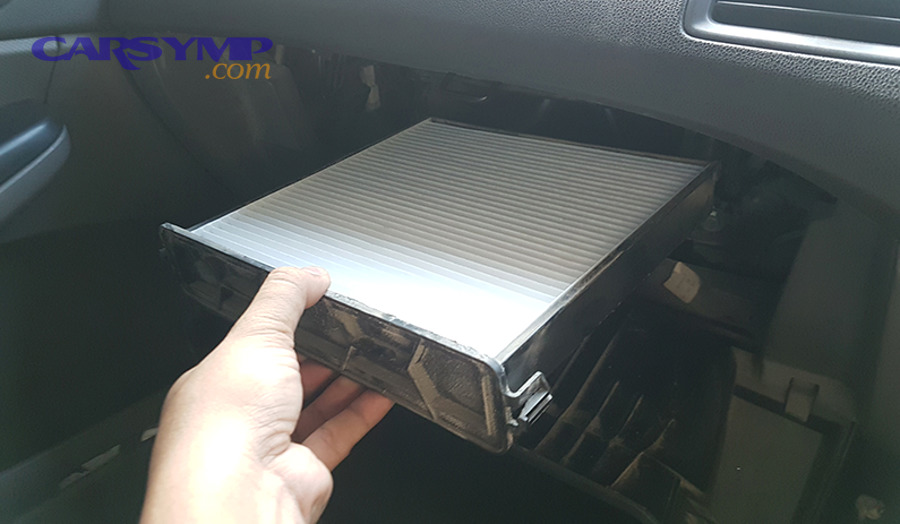
How do you tell “normal” airflow change from “problem” airflow change?
Normal change is slightly stronger airflow and cleaner smell; problem change is weaker airflow, uneven airflow across vents, or airflow that pulses. To start, compare fan speed settings before and after: the same setting should not feel worse.
A new filter often makes airflow steadier and may reduce fan noise at a given speed. If your airflow feels lower after replacing a moderately dirty filter, suspect a seating issue or a cover leak creating a “short circuit” path in the housing. Uneven vent output (center vents strong, side vents weak, or vice versa) can happen when the system compensates, but it’s also common when a filter is crooked and partially blocks the airflow channel.
If you want a quick check, use a tissue test: hold a tissue near the vent at fan speed 2–3 and watch how consistently it lifts. Pulsing or fluttering can indicate the filter is flexing or the cover is not sealed. Next, connect airflow symptoms to the most likely mechanical mistake.
Why can reversed airflow direction reduce airflow even if the filter is “new”?
Reversed installation can increase turbulence and pressure drop because the filter media and pleat support are designed for one direction. Specifically, some filters have a denser layer or support grid intended to face incoming air.
Many cabin filters are multi-layer: a coarse pre-layer catches larger debris, while a finer layer captures smaller particles; some include activated carbon. When reversed, the fine layer may face the incoming stream first, loading faster and creating a higher resistance sooner. Also, pleats can be shaped to resist collapse in one direction; reversed flow can make pleats “balloon” slightly at higher fan speeds, reducing the effective flow area.
The result can be a new-filter paradox: “It’s brand new, but it blows worse.” After that, you’ll see how noise symptoms further confirm this diagnosis.
What does it mean if airflow improves when you tap the glovebox area?
If airflow improves after tapping, the filter or cover is likely shifting—meaning it wasn’t seated or latched correctly. To illustrate, a corner can catch on a rail and then slip into place after vibration.
This is a classic clue because HVAC mechanical faults rarely “fix themselves” with a tap, but loose plastic covers and misaligned filter frames often do. If the airflow changes when you press lightly on the filter door or surrounding trim, you’re effectively changing the size of a gap or the pressure path. That points directly to a fitment issue.
Don’t rely on tapping as a solution; use it as a diagnostic signal. Next, check for the sound clues that typically appear alongside this behavior.
What noises suggest the filter is seated wrong or the cover isn’t sealed?
Whistling, chirping, or a new fluttering sound that changes with fan speed usually indicates air leaking past an edge or vibrating a loose cover. Next, you’ll learn which noise patterns map to which installation error.
What does a high-pitched whistle at mid fan speeds mean?
A whistle at mid speeds typically means air is squeezing through a narrow gap—often a cover not fully clipped or a filter not flush in its frame. After that, you can confirm by gently pressing the cover perimeter while the fan runs.
Mid fan speeds create a pressure profile that is ideal for “edge leakage noise”: enough airflow to generate a tone, but not so much that it becomes a broad whoosh. If pressing on the cover or trim changes the pitch or stops the whistle, the seal is the culprit. Common causes include one latch not snapped, a glovebox damper arm blocking closure, or a filter frame sitting on top of a guide rail.
Once confirmed, the fix is almost always reseating and reclipping, not replacing the blower. Next, distinguish whistle from flutter.
What does a “flutter” or “card-in-spokes” sound indicate?
Flutter often indicates the filter media is flexing because airflow is hitting it unevenly or because the filter is reversed and less supported in that direction. In addition, it can happen if the filter is oversized and bowing in the housing.
Flutter tends to appear at higher fan speeds and may disappear if you switch from fresh air to recirculation (or vice versa), because the pressure across the filter changes. If the filter is not locked into rails, the airflow can lift a corner of the media and then slap it back down repeatedly. Some carbon filters are heavier; if they’re installed without full support, they can sag and vibrate.
Next, use a visual inspection of pleat straightness and frame alignment to confirm the diagnosis.
When is a new rattle after filter service not the filter?
If the rattle is constant at idle and doesn’t change with fan speed, it may be a loose glovebox item or trim clip, not the filter. However, if it changes with fan speed, treat the filter area first.
During service, it’s easy to dislodge a small plastic clip or leave a pen in the glovebox hinge area. Those rattles are speed-independent. Filter-related rattles usually track airflow and are most obvious when you toggle fan speeds or switch HVAC modes (face/feet/defrost). If the noise started immediately after the filter change, start with rechecking cover latches and the filter tray alignment before assuming a deeper problem.
That disciplined order saves time and prevents unnecessary part replacement. Next, you’ll see how odor and dust clues can also expose a bad seal or bypass path.
Which odor and dust clues show air is bypassing the filter media?
If musty smell, dust film, or outside odors return quickly after a new filter, air is likely bypassing the filter or the filter is installed backward. Next, you’ll learn to separate “old HVAC odor” from “bypass odor.”
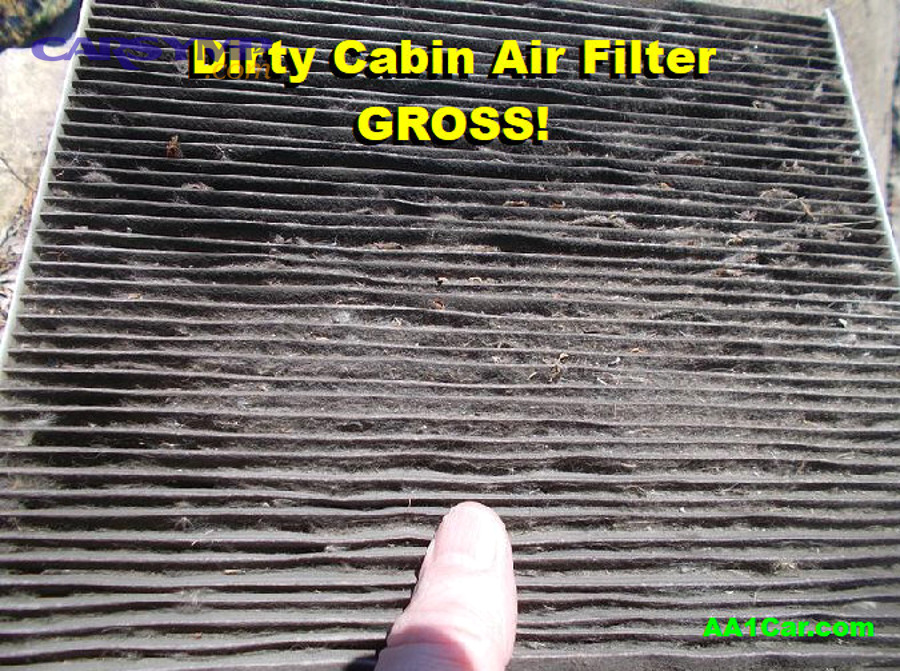
How can you tell whether the smell is from the old filter or from bypass?
Old-filter smell fades soon after replacement; bypass smell persists because unfiltered air keeps carrying contaminants into the HVAC box. To begin, run the fan for 10–15 minutes with A/C off and then reassess.
A lingering musty smell may come from moisture on the evaporator, but a sharp “outside odor” spike (traffic fumes, dust, smoke) suggests the filter isn’t doing its job. A properly installed filter reduces the intensity of outside smells, especially when paired with recirculation during heavy pollution events. If odors feel unchanged or worse immediately after replacing the filter, focus on seal and orientation.
Place your nose and eyes on the simplest test: check for visible dust patterns around vents and on the passenger-side dash within a week of replacement. Fast dust return often means bypass. Next, examine the edge seal and housing door integrity.
What visual evidence inside the housing proves bypass is happening?
Dust streaks on the clean side of the filter frame, debris past the filter edge, or a dirty “line” where the gasket didn’t touch indicates bypass. Specifically, look for clean/dirty contrast along the perimeter.
Remove the filter and inspect both faces. The upstream face should be dirtier than the downstream face. If you see significant dust on the downstream side near one edge, that edge is leaking. Also inspect the housing rails: if leaves or debris are found beyond the filter tray, air and particles are finding a route around the media.
This is where the phrase cabin air filter replacement becomes more than a routine chore: it’s a seal-and-flow verification task. Next, connect these clues to common seating errors that create perimeter leaks.
Why do some drivers notice more windshield fogging after a bad install?
Fogging can increase if airflow to defrost vents drops due to a restrictive or mis-seated filter. Additionally, bypass can introduce more humidity and particulates that encourage condensation.
Defrost performance depends on airflow volume and temperature control. If your airflow is reduced at the same fan setting, the windshield clears slower and fogging persists. While fogging can have other causes (A/C issues, coolant smell, wet carpets), a sudden change after filter service points to reduced airflow or misdirected airflow through the HVAC box.
Next, you’ll see how “health and comfort” symptoms—like sneezing or irritated eyes—can also hint at a bypass or orientation issue, without overdiagnosing allergies.
Can “health comfort” symptoms reveal incorrect installation?
Yes: if irritation, sneezing, or eye dryness worsens after a filter change, it can signal bypass leaks or a reversed filter letting more fine particles through. Next, you’ll connect those symptoms to airflow path and filtration performance.

How do bypass leaks affect what occupants feel?
Bypass leaks allow unfiltered air to mix into cabin airflow, increasing exposure to dust, pollen, and roadway particles. In practice, this can feel like “the filter did nothing,” especially during high pollen or wildfire-smoke days.
When the housing seal is compromised, the filter no longer acts as the primary gatekeeper. Instead, the HVAC box becomes a mixing chamber where part of the air is filtered and part is not. That partial filtration can still reduce big debris but may not reduce fine particles enough for sensitive occupants to notice relief. This is where Allergies and air quality benefits become conditional: the benefit depends on correct sealing and the right airflow direction, not just on buying a “better” filter.
The fix remains mechanical: correct the seating and door seal first, then reassess comfort. Next, understand what research says about cabin filtration and particulate reduction, so you can align expectations with reality.
What does research suggest about cabin filters and particulate reduction?
Cabin filtration can meaningfully reduce particulate exposure, but the magnitude depends on filter type, vehicle, and ventilation settings. To illustrate, controlled studies show reductions that are large enough to matter—but not magical.
Theo nghiên cứu của Health Canada từ Water and Air Quality Bureau, vào February 2023, cabin air filtration reduced in-vehicle particulate exposures by roughly one third in a randomized cross-over commuter study.
Theo nghiên cứu của Elsevier (Environment International) từ nhóm nghiên cứu lọc bụi trong môi trường xe, vào August 2024, some vehicle cabin air filters showed minimum average filtration efficiency about 56.1% for 0.1–0.3 μm particles, with pressure drops varying widely.
These findings support a practical point: installation errors can erase a meaningful fraction of a filter’s real-world benefit. Next, you’ll learn how to validate that your HVAC is actually pulling air through the media, not around it.
Why can a wrong install feel worse on recirculation?
Recirculation often increases airflow demand through the filter path, so a restriction or leak can become more obvious. Meanwhile, the cabin may accumulate odors faster if the filter isn’t removing them effectively.
In recirculation mode, the system repeatedly cycles cabin air, which can amplify both good and bad outcomes. A well-installed filter keeps recirculated air cleaner over time; a poorly installed one can allow dust and odor compounds to persist, so occupants notice discomfort faster. If recirculation makes the airflow drop or the noise rise more than usual, it’s a strong hint the filter is restricting flow due to orientation, collapse, or misfit.
Next, move from symptoms to inspection: you’ll perform a fast, reliable physical check of seating, seals, and arrows.
How do you physically inspect seating and sealing without special tools?
You can verify correct installation by checking rail alignment, frame flushness, gasket contact, and door latch symmetry in under 10 minutes. Next, follow a step-by-step inspection that works for most glovebox and cowl locations.
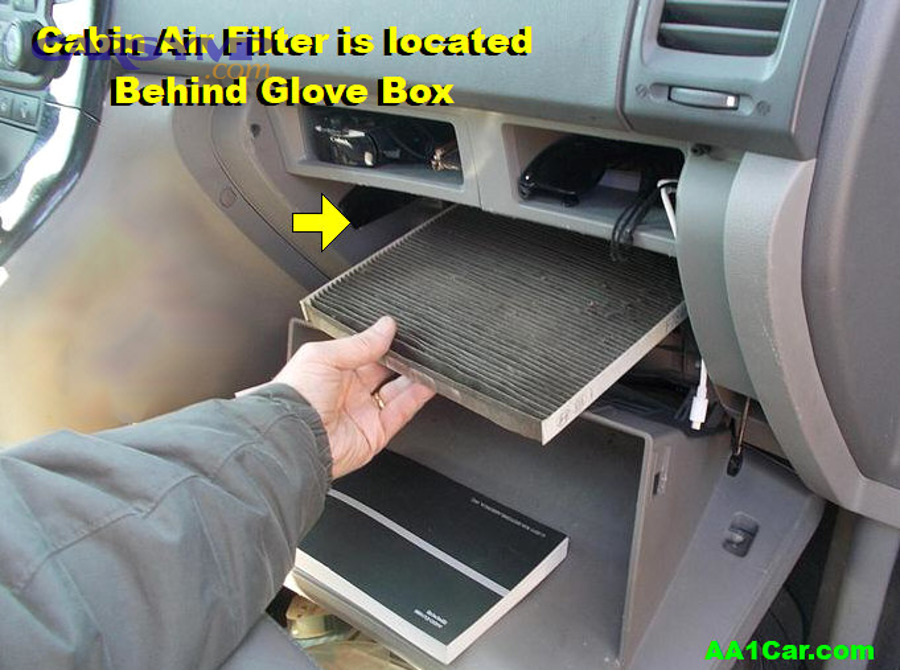
What is the quickest “3-point check” for proper seating?
The 3-point check is: rails, corners, and cover. To begin, confirm the filter slides inside both guide rails smoothly without binding.
Rails: Look into the housing and identify the left and right tracks. The filter frame should be captured by both tracks for its full depth. If one side is riding outside the track, you’ll see a tilt or a gap.
Corners: Press gently on each corner of the filter frame. Properly seated corners feel firm and don’t “spring.” A corner that flexes or clicks suggests it’s not fully inserted.
Cover: Close the filter door and confirm both latches engage with the same force. If one side clicks and the other feels mushy, reopen and re-seat the filter.
This method catches most issues fast. Next, learn how to check the perimeter seal like a technician, not like a guesser.
How do you check for perimeter leaks effectively?
Perimeter leaks show up as uneven gasket contact and dust lines; your goal is full, even contact around the frame. Specifically, look for a continuous “compression line” on foam seals, if present.
Some filters have a foam gasket; after you install and remove it, you may see a uniform compression mark. Gaps in that mark indicate places where air could slip around. For filters without foam, inspect the plastic frame: it should sit flat against the housing surface with no visible daylight. Also inspect the door: if the door or cover is warped, it can create a leak even if the filter is seated properly.
When leaks exist, they often create both dust bypass and whistle noise—two symptoms that reinforce each other. Next, address the most confusing part of all: arrow direction and labeling.
What if the filter fits loosely in the housing?
Loose fit usually means the wrong part number, a missing spacer, or a worn housing clip allowing play. In that case, correct the fit before you interpret symptoms.
A loose filter can rattle, allow bypass, and reduce filtration even if oriented correctly. If the filter can slide side-to-side more than a few millimeters, it’s not controlling airflow properly. Verify the part number against your vehicle’s exact year and trim. Some vehicles use two filters stacked; installing only one can also mimic “loose fit” because the housing is designed for a combined thickness.
Once fitment is correct, symptoms become meaningful again. Next, lock in the correct arrow interpretation so you never second-guess orientation.
How do you confirm airflow direction arrows and “UP/TOP” markings correctly?
Confirm direction by matching the filter arrow to the housing arrow (or the actual airflow path), not by guessing based on text orientation. Next, use a simple rule that works across most vehicles and filter brands.
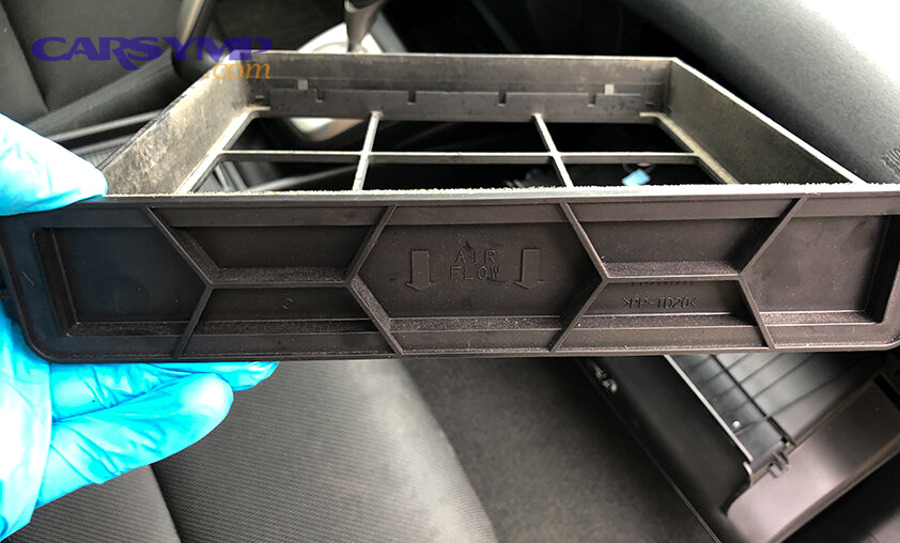
What is the most reliable rule for arrows?
Follow the vehicle’s airflow, then align the filter arrow to that flow. To start, locate where the fan pulls air from (cowl intake or cabin recirculation intake) and where it pushes air (vents).
In many glovebox-access designs, air is pulled through the filter toward the blower and evaporator, then distributed to vents. That often means the arrow points down or toward the rear, but you should not assume—check the housing marking or owner’s manual direction. Some filters use “UP” to indicate which side faces upward in the slot, which is not always the same as “AIR FLOW.” If you see both labels (filter and housing), the easiest method is to match arrows exactly as they were on the old filter—provided the old filter was installed correctly.
If you’re uncertain, look for debris pattern: the upstream side is dirtier. Install so the dirtier side faces the incoming air stream. Next, learn how to handle confusing cases where arrows are absent.
What if the filter has no arrow at all?
If there’s no arrow, rely on housing markings, the owner’s manual, or the filter’s construction (pre-filter side versus support side). For example, carbon layers are often bonded to one side.
Some filters are symmetric and truly bidirectional, but many are not. If one side has a more open mesh or a reinforcement grid, that side may be intended as the downstream support. If your housing indicates airflow direction but your filter does not, install so the pleats and frame align naturally in the rails, then perform an airflow and noise check. A correctly installed filter should not flutter and should not cause sudden airflow loss.
Next, connect arrow mistakes to component strain so you understand why careful installation prevents secondary issues.
Can wrong direction harm components, or is it only comfort?
It’s mostly comfort and filtration efficiency, but severe restriction or chronic bypass can contribute to HVAC strain and contamination over time. More importantly, wrong direction can accelerate clogging and increase blower workload.
When people talk about Preventing blower motor strain with clean filters, the hidden assumption is that the filter is installed correctly and air is actually passing through it. A mis-seated or reversed filter can increase pressure drop, requiring higher fan speeds for the same comfort. That increases electrical load and can expose weak blower resistors or control modules sooner. Meanwhile, bypass allows dust to coat the evaporator and ducts, which can reduce heat exchange efficiency and contribute to odor problems.
Next, you’ll learn the fastest “fix and verify” procedure so you can restore correct operation and confirm it immediately.
How do you fix incorrect installation and verify the solution in one pass?
The fix is to remove the filter, clean the housing lip, reinstall with correct orientation and full rail capture, then verify airflow, sound, and odor within minutes. Next, follow a checklist that prevents repeat mistakes.
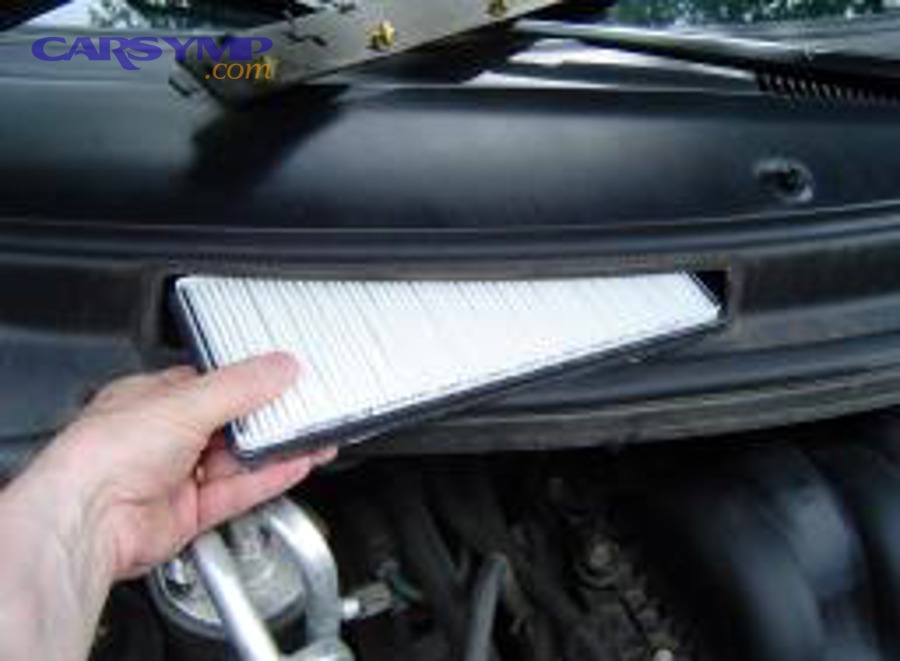
Step-by-step: reinstall correctly and prevent repeat errors
Do it once, do it right: confirm part, clean seating surfaces, align rails, match arrow, latch cover evenly. After that, run a short verification routine to confirm success.
- Confirm fitment: Verify the filter size and part number; ensure stacked-filter designs have both elements installed if required.
- Clean the housing edge: Wipe the lip where the filter frame seals; remove leaves or grit that can hold the frame open.
- Align the rails: Insert the filter squarely so both sides enter their guide tracks at the same time.
- Match airflow direction: Align “AIR FLOW” (or housing arrow) to actual airflow; avoid guessing based on which side “looks nicer.”
- Latch the cover: Close the door and confirm both sides click with equal force; don’t force a latch against a crooked filter.
This process prevents the majority of post-service symptoms. Next, verify quickly so you don’t drive away with a hidden leak.
What is the fastest verification routine after reinstalling?
Verify with a three-sense test: feel airflow, listen for whistle/flutter, and smell for immediate outside-odor spikes. To begin, run fan speed 1 to 4 and note changes.
Airflow: At the same fan speed, vents should feel equal or stronger than before, not weaker. If you have a tissue, confirm consistent lift and no pulsing.
Sound: Toggle fan speeds and HVAC modes; a correct install should produce smooth airflow sound without sudden whistles at mid speeds.
Smell: In a safe area, briefly switch between fresh air and recirculation. If fresh air brings in a strong burst of dust/traffic odor that doesn’t reduce, suspect bypass or wrong orientation.
When all three improve, you’ve likely solved the issue without deeper repair. Next, use a short video refresher if you prefer visual confirmation.
Contextual Border: Up to this point, you focused on direct installation mistakes and their strongest symptoms. Next, you’ll shift to less obvious clues and edge cases that can mislead even careful DIYers.
Less obvious clues and edge cases that mimic HVAC failures
Some incorrect-install symptoms are subtle—like intermittent airflow changes or seasonal-only issues—yet they still point back to fit, direction, or sealing. Next, use these edge-case patterns to avoid misdiagnosing a bigger problem.
Why does the problem appear only at high fan speed or only on defrost?
High fan speed and defrost create higher airflow demand and different duct pressures, exposing a loose corner or a marginal seal. In other words, the system “stress tests” your installation.
At low speeds, a small gap may not whistle, and a slightly crooked filter may not flutter. At high speeds, the pressure difference across the filter rises, making any weakness obvious. Defrost mode can also route air through different passages, revealing an obstruction or a cover leak that wasn’t noticeable in face-vent mode.
If symptoms are mode-dependent right after service, check installation first before blaming actuators or blend doors. Next, identify when water and moisture issues are actually installation-related.
Can incorrect installation contribute to water or moisture problems?
It can indirectly: reduced airflow can worsen humidity control, and a mis-seated cover can allow drafts that change condensation patterns. However, major water leaks usually involve drains or seals, not the filter alone.
If you notice damp smell and slow defogging after a filter change, suspect airflow reduction. If you notice actual water on carpets, investigate HVAC drain tubes, cowl drains, or door seals—then also recheck that the filter cover is properly installed and not deforming the surrounding trim.
Use installation checks as the fast “eliminate first” step, then move to drains if water is present. Next, handle the “new filter, still dusty” situation without panic.
Why is there still dust even after installing a new filter correctly?
Some dust is normal due to existing duct contamination and varying filter efficiency, but rapid heavy dust return suggests bypass or incorrect fit. To clarify, “some” is gradual; “too much” is quick and visible.
After you correct installation, it may take a week or two for previously deposited dust in ducts to settle down, especially if you recently drove on dirt roads. If you continue to see a thick film on the dash in a few days, recheck perimeter sealing and confirm you installed the correct filter type for your vehicle’s housing.
Remember: the filter is one layer of protection, not a full air purifier. Next, finish by answering the most common practical questions people ask when symptoms don’t match expectations.
When should you stop DIY and ask for a professional check?
Ask for help if airflow remains weak after correct reinstall, if you smell coolant or burning electronics, or if the blower makes grinding noises independent of filter position. In that case, you may have a separate HVAC fault.
Installation issues typically change quickly when you reseat the filter and cover. If nothing changes, the root cause may be a clogged evaporator, failing blower motor, actuator problem, or a blocked intake. Still, confirming correct filter installation first is the lowest-cost step—and it prevents confusion during professional diagnosis.
FAQ
These quick answers address common “but what if…” situations that come up during troubleshooting. Next, use them to decide whether to recheck installation or look elsewhere.
Is it safe to drive if the cabin filter is installed wrong?
Yes for short trips, but you may experience reduced defrost performance, dust exposure, and persistent odors, so fix it soon. After that, verify airflow and defogging before long drives.
Does installing backward always cause symptoms?
No—some filters are tolerant—but backward installation can reduce efficiency or increase restriction, especially on multi-layer designs. Therefore, it’s best to install according to the arrow and housing markings every time.
Why did my fan get louder after I changed the filter?
Louder fan usually means higher resistance (restriction) or a leak whistle from a cover not fully latched. Next, reseat the filter, confirm rail capture, and ensure the door clicks evenly on both sides.
How soon should symptoms improve after fixing the install?
Airflow and noise should improve immediately; odor and dust may improve over several drives as remaining contamination clears. In general, if nothing changes right away, recheck seating and consider other HVAC causes.