


Allergies and air quality benefits inside a vehicle are real because a car cabin is a small, sealed micro-environment where irritants can concentrate quickly—then hit your eyes, nose, throat, and lungs at close range.
Beyond simple comfort, cleaner cabin air can reduce the frequency of sneezing fits, watery eyes, and that “tight chest” feeling that turns a normal commute into a stressful one—especially for people with asthma or seasonal allergies.
Just as important, improved air quality changes what you notice: fewer lingering odors, less dust film, and steadier airflow can make the whole driving experience feel calmer and more breathable.
To connect the dots, Giới thiệu ý mới: the most useful way to think about in-car air quality is “what’s in the air” (particles and gases) and “how it reaches you” (ventilation choices, filtration condition, and moisture control).
What triggers allergy symptoms and poorer air quality inside a car cabin?
Most in-car irritation comes from a mix of allergens (pollen, mold spores, dust-mite debris, pet dander) and pollution particles (road dust, brake/tire wear, smoke) plus gases that can sting or dry out airways.
To start, the fastest win is identifying which trigger dominates your symptoms—because the “best” fix for pollen is not always the best fix for odors or smoke.
Which allergens commonly reach drivers and passengers?
In allergy season,
Next, remember that “allergen exposure” isn’t only about outdoors—mold can develop in damp HVAC components, and dust-mite debris can build up in upholstery, especially if the cabin stays humid or frequently sees wet shoes and umbrellas.
Which pollution sources matter most during commutes?
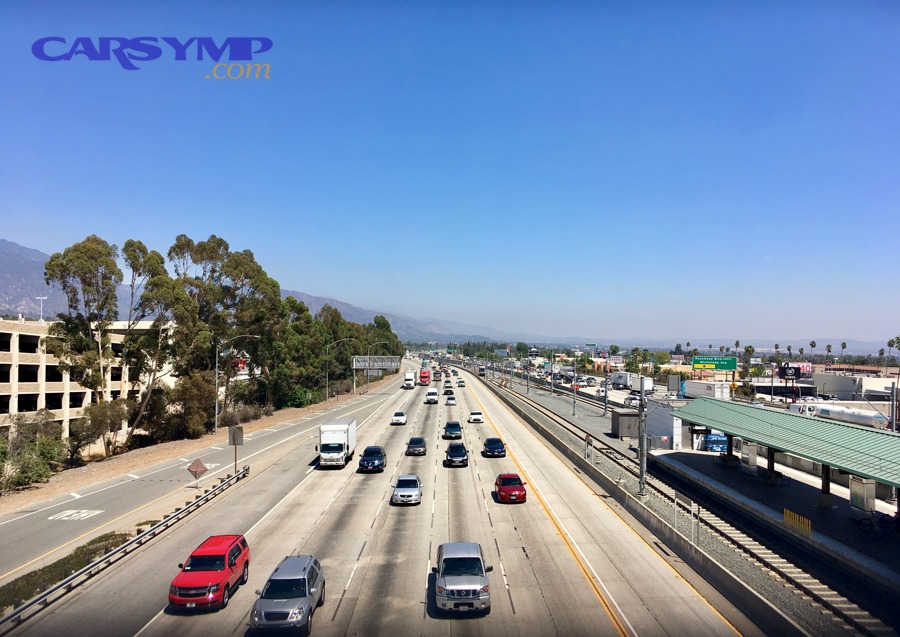
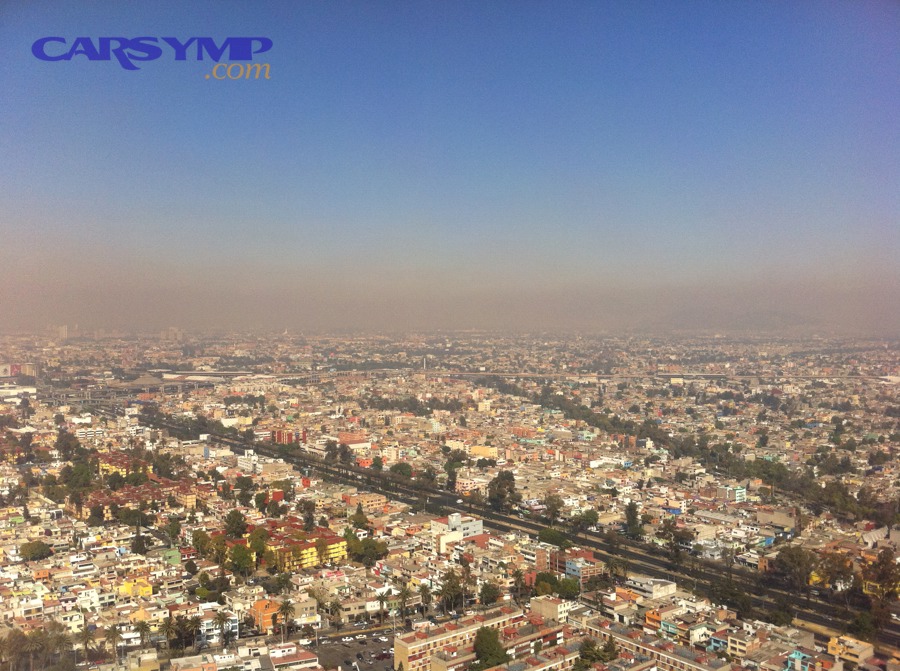
Urban traffic adds fine particles from exhaust and resuspended road dust. In stop-and-go driving, you may repeatedly pull in air from the vehicle in front, which can amplify irritation for sensitive noses and throats.
In addition, wildfire smoke or heavy industrial haze can overwhelm the cabin quickly, so your strategy needs to shift from “comfort optimization” to “exposure reduction.”
Why the cabin acts like a small exposure chamber
A car’s small interior volume means that a short exposure spike—opening doors in a dusty parking lot, driving behind a diesel truck, or turning the fan up high—can create noticeable symptoms within minutes.
So, the practical goal is to reduce peak spikes and lower the average particle load across the whole trip.
How does particle size influence sneezing, itchy eyes, and asthma symptoms?
Particle size matters because it determines where irritants deposit: larger particles often get trapped in the nose and throat (triggering sneezing and congestion), while fine particles can travel deeper (worsening cough or chest tightness).
To understand the mechanism, it helps to classify the “stuff in the air” by size and behavior rather than by name alone.
This table summarizes common particle types, typical size ranges, and the kind of irritation they most often provoke—so you can match symptoms to likely culprits and choose smarter ventilation habits.
| Particle / Allergen | Typical size range | Where it tends to irritate | Common in-Car Symptom pattern |
|---|---|---|---|
| Pollen | ~10–100 µm | Nose, eyes, throat | Sneezing bursts, itchy/watery eyes, scratchy throat |
| Mold spores | ~8–80 µm | Nose, throat; sometimes lower airways | Congestion + musty-triggered cough or wheeze |
| Coarse road dust (PM10) | ~2.5–10 µm | Nose, throat | Throat irritation, runny nose, gritty eyes |
| Fine particles (PM2.5) | ≤2.5 µm | Lower airways (deeper lung penetration) | Cough, tight chest, asthma flare tendency |
What “pollen-sized” particles mean for symptoms
Pollen is relatively large, so it tends to irritate the upper airways and eyes quickly—your body reacts with sneezing and watery eyes to expel or dilute it. Theo nghiên cứu của IQAir từ Newsroom, vào 08/2021, pollen thường ở khoảng 10–100 microns, nên dễ gây kích ứng mũi và mắt khi tiếp xúc gần.
Then, the “benefit” angle becomes clearer: if you can reduce incoming pollen during peak exposure moments, you can reduce the intensity of the body’s defensive reflexes.
Why PM2.5 is a different kind of problem
Fine particles behave more like smoke—harder to see, easier to inhale deeply, and more likely to aggravate the lower respiratory tract. That’s why some people feel a subtle headache, throat burn, or chest tightness even without classic sneezing.
In other words, fewer symptoms doesn’t always mean clean air—so pairing symptom awareness with smart habits matters.
How filtration performance relates to size
High-efficiency filtration is judged by what it captures at difficult “penetration” sizes. Theo nghiên cứu của U.S. Environmental Protection Agency từ Indoor Air Quality (IAQ), vào 01/2026, HEPA có thể loại bỏ ít nhất 99.97% bụi, phấn hoa, nấm mốc, vi khuẩn và hạt kích thước 0.3 µm trong điều kiện tiêu chuẩn.
Next, translate that into real driving: while not every cabin system is HEPA-grade, the principle remains—better capture of small particles generally improves comfort for sensitive lungs during polluted commutes.
Do cleaner cabin filters create measurable comfort and “air quality benefits” for allergies?
Yes—cleaner filtration typically improves allergies and air quality benefits by lowering particle load, stabilizing airflow, and reducing re-circulation of trapped dust, which together can reduce sneezing frequency and eye irritation for many drivers.
To connect the mechanism to a habit, focus on two outcomes: how quickly the cabin “clears” after you start driving, and whether symptoms build up as the trip continues.
Why airflow stability matters as much as capture
A clogged filter can reduce airflow, which tempts people to crank fan speed higher. That can increase turbulence, resuspend dust from mats and seat fabric, and dry out eyes and throat—making symptoms feel worse even if outside air isn’t terrible.
Next, consider the “comfort triangle”: smoother airflow + lower dust + fewer odor spikes usually equals fewer symptom spikes.
How to interpret “freshness” vs real improvement
Freshness is partly psychological (odors, humidity feel) and partly physical (particle concentration). When you notice that you can run the fan at a moderate setting without irritation, it often means the system is moving enough air without stirring up debris.
In practice, pairing filtration with smart intake choices often produces the biggest improvement.
Where the maintenance phrases fit in a real routine
If you’re building a long-term plan, you’ll see advice framed as cabin air filter replacement schedules, guidance on How often to replace cabin air filter, and tips for Cabin air filter location by car type. These phrases matter because the benefit is not a one-time event—it’s a repeatable baseline you maintain over months.
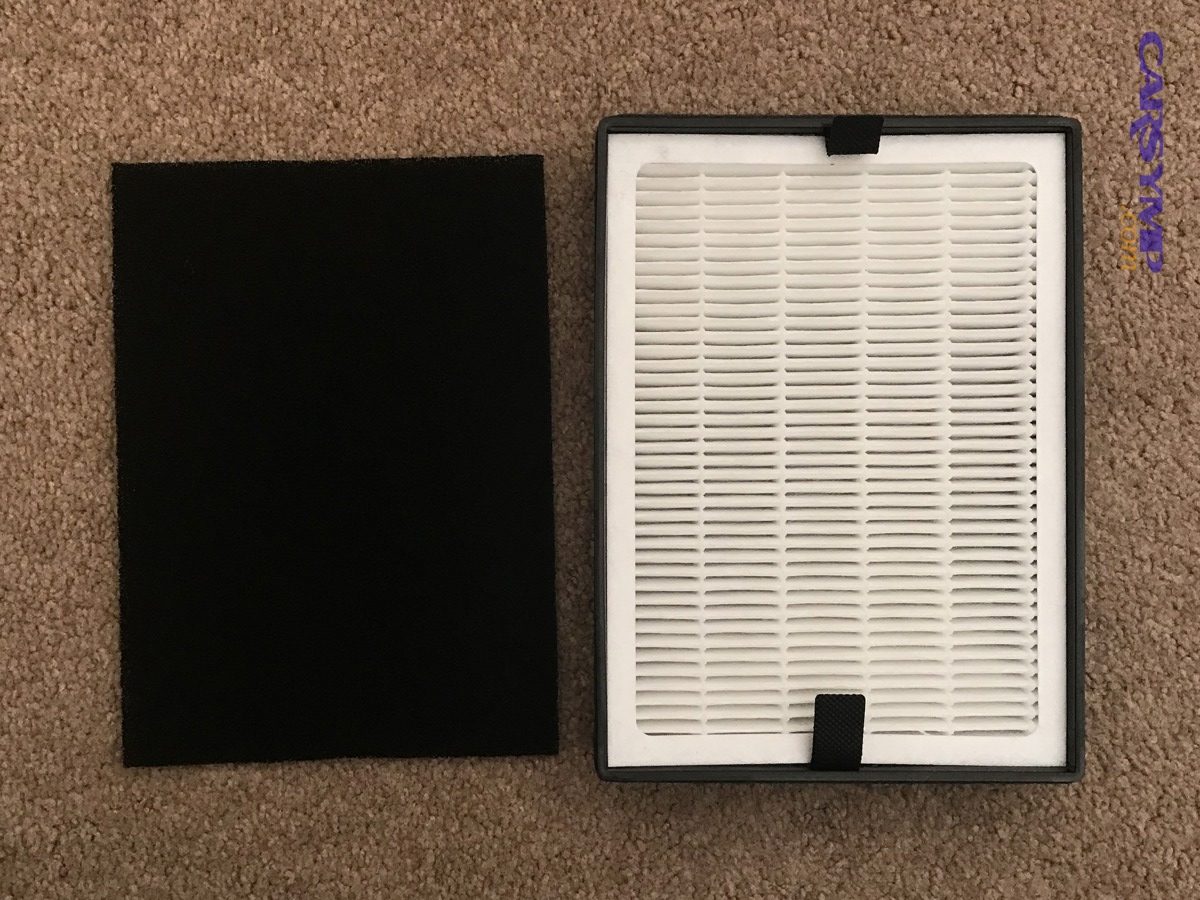
Then, if you want to evaluate upgrade options, you’ll often compare media types and odor control using an approach like HEPA vs charcoal cabin filter comparison—because particle capture and odor adsorption solve different problems.
What daily driving and ventilation habits reduce allergen exposure fastest?
The fastest exposure reduction usually comes from choosing the right air intake mode at the right time, plus minimizing how much dust and pollen you physically carry into the cabin.
To start, treat high-exposure moments—parking lots, tunnels, heavy traffic, and opening doors in windy pollen conditions—as “spike events” you can manage.
When recirculation helps—and when it backfires
Recirculation can reduce intake of outside pollen and traffic pollution during short spikes (behind a smoky vehicle, or when passing a dusty construction zone). However, if the cabin is humid or musty, continuous recirculation can trap moisture and make odors feel stronger.
Next, a practical pattern is “recirculate during spikes, fresh air during stable clean stretches,” especially after the cabin has cleared.
How to reduce what you bring into the car
Shake out floor mats, vacuum seats, and wipe high-dust surfaces (dashboard edges, door pockets) so the cabin stops acting like a particle reservoir. A small amount of cleaning dramatically reduces re-suspension when you hit bumps or adjust fan speed.
In addition, if pollen is a major trigger, consider keeping windows closed during peak pollen hours and changing clothes after outdoor exercise before long drives.
Choosing routes and timing for fewer “peak spikes”
Route choices matter: a slightly longer path with smoother traffic can be better than crawling behind high-emission vehicles. Peak spikes are often what cause the worst symptom surges, not the average exposure.
So, reducing stop-and-go behind polluting vehicles can sometimes feel like a bigger “air quality upgrade” than any single product choice.
How do odors and gases affect allergy-like irritation, and what helps beyond particle filtering?
Odors and gases can mimic allergy symptoms by irritating mucous membranes, drying the throat, and causing headaches—so the “air quality benefits” you feel may require both particle control and odor/gas management.
To understand what’s happening, separate “smell perception” (VOC-related) from “allergen response” (immune-triggered), because the fixes differ.
Common in-car gas/odor sources that confuse diagnosis
Fragrances, cleaning chemicals, some interior plastics off-gassing in heat, and exhaust intrusion can all cause eye and throat irritation. People often call this “allergies,” but it may be irritation rather than an immune response.
Next, notice patterns: if symptoms appear mainly on hot sunny days or after adding a new air freshener, gases may be a primary factor.
Why activated carbon is often discussed for odor control
Carbon media can adsorb certain odor-causing compounds, which may reduce the “sting” feeling in sensitive noses. That’s why discussions often frame odor strategies as part of HEPA vs charcoal cabin filter comparison: the point is not which is “better,” but which problem you’re solving.
In addition, reducing odor sources—removing old food, drying wet mats, avoiding heavy fragrances—often outperforms any single filter choice.
Heat, humidity, and the “dry eyes” problem
Very dry conditioned air can worsen eye irritation even if particles are low. Balancing fan speed, vent direction, and cabin humidity can reduce that gritty-eye sensation.
So, comfort is a blend of chemistry, particles, and airflow—not a single switch you flip.
What warning signs mean the cabin environment is harming comfort—or health?
If symptoms are severe, persistent, or escalating—especially wheezing, shortness of breath, or chest tightness—treat it as a health and safety issue, not just a comfort annoyance.
To connect your in-car observations to action, use symptom timing and odor patterns as diagnostic clues rather than guessing.
When a musty pattern suggests microbial growth
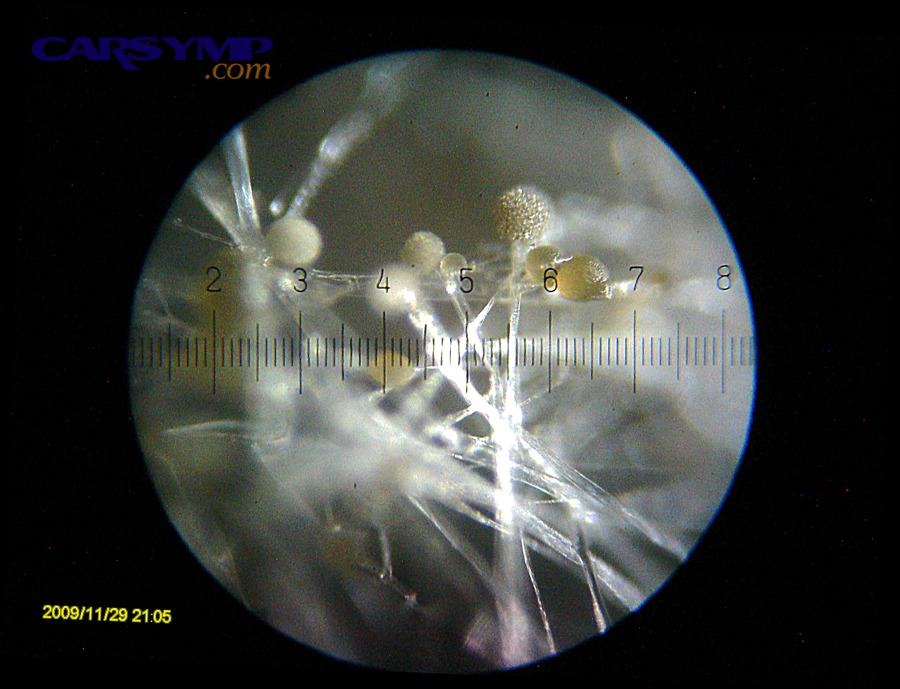
A persistent musty odor with congestion or cough can suggest moisture and microbial growth in HVAC components. This doesn’t mean the cabin is “dangerous” by default, but it does mean you should reduce moisture sources and consider inspection if symptoms track strongly with HVAC use.
Next, if the smell intensifies after rain or after running the system at high humidity, moisture control becomes the priority.
When symptoms point to exhaust intrusion
If you notice strong exhaust odors, headaches, nausea, or irritation that spikes in traffic with windows closed, treat it seriously. Exhaust intrusion can occur from leaks in the exhaust system or body seals.
In that case, the “air quality benefit” strategy is immediate: minimize exposure and seek professional inspection.
When to involve a clinician for allergy/asthma management
If your asthma is triggered during commutes, or if you need rescue inhalers more often around driving, discuss it with a clinician. Vehicles can be a consistent exposure source that you can reduce, but medical management may still be necessary.
So, combine environmental control with health planning, especially for children or older adults.
How can you build a repeatable routine that protects air quality year-round?
A repeatable routine works best when it combines cleaning, ventilation strategy, and scheduled filter checks so you keep allergies and air quality benefits consistent across seasons rather than chasing symptoms after they flare.
To begin, choose a simple cadence: quick monthly touch-ups plus a deeper seasonal reset during the worst pollen or smoke months.
A practical monthly checklist for allergy-prone drivers
- Vacuum mats and seat seams where dust accumulates.
- Wipe hard surfaces to reduce re-suspension.
- Check airflow: if fan feels weaker than usual, investigate before peak season.
- Reduce odor sources: remove damp items and avoid heavy fragrances.
Next, this routine keeps the cabin from becoming a storage bin for allergens that “reappear” every time you start driving.
Seasonal strategy: pollen season vs wildfire season
During pollen surges, prioritize reducing intake spikes and keeping surfaces clean. During smoke events, prioritize minimizing outside air intake during the worst conditions and limiting exposure duration whenever possible.
Then, once the worst passes, switching back to periodic fresh-air flushing can help prevent trapped odors and moisture.
How to evaluate upgrades without sacrificing comfort
Higher-efficiency media can reduce particles, but too much restriction can reduce airflow and increase irritation from dryness or turbulence. The “best” option is the one that maintains comfortable airflow while improving capture for your primary trigger type.
So, measure success by symptom reduction, steadier airflow, and fewer odor spikes—not by marketing terms alone.
Contextual Border: The main principles above cover the highest-impact, most common scenarios. Next is a focused expansion into rarer, high-leverage situations where small tactical changes can produce outsized comfort gains.
Supplementary: Rare scenarios that change your allergy exposure strategy
These less-common situations often feel confusing because the same symptom (watery eyes, cough, headache) can come from different sources—so your strategy must match the scenario rather than repeating the same habit every day.
To start, pick the scenario that matches your pattern most closely, then apply the targeted fix.
Wildfire smoke commutes and “invisible” fine particles
Smoke-heavy days are dominated by fine particles that can aggravate lungs even without classic sneezing. If you must drive, reduce exposure duration, avoid high-pollution routes, and keep the cabin as sealed as practical during the worst concentrations.
Next, once you’re away from the worst conditions, a brief fresh-air flush can reduce lingering odor if outside air quality improves.
Repeated fogging, damp carpets, and musty flare-ups
Frequent window fogging and damp carpets suggest moisture, which can feed microbial growth and increase musty irritation. Dry mats, address water leaks, and avoid leaving wet items in the cabin.
Then, use airflow management to keep humidity from stagnating—especially after rain.
Road trips with kids, pets, or highly sensitive passengers
Children and sensitive passengers may react more strongly to spikes. Minimize fragrance products, keep soft surfaces clean, and plan short breaks away from heavy traffic corridors to reduce cumulative exposure.
In addition, bringing a clean blanket or seat cover that is washed regularly can reduce dander and dust buildup on long trips.
Choosing a filter strategy when airflow is already weak
If airflow is weak before any upgrade, fix restriction sources first (debris, clogged media, blocked intakes). An “upgrade” on top of restriction can feel worse because comfort depends on both capture and delivery.
So, the rare-but-important rule is: restore airflow baseline, then optimize filtration for your trigger profile.
Frequently asked questions about allergies and air quality benefits in cars
Can better in-cabin air reduce allergy medication reliance?
Cleaner air can reduce exposure and symptom frequency for some people, which may reduce how often they feel they “need” medication—but any medication changes should be guided by a clinician, especially for asthma.
Why do my eyes burn even when I’m not sneezing?
Eye burn often points to dryness, odors/VOCs, or fine pollution rather than pollen alone. Adjust vent direction away from eyes, reduce fragrances, and manage intake during heavy traffic.
Is it normal for symptoms to worsen at the start of a drive?
Yes—startup can resuspend settled dust, and the first minutes may pull in concentrated outside air depending on settings. A short “clear-out” period with sensible settings can reduce the initial spike.
What’s the simplest way to test whether the problem is pollen or pollution?
Track your pattern: sneezing/itchy eyes during green, windy days suggests pollen; cough/chest tight tightness in traffic or haze suggests fine pollution. Then match your intake strategy and cleanliness routine to the dominant trigger.