


If your power locks won’t respond, the fastest win is to separate control failure from mechanical failure: does the car receive a valid lock command (from the
Next, you’ll learn how to spot “command problems” (dead fob battery, desynced remote, weak RF signal, Body Control Module logic) versus “execution problems” (sticking latch, worn actuator motor, broken linkage), so you stop guessing and stop buying the wrong part.
Then, we’ll map realistic tests—from no-tools checks to basic multimeter readings—plus what to do when the problem is intermittent, one-door-only, or happens after rain, a wash, or cold weather.
Giới thiệu ý mới: to keep your troubleshooting fast and repeatable, we’ll use a simple decision tree that mirrors how the lock system actually works—from the button you press to the motor that moves the lock.
Is the key fob the problem when the locks don’t respond?
Yes—the key fob is a prime suspect when all doors fail to lock/unlock from the remote, especially if the interior switch still works, because that pattern points to a command or signal issue rather than an actuator inside one door. Next, confirm the symptom pattern before touching tools.
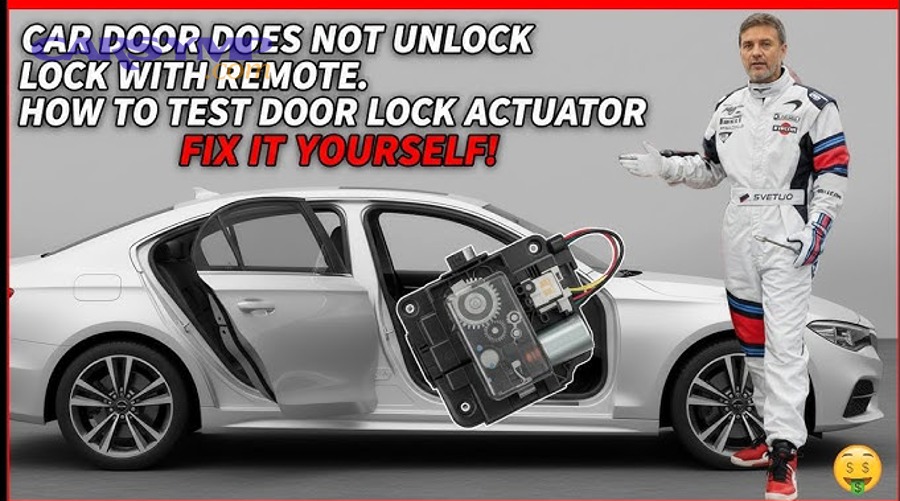
Fast symptom tells that point to the key fob
The strongest clue is global failure: none of the doors respond to the remote, and you may notice the parking lights don’t flash or the horn chirp doesn’t happen when you press lock. To make this even cleaner, try the second remote (if you have one). If remote A fails and remote B works, you’ve isolated the issue to the fob, not the car.
Another tell is short range: you need to stand unusually close to the vehicle for lock/unlock to work. That often tracks to a weak fob battery, damaged fob contacts, or an antenna/receiver issue on the vehicle side. However, range issues can also be caused by RF interference in parking garages or dense apartment lots, so repeat the test in a different location.
Quick checks before you assume the fob is dead
First, look for a tiny LED on the fob (many have one). If it’s dim or inconsistent, suspect the coin-cell battery. Next, inspect the fob housing: cracked shells can let moisture in, corroding the battery clips and button contacts. Then, press different buttons (lock, unlock, trunk). If only one button fails, that’s more consistent with a worn button pad/contact than with a dead battery.
Finally, remember the “mechanical backup” rule: many modern fobs hide a physical key blade. If you can unlock the driver door mechanically but the remote does nothing, you haven’t proven the actuator is bad—you’ve only proven the remote command isn’t being executed.
Evidence-based context you can use
Keyless systems are also a security surface, not just a convenience feature. Theo nghiên cứu của USENIX Vehicle Security and Privacy Symposium từ Ban tổ chức VehicleSec, vào 08/2025, nhiều kỹ thuật tấn công không dây (bao gồm replay/relay) tiếp tục là trọng tâm trong tổng quan các lỗ hổng hệ thống xe kết nối, nhấn mạnh rằng hành vi “không phản hồi” đôi khi đến từ cơ chế bảo vệ hoặc nhiễu tín hiệu trong môi trường thực tế.
How does a door lock switch fail, and how do you test it quickly?
A door lock switch usually fails as a contact or wiring issue, so the lock works from the fob but not from the interior switch (or only one direction works: lock but not unlock). Next, test for “input failure” before blaming the actuator.
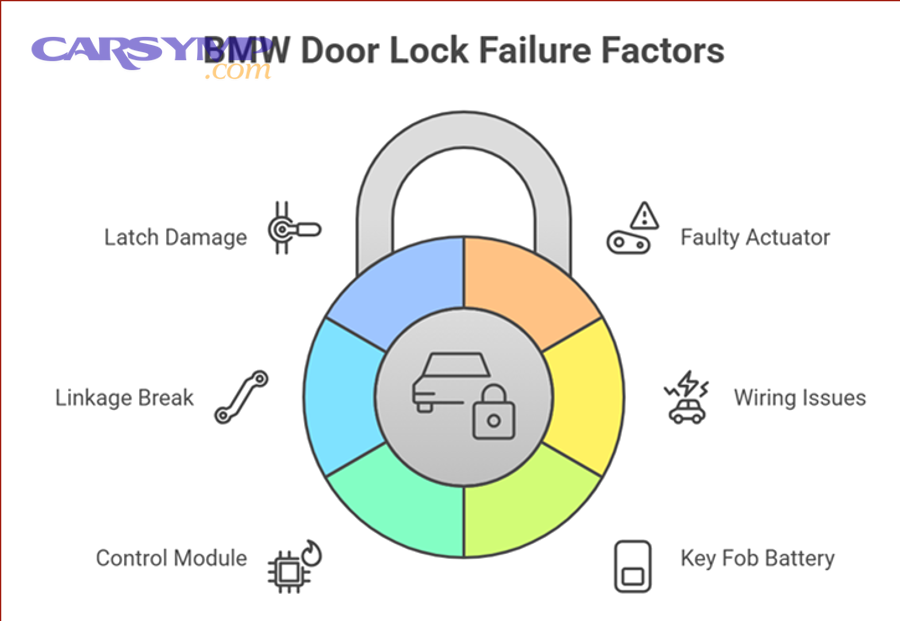
What “switch failure” looks like in real life
The common pattern is: the remote locks/unlocks all doors normally, but the interior switch does nothing—or works only sometimes, or works only if you press hard at an angle. That’s classic for a worn rocker contact or contamination (sticky drink residue, fine dust) inside the switch.
A second pattern is “one door cluster issue”: the driver master switch panel behaves oddly (locks don’t respond, windows also glitch, mirror controls flicker). That can point to a shared power/ground problem or a broken wire in the door jamb boot, rather than the lock actuator itself.
No-tools testing sequence
First, try the switch with the engine on vs. key-on/engine-off. Low system voltage can make some modules ignore commands. Next, try lock/unlock from the passenger switch (if present). If passenger switch works but driver switch doesn’t, it’s likely the driver switch/module or its wiring. Then, listen: if you hear any actuator noise when pressing the switch, the command is reaching the door and the problem is likely mechanical or actuator strength.
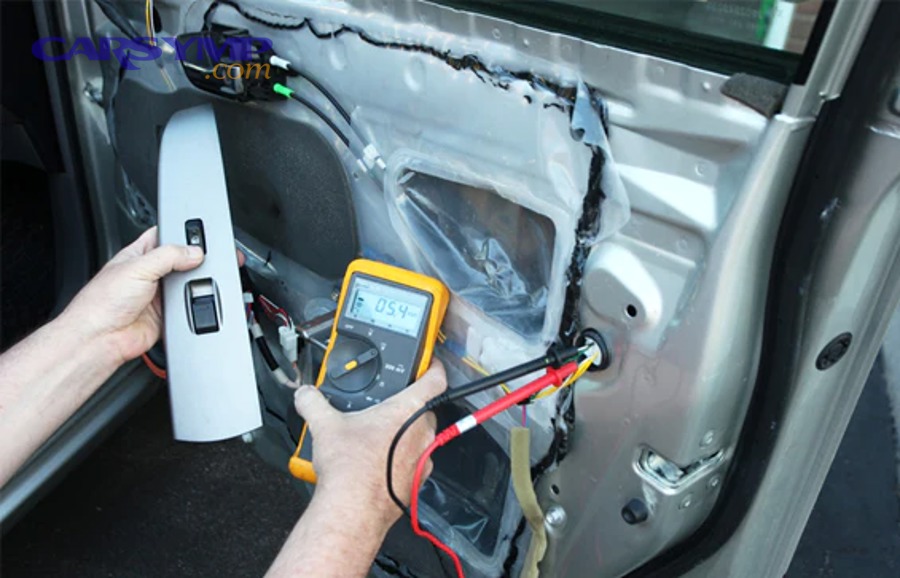
Basic electrical test with a multimeter
If you’re comfortable with trim removal, unplug the switch and check for power and ground at the connector (per your wiring diagram). Then check continuity across the switch output pins while pressing lock/unlock. If power/ground are present but continuity never changes, the switch is defective. If continuity changes but the vehicle doesn’t act, the fault is downstream (wiring, module input, or logic).
Theo nghiên cứu của NHTSA Office of Defects Investigation (ODI) từ Điều tra PE 21-016, vào 07/2021, các khiếu nại về cửa điện không hoạt động cho thấy lỗi có thể khiến cửa không mở được bằng cả cơ khí lẫn điều khiển điện, và có liên hệ tới thay thế cụm actuator theo hướng dẫn kỹ thuật của hãng—đây là ví dụ thực tế rằng “nút bấm không ăn” không luôn là do switch đơn lẻ mà có thể là cụm khóa/actuator trong cửa.
When is the door lock actuator the culprit?
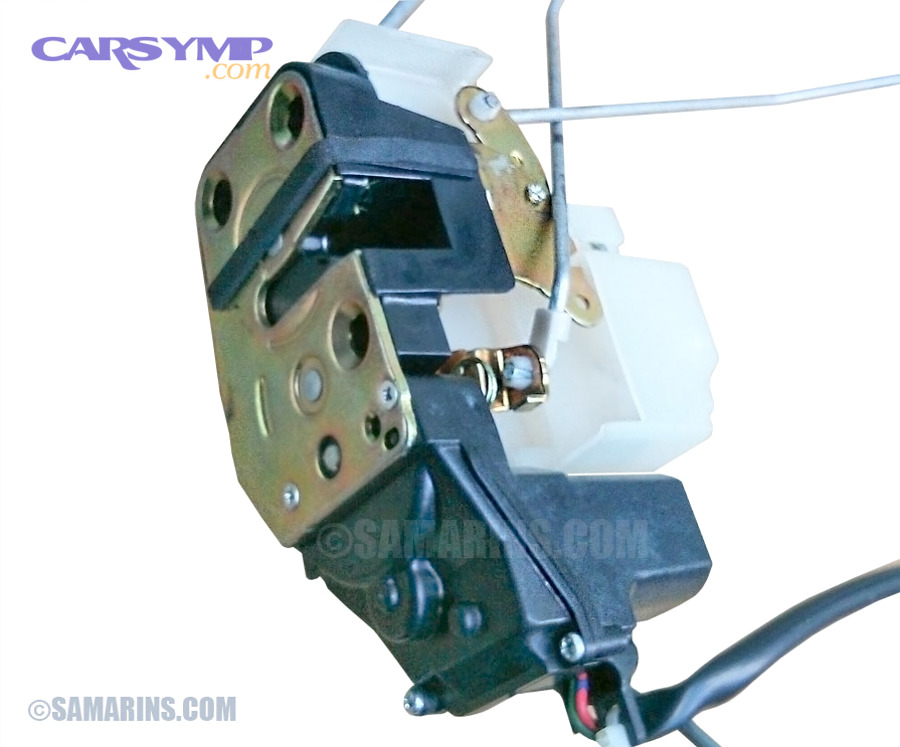
The actuator is the top suspect when you have a local, mechanical-sounding failure: one door won’t lock/unlock, you hear buzzing/grinding, or the lock knob moves weakly. Next, confirm it’s not a jammed latch or broken linkage first.
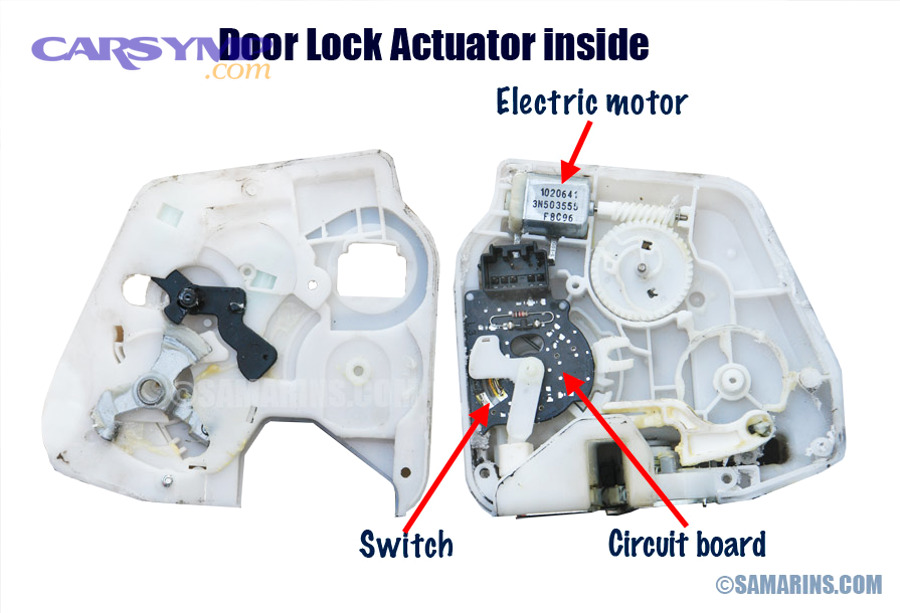
Actuator failure signatures that are hard to fake
Buzzing or rapid clicking from inside the door when you command lock/unlock is one of the cleanest actuator tells. It usually means the motor spins but gears slip, or the motor stalls under load. Another strong tell is partial movement: the lock knob twitches but doesn’t complete the travel, especially in cold weather when grease thickens.
A third signature is one door only while every other door behaves normally from both fob and switch. That isolates the fault to that door’s actuator, latch, linkage, or the short stretch of wiring inside that door.
Rule out the latch and linkage before you buy parts
Actuators can be blamed for what is actually a sticky latch. If the door locks manually with difficulty (hard to push the lock knob down, or the key cylinder feels stiff), lubricate the latch and confirm the mechanism isn’t binding. If the latch is binding, even a new actuator may struggle and fail early.
Also inspect for a partially disconnected linkage rod or a broken plastic clip inside the door. A rod that pops off can create “actuator noise with no lock movement,” which looks like an actuator failure but is actually a mechanical disconnect.
Real-world reliability context
Theo nghiên cứu của NHTSA ODI từ TSB được nhắc trong PE 21-016, vào 08/2016, hướng dẫn kỹ thuật của nhà sản xuất có đề cập thay một hoặc cả hai lock actuator khi có hiện tượng khóa không hoạt động và/hoặc phát tiếng “buzzing” khi lock/unlock—đúng với dấu hiệu thực địa thường gặp khi motor/gear trong actuator xuống cấp.
What symptom patterns separate fob, switch, and actuator most reliably?
The most reliable separation is: global vs local, command vs execution, and silent vs noisy. Next, use a comparison map so you don’t chase the wrong component.
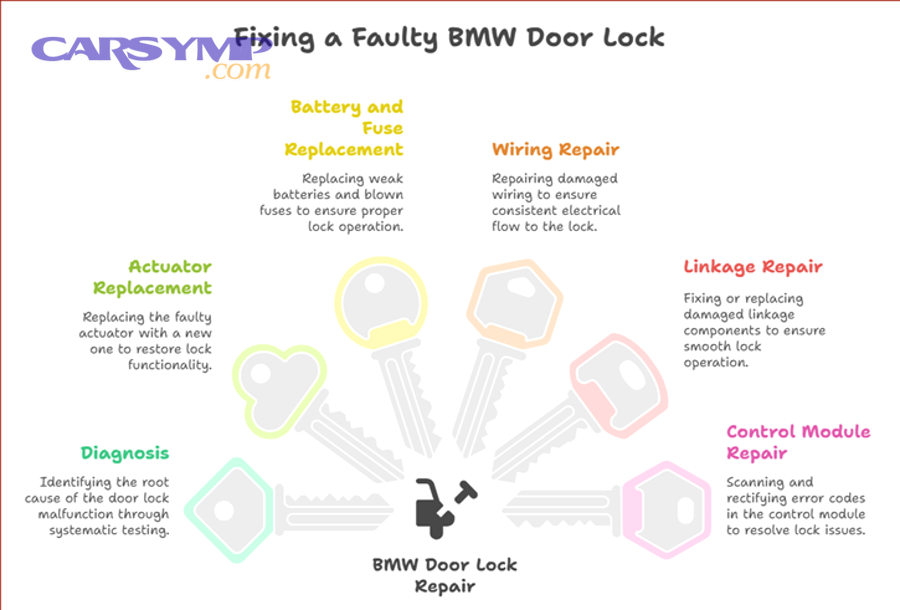
Comparison map: what each component is “best at failing”
Key fob problems usually appear as: all doors fail to respond to remote; range is reduced; behavior changes with battery replacement; a second fob works when the first does not. Because the fob is upstream, it affects the whole vehicle’s response to that remote.
Door switch problems usually appear as: remote works but interior button does not; only lock or only unlock works from the switch; the driver master panel behaves inconsistently; pressing harder changes outcome. Because the switch is a local input, it often affects the cabin controls more than the remote.
Actuator problems usually appear as: one door doesn’t lock/unlock from any method; you hear buzzing/clicking; lock knob moves weakly; it gets worse with cold or moisture; manual locking is stiff or inconsistent. Because the actuator is downstream, it tends to be door-specific.
“Meronymy” thinking: follow the chain of parts
To keep your logic tight, treat the lock system as a set of parts (a meronymy chain): input (fob/switch) → control (receiver, BCM, relays) → power path (fuse, wiring, ground) → output (actuator motor/gear) → mechanism (latch/linkage). When you match the symptom to the chain level, your diagnosis becomes predictable.
Theo nghiên cứu của NHTSA ODI từ PE 25-010, vào 09/2025, một số khiếu nại mô tả tình trạng hệ thống hoạt động kém khi điện áp không đủ cho module—gợi ý rằng lỗi “đầu vào có vẻ đúng nhưng không có phản hồi” đôi khi nằm ở tầng điều khiển/nguồn chứ không phải actuator.
How can you run a 5-minute triage checklist without tools?
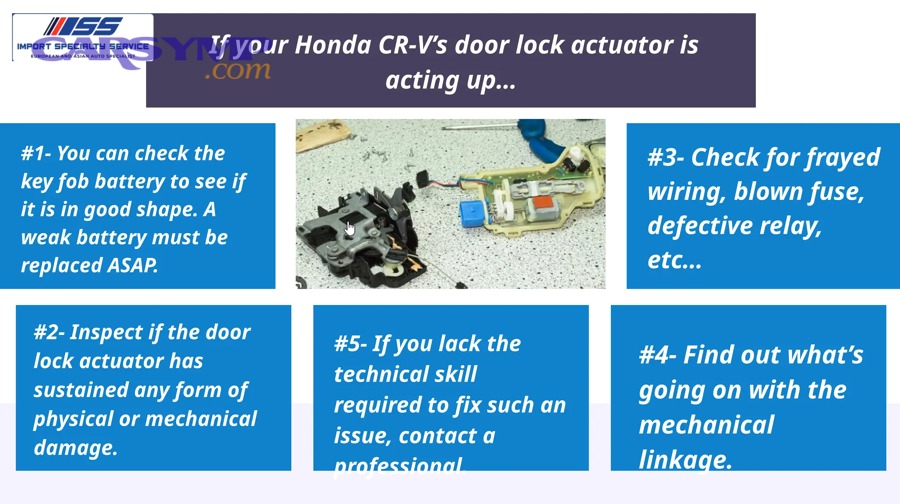
You can triage in five minutes by testing each control path (remote, interior switch, mechanical key) and observing whether the system is silent, noisy, global, or door-specific. Next, use the table to decide your “next best test.”
This table shows quick observations, what they usually mean, and the best next check so you can narrow Key fob vs door switch vs actuator diagnosis without disassembling anything.
| What you observe | Most likely zone | Best next check |
|---|---|---|
| Remote fails on all doors; interior switch works | Key fob / receiver / remote sync | Try spare fob; replace coin-cell; test range in a new location |
| Remote works; interior lock switch does nothing | Door switch / switch wiring / module input | Test passenger switch; observe if windows/mirrors also glitch |
| One door fails from remote and switch; other doors OK | Actuator / latch / door wiring | Listen for buzzing; try manual lock; watch knob movement |
| Buzzing/clicking in door; lock movement weak | Actuator motor/gear under load | Warm cabin/door; repeat test; plan door panel inspection |
| Works sometimes; worse after rain/wash | Door jamb wiring / moisture in connectors | Inspect rubber boot; look for cracked insulation or green corrosion |
| Neither remote nor switch works, but manual key works | Power supply / fuse / control module logic | Check lock fuse; verify battery health; scan BCM codes if possible |
Two “don’t get trapped” safety habits
If a lock or latch behaves unpredictably, avoid repeatedly slamming the door or forcing the lock knob; you can bend linkage rods or break clips. Also, avoid leaving children or pets in a car with suspected door lock/actuator faults, because an electrical lock failure can combine with a latch issue and delay egress.
Theo nghiên cứu của NHTSA ODI từ PE 21-016, vào 07/2021, nhiều mô tả cho thấy người dùng phải đưa hành khách ra bằng cửa khác hoặc cửa sau khi cửa trượt không mở được—đây là lý do checklist nhanh nên ưu tiên xác định rủi ro “không mở được” trước khi tiếp tục sử dụng xe như bình thường.
How do you test the electrical path: battery, fuse, wiring, and BCM logic?
The best electrical approach is to verify voltage first, then command presence, then load response. Next, you’ll prevent false conclusions caused by weak battery voltage or a blown fuse.
Step 1: Confirm system voltage is healthy
Low voltage can mimic a “dead module.” If the battery is weak, some vehicles will ignore lock commands, reset modules, or behave inconsistently. If you have a multimeter, a resting battery near full charge is commonly around the mid-12V range, and charging voltage with the engine running should be higher. If you don’t have a meter, note slow cranking, dim interior lights, or infotainment resets as clues.
Step 2: Check fuses and shared power feeds
Power locks often share feeds with the BCM, interior lighting, or window circuits. A single blown fuse can disable all locks (both remote and switch), while other systems still appear normal. Use the owner’s manual fuse map, and don’t just look—confirm the fuse actually has continuity if you can.
Step 3: Door-jamb wiring inspection (the “flex zone”)
The rubber boot between the door and body is a known failure zone because wires flex thousands of times. Broken copper inside intact insulation is common. If your symptom is one door or one side of the car, inspect this boot carefully for cracked insulation or previous repairs. Wiggling the boot while commanding locks can sometimes reproduce the failure—an extremely strong diagnostic clue.
Step 4: Confirm the BCM is seeing the input and issuing an output
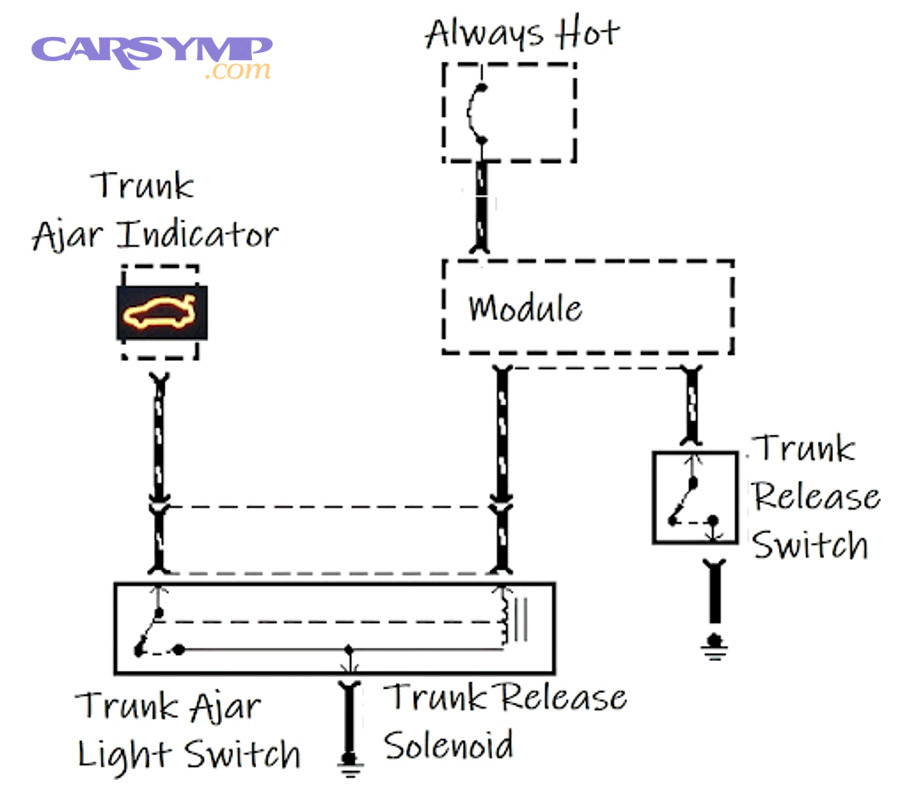
On many vehicles, the switch and remote do not directly power the actuator; the BCM decides and then commands the lock. A scan tool that reads body data can show if the BCM sees “lock request” and whether it commands the lock output. If you don’t have a scan tool, you can still infer BCM output by listening for relays clicking, observing interior lights behavior, or seeing whether other BCM-managed features are also abnormal.
Theo nghiên cứu của NHTSA ODI từ PE 25-010, vào 09/2025, mô tả “insufficient voltage” liên quan tới hành vi hệ thống cửa/khóa hoạt động không đúng cho thấy bước kiểm tra điện áp và nguồn cấp là bắt buộc trước khi kết luận hỏng actuator hoặc switch.
How do you diagnose intermittent, one-door-only, or weather-related lock failures?
Intermittent failures are most often connection, moisture, or mechanical load issues, not sudden “electronics death.” Next, you’ll group symptoms by environment triggers so your diagnosis stays stable.
Grouping by trigger: cold, rain, vibration, and time
Cold-triggered issues often indicate thickened grease, borderline actuator motors, or binding latches. A weak actuator may work in warm afternoons but fail on cold mornings. Rain/wash-triggered issues point toward moisture intrusion: door connectors, actuator housing seals, or corroded grounds. Vibration-triggered issues suggest loose connectors or broken wire strands that reconnect temporarily when the door moves.
One-door-only: isolate mechanical load vs power delivery
When only one door fails, your fastest split is: does the door lock manually with normal effort? If manual effort is abnormal, fix the latch/linkage first. If manual locking is smooth but powered locking fails, focus on actuator motor strength or power delivery in that door.
“It works after you slam the door” is not a magic fix
If slamming the door temporarily restores function, don’t treat it as a solution. It usually means a marginal connection, a broken wire that reconnects under impact, or a sticking mechanism that releases briefly. The correct move is to inspect the door-jamb boot, connector pins, and the latch’s smoothness.
Theo nghiên cứu của NHTSA ODI từ PE 21-016, vào 07/2021, ghi nhận tình huống cửa không thể mở bằng cả cơ khí lẫn điều khiển điện nhấn mạnh rằng lỗi “lúc được lúc không” có thể leo thang thành kẹt cửa—vì vậy chẩn đoán theo trigger môi trường là cách giảm rủi ro trước khi lỗi trở nên nghiêm trọng.
When is it a software, synchronization, or security-related issue instead?
It’s likely software/sync/security when the car intermittently ignores valid commands, behaves differently after battery replacement, module replacement, or when keyless entry works but remote buttons don’t (or vice versa). Next, treat “logic” as a real diagnostic layer.
Desynchronization and “learning” edge cases
Some vehicles require a learning procedure after replacing a fob, a BCM, a receiver, or sometimes after a low-voltage event that corrupts stored data. Symptoms can include a fob that lights up but does nothing, or a fob that works only after multiple presses. Always verify that the fob is recognized and paired to the vehicle before you assume hardware failure.
Security behavior that can look like a failure
Modern vehicles may lock out certain functions after repeated invalid unlock attempts, or may change behavior when the immobilizer or alarm logic is in a particular state. If the security light behavior is abnormal, or if the vehicle responds to mechanical key entry but won’t accept remote commands, consider scanning for body/security fault codes.
Wireless vulnerabilities: why range and response can change
Keyless entry and remote keyless entry rely on radio signals, which means replay/relay and jamming concepts matter—even when you’re diagnosing simple “won’t unlock” complaints. Theo nghiên cứu của PMC (Publications in medical/technical repository) từ bài tổng quan Revisiting Wireless Cyberattacks on Vehicles, vào 2025, hệ thống RKE/PKES được mô tả là có thể chịu ảnh hưởng bởi replay/jamming/relay trong các kịch bản tấn công, cho thấy môi trường RF bất thường đôi khi tạo ra biểu hiện giống lỗi fob/receiver trong thực tế sử dụng.
What repairs make sense DIY vs shop, and what costs should you expect?
DIY makes sense when the failure is obvious and accessible (fob battery, simple switch replacement), while shop help is smarter when airbags, tight door modules, or BCM programming are involved. Next, match repair risk to your tools and experience.
Low-risk DIY fixes
Key fob battery replacement is usually the lowest risk. Use the correct battery type, avoid bending clips, and clean visible corrosion gently. Basic latch lubrication is also low risk and can transform a “weak actuator” symptom into normal operation when binding was the real problem.
Interior door switch replacement can be DIY-friendly on many vehicles if the switch module pops out without removing the whole panel. However, on some cars the switch is integrated into a larger master module, increasing cost and complexity.
Medium-risk repairs: actuator and door-panel work
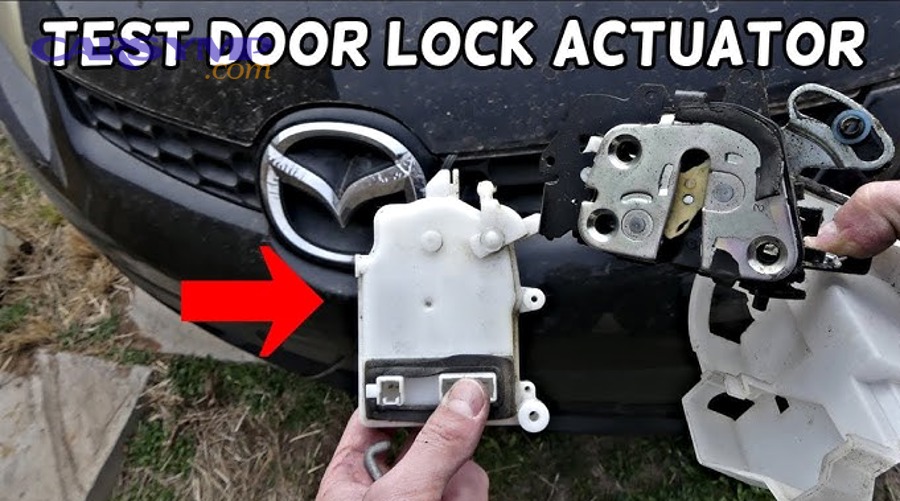
Actuator work often requires removing the door panel, peeling back a moisture barrier, and working near sharp edges. Side airbags may be present in the door. If you proceed, disconnect the battery and follow your service manual precautions. Also, keep track of clip locations—broken clips cause rattles and water leaks later.
Higher-risk repairs: BCM, receiver, and programming
If the diagnosis points to a BCM/receiver, costs can rise because the part may require programming, immobilizer pairing, and key learning. This is where a reputable shop or dealer toolchain can save you from a “parts cannon” approach.
Cost realism and decision-making
Remote key hardware can be surprisingly expensive on modern vehicles. An industry-facing consumer reference from AAA notes that replacement car keys/fobs can vary widely by vehicle type and technology, which is why accurate diagnosis before purchase matters. Once you know whether you truly need a fob, a switch, or an actuator, you can price parts and labor without guessing. Theo nghiên cứu của NHTSA ODI từ PE 21-016, vào 07/2021, việc thay actuator theo TSB được nhắc tới như một hướng xử lý, củng cố rằng “tiếng buzzing + khóa không hoạt động” thường dẫn tới thay actuator thay vì thay switch hoặc fob.
Contextual Border: Up to this point, you’ve diagnosed the most common causes using symptom patterns and straightforward electrical logic. Next, we’ll expand to advanced situations that involve system-level behavior, learning steps, and edge cases.
Advanced diagnosis steps for tricky lock-system cases
Advanced cases require you to confirm the car’s command logic and the door’s mechanical load at the same time, because failures can stack (weak voltage + stiff latch + marginal actuator). Next, use these four scenarios to close the last gaps in Key fob vs door switch vs actuator diagnosis.
Scenario 1: System-level lock behavior after repairs
After you replace parts, verify every entry method: remote, interior switch, mechanical key, and (if equipped) passive touch handle. This is where you may be doing what many owners casually call central locking repair—not just swapping a part, but confirming the entire system’s coordinated lock/unlock behavior across all doors and the trunk.
Also re-check the door’s latch smoothness and the weather seal alignment. If the latch binds, the system can appear “electrically flaky” because the actuator load varies from cycle to cycle.
Scenario 2: Confirm the module sees the request and the door executes it
If you have access to body data on a scan tool, compare “lock request” (input) to “lock output” (command) and then confirm physical movement. If the BCM sees the request but does not command output, look for inhibiting conditions (low voltage, anti-theft state, door-ajar logic, safety interlocks). If it commands output but the door doesn’t move, the fault is in the door (actuator, latch, wiring).
Scenario 3: Key learning after component replacement
If you replaced a fob, receiver, or BCM, you may need a learning procedure that owners often search as “How to reprogram key fob after repair.” The correct method varies by make/model and can involve cycling ignition states, using a scan tool, or following a security-timed process. Treat this as a required final step when symptoms look like a dead remote but hardware checks out.
Scenario 4: Choosing and installing an actuator correctly
Actuators can be integrated with the latch on many modern vehicles. Before ordering, confirm whether you need the motor-only actuator, a latch/actuator assembly, or a door lock module. Many repair guides describe a “Door lock actuator replacement overview,” but your real success depends on matching the correct assembly and ensuring rods/clips are seated and the moisture barrier is resealed to prevent future corrosion.
FAQ about key fobs, door switches, and actuators
These common questions help you confirm your diagnosis and avoid the most frequent mistakes. Next, use them as a final sanity check before buying parts.
Q: The remote works, but only the driver door won’t unlock. Is it the fob?
A: Unlikely. That pattern is door-local, so suspect the driver door actuator, latch binding, or door-jamb wiring first. The fob is upstream and would typically affect all doors equally.
Q: I hear buzzing in the door when I press unlock. What does that mean?
A: Buzzing commonly indicates the actuator motor/gear is slipping or stalling under load. Verify the latch isn’t binding; if manual locking is stiff, fix the latch first. If the latch is smooth, plan actuator/module inspection.
Q: The interior switch works, but the remote only works very close to the car. What should I check?
A: Start with the fob battery and fob condition. If a new battery doesn’t restore range, consider RF interference at that location or a vehicle-side receiver/antenna issue.
Q: The locks stopped working after I replaced the car battery. Is that normal?
A: It can happen. Low voltage events can confuse modules or require re-initialization steps on some vehicles. Verify battery health and consider scanning for body codes before replacing hardware.
Q: Should I replace the switch or the actuator first if I’m not sure?
A: Don’t guess. Use the symptom split: if remote works but switch doesn’t, lean switch/wiring; if one door fails from all methods, lean actuator/latch/wiring. The five-minute triage table above is designed to prevent “parts cannon” repairs.