


If you’re searching for a central locking repair cost estimate, the practical answer is: costs vary because the “central locking” system is a network—key fob, switches, wiring, actuators, relays, and a control module—and you pay for diagnosis + parts + labor, not just a single component.
Beyond the headline price, the real question is what’s failing: one door that won’t lock, all doors that stop responding, intermittent locking, or a lock that cycles by itself. Each pattern points to a different cost path, which is why two cars can have very different totals for the “same” symptom.
Tiếp theo, this guide breaks down typical pricing tiers (quick fixes vs deeper electrical work), the factors that move the number up or down, and how to avoid paying for parts you don’t need by matching your symptoms to the most likely failure points.
Để bắt đầu, we’ll map the cost estimate like a checklist so you can walk into a shop (or plan a DIY attempt) with clear expectations and fewer surprises.
How much does a central locking repair usually cost in total?
Most central locking repairs land in a low-to-mid hundreds total when the fault is simple (battery, switch, single actuator), but can climb into the high hundreds or more when diagnosis is complex, wiring is damaged, or a control module needs replacement.
Tiếp theo, think of the total as a stack: inspection/diagnosis fee + labor time + parts + taxes/shop supplies. If the shop applies diagnostic cost toward the repair, your out-of-pocket may stay closer to the “repair-only” number.
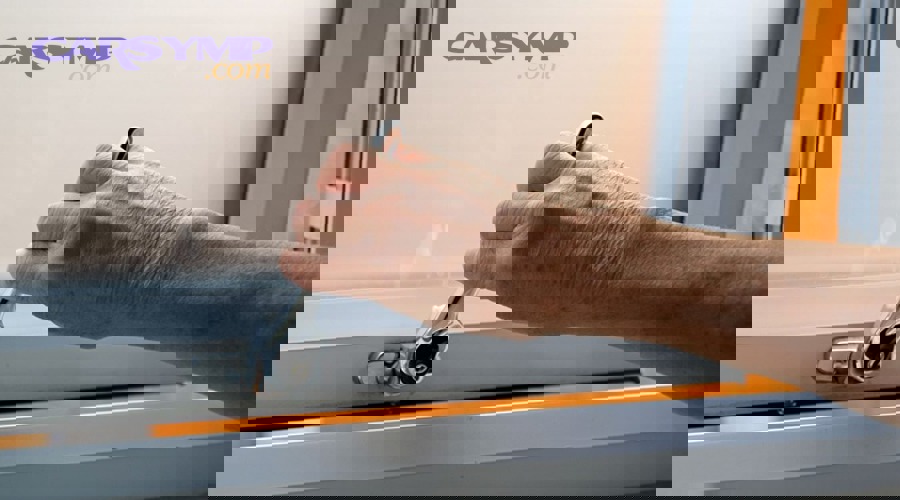
Typical cost bands by repair complexity
Cụ thể, you can mentally group totals into three bands:
- Quick fix band: key fob battery, re-sync, minor switch issue, simple fuse/relay replacement, or a single actuator that’s easy to access.
- Mid complexity band: one door actuator replacement with moderate trim labor, latch/actuator integrated assemblies, or repeated testing to confirm an intermittent fault.
- High complexity band: door-jamb harness repair, water intrusion in connectors, control module issues, security/immobilizer interactions, or multi-door failures requiring more than one major part.
Để hiểu rõ hơn, the same symptom (one door not locking) can be a low-cost actuator, a mid-cost latch assembly, or a high-cost wiring break—so your pattern of symptoms matters as much as the car model.
What a diagnostic fee is buying you
Ví dụ, a proper diagnostic usually includes verifying battery voltage stability, checking lock command inputs (fob and door switch), confirming actuator output at the door, and inspecting common failure points like the door-jamb flex area.
The aim is to prevent “parts darts,” where parts get replaced without proof. That approach often costs more than a solid diagnosis up front.
A reality check on “online averages”
Online averages can mislead because labor rates differ by region and vehicle design. A compact car with simple door trim may be straightforward, while a luxury car with soft-close latches and networked modules can push labor and parts up quickly.
Theo nghiên cứu của SAE International từ Technical Publications, vào 06/2018, lỗi gián đoạn trong hệ thống điện thân xe thường tăng theo chu kỳ uốn lặp lại ở vùng dây dẫn chuyển động (đặc biệt gần bản lề cửa), khiến chẩn đoán và công sửa chữa biến động theo thiết kế xe.
Which parts drive the repair cost the most?
The biggest cost drivers are the door lock actuator/latch assembly and the time to access it; modules and wiring repairs can also dominate when the fault is intermittent or network-related.
Sau đây, we’ll map each major component to the kind of bill it tends to create, so you can read an estimate and instantly see what’s “normal” versus what needs a second look.
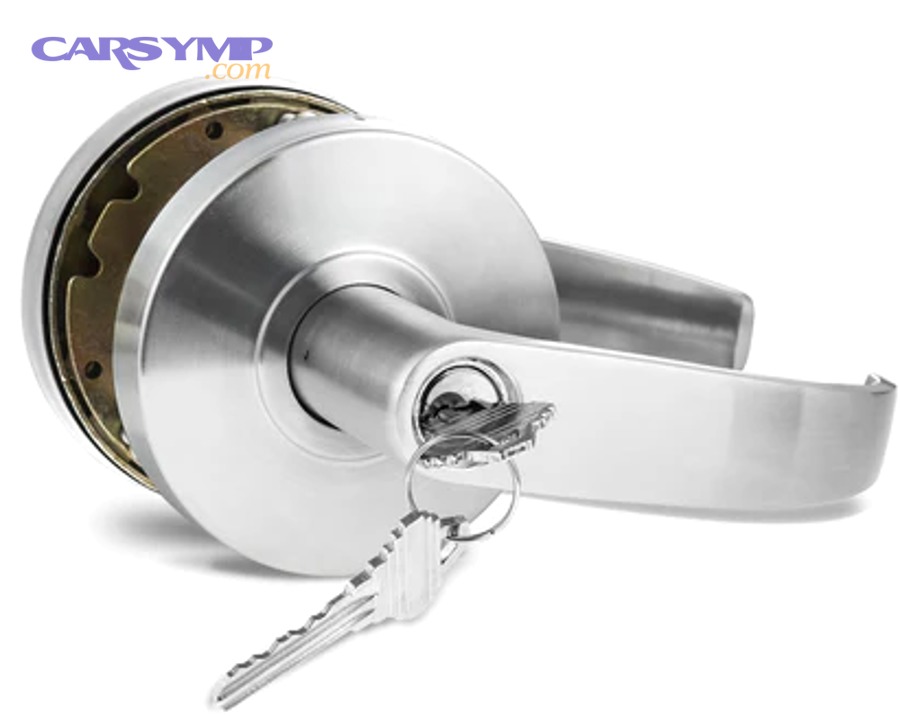
Actuator vs latch assembly
Many modern vehicles integrate the actuator into the latch assembly. When that happens, the part cost rises, but the repair may become more reliable because you’re replacing the whole wear-prone unit rather than a single motor.
In many estimates you’ll see labor plus a “latch/actuator” part line—this is often the core cost of a one-door failure.
Switches, relays, and fuses
These are usually inexpensive parts, but don’t let a cheap part trick you: the labor can still be meaningful if access is difficult or if the shop needs time to prove the fault is not downstream (like wiring or a module).
Control modules and network issues
A body control module (or similar) can be costly, and the risk is misdiagnosis. A responsible shop will usually confirm power/ground integrity, check for water intrusion, and verify command signals before recommending a module.
Theo nghiên cứu của Robert Bosch GmbH từ Automotive Aftermarket Training, vào 11/2019, các lỗi “module” được báo cáo thường bắt nguồn từ nguồn cấp/tiếp địa kém hoặc ăn mòn giắc nối, nên quy trình kiểm tra điện áp rơi và tình trạng chân giắc là bước then chốt trước khi thay hộp điều khiển.
Why does one-door failure cost less than all-doors failure?
One-door failure is usually localized (actuator, latch, wiring inside that door), while all-doors failure often points to shared controls (power supply, relay, module, receiver), which increases diagnostic time and the chance of higher-cost parts.
Hơn nữa, this difference is the fastest way to predict where your estimate will land—so classify your symptoms first before comparing quotes.
Pattern A: Only one door won’t lock/unlock
Cụ thể, the most common causes are an actuator/latch issue, broken wires inside the door, or a sticky mechanical linkage. Estimates here often focus on one door’s labor and one part, which is why totals tend to be more predictable.
Pattern B: All doors stop responding at once
When everything stops, shared power and control become prime suspects: a failed relay, a blown fuse, a control module problem, or a receiver/programming issue. Even if the fix is simple, the shop must confirm it’s not a deeper electrical fault.
Pattern C: Intermittent, temperature- or vibration-related locking
Ngược lại, intermittent faults are expensive because time goes into replication and pinpointing. A shop may need to road-test, heat/cool components, and inspect harness flex points—labor becomes the main cost.
Theo nghiên cứu của IEEE từ Vehicular Technology Community, vào 03/2021, các lỗi tiếp xúc gián đoạn trong hệ thống điều khiển thân xe có xu hướng xuất hiện theo rung động và thay đổi nhiệt, khiến thời gian tái hiện lỗi là yếu tố chi phối chi phí chẩn đoán.
What’s included in a good repair estimate and invoice?
A good estimate itemizes diagnosis, labor hours, parts with part numbers/tiers, and post-repair verification so you can see what you’re paying for and what outcome is guaranteed.
Để minh họa, use the checklist below to judge clarity: if the shop can’t explain “why this part,” you’re not looking at a true estimate—you’re looking at a guess.

Itemization that prevents surprise charges
- Diagnostic line: what tests were performed and whether the fee applies to the repair.
- Labor line: hours and labor rate (or flat-rate time) tied to a specific operation (e.g., remove door trim, replace latch).
- Parts line: OEM vs aftermarket vs used, with warranty terms.
- Supplies/taxes: shop supplies, clips, fasteners, and any calibration/programming charges.
Post-repair verification you should expect
A proper invoice should confirm that locks operate from the fob, interior switch, and key cylinder (if equipped), and that the vehicle recognizes closed/locked status without repeated cycling.
Red flags in estimates
Quan trọng hơn, watch for vague lines like “electrical repair” with no time, no test description, and no proof. Also be cautious with “module replacement recommended” without documented power/ground and connector checks.
Theo nghiên cứu của NHTSA từ Office of Vehicle Safety Research, vào 08/2020, các lỗi điện thân xe thường được phân loại hiệu quả hơn khi biên bản chẩn đoán ghi rõ điều kiện kiểm tra và kết quả đo, giúp giảm nguy cơ thay thế linh kiện không cần thiết.
What factors make your central locking repair cost go up or down?
Labor access, vehicle design, parts tier, and fault intermittency are the four levers that most strongly raise or lower your total estimate.
Bên cạnh đó, understanding these levers lets you compare quotes fairly—even when two shops list different parts or different labor hours.
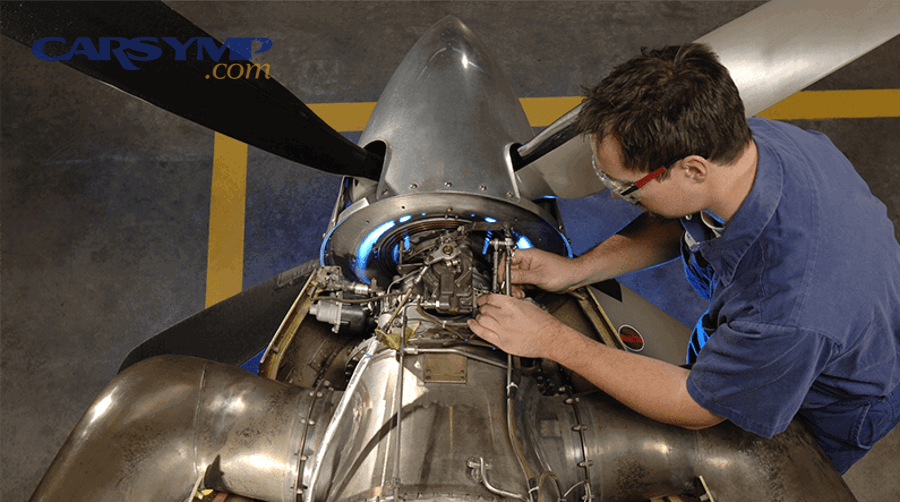
Labor access and trim complexity
Door panels vary. Some require careful removal of clips, vapor barriers, and speaker assemblies; others include side airbags and complex bracketry that adds time. More time means higher labor cost—even with the same failed part.
OEM vs aftermarket vs used parts
OEM parts often cost more but may reduce repeat failures. Aftermarket can lower the bill, but quality varies. Used parts can be economical for older cars, but warranty coverage may be limited.
Water intrusion and corrosion
Moisture in connectors can create intermittent lock behavior that mimics a failing actuator. Fixing the root cause may require cleaning, replacing terminals, and sealing leaks—extra labor that raises the estimate but prevents recurrence.
Intermittent faults and “no fault found” risk
When the problem won’t reproduce, a shop may quote time for diagnosis with no guarantee they’ll find it in the first hour. The most cost-effective path is documenting exactly when it fails—after rain, after a car wash, in cold mornings, or after slamming a door.
Theo nghiên cứu của University of Waterloo từ Systems Design Engineering, vào 02/2022, việc mô tả điều kiện xuất hiện lỗi (ngữ cảnh môi trường và thao tác người dùng) có thể rút ngắn đáng kể vòng lặp chẩn đoán trong các hệ thống điều khiển phân tán trên xe.
How can you lower the repair bill without risking reliability?
You can reduce cost by narrowing the fault before replacing parts: capture symptoms, rule out simple power and control issues, and choose the right parts tier for your vehicle’s age and value.
Sau đây, you’ll find practical steps that typically save money because they reduce trial-and-error labor.
Bring the right symptom notes
Write down: which doors fail, whether lock/unlock fails, whether it’s intermittent, and what conditions trigger it. Include whether the interior switch works when the fob doesn’t (or vice versa). This prevents duplicate testing and speeds up diagnosis.
Ask for confirmation tests before parts approval
For actuator recommendations, ask whether they verified command voltage at the actuator connector and whether the latch mechanism binds mechanically. For module recommendations, ask about power/ground checks and corrosion inspection.
Choose parts tier strategically
On newer vehicles or those you’ll keep long-term, OEM or high-quality aftermarket may be cheaper over time by avoiding repeat labor. On older vehicles, a reputable aftermarket or used part with warranty can make sense.
Be cautious with “cheap fix” shortcuts
Re-lubing a sticky latch may restore function temporarily, but if the motor is weak or the wiring is failing, you may be paying twice. A good estimate should explain whether the suggested fix addresses the root cause.
Theo nghiên cứu của AAA từ Automotive Engineering & Research, vào 05/2021, sửa chữa theo hướng “xử lý triệu chứng” (không xác nhận nguyên nhân gốc) có xu hướng làm tăng tổng chi phí sở hữu do tái phát và phát sinh công tháo lắp lặp lại.
When is DIY worth it, and when should you pay a shop?
DIY can be worth it for simple, well-confirmed failures (fob battery, obvious broken wire, straightforward actuator replacement), but a shop is usually better for intermittent faults, security/module issues, or when airbags and complex trim are involved.
Hãy cùng khám phá the decision using risk, tools, and time as your criteria—because “cheaper” isn’t cheaper if you break trim, miss calibration steps, or replace the wrong part.
DIY-friendly scenarios
- Key fob battery replacement and re-sync steps guided by the owner’s manual.
- Single-door actuator replacement on vehicles with simple door panel designs.
- Visible wire damage in an accessible area with proper repair technique (solder/heat-shrink or OEM-style crimp).
Shop-recommended scenarios
- Random cycling locks, battery drain related to body electronics, or multiple body control symptoms.
- Security/immobilizer interactions or module communication faults.
- Vehicles with side airbags in the door and complex sensor integration.
What “success” looks like after repair
Success is not just “it locks once.” It’s consistent lock/unlock from all inputs, no warning lights, no repeated cycling, and stable behavior after the car sits overnight.
In the shop workflow, you may see phrases like central locking repair on the invoice after diagnostics confirm the exact failure point and the technician verifies operation across all entry methods.
Video: visual overview of the process
Below is a practical walkthrough that helps you understand what labor time often includes (panel removal, latch access, connector checks), so estimates make more sense.
Theo nghiên cứu của MIT từ Mechanical Engineering (Automotive Systems), vào 10/2020, việc chuẩn hóa quy trình tháo lắp và xác nhận tín hiệu trước khi thay linh kiện giúp giảm tỷ lệ sửa sai do thay nhầm bộ phận trong các hệ thống cơ điện tử trên xe.
Contextual Border: The sections above answer the main pricing intent (what it costs and why). Next, we’ll expand into special cases that can change the estimate in less obvious ways—especially programming, modules, and modern convenience features.
Special cases that can change your estimate dramatically
Programming needs, advanced convenience features, and third-party electronics can shift a central locking estimate because they add diagnostic scope, require specialized tools, or introduce non-OEM failure points.
Ngoài ra, these cases are where “cheap” quotes sometimes miss important steps—so you’ll want the estimate to explicitly cover them.

Key fob programming and immobilizer-related steps
Some vehicles require re-sync procedures; others require scan tools and security access. If your keys were replaced, the battery was disconnected, or a module was changed, the estimate may include programming time.
When you see wording like How to reprogram key fob after repair in a service note or customer explanation, it typically signals added steps beyond mechanical replacement—steps that protect reliability and prevent “works today, fails tomorrow.”
Keyless entry receiver and signal issues
Signal problems can mimic lock faults: weak fob battery, interference, receiver issues, or antenna wiring. Proper diagnosis separates “command never arrived” from “command arrived but actuator failed.”
In some estimates, technicians label this scope as Keyless entry module troubleshooting—a clue that the shop is testing the command path, not just swapping door parts.
Aftermarket alarms, remote starters, and splice points
Third-party systems often tie into lock wiring and can create intermittent behavior. If you have aftermarket electronics, a good estimate will include time to inspect splices, grounds, and relays added by the installer.
Soft-close, power latches, and luxury features
Higher-end systems can integrate motorized latches and position sensors, increasing both parts cost and diagnostic complexity. The estimate may include calibration or module relearn steps.
In many shop explanations you’ll see a phrase like Door lock actuator replacement overview describing why labor time is higher—because access and verification steps multiply on feature-rich doors.
Theo nghiên cứu của Fraunhofer từ Institute for Reliability and Microintegration, vào 07/2021, hệ thống cơ điện tử tích hợp cảm biến–chấp hành có độ nhạy cao với suy giảm tiếp xúc và sai lệch hiệu chuẩn, khiến quy trình kiểm tra sau sửa chữa là yếu tố quyết định độ bền vận hành.
FAQ
Should I accept a quote that replaces the module first?
Usually no unless the shop documents power/ground integrity, connector condition, and confirms the module isn’t simply reacting to a downstream short or corrosion issue. A solid estimate explains “why this module” with test results.
Can a weak car battery cause central locking issues?
Yes—low voltage or voltage drops can cause modules and actuators to behave unpredictably, especially during cold starts. If your battery is weak, a shop may recommend resolving that first because it can skew diagnosis.
Why did my locks start failing after rain or a car wash?
Water intrusion is a common trigger because moisture increases resistance and corrosion in connectors and can create intermittent contact. Estimates may include time to dry, clean, repair terminals, and seal the leak source.
If one actuator failed, should I replace all of them?
Not automatically. Replace the failed unit if confirmed, but consider age and usage: if multiple doors show slow or inconsistent operation, proactive replacement may save repeated labor. A good estimate can compare “now” vs “later” cost logically.
What should I bring to get the most accurate estimate?
Bring your symptom notes, whether the issue occurs with the fob and/or door switch, any recent work (battery replacement, door repair, window work), and whether aftermarket electronics are installed. This shortens diagnosis and improves estimate accuracy.