


If your power locks suddenly stop responding, a fast, targeted blown fuse and relay checks for locks routine is often the quickest way to separate a simple protection failure from a deeper wiring or module problem.
In practice, you’re trying to answer one main question: did the circuit protection open because of a one-time overload, or is the system still faulty and likely to pop the fuse again the moment you press “lock”?
You’ll also want to confirm whether the problem is isolated to the lock feed itself or is really a broader power/ground issue (battery voltage, shared body-control power, or a corroded ground point) that only looks like a lock failure.
To begin, focus on repeatable tests—visual inspection plus quick voltage checks—so you can move from symptoms to the exact point where power stops flowing and then choose the safest repair path.
What symptoms point to a blown fuse or bad relay in power locks?
Yes—specific patterns can strongly suggest a fuse or relay fault: when locks fail all at once, fail only from one control, or click weakly, the circuit protection and switching path become your first suspects. Next, use symptom grouping to pick the right test first.
To start, sort what you’re seeing into practical “buckets” that map to how lock circuits are typically built (power feed → fuse → relay or internal module switch → door harness → actuator → ground).
All doors dead, no sound, no movement
If every door is silent and nothing even “ticks,” a shared power feed issue is likely: a blown fuse, a main supply to the body control module, or a missing ground at a common point. Next, confirm whether other cabin features that share the same fuse box bus (interior lights, keyless entry, trunk release) are also acting up.
All doors dead, but you hear a single click from the dash/fuse box
A single click suggests the command side is working (switch signal or module logic), but the high-current path may be open: a blown fuse, burned relay contacts, or a high-resistance connection in the power feed. Next, you’ll test whether that click is the relay coil energizing and whether power actually leaves the relay.
Some doors lock, one door doesn’t
When only one door refuses to lock but others work, the fuse and relay are less likely to be the primary failure (because they supply the system). However, you still shouldn’t skip basic blown fuse and relay checks for locks if the “good” doors are weak or intermittent, because low voltage can make marginal actuators look dead. Next, compare actuator behavior door-to-door under the same command.
Locks work sometimes, especially after rain or temperature swings
Intermittent operation often points to voltage drop, moisture intrusion, or a relay with worn contacts that behave differently when warm. Next, your goal is to reproduce the failure while measuring voltage at the fuse/relay output, not just “trying it again” without data.
Where are the lock fuses and relays, and which ones matter first?
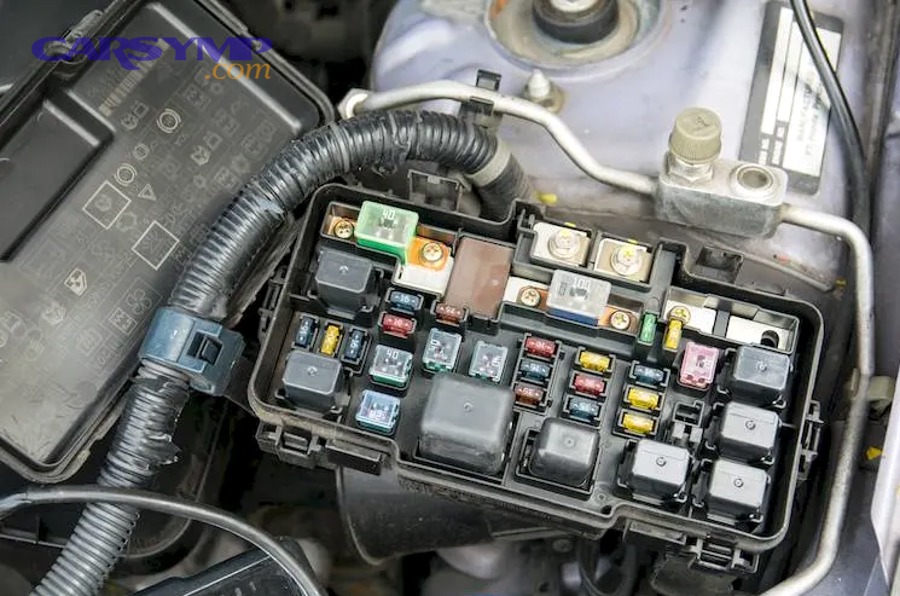
Most vehicles use at least two relevant locations: an interior fuse panel for body electronics and an under-hood fuse/relay box for main feeds, so you should identify both and prioritize the easiest, highest-yield checks first. Next, map the lock circuit path using the fuse box labels and the owner’s manual.
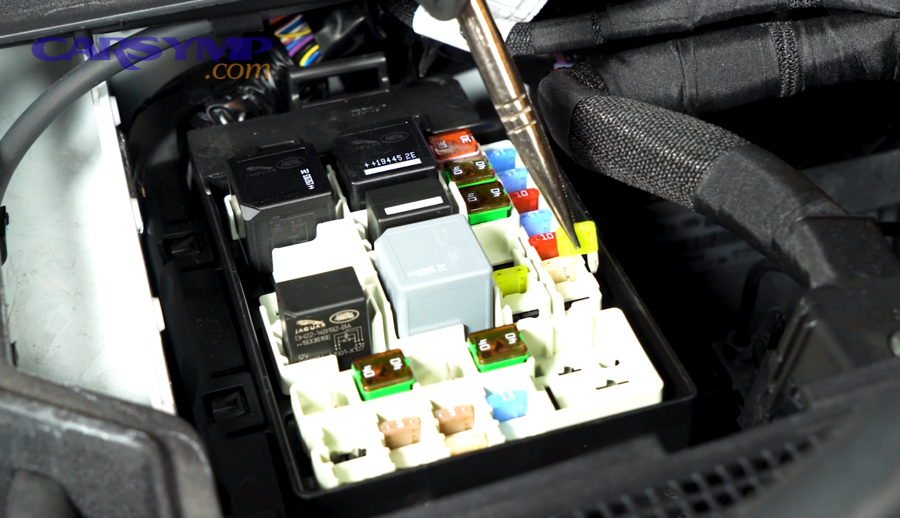
To begin, locate the interior fuse panel (often driver kick panel, end of dash, or under steering column) and the engine-bay power distribution box. Labels vary—look for “DOOR LOCK,” “PWR LOCK,” “BCM,” “BODY,” “ETACS,” “IPDM,” “CENTRAL,” or “KEYLESS.” Even if you don’t see “locks,” the lock system may be powered through a “BCM” or “body” fuse.
Start with the highest-probability fuses
Begin with the fuse explicitly labeled for door locks, if present. If not, check the body control/module fuses that feed the circuit logic and relay coil. Next, verify the “constant battery” feed fuses (often larger) that supply the relay output path.
Understand why a “good-looking” fuse can still be bad
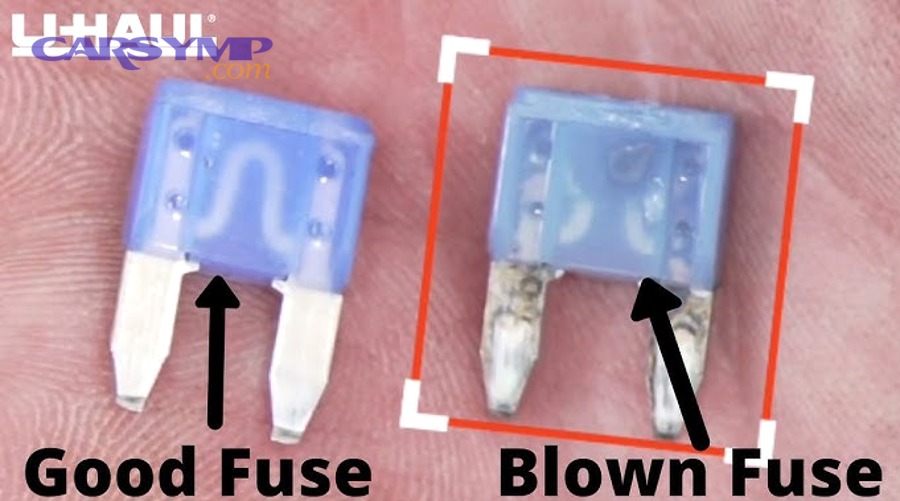
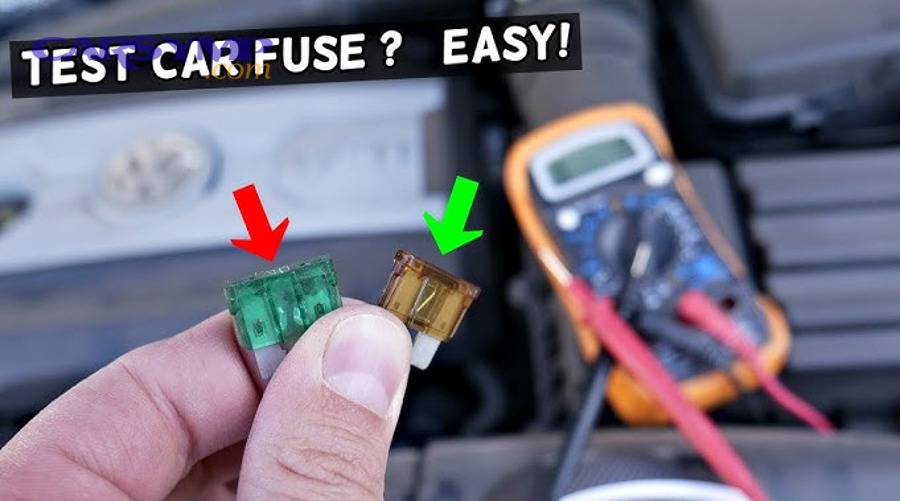
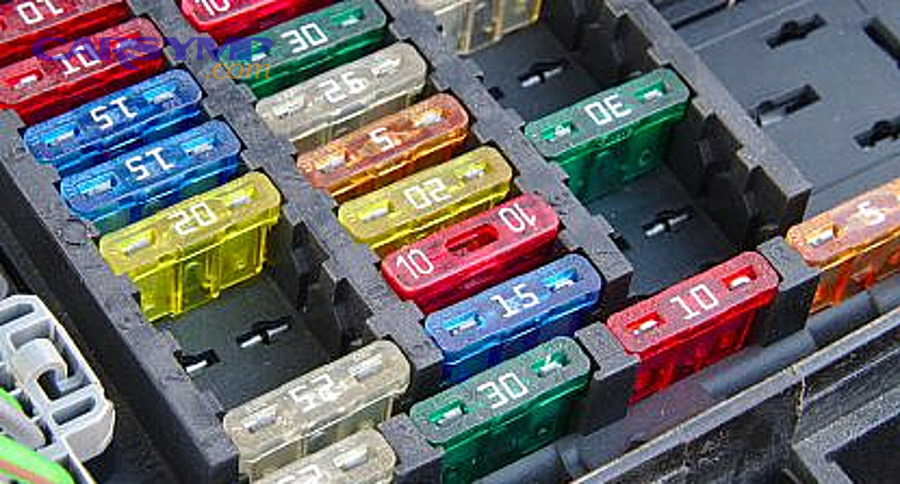
A fuse can crack at the element where it’s hard to see, and a fuse can also make poor contact at the blades due to heat or corrosion. Next, treat visual inspection as a quick screening step, then confirm electrically with a meter or test light.
Use a simple priority rule
If nothing lock-related works, prioritize shared power fuses and the main lock feed fuse. If locks work from the remote but not the interior switch (or vice versa), prioritize the fuse(s) that power that control path and the relay coil control. Next, you’ll validate the exact path by measuring voltage at each stage.
How do you test a lock fuse correctly with a multimeter or test light?
Test fuses under power by checking both sides: a correct fuse test verifies battery voltage is present on the supply side and also on the load side, proving the fuse element and its socket contacts are passing current. Next, perform a two-point check that avoids false “looks good” results.
To start, set the ignition key state exactly as required for locks in your car (some need ignition ON, some work anytime). Then do the quickest reliable method: a test light on each fuse test point (or a multimeter probe) while the circuit is “awake.”
Step-by-step: two-side voltage test
1) Clip the test light to a known good ground (bare metal bolt or a verified ground point). 2) Touch the test point on the top of the fuse—light on means power is present. 3) Touch the other test point—light on means power is passing through. Next, if one side lights and the other doesn’t, the fuse is blown or the contact is poor.
Continuity test: only after you remove the fuse
If the fuse is out, you can check continuity with a multimeter: a healthy fuse reads near 0 ohms. But continuity alone doesn’t prove the socket is delivering power. Next, always pair continuity with a socket voltage check.
Check the fuse socket for heat damage
If the fuse blades look discolored, or the plastic around the slot looks browned, you may have a loose terminal that creates heat and intermittent power. Next, treat this as a connection repair issue, not just a “replace the fuse” situation.
What amperage rating should you replace with?
Always replace with the same rated amperage printed on the fuse and specified by the vehicle. Upsizing a fuse can turn a protected overload into melted wiring. Next, if the correct fuse blows again quickly, move to short-circuit isolation rather than “trying a bigger fuse.”
How do you test a lock relay and its control side?
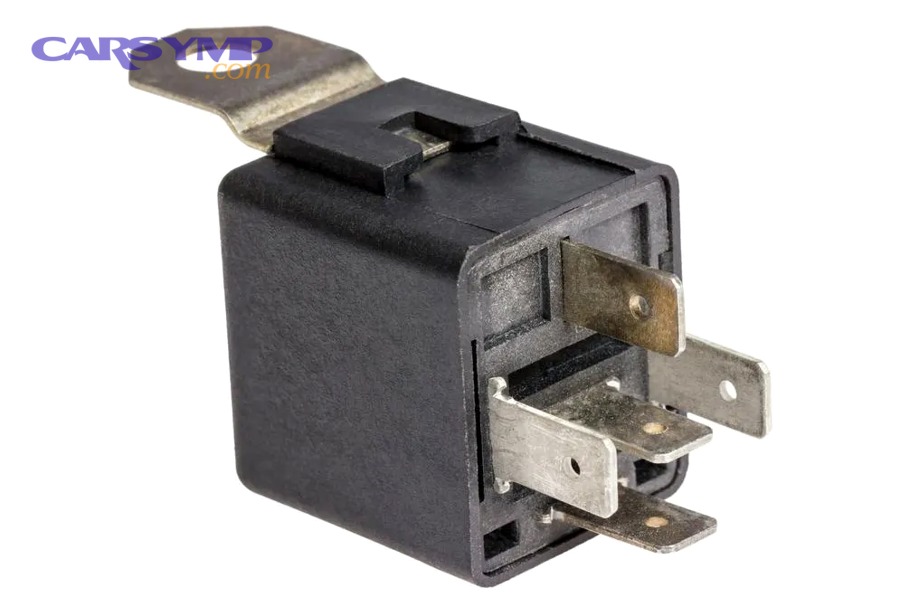
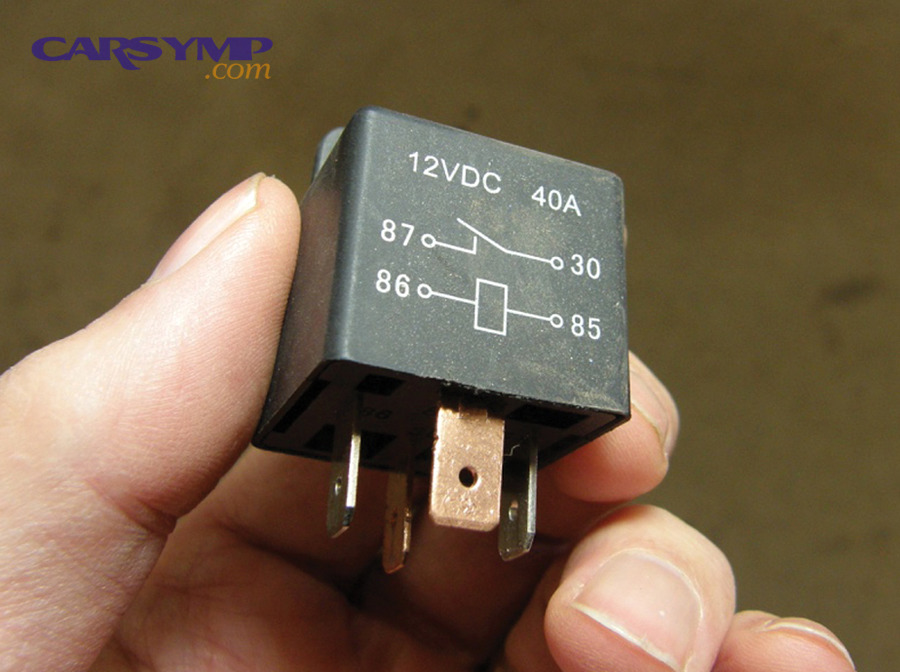
A relay test must confirm two things: the coil is being commanded (control side) and the contacts are passing power (load side), because a clicking relay can still fail to deliver current. Next, measure voltage at relay terminals instead of relying on sound.
To begin, identify the relay that switches lock power (some vehicles use separate lock/unlock relays; others use a module with internal drivers). If a removable relay exists, its diagram is often printed on the relay body or under the fuse box cover.
Quick swap test (only if you can swap safely)
If another relay in the box is the same part number and serves a non-critical function you can temporarily borrow (for example, fog lights), swapping can be a fast clue. Next, if the problem moves or changes, you likely have a relay issue—but still confirm with measurements.
Control-side test: is the coil getting power and ground?
Relays energize when the coil gets a feed and a ground (or a ground is switched by the module). Next, use a multimeter to check for coil voltage when you press lock/unlock and verify the switching side changes state.
Load-side test: does power leave the relay under command?
Even with a good coil command, burned contacts can block current. Next, check for battery voltage at the relay output terminal during a lock command; if input is present but output is not, the relay or socket is faulty.
Relay socket integrity matters
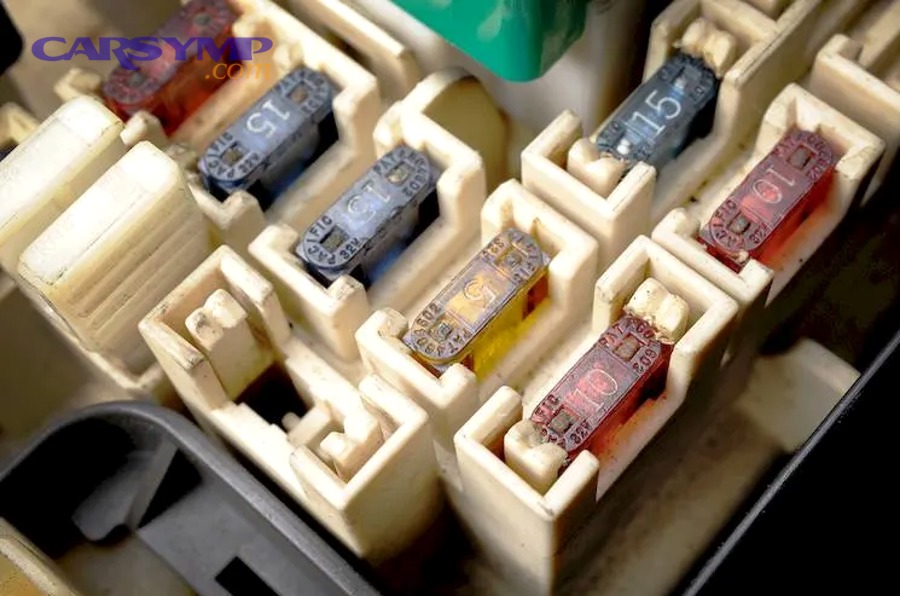
A relay can test “good” but still fail in a loose socket with spread terminals. Next, inspect for corrosion, moisture tracks, or terminals that look pushed back, and consider gentle terminal tension correction per service guidance.
If the fuse blows again, what short-circuit patterns should you hunt?
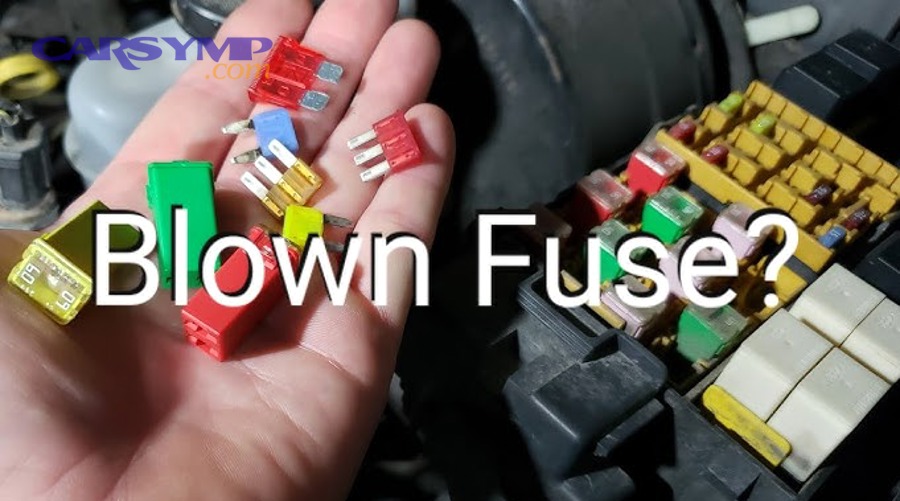
Yes—a repeat blow almost always indicates an active fault: the circuit is drawing too much current because of a short to ground, a jammed actuator, or damaged wiring, so you must isolate the branch that triggers the overload. Next, use controlled testing to find the exact moment the fault appears.
To start, replace the fuse with the correct rating only once you’re ready to test, not “just to see.” Then, trigger locks under observation while you monitor current draw or watch for immediate failure.
Pattern 1: blows instantly when you press lock/unlock
This often indicates a short in the high-current actuator feed or the relay output path. Next, unplug one door actuator at a time (or disconnect door harness connectors) and retest to see when the fuse stops blowing.
Pattern 2: blows only when a specific door is involved
If the fuse pops only when you lock/unlock with the driver door open, or only after the door is slammed, the fault is likely in the moving door harness or a connector that shifts. Next, test with the door half-open, then fully open, while gently flexing the harness boot.
Pattern 3: blows after a few cycles, then returns after cooling
Heat-related failures point to rising resistance, a weakening relay contact, or a motor that is overloading as it warms. Next, measure voltage at the actuator during operation; low voltage with high effort can increase current draw and pop protection.
Use a fuse “current-limited” strategy to avoid damage
Instead of sacrificing multiple fuses, use a fused jumper, a circuit breaker tool, or a test light in place of the fuse (where appropriate) to limit current while you isolate the short. Next, once the short is found, restore proper protection with the correct fuse.
Below is a table that helps you match “when the fuse blows” to the most likely fault zone, so you can isolate faster and avoid repeated failures.
| When it fails | Most likely zone | Best first isolation step |
|---|---|---|
| Instantly on lock command | Relay output to actuator feed | Disconnect door harnesses/actuators one by one |
| Only with door movement | Door-to-body flex harness | Flex harness boot while monitoring fuse substitute |
| After rain/wash | Fuse box, relay socket, connectors | Inspect for moisture/corrosion; dry and retest |
| After repeated cycles | Actuator overload or voltage drop | Measure actuator voltage during operation |
What if the locks work sometimes—heat, moisture, and voltage drop checks?
Intermittent locks often come from voltage drop or poor connections: power may be present with no load, yet collapse when the actuators pull current, so you must test during the lock command. Next, measure voltage at the fuse/relay output and at the actuator feed while operating the locks.
To begin, verify battery state: low battery voltage makes locks slow and can mimic failures. Then shift to connection quality—grounds, fuse box terminals, relay sockets, and door connectors are common resistance points.
Voltage drop test: the “under load” truth teller
Measure battery voltage at rest, then measure voltage at the lock power feed while commanding lock/unlock. Next, if battery is 12.5V but the lock feed collapses to 9–10V during operation, you have resistance in the supply path (fuse socket, relay contacts, wiring, or ground).
Moisture intrusion: look for green, white, or dusty corrosion
Corrosion raises resistance and sometimes creates partial shorts. Next, inspect the fuse box area for water tracks, and check door connectors for pin corrosion—especially if the problem worsens after rain or washing.
Thermal expansion: why “it works when cold” happens
Worn relay contacts can separate slightly with heat, and marginal fuse socket tension can lose contact as plastics soften. Next, reproduce the failure with gentle heat (sunlight/engine bay warmth) and confirm by measuring relay output voltage during the event.
Ground integrity: a hidden shared failure point
Many body circuits share ground points; a loose ground bolt can cause multiple weird symptoms. Next, locate the main body grounds (often near kick panel or fender area) and check for tightness and clean metal contact.
How to decide: fuse/relay fault or actuator/switch/module issue?
Fuse/relay issues usually affect the whole system, while actuator issues are local: if multiple doors fail together, prioritize blown fuse and relay checks for locks; if one door fails alone, prioritize that door’s actuator feed and mechanism. Next, use a comparison test that separates “shared supply” from “single-branch load.”
To start, compare control inputs: remote key fob, interior lock switch, and the key cylinder (if it commands power locks). If one control works but another doesn’t, you’re often dealing with an input/signal path rather than the main power feed.
Compare by scope: system-wide vs single-door behavior
If every door is dead, the shared power path is the priority. If only one door is dead, the branch to that door is the priority. Next, keep your testing order aligned with what could plausibly affect the number of doors involved.
Compare by strength: weak movement suggests low voltage
Slow, weak actuators can be a sign of voltage drop even when fuses and relays are “not blown.” Next, measure voltage at the actuator during operation; a big drop indicates upstream resistance.
Compare by command: does the module “hear” you?
If the interior switch does nothing but the remote works, the system likely still has power; the input path may be broken. Next, shift attention to switch power/ground and signal lines without jumping straight to actuator replacement.
Embed the extra diagnostic phrases naturally
When you’re already deep in troubleshooting, it helps to think like a decision tree: central locking repair starts with confirming power supply integrity, then splits into control-side verification and load-side verification. In the same spirit, the phrase One door not locking vs all doors diagnosis is a practical reminder that “scope” is your fastest clue; similarly, Wiring in door jamb failure signs often show up as door-position-dependent failures, and DIY door panel removal tips should only be followed after you’ve proven the door branch is actually the problem.
What safety steps prevent airbag, window, and wiring damage during checks?
Yes—basic precautions reduce expensive mistakes: modern doors contain airbags, delicate trim clips, and multiplex wiring, so you should isolate power correctly and avoid probing methods that spread terminals. Next, use safer test points and follow a “least invasive first” approach.
To begin, keep your testing mostly at the fuse/relay box until you have evidence the fault is downstream. When you must test inside the door, avoid stabbing insulated wires unless absolutely necessary—back-probe connectors where possible.
Battery disconnect: when it helps and when it hurts
Disconnecting the battery can protect components during connector work, but it can also reset modules and erase learned settings. Next, do live voltage tests first, then disconnect only when you’re removing connectors or opening harnesses.
Protect fuse box terminals
Avoid oversized probes that spread terminals and create future intermittent faults. Next, use proper back-probe pins or fine probes designed for automotive connectors.
Prevent accidental shorts
Metal tools can bridge terminals quickly. Next, remove jewelry, use insulated tools where possible, and keep your meter leads controlled so you don’t contact adjacent pins.
Door airbag awareness
Some doors contain side airbags and related wiring. Next, if you’re unsure, do not unplug yellow airbag connectors while powered; prioritize upstream tests and consult proper service information for airbag-safe steps.
What is the quickest step-by-step workflow for blown fuse and relay checks for locks?
The fastest workflow is a 7-step path: confirm symptoms, verify battery voltage, check both sides of the lock-related fuses, verify relay coil command, verify relay output power, measure voltage drop under load, then isolate any repeat-blow short. Next, follow the sequence without skipping steps, so each test narrows the fault zone.
To start, treat this like a controlled experiment: change one variable at a time and collect one piece of evidence per step. That keeps you from replacing parts based on guesses.
Step 1: Confirm the failure pattern
Check locks from remote and interior switch, note whether any door responds, and listen for relay clicks. Next, record whether the problem is system-wide or localized.
Step 2: Confirm battery voltage and basic power health
Low system voltage can cause false symptoms. Next, verify the battery is reasonably charged and terminals are clean and tight before blaming the lock circuit.
Step 3: Perform two-side fuse tests
Check the labeled lock fuse and the related body/module feed fuses for voltage on both sides. Next, if one side is dead, back up to upstream supply; if only the load side is dead, replace the fuse and investigate why it opened.
Step 4: Validate relay coil command
During a lock command, confirm the relay coil receives its energizing condition (power/ground). Next, if the coil is never commanded, the issue may be on the control side (switch/module) rather than the relay contacts.
Step 5: Validate relay output under load
Measure voltage at the relay output while commanding lock/unlock. Next, if input is present but output is absent, suspect relay contacts or socket issues.
Step 6: Measure voltage drop to the load
Check voltage at the actuator feed (or door harness connector) during operation. Next, a big drop indicates resistance in wiring/grounds rather than a simple blown fuse.
Step 7: If the fuse blows again, isolate by disconnecting branches
Disconnect one door branch at a time and retest until the fuse survives, then focus on that branch. Next, inspect for pinched wires, water intrusion, or a binding actuator that overdraws current.
Below is a table that summarizes the “quick workflow” in a checklist format, helping you keep the sequence tight and avoid repeating steps.
| Step | What you do | What it tells you |
|---|---|---|
| 1 | Confirm pattern across controls and doors | System-wide vs localized fault |
| 2 | Check battery voltage and terminal condition | Rules out low-voltage false symptoms |
| 3 | Two-side voltage test on fuses | Proves fuse element and socket feed |
| 4 | Check relay coil command during lock | Control path present or missing |
| 5 | Check relay output voltage under command | Contact path good or open |
| 6 | Voltage drop testing to the load | Finds high resistance connections |
| 7 | Branch isolation if fuse re-blows | Pinpoints short/overload location |
blown fuse and relay checks for locks; power door locks; door lock fuse; door lock relay; body control module; keyless entry; automotive electrical diagnosis; voltage drop test; short to ground; actuator current draw; fuse box; relay socket corrosion
Contextual Border: The sections above focus on direct, high-yield checks that match the main intent—finding whether the lock failure is caused by a blown fuse, a bad relay, or the power path around them. Next, the following section expands into edge cases that can mimic the same symptoms.
Advanced edge cases that mimic fuse/relay failure in lock circuits
Several “look-alike” faults can imitate a fuse or relay problem: module sleep issues, aftermarket wiring, thermal breakers, and mechanical binding can all produce intermittent or system-wide lock failures. Next, use these checks when the basic tests show power is present but behavior still isn’t reliable.
Aftermarket alarms and remote starters
Spliced-in alarm/remote start systems can introduce poor connections or incorrect relay logic that interrupts lock control. Next, look for non-factory wiring near the steering column, kick panels, or fuse box taps, and test for voltage drop across those splices during lock commands.
Module “sleep” and wake-up timing
Some vehicles require a wake-up event before certain body functions respond, and a weak battery or module communication issue can delay or block lock commands. Next, test locks immediately after unlocking with the key fob and again after the car has been sitting to see if timing changes the symptom.
Thermal circuit breakers in place of fuses
Some circuits use resettable breakers that open under overload and then reset after cooling, creating a “works later” pattern. Next, if you suspect a breaker, look for a labeled breaker location and verify whether power returns without replacing any fuse.
Mechanical binding increasing current draw
A stiff latch mechanism or frozen linkage can force an actuator motor to draw excessive current, popping fuses or overheating relays. Next, if a specific door feels physically harder to lock/unlock, address mechanical resistance before chasing electrical ghosts.
FAQ (common quick answers):
- Can a relay click and still be bad? Yes—coil operation can be normal while the contacts are burned or high-resistance, so always verify relay output voltage during a lock command.
- Is a visual fuse check enough? No—use a two-side voltage test to confirm power enters and exits the fuse and that the socket isn’t failing under load.
- Should you keep replacing fuses to “see what happens”? No—repeated blows indicate an active fault; isolate branches and test with a current-limited method instead of wasting fuses.
- What’s the fastest single measurement? Voltage at the lock fuse load side and at the relay output during a lock command, because it tells you where power stops.