


Certification can raise a shop’s labor rate because it changes what the shop is actually selling: not just “time,” but verified competence, faster diagnosis, and a lower risk of comebacks that burn hours and parts.
Beyond the headline hourly number, certification affects how estimates are written, how flat-rate times are applied, and how confidently a technician can approve a repair plan without guesswork.
It also influences staffing and overhead—training time, test fees, specialized tools, and quality-control processes—all of which are real costs that often show up (directly or indirectly) in labor pricing.
To connect the dots, “Giới thiệu ý mới” we’ll break down what labor rates include, which certifications matter, and how to compare quotes so you pay for real value rather than just a higher number.
What is a labor rate, and where does certification fit into it?
A labor rate is the shop’s hourly price for billed work, and certification fits by shifting that price from “time spent” toward “time spent with verified skill and repeatable results.”
To start, think of labor rate as a bundle of costs and promises, not a simple wage multiplier.

In practice, your billed hour covers more than the technician’s pay: shop rent, insurance, service advisors, diagnostic subscriptions, scan tools, calibration equipment, warranty risk, and the time a bay sits empty between jobs. Certification becomes relevant because it’s one of the few public signals that the shop invests in technician competence and process discipline—two things that reduce “hidden time,” like repeat tear-downs, misdiagnoses, and parts swaps that don’t fix the root cause.
Certification also changes how a shop manages workflow. A highly trained technician is often assigned the jobs that can explode into hours if handled poorly—electrical faults, intermittent drivability issues, ADAS calibration checks, hybrid/EV safety procedures—so the shop prices labor to sustain that capability. When you see a higher posted rate, you’re often paying for the shop’s ability to take on complex work without gambling on trial-and-error.
Finally, certification affects what the shop can credibly guarantee. A stronger warranty posture usually requires tighter repair standards, documentation, and post-repair verification—extra time and systems that must be funded somewhere.
Theo nghiên cứu của U.S. Bureau of Labor Statistics từ Occupational Employment and Wage Statistics, vào May/2024, mức lương trung vị của automotive service technicians and mechanics là $49,670/năm (≈ $23.88/giờ), cho thấy “billed labor rate” không thể đồng nhất với “tech wage” vì còn nhiều lớp chi phí vận hành và năng lực.
Does certification always increase the hourly labor rate?
No—certification does not always raise the posted labor rate, but it often increases the effective price of skilled work through higher category rates, more billable efficiency, or fewer discountable hours.
However, the key is whether certification is tied to real capability and shop systems, not just framed certificates on a wall.

Some shops keep one posted rate for marketing simplicity, then apply different internal pricing in the estimate: “diagnostic labor,” “electrical labor,” “EV labor,” “European specialty,” or “calibration labor.” Certification is most likely to influence those specialty categories because the shop has measurable costs—training, tooling, and quality checks—specific to that work. In other words, certification may not change the number on the sign, but it changes how many hours are billed, how quickly the problem is solved, and how confidently the shop can avoid parts-cannon guessing.
Another reason the posted rate may not move is competitive pressure. A shop in a low-cost area may keep rates modest but reserve certified technicians for the hardest jobs, protecting profitability through higher productivity and lower rework. Conversely, in high-cost markets, a shop may post a higher rate regardless of certification simply to cover rent, wages, and insurance. So the relationship is real, but it’s not a universal “certification = higher rate” rule.
To judge the impact correctly, compare “total invoice outcome”: diagnostic accuracy, hours billed, warranty terms, and whether the shop documents tests and verification. A slightly higher rate can still be cheaper if it avoids two return visits and a misordered part.
Theo nghiên cứu của AAA từ AAA Approved Auto Repair network analysis, vào Jan/2017, các cửa hàng trong mạng lưới AAA ghi nhận mức labor rate dao động $47–$215/giờ, cho thấy thị trường bị chi phối bởi chi phí vận hành và năng lực theo khu vực—trong đó chứng chỉ chỉ là một biến số trong nhiều biến số.
Which certifications influence labor pricing the most?
The certifications that most affect labor pricing are those that signal verified diagnostic competence, specialization, and ongoing testing—because they reduce risk and increase the shop’s ability to take higher-complexity work.
Next, we’ll group the certification landscape into practical buckets you can recognize on an estimate.
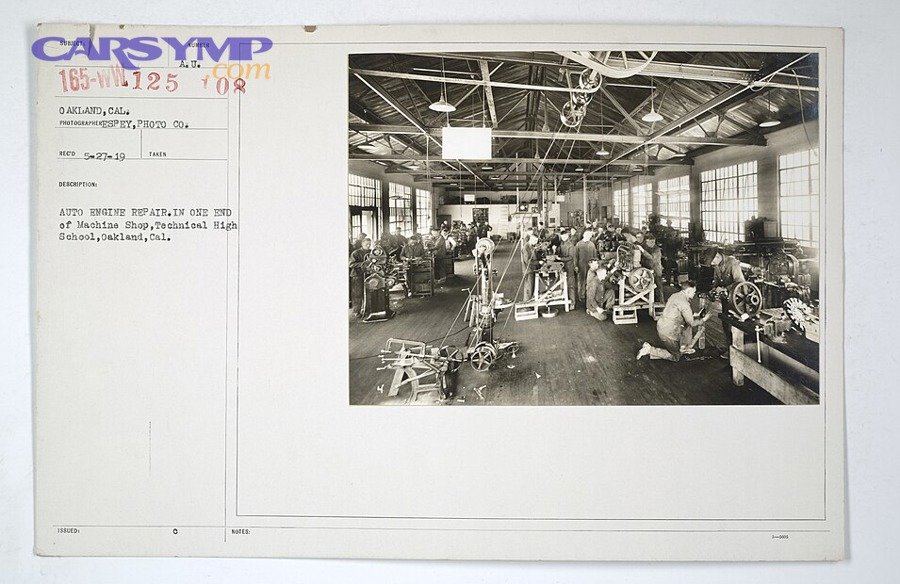
There are four common buckets that influence pricing behavior:
- Industry-wide testing certifications (example: ASE-style testing): These show the technician passed standardized exams and can renew/stack credentials over time. Shops use them to justify higher diagnostic capability and lower rework.
- OEM or manufacturer training: Dealer-level or manufacturer-aligned training often supports higher rates because it’s tied to access—factory scan tools, programming, service information, and model-specific procedures.
- Program-based facility standards (network approvals): Some programs inspect facilities, monitor satisfaction, and require ongoing compliance; this adds operational overhead but can increase trust and warranty value.
- Regulatory or safety-related qualifications (EV high-voltage safety, emissions-related credentials in some regions): These influence pricing by limiting who is allowed (or competent) to perform certain procedures safely.
What matters most is the link between credential and process. A certification is strongest when the shop can show diagnostic steps, test results, and a verification checklist. That’s what actually protects you from paying twice.
Theo nghiên cứu của Automotive Service Excellence (ASE) từ Test Development/Certification program information, vào Sep/2025, ASE công bố hệ thống gồm 59 bài kiểm tra chứng chỉ khác nhau, phản ánh mức độ phân mảng chuyên môn sâu—yếu tố thường kéo theo cấu trúc labor pricing theo nhóm dịch vụ.
How does certification change diagnostic time and billed hours?
Certification often reduces diagnostic time by improving test selection and interpretation, which can lower total billed hours even if the hourly rate is higher.
To understand this, we need to separate “clock time” from “billable problem-solving.”
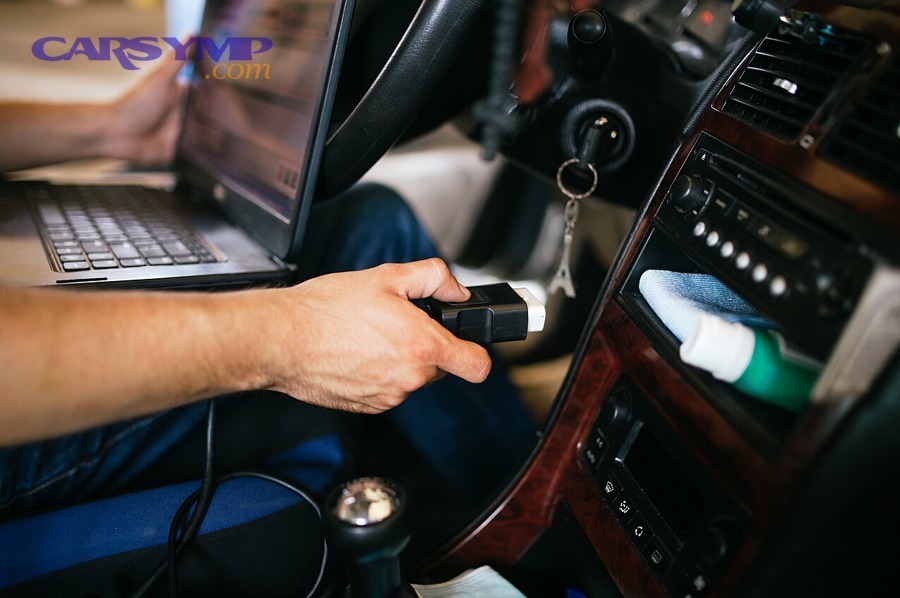
Modern vehicles are software-heavy. A skilled diagnostic process is less about swapping parts and more about choosing the right tests: reading live data, using bidirectional controls, checking reference voltages, verifying network communication, and confirming a fix with a drive cycle or calibration. Certification tends to correlate with better “test discipline,” which means fewer dead ends. That’s why certified capability can reduce the number of labor hours billed across the whole repair journey.
There’s also a flat-rate reality: many repairs are billed using labor guides. Two technicians can be paid the same “book time,” but the more competent technician finishes correctly with fewer mistakes, fewer broken clips, fewer stripped fasteners, and fewer redo steps. Shops that staff certified technicians can schedule more confidently, hit promised turnaround, and absorb warranty work with less pain—so they may price labor to match that operating model.
As a customer, you should ask how diagnostic labor is handled. Some shops charge a fixed diagnostic fee; others charge hourly diagnostic labor. Certification has the strongest value when the shop can explain the diagnostic plan upfront and convert the diagnostic result into an estimate you can approve with evidence, not guesses.
Theo nghiên cứu của AAA từ AAA repair guidance content, vào 2017, AAA nhấn mạnh labor rate phản ánh “shop’s cost of doing business,” hàm ý rằng năng lực chẩn đoán (thường đi kèm đào tạo/chứng chỉ) tác động trực tiếp đến thời gian xử lý và chi phí cuối cùng.
Why do certified shops often have stronger warranties, and why does that affect rates?
Certified shops often offer stronger warranties because they standardize repair quality and verification, and that warranty risk must be priced into labor rates.
In other words, a warranty is an insurance product funded by shop margins and process discipline.
When a shop warranties parts and labor, it is betting that the repair will not come back. To win that bet, it needs consistent procedures: torque specs, one-time-use fasteners, calibration checks, fluid specifications, battery registration where required, and post-repair tests. Certification—especially when backed by ongoing education—helps a shop execute these steps reliably. But reliability costs money: training time, quality-control checklists, scan tool subscriptions, and sometimes a second set of eyes on critical repairs.
This is why you’ll often see “higher-rate” shops attach warranties that are longer and clearer, while low-rate shops may give minimal warranty language or exclude diagnostic work. From a consumer perspective, warranty quality can be more valuable than a lower posted rate because it reduces the risk of paying for the same symptom twice.
Use warranty terms as a pricing lens: length, mileage, coverage of parts and labor, and what conditions void it. A strong warranty often indicates the shop believes in its diagnostic accuracy and repair discipline—both of which are linked to training and credential maintenance.
Theo nghiên cứu của AAA từ AAA Approved Auto Repair program communications, vào 2024, AAA nêu các cơ sở AAR có thể đi kèm chính sách bảo hành 24-tháng/24,000-mile cho cả parts và labor, phản ánh chi phí kiểm soát chất lượng và rủi ro bảo hành được “gộp” vào mô hình giá.
How do certifications affect shop overhead and pricing math?
Certifications affect pricing because they add direct costs (testing, training, tooling) and indirect costs (downtime, supervision, documentation), which must be recovered through labor revenue.
Next, we’ll map those costs to what you can actually see on an estimate.
Even if a test fee is small, the real cost is time. A technician studying, testing, and attending training is not producing billable hours. Shops that commit to certification often also commit to specialized tooling: advanced scan tools, programming interfaces, battery support units, oscilloscopes, smoke machines, ADAS targets, alignment equipment, and subscription data. These tools don’t just “exist”—they require updates, calibration, and maintenance.
There’s also a staffing effect. Certified technicians tend to earn more; service advisors and managers at credential-focused shops may also be more experienced because they need to sell diagnostic value ethically and explain complex work clearly. Higher payroll plus higher standards yields higher operating costs—so the shop either charges a higher rate or loses money over time.
But here’s the trade: higher overhead can buy you a lower “total cost of certainty.” The shop that spends more on training may avoid unnecessary parts and reduce the number of billed diagnostic hours. That’s why you should evaluate certification as a lever that can shift the shape of the final bill, not only the hourly number.
Theo nghiên cứu của PayScale từ Survey Data/Compensation Research, vào Dec/2025, PayScale ghi nhận mức “Avg. Base Salary” cho chứng chỉ ASE Master Technician khoảng $72k/năm, cho thấy khi chứng chỉ kéo lương lên, shop pricing (đặc biệt labor) thường phải điều chỉnh để bù chi phí nhân sự.
How can you compare two estimates fairly when certification levels differ?
You can compare estimates fairly by standardizing the variables: diagnostic approach, labor categories, labor hours, parts quality, verification steps, and warranty—then checking what certification is actually used on your specific job.
Below is a practical framework you can apply line-by-line.
Before you compare totals, align these items:
- Scope: Are both shops fixing the same root cause, or is one quoting “possible causes”?
- Diagnostic policy: Fixed diagnostic fee vs hourly diagnostic labor; is diagnostic time credited if you approve the repair?
- Labor type: General labor vs electrical vs programming vs calibration; do both quotes include the same categories?
- Parts tier: OEM, OEM-equivalent, aftermarket; are part warranties comparable?
- Verification: Post-repair road test, scan for codes, readiness monitors, ADAS calibration checks, leak checks, torque checks.
- Warranty: Months/miles and what it covers (parts + labor, exclusions, diagnostics).
To make the comparison concrete, this table helps you identify where certification usually changes the invoice outcome.
This table contains the most common estimate line-items and how certification can influence the billed hours, warranty risk, and verification steps.
| Estimate Element | What to Look For | Where Certification Often Shows Up | What It Means for Your Total |
|---|---|---|---|
| Diagnostic charge | Plan, tests, deliverables | Clear test steps; documented results | Fewer repeat visits; fewer “guess parts” |
| Labor category | General vs electrical/programming | Specialty labor categories | Higher hourly rate but fewer hours |
| Labor hours | Book time vs custom time | Efficient execution; fewer add-ons | Less variability; predictable final bill |
| Parts selection | OEM vs aftermarket | Correct part choice first time | Lower rework and warranty disputes |
| Verification steps | Calibration, scans, road test | More verification listed explicitly | Higher upfront cost; lower comeback risk |
| Warranty terms | Months/miles; exclusions | Longer, clearer warranty policies | Lower risk of paying twice |
Once you standardize those variables, ask a direct question: “Which technician will perform this job, and what credentials are relevant to this specific system?” Certification matters most when it matches the problem category (electrical, drivability, brakes, steering, ADAS, hybrid/EV).
Theo nghiên cứu của AAA từ AAA Approved Auto Repair program overview, vào 2024, AAA mô tả quy trình chứng nhận cơ sở bao gồm kiểm tra, technician certifications, và theo dõi hài lòng khách hàng—những hạng mục thường được phản ánh thành dòng chi phí/giờ công hoặc chính sách bảo hành trong estimate.
When is paying a higher rate for certified expertise worth it?
Paying more for certified expertise is usually worth it when the risk of misdiagnosis is high, the repair affects safety, or the vehicle systems require specialized procedures like programming or calibration.
Next, we’ll turn that idea into a simple decision rule you can use before approving work.
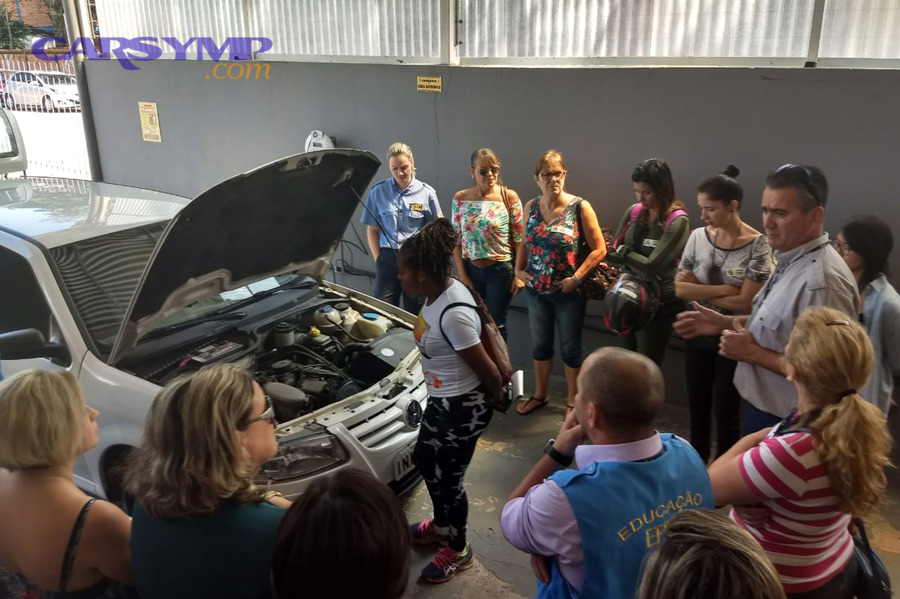
Use a “risk-weighted” approach. Higher labor rates buy value when a mistake is expensive:
- Intermittent electrical issues: Wrong diagnosis can burn hours and parts quickly.
- Check engine + drivability: Multiple systems can trigger similar symptoms; test discipline matters.
- Brake/steering/suspension safety repairs: Verification steps are critical, and rework risk is dangerous.
- Hybrid/EV and high-voltage work: Safety procedure competence matters as much as repair competence.
- ADAS and calibrations: A “fixed” mechanical part may still require sensor calibration to be truly complete.
In lower-risk work—simple oil services, basic maintenance, straightforward mechanical replacements with clear symptoms—the value gap between certified and non-certified labor can be smaller. But even there, a disciplined shop can prevent incidental damage (clips, fasteners, leaks), and that reduces follow-up costs.
To keep the decision grounded, ask for evidence: test results, the failure mode, and the verification plan. If the shop can’t explain those clearly, paying more per hour may not buy you more certainty.
Theo nghiên cứu của AAA từ AAA survey communications, vào Apr/2017, AAA ghi nhận khoảng 1/3 tài xế Mỹ không thể chi trả một hóa đơn sửa xe bất ngờ mà không mắc nợ, nhấn mạnh rằng giảm rủi ro “sửa sai rồi sửa lại” thường quan trọng hơn việc săn labor rate thấp nhất.
How can you verify credentials and avoid “certificate marketing”?
You can verify credentials by checking specificity (which certification), relevance (which system), recency (renewal), and accountability (documentation), instead of trusting vague claims like “we’re certified.”
To begin, treat credentials like tools: useful only when matched to the task.
Start with specificity. Ask: “Which certifications do your technicians hold that apply to this repair?” A credible shop can answer without defensiveness. Next, ask about recency: many certifications require periodic renewal or continuing education; the shop should be able to show current status or explain how they keep skills updated for newer vehicles.
Then look for accountability signals in the estimate and workflow:
- Written diagnostic findings: Not just “replace part,” but why it failed and how it was tested.
- Pre- and post-scan: Evidence that codes, data, and readiness status were checked.
- Verification checklist: Road test, leak check, torque specs, calibration confirmation where needed.
- Warranty clarity: A shop confident in its process states warranty terms plainly.
Finally, watch for certificate marketing red flags: certificates unrelated to your problem (e.g., a general training badge used to sell specialized electrical work), refusal to explain diagnostic steps, and estimates that list multiple expensive parts with “might fix” language.
Theo nghiên cứu của Automotive Service Excellence (ASE) từ certification test information, vào 2025, ASE mô tả hệ thống bài test theo nhiều mảng chẩn đoán/sửa chữa, hàm ý rằng chứng chỉ có tính “đúng chuyên môn” và cần được đối chiếu với loại lỗi bạn đang gặp để tránh marketing chung chung.
Contextual Border: From here, we move from “why certification changes rates” to the micro decisions that change what you actually pay—rate structures, shop types, and negotiation signals.
Beyond the hourly rate: micro signals that predict your final bill
The hourly rate is only one number; micro signals like rate structure, shop type, and communication quality often predict the final bill more accurately than the posted rate alone.
Below are the highest-leverage details to check before you approve work.
Flat-rate vs hourly: which one makes certification more valuable?
Flat-rate rewards efficiency, so certification becomes valuable when it increases correct-first-time execution and reduces rework that the shop may not be paid for.
To connect this, notice how shops talk about “book time” versus “diagnostic time.”
In flat-rate repairs, the skill advantage is less about working faster and more about avoiding mistakes: broken connectors, misrouted harnesses, missing calibrations, and incorrect fluid specs. That’s why certified competence can show up as smoother jobs and fewer surprise add-ons. If your quote is flat-rate, ask what steps are included (scans, calibrations, bleeding procedures, relearns) so you’re not surprised later.
Dealership vs independent: where does certification hit pricing hardest?
Dealerships often price higher due to OEM tooling, programming access, and brand overhead, while independents may price lower but still charge premium rates when certified specialists and advanced tools are involved.
However, the “best deal” depends on the type of repair and the shop’s documentation quality.
If your repair involves programming modules, immobilizer/key learning, or complex ADAS calibration, dealership or OEM-aligned capability can be worth the rate. For routine mechanical work, a strong independent shop with proven credentials and warranty terms can be the better value. In both cases, insist on a clear diagnostic conclusion—not a list of “possible causes.”
Regional pricing and cost-of-living: why rate differences can be normal
Regional costs can dominate labor rates, so a certified shop in one area can charge less than a non-certified shop in another area and still be operating rationally.
Next, compare rates only after you normalize for local realities.
Rent, insurance, and technician wages vary sharply by region. That’s why the right comparison is “value per verified fix,” not “lowest posted hourly.” If you’re shopping quotes, keep your comparison local and evaluate verification steps, parts tier, and warranty terms as your primary levers.
Smart questions that lower your risk (without haggling the rate)
You can often reduce your total cost by improving clarity: ask for test evidence, included verification steps, and whether diagnostic fees apply toward the repair.
In practice, clarity is a better discount than a negotiated hourly rate.
This is where a certified mechanic and a disciplined service advisor can save you money: they can show what failed, why it failed, and what confirms the fix. If you want a deeper framework for line-by-line evaluation, use the mindset of How to read repair estimates like a pro: confirm scope, labor categories, parts tier, verification, and warranty before you compare totals. And if you’re shopping locally, phrase your search like Finding a certified mechanic near you—then filter by transparency, not just the badge.
Theo nghiên cứu của U.S. Bureau of Labor Statistics từ Occupational Outlook Handbook, vào Sep/2025 (dữ liệu May/2024), BLS nhấn mạnh kỹ thuật viên ngày càng phải dùng thiết bị chẩn đoán máy tính cho hệ thống điện tử phức tạp, củng cố lý do vì sao năng lực/đào tạo thường tác động mạnh tới cấu trúc giá và thời gian xử lý.
FAQ
These quick answers address common confusion points about labor rates, certification, and how to decide between quotes.
Next, use them as a final checklist before you authorize repairs.
Is a higher labor rate always better quality?
No. A higher rate can reflect higher overhead or stronger capability, but quality depends on diagnostic discipline, documentation, and verification. Use warranty clarity and test evidence as your proof points.
Should I pay a diagnostic fee at a certified shop?
Often yes, because proper diagnosis is skilled work; the key is whether you receive clear findings and whether the fee is credited toward the repair. Ask what tests are included and what deliverable you get in writing.
What’s the fastest way to spot a “parts cannon” estimate?
Look for multiple expensive parts listed as “possible fixes” without test results. A credible estimate explains the failure mode and how the shop confirmed it.
How can I use warranty terms to compare two shops?
Compare months/miles, whether both parts and labor are covered, exclusions, and whether diagnostic time is covered if a warranted repair returns. Stronger warranties usually imply stronger process.
Do certifications matter for routine maintenance?
They matter less than for diagnostics, but they can still reduce mistakes, improve inspections, and prevent small errors that lead to leaks, noise, or premature wear.
Theo nghiên cứu của AAA từ AAA Approved Auto Repair program explanations, vào 2024, AAA mô tả quy trình giám sát tiêu chuẩn cơ sở và phúc lợi (warranty/discount) trong mạng lưới AAR—đây là lý do FAQ nên ưu tiên so sánh quy trình và điều khoản hơn là chỉ nhìn con số labor rate.