


If you’re choosing where to service an electrified vehicle, specialty certifications for hybrids and EVs are one of the fastest ways to separate real capability from marketing. The right credentials signal that a shop understands high-voltage safety, electrified powertrains, battery diagnostics, and the software-driven workflow modern vehicles require.
Beyond safety, certifications help you predict outcomes: fewer misdiagnoses, fewer repeat visits, and a higher chance the shop can access the correct service information, tools, and calibration procedures your vehicle needs.
And because “hybrid/EV repair” spans many systems—from the traction battery to thermal management to charging interfaces—certifications also help you match the shop to your exact problem, not just the vehicle type.
To start, here’s the key mindset: certifications are signals, but the best choice comes from reading the signal correctly. Next, we’ll break down what each credential really proves, what it doesn’t, and how to verify capability before you authorize a repair.
What do specialty certifications for hybrids and EVs actually prove?
They prove a shop or technician has met a defined standard (training, testing, or both) for hybrid/EV-specific safety and service tasks, and that they can follow structured procedures rather than improvising. Next, you’ll want to map each credential to the exact work you need.
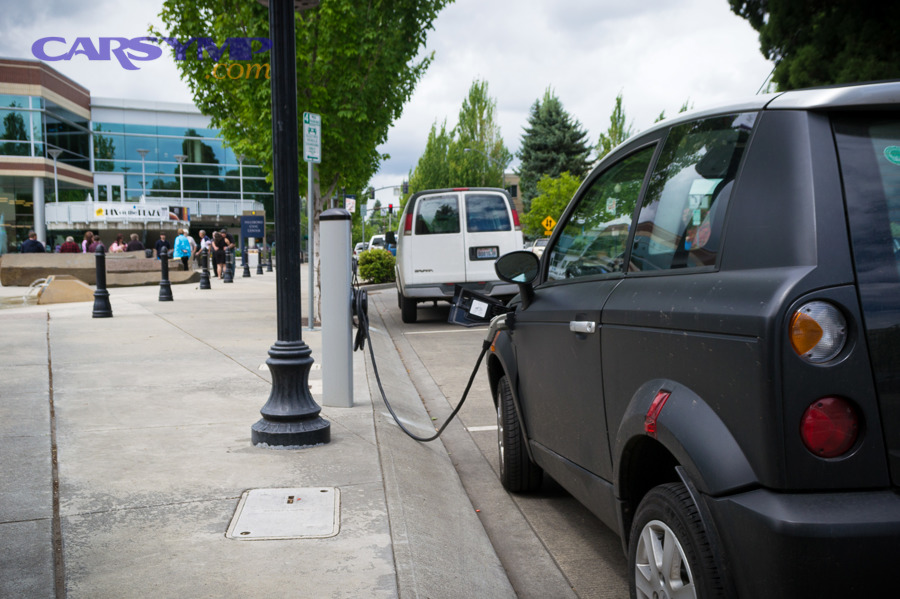
What “proof” looks like in real repairs
Proof looks like repeatable process: correct isolation steps, correct scan-tool workflow, correct service info, and correct post-repair validation. Next, consider how hybrids and EVs add new failure modes that standard gasoline experience may not cover.
On conventional cars, many shops can “feel” their way to a diagnosis. On hybrids and EVs, that approach is risky because the vehicle is a networked system where the powertrain control, battery management, inverter, onboard charger, and thermal loops interact. A credential is valuable when it reflects competency in these interconnected systems (a meronymy relationship: the “whole” electrified powertrain is made of parts like the traction battery, inverter, DC-DC converter, and high-voltage junctions).
What certifications do not guarantee
No certification guarantees perfect results, because outcomes depend on equipment, information access, and the technician’s day-to-day discipline. Next, treat credentials as a starting filter, then validate tools, procedures, and warranty terms.
A credential can be current while a shop’s tools are outdated, or the certified technician is unavailable that day. It also doesn’t guarantee the shop stocks the right consumables, replacement components, or calibration targets for your specific model year.
Why the “badge vs skill” gap is common
The gap happens when the shop markets the badge but doesn’t build the workflow (PPE, lockout/tagout habits, battery handling, scan-tool subscriptions, and test plans). Next, you’ll see which credentials matter most for which repair categories.
Electrified service is not a single skill; it’s a system of habits. A shop becomes truly hybrid/EV-capable when it invests in safety infrastructure (insulated tools, barriers, signage), information infrastructure (service manuals, OEM portals), and diagnostic infrastructure (EV-capable scan tools, insulation resistance testing, battery leak detection, coolant vacuum fill, and calibration equipment).
According to SAE International’s published information on hybrid and electric vehicle safety practices (including J2990-series references highlighted in industry summaries), consistent labeling and safety procedures are treated as essential for high-voltage systems, reinforcing why process matters as much as technical knowledge.
Entity: Hybrid vehicle, Battery electric vehicle (BEV), Plug-in hybrid (PHEV), High-voltage system
Root attributes: HV safety, diagnostic workflow, OEM service info access, tooling readiness
Unique attributes: battery pack handling, insulation resistance testing, charging system diagnostics
Which specialty certifications for hybrids and EVs should you look for?
There are several core certification pathways: independent third-party credentials (testing-based), manufacturer/OEM training tracks (model-specific), and safety-focused programs (high-voltage handling). Next, pick the pathway that matches your repair risk and complexity.
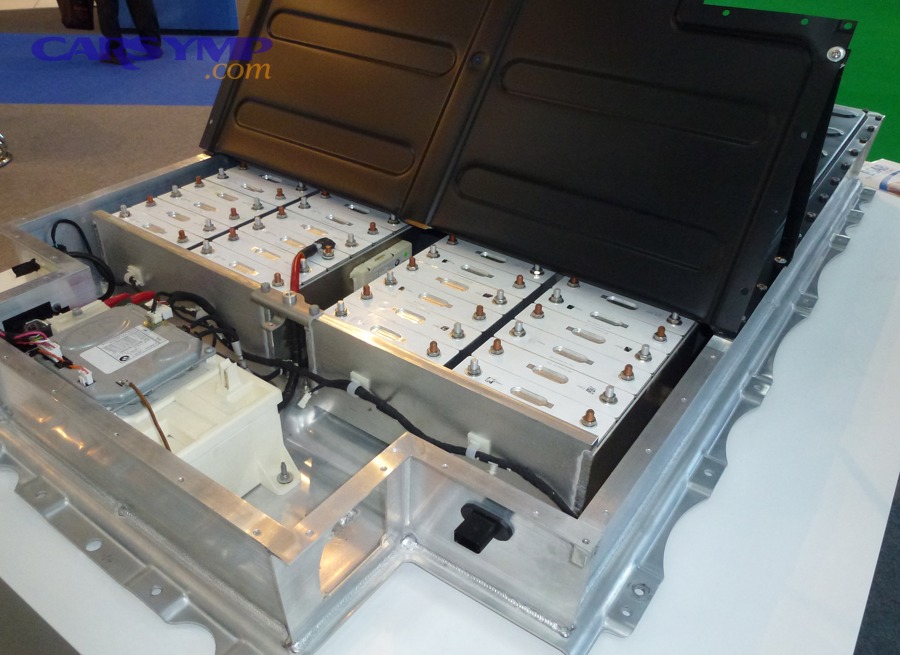
Pathway 1: Third-party testing credentials
These credentials validate baseline competence through structured exams and defined task lists. Next, use them to screen for general hybrid/EV diagnostic capability.
Third-party certifications are useful when you want a broad standard that’s not tied to one brand. They’re especially helpful for independent shops that service multiple makes and need a consistent way to prove competence.
Pathway 2: OEM and dealer training tracks
These validate model-specific procedures and tools, often including software, guided diagnostics, and proprietary calibration steps. Next, choose this pathway when your issue is brand-specific (battery warranty, software updates, or unique architecture).
OEM training can be a decisive advantage when the repair depends on factory diagnostic routines, secure gateway access, or reprogramming. It also matters when parts replacement requires pairing or initialization.
Pathway 3: High-voltage safety programs
These focus on preventing injury and damage during isolation, de-energizing, verification, and re-energizing processes. Next, treat safety credentials as non-negotiable when battery packs or orange HV cabling are involved.
Safety programs may include arc-flash awareness, PPE selection, safe approach boundaries, and verification steps to ensure the system is truly de-energized. In EV work, safety competence is not optional—it is foundational.
Pathway 4: Collision and post-incident EV training
Collision-related EV training matters after impacts, water intrusion, or fire risk events. Next, prioritize it if your vehicle has been in an accident or exposed to flooding.
Even when the drivetrain appears normal, battery pack enclosure damage, coolant intrusion, or isolation faults can create delayed hazards. Some programs in the collision industry include high-voltage safety training specifically designed for post-collision environments.
According to I-CAR’s published description of its “Understanding High Voltage Safety” course (released as industry training content and discussed in collision-repair education updates), the curriculum emphasizes electrical principles and personal protection for HV safety—highlighting why training is treated as a core requirement, not an add-on.
Grouping: Third-party certification, OEM training, HV safety training, Collision EV safety
Lexical relations: General vs model-specific, Safety vs performance, Badge vs workflow
How does ASE L3 relate to hybrid and EV service competence?
ASE L3 is a specialist credential focused on light-duty hybrid/electric vehicle diagnosis and repair, and it’s most valuable as a “signal of diagnostic structure,” not as proof a shop can do every EV job. Next, use it to evaluate troubleshooting depth.
What ASE L3 covers in practical terms
It points to competency in electrified powertrain diagnosis: interpreting scan data, applying a test plan, and understanding hybrid/EV architecture. Next, match that strength to the symptoms you’re experiencing.
In real shop workflow, this often shows up as better differentiation between “battery issue,” “inverter issue,” “charging issue,” and “software/communication issue.” It’s especially helpful when your problem is intermittent, because structured diagnostics reduce guesswork.
Why L3 matters most when the fault is ambiguous
L3 matters when symptoms overlap: reduced power, warning lights, charging failures, or regenerative braking concerns can share similar codes. Next, focus on shops that can validate root cause before quoting major parts.
Hybrid/EV faults often cascade: a weak 12V system can trigger communication errors; a coolant flow issue can reduce charging speed; an isolation fault can disable the HV system as a safety response. A technician trained to follow a task list and test specification is more likely to avoid unnecessary part replacement.
How to interpret ASE shop-level signals
Shop-level recognition depends on technician coverage, not one person’s resume. Next, look for staffing depth—especially if you need quick scheduling.
Some programs recognize shops when a high percentage of technicians are certified across the services the shop advertises. This matters because hybrid/EV diagnosis can involve multiple domains (engine controls for hybrids, HVAC heat pump systems, brakes, chassis, and networked electronics).
According to the ASE Blue Seal program requirements, a qualifying shop must have broad ASE coverage across its service areas and a high percentage of ASE-certified technicians—useful context when evaluating whether a shop is built for consistent outcomes rather than one-off expertise.
Entity: ASE L3, diagnostic task list, hybrid/EV architecture
Root attributes: structured testing, scan data interpretation, system interaction awareness
Unique attributes: isolation faults, HV interlocks, thermal management influence on performance
What OEM and manufacturer credentials matter for hybrids and EVs?
OEM credentials matter most when repairs require secure access, software updates, or warranty-linked procedures. Next, learn the “tells” that separate genuine manufacturer capability from generic EV marketing.
When OEM training is the best fit
OEM training is best when the fix involves programming, calibration, or proprietary diagnostics. Next, assume you’ll benefit from OEM capability if your issue is software-driven or tied to a known service campaign.
Examples include battery management software updates, charging behavior updates, module initialization after replacement, secure gateway unlock procedures, and certain ADAS or brake-by-wire calibrations. These tasks often require brand-approved tools, subscriptions, and authentication.
How to verify OEM capability without reading internal paperwork
Ask for specific workflow proof: which factory scan tool platform they use, whether they have current subscriptions, and whether they can perform required calibrations after the repair. Next, ask who will perform the work and whether that person is scheduled.
A reliable shop can explain (without oversharing) whether the procedure includes reprogramming, post-repair calibrations, or validation road tests. They should also be comfortable describing how they handle HV isolation and how they document the steps.
Why “EV service available” is not the same as EV-certified
“EV service available” can mean only basic maintenance (tires, brakes, cabin filters), while “EV-certified” often implies deeper diagnostic and HV work capability. Next, align the shop’s credential level with your repair category.
Many shops can safely do non-HV tasks on EVs. The key distinction is whether they can diagnose and repair components inside the electrified powertrain boundary (battery pack, inverter, onboard charger, HV junctions) or handle isolation and verification steps confidently.
Use charging standards knowledge as a practical signal
A competent EV shop speaks fluently about charging interfaces and safety interlocks (without guessing). Next, listen for understanding of connector standards, charging levels, and failure points.
For example, an EV technician should understand the difference between the vehicle’s onboard charger vs the EVSE, and how control pilot/proximity signaling affects safe charging. Even if your repair isn’t about charging, this knowledge reflects system-level competence.
According to SAE’s published overview of the J1772 conductive charge coupler standard, the charging system architecture includes defined physical and functional requirements; that standardization is why knowledgeable technicians can troubleshoot charging faults systematically rather than “trying parts.”
Entity: OEM scan tool, secure gateway access, software update, calibration
Meronymy: EVSE vs onboard charger, battery pack vs modules, inverter vs DC-DC converter
How do you verify a hybrid/EV shop’s capability before authorizing repairs?
Use a three-step verification method: confirm safety readiness, confirm diagnostic readiness, and confirm post-repair validation readiness. Next, you’ll get a concrete checklist you can use on a phone call.
Step 1: Confirm safety readiness (non-negotiable)
Yes—safety readiness is essential because HV systems can injure or kill, and improper handling can damage expensive components. Next, ask about isolation procedure, PPE, and work-area controls.
Listen for calm, specific answers: the shop should mention de-energizing, verifying absence of voltage, using appropriate insulating gloves, and restricting access during HV work. If they sound vague, that’s a red flag.
According to NFPA’s published guidance around electrical safety and NFPA 70E concepts (summarized in safety education materials), the standard emphasizes structured controls—PPE selection, approach boundaries, and verification—reinforcing why a shop’s safety routine is a meaningful quality signal.
Step 2: Confirm diagnostic readiness (tools + information)
Diagnostic readiness means the shop can test—not guess—using EV-capable scan tools, service information, and electrical measurement methods. Next, ask how they confirm root cause before quoting major components.
A strong shop describes a test plan: scan data, freeze-frame review, live data checks, inspection for coolant leaks in HV areas when relevant, insulation checks when isolation faults are present, and road-test validation. They should also explain how they avoid “parts swapping.”
Step 3: Confirm post-repair validation (the forgotten quality step)
Post-repair validation prevents comebacks by confirming the system is safe, calibrated, and functioning under real conditions. Next, ask what they do after installing parts or completing repairs.
For hybrids and EVs, validation may include clearing and re-checking codes, confirming charging behavior, confirming HV isolation readings when relevant, verifying cooling system operation for battery/inverter loops, and completing calibrations (brake, steering, ADAS) if required.
Before the next checklist, remember: many people simply ask for a certified mechanic and stop there. That’s useful—but only if you also validate the shop’s workflow, because certification without tooling and validation can still produce mediocre outcomes.
To make this practical, the table below contains a “call script” checklist: what to ask and what a good answer sounds like.
| What you ask | What a credible answer includes | Why it matters |
|---|---|---|
| “Do you service hybrids/EVs beyond basic maintenance?” | Clear scope: maintenance only vs diagnostics vs HV component work | Matches shop capability to your repair |
| “What HV safety process do you follow?” | De-energize, verify, PPE, restricted area, documentation | Prevents injury and component damage |
| “Which scan platform and service info do you use?” | EV-capable scan tool + current subscriptions when needed | Enables accurate diagnosis and programming |
| “How do you confirm the root cause?” | Test plan, measurements, inspection steps, validation logic | Reduces unnecessary part replacement |
| “What happens after the repair?” | Road test, re-scan, calibration checks, charging verification | Prevents repeat faults and comebacks |
How-to: verify EV shop capability, safety readiness, diagnostic readiness, validation readiness
Root attributes: isolation procedure, EV-capable tooling, service info subscriptions, calibration workflow
Should you choose a dealer or an independent shop for hybrid/EV repairs?
Dealers tend to excel in software, warranty, and model-specific procedures, while strong independents often win on flexibility, cost, and multi-brand experience. Next, choose based on your repair type, not on reputation alone.
Where dealers are typically strongest
Dealers are often strongest in secure access and brand-specific programming. Next, lean dealer when your issue is software-heavy, recall-related, or tightly tied to OEM warranty processes.
Dealer networks may have the most direct pipeline to technical service bulletins, guided diagnostics, and brand-only tools. If your EV requires module pairing, secure gateway unlocking, or a brand-defined calibration sequence, this can reduce friction.
Where independent specialists can outperform
Independent hybrid/EV specialists can outperform through focus: deep experience in specific failure modes across many vehicles, faster scheduling, and more transparent quoting. Next, consider independents for out-of-warranty diagnosis and component-level decisions.
Many independents build a niche: battery diagnostics, inverter cooling failures, isolation faults, charging complaints, or hybrid transaxle issues. Their advantage is pattern recognition across brands—and a willingness to repair rather than replace when safe and appropriate.
How to decide using a simple comparison lens
Use three criteria: access (software/tools), competence (training + repeatable process), and accountability (documentation + warranty terms). Next, apply these criteria to your exact symptoms.
If you’re doing a true Dealer tech vs independent certified mechanic comparison, don’t ask “who is better?” Ask “who is better for this job?” A charging fault that requires reprogramming may favor a dealer; a complex intermittent isolation fault may favor a specialist independent who has seen the pattern across models.
And because warranties influence where you should go, it’s reasonable to ask: What warranties certified shops offer for diagnostic fees, parts, labor, and post-repair support. A good shop states terms clearly—coverage window, what’s included, and what conditions apply.
Comparison: dealer vs independent for EV service
Criteria: access, competence, accountability
Lexical relation: faster vs more integrated, flexible vs standardized
What safety certifications and standards matter most for HV hybrid/EV work?
High-voltage work requires safety training plus standards-aligned habits, including PPE selection, approach boundaries, lockout/tagout thinking, and verified de-energizing steps. Next, you’ll learn which safety signals you can actually observe as a customer.
Why electrical safety standards show up in automotive EV service
Because EV packs behave like industrial electrical systems: high voltage, high energy, and serious arc/shock hazards if mishandled. Next, watch for shops that treat HV work like controlled electrical work, not like a normal mechanical task.
Even if you never hear the shop name a standard, you can see the behavior: controlled work area, warning signage, proper gloves and insulated tools, a deliberate “verify” step, and documented checklists. Those behaviors matter more than buzzwords.
What “good HV safety practice” looks like in the bay
Good practice is visible: barriers, signage, dedicated HV PPE, controlled access, and a quiet, step-by-step approach. Next, ask if they isolate and verify before touching orange HV circuits.
When technicians are rushed, they skip verification steps. In hybrid/EV work, skipping verification is where injuries and expensive mistakes happen. A shop that respects the process is a shop that respects your vehicle.
Collision, water intrusion, and fire-risk awareness
EV risk increases after collision or water exposure because damaged insulation, coolant leaks, or cell damage can create delayed hazards. Next, insist on a cautious inspection path if your vehicle has any such history.
Battery packs are designed with protections, but impact damage can compromise enclosures, seals, and isolation barriers. A properly trained shop will treat post-incident EVs as a special case, not as “just another tow-in.”
How to connect safety training to real diagnosis quality
Safety discipline predicts diagnostic discipline: if a shop follows strict HV steps, it’s more likely to follow strict test plans. Next, use safety signals as a proxy for overall process maturity.
This is why safety credentials and training aren’t “extra.” They often correlate with how the shop handles everything—documentation, calibration, final checks, and customer communication.
When customers ask for ASE certification explained and why it matters, the most practical answer is: it matters because it pushes technicians toward structured competence and recurring standards, which aligns with the process-driven reality of hybrid/EV diagnosis.
Safety: HV isolation, PPE, verified de-energizing, controlled work area
Rare attributes: post-collision EV risk, water intrusion isolation faults, delayed thermal events
Contextual Border: Up to this point, you’ve learned how certifications map to capability, how to verify a shop, and how to choose between dealer and independent options. Next, we’ll move into the fine print—recertification, documentation, warranty language, and how to read a credential like a pro.
How to read certification fine print and protect yourself as a hybrid/EV owner
Read credentials like you’d read a service estimate: check scope, currency, coverage depth, and who on the team holds the qualification. Next, you’ll get a set of “owner-level” checks that prevent surprises.
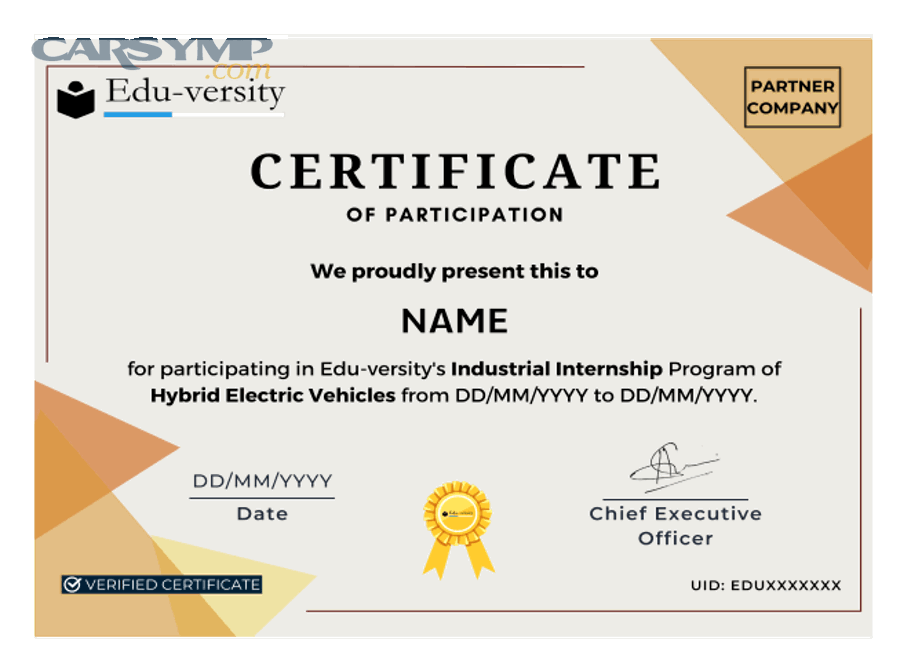
Check the scope: what work the credential actually covers
Scope matters because “EV service” can mean many things. Next, confirm whether the credential covers diagnosis, high-voltage component work, programming, or only awareness-level safety.
Ask the shop to describe what they can do in-house vs what they sublet. Subletting isn’t automatically bad—but it should be transparent, especially when it changes timeline, cost, or warranty responsibility.
Check the currency: recertification and continuing education
Currency matters because EV systems evolve quickly. Next, ask whether credentials are current and how the shop keeps training updated.
Many credential systems require periodic renewal or continuing education. This matters for newer architectures (heat pumps, integrated drive units, 800V systems, newer charging protocols) where older training may not translate cleanly.
According to U.S. credential listings that reference EVT (Electric Vehicle Technician) recertification expectations, continuing education hours can be part of maintaining the credential—reinforcing why “current” is an important detail, not a formality.
Check the documentation: how the shop proves what it did
Documentation protects you: diagnostic findings, test results, parts used, calibrations performed, and post-repair scans. Next, request a clear summary in the invoice notes when the repair is EV-related.
For hybrid/EV repairs, good documentation may include: pre-scan and post-scan results, isolation or safety verification statements when relevant, and any software/calibration steps completed. This helps if you need warranty support, resale transparency, or follow-up diagnosis.
Check the warranty language: parts, labor, and limitations
Warranty clarity reduces conflict: what’s covered, for how long, and what conditions void coverage. Next, ask about labor warranty separate from parts warranty, especially for expensive EV components.
Some warranties cover only the replaced part, not diagnostics, towing, or downstream issues. Others exclude software updates, calibration costs, or “related” components. The best shops explain these boundaries upfront and put them in writing on the estimate or invoice.
Supplementary: credential scope, credential currency, documentation quality, repair warranty language
Unique/Rare: recertification cycles, EV calibration requirements, post-repair verification records
FAQ
Do I always need a certified hybrid/EV specialist for routine maintenance?
No, not always—basic items like tires, wiper blades, cabin filters, and many brake services can be handled by competent general shops, but hybrid/EV specialization becomes important when HV systems, charging, or software-driven faults are involved. Next, match the shop to the task risk.
What are red flags that a shop is “EV-curious” but not EV-capable?
Yes—there are clear red flags: vague answers about safety steps, no mention of verification, inability to explain onboard charger vs EVSE, and quoting major parts without test results. Next, use the verification checklist and insist on a test plan.
Can an independent shop handle battery or inverter work safely?
Yes, if the shop has the right training, PPE, tools, and documented process. Next, confirm isolation/verification routines and ask who performs the HV work on your vehicle.
Are shop certifications more important than technician certifications?
Both matter: technician credentials indicate skill, while shop-level signals indicate coverage depth, workflow maturity, and consistency. Next, prioritize the combination: trained people supported by a prepared facility.
How should I choose if my problem is intermittent and hard to reproduce?
Choose the most process-driven diagnostician: look for structured testing, data logging, and clear validation steps. Next, ask how they handle intermittent faults (repeat visits policy, documentation, and thresholds for conclusions).