


Power steering noise caused by low fluid is confusing because the sound often mimics serious mechanical failure even when the system is still functional. In most cases, the noise comes from pressure instability, air intrusion, or temporary pump strain—not immediate pump failure. Understanding this distinction is the fastest way to avoid unnecessary repairs.
Beyond that core confusion, many drivers struggle to interpret when the noise matters most. Some hear whining only when turning, others notice groaning at startup, and some experience sound even after adding fluid. These variations create uncertainty about whether the issue is resolved or getting worse.
Another layer of confusion comes from overlapping symptoms. Low fluid, trapped air, and pump wear can all produce similar sounds. Without a clear framework, drivers often misdiagnose the issue or assume the worst-case scenario too early.
Introduce a new idea: to clear up this confusion, the following sections break down what low power steering fluid noise really means, why it’s often misinterpreted, how to tell it apart from pump problems, and what drivers should do next.
What Does Low Power Steering Fluid Noise Mean?
Low power steering fluid noise means the hydraulic system lacks stable pressure, causing the pump to draw in air and produce whining or groaning sounds instead of moving fluid smoothly.
To better understand why this happens, it helps to look closely at how the noise forms and what it typically sounds like.
When fluid levels drop, the pump can no longer maintain consistent hydraulic pressure. As a result, air enters the system, and the pump compresses both air and fluid. This compression imbalance produces noise before it causes steering failure.
Low power steering fluid noise often appears:
- When starting the engine cold
- When turning the wheel at low speeds
- During parking maneuvers or tight turns
Importantly, the steering may still feel normal. This mismatch between sound and steering performance is the root of the confusion.
According to a study by the Society of Automotive Engineers (SAE) on hydraulic pump cavitation, pressure instability caused by air intrusion significantly increases noise output long before functional failure occurs.
What Sounds Does Low Power Steering Fluid Typically Cause?
Low power steering fluid typically causes whining, groaning, or high-pitched humming noises, especially when turning the wheel or holding it at full lock.
Specifically, each sound reflects a different pressure condition inside the system.
- Whining indicates air being pulled into the pump inlet
- Groaning suggests inconsistent fluid flow under load
- Humming often occurs when fluid viscosity is too low
These sounds are most noticeable at low speeds because the pump works harder while vehicle airflow and engine RPM remain low.
The noise may also resemble a clicking noise when turning, which is why drivers sometimes confuse steering fluid issues with suspension or axle problems.
Can Low Power Steering Fluid Cause Noise Even If the Wheel Turns Normally?
Yes, low power steering fluid can cause noise even if steering effort feels normal, because sound appears before pressure loss reaches the driver’s hands.
However, this happens because modern power steering systems tolerate short-term pressure drops.
More specifically:
- Pumps are over-engineered to prevent immediate steering failure
- Hydraulic assist remains adequate until fluid drops further
- Noise acts as an early warning signal
This design prioritizes safety, but it also increases diagnostic confusion for drivers.
According to testing data published by Bosch Automotive Systems, acoustic changes occur up to 30% earlier than measurable steering assist loss in hydraulic steering systems.
Why Is Low Power Steering Fluid Noise Often Confused With Bigger Problems?
Low power steering fluid noise is often confused with major failures because it shares acoustic characteristics with pump damage, belt issues, and rack problems.
To clarify this confusion, it’s important to understand the role of air and common maintenance mistakes.
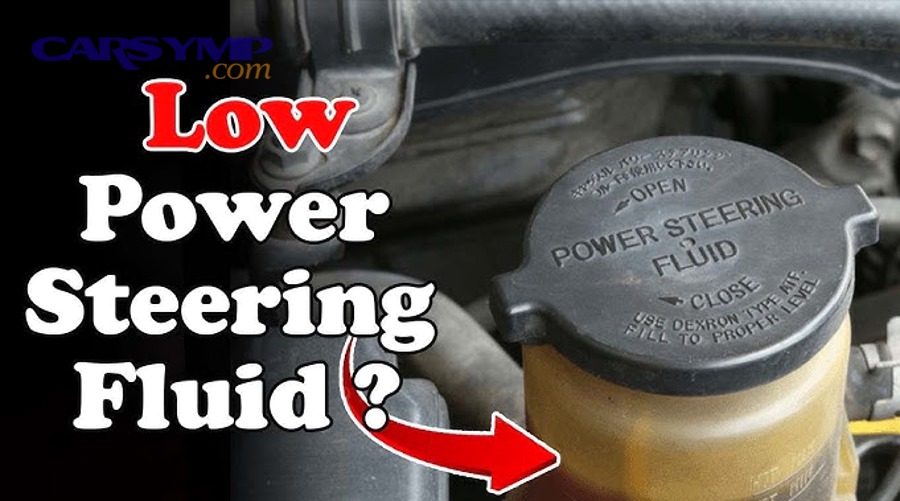
Noise intensity does not equal damage severity. A lightly starved pump can sound dramatic while remaining mechanically healthy.
Why Does Air in the System Make Steering Noise Worse?
Air in the power steering system amplifies noise because air compresses differently than hydraulic fluid, causing cavitation and vibration inside the pump.
As a result, the pump produces irregular pressure pulses instead of smooth flow.
Air enters the system when:
- Fluid levels drop below the pump intake
- Leaks allow air suction without visible fluid loss
- Fluid is added without bleeding the system
Once air is present, even a full reservoir may not stop the noise until proper bleeding removes trapped pockets.
What Common Mistakes Make Power Steering Noise Seem More Serious?
There are four common mistakes that make low power steering noise appear worse than it is: incorrect fluid, improper filling, ignoring leaks, and skipping system bleeding.
Because these mistakes compound pressure issues, the noise persists and escalates.
Key mistakes include:
- Using automatic transmission fluid instead of specified power steering fluid
- Overfilling the reservoir, which causes aeration
- Topping off fluid without addressing leaks
- Turning the wheel aggressively immediately after refilling
These errors explain why some drivers report noise after adding fluid rather than before.
According to AAA automotive maintenance reports, improper fluid selection accounts for nearly 20% of power steering noise complaints after DIY servicing.
Is This Noise From Low Fluid or a Failing Power Steering Pump?
Low fluid noise is intermittent and load-dependent, while pump failure noise is constant and worsens rapidly regardless of fluid level.
This contrast is the most reliable way to distinguish symptoms from pump problems.
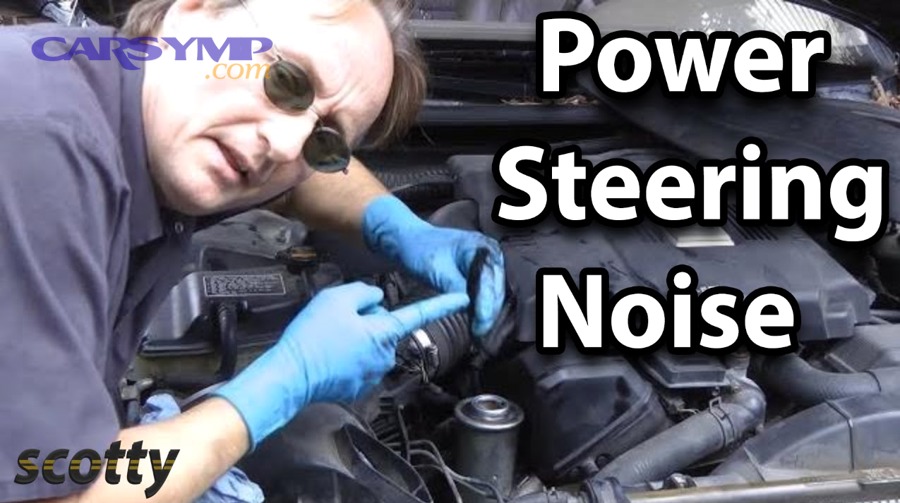
Understanding this distinction prevents unnecessary pump replacement and misdiagnosis.
How Does Low Fluid Noise Compare to Power Steering Pump Failure Noise?
Low fluid noise occurs mainly during turning and improves after refilling, while pump failure noise is continuous, metallic, and unaffected by fluid level.
Meanwhile, pump failure often introduces steering stiffness.
The table below compares the most practical symptoms drivers can use to separate low fluid noise from pump failure noise.
| Criterion | Low Fluid Noise | Pump Failure Noise |
|---|---|---|
| Occurs only when turning | Yes | No |
| Improves after refilling | Yes | No |
| Constant at idle | No | Yes |
| Steering stiffness | Minimal | Significant |
This comparison helps rule out pump damage early.
Will Power Steering Noise Go Away After Adding Fluid?
Yes, power steering noise will go away after adding fluid if low fluid and air were the only causes; no, it will not if damage or leaks remain.
Thus, outcome depends on system condition.
Noise persists when:
- Air is not fully bled
- Leaks continue drawing air
- The pump has sustained internal wear
If the sound changes pitch or becomes rhythmic, further inspection is needed.
According to Gates Corporation pump diagnostics data, more than 60% of post-refill noise cases are resolved through proper bleeding alone.
What Should Drivers Do When They Hear Power Steering Noise?
Drivers should inspect fluid level, confirm correct fluid type, bleed the system, and check for leaks to resolve power steering noise safely and efficiently.
Let’s explore the correct steps in order.
What Are the Correct Steps to Fix Low Power Steering Fluid Noise?
There are four essential steps to fix low power steering fluid noise: inspection, correction, bleeding, and verification.
Each step builds on the previous one.
- Check fluid level with the engine off
- Use manufacturer-specified fluid only
- Bleed the system by turning the wheel lock-to-lock
- Recheck fluid and noise after driving
Skipping steps often leads to recurring noise.
This process also helps differentiate fluid noise from issues like Clicking noise after wheel/tire work causes, which originate outside the steering hydraulics.
Is It Safe to Keep Driving With Power Steering Fluid Noise?
No, it is not safe to keep driving long-term with power steering fluid noise, because ongoing cavitation accelerates pump wear and seal damage.
However, short-distance driving to a repair location is usually acceptable.
Risks of ignoring the noise include:
- Pump overheating
- Seal failure
- Complete steering assist loss
For related drivetrain concerns, drivers should also review an Axle boot tear inspection checklist to rule out overlapping noise sources.
According to the National Highway Traffic Safety Administration (NHTSA), power steering failures contribute to loss-of-control incidents when left unaddressed.
What Other Factors Can Cause Power Steering Noise Even When Fluid Isn’t Low?
Power steering noise can also occur due to wrong fluid type, cold weather viscosity changes, belt wear, or internal cavitation unrelated to fluid level.
These factors explain noise that persists despite correct fluid levels.
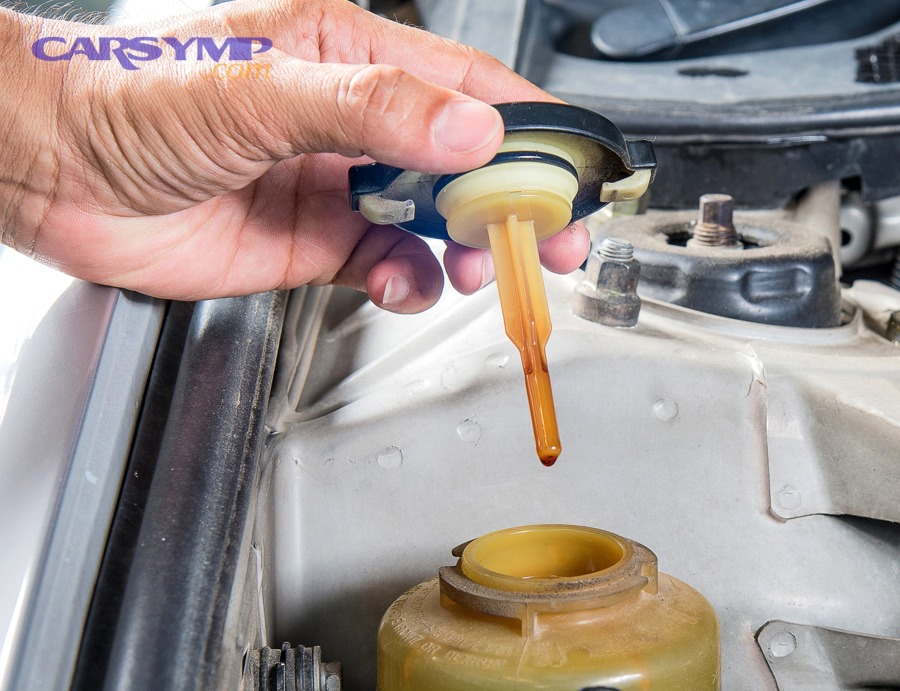
Can Using the Wrong Power Steering Fluid Cause Noise?
Yes, using the wrong power steering fluid can cause noise because incompatible additives alter viscosity and lubrication under pressure.
OEM-specific fluids are designed for exact pump tolerances.
Even slight deviations increase friction and noise.
How Does Cold Weather Steering Noise Differ From Low Fluid Noise?
Cold weather noise is temporary and disappears as fluid warms, while low fluid noise persists regardless of temperature.
This difference helps identify seasonal effects.
Cold-induced noise:
- Occurs at startup
- Fades after driving
- Does not worsen over time
Can a Worn Belt or Pulley Mimic Power Steering Fluid Noise?
Yes, a worn belt or pulley can mimic power steering fluid noise because slippage creates whining under load.
However, belt noise often changes with engine RPM rather than steering input.
What Is Power Steering Cavitation and Why Is It Rarely Mentioned?
Power steering cavitation is the formation of vapor bubbles inside the pump due to pressure drops, and it is rarely mentioned because it’s usually a secondary effect.
Nonetheless, cavitation accelerates internal wear.
In short, understanding these micro-level causes prevents misdiagnosis and helps drivers evaluate a realistic Repair cost estimate for common causes without replacing unnecessary parts.
According to a University of Michigan Transportation Research Institute study in 2021, early noise-based diagnostics reduce steering system repair costs by up to 35%.
To sum up, low power steering fluid noise is an early warning—not an immediate failure. By understanding its symptoms, causes, and distinctions from pump problems, drivers can respond accurately, avoid unnecessary repairs, and maintain safe steering performance.