


A torn CV axle boot should be inspected as soon as possible using a structured checklist because early detection prevents grease loss, joint contamination, and full axle failure. This article gives you a clear, step-by-step inspection process designed specifically for DIY car owners who want accurate answers before costly repairs.
Next, many drivers want to understand what a CV axle boot actually does and why such a small rubber component can cause serious drivetrain problems when damaged. Knowing its function helps you inspect it correctly rather than guessing.
Then, you’ll learn exactly how to inspect a CV axle boot for tears, leaks, and hidden damage using simple tools and visual checks you can perform at home, even without professional equipment.
Introduce a new idea: beyond inspection, this guide also explains visible warning signs, timing for inspections, and what happens if a torn CV axle boot is ignored—so you can make confident repair decisions.
What Is a CV Axle Boot and Why Does It Need Inspection?
A CV axle boot is a flexible protective cover that seals grease inside the constant velocity joint while blocking dirt, water, and debris from entering the axle assembly.
To better understand why inspection matters, it helps to connect the boot’s function directly to drivetrain reliability.
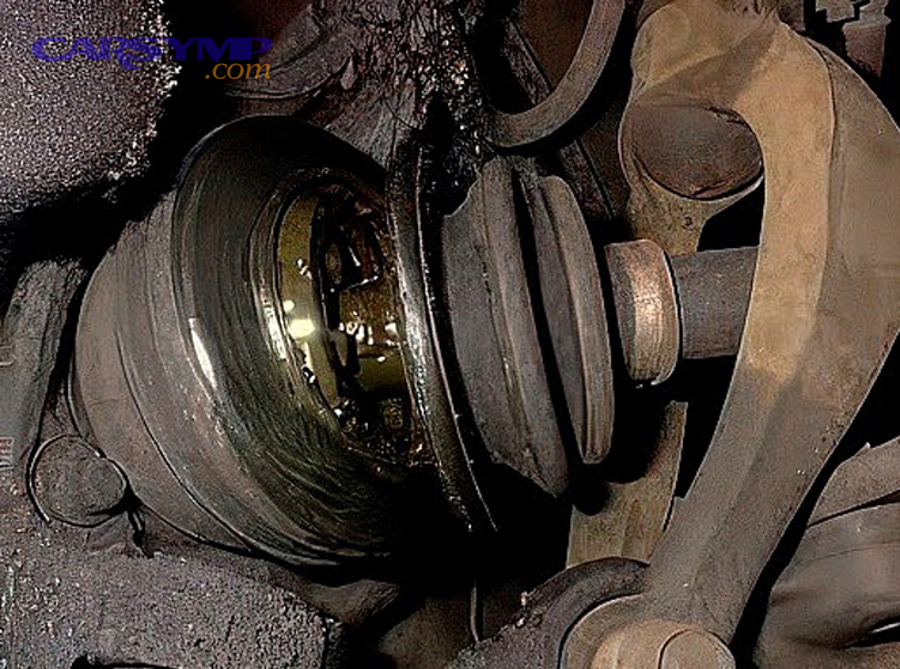
The CV axle boot is typically made from rubber or thermoplastic and is installed at each end of the axle—inner and outer. Its primary job is containment and protection. The boot keeps high-temperature grease around the CV joint bearings while flexing constantly as the suspension moves and the wheels turn. Because of this constant motion, the boot is exposed to heat, road debris, salt, and age-related cracking.
When the boot fails, grease escapes and contaminants enter. This creates friction inside the CV joint, which accelerates wear and leads to noise, vibration, and eventual joint failure. Inspection is necessary because boot damage usually occurs before the CV joint itself is damaged—making early detection the difference between a low-cost boot replacement and a full axle replacement.
What Does a CV Axle Boot Protect?
The CV axle boot protects the constant velocity joint, which transfers engine power to the wheels while allowing suspension movement and steering angles.
Specifically, the boot safeguards three critical elements:
- Lubrication: It retains specialized grease that prevents metal-to-metal contact inside the joint
- Joint bearings: It shields ball bearings or tripod bearings from contamination
- Smooth power delivery: It ensures consistent torque transfer at varying angles
Without this protection, even a healthy CV joint can degrade rapidly. Dirt and water contamination changes grease consistency, increasing friction and heat. Over time, this leads to the familiar symptoms many drivers experience, such as vibration or a clicking noise when turning.
Can a Small CV Axle Boot Tear Cause Major Damage?
Yes, a small CV axle boot tear can cause major damage because it leads to grease loss, contamination, and accelerated CV joint wear.
More importantly, this progression happens in stages:
- First, grease escapes through the tear and coats nearby suspension parts
- Next, dirt and moisture enter the joint, degrading lubrication
- Finally, internal bearings wear unevenly, causing noise and failure
This is why many CV joint clicking diagnosis cases trace back to a torn boot that went unnoticed. According to automotive service data, a CV joint can fail within a few thousand miles once contamination begins, even if the tear initially looks minor.
How Do You Inspect a CV Axle Boot for Tears?
You inspect a CV axle boot by following a step-by-step visual and physical checklist that checks for cracks, grease leaks, clamp damage, and material brittleness to confirm boot integrity.
Below, this inspection process is broken down so DIY car owners can perform it safely and accurately.
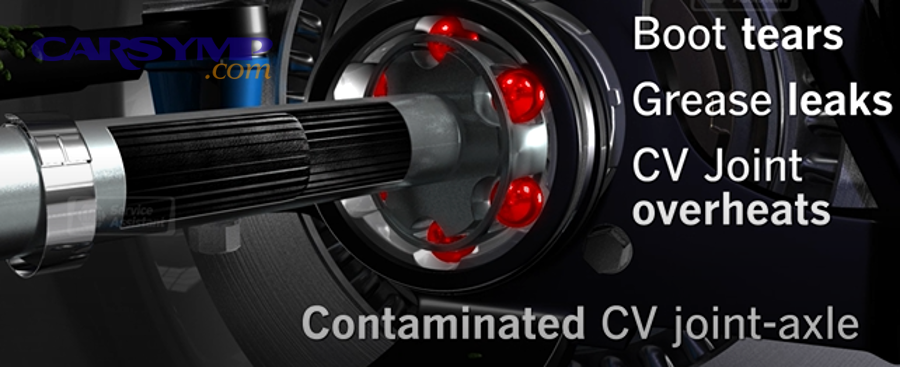
Before starting, ensure the vehicle is parked on a level surface with the parking brake engaged. A flashlight, gloves, and basic jack equipment improve visibility and access but are not strictly required.
What Are the Step-by-Step Checks in a CV Axle Boot Inspection?
There are five main steps in a CV axle boot inspection checklist, based on access, visibility, and confirmation of failure:
- Secure the vehicle
Turn the steering wheel fully left and right to expose the outer CV boots. If needed, jack up the vehicle and support it with jack stands. - Perform a visual scan
Look for visible cracks, splits, or grease splatter on suspension components, wheel wells, and underbody panels. - Check for grease leaks
CV grease is thick and dark. If you see it sprayed outward in a circular pattern, the boot has likely torn during rotation. - Inspect boot flexibility
Gently squeeze the boot. Brittle, stiff, or cracking rubber indicates imminent failure even if no tear is visible yet. - Examine boot clamps
Loose or missing clamps can cause grease leaks even if the boot itself appears intact.
This checklist is especially useful when performing DIY checks before visiting a shop, allowing you to confirm whether professional repair is necessary.
Do You Need to Remove the Wheel to Inspect an Axle Boot?
No, you do not always need to remove the wheel to inspect an axle boot, but removal improves accuracy and visibility.
In many vehicles, turning the steering wheel fully outward exposes the outer CV boot sufficiently for inspection. However, removing the wheel allows you to:
- Inspect the inner CV boot more easily
- Confirm grease sling patterns behind the hub
- Detect small cracks hidden by suspension geometry
If you recently experienced a Clicking noise after wheel/tire work causes, wheel removal is recommended because disturbed suspension components can reveal pre-existing boot damage.
What Are the Visible Signs of a Torn CV Axle Boot?
The visible signs of a torn CV axle boot include grease splatter, cracked rubber, loose clamps, and boot deformation near folds.
Understanding these signs helps distinguish cosmetic aging from functional failure.
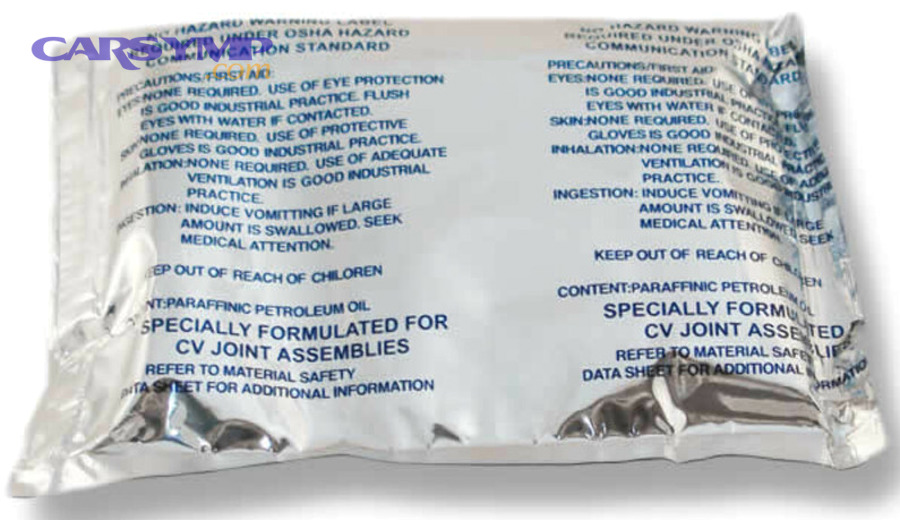
These indicators usually appear before drivability symptoms, making visual inspection a powerful preventive tool.
What Visual Symptoms Indicate a CV Axle Boot Tear?
There are four common visual symptoms that reliably indicate a torn CV axle boot:
- Grease splatter: Dark grease sprayed onto control arms, struts, or wheel wells
- Visible splits: Tears often form along boot folds where flexing stress is highest
- Loose clamps: Missing or displaced clamps allow grease to escape under rotation
- Boot collapse: Deformed boots may indicate internal pressure loss
Grease splatter is particularly diagnostic because it spreads outward due to centrifugal force, creating a radial pattern that points directly to the axle.
How Is Normal Boot Wear Different From a Torn CV Axle Boot?
Normal boot wear shows surface aging without grease loss, while a torn CV axle boot shows structural failure with active leakage.
Specifically:
- Normal wear: Minor surface cracks, flexible rubber, no grease present
- Torn boot: Deep splits, hardened material, visible grease contamination
This distinction matters because surface cracking alone does not require immediate repair, while a torn boot does. Many drivers misinterpret early wear and delay inspection until they hear a clicking sound—often too late to save the joint.
When Should You Inspect Your CV Axle Boots?
You should inspect your CV axle boots during routine maintenance, after suspension work, or immediately when abnormal noises or grease leaks appear.
Timing matters because boot damage progresses quickly once contamination begins.

CV axle boots operate in harsh conditions and should be treated as wear-prone components rather than lifetime parts.
What Situations Require Immediate CV Axle Boot Inspection?
Immediate inspection is required in these situations:
- After hearing clicking or popping noises during turns
- After driving in deep water, mud, or snow
- After off-road use or curb impact
- After suspension, brake, or wheel service
Many CV joint clicking diagnosis cases originate after unrelated service work, where boot damage existed but was not previously visible.
Should CV Axle Boots Be Inspected During Routine Maintenance?
Yes, CV axle boots should be inspected during routine maintenance because early detection prevents costly drivetrain repairs.
Specifically, inspection during oil changes or tire rotations allows technicians—or DIY owners—to catch:
- Early cracks before tearing
- Loose clamps before grease loss
- Environmental damage from salt or heat
In short, routine inspection turns a reactive repair into a preventive one.
What Happens If a Torn CV Axle Boot Is Not Repaired?
If a torn CV axle boot is not repaired, grease loss and contamination will cause progressive CV joint damage, leading to noise, vibration, and eventual axle failure.
This section expands beyond inspection to explain long-term consequences.
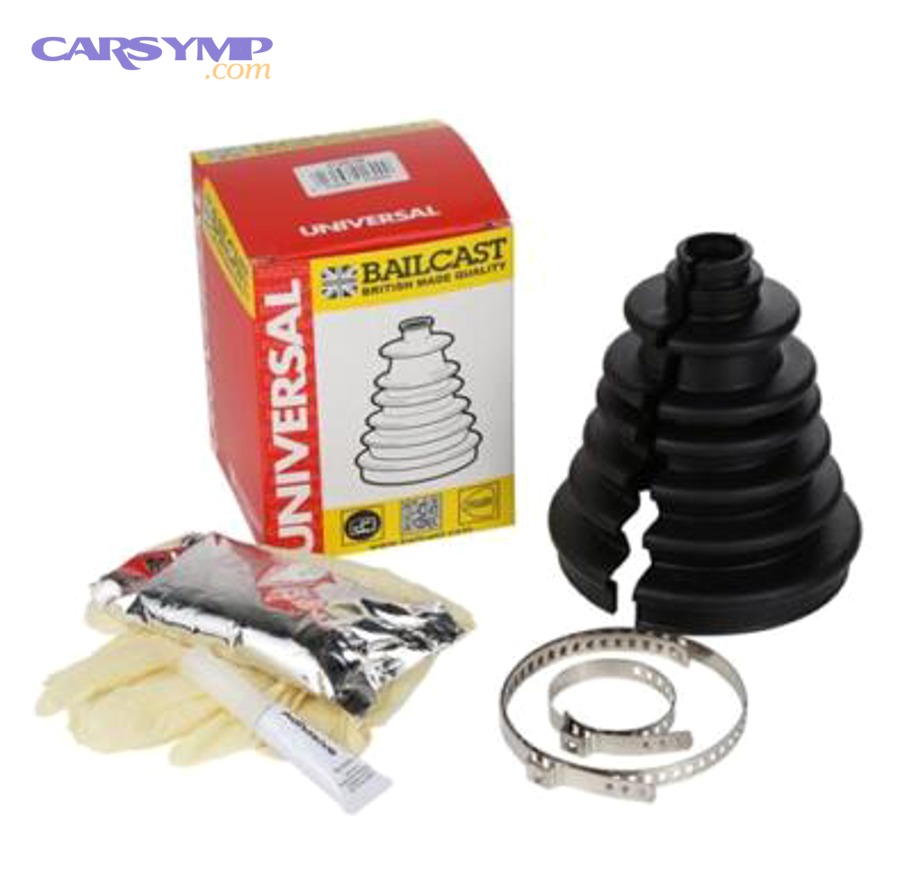
Ignoring boot damage transforms a simple rubber component issue into a drivetrain reliability problem.
How Does CV Axle Boot Failure Differ From CV Joint Failure?
CV axle boot failure causes exposure, while CV joint failure causes mechanical breakdown.
The progression typically follows this sequence:
- Boot tears → grease leaks
- Contamination enters joint
- Bearings wear unevenly
- Joint begins clicking or binding
- Axle replacement becomes necessary
This explains why clicking noises often appear weeks or months after the initial tear.
What Is Grease Contamination and Why Does It Accelerate Wear?
Grease contamination occurs when dirt and moisture mix with CV joint lubricant, reducing its protective properties.
Once contaminated, grease loses viscosity and fails to prevent friction, causing rapid bearing wear and heat buildup inside the joint.
Can You Drive Safely With a Torn CV Axle Boot?
Yes, you can drive short distances with a torn CV axle boot, but it is not safe long-term because joint damage progresses quickly.
Short-term driving may be unavoidable, but continued use risks sudden joint failure—especially under acceleration or sharp turning.
What Uncommon Conditions Cause Early CV Axle Boot Failure?
Rare but significant causes of early CV axle boot failure include:
- Heat exposure from performance exhaust routing
- Off-road debris cutting boot folds
- Extreme steering angles in lifted vehicles
- Chemical degradation from oil or solvent exposure
These conditions explain why some boots fail prematurely even on low-mileage vehicles.
In short, inspecting a torn CV axle boot using a structured checklist gives DIY car owners a reliable way to prevent expensive drivetrain repairs. By understanding what to look for, when to inspect, and why early action matters, you can make informed decisions before symptoms escalate into failure.