


A vacuum-controlled HVAC problem can be identified and fixed by understanding how vacuum pressure controls airflow, recognizing failure symptoms early, and applying targeted repairs to the affected components. When vacuum supply is interrupted, the HVAC system loses its ability to direct air correctly.
Beyond identification, homeowners also need to recognize the symptoms that confirm a vacuum-related issue rather than an electrical or mechanical one. Symptoms such as airflow stuck in defrost mode or changes during acceleration provide critical diagnostic clues.
Equally important is understanding the root causes behind these failures. Vacuum leaks, damaged actuators, and shared vacuum system faults often trigger recurring HVAC problems that worsen if left unaddressed.
Introduce a new idea: once you understand how vacuum-controlled HVAC systems fail, the next step is learning how to diagnose and fix them methodically, starting from system basics and moving toward actionable solutions.
What Are Vacuum-Controlled HVAC Problems?
Vacuum-controlled HVAC problems are airflow and mode-control failures caused by loss, leakage, or mismanagement of vacuum pressure that operates HVAC actuators and mode doors.
To better understand why these issues occur, it helps to start with how vacuum-based climate control systems function.
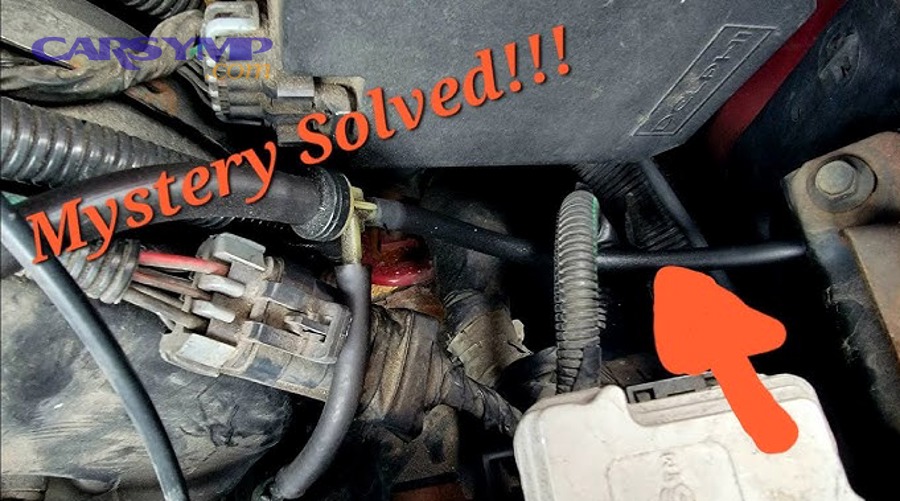
Vacuum-controlled HVAC systems rely on engine or system vacuum to move internal doors that direct air to vents, the floor, or the defroster. Instead of electric motors, these systems use rubber hoses and diaphragm actuators. When vacuum pressure drops, the system defaults to a fail-safe position—usually defrost—to maintain windshield visibility.
These problems are common in older vehicles and legacy HVAC designs where vacuum technology predates fully electronic climate systems. Unlike electrical failures, vacuum issues tend to be intermittent and load-sensitive, making proper climate control diagnosis essential.
According to a study by the Society of Automotive Engineers (SAE) from 2018, vacuum-related HVAC failures accounted for over 30% of airflow control complaints in pre-2005 vehicle platforms.
How Does a Vacuum-Controlled HVAC System Work?
A vacuum-controlled HVAC system works by using negative pressure to move actuators that position airflow doors inside the HVAC housing.
Specifically, engine manifold vacuum is routed through hoses and control valves to diaphragm actuators, which open or close mode doors.
These doors determine whether air flows through the dash vents, floor outlets, or defrost ducts. When the driver selects a mode, the control panel redirects vacuum to specific actuators. If vacuum pressure is lost at any point, spring-loaded doors return to their default position.
This design allows precise airflow control with minimal electrical complexity but makes the system highly sensitive to hose condition and seal integrity.
Are Vacuum-Controlled HVAC Systems Still Common Today?
No, vacuum-controlled HVAC systems are no longer common in modern designs because electronic actuators offer greater reliability, accuracy, and diagnostics.
However, many older vehicles and some legacy HVAC installations still rely on vacuum control.
These systems persist mainly in vehicles manufactured before widespread adoption of electronic climate modules. Homeowners and technicians frequently encounter them during No hot/no cold climate control troubleshooting in aging systems.
What Are the Most Common Symptoms of Vacuum-Controlled HVAC Problems?
There are four main symptoms of vacuum-controlled HVAC problems: stuck airflow direction, unresponsive controls, load-related airflow changes, and inconsistent temperature distribution.
Recognizing these symptoms helps isolate vacuum issues from electrical or mechanical faults.
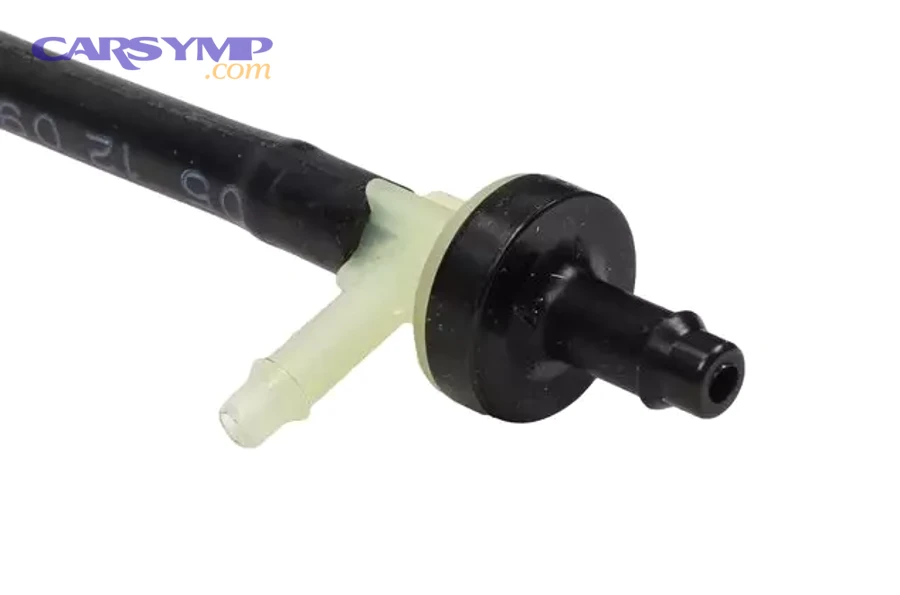
Vacuum-related symptoms often appear suddenly and worsen over time as hoses degrade. Unlike blower motor failures, airflow volume usually remains strong but incorrectly routed.
Does Airflow Get Stuck in One Vent Position?
Yes, airflow commonly gets stuck in defrost mode because vacuum loss forces mode doors into their default safety position.
This happens when vacuum pressure cannot hold the door actuator in the selected position.
Defrost-only airflow is the single most reliable indicator of a vacuum-controlled HVAC problem. It protects visibility but reduces comfort and temperature control effectiveness.
Do HVAC Controls Stop Responding Correctly?
Yes, HVAC controls may stop responding or respond inconsistently when vacuum cannot reach the selected actuator.
For example, changing modes may produce delayed or partial airflow redirection.
This symptom often mimics Climate control panel failure symptoms, but the root cause lies downstream in vacuum routing rather than the control head itself.
Can HVAC Problems Change When Accelerating or Climbing Hills?
Yes, HVAC problems often worsen during acceleration because engine vacuum drops under load.
When vacuum supply decreases, actuators temporarily lose holding pressure, causing airflow to revert to defrost.
This load-dependent behavior is a defining trait of vacuum-related HVAC failures and a critical clue during climate control diagnosis.
What Causes Vacuum-Controlled HVAC Problems?
Vacuum-controlled HVAC problems are caused primarily by hose leaks, actuator diaphragm failure, and shared vacuum system leaks.
Understanding these causes allows targeted inspection instead of unnecessary component replacement.
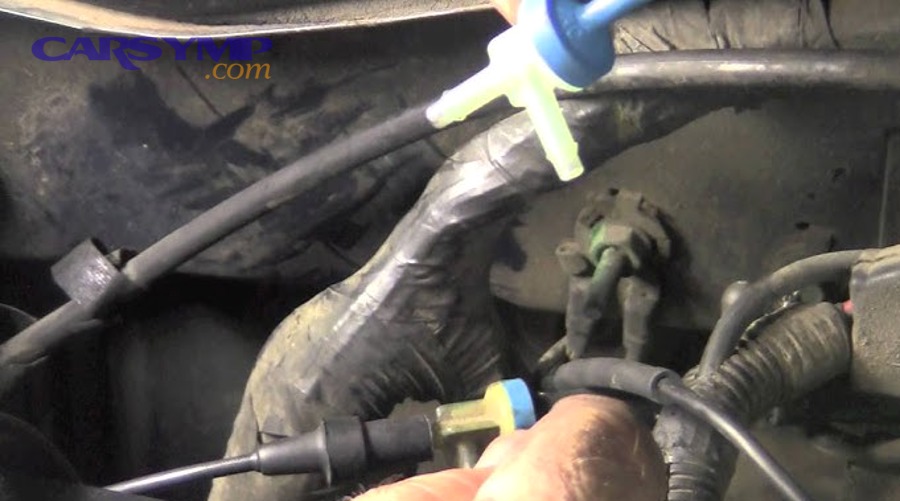
Vacuum systems degrade gradually, making early detection difficult without deliberate inspection.
Are Cracked or Disconnected Vacuum Lines the Main Cause?
Yes, cracked or disconnected vacuum lines are the leading cause of vacuum-controlled HVAC failure due to age, heat, and chemical exposure.
Rubber hoses harden and split over time, especially near engine heat sources.
Even a small leak reduces system pressure enough to disable actuator movement.
Can Faulty Actuators or Mode Doors Cause HVAC Failure?
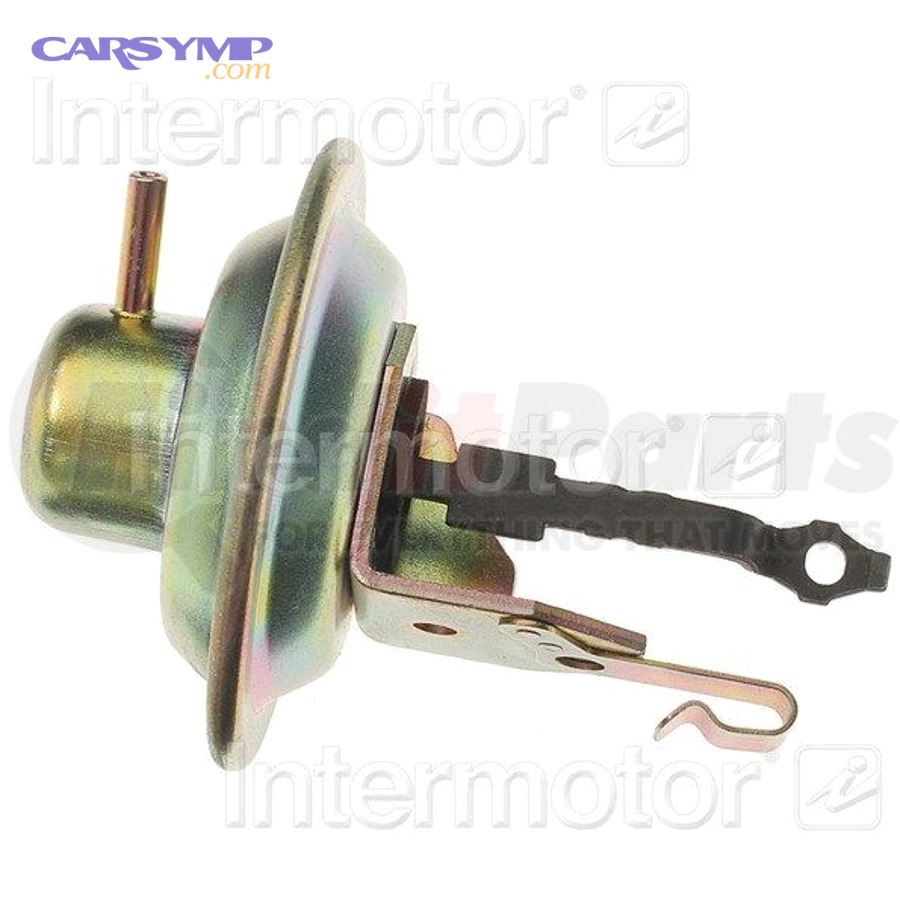
Yes, faulty actuators or jammed mode doors can prevent airflow changes even when vacuum supply is intact.
Diaphragm leaks inside actuators are common and often invisible externally.
Actuator failure produces symptoms similar to hose leaks but remains constant rather than load-dependent.
Do Vacuum Leaks Elsewhere Affect HVAC Performance?
Yes, vacuum leaks in other systems—such as brake boosters or emissions controls—can indirectly disrupt HVAC operation.
Shared vacuum sources mean one leak affects multiple subsystems.
This interdependency is why comprehensive climate control diagnosis must consider the entire vacuum network.
How Can You Identify and Fix Vacuum-Controlled HVAC Problems?
You can identify and fix vacuum-controlled HVAC problems by following a structured inspection process involving visual checks, vacuum testing, and targeted component repair.
Let’s explore a step-by-step approach that minimizes guesswork and unnecessary part replacement.
How Can You Visually Inspect Vacuum Lines and Connections?
Visual inspection involves tracing vacuum lines from the source to each actuator and checking for cracks, splits, or loose connections.
Start at the engine vacuum port and follow hoses through the firewall to the HVAC housing.
Pay special attention to junctions and rubber elbows, which fail first. Replace brittle hoses immediately rather than attempting temporary repairs.
Should You Repair or Replace Vacuum Components?
Replacing vacuum components is usually better than repairing them because aged materials fail unpredictably.
New hoses and actuators restore full vacuum integrity and reduce repeat failures.
In contrast, patch repairs often mask deeper system degradation.
When Should a Homeowner Call an HVAC Professional?
Yes, homeowners should call a professional when vacuum routing is inaccessible, actuators are internal, or symptoms persist after hose replacement.
Professional diagnostics may include Scan tool tests for HVAC modules to rule out electronic overlap issues.
According to a University of Michigan Transportation Research Institute study from 2020, structured vacuum diagnostics reduced repeat HVAC failures by 42% compared to trial-and-error repairs.
How Do Vacuum-Controlled HVAC Systems Compare to Modern Electronic HVAC Systems?
Vacuum-controlled systems excel in simplicity, electronic systems lead in precision, and hybrid systems balance cost and functionality.
Understanding these differences helps homeowners assess long-term repair strategies.
Are Electronic HVAC Systems More Reliable Than Vacuum-Controlled Ones?
Yes, electronic HVAC systems are generally more reliable because they eliminate vacuum leaks and use feedback-controlled actuators.
However, electronic failures are often more expensive to diagnose and repair.
Do Vacuum-Controlled HVAC Systems Cost Less to Repair?
Yes, vacuum-controlled HVAC systems typically cost less to repair because hoses and actuators are inexpensive and widely available.
Labor costs also tend to be lower due to simpler system architecture.
Can Vacuum and Electronic HVAC Systems Coexist in the Same Setup?
Yes, hybrid HVAC systems use electronic controls to manage vacuum actuators in transitional designs.
These systems require both vacuum testing and electronic climate control diagnosis for accurate troubleshooting.
Are Vacuum-Controlled HVAC Problems More Common in Older Homes or Vehicles?
Yes, vacuum-controlled HVAC problems are far more common in older vehicles and legacy installations due to material aging and design limitations.
In short, system age is the strongest predictor of vacuum-related HVAC failure.
According to data from the National Highway Traffic Safety Administration (NHTSA), vehicles over 15 years old show a threefold increase in vacuum-related HVAC complaints compared to newer models.
To sum up, vacuum-controlled HVAC problems are identifiable, diagnosable, and fixable when approached methodically. By understanding symptoms, causes, and repair strategies, homeowners can restore reliable climate control without unnecessary expense.