


Modern HVAC systems rely heavily on sensors to maintain accurate temperatures and consistent comfort. When those sensors fail, even a high-quality system can behave unpredictably—blowing hot air when cooling is needed, cycling too often, or failing to reach the desired temperature. Diagnosing common HVAC sensor issues is therefore essential to restoring both home comfort and system accuracy.
At the core of these problems are faulty readings, incorrect sensor placement, or degraded sensor performance over time. HVAC sensors—including temperature sensors and cabin temp sensor components in certain climate control setups—directly influence how the system decides when to heat, cool, or shut off. Understanding how these issues appear helps homeowners and technicians respond faster and avoid unnecessary repairs.
Beyond basic identification, many homeowners want to know whether sensor issues can be diagnosed at home, how they differ from thermostat problems, and what typically causes them in the first place. These questions shape the troubleshooting path and determine whether professional service is needed.
Introduce a new idea: before repairs or replacements are considered, it is critical to understand what HVAC sensor issues are, how they affect comfort and accuracy, and how they can be diagnosed logically.
What Are HVAC Sensor Issues?
HVAC sensor issues are malfunctions or inaccuracies in temperature-sensing components that cause incorrect data to be sent to the HVAC control system, leading to improper heating or cooling decisions.
To better understand the impact of these issues, it helps to first examine what HVAC sensors do and why they are essential.
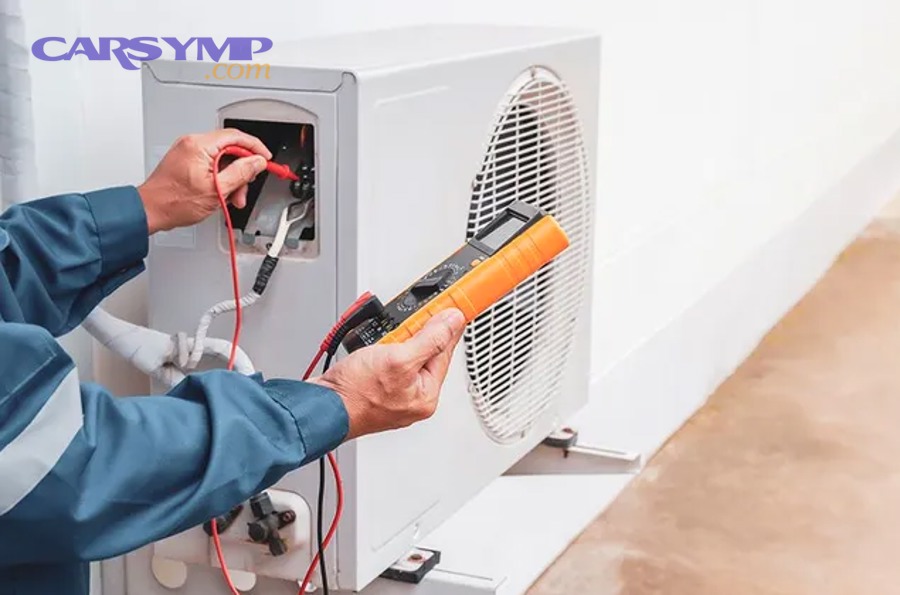
HVAC sensors act as the system’s “eyes,” constantly measuring air temperature and reporting it to the control board or thermostat. When a sensor provides inaccurate readings—whether due to wear, contamination, or misalignment—the system responds based on false information. As a result, the HVAC unit may run longer than necessary, shut off too early, or fail to maintain stable indoor temperatures.
In many climate control systems, especially those with zoned or advanced configurations, the cabin temp sensor plays a similar role by monitoring localized air temperature. When this sensor drifts out of calibration, the system loses its ability to regulate comfort accurately within specific areas.
What Are the Most Common HVAC Sensor Problems?
There are three main types of HVAC sensor problems—misplacement, contamination, and electrical degradation—based on how and why sensor readings become inaccurate.
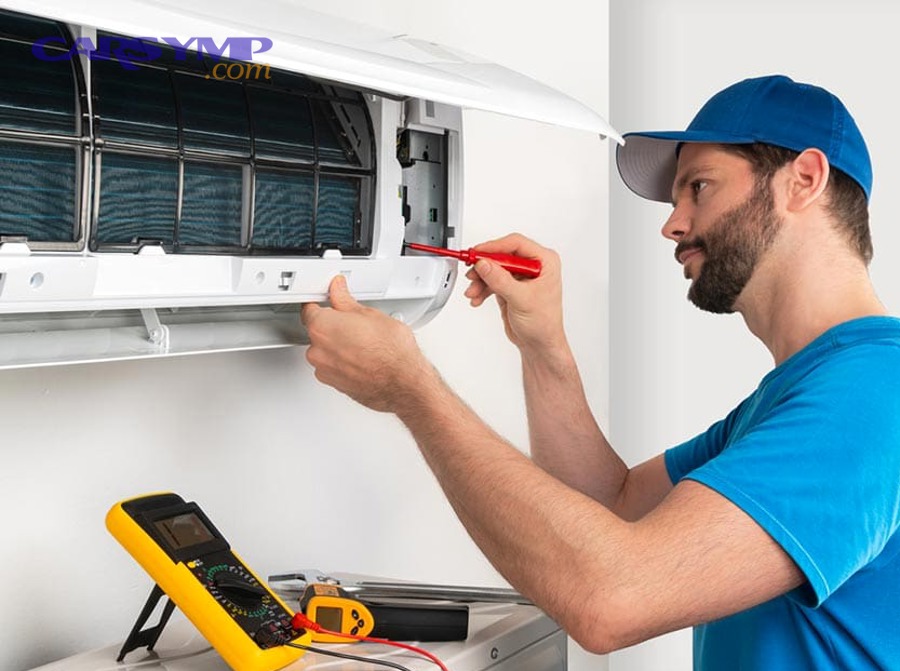
To clarify these categories, it is useful to look at both the types of sensors involved and the symptoms they create.
What Types of HVAC Sensors Commonly Fail?
HVAC systems use several sensor types, each with its own failure patterns.
- Temperature sensors: Measure ambient or return air temperature and are the most common source of inaccurate readings.
- Evaporator coil sensors: Monitor coil temperature to prevent freezing and overheating.
- Return air sensors: Track air entering the system and strongly influence cycling behavior.
These sensors typically fail due to age-related wear, corrosion, or exposure to dust and moisture. In systems with advanced climate control, the cabin temp sensor may also fail when airflow patterns change or interior conditions fluctuate beyond expected ranges.
What Are the Typical Symptoms of HVAC Sensor Failure?
Sensor failures present clear, repeatable symptoms that often confuse homeowners.
- Uneven temperatures between rooms
- Short cycling or extended run times
- Thermostat readings that do not match actual room conditions
These symptoms are often misattributed to major mechanical failures. However, a proper climate control diagnosis frequently reveals that the root cause lies in a small, inexpensive sensor rather than a major system component.
According to a study by the University of Illinois Department of Mechanical Science and Engineering in 2019, inaccurate temperature sensing accounted for over 30% of comfort-related HVAC complaints in residential systems.
Can HVAC Sensor Issues Affect Home Comfort and System Accuracy?
Yes, HVAC sensor issues directly affect both home comfort and system accuracy because all heating and cooling decisions depend on sensor feedback.

To see why this relationship is so strong, it is important to examine how faulty sensors influence airflow and temperature balance.
Do Faulty HVAC Sensors Cause Uneven Heating or Cooling?
Yes, faulty HVAC sensors cause uneven heating or cooling for at least three reasons: incorrect temperature readings, delayed system response, and improper cycle termination.
Specifically, when a sensor underreports temperature, the system continues running longer than necessary, overheating or overcooling certain areas. Conversely, overreported temperatures cause premature shutdowns, leaving rooms uncomfortable.
In zoned systems, a single misreading cabin temp sensor can disrupt balance across multiple zones, making some rooms uncomfortable even when others feel normal.
How Do Sensor Issues Differ From Thermostat Problems?
Sensor issues differ from thermostat problems in both origin and behavior. Sensor failures originate inside the HVAC system, while thermostat problems occur at the user interface level.
However, their symptoms often overlap. Both can cause erratic cycling, incorrect temperature display, and comfort instability.
The key distinction emerges during Blend door actuator diagnosis or internal sensor testing, where sensor data is compared directly to actual temperature readings. Thermostat issues typically involve calibration or communication errors, while sensor problems persist even when thermostat settings are correct.
What Causes HVAC Sensor Issues?
HVAC sensor issues are primarily caused by environmental exposure, mechanical misalignment, and gradual electrical degradation.
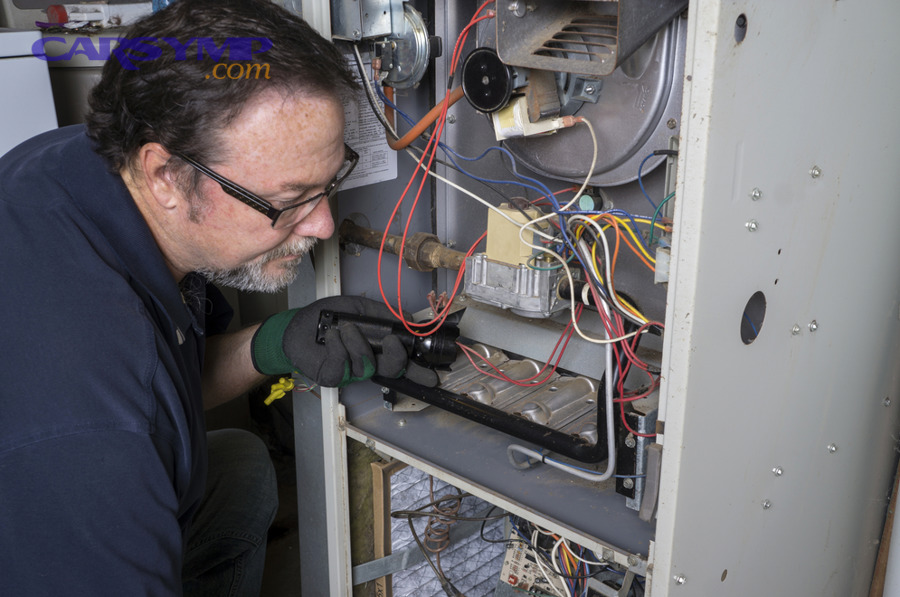
To understand these causes more clearly, each contributing factor should be examined individually.
Are HVAC Sensor Issues Caused by Wear, Dirt, or Misalignment?
Yes, wear, dirt, and misalignment are the most common causes of HVAC sensor issues.
Over time, dust buildup insulates sensors, slowing their response to temperature changes. Mechanical vibration can also shift sensor position, causing it to read air that is hotter or cooler than intended.
In return-air applications, even minor misalignment can skew readings enough to disrupt overall system accuracy. Cabin temp sensor problems often arise when airflow paths change due to filter blockage or interior modifications.
What Is Sensor Misplacement and Why Does It Matter?
Sensor misplacement occurs when a sensor is no longer positioned where it can accurately measure representative air temperature.
This matters because HVAC systems assume that sensor readings reflect true indoor conditions. When sensors drift closer to coils, vents, or heat sources, readings become biased.
Misplacement is especially problematic in systems experiencing No hot/no cold climate control troubleshooting, where symptoms mimic more serious failures but originate from simple positioning errors.
According to a 2020 report by ASHRAE, improper sensor placement can reduce HVAC efficiency by up to 15% in residential systems.
How Can You Diagnose HVAC Sensor Issues?
HVAC sensor issues can be diagnosed by visual inspection, comparative temperature testing, and system response analysis to confirm inaccurate readings.
Next, it helps to determine which diagnostic steps can be handled by homeowners and which require professional tools.

Can Homeowners Diagnose HVAC Sensor Problems Without Tools?
Yes, homeowners can diagnose basic HVAC sensor problems without tools by observing system behavior, checking visible sensor placement, and comparing thermostat readings to actual room temperature.
For example, if a thermostat reads 72°F while the room clearly feels much warmer or cooler, a sensor discrepancy may exist.
However, these checks only identify symptoms. They cannot confirm electrical drift or signal degradation inside the sensor.
When Is HVAC Sensor Diagnosis Better Left to Professionals?
HVAC sensor diagnosis is better left to professionals when symptoms persist after basic checks or when advanced systems are involved.
Professionals use multimeters, manufacturer specifications, and system data to confirm sensor accuracy. This level of testing is often included in Climate control diagnostic fee expectations, helping homeowners avoid unnecessary part replacements.
A 2021 survey by the Air Conditioning Contractors of America found that professional diagnostics reduced misdiagnosed HVAC repairs by nearly 40%.
How Can HVAC Sensor Issues Be Prevented or Reduced?
HVAC sensor issues can be prevented or reduced through proper maintenance, calibration, and system design awareness.
Rather than reacting to failures, proactive steps significantly improve long-term accuracy.
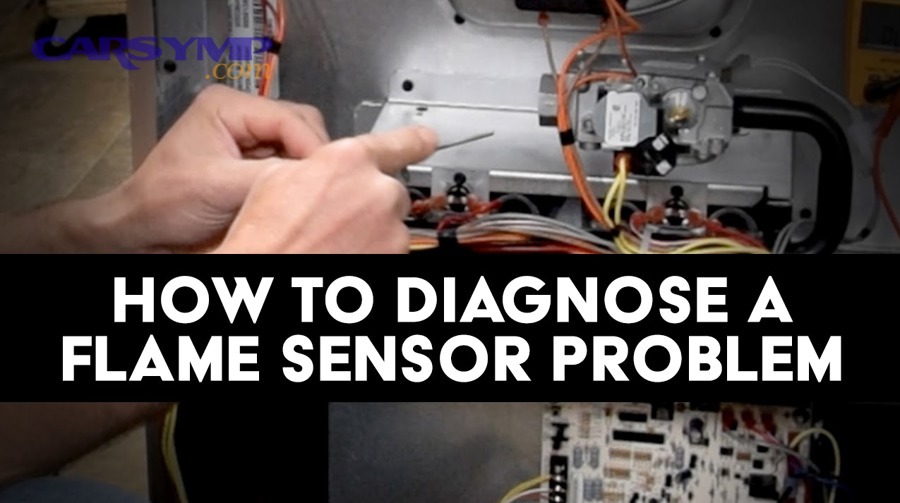
How Does HVAC Sensor Calibration Improve System Accuracy?
HVAC sensor calibration improves system accuracy by realigning sensor output with actual temperature values.
Calibration ensures that small electrical drifts do not accumulate into major comfort problems. This process is especially important for systems using cabin temp sensor inputs for localized control.
Can Smart HVAC Systems Reduce Sensor-Related Problems?
Yes, smart HVAC systems reduce sensor-related problems by cross-referencing multiple data points and flagging inconsistencies.
These systems detect abnormal readings early, allowing corrective action before comfort is affected.
How Do Zoning Systems Create Unique HVAC Sensor Challenges?
Zoning systems create unique challenges because multiple sensors must work in harmony.
If one sensor fails, it can override correct readings from others, leading to imbalance. Proper configuration and regular testing minimize this risk.
What Environmental Factors Interfere With HVAC Sensor Readings?
Environmental factors such as humidity, dust, and electrical interference interfere with HVAC sensor readings by altering signal resistance.
Regular filter changes, moisture control, and electrical grounding reduce these risks and extend sensor lifespan.
According to a 2022 study by Purdue University’s Building Energy Research Group, consistent HVAC maintenance reduced sensor-related faults by over 25% annually.
In short, diagnosing common HVAC sensor issues is one of the most effective ways to restore home comfort and maintain system accuracy. By understanding how sensors work, recognizing their failure patterns, and applying structured diagnostic logic, homeowners and professionals alike can resolve problems faster, more accurately, and at lower cost.