


Repairing a CVT can cost less upfront, while replacing a CVT can reduce the risk of repeat breakdowns—so the “best” choice depends on failure type, vehicle value, and how long you plan to keep the car. To decide quickly, compare a verified diagnosis against quotes that separate parts, labor, programming, and cooler service.
Next, you’ll see what “CVT repair” usually includes (valve body, solenoids, seals, sensors, fluid service) versus what “CVT replacement” really means (used, rebuilt, or remanufactured units plus install and calibration). That difference matters because many owners compare totals without realizing the packages aren’t equivalent.
In addition, this guide explains the biggest cost drivers—make/model, labor hours, failure severity, and hidden line items like towing, cooler flushing, and relearn procedures. Those extras often decide whether your “cheap” option stays cheap.
Introduce a new idea: below is a step-by-step cost comparison framework you can use to choose confidently—without overpaying or risking a second failure.
How much does CVT repair cost vs CVT replacement cost?
CVT repair usually wins on upfront price, CVT replacement is best for severe internal damage, and a remanufactured unit is often the “middle” option for reliability—because repair targets specific parts while replacement resets the whole assembly. However, cost clarity starts with defining what you’re actually buying.
What does “CVT repair” typically include?
CVT repair is a targeted fix to restore function by replacing failed subcomponents rather than swapping the entire transmission assembly. In practice, “CVT repair” can mean very different scopes, so the first job is to pin down which scope your quote covers.
Common CVT repair scopes include:
- Control-side repairs (often mid-cost): valve body replacement, solenoids, pressure control issues, TCM-related faults, wiring/connectors, speed sensors.
- Hydraulic/mechanical external repairs (often lower-cost): pan gasket leaks, seals, cooler line leaks, mounts, fluid service, filter/strainer service (where applicable).
- Internal mechanical repairs (often high-cost or not offered): belt/chain, pulleys/variator, bearings, internal pump, hard-part damage (many shops won’t rebuild certain CVTs at all).
This is where many “CVT repair” estimates become misleading: a $1,200–$2,500 valve-body job and a $4,500 internal rebuild proposal both get labeled “repair,” yet they’re not comparable in risk, time, or outcome.
What does “CVT replacement” include (used, rebuilt, remanufactured)?
CVT replacement is the “swap the unit” path, but you still have choices inside that category:
- Used (salvage) CVT: lowest upfront cost, highest uncertainty; mileage and maintenance history are often unknown.
- Rebuilt CVT (local overhaul): some components replaced as needed; quality depends heavily on the rebuilder and parts availability.
- Remanufactured CVT (factory-style): typically more standardized processes; often better warranty terms than used.
Replacement quotes should also include non-obvious but necessary items: fluid, seals, possible mounts, and—critically—programming/calibration/relearn steps after installation (more on that later). Some warranties also require addressing cooler contamination and related components.
Typical cost ranges in 2026 (parts, labor, fluids)
Real-world ranges vary, but broad benchmarks help you sanity-check quotes:
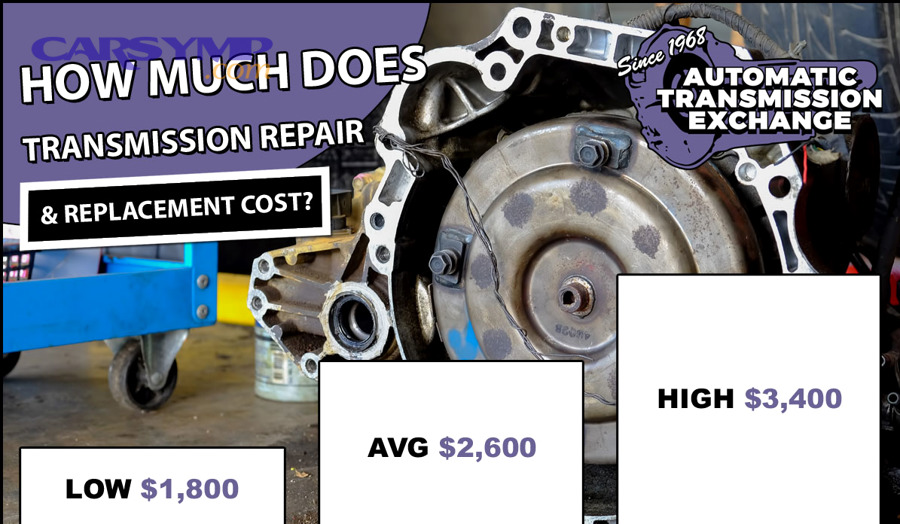
- A “new transmission / replacement” average range of about $2,900–$7,100 is commonly cited for transmission replacement pricing broadly, and it’s intentionally wide because vehicle factors dominate. (kbb.com)
- CVTs can land on the higher side for certain models; some repair shops report $4,000–$6,000 for replacement estimates on some Nissan/Toyota applications and higher on some Subaru applications (model- and region-dependent). (advancedtransmission.com)
- Labor time and shop rate can add a large slice of the total; one mainstream parts-and-service explainer notes automatic replacement labor often runs roughly 6–10 hours (sometimes more) plus fluid and incidentals. (autozone.com)
To make this practical, here’s a simple comparison table you can use to classify quotes. The key is that it compares scope + risk, not just price.
| Option | What you’re paying for | Typical best case | Typical risk case | Who it fits best |
|---|---|---|---|---|
| Minor CVT repair | Specific external/control fix | Lower total, fast turnaround | Missed root cause → repeat failure | Clear single-fault issues |
| Major CVT repair | Valve body/control assembly or multiple fixes | Lower than replacement if accurate | Hidden internal wear remains | Confirmed control-side failure |
| Used CVT replacement | Salvage unit + install | Lowest replacement total | Unknown history, shorter life | Short-term ownership plans |
| Rebuilt CVT replacement | Overhauled unit | Mid-cost with some assurance | Build quality varies | Value-focused, reputable rebuilder |
| Remanufactured CVT replacement | Factory-style reman + install | Strong warranty, consistent quality | Higher upfront | Long-term ownership, reliability |
Which factors change the cost comparison the most?
The cost swings the most because CVT designs and failure modes vary widely, shop labor rates differ, and “extras” like cooler flushing and calibration can add four figures—so two owners with “CVT issues” can get wildly different totals. More importantly, these factors also change the probability that repair will stick.
Vehicle make/model and CVT design
Not all CVTs are equally repairable. Some models have strong aftermarket support for valve bodies and solenoids; others are treated as near “sealed units” by many independent shops. Design differences (belt/chain type, integrated control modules, cooler routing, filter access) change both parts pricing and labor complexity.
A practical way to think about it: the more proprietary the parts and procedures, the more replacement becomes the default recommendation, even when a repair is mechanically possible.
Failure type: belt/pulley vs valve body vs torque converter
Failure type is the biggest fork in the road:
- Valve body / solenoid / pressure control problems: often repair-favorable if verified with data and symptoms match.
- Belt/chain slip, pulley scoring, bearing noise, metal debris: often replacement-favorable because internal hard-part damage can cascade.
- Torque converter contamination or shudder: sometimes repairable, but it raises the importance of cooler flushing and debris management.
The best cost comparison starts with an evidence-backed diagnosis, not a guess based on “it feels like it slips.”
Labor hours, shop rate, and regional differences
Two shops can quote the same parts but have a $1,000+ gap because labor rate and billed hours vary. One explainer cites labor rates commonly ranging roughly $70–$150/hr and notes labor hours for replacement can be substantial. (autozone.com) This matters because CVT jobs often include difficult access, subframe moves, and careful fill-level/temperature procedures.
Extra line items: cooler flush, programming, towing, rental car
The sneaky costs are the ones that don’t feel “transmission-related” until you’re paying them:
- Towing (especially if you shouldn’t drive it)
- Rental car downtime
- CVT fluid + specialty fill procedures
- Cooler flush/hoses/radiator heat exchanger concerns
- Programming, calibration data writing, relearn drives
These can be the difference between “repair is cheaper” and “repair is not meaningfully cheaper.”
Should you repair or replace a failing CVT?
Yes, you should repair a failing CVT when the diagnosis points to a contained control-side fault, the repair total preserves a strong margin versus replacement, and the car’s overall condition supports keeping it—otherwise, replacement is usually the safer bet. Besides, the smartest decision is financial and risk-based, not price-only.
Yes—when repair makes financial sense
Repair is the rational pick when all three are true:
- The failure is localized (for example: confirmed valve body/solenoid/pressure control issue).
- The quote is itemized and includes what’s needed to prevent repeat failure (fluid, filters/strainers if applicable, and contamination checks).
- The car’s value and usage justify it (you’ll keep it long enough to benefit from the lower cost).
If you’re comparing options and the repair quote is “cheap” but vague, treat that as a warning sign, not a win.
No—when replacement is the safer bet
Replacement is usually the better move when you have:
- Metal debris or friction material contamination (hard sign of internal wear)
- Loud bearing/whine noises that rise with speed
- Repeated overheating and slip that returns after fluid service
- A history of progressive symptoms (hesitation → judder → limp mode)
In these cases, a repair can turn into a sequence of repairs, and the total can quietly exceed a replacement—while you lose time and confidence.
The “50% rule” and how to adapt it to your car’s value
A common rule of thumb is: if repair cost exceeds ~50% of replacement cost, replacement becomes more cost-effective (because you pay a little more for a bigger reset). One mainstream cost guide explicitly suggests this kind of threshold reasoning in general terms. (autozone.com) To adapt it correctly, replace “50%” with your personal reality:
- If you need high reliability (commute, family vehicle), your threshold might be 35–45%.
- If it’s a backup car, you might accept 60%—but only with strong proof the repair will stick.
What symptoms and diagnostics tell you which path to take?
The best path becomes clear when symptoms, scan data, and fluid evidence agree—because CVT repair is a gamble when you’re guessing, but it becomes a calculated decision when you have a consistent story. To better understand the story, you need both “what you feel” and “what the car reports.”
Common drive symptoms (judder, slip, whine) and what they suggest
Symptom patterns help you ask smarter diagnostic questions:
- Judder/shudder on light acceleration: can point to torque converter lockup issues, fluid degradation, or control problems.
- RPM flares without speed gain (slip): can suggest belt/pulley issues, pressure loss, or internal wear.
- Whine that changes with vehicle speed: often bearings or pump—more replacement-leaning.
- Overheat warnings / limp mode after traffic hills: heat management or restriction issues; could be salvageable if caught early.
This is where a trusted CVT repair specialist matters: they won’t treat every symptom as “replace it,” but they also won’t pretend every CVT can be rebuilt cheaply.
Scan codes, data logs, and road test results
A basic OBD code scan is helpful, but CVT decisions often need more than generic codes:
- Transmission control module codes (manufacturer-specific)
- Line pressure targets vs actual
- Ratio error data
- Temperature readings during a road test
If a shop proposes replacement without showing any supporting data (codes, pressure tests, or at least fluid evidence), ask for the missing link.
Fluid condition and contamination clues
Fluid tells the truth faster than opinions:
- Burnt smell + very dark color: suggests heat stress and oxidation.
- Metal glitter in fluid/pan: suggests internal wear; replacement-leaning.
- Milky fluid: indicates contamination (serious risk).
This is also where your linked decision point matters: a CVT fluid change vs repair decision should be based on whether the fluid is simply aged versus contaminated with debris.
Confirming a bad unit before you commit
Before you approve a multi-thousand-dollar job, insist on one of these:
- Photos of pan debris (if accessible)
- Scan report printout
- A clear “if-then” diagnosis statement (e.g., “ratio error persists after valve body command tests, indicating internal slip”)
That transforms the decision from “trust me” into “prove it.”
How can you reduce the total bill without gambling on reliability?
You can lower the total bill by getting comparable itemized quotes, choosing the right transmission source (reman vs used), and bundling only the maintenance that prevents repeat failure—because cheap shortcuts usually return as expensive comebacks. More importantly, cost-cutting should reduce risk, not increase it.
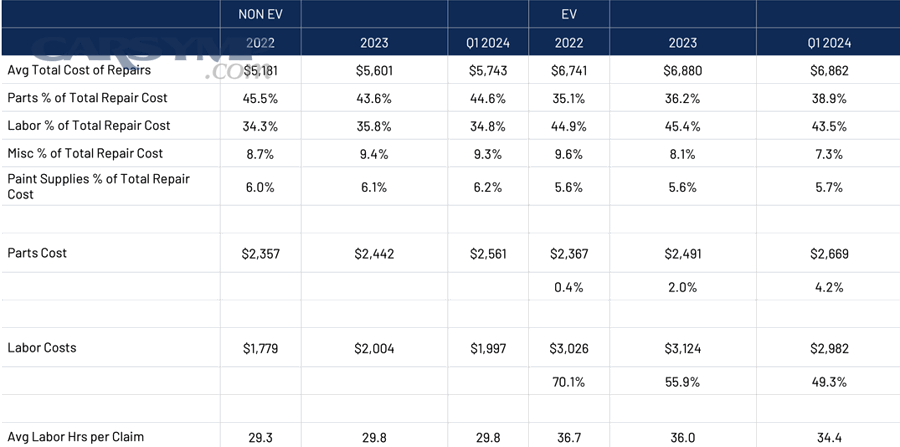
Get apples-to-apples quotes and ask for line-item breakdown
Ask every shop for the same structure:
- Parts cost (with part type: used/rebuilt/reman/new)
- Labor hours + shop rate
- Fluid type and quantity
- Programming/relearn included?
- Cooler flush/contamination handling included?
- Warranty terms (miles/months, parts vs labor)
When you do this, you often find that the “cheaper” quote simply omitted necessary steps.
Choose the right part strategy: OEM, reman, used
A good decision rule:
- Pick reman when you need reliability and warranty confidence.
- Pick used only when the car’s remaining value/life is limited—and you accept the risk.
Also ask whether the shop will warranty labor if you source your own unit; many won’t, and that changes the math.
Bundle smart maintenance: CVT fluid change vs repair decision
Bundling maintenance is smart only when it directly supports the fix:
- If the diagnosis is minor and fluid is degraded but not contaminated, a fluid service may support a repair.
- If there’s debris contamination, a fluid change alone is not a fix—and can delay proper action until damage worsens.
This is also where you can use an info hub like Car Symp to compare symptom clusters and decide whether you’re in “maintenance territory” or “major repair territory” before you spend.
Warranty terms that actually matter
Ignore the marketing and focus on:
- Whether the warranty covers labor (not just parts)
- Whether it requires documented cooler service
- Whether it excludes “secondary damage” (a common loophole)
A longer warranty is only valuable if the conditions are realistic for normal ownership.
When should you avoid driving with CVT symptoms?
Yes—you should avoid driving with CVT symptoms when you have severe slip, loud mechanical noise, overheating warnings, or loss of drive, because continuing can turn a repairable control issue into an internal failure that forces replacement. Especially with CVTs, damage can escalate quickly once heat and debris enter the picture.

Yes—stop driving immediately if these red flags appear
Stop driving and tow if you notice:
- The car won’t move reliably in Drive
- Burning smell with performance loss
- Overheat warning or repeated limp mode
- Grinding/metallic noise
- Sudden loss of power on hills paired with high RPM
This is the practical meaning of When to avoid driving with CVT symptoms: if the symptom suggests heat, slip, or hard-part damage, driving is how you pay more later.
No—mild symptoms that can limp to a shop
Some cases can limp (carefully) if:
- The symptom is mild and stable (e.g., occasional hesitation without overheating)
- No burning smell, no loud noise, no warning lights worsening
- You’re close to a shop and keep load low
Even then, limit driving, avoid highway merges, and avoid towing or steep hills.
How delaying changes the repair vs replacement outcome
Delaying a true internal problem can add:
- More debris contamination
- Cooler restriction
- Heat-stressed fluid
- Secondary damage to the control valve or torque converter
That’s how a possible repair becomes a replacement.
What are the most common CVT overheating causes and prevention steps?
CVT overheating is most often caused by high load (towing/hills), restricted cooling flow, low/incorrect fluid, and prolonged stop-and-go heat soak—and prevention works when you restore cooling efficiency and keep fluid healthy. Meanwhile, controlling heat is one of the strongest ways to prevent a “repair today, replacement tomorrow” outcome.

Heat sources: towing, traffic, low fluid, cooler restriction
Common overheating drivers include:
- Towing or heavy cargo (CVTs often dislike sustained high load)
- Stop-and-go traffic in hot weather
- Low fluid level from leaks or incorrect fill procedures
- Cooler restriction from debris or deteriorated hoses
- Incorrect fluid (wrong spec can change friction and heat)
A cost comparison should treat overheating history as a risk multiplier: it increases the odds that internal surfaces have been compromised.
Preventive fixes: cooler service, correct fluid, driving habits
Prevention steps that actually move the needle:
- Use the correct CVT fluid spec (brand/model-specific)
- Address cooling performance (clean airflow path, ensure cooler routing is intact)
- Avoid prolonged high load and aggressive launch behavior
- Consider a cooler inspection if you live in hot climates or tow often
In severe contamination scenarios, manufacturer guidance may require cooler flushing to prevent debris from damaging a newly serviced unit.
How heat accelerates fluid oxidation and wear
Heat doesn’t just “feel bad”—it changes fluid properties. An applied engineering study published in 2022 includes controlled oxidation testing (performed for 216 hours at 170°C) and discusses how oxidation changes thermophysical properties like viscosity and heat transfer behavior, which can affect cooling performance. (mdpi.com)
According to a study by Bournemouth University from the Department of Design and Engineering, in 2022, researchers found that oxidation changes key automatic transmission fluid properties and that figures-of-merit should be used to compare cooling performance rather than a single property alone. (mdpi.com)
Monitoring temperature and setting safe limits
If your vehicle reports transmission/CVT temperature via scan tools, monitoring can catch problems early. Use it to answer questions like:
- Does temperature spike during a specific use case (hill climb, traffic)?
- Does it recover quickly, or stay elevated (suggesting restriction)?
If you’re frequently seeing elevated temperatures, treat it as a reason to prioritize cooling and fluid health before you face a replacement bill.
What should you ask a shop before approving CVT repair or replacement?
You should ask for proof of diagnosis, contamination handling steps, calibration/relearn procedures, and an itemized quote with warranty coverage—because CVT work fails most often when the root cause or the post-install process is skipped. In addition, these questions protect you from paying twice.
Proof of diagnosis and return-of-parts policy
Ask for:
- Scan report (codes + key data)
- Fluid/pan inspection notes
- The “why” behind the recommended path
- Whether you can see or receive replaced parts (when feasible)
This forces clarity and reduces the odds you’re buying a guess.
Programming/relearn requirements and post-repair checks
Modern CVTs often require calibration and relearn steps. For example, a Nissan technical bulletin describes writing calibration data after TCM replacement and includes a defined “write” procedure and confirmation messages for completion. (nissan-techinfo.com) If your shop doesn’t mention programming/relearn at all, ask how they ensure proper adaptation after installation.
Cooler contamination policy
This is a big one. A Nissan bulletin warns that metal debris and friction material can become trapped in cooling components and contaminate a newly serviced transmission, potentially restricting flow and causing damage; it specifies that coolers must be flushed when certain CVT components are replaced. (static.nhtsa.gov) That’s the practical reason you should ask, “What are you doing about cooler contamination and flow restriction?”
Payment, timeline, and what’s included
Get in writing:
- Total “out-the-door” cost
- What triggers extra charges
- Timeline and what happens if parts are delayed
- Warranty start date and conditions
A clear scope is your best protection against surprise add-ons.
What are your alternatives if CVT costs exceed the car’s value?
Your best alternatives are to sell/trade, pursue goodwill or warranty support, or choose a lower-risk replacement strategy (like reman) based on how long you need the car—because sometimes the right move is financial triage, not mechanical perfection. To sum up, you still have options even when the quote is painful.
Sell, trade, or repair-and-sell math
Do the math in three lines:
- Car value as-is (with CVT issue)
- Car value fixed (after repair/replacement)
- Net gain = fixed value − (as-is value + repair total)
If net gain is small or negative, replacement might not be rational unless you need the car and can’t replace it cheaply.
Extended warranty/goodwill claims and service bulletins
If you have any coverage, ask what documentation is required (maintenance records, diagnostics). Even without coverage, some owners pursue goodwill support—especially when failure is early relative to mileage—though results vary.
Rebuild vs remanufactured vs used: risk profile
If you must keep costs down but want to avoid the highest risk:
- Remanufactured tends to be the most consistent path when available.
- Rebuilt can be great with a proven rebuilder and strong warranty.
- Used is the cheapest but can become the most expensive if it fails again.
If you’re forced into “used,” insist on documentation: donor mileage, warranty length, and whether fluid/cooler steps are included.
How to plan next steps on Car Symp
Use Car Symp as a decision support workflow: map your exact symptoms (judder vs slip vs overheat), compare them against common failure patterns, and bring that structured symptom story to your shop. The better your symptom timeline is, the faster you get to a correct diagnosis—and the better your repair vs replacement cost comparison will be.