Repair vs Replace a CVT: Cost, Symptoms & Best Fix for Daily Drivers
CVT repair is often the smartest move when the problem is early-stage (fluid condition, valve body control issues, sensors/solenoids, or minor internal wear) because you can restore driveability without paying for a full unit. The key is matching the fix to the failure mode—CVTs don’t “all die the same way,” and guessing is what makes this job expensive.
Next, you’ll learn when a CVT is realistically repairable vs when replacement is the safer bet, including the “red flag” symptoms that mean you should stop driving and protect the rest of the drivetrain before the bill multiplies.
Then, we’ll break down CVT repair vs replacement cost comparison with what’s usually included (and what shops sometimes leave out), plus how Rebuild vs remanufactured CVT options change risk, downtime, and warranty value.
Introduce a new idea: once you know what typically fails, how to diagnose it, and how costs stack up, you can make a confident decision that fits your car’s mileage, budget, and how long you plan to keep it.
What is a CVT transmission, and why does it fail?
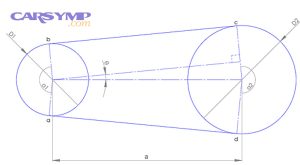
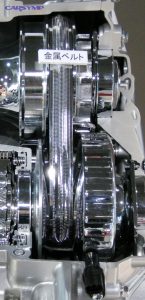
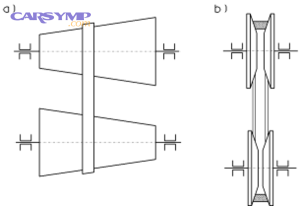
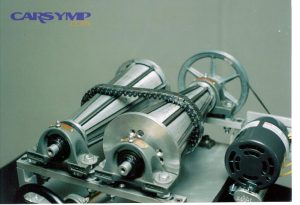
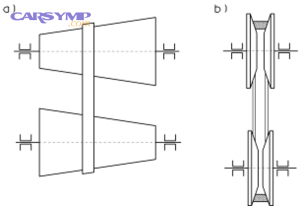
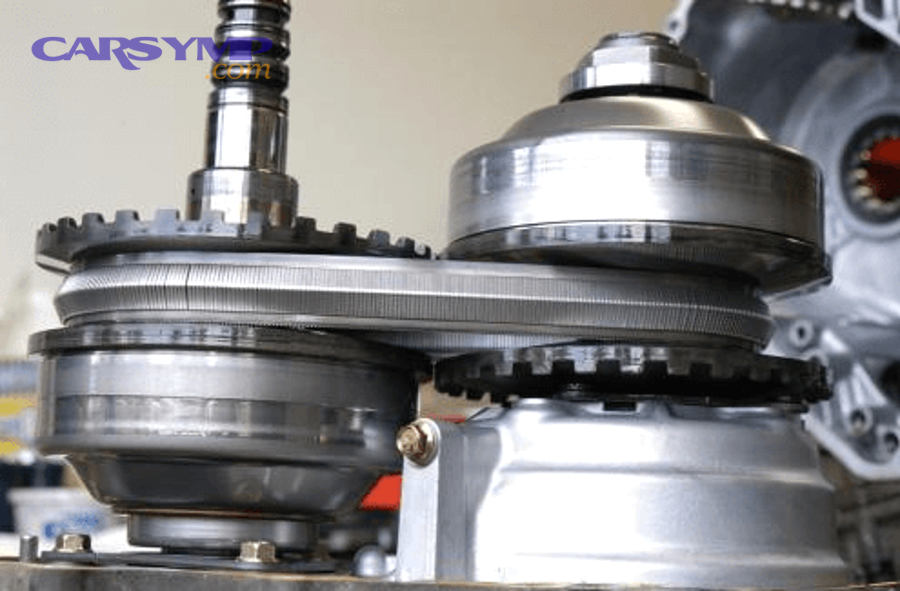
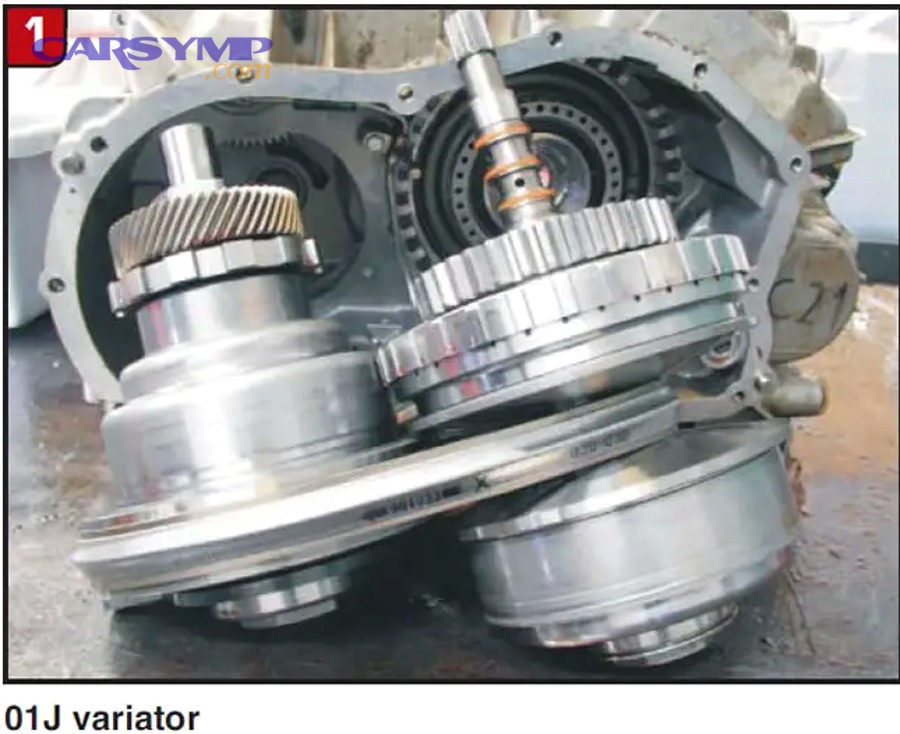
A CVT (continuously variable transmission) is an automatic transmission that uses a belt/chain and variable pulleys (instead of fixed gears) to keep the engine in an efficient RPM range, but it fails when heat, wear, and hydraulic control problems make that ratio control slip or shudder.
To better understand why CVT repair works in some cases and not others, it helps to know what’s actually wearing out and what “heat + pressure” does to a CVT over time.
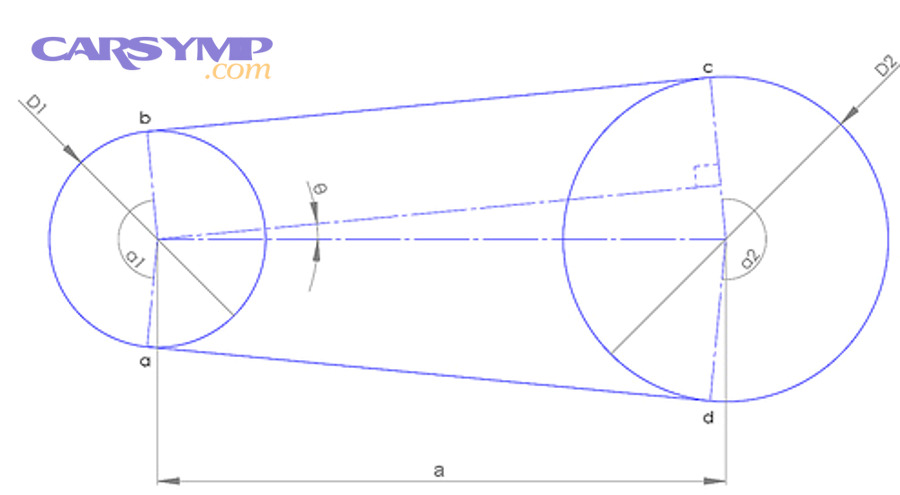
What parts wear out first in a CVT (belt/chain, pulleys, valve body)?
Most CVTs fail first in one of three places: the belt/chain contact surfaces, the pulley faces, or the hydraulic control system (valve body/solenoids).
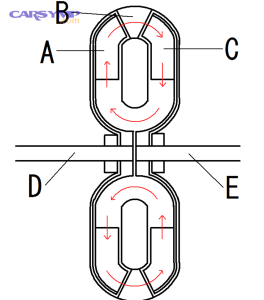
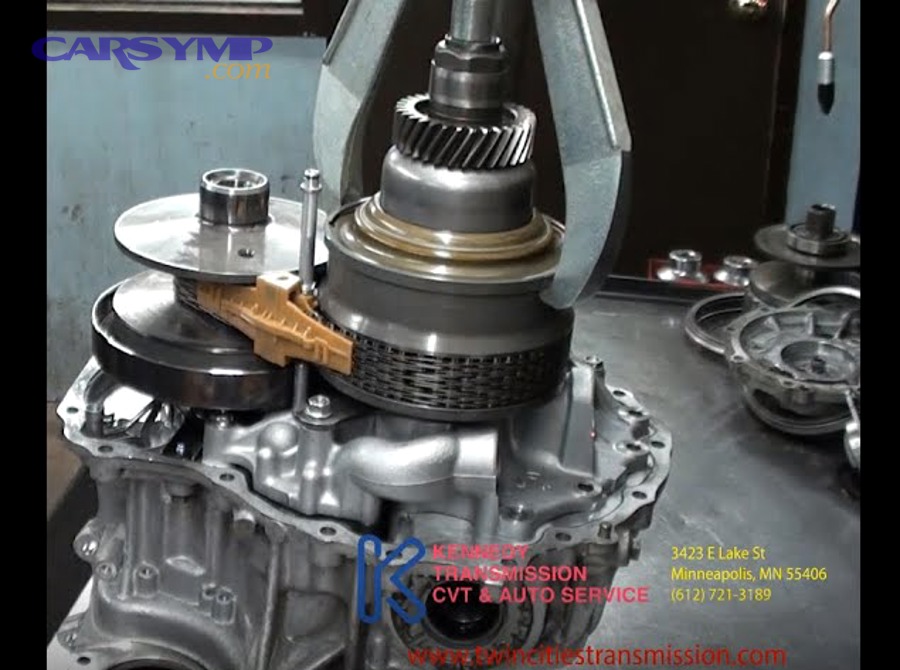
- Steel belt or chain (traction element): It relies on friction/traction between the belt and pulley faces. If clamping force is wrong (often a control/pressure issue) or the fluid is degraded, the belt can micro-slip, generating heat and metal wear.
- Primary and secondary pulleys (sheaves): The pulley faces can score or glaze. Once the surface finish is damaged, the belt can’t grip consistently—this is when you get repeat shudder under light throttle.
- Valve body, solenoids, and pressure regulators: CVTs are extremely sensitive to hydraulic pressure control. Sticky valves, worn bores, or a weak regulator can create ratio control errors, flare, or slipping without the belt being “broken.”
- Bearings and pump: Whining that rises with speed can be bearing-related, while low line pressure problems can be pump-related—both can mimic “belt slip.”
Practical takeaway: if the belt/pulleys are physically damaged, repairs get limited fast. If the control system is the culprit, targeted CVT repair can be very cost-effective.
What driving habits and heat issues shorten CVT life?
Heat is the silent killer in CVTs because it accelerates fluid breakdown, reduces friction stability, and can trigger pressure-control errors.
The most common “life-shorteners” include:
- Stop-and-go + high throttle at low speed: loads the belt while the pulleys are in high ratio change.
- Towing or heavy loads (especially without a cooler): raises CVT temps and can push the fluid out of its happy range.
- Aggressive launches and repeated hill climbs: repeated high clamping demand increases wear.
- Skipping fluid service or using the wrong fluid: CVTs usually require a specific fluid formulation; incorrect fluid can change friction behavior and pressure response.
This is why CVT overheating causes and prevention isn’t just a maintenance topic—it’s directly linked to whether a repair will last.
Can a CVT be repaired, or does it need replacement?
Yes—a CVT can often be repaired when the failure is in fluid condition, sensors, solenoids, valve body control, or mild wear, because these fixes restore pressure control and ratio behavior without replacing the entire unit.
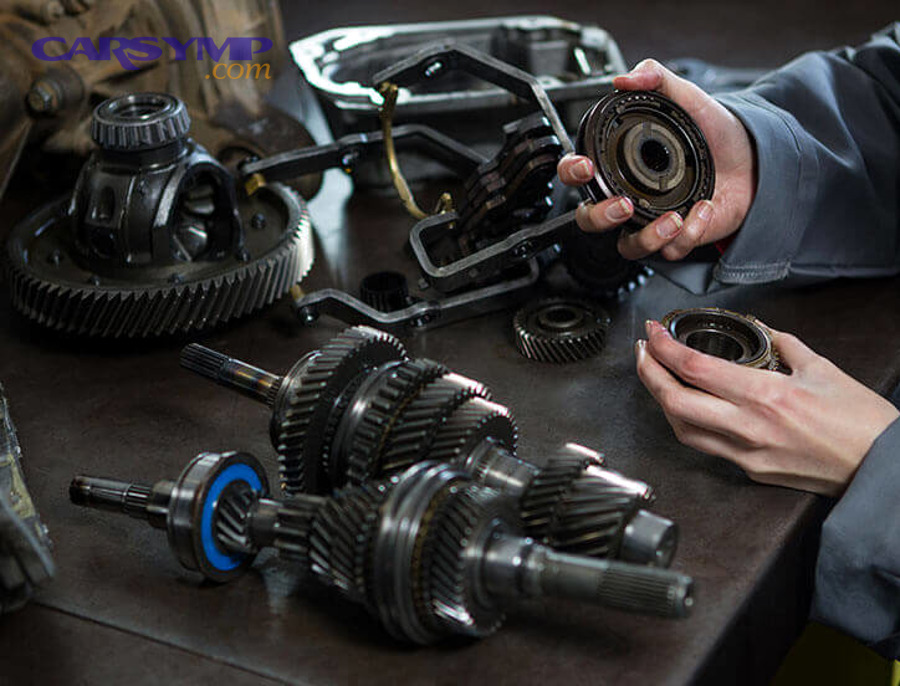
However, the decision flips quickly when hard parts are damaged, so the next step is learning which problems are “repair-friendly” and which are basically replacement territory.
When a CVT repair makes sense (fluid, solenoids, valve body, sensors)
CVT repair is most sensible when symptoms point to control and hydraulic issues rather than mechanical destruction:
- Fluid-related problems (overheating, contamination, wrong fluid): A proper CVT fluid change vs repair decision starts with fluid condition (burnt smell, metallic shimmer, wrong color/viscosity feel).
- Solenoids and valve body wear: Ratio control codes, delayed engagement, or hunting can be valve body related. Many units can be repaired with a valve body rebuild or replacement plus adaptation/relearn.
- Sensor or wiring faults: Speed sensors, pressure sensors, and harness issues can create limp mode and false “slip” behavior.
- Software updates / adaptation reset: Some CVTs need relearn procedures after service; skipping this can make a healthy CVT feel broken.
If your shop proposes “full replacement” without confirming line pressure, scan data, and fluid condition, that’s a sign you should slow down and verify diagnosis first.
When to avoid driving with CVT symptoms and choose replacement
Some symptoms mean continuing to drive can turn a borderline repair into a total loss. When to avoid driving with CVT symptoms:
- Severe slipping that worsens quickly
- Shudder plus metallic noise (grinding/whine that appeared suddenly)
- No movement in Drive/Reverse
- Overheat warnings or repeated limp mode
- Heavy metal in the pan or filter
In these cases, you’re likely dealing with belt/pulley damage, pump failure, or bearing damage. Driving can spread debris through the hydraulic system, destroying the valve body and making even a reman unit install more complicated.
What does CVT repair cost compared to replacement?
CVT repair wins on upfront cost, replacement is often best for predictable long-term reliability, and a used/reman option can be optimal when you need a budget-controlled reset—but only if the warranty and install details are solid.
To illustrate the real-world math, you need to separate “repair types” (service-level vs component-level vs full unit) and understand what shops include.
CVT repair vs replacement cost comparison (typical ranges and what’s included)
Below is a quick cost map. (These are typical market ranges; your vehicle, labor rates, and parts availability can move numbers significantly.)
| Option | What it usually includes | Typical cost range (USD) | Best when… |
|---|---|---|---|
| Diagnostic + scan/road test | Codes, data, basic inspection | $100–$250 | You need certainty before spending |
| CVT fluid service (basic) | Fluid drain/fill (sometimes no filter) | $200–$400 | Maintenance or very mild symptoms |
| Full CVT transmission service | Correct fluid, filter(s) if serviceable, pan clean, adaptation/relearn | $300–$700 | Preventive care, early shudder, overheat history |
| Valve body repair/replacement | Valve body, solenoids, programming/relearn | $800–$2,000+ | Ratio codes, delayed engagement, “hunting” |
| Internal repair / partial rebuild | Bearings, belt/chain, pulleys (limited) | $1,800–$4,000+ | Vehicle value supports it and parts are available |
| Full replacement | New/reman/used unit + install | $3,500–$8,500+ | Hard-part damage or repeated failure |
Two cost traps to watch:
- “Cheap install” without cooler/flush steps: debris can kill the next unit.
- Warranty mismatch: some warranties cover the unit but not labor, fluids, or programming.
Rebuild vs remanufactured CVT options (warranty, risk, downtime)
Rebuild vs remanufactured CVT options comes down to consistency vs customization:
- Local rebuild
- Pros: can target your exact failure; sometimes faster locally; you can inspect old parts.
- Cons: quality varies by shop; parts sourcing is the bottleneck; warranty terms vary widely.
- Remanufactured CVT
- Pros: standardized process; often better warranty; updated parts may be included.
- Cons: core return requirements; shipping time; install must be perfect to keep warranty valid.
- Used CVT
- Pros: lowest upfront cost.
- Cons: unknown history; high risk unless mileage is verified and warranty is meaningful.
A useful rule: if you’re planning to keep the car 3–5 years, a strong reman warranty can beat the cheapest rebuild—especially if your model has a known failure pattern.
Should you rebuild, replace, or sell the car with CVT problems?
Repair wins when the car is otherwise healthy and the CVT issue is early or controllable, replacement is best when hard parts are compromised, and selling is optimal when total cost exceeds your vehicle’s value or your trust in the drivetrain is gone.
More specifically, this is where mileage, expected remaining life, and your tolerance for risk matter more than the “lowest quote.”
How long a CVT should last and how mileage affects your decision
How long a CVT should last depends on design, vehicle weight, cooling, and maintenance—but your decision should be anchored to remaining value and remaining service life, not a single mileage number.
Decision cues:
- Under ~100k miles + good maintenance records: repair/valve body/service is often worth exploring first.
- 100k–160k miles: decision depends on symptoms, fluid condition, and whether the car is otherwise excellent.
- Over ~160k miles + major symptoms: replacement or selling becomes more rational unless the car is a “keeper” and the warranty is strong.
Also consider: if you’ve already had repeated overheating or repeated shudder, you’re likely seeing cumulative belt/pulley wear.
CVT fluid change vs repair decision (maintenance vs major failure)
The CVT fluid change vs repair decision is really: “Is this maintenance or damage control?”
- Fluid change/service is reasonable when:
- Shudder is mild and recent
- No heavy metal in pan/filter
- No persistent ratio-control codes
- The CVT is not slipping under load
- Fluid change is not a magic fix when:
- The CVT is slipping badly
- You have harsh delayed engagement
- You see metal flakes or hear bearing noise
- Overheat events were frequent
A quality transmission service should also include the correct procedure for fill temperature, level setting, and relearn—otherwise you can create new symptoms.
How do you confirm the right diagnosis before paying for CVT work?
Confirming CVT diagnosis takes 3 checks—symptoms under specific conditions, scan data (codes + live data), and fluid/pressure evidence—so you don’t pay for the wrong fix.
Especially with CVT repair, the smartest money you spend is the money that prevents a misdiagnosis.

CVT slipping and shudder symptoms and what they usually point to
CVT slipping and shudder symptoms are useful only when you tie them to when they happen:
- Shudder at light throttle (20–45 mph)
- Often fluid degradation, torque transfer instability, or early belt/pulley surface issues
- Slip flare on acceleration
- Can be line pressure control (valve body/regulator) or serious belt traction loss
- Judder after fluid was serviced
- Could be wrong fluid, incorrect level setting, or missing adaptation reset
- Whine that scales with vehicle speed
- Bearing or pump problems more likely than “fluid only”
If you track exactly when the symptom appears (cold vs warm, flat vs hill, light vs heavy throttle), you give the shop real diagnostic leverage.
Signs of bad torque converter in CVT (vs start-clutch issues)
Not all CVTs use the same launch method. Some have a torque converter, others use a start clutch. That’s why “bad launch feel” can mean different parts.
Signs of bad torque converter in CVT (where equipped) often include:
- Shudder on light throttle during lockup engagement
- RPM oscillation at steady speed
- Heat buildup + poor fuel economy
- Stall-speed related drivability issues
Start-clutch style issues more often show:
- Chatter when taking off from a stop
- Harsh engagement into Drive/Reverse
- Improvement (or worsening) depending on adaptation state
A competent diagnosis should identify which launch system your CVT uses before recommending parts.
Common CVT fault codes and diagnosis (scanner basics, road test, pressure)
Common CVT fault codes and diagnosis usually starts with:
- Generic transmission request codes (like P0700) that tell you the transmission controller has stored details
- Ratio or pressure-related codes that point toward valve body control or belt traction issues
- Temperature-related codes that indicate overheating events and protective strategies
A basic process that works:
- Scan for codes and freeze-frame data (what speed/load/temp it happened at).
- Road test while watching live data (ratio command vs ratio actual, temp, slip indicators if available).
- Inspect fluid condition and check for metal in pan/filter.
- If needed, verify line pressure behavior (shop-level test).
You’ll see this pattern repeatedly on Car Symptoms reports: people replace a CVT when the real culprit is a control issue—or they service fluid repeatedly when hard parts are already damaged.
Contextual border: once you’ve verified symptoms, confirmed codes, and matched cost to options, the remaining value comes from prevention—how to keep the repaired CVT alive longer than the one that failed.
How can you prevent future CVT failures after the repair?
Preventing repeat CVT failure comes down to 4 habits—correct fluid strategy, temperature control, gentle torque application, and consistent monitoring—because most repeat failures are heat- and pressure-related rather than “random.”
Then, use the checklist below to make sure your post-repair plan matches how you actually drive.
Maintenance tips to extend CVT life (service intervals, cooling, driving style)
Use these Maintenance tips to extend CVT life as a practical routine:
- Follow a conservative fluid interval if you drive in heat, traffic, hills, or carry loads.
- Warm up gently: avoid hard throttle until fluid temps stabilize.
- Avoid repeated “power launches,” especially uphill.
- Consider added cooling if you tow or drive in high ambient heat.
- Fix engine cooling issues quickly; drivetrain heat stacks.
CVT overheating causes and prevention (coolers, airflow, load management)
CVT overheating causes and prevention is where small changes pay off:
- Causes:
- High load + low speed (belt traction demand spikes)
- Towing without adequate cooling
- Degraded fluid (heat capacity and friction stability drop)
- Restricted airflow or missing underbody ducting
- Prevention:
- Add or restore cooling where appropriate
- Reduce sustained high load at low speeds
- Keep fluid fresh and correct-spec
According to a study by the University of Mumbai from the Department of Mechanical Engineering, in 2021, CVT cooling modifications (fins/ducting/fan approaches) produced about 7°C reduction in CVT temperature (with broader setups showing larger total reductions reported in their results discussion).
What transmission service should include on a CVT (fluid, filters, relearn)
A proper transmission service for a CVT should be more than “swap fluid”:
- Correct-spec CVT fluid (not “universal ATF”)
- Correct level-setting procedure (often temperature-dependent)
- Pan clean + magnet inspection (when applicable)
- Filter replacement (if serviceable)
- Adaptation / relearn procedure when required
- Post-service scan + road test to confirm ratio behavior and temps
If you treat service as a system (fluid + temperature + control), CVT repair becomes something you can make last—not just something you hope lasts.