


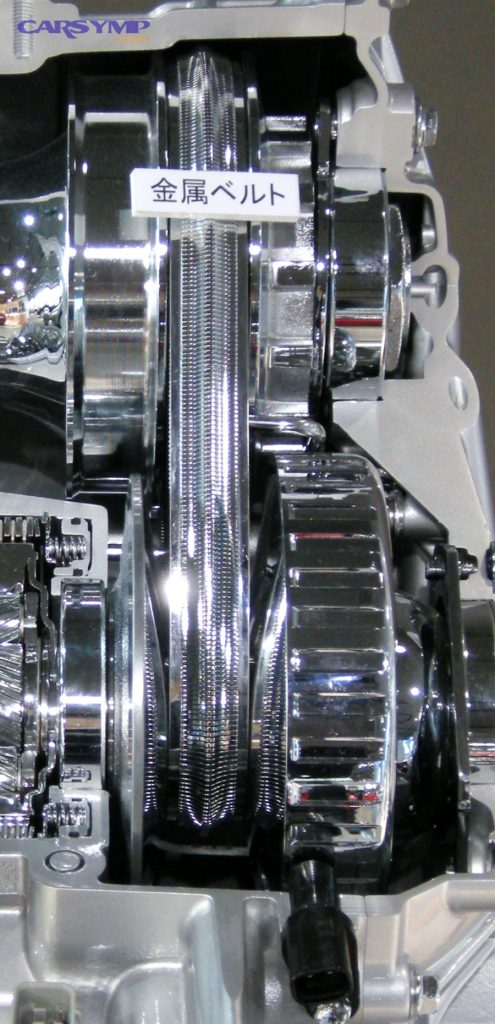
A CVT lasts the longest when you protect the belt-and-pulley system from the two biggest killers—dirty/incorrect fluid and excessive heat—while keeping engine torque delivery smooth and predictable through smart driving habits.
Then, the most powerful longevity lever is CVT fluid care: using the correct specification, changing it at the right interval for your driving conditions, and avoiding “quick fixes” that mask wear until you’re forced into CVT repair.
In addition, temperature control matters just as much as fluid: stop-and-go traffic, towing, steep grades, and hot climates can cook the fluid and push the CVT into slip-prone behavior that accelerates internal wear.
Introduce a new idea: the goal isn’t perfection—it’s consistency—so the sections below translate “extend CVT life” into realistic expectations, simple maintenance actions, and early-warning rules that keep small problems from turning into expensive failures.
What does it mean to “extend CVT life,” and what is a realistic lifespan expectation?
Extending CVT life means maximizing the miles and years your continuously variable transmission delivers smooth, slip-free power before internal wear requires major service, and it hinges on fluid health, temperature control, and managing torque load.
To better understand what “life” really means, you need to know how CVTs wear out and what behaviors speed that wear up.
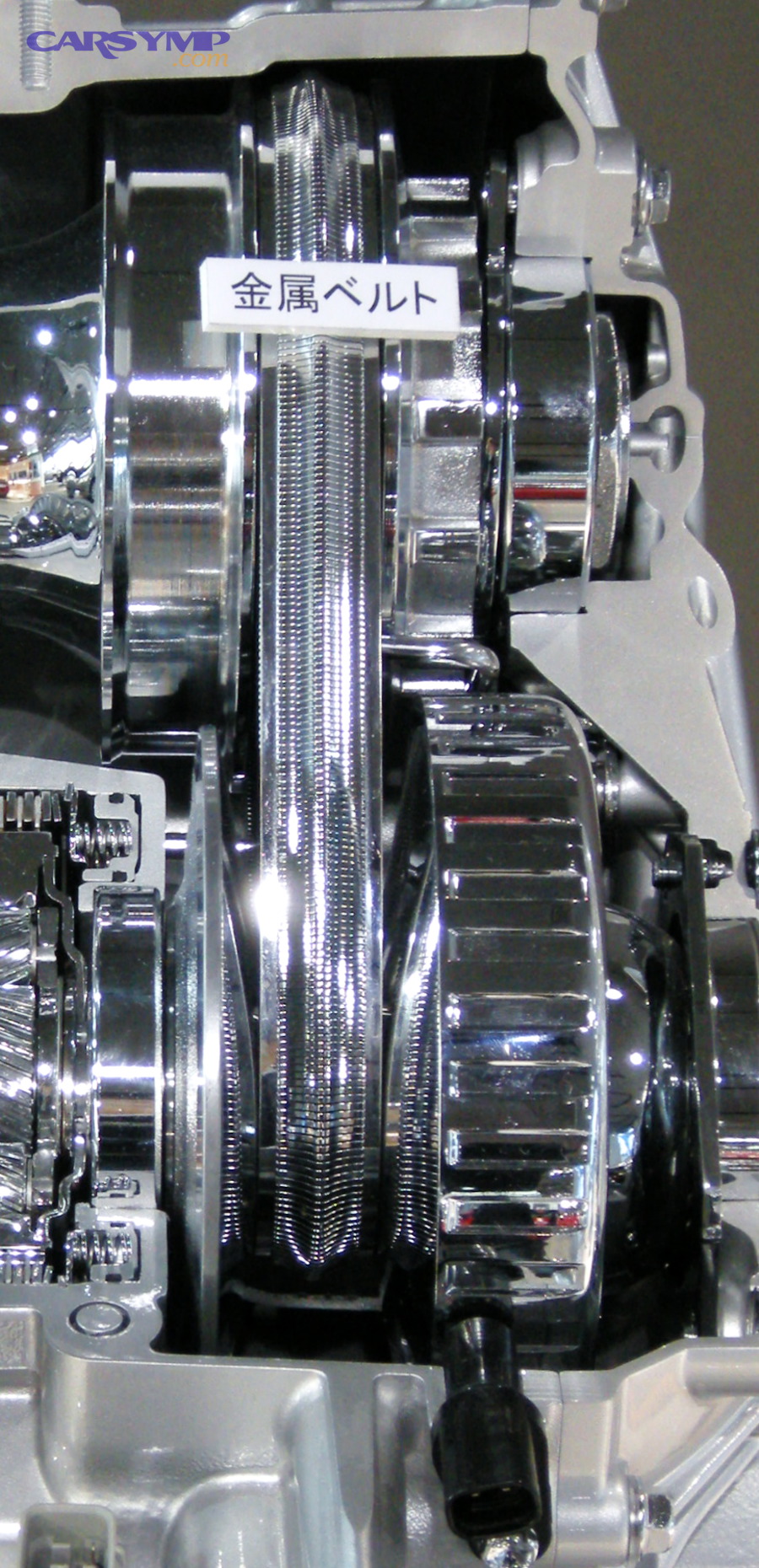
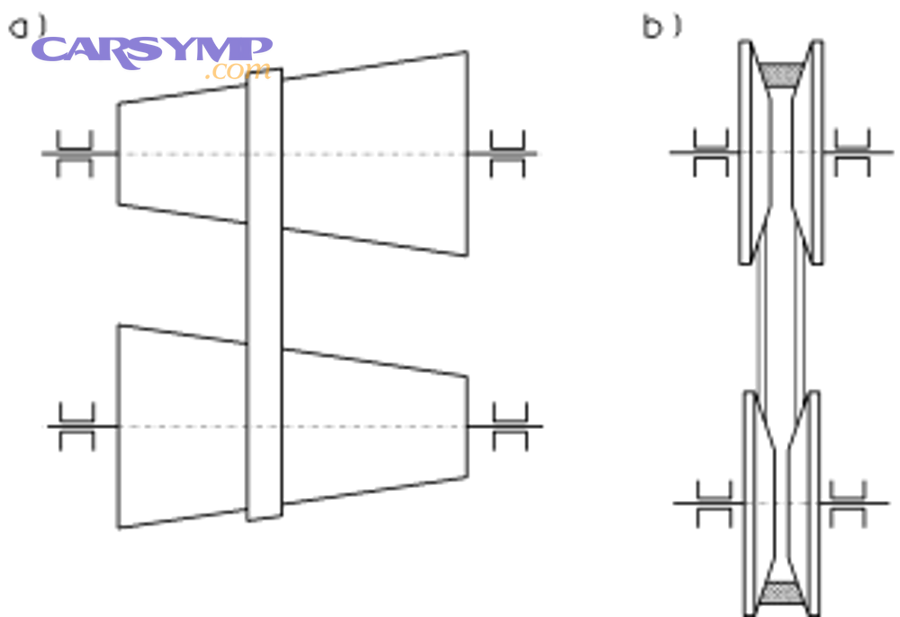
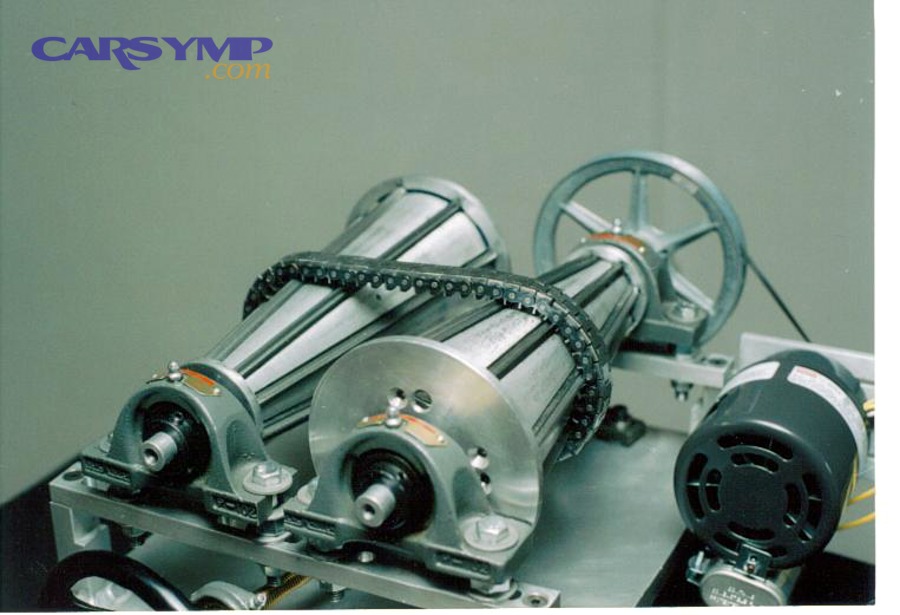
A CVT is different from a stepped automatic because it doesn’t “shift gears” in discrete steps. Instead, it varies ratio continuously using pulleys and a belt/chain (plus a torque converter in many designs). That design can be very durable—but it’s also very sensitive to friction characteristics and heat because the belt-to-pulley interface depends on controlled traction, not gear teeth.
A realistic expectation is best framed as a range rather than a guarantee, because duty cycle matters more than the badge on the hood. A CVT that lives on gentle highway miles with regular fluid service can outlast one that spends its life crawling in hot stop-and-go traffic, towing, or getting hammered by full-throttle launches.
What are the most common reasons CVTs fail early?
There are 6 main reasons CVTs fail early—fluid problems, overheating, aggressive torque spikes, overload/towing abuse, ignored symptoms, and poor-quality service—based on how quickly they damage the belt/pulley traction surfaces and hydraulic control system.
More importantly, these causes tend to stack: once heat and fluid degradation start, wear accelerates.
- Degraded or incorrect CVT fluid
- Wrong friction modifiers can reduce torque capacity and raise slip risk.
- Old fluid loses additive strength and can’t maintain stable friction under load.
- Overheating and heat soak
- Heat increases oxidation, thins/changes viscosity behavior, and reduces cooling performance.
- Torque spikes from driving style
- Hard launches and sudden throttle changes increase clamping-force demands and micro-slip events.
- Towing/overloading beyond the duty cycle
- Even “within rating,” repeated towing in heat is severe duty for many CVTs.
- Ignoring early symptoms
- A small shudder can become belt/pulley damage if you keep driving and “hope it goes away.”
- Bad service choices
- Generic fluids, questionable flushes, or skipping filter procedures where required.
According to a study by Instituto Politécnico Nacional from ESIQIE (Mechanical/Chemical Engineering school), in 2021, oxidation in automatic transmission fluids measurably changes friction behavior in wet-clutch conditions—showing why fluid condition can directly affect drivability and wear.
Is it true that CVT fluid is “lifetime,” and should you believe it?
No—“lifetime” fluid is not a safe long-term plan for extending CVT life, because fluid still oxidizes, accumulates wear material, and loses friction stability, especially under heat, towing, hills, or stop-and-go driving.
Next, the key is to treat “lifetime” as a warranty-era statement, not a forever promise.
- If you keep the vehicle long-term, fluid service is preventive insurance.
- If you drive severe duty, shorten intervals even if the manual looks optimistic.
- If the CVT already has symptoms, don’t “service blindly”—diagnose first so you don’t hide a mechanical problem until it’s worse.
According to a study published in Applied Sciences (MDPI) in 2022, oxidation changes key thermophysical properties of transmission fluids (including viscosity), which can alter cooling performance—supporting the idea that “used fluid” is not equivalent to “fresh fluid” over long service life.
What CVT fluid maintenance actually extends lifespan the most?
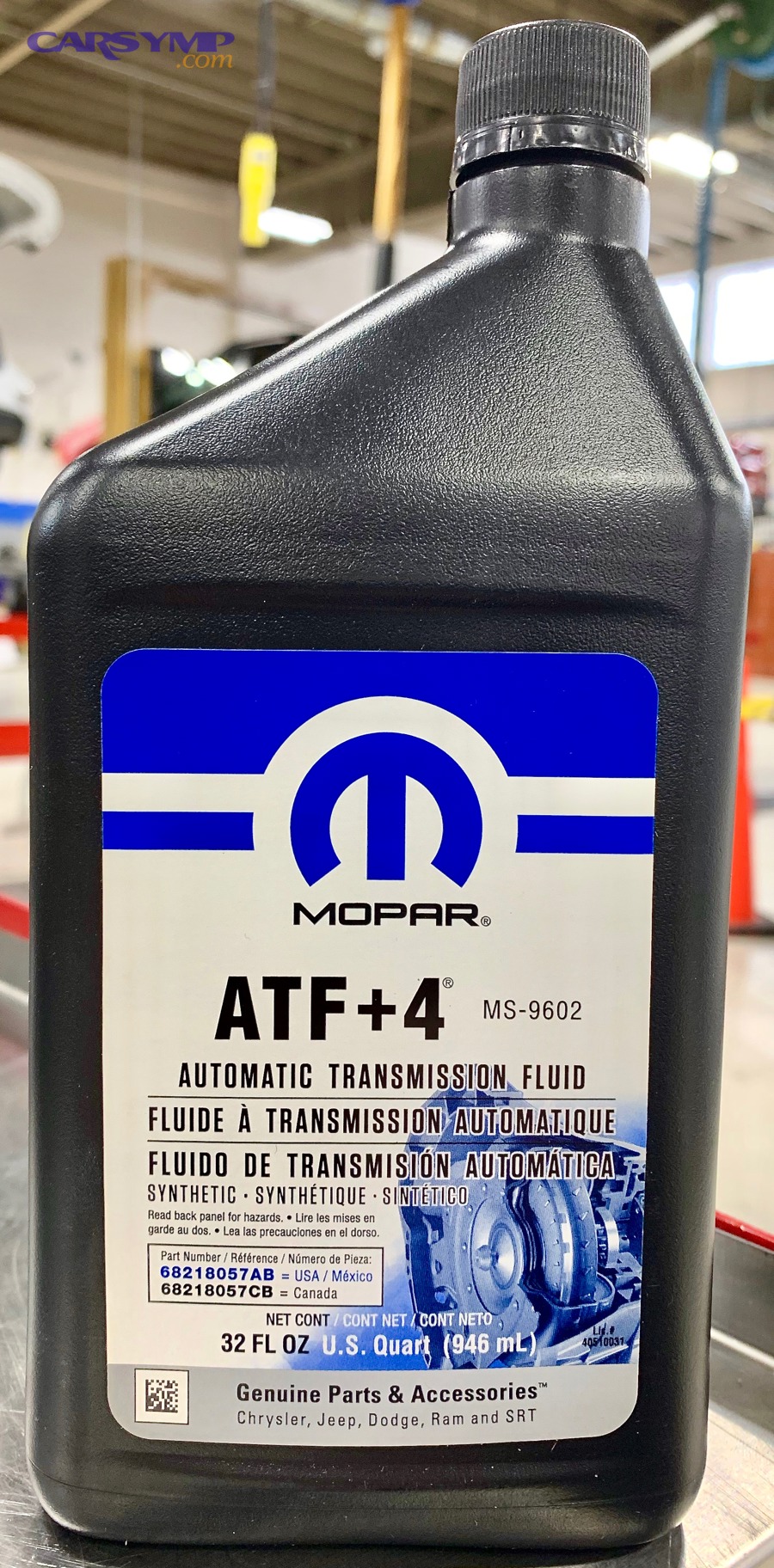
The best CVT fluid maintenance is the right-spec fluid plus a service schedule matched to your duty cycle, because stable friction and clean hydraulics protect the belt/pulley interface and prevent heat-driven wear.
Specifically, you’ll extend CVT life most by controlling fluid quality, not just fluid quantity.
How often should you change CVT fluid for normal vs severe driving conditions?
You should change CVT fluid more often under severe duty than normal duty, because heat, shear, and contamination build faster and push the CVT closer to slip and harshness.
Then, instead of chasing a single mileage number, use a simple decision framework:
Normal duty (lighter load profile):
- Mostly steady-speed highway or moderate mixed driving
- Minimal towing/hauling
- Mild climate
- Smooth acceleration habits
Severe duty (high heat/load profile):
- Frequent stop-and-go, rideshare, delivery driving
- Hot climate or repeated mountain grades
- Regular towing/hauling (even within rating)
- Short trips with lots of warm-up cycles
- Aggressive throttle habits
Practical rule: if you identify with severe duty, think “shorter intervals and earlier checks,” because the CVT is spending more time near the conditions that oxidize fluid and force higher clamping demands.
Should you do a drain-and-fill or a flush for a CVT?
Drain-and-fill wins for most high-mileage or unknown-history vehicles, while a flush can be appropriate only when the manufacturer explicitly approves the method and the transmission is healthy—because aggressive exchange methods can stir debris or stress a worn unit.
However, the safest path depends on history and symptoms.
Drain-and-fill (often safer)
- Pros: less risk on older CVTs; gradual refresh; easier to repeat
- Cons: may not replace all fluid in one pass
Flush (situational)
- Pros: more complete exchange in one visit
- Cons: higher risk if the CVT is already worn or contaminated; method quality varies
A better approach than “flush vs no flush” is: diagnose first if you have CVT slipping and shudder symptoms, delayed engagement, or abnormal noises—because those can signal mechanical issues that fluid alone won’t fix.
Can the wrong CVT fluid damage the transmission, even if the level is correct?
Yes—the wrong CVT fluid can damage the transmission because friction modifiers and viscosity behavior control belt/pulley traction and hydraulic response, and a mismatch can increase slip, heat, and wear even at the correct fluid level.
Moreover, CVTs are less tolerant of “close enough” fluids than many older automatics.
- Exact specification compliance (OEM spec first, not marketing claims)
- Documented compatibility for your model
- Consistent service quality (clean funnels, correct fill procedure, correct level setting temperature)

If your CVT uses a sealed design without a dipstick, the “right level” is even more procedure-dependent, which makes correct service technique part of longevity.
According to a study in Lubricants (MDPI) in 2014, base-stock and additive differences in CVT fluids can change torque capacity; the paper reports one base-stock comparison showing about a 10% higher torque capacity for one formulation versus another—illustrating why “wrong fluid” isn’t just a minor detail.
How can you prevent overheating and control CVT temperatures?
You prevent CVT overheating by reducing heat generation (load and slip), improving heat rejection (cooling capacity and airflow), and keeping fluid fresh enough to carry heat effectively.
More specifically, CVT temperature control is a daily habit problem, not just a hardware problem.
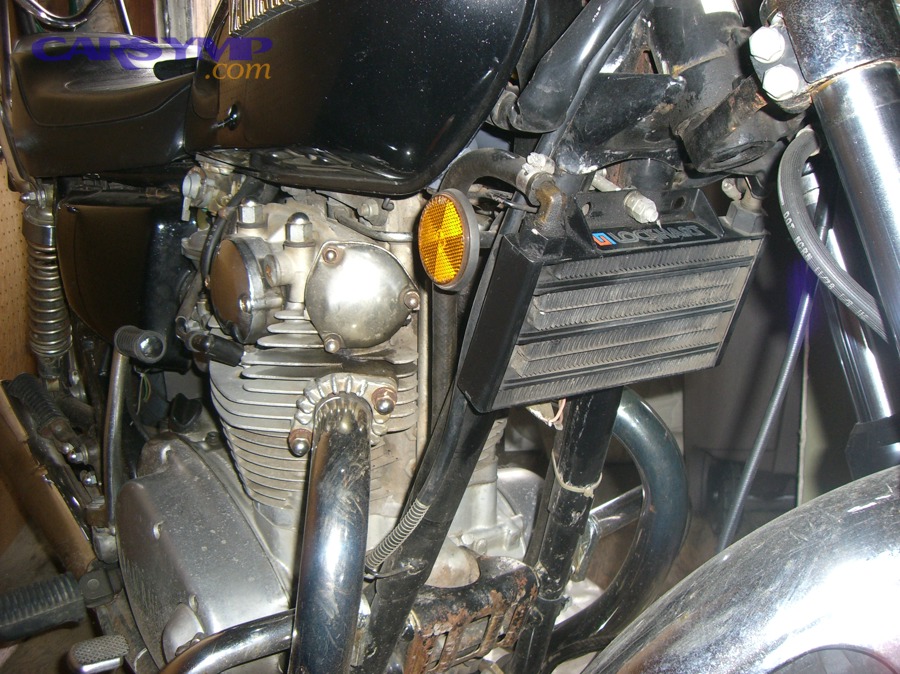
Heat is the silent amplifier: it speeds oxidation, changes viscosity behavior, and increases the risk of traction instability. When traction becomes unstable, the CVT may command higher clamping forces to hold torque, which increases internal stress—so overheating often becomes a feedback loop.
What driving situations raise CVT temperature the fastest?
There are 7 main situations that raise CVT temperature fastest—towing, long grades, stop-and-go in heat, deep sand/snow, heavy payload, repeated hard acceleration, and prolonged creeping—based on how much torque load and slip they create.
Next, treat these situations like “severe duty events,” even if they’re occasional.
- Towing and hauling: sustained load = sustained heat
- Mountain climbs: long duration high torque demand
- Stop-and-go traffic: low airflow + repeated torque changes
- Deep sand/snow: high resistance, often high slip if traction is poor
- Heavy payload: more torque demand from every start
- Repeated hard acceleration: torque spikes drive clamping response
- Prolonged creeping: heat soak builds without cooling breaks
A simple tactic that helps: create more space in traffic so you can roll smoothly instead of creeping and braking constantly.
Do CVT coolers help, and when are they worth installing?
Yes—CVT coolers help when your driving routinely creates high heat load, because additional cooling capacity reduces peak temperatures and slows oxidation, especially in towing, hot climates, or repeated stop-and-go duty cycles.
However, cooler value depends on whether heat is your real problem.
Coolers are most worth considering when:
- You tow regularly or drive in mountains
- You live in a hot climate and do a lot of city driving
- You use the vehicle for delivery/rideshare
- You’ve seen heat-related behavior (reduced performance, warning lights, hot fluid smell)
Coolers matter less when:
- You drive mostly steady highway
- You never tow
- Your climate is mild and your driving is gentle
If you do add cooling, quality matters: correct routing, leak-free fittings, and avoiding restrictions that reduce flow.
Should you warm up a CVT before hard acceleration, and how long is enough?
Yes—you should warm up a CVT before hard acceleration because cold fluid flows differently and control responses can be less stable, so a short period of gentle driving reduces stress and improves consistency.
Then, the best warm-up is simple and realistic.
- Drive gently for the first few minutes (light throttle, no full launches)
- Avoid sudden kickdown behavior early in cold weather
- Let the drivetrain reach stable operating behavior before heavy load (passing, hill climbs, towing)
According to a study by Luleå University of Technology from the Department of Engineering Sciences and Mathematics, in 2013, water contamination in automatic transmission fluid was shown to alter friction behavior and contribute to degradation in wet-clutch systems—supporting the broader point that fluid condition and operating environment strongly influence transmission behavior under stress.
Which driving habits extend CVT life without slowing you down too much?
Driving habits that extend CVT life focus on reducing torque spikes and unnecessary heat, because smooth power delivery lowers belt/pulley stress while still letting the car feel responsive.
Especially with CVTs, “smooth” often equals “fast enough and safer for the transmission.”
The goal is not to baby the car—it’s to avoid the specific behaviors that force the CVT into high clamping demand, micro-slip, and heat soak.
Does gentle acceleration really matter for CVT longevity?
Yes—gentle acceleration matters because it reduces torque spikes that trigger higher clamping forces and traction stress between belt and pulleys, lowering the chance of slip and heat buildup.
Next, you can apply “gentle” without driving like you’re late for nothing.
- Roll into the throttle instead of stabbing it
- Avoid repeated full-throttle launches from a stop
- Use steady throttle when merging rather than oscillating between heavy and light pedal
This keeps the CVT operating in a stable friction zone more often, which is exactly where it wears the slowest.
What’s the best way to drive a CVT in stop-and-go traffic?
The best way to drive a CVT in stop-and-go traffic is to create space and roll smoothly, because constant creeping and braking increases heat soak and forces repeated torque transitions that stress the belt/pulley interface.
To illustrate, your goal is to reduce “micro-cycles” of load.
- Leave a larger gap so you can coast instead of creep
- Use gentle throttle to get rolling, then maintain a slow roll
- Avoid rapid D-to-R rocking unless you’re truly stuck (it’s extra load cycles)
- If you’re parked for a while, use normal idling habits recommended for your vehicle (don’t “rev to help the CVT”)
Can towing or hauling with a CVT be safe, and what limits should you follow?
Yes—towing with a CVT can be safe when you follow the vehicle’s tow rating and treat towing as severe duty with added cooling and earlier maintenance, because sustained load is the biggest heat driver.
However, “rated to tow” does not mean “tow like a truck every weekend.”
- Stay within the published tow rating and payload limits
- Avoid long high-speed towing in heat if possible
- Give the drivetrain breaks on long climbs
- Maintain cooling system health (radiator airflow, fans, no blocked fins)
- Shorten fluid service intervals after repeated towing seasons
If towing triggers symptoms, don’t push through it—plan a diagnosis before you turn a manageable issue into a failure.
What early warning signs mean you should service (or stop driving) to avoid CVT failure?
Early warning signs that require attention are any repeated shudder, slipping sensation, delayed engagement, whining, burning smell, or warning lights, because these often indicate traction instability, fluid breakdown, or hydraulic control problems.
More importantly, acting early is how you avoid “minor symptom today, major CVT repair tomorrow.”
Many owners wait because the car still moves. That delay is expensive: a CVT can continue to drive while internal surfaces wear rapidly, and the point of no return can arrive quietly.
Are shuddering, slipping, or delayed engagement signs of CVT trouble?
Yes—shuddering, slipping, and delayed engagement are classic CVT slipping and shudder symptoms that often signal fluid degradation, belt/pulley wear, valve-body control issues, or torque-converter problems.
Then, the right move is to treat the symptom as a data point, not a guess.
- Shudder on takeoff or light acceleration: friction instability, converter clutch behavior, or early traction issues
- Slipping feeling under load: traction loss, pressure control issues, or severe fluid breakdown
- Delayed engagement into Drive/Reverse: low pressure, fluid level problems (or wrong fill procedure), or control issues
If these are new or getting worse, reduce load (no towing, no hard acceleration) and schedule diagnostics.
What should you check first if you notice CVT symptoms (before spending money)?
There are 5 first checks you should do before spending money—scan codes, verify correct fluid spec/service history, inspect for leaks, note heat-related triggers, and test-drive gently to document patterns—based on what most reliably narrows the cause.
Next, these checks help you avoid paying for the wrong fix.
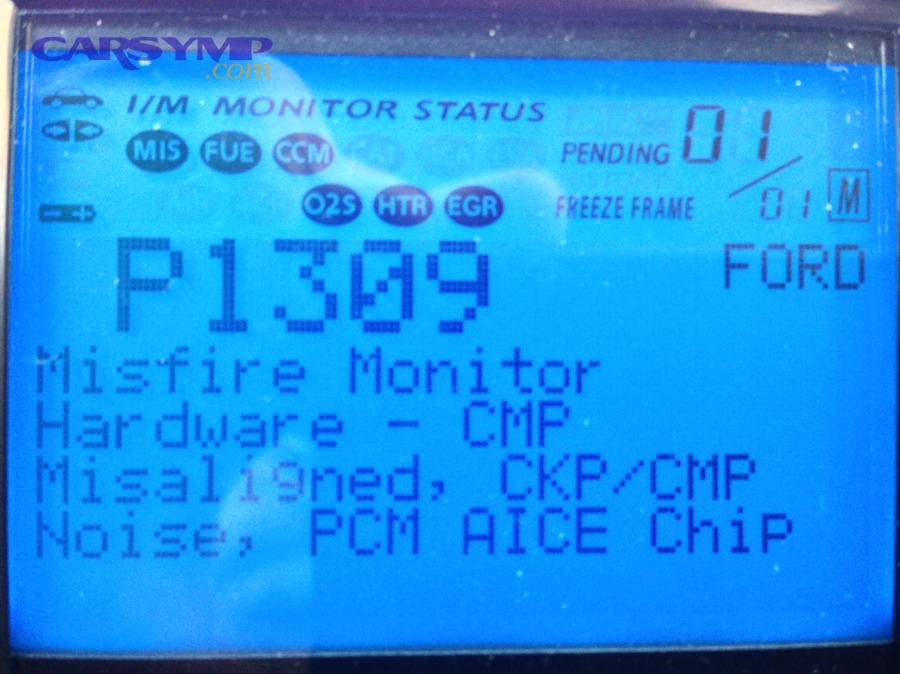
- Scan for diagnostic trouble codes (DTCs)
- Codes won’t “solve” the issue, but they narrow the system involved.
- Confirm service history and fluid spec
- Unknown fluid or “universal” fluid is a common risk factor.
- Check for leaks and signs of overheating
- Look for wet areas, burnt smell, or heat-triggered symptoms.
- Observe when the symptom happens
- Cold only? Hot only? Under load? In traffic?
- Avoid “additive guessing”
- Stop “pour-in fixes” that mask symptoms until wear worsens.
This is also where the decision becomes practical: a clear diagnosis supports a smarter CVT repair vs replacement cost comparison, because you’ll know whether you’re dealing with maintenance-level issues or internal damage.
According to a study by Van Doorne’s Transmissie (VDT) / Bosch Group presented via SAE (tribological investigation), macro slip is directly associated with severe belt element and pulley wear—supporting why “slip-like behavior” should be treated as a serious wear accelerant rather than ignored.
What is the simplest maintenance plan (checklist) to extend CVT life year-round?
The simplest CVT longevity plan is a repeatable checklist—monthly habit checks, seasonal heat management, and mileage-based fluid service—because consistency prevents the slow creep of heat and contamination that shortens transmission life.
In addition, a checklist reduces the chance you’ll “forget maintenance” until the first big symptom.
Think of the plan in three layers: (1) habits, (2) observation, (3) scheduled service. You don’t need to become a technician—you just need to stay ahead of the conditions that create wear.
What should you do monthly, every 6 months, and at major mileage milestones?
There are 3 time-based layers—monthly, every 6 months, and mileage milestones—based on how quickly problems show up versus how quickly fluid degrades.
Then, follow the layer that matches your vehicle design (dipstick vs sealed) and your duty cycle.
Monthly (habits + observation)
- Drive smoothly from cold start; avoid early full-throttle launches
- Watch for new shudder, delay, or unusual noises
- Check for leaks where you park
- Keep cooling airflow clean (remove debris from grille/radiator area if accessible)
Every 6 months (seasonal heat readiness)
- If you do severe duty, consider scanning for stored codes
- Inspect underbody for seepage
- Review how the car behaved during the hottest/coldest weeks and adjust habits
Major mileage milestones (service moments)
- CVT fluid service based on your manual and duty cycle
- Filter-related service if your design includes serviceable filtration
- Re-check after service for smoothness and temperature behavior
If your driving shifts (new commute, rideshare, towing), treat that as a “milestone” too—because duty cycle changes wear rate immediately.
Which “quick wins” give the biggest CVT lifespan return with the least cost?
There are 4 biggest quick wins—use correct-spec fluid, shorten service intervals for severe duty, reduce heat in traffic/towing, and respond early to symptoms—based on cost-to-benefit impact.
To sum up, these moves give you the most protection per dollar.
- Correct-spec fluid only (no guessing)
- Earlier service under severe duty (heat is the multiplier)
- Heat-smart driving habits (smooth throttle, fewer creep cycles)
- Early diagnosis of symptoms (prevents compounding wear)
According to a study in Lubricants (MDPI) in 2014, lubricant formulation affects torque capacity in belt CVTs, reinforcing that fluid choice and condition are performance-critical—not cosmetic.
After you’ve applied the checklist above, you’ve covered the core “extend CVT life” playbook. Next, the article shifts beyond the main how-to into micro-level differences—brand requirements, design variations, and special driving profiles that change what “best practice” looks like.
How do CVT longevity tips change by vehicle brand, design, and driving profile?
CVT longevity tips change most by fluid specification, filtration design, cooling strategy, and duty cycle, because these factors determine how sensitive your CVT is to friction stability and heat load.
Meanwhile, the universal rules still hold: correct fluid, controlled temperature, smooth torque, and early symptom response.
Different manufacturers tune their CVTs for different torque limits, control strategies, and fluid friction curves. Two vehicles can both be “CVT,” yet respond very differently to the same fluid, the same driving, or the same towing pattern.
Which CVT maintenance steps are universal, and which depend on OEM fluid specs?
Universal steps are heat control, smooth driving, and early symptom response, while spec-dependent steps are fluid selection, exact service procedure, and interval decisions—because OEMs calibrate friction behavior around their approved fluid.
Next, treat fluid spec like a part number, not a suggestion.
Universal
- Avoid overheating cycles
- Don’t ignore shudder/slip/delay symptoms
- Keep load and torque spikes reasonable
- Maintain cooling airflow and system health
OEM-dependent
- Exact fluid specification and compatibility
- Fill procedure and level-setting temperature
- Filter service requirements and service access differences
If you want the lowest-risk path, keep proof of correct fluid and correct service method—because it protects both the transmission and your troubleshooting clarity later.
What’s different about CVTs used in commuting vs rideshare/stop-start duty cycles?
Rideshare and stop-start duty cycles are harder on CVTs than commuting because they create more heat soak time, more low-speed torque transitions, and more repeated “micro-load cycles,” which accelerates fluid aging and wear.
Then, the right adjustment is earlier service and stricter heat habits—not panic.
- Shorten fluid service intervals compared to normal duty
- Reduce creeping where possible (space and smooth roll)
- Monitor for early shudder or engagement changes
- Consider cooling support if heat is a pattern
When does CVT temperature monitoring (OBD) help, and what should you watch for?
OBD temperature monitoring helps when your driving is severe duty, because it shows trends—rising heat under the same conditions can signal fluid aging, cooling limitations, or developing control stress.
More specifically, you’re watching for patterns, not obsessing over a single number.
- Temps rising faster than they used to on the same commute
- Heat spikes during towing or long grades
- Symptom correlation (shudder appears only when hot)
If higher heat now matches new symptoms, prioritize diagnosis—because that’s when a “maintenance story” becomes a “repair story.”
What are the most common myths about CVT care (and the truth)?
There are 4 common myths about CVT care—lifetime fluid, “flush fixes everything,” universal fluid compatibility, and “CVTs can’t tow at all”—based on oversimplifications that ignore heat and friction control.
In short, the truth is more conditional.
- Myth: “Lifetime fluid means never service.”
- Truth: heat and time still degrade fluid; severe duty needs earlier service.
- Myth: “A flush will fix shudder.”
- Truth: fluid can help if the unit is healthy, but mechanical wear requires targeted repair.
- Myth: “All CVT fluids are basically the same.”
- Truth: formulation affects friction and torque capacity; wrong fluid can raise slip risk.
- Myth: “CVTs can’t tow—ever.”
- Truth: some can within rating, but towing is severe duty and demands better heat management and maintenance.
If your goal is to keep the car long-term, the myth-free approach also makes financial decisions clearer: a well-documented diagnosis lets you do a realistic CVT repair vs replacement cost comparison instead of guessing in a crisis.