


The EVAP system plays a crucial role in reducing vehicle emissions, but it can trigger codes that can be challenging to diagnose. Understanding how to troubleshoot EVAP leak codes is essential for both mechanics and DIYers. This article provides an in-depth look at how to approach these issues, step-by-step, ensuring that you can quickly identify the cause of a check engine light (CEL) and fix it.
Understanding the triggers behind EVAP leak codes is the first step. These codes indicate malfunctions in the evaporative emissions system, commonly pointing to problems with components like the gas cap, purge valve, or hoses. Diagnosing these faults requires the right tools and knowledge. In this guide, we will cover methods like using an OBD-II scanner and performing a smoke test to pinpoint leaks and other issues.
When a check engine light is illuminated, it could indicate multiple issues, and EVAP system faults are just one of them. Knowing How to read OBD2 codes correctly and analyze freeze frame data can help you assess the overall situation. Once the specific fault is identified, it is essential to use the proper troubleshooting approach to prevent unnecessary repairs.
Next, we’ll explore the best methods for detecting and diagnosing EVAP leaks in detail, including step-by-step guidance for using an OBD-II scanner and performing physical inspections.
What Is an EVAP Leak Code and How Is It Triggered?
An EVAP leak code is a diagnostic trouble code (DTC) that indicates a malfunction within the evaporative emissions system. This system helps to capture fuel vapors from the gas tank and send them to the engine for combustion rather than allowing them to escape into the atmosphere. When components within this system fail or become damaged, the vehicle’s computer will trigger an EVAP code, signaling a malfunction.
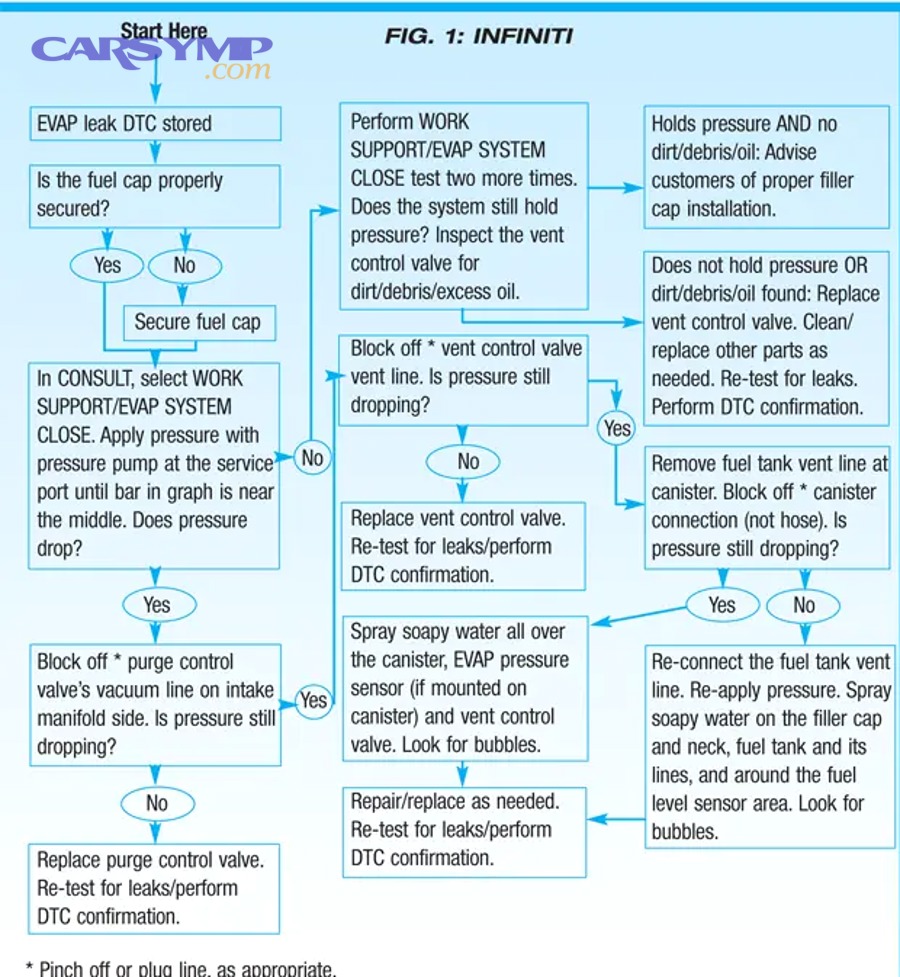
How EVAP Leak Codes Are Triggered
The codes typically relate to issues like a loose or damaged gas cap, a faulty purge valve, or cracks in the hoses. These problems can lead to air entering the EVAP system, which then registers as a leak. Additionally, issues like environmental factors or wear and tear over time can cause the system to malfunction, leading to the trigger of a P0440, P0442, or P0455 code.
Common EVAP Codes Explained
- P0440: EVAP system malfunction, often caused by a sensor or circuit failure.
- P0442: Small EVAP leak detected, which can occur if a hose is cracked or a gas cap is not sealed properly.
- P0455: Large EVAP leak detected, often resulting from a loose gas cap, cracked fuel tank, or a faulty vent valve.
Components of the EVAP System
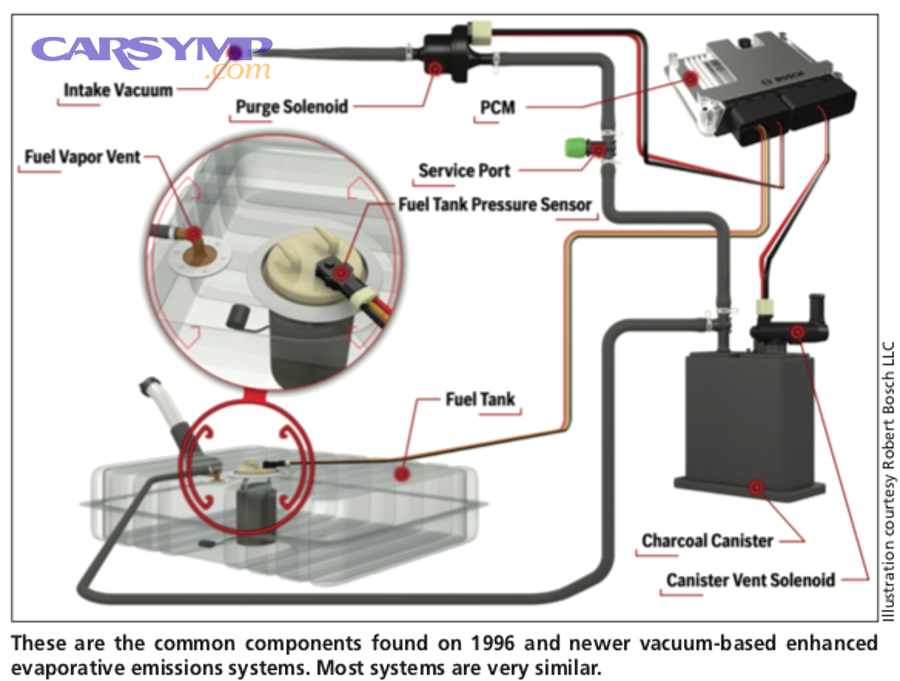
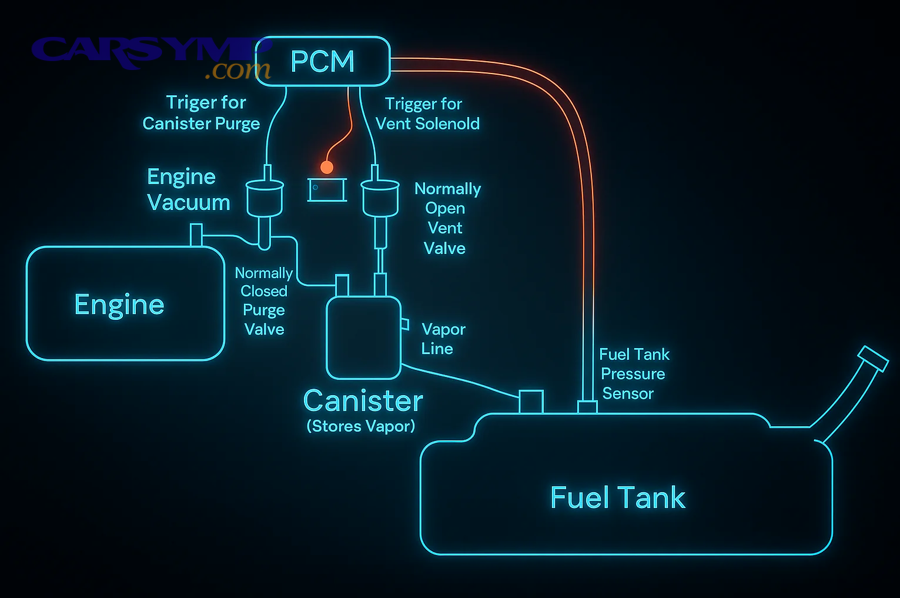
The EVAP system includes critical components such as the gas cap, purge valve, charcoal canister, and vent valve. Each part plays a role in controlling the fuel vapor emissions. Understanding how these components work and where they might fail is key to diagnosing EVAP leak codes.
How to Troubleshoot EVAP Leak Codes: Step-by-Step Guide
Diagnosing EVAP leak codes involves several steps, using both diagnostic tools and physical inspection methods. The most common tools include an OBD-II scanner, which reads trouble codes from the vehicle’s computer, and the smoke test, which helps identify physical leaks in the EVAP system.
Step 1: Using an OBD-II Scanner for EVAP Code Diagnosis
An OBD-II scanner is one of the most valuable tools for troubleshooting EVAP leak codes. By connecting the scanner to the vehicle’s OBD-II port, mechanics can retrieve error codes that indicate specific issues in the EVAP system. Once the codes are read, technicians can use freeze frame data to analyze the vehicle’s performance and determine the exact moment the error occurred. This helps to isolate the issue.
Step 2: Conducting a Smoke Test
A smoke test is an effective method for detecting EVAP leaks that are not visible to the naked eye. The process involves introducing smoke into the EVAP system. If there is a leak, the smoke will escape from the damaged area, making it easy to identify the source of the problem. A smoke test is particularly useful for detecting small cracks or pinholes in hoses or seals.
Step 3: Inspecting Common EVAP Components
In addition to using diagnostic tools, a thorough physical inspection of the EVAP system is essential. Start by inspecting the gas cap for proper fit and sealing. A loose or cracked gas cap is a common cause of EVAP leaks. Next, check the purge valve, which can sometimes become clogged or fail due to age. Finally, inspect the hoses and the charcoal canister for signs of damage.
What Are the Common Causes of EVAP Leak Codes?
There are several potential causes for EVAP leak codes. The most common issues involve a malfunction or failure of key components within the EVAP system. Some of the most frequent causes include:
- Loose or Damaged Gas Cap: The gas cap is often overlooked, but it can easily cause a small leak if not properly tightened or if the seal becomes damaged.
- Faulty Purge Valve: The purge valve controls the flow of vapors into the engine. If it malfunctions, it can result in a leak.
- Cracked or Disconnected Hoses: Over time, hoses within the EVAP system can crack or become disconnected, allowing air to enter the system and trigger a leak code.
- Worn Charcoal Canister: The charcoal canister is responsible for storing and releasing fuel vapors. If the canister is damaged, it can result in a leak and trigger an EVAP code.
How Does the EVAP System Fail?
The EVAP system fails when one or more of its components lose their ability to contain fuel vapors. For instance, if the gas cap fails to seal properly, vapors can escape, leading to a P0440 or P0442 code. Similarly, if the purge valve fails, it may prevent vapors from being directed into the engine, leading to poor vehicle performance and emissions issues.
Conclusion
Diagnosing and troubleshooting EVAP leak codes can be a challenging task, but with the right tools and knowledge, both mechanics and DIYers can pinpoint the issue and carry out the necessary repairs. By using an OBD-II scanner, performing smoke tests, and inspecting common components like the gas cap and purge valve, you can efficiently diagnose and resolve EVAP system issues.

Next, we will explore some myths and misconceptions about EVAP leaks and their diagnosis, helping you avoid common mistakes when dealing with these codes.
Supplementary Content
Common Myths About EVAP Leaks and Their Diagnosis
EVAP leaks can be tricky to diagnose, and there are several myths surrounding the issue. One common myth is that all EVAP leak codes require a smoke test. While a smoke test is useful for detecting hard-to-find leaks, many leaks can be identified with simple visual inspections or by checking the gas cap. It’s essential to avoid jumping to conclusions and using unnecessary tests.

Should You Always Use a Smoke Test for EVAP Leaks?
Not every EVAP leak requires a smoke test. Many times, a loose gas cap or a cracked hose can be easily detected without the need for advanced diagnostic tools. However, for more complex issues or when the leak source isn’t easily visible, a smoke test can provide valuable insights.
What Are the Most Common EVAP Issues That Aren’t Leaks?
Not all EVAP issues stem from physical leaks. In some cases, faulty sensors or malfunctioning electronic components can trigger EVAP leak codes. For example, a broken fuel tank pressure sensor or a faulty purge valve can mimic the symptoms of an EVAP leak without an actual leak occurring.
Can EVAP Issues Be Fixed Without Professional Help?
While minor EVAP issues like a loose gas cap can be easily fixed by the vehicle owner, more complex issues may require professional tools and expertise. If you’re unsure about the cause of the problem or don’t have access to advanced diagnostic tools, it’s always a good idea to consult with a professional mechanic.