


Title analysis: Main keyword focus: “Simple DIY tests before visiting a shop.” Predicate (main action): Do / Run / Diagnose. Central entity: simple DIY car diagnostic tests. Relations lexical used: Meronymy (these tests are “parts” of the bigger goal—faster, cheaper diagnosis before a shop visit).
If you want to save time and avoid paying for guesswork, the smartest move is to run a few simple DIY tests before visiting a shop—basic checks that quickly narrow the problem and help you describe symptoms accurately.
Next, you’ll learn which at-home checks actually matter (and which ones waste time), so you can spot easy issues like low fluids, loose battery terminals, or underinflated tires before you schedule professional help.
Then, you’ll see how to map what you feel—stalling, rough idle, squealing, overheating, or warning lights—into the next best test, so you’re not randomly replacing parts.
Introduce a new idea: once you’ve done the quick triage, you can decide when it’s safe to keep testing at home versus when it’s time to stop and let a technician take over.
What are “simple at-home car diagnostic tests” you should do before a mechanic visit?
Simple at-home car diagnostic tests are low-risk checks—visual, basic measurements, and symptom documentation—that identify obvious problems (fluids, battery, tires, leaks, and warning-light context) without disassembly, so you arrive at the shop with clearer clues and fewer surprises.
To better understand why these tests work, it helps to think like a technician: confirm the basics first, then capture conditions and patterns before you chase deeper faults.
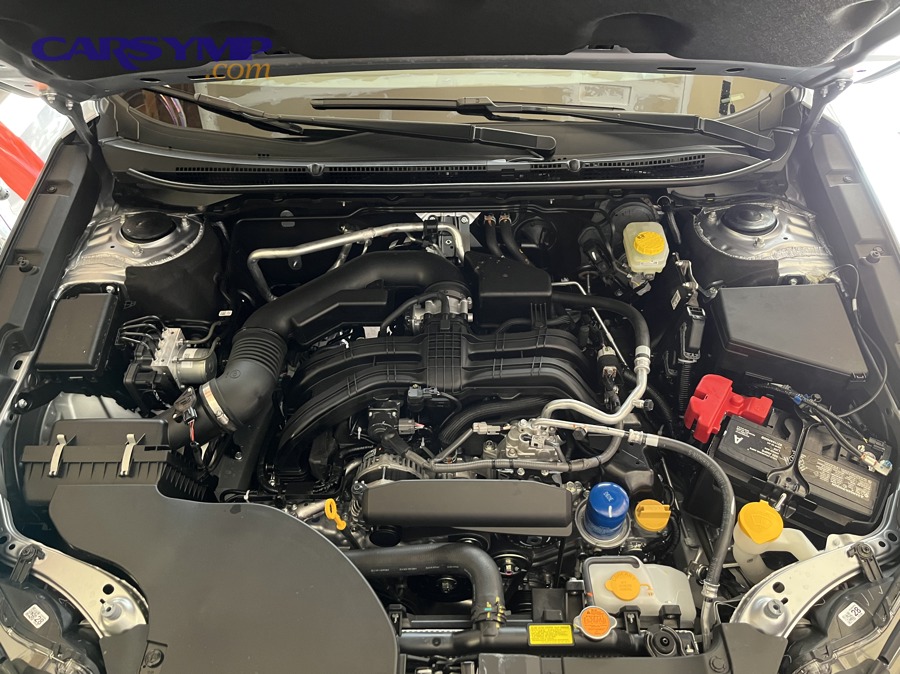
What should you look for during a 2-minute walk-around inspection?
A 2-minute walk-around inspection should focus on leaks, smells, tire stance, and obvious damage because those clues can instantly separate “safe to drive” issues from problems that need immediate attention.
More specifically, a fast walk-around works because it catches external symptoms your dashboard can’t explain—like fluid on the ground or a tire that’s visibly low.
- Under the car: Fresh puddles or wet spots. Note color and texture:
- Amber/brown and slick: could be engine oil.
- Pink/red and oily: could be transmission or power steering fluid (if equipped).
- Clear water: often A/C condensation (usually normal).
- Green/orange/pink watery fluid: likely coolant—treat as urgent if actively leaking.
- At the wheels: Tire looks “squashed,” uneven stance, or sidewall bulge (stop driving—risk of blowout).
- Smell check: Sweet smell (coolant), fuel smell (possible leak), burning odor (oil or electrical).
- Quick light check: Headlights/brake lights if you suspect an electrical or charging issue.
As you notice anything unusual, write it down immediately—your memory gets fuzzy after you’ve driven and the evidence dries up.
Which fluid checks are most useful—and what do the results mean?
The most useful fluid checks are engine oil, coolant level (in the reservoir), brake fluid level, and windshield washer fluid, because low levels often explain warning lights, smells, overheating, or braking changes without any tools.
For example, fluids act like the “bloodwork” of your car: levels and condition can reveal both immediate risk and longer-term maintenance neglect.
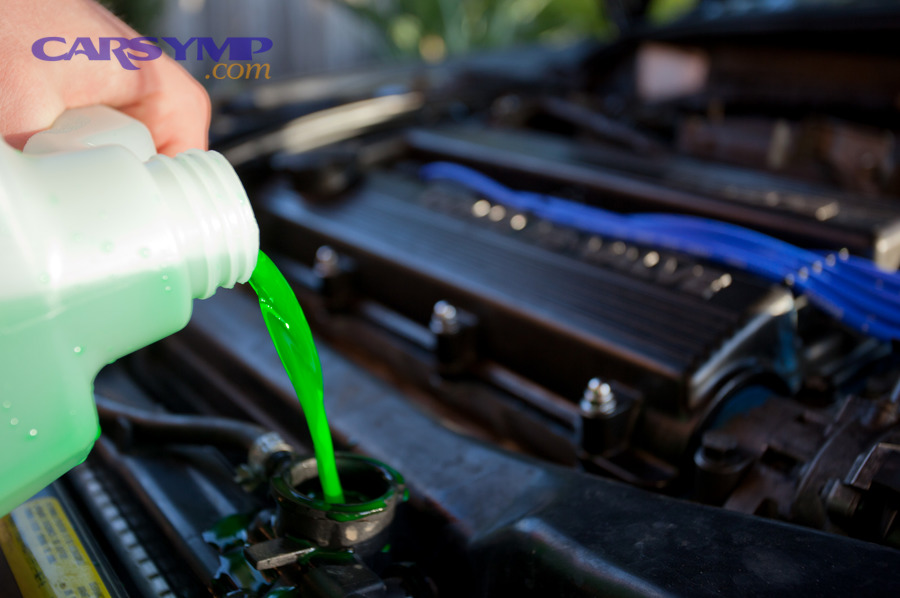
- Engine oil: Check level on dipstick (engine off, level ground). Low oil can trigger noise, overheating, or warning lights. Overfilled oil can foam and cause drivability problems.
- Coolant (reservoir level): Check only when cool. Low coolant + rising temperature = stop driving. Repeated low coolant suggests a leak.
- Brake fluid: Level should sit between MIN and MAX. A low level can indicate pad wear or a leak. If the pedal feels spongy or the level drops fast, don’t delay—this is safety-critical.
- Transmission fluid (if your vehicle has a dipstick): Check per owner’s manual procedure. Burnt smell or dark fluid can correlate with shifting complaints.
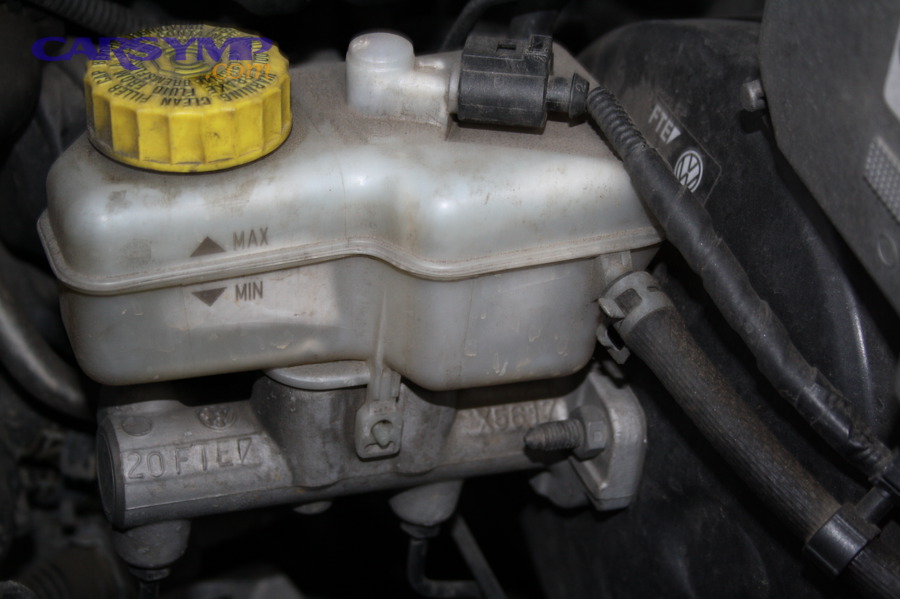
According to a study by the University of Žilina (Faculty of Operation and Economics of Transport and Communications, Department of Road and Urban Transport) and the Slovak University of Agriculture in Nitra (Faculty of Engineering, Institute of Agricultural Engineering, Transport and Bioenergetics), in 2025, testing brake fluid showed a meaningful portion of vehicles had unsatisfactory boiling-point results, supporting the idea that basic fluid condition checks matter for safety. (reference-global.com)
How can you do a quick battery and charging system sanity check?
You can sanity-check your battery and charging system by looking for corrosion, checking terminal tightness, and observing starting behavior, because many “random” electrical symptoms are just poor connections or weak voltage under load.
However, the key is to stay simple: you’re not rebuilding an electrical system—just confirming whether the basics are stable.
- Visual: White/blue crust at terminals, loose clamps, damaged cables.
- Behavior: Slow crank, repeated clicking, lights dimming when you start.
- Accessory check: If the car starts, turn on headlights + rear defroster. If lights pulse heavily at idle, note it—it may suggest charging instability.
If you have a multimeter, you can add a quick measurement: a healthy resting battery is typically around the mid-12V range, and running voltage should be higher if the alternator is charging (exact targets vary by vehicle and conditions). If you’re unsure, don’t over-interpret—just record the numbers for the shop.
What tire and brake observations can you make without tools?
You can assess tire and brake health without tools by checking tire pressure, tread wear pattern, and listening for brake noise, because these are high-signal indicators of safety and drivability problems.
Specifically, tires and brakes “broadcast” their issues: uneven wear, vibration, pulling, squeal, or grinding almost always correlate with a short list of causes.
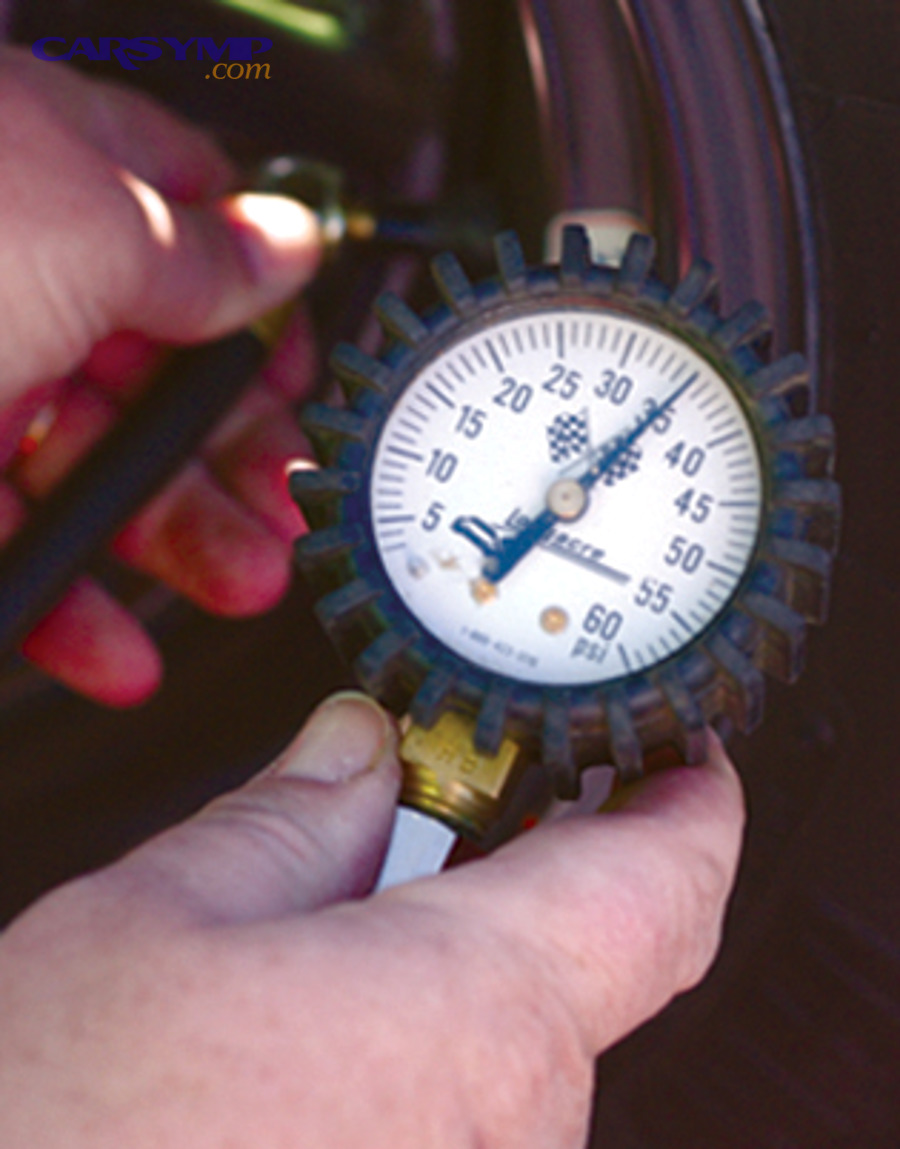
- Tire pressure: Compare to the driver-door placard (not the sidewall). Big differences left-to-right can cause pulling or stability issues.
- Tread wear:
- Wear on both edges: often underinflation or aggressive cornering.
- Wear in the center: often overinflation.
- One-edge wear: alignment or suspension issue.
- Brake sound check: Light squeal can be pads; grinding suggests metal-to-metal (stop driving if severe).
According to a study by San José State University’s Mineta Transportation Institute in 2021, under-inflation is linked to increased fuel consumption and related emissions impacts, reinforcing that a simple tire-pressure check can have real performance and cost consequences. (transweb.sjsu.edu)
Which cabin and dashboard checks help you capture “symptoms” correctly?
The best cabin and dashboard checks are reading warning lights, noting when symptoms happen, and capturing environmental conditions, because “when” and “under what conditions” often matter more than the symptom itself.
In addition, these quick notes prevent the most common communication problem at the shop: vague descriptions that force the technician to start from zero.
- Warning lights: Check Engine, ABS, traction control, temperature, battery, oil pressure.
- When it happens: Cold start only, after 10 minutes, at idle, at highway speed, during braking, turning, or accelerating.
- Conditions: Weather (rain/cold), fuel level, A/C on/off, load (passengers, towing), recent maintenance.
Can you safely do these checks at home without damaging the car?
Yes—simple DIY tests are safe at home because they rely on observation, basic measurement, and documentation; they reduce unnecessary driving with a problem; and they help you avoid risky “parts swapping” that can damage components or hide the real fault.
However, safety depends on staying within boundaries: don’t open pressurized systems hot, don’t crawl under an unsupported vehicle, and don’t clear data you haven’t recorded.
- Reason 1: Most checks are non-invasive. Looking, smelling, listening, and reading the owner’s manual can’t “break” anything—but it can prevent you from driving a car that’s already unsafe.
- Reason 2: You reduce heat-and-pressure hazards by timing checks correctly. Checking coolant level only when the engine is cool prevents burns and prevents false conclusions from expansion.
- Reason 3: Documentation prevents costly missteps. When you record symptoms, you’re less likely to replace the wrong part based on a guess.
Hard stop rules (call a tow or shop): overheating, oil-pressure warning, brake pedal suddenly soft, fuel smell + visible wetness, loud knocking, or a tire bulge.
According to a study by the University of Žilina and the Slovak University of Agriculture in Nitra in 2025, brake fluid condition can vary significantly within the braking system, which supports a safety-first approach: if braking feels abnormal, stop DIY testing and prioritize professional inspection. (reference-global.com)
Which quick checks should you run first to get the fastest answers?
To get the fastest answers, use a “quick triage” sequence—warning lights, obvious leaks, fluid levels, battery connections, tire pressure, and a short symptom-focused test—because this order catches the most common, most consequential problems in the fewest minutes.
Next, a structured order matters because jumping straight to complex ideas (like sensors) often wastes time when the real issue is basic (like low coolant or a loose terminal).
What is the 10-minute “triage checklist” you can do in your driveway?
The 10-minute triage checklist is: scan for warning lights, do a walk-around for leaks, confirm oil/coolant/brake fluid levels, check battery terminals for looseness/corrosion, confirm tire pressures, and record when the symptom occurs—because those steps eliminate the biggest unknowns fast.
To illustrate why this helps, each step either identifies an immediate safety issue or produces a concrete clue a shop can verify quickly.
- Dash first: Note which warning lights are on and whether they are steady or flashing.
- Ground check: Look for new puddles and sniff for fuel/coolant smells.
- Fluids: Oil level, coolant reservoir level (cold engine), brake fluid level.
- Battery: Wiggle-test terminals gently (engine off) and inspect corrosion.
- Tires: Pressure + quick tread look for uneven wear or damage.
- Pattern note: “Only at idle,” “only under acceleration,” “only after warm,” etc.
How do you avoid the biggest DIY mistake: changing multiple variables at once?
You avoid changing multiple variables at once by doing one check, recording the result, and only then moving to the next step, because simultaneous changes (like topping fluids, resetting codes, and swapping parts) erase the timeline that helps pinpoint the cause.
Besides, the goal of pre-shop DIY testing is not to “win the repair”—it’s to create a clean problem report so the shop can diagnose efficiently.
- Record first, act second: Take a photo of levels, leaks, and warning lights.
- One adjustment at a time: If you add coolant, note how much and re-check for leaks later.
- Don’t clear data yet: If the car stores codes, record them before you erase anything.
When does a quick road test help—and what should you record?
A quick road test helps when the symptom only appears under load or speed, and you should record the exact trigger (RPM, gear, speed, incline, braking, turning) because those conditions often narrow the fault to a subsystem.
Meanwhile, keep the road test short and safe: if there’s overheating, severe shaking, or brake issues, skip it and call a professional.
- Vibration: speed-specific (tires/wheels) vs acceleration-specific (drivetrain/misfire).
- Pulling: braking pull (brakes) vs constant pull (alignment/tire pressure).
- Noise: only while turning (CV joint/wheel bearing) vs only while braking (pads/rotors).
What does your car’s symptom pattern suggest you should test next?
Your symptom pattern suggests the next test by matching “when/where/how” the problem appears to the most likely system—fuel/air/spark for drivability, cooling for overheating, charging for electrical oddities, brakes/suspension for noise and pull—so you test logically instead of randomly.
More importantly, this is where Common codes by symptom mapping becomes useful: you’re not diagnosing by code alone, you’re using symptoms to decide which evidence to collect next.
The table below maps frequent driver-observed symptoms to the most useful “next DIY test,” plus what to write down for a mechanic. Use it as a decision tool—start in the left column with what you feel, then run one targeted check.
| Symptom you notice | Best next DIY test | What to record for the shop |
|---|---|---|
| Check Engine light (steady), car drives “mostly normal” | Read OBD2 codes + freeze frame (don’t clear yet) | Codes, freeze-frame RPM/load/temp, when it happens |
| Check Engine light (flashing) + shaking | Stop driving; basic visual check for loose coil/plug wire (if accessible) | When it started, fuel level, any recent work |
| Overheating or temp rising at idle | Coolant level (cold), look for leaks, confirm radiator fan operation (if safe) | Ambient temp, A/C use, how fast temp rises |
| Hard start / clicking / random electrical issues | Battery terminal tightness + corrosion check; note cranking speed | How long it sat, weather, jump-start history |
| Pulling while braking / grinding noise | Visual wheel/brake area check; brake fluid level; stop if severe | Which side pulls, noise type, pedal feel |
| Vibration at 55–75 mph | Tire pressure + tire damage + uneven wear check | Exact speed range, road surface, recent tire work |
| Fuel smell or sudden MPG drop | Look for wetness near fuel cap/lines (visual only); check for codes | When smell appears, after fill-up?, any drips |
How do you use “conditions” to narrow drivability problems?
You use conditions to narrow drivability problems by linking the symptom to engine state—cold vs warm, idle vs load, steady speed vs acceleration—because different states stress different systems.
Specifically, this approach filters your next test:
- Only cold start: look for vacuum leaks, weak battery, or sensors that stabilize when warm.
- Only under acceleration: suspect ignition under load, fuel delivery, or air restrictions.
- Only at idle: suspect vacuum leaks, dirty throttle body, or idle control behavior (varies by vehicle).
What symptom patterns point to “stop and tow” instead of “keep testing”?
Symptom patterns that call for “stop and tow” include overheating, oil-pressure warnings, loud mechanical knocking, heavy fuel smell with wetness, or brake performance changes, because continued driving can cause rapid damage or create unsafe conditions.
Thus, the safest DIY decision is sometimes the simplest: document what you can in place and let a shop diagnose without risking the engine, brakes, or tires.
Should you scan OBD2 codes at home before visiting a shop?
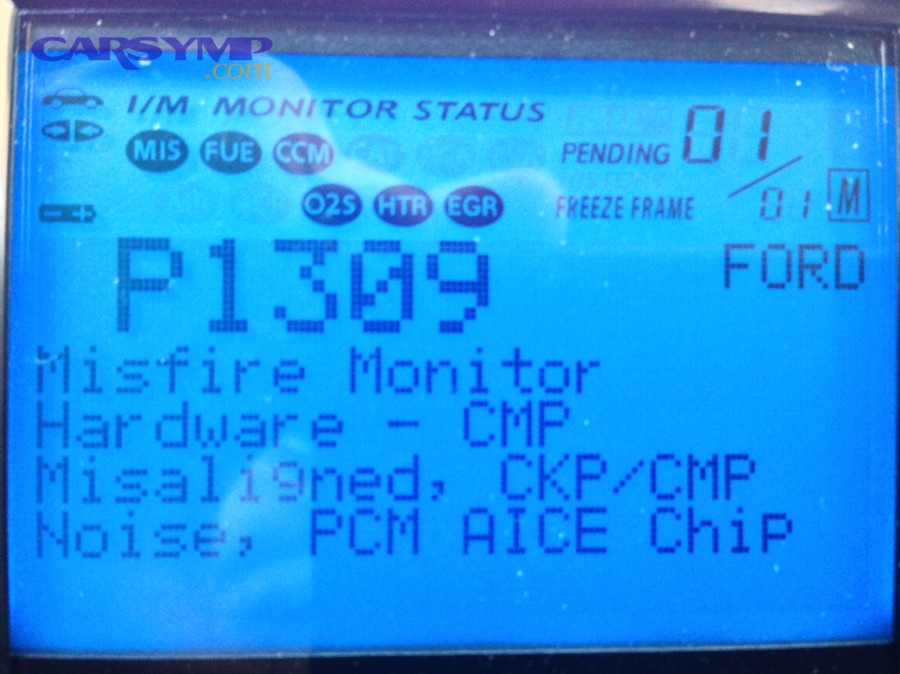
Yes—scanning OBD2 codes at home is worth it because it helps you diagnose check engine light context faster, it captures freeze-frame data the shop can use immediately, and it reduces the odds you’ll approve unnecessary repairs based on vague symptoms.
However, the value comes from the right workflow: read and record first, interpret cautiously, and avoid clearing data too early.
What should you record from an OBD2 scan so it’s actually useful?
You should record stored codes, pending codes, freeze-frame data, and readiness/monitor status, because those items show what the car “saw” when the fault triggered—not just a generic code label.
To better understand why this matters, codes are often symptoms of a condition, not proof of a bad part—so the snapshot data helps the shop confirm the root cause.
- Stored vs pending: Stored triggered the light; pending may be emerging.
- Freeze frame: RPM, load, coolant temp, speed—capture it before clearing.
- Readiness monitors: Useful for emissions testing and verifying repairs.
According to a study by San José State University’s Mineta Transportation Institute in 2021, tire pressure and operational variables can be correlated with fuel use patterns in real-world datasets—an example of why “context data” matters more than single-point guesses; the same logic applies to freeze-frame snapshots during OBD diagnosis. (transweb.sjsu.edu)
How do you interpret codes without falling into the “replace the named part” trap?
You interpret codes correctly by treating them as direction—not a verdict—then matching them to symptoms, conditions, and basic checks, because many codes indicate a system performance issue rather than a single failed component.
For example, a code might point to “lean condition,” but the cause could be unmetered air (vacuum leak), low fuel pressure, or a sensor reading that’s out of range—not automatically a bad sensor.
- Do: Pair the code with when it happens (idle vs load, cold vs warm).
- Do: Look for simple causes first (loose connectors, cracked hoses, low fluids).
- Don’t: Buy parts before confirming with basic evidence.
- Don’t: Clear codes before you’ve saved freeze frame and code history.
What is a safe step-by-step workflow for an OBD2 scan at home?
A safe at-home OBD2 workflow is: plug in, read codes, save freeze frame, note readiness, research code families briefly, and only then decide whether to keep testing or schedule a shop—because this sequence preserves diagnostic evidence and prevents accidental data loss.
Then, once you have the data, you can decide whether the issue is likely minor (like a loose gas cap) or something that warrants immediate professional diagnosis.
What should you bring to the mechanic so they diagnose faster and cheaper?
Bring a clear symptom timeline, your DIY test notes (including OBD2 data), photos/videos of visible issues, and a short list of conditions that trigger the problem, because this reduces repeated “discovery” work and makes the shop’s diagnostic path more direct.
Moreover, this is how you minimize Shop diagnostic process and costs: you’re not telling the shop how to do their job—you’re giving them high-quality inputs so they can test efficiently.
What is the “one-page problem report” format that shops love?
The best one-page problem report is a simple bullet summary: what happened, when it happens, what changed recently, what you checked, and what evidence you captured, because it prevents misunderstandings and gives the technician a clean starting point.
Specifically, keep it short enough that it gets read.
- Vehicle basics: Year/make/model/engine (if known), mileage.
- Primary symptom: “Rough idle after warm,” “overheats at idle,” “vibration at 65 mph.”
- Trigger conditions: speed, RPM, gear, temperature, rain, A/C on/off.
- What you checked: fluids OK/low (with photo), tire pressures, battery terminals, leaks.
- OBD2 results: codes + freeze frame + readiness (photo if possible).
- Recent changes: fuel fill-up, battery replacement, tune-up, road trip, pothole impact.
Which photos and short videos are the most helpful?
The most helpful photos and videos are the ones that “freeze” the evidence: the warning light on the dash, a puddle under the car, a vibrating steering wheel at speed (if safely captured), or a sound clip of a squeal/knock, because intermittent issues often disappear at the shop.
In addition, images prevent translation problems—what you call a “rattle” might sound like a “grind” to a technician.
- Photo of dashboard lights with ignition on.
- Photo of fluid levels (oil dipstick reading, reservoir level).
- Photo of tire damage or uneven tread.
- Short audio/video clip of the noise (start the clip with a spoken note: speed/RPM).
How do your notes reduce “parts swapping” and unnecessary upsells?
Your notes reduce parts swapping by narrowing the diagnostic tree early, because a shop can test the most likely causes first instead of replacing components based on probability alone.
Thus, your DIY work creates leverage: you can ask better questions (“What test confirmed the failure?”) and you can approve repairs with clearer confidence.
What advanced DIY checks can help after the basic checklist—but before you spend on parts?
Advanced DIY checks can help if they remain non-destructive—like inspecting vacuum hoses, checking for intake leaks by observation, verifying EVAP basics (like gas cap and obvious hose issues), and comparing scan-tool live data trends—because they add detail without committing you to irreversible changes.
Especially, the goal here is micro-level clarity: you’re collecting stronger clues, not “modding” your way into a bigger problem.
When is it worth doing basic EVAP checks at home?
Basic EVAP checks are worth doing at home when the symptom is a fuel smell after refueling or an EVAP-related code family, because the most common fixes are simple (cap sealing, cracked visible hoses) and the tests are mostly visual.
More specifically, start with the easiest “sealing” points: make sure the cap clicks tight, inspect the cap seal for cracks, and look for obvious disconnected lines near accessible areas.
What “live data” trends are safe for beginners to look at?
The safest live-data trends for beginners are coolant temperature stability, battery/charging voltage trend, and obvious sensor readings that are clearly out of range, because you’re looking for extremes and patterns—not fine-tuning.
For example, if coolant temperature climbs rapidly at idle, that supports your overheating notes and helps a shop verify fan or flow issues faster.
Which advanced checks should you avoid because they create risk?
You should avoid advanced checks that require pressurizing systems, opening hot cooling components, bypassing safety interlocks, or disassembling fuel/brake components, because those actions can create injury risk and introduce new leaks or faults that confuse diagnosis.
In short, if the step requires special equipment (like smoke machines) or exposes you to fuel/brake hazards, it’s usually best left to a shop unless you have proper training and tools.
According to a study by the University of Žilina and the Slovak University of Agriculture in Nitra in 2025, sampling brake fluid at different points in the system can reveal meaningful differences (including cases where reservoir-only testing looked acceptable while caliper-area fluid did not), which supports a cautious boundary: don’t escalate DIY work into safety-critical systems without the right equipment. (reference-global.com)