How to Accurately Diagnose a Check Engine Light: Step‑by‑Step Diagnostic Guide for Car Owners
When the check engine light (CEL) illuminates, it can be an alarming signal for many car owners. This guide will walk you through the process of diagnosing and interpreting the cause of your check engine light, empowering you with the knowledge to make informed decisions and potentially save on costly repairs. By following these steps, you can perform simple diagnostics, understand when professional intervention is necessary, and optimize your car’s performance.
Understanding the causes behind the check engine light is the first step in solving the problem. From minor issues like a loose gas cap to more serious concerns like a failing oxygen sensor, the range of potential causes can be vast. Knowing how to assess these possibilities can help you identify the most likely culprit.
Once you’ve identified the potential cause, it’s important to know how to interpret the diagnostic codes. This involves using tools like the OBD-II scanner to read and understand the error codes, which will guide you toward a solution. While this step may seem complex, it’s easier than you think with the right approach.
Introduce a new idea: With this foundational understanding, let’s dive into the step-by-step diagnostic process for the check engine light, from basic checks to interpreting error codes and deciding when to consult a mechanic.
What Does the Check Engine Light Indicate?
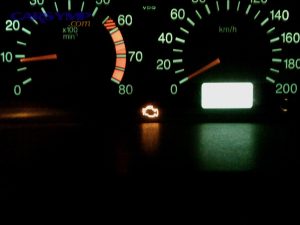
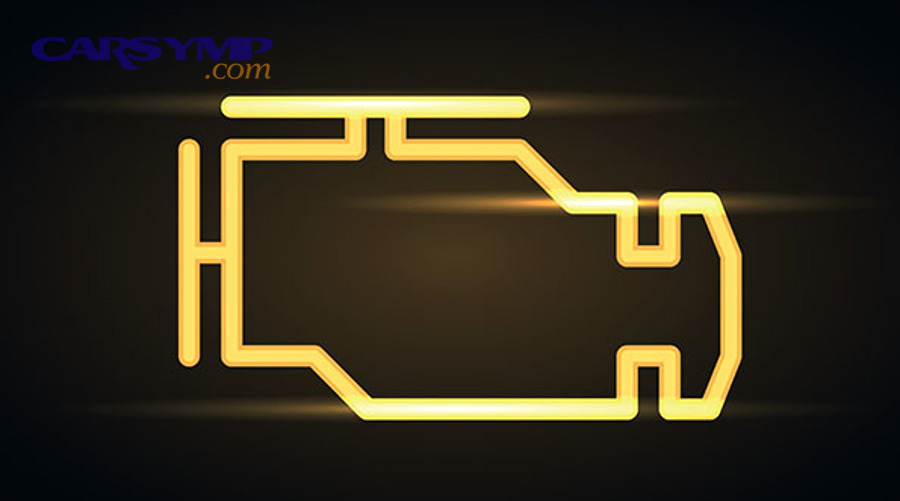
The check engine light (CEL) serves as a warning signal for car owners, alerting them to a potential issue within the engine or emission control system. The light can appear for a variety of reasons, from minor issues like a loose gas cap to more complex problems like engine misfires or sensor malfunctions. Understanding what the CEL means is crucial to diagnosing and resolving the issue.
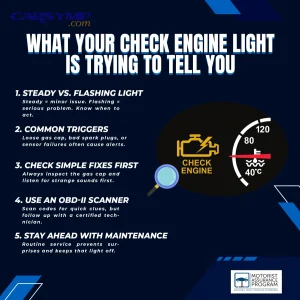
The light may appear as a steady or flashing warning. A steady light often signals a non-urgent issue, while a flashing light indicates a more serious problem, such as a severe engine misfire that could damage the catalytic converter. Understanding the difference helps determine the urgency of addressing the issue.
Next, let’s explore the most common causes of the check engine light and how they can be diagnosed.
What Are the Main Causes of a Check Engine Light?
Several issues can trigger the check engine light. Some of the most common causes include:
- Loose or faulty gas cap: A loose gas cap can cause fuel vapors to escape, triggering the check engine light.
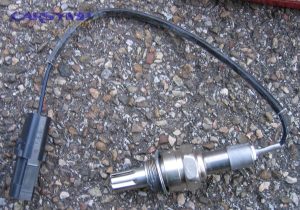
- Oxygen sensor failure: A malfunctioning O2 sensor can affect fuel efficiency and engine performance.
- Catalytic converter issues: Problems with the catalytic converter can lead to poor engine performance and increased emissions.
- Mass airflow sensor malfunction: This sensor regulates the amount of air entering the engine, and a malfunction can cause poor engine performance and fuel inefficiency.
Understanding these common causes will help you rule out simple problems and narrow down the potential culprits.
How Do You Interpret the Check Engine Light Code?
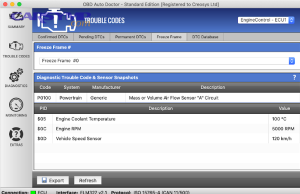
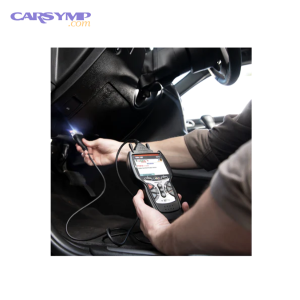
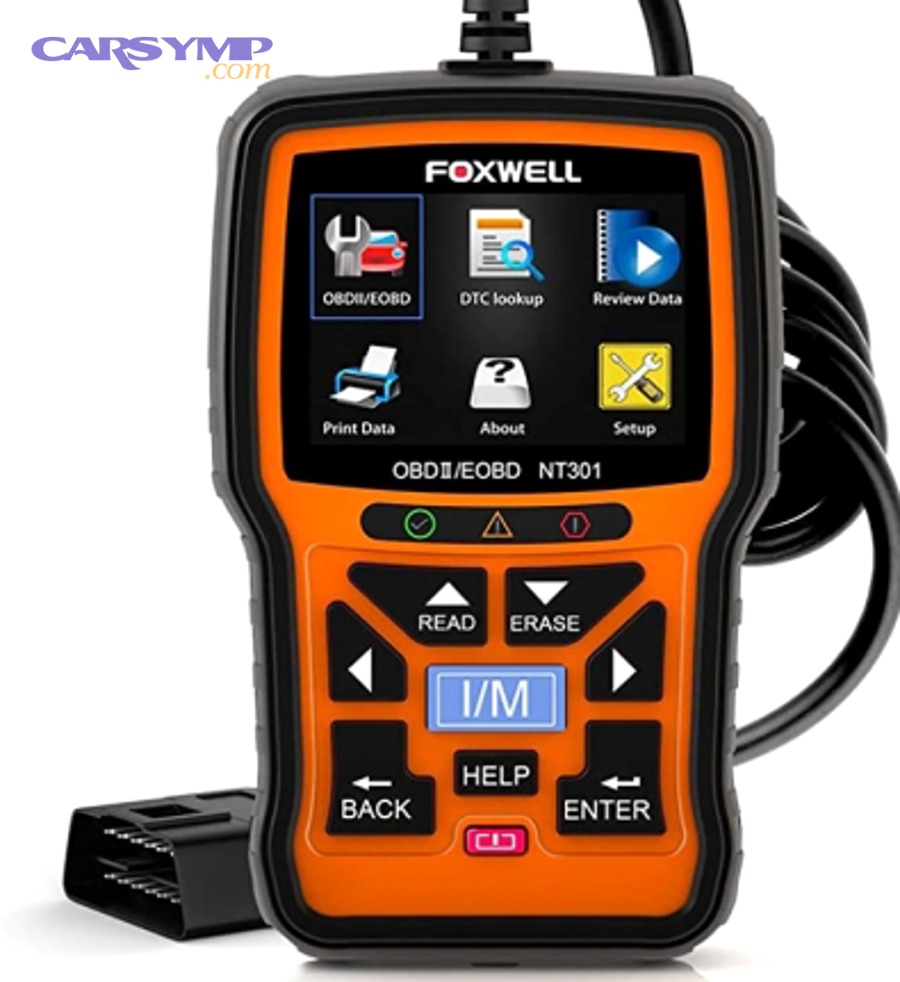
Interpreting the diagnostic code that triggers the check engine light is key to understanding the issue. You can use an OBD-II scanner to read these codes and determine the specific problem. Each code corresponds to a particular part of the engine or emission system.
For example, a P0420 code may indicate an issue with the catalytic converter, while a P0300 code may signal an engine misfire. By researching these codes, you can gain insight into the nature of the problem and decide whether to attempt repairs yourself or consult a professional.
How Can You Diagnose the Check Engine Light Without a Scanner?
While using an OBD-II scanner is the most accurate way to diagnose the check engine light, there are some basic steps you can take to identify potential problems without specialized tools. These DIY methods can help you determine whether the issue is something simple that you can fix yourself or if it requires professional attention.
Can You Diagnose the Check Engine Light by Yourself?
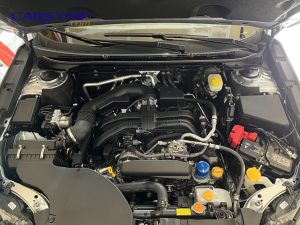
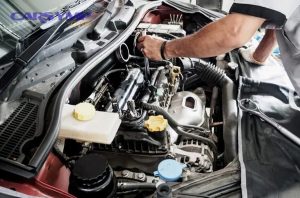
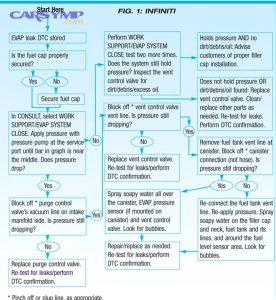
Yes, you can perform several basic checks to diagnose the check engine light before reaching for a scanner or visiting a mechanic. Start by checking the gas cap—ensure it’s properly tightened, as a loose gas cap is one of the most common causes of the CEL. Also, inspect for visible damage or leaks under the hood, such as cracked hoses or worn-out spark plugs. These simple checks can often resolve the issue and prevent unnecessary visits to a mechanic.
What Are the Risks of Ignoring the Check Engine Light?
Ignoring the check engine light can lead to more serious and costly problems down the road. While a loose gas cap may be a minor issue, ignoring it can result in increased fuel consumption and worse emission performance. On the other hand, ignoring a flashing CEL could allow a more severe issue, like an engine misfire, to damage critical engine components such as the catalytic converter. It’s always better to diagnose the issue early to avoid costly repairs later.
How to Perform a Full Diagnostic Check on the Check Engine Light?
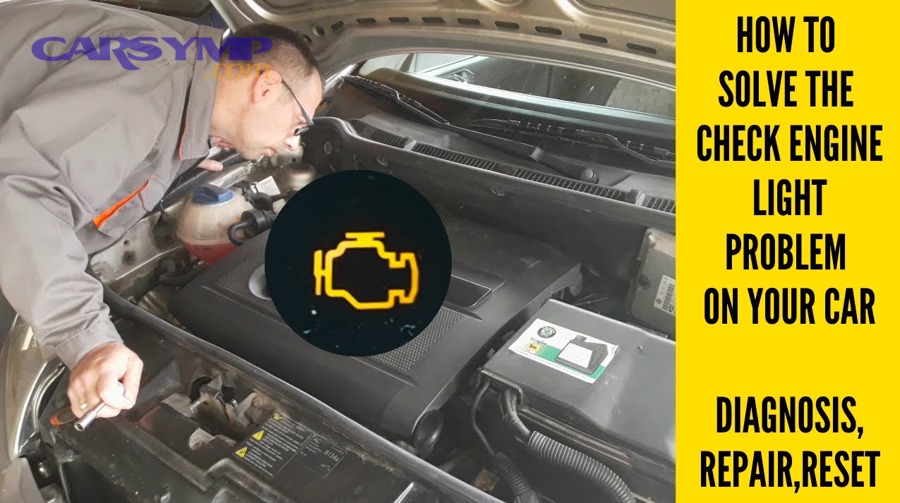
If basic troubleshooting doesn’t reveal the cause of the check engine light, it’s time to perform a full diagnostic check using an OBD-II scanner. This tool allows you to read the error codes generated by your car’s onboard computer system and pinpoint the problem.
What Are the Most Common Diagnostic Codes for the Check Engine Light?
The OBD-II scanner will provide you with a specific diagnostic code that corresponds to the issue your car is experiencing. Some common codes include:
- P0420: Catalytic converter efficiency below threshold
- P0300: Random misfire detected
- P0171: System too lean (Bank 1)
Once you have the code, you can look it up in your car’s manual or online to determine the exact issue. This step is essential for diagnosing problems accurately and efficiently.
Should You Always Visit a Mechanic After the Check Engine Light Turns On?
Not always. While some issues require professional help, others can be addressed through simple repairs. For example, if the code indicates a loose gas cap or a faulty sensor, you may be able to fix it yourself with minimal effort. However, if the code points to a major issue, such as an engine misfire or catalytic converter failure, it’s best to seek professional help.
SUPPLEMENTARY CONTENT
What Else Could Be Causing the Check Engine Light to Stay On?
Sometimes, the check engine light stays on due to issues that are less common or more difficult to diagnose. These include electrical problems, transmission issues, or software malfunctions. These rare causes require a deeper understanding of the vehicle’s systems and may necessitate specialized diagnostic tools or professional assistance.
Could a Bad Alternator Cause a Check Engine Light?
Yes, a bad alternator can trigger the check engine light. This is because the alternator plays a vital role in supplying power to the car’s electrical systems. If it fails, the car’s computer may detect an issue and trigger the CEL. Symptoms of a failing alternator include dimming headlights, difficulty starting the car, or electrical malfunctions.
How Do Transmission Problems Affect the Check Engine Light?
Transmission problems can also cause the check engine light to come on. Malfunctions in the transmission control module or sensors that monitor the transmission’s performance can trigger the CEL. Symptoms include rough shifting, slipping gears, or unusual noises from the transmission.
What Is the Relationship Between the Check Engine Light and the Battery Warning Light?
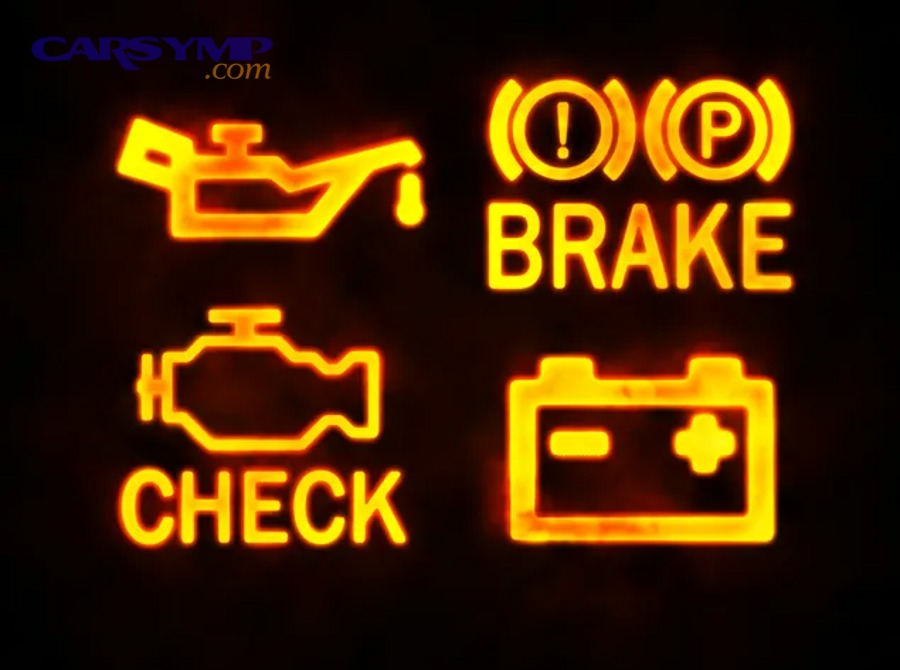
The check engine light and battery warning light may sometimes appear together, especially if there’s an issue with the alternator or the vehicle’s electrical system. A weak battery or faulty alternator can cause both lights to activate simultaneously, signaling that the car’s electrical system is under stress.
How Can a Faulty Sensor Trigger a Check Engine Light?
Faulty sensors, such as the oxygen sensor, mass airflow sensor, or knock sensor, can cause the check engine light to illuminate. These sensors monitor various aspects of the engine’s performance and emission levels. If one of them malfunctions, it can lead to poor fuel efficiency, engine performance issues, or increased emissions.