


If you’re searching for an EGR valve repair cost estimate, you likely want a number you can trust—and a clear explanation of what makes that number rise or fall. This guide breaks the estimate into parts vs labor, shows the most common line items on real quotes, and explains why the same repair can be “reasonable” on one car and expensive on another. (repairpal.com)
You’ll also see when EGR cleaning/repair makes financial sense and when replacement is the smarter spend, especially if the issue is electrical or returns quickly after cleaning. That repair-vs-replacement decision is where many owners overpay or pay twice.
Then, we’ll walk through the biggest cost drivers—vehicle layout, carbon buildup, shop type, and diagnostic depth—so you can compare quotes fairly instead of guessing.
Introduce a new idea: once you understand the estimate structure, you can control the outcome with better questions, smarter quote comparisons, and Verifying repair with scan data so you don’t buy an EGR job that doesn’t actually solve the problem.
What does an EGR valve repair cost estimate include?
An EGR valve repair cost estimate is a total price forecast that combines diagnosis, parts, labor, and shop fees/taxes, with the final number changing based on failure type, vehicle access, and whether the fix is cleaning or replacement. (repairpal.com)
To better understand what you’re paying for, it helps to look at the estimate like a mini budget: each line item exists because the shop must prove the fault, reach the valve, restore sealing surfaces, and confirm the repair holds under real driving.

What parts are typically included in an EGR repair quote?
Most quotes include a small set of predictable parts, but the exact list depends on whether you’re doing EGR valve repair (cleaning/servicing) or replacement.
Common parts you may see on the estimate:
- EGR valve (assembly): The main part—price varies widely depending on design and brand.
- Gasket(s): Often required when the valve is removed; reusing an old gasket is a common leak risk.
- Mounting hardware: Bolts/studs/nuts may be reused, but corroded hardware sometimes gets replaced.
- Vacuum hose or connector (if applicable): Older systems may need a cracked hose replaced.
- Related sensor (sometimes integrated): Some valves include position feedback or an actuator in the same unit. (repairpal.com)
Why parts pricing swings so much
Parts aren’t priced only by “EGR valve or not.” Pricing is driven by:
- Vacuum-operated vs electronic valves (electronics raise cost and complexity).
- Integrated assemblies (valve + actuator + sensor as one piece).
- OEM vs aftermarket quality tiers (warranty length and fitment consistency can differ).
What labor steps are shops charging for in EGR valve repair?
Labor is the “work required” portion of the estimate, and it can be the difference between a simple job and a half-day project.
A typical labor sequence looks like this:
- Scan + preliminary diagnosis: Read codes, freeze-frame, readiness, and sometimes live data.
- Access work: Remove covers, intake ducting, heat shields, or even sections of intake manifold on some vehicles.
- Remove the EGR valve: Disconnect electrical connector/vac lines and unbolt the assembly.
- Clean mating surfaces / passages (if repair/cleaning): Carbon removal may be included or billed separately.
- Install valve + gasket: Correct torque and alignment matter to prevent leaks.
- Clear codes / confirm operation: Road test plus recheck for pending codes and monitor progress.
This is also where DIY pitfalls and gasket replacement tips matter: gasket surface prep and correct torque prevent vacuum leaks and repeat labor charges.
Is diagnosis included in the repair cost?
No, diagnosis is not always included in the EGR valve repair cost estimate, and it depends on the shop’s pricing model, the complexity of your symptoms, and whether you approve the repair. (repairpal.com)
Here’s how shops typically handle it:
- Separate diagnostic fee (common): You pay for professional troubleshooting, then repairs are quoted afterward.
- Diagnostic fee credited if you approve repair (common): The “test time” becomes part of the job when you proceed.
- Bundled estimate (less common): Some shops quote “all-in” but may still cap diagnostic time.
How to protect yourself: ask for diagnosis as a line item and ask what evidence they used (codes, smoke test, vacuum test, scan data, or physical inspection). That one question often separates a real diagnosis from a guess.
Evidence (emissions relevance): According to a study by Xi’an Jiaotong University, in 2024, NOx emissions decreased by 59% when 30% EGR was applied, showing why correct EGR function matters for emissions performance. (sciencedirect.com)
How much does it cost to repair vs replace an EGR valve?
Repair/cleaning wins on lowest parts cost, replacement is best for long-term reliability when the valve fails electrically, and a combined approach (clean passages + replace gasket/valve if needed) is optimal when carbon buildup and component wear overlap. (repairpal.com)
However, the most accurate way to think about cost is not a single number—it’s a decision tree: What failed, and what work is required to prove and fix it? That’s why two owners can both have “EGR codes” and get very different estimates.
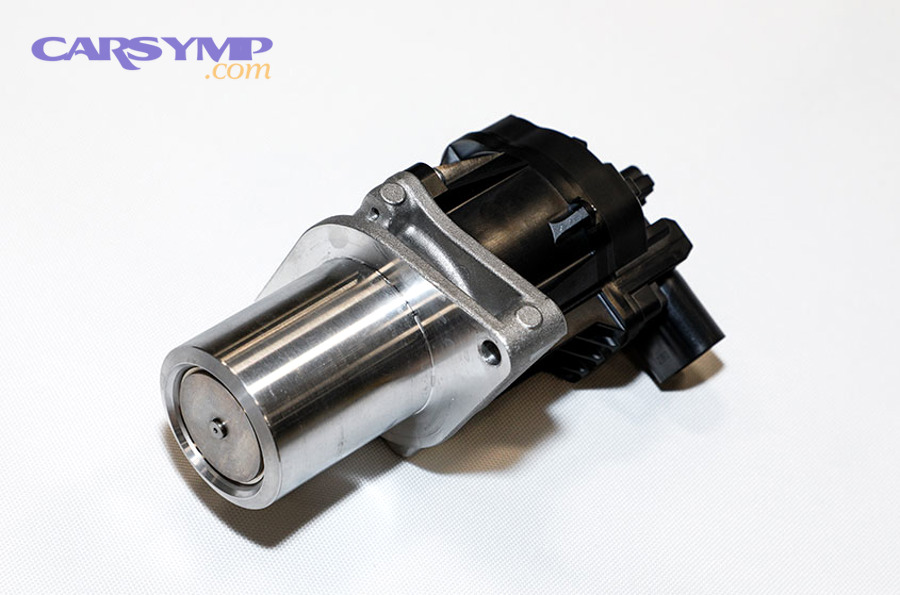
Is cleaning a clogged EGR valve cheaper than replacing it?
Cleaning is often cheaper up front, because you’re paying mostly labor instead of buying an expensive part—but it’s only a good deal when the valve is mechanically healthy and the issue is carbon-related.
Cleaning tends to be the better value when:
- The valve is sticking due to soot/carbon.
- The actuator tests fine (no electrical fault).
- The valve holds movement smoothly after cleaning.
- The real restriction is in passages, not a failed motor or sensor.
Cleaning tends to be a false economy when:
- You have an electrical/control code indicating actuator/sensor failure.
- The valve repeatedly sticks soon after cleaning.
- The valve is integrated and worn internally.
- The shop can’t confirm improvement with scan data.
This is where EGR valve repair can mean two different things:
- “Repair” as service/cleaning (lower parts cost, variable durability)
- “Repair” as replacement (higher parts cost, higher confidence)
When is EGR valve replacement the smarter choice than repair?
Yes—replacement is the smarter choice when the valve has an electrical fault, repeated failures after cleaning, or an integrated actuator/sensor problem, because these failure modes rarely become reliable with cleaning alone. (repairpal.com)
Three practical reasons replacement wins:
- Electrical failures don’t “clean off.” If the actuator or position feedback is wrong, carbon removal won’t restore correct control.
- Repeat labor is expensive. Paying labor twice can exceed the cost of a new valve quickly.
- Reliable sealing and calibration matter. New gaskets and correct seating reduce vacuum/exhaust leaks that mimic EGR problems.
A simple rule: if a shop can demonstrate a control fault with scan data and basic circuit checks, replacement often becomes the more cost-effective path.
What’s the typical parts-vs-labor split for EGR work?
The split depends on your vehicle, but most EGR estimates follow one of these patterns:
- Easy-access valve + inexpensive part: labor and parts are balanced.
- Hard-access valve (buried under intake components): labor dominates.
- High-priced integrated electronic valve: parts dominate.
To ground this with real-world reference ranges, RepairPal lists an average EGR valve replacement range and breaks it into parts and labor (while noting taxes/fees and location can change totals. (repairpal.com)
Evidence (labor cost context): According to data from the U.S. Bureau of Labor Statistics, in May 2024, the median hourly wage for automotive service technicians and mechanics was $23.88, helping explain why labor time is a major driver on repair estimates. (bls.gov)
Which factors raise or lower an EGR valve repair estimate?
There are four main factors that raise or lower an EGR valve repair estimate—vehicle access, failure type, carbon severity, and shop pricing model—and each factor changes either labor hours, parts cost, or both. (repairpal.com)
More specifically, this section helps you “predict” the quote before you even call a shop, so you can spot an estimate that looks padded or incomplete.
Does the vehicle make/model and engine layout change labor time?
Yes, vehicle layout strongly changes labor time, because EGR valves can be easy to reach on some engines and buried under intake plumbing, heat shields, or even coolant-related hardware on others.
Three reasons layout changes your bill:
- Access steps multiply. Removing covers is quick; removing intake components is not.
- Fasteners may be seized. Corrosion adds time and sometimes replacement hardware.
- Reassembly risk is higher. More parts removed means more opportunities for leaks or loose connectors.
What to do as a car owner:
When you request quotes, always provide:
- Make/model/year/engine size
- Whether it’s gas or diesel
- Codes you have (if known)
- Your symptoms (rough idle, stalling, limp mode, MPG drop)
That context lets shops quote the correct labor bracket instead of guessing low and “discovering” more time later.
Do EGR codes (P0400–P0409) change the scope of repair?
Yes, EGR-related codes can change the scope, because some codes point to flow restriction (often carbon), while others point to control or sensor issues that require electrical diagnosis. (obdautodoctor.com)
A practical way to think about this:
- Flow-related issues: may involve cleaning passages, verifying flow change, checking vacuum supply.
- Position/control issues: may require circuit testing, connector inspection, and sometimes replacement of an integrated assembly.
Why scope changes cost: electrical diagnosis can be fast when obvious, but expensive when intermittent. A shop that uses scan data well can reduce “trial-and-error” parts swapping.
Can carbon buildup in EGR passages add extra cost beyond the valve?
Yes, carbon buildup can add extra cost because cleaning passages can require additional disassembly, more labor time, and careful debris control to avoid pushing carbon into sensitive intake paths. (arnoldclark.com)
Carbon-related scope creep usually shows up as:
- A separate line item for EGR passage cleaning
- Additional gaskets if the intake must come apart further
- Throttle-body or intake cleaning recommendations (sometimes valid, sometimes upsell)
How to keep this fair: ask the shop to show you where the restriction is and what cleaning steps they plan to perform. If it’s just “spray cleaner and hope,” you’re paying for optimism, not repair.
How can car owners get an accurate EGR repair quote and avoid overpaying?
An accurate EGR repair quote is one that names the failure mode, lists parts and labor separately, and explains the verification step, so you can compare estimates apples-to-apples and reduce the risk of paying for the wrong fix. (repairpal.com)
In addition, you can reduce overpaying by forcing clarity: What exactly are you replacing/cleaning, and how will you prove the problem is solved?
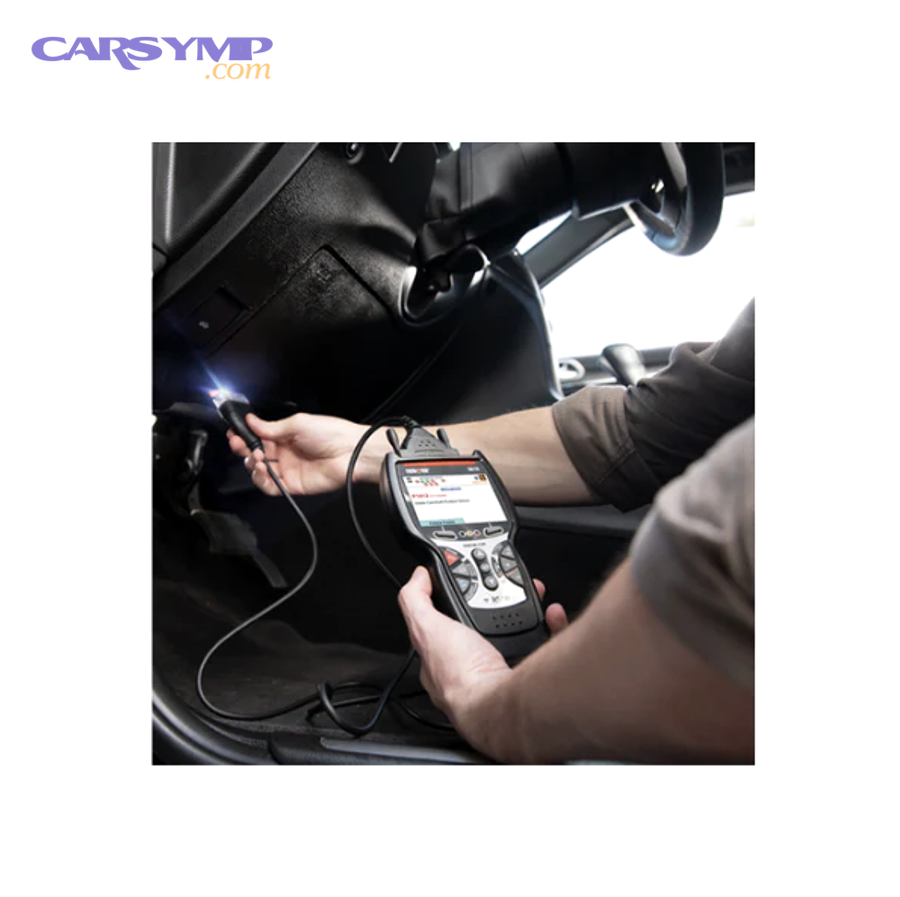
What questions should you ask a shop before approving EGR repair?
Use these questions to turn a vague quote into a transparent estimate:
- “Is diagnosis included, and if not, how much is it?”
This prevents surprise fees and clarifies the decision point. - “Is this repair (cleaning) or replacement, and why?”
Make them name the failure mode (carbon restriction vs electrical failure). - “What parts brand are you using, and what warranty applies?”
Warranty length and parts grade change long-term cost. - “Are you replacing the gasket every time the valve is removed?”
This is where DIY pitfalls and gasket replacement tips apply even if you’re not DIY—reused gaskets can cause leaks and repeat labor. - “How will you verify the repair?”
Require a clear answer: road test + scan confirmation.
Should you choose a dealer, independent shop, or mobile mechanic for EGR repair?
Dealer wins in brand-specific procedures and software access, independent shops often win in value and flexibility, and mobile mechanics win in convenience—but only if your repair is a straightforward access job.
Dealer is often best when:
- Your vehicle needs software-based steps or relearn procedures.
- The EGR system is tied to complex emissions controls (some models).
- You want OEM parts and a uniform warranty process.
Independent shop is often best when:
- You want a competitive labor rate and a shop that does diagnostics well.
- Your EGR valve is accessible and the job is common for your model.
Mobile mechanic is often best when:
- Access is easy and the job is clearly defined.
- You want time savings and transparent flat-rate pricing.
The key isn’t the shop type—it’s whether they can explain scope and verification clearly.
Is it safe to keep driving with an EGR problem while you shop for quotes?
Yes, it can be safe short-term to drive with an EGR issue, but only if symptoms are mild—because severe drivability issues (rough idle, stalling, limp mode) can create safety risks and may worsen other problems. (arnoldclark.com)
Three reasons you might stop driving and repair sooner:
- Stalling or unstable idle increases risk at stoplights and intersections.
- Limp mode can limit power in unsafe ways (merging, hills).
- Emissions faults can prevent readiness monitors from completing, complicating inspection timing. (nyvip3.com)
Practical guidance: if you’re experiencing stalling, severe hesitation, or the vehicle feels unsafe, minimize driving and repair sooner. If symptoms are mild, you can often shop for a better quote while planning the fix.
Verifying repair with scan data (non-negotiable): after repair, use a scan tool to confirm:
- No stored or pending EGR-related codes
- Freeze-frame conditions aren’t immediately re-triggering
- Readiness monitors are progressing normally (especially if an inspection is near) (nyvip3.com)
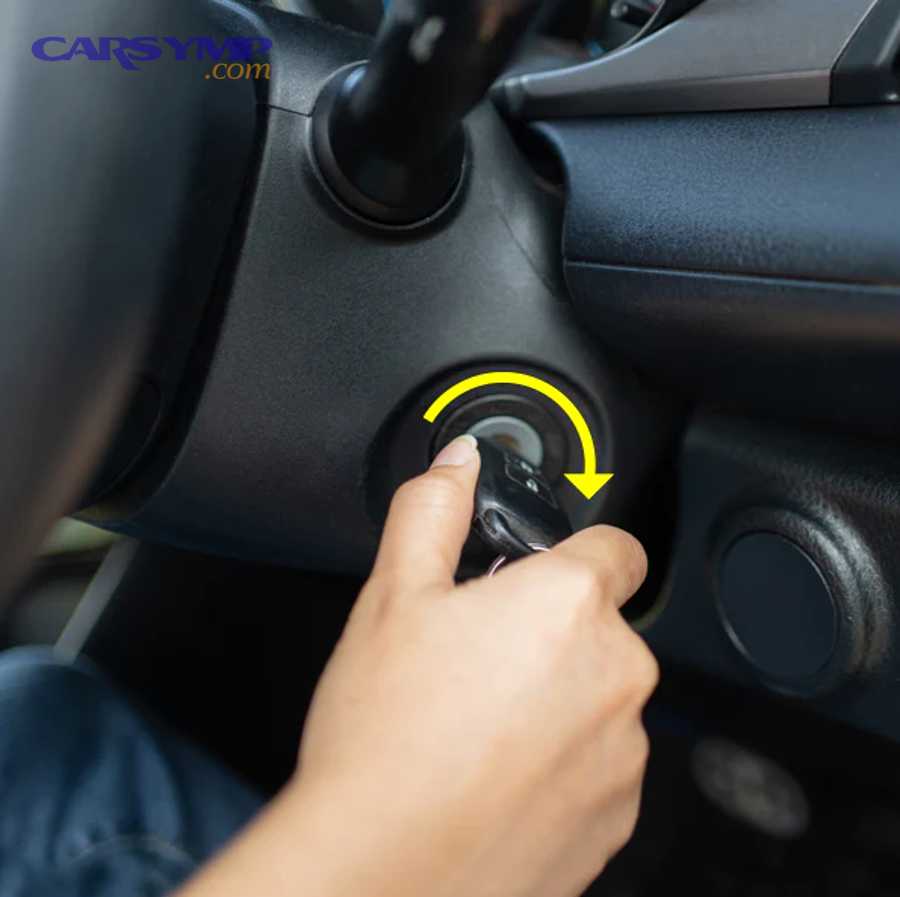
What related EGR-system issues can change the final cost ?
Related EGR-system issues can expand the job beyond a single valve into additional diagnostics, cleaning, or component replacement—most commonly because the “EGR problem” is actually a control, sensor, passage, or readiness problem tied to the same system. (obdautodoctor.com)
Below are the most common scope expanders, explained so you can recognize them before you approve a bigger bill.
Does an electronic EGR valve (vs vacuum-operated) affect price and diagnosis time?
Yes—electronic EGR valves usually increase price and diagnosis time because they combine mechanical flow control with electrical actuation and feedback signals that must be verified, not guessed. (arnoldclark.com)
What changes with electronic valves:
- More failure modes: actuator failure, position feedback faults, connector issues.
- More testing: scan data and circuit checks often matter more than visual inspection.
- More expensive parts: integrated assemblies can cost more than older vacuum-only designs.
How to spot this in the estimate:
- Look for labor lines mentioning “electrical diagnosis” or “actuator test.”
- Expect the shop to reference scan tool findings, not only codes.
Can an EGR cooler or cooler leak turn a “valve job” into a bigger repair?
Yes—an EGR cooler or related plumbing issue can enlarge the scope, because the valve may not be the root cause, and additional components can affect flow, temperature behavior, or contamination patterns.
You’re more likely to see expanded scope when:
- The vehicle has complex emissions equipment.
- The shop mentions coolant-related components near the EGR path.
- Flow issues persist after basic cleaning or replacement.
If a shop says, “We replaced the valve but the code returned,” ask what they will test next and what data supports the next step.
Will EGR repair affect emissions testing or OBD readiness monitors?
Yes—clearing codes or disconnecting the battery can reset readiness monitors, and some vehicles need days of normal driving before monitors return to “ready,” which can affect inspection outcomes. (nyvip3.com)
What this means for you:
- Don’t clear codes the night before an emissions test.
- After repair, plan time for monitors to run.
- Use a scan tool to check readiness before you show up.
New York Vehicle Inspection Program explains that clearing DTCs can reset readiness status and that monitors must run again before an OBD inspection will pass. (nyvip3.com)
Do you need ECU relearn or idle relearn after EGR service?
Sometimes yes, and when relearn is needed it’s usually because the engine computer must re-stabilize airflow control after parts have been removed, cleaned, or replaced.
Three reasons relearn may matter:
- Idle quality correction: the ECU adapts to airflow changes over time.
- Throttle/air path disturbance: disassembly can shift baseline airflow behavior.
- Persistent drivability symptoms without codes: relearn can resolve a “feels wrong” condition after a correct repair.
If your shop claims relearn is required, ask which procedure they will perform and how they know it applies to your model.
Evidence (why EGR is treated as emissions-critical): According to a study by Xi’an Jiaotong University, in 2024, applying EGR at 30% reduced NOx emissions by 59%, reinforcing why EGR-related readiness and verification steps matter after repair. (sciencedirect.com)