


If you’re hearing knocking under load vs at idle, the clue that matters most is when it happens: knock only under acceleration often points to combustion-related pinging (spark knock), while a knock at idle that worsens with revs can signal mechanical clearance problems (like bearings or valvetrain). The keyword focus is “knock under load vs at idle clues”; the main predicate is diagnose; and the title uses a lexical relation of comparison/antonym (“under load” vs “at idle”) plus a practical hyponym split (rod knock vs spark knock vs valvetrain tick).
Next, you’ll use the sound pattern to narrow the system: combustion knock tends to be a higher-pitched “ping/rattle” that appears with throttle and disappears when you lift; mechanical knock is often deeper, more rhythmic, and may persist across conditions. This article follows definition, grouping, comparison, and how-to question types so each section answers in the right diagnostic order.
Then, we’ll map causes by operating condition: load-only knock is commonly tied to fuel quality, timing, air/fuel, temperature, or carbon deposits, while idle knock more often relates to oil pressure, bearings, lifters, timing chains, accessories, or exhaust leaks that “tick” at low RPM.
Introduce a new idea: once you identify whether it’s likely spark knock or mechanical knock, you’ll know whether you can safely perform basic checks—or whether you should stop driving immediately to prevent catastrophic damage.
Is knocking under load more serious than knocking at idle?
Yes—knocking under load can be more serious when it’s true detonation/pre-ignition or when it masks a mechanical failure, because load raises cylinder pressure and stress; it can escalate quickly, it can damage pistons/rods, and it often indicates a control/fuel issue that worsens under throttle. Then, to better understand the risk, you need a quick severity filter that separates “annoying noise” from “stop driving now.”
When is it “stop driving now” serious?
If the knock is any of the following, treat it as high risk and avoid driving beyond moving the car to a safe spot:
- Deep, heavy knock that increases with RPM (especially if it’s loud at idle)
- Low oil pressure warning or oil light flicker
- Misfire + flashing check engine light (potential catalyst damage)
- Knock after overheating or coolant loss
- Knock that suddenly appeared and is getting worse by the minute
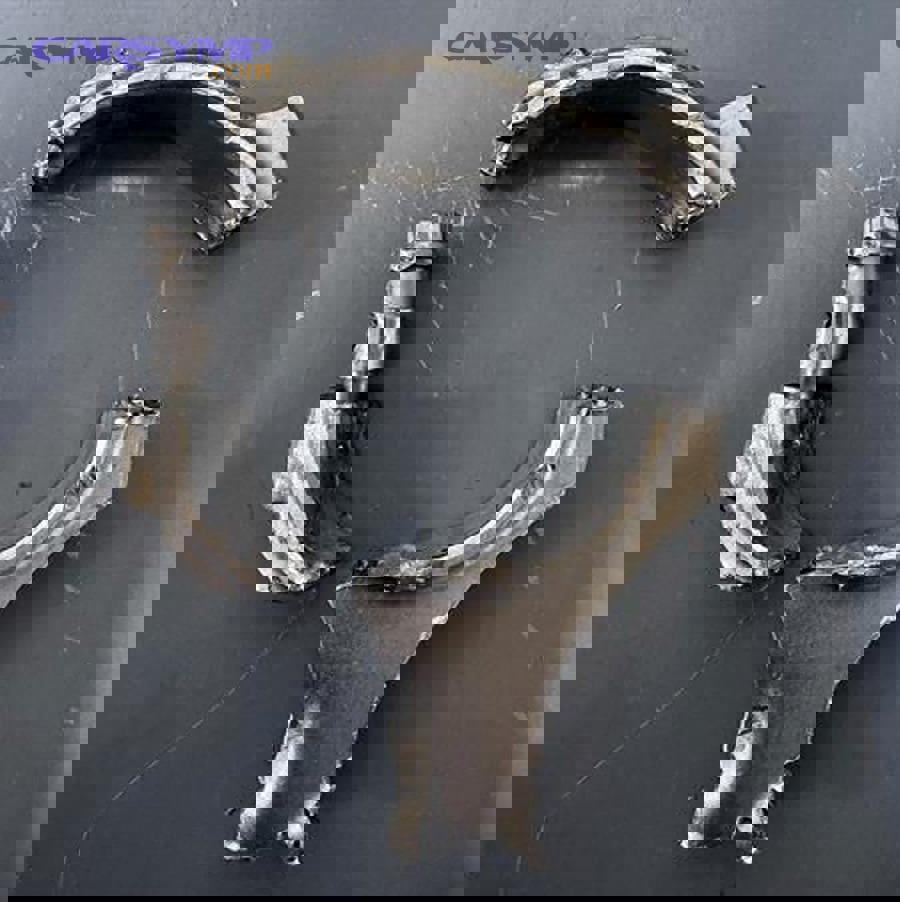
More specifically, a deep knock with oil pressure symptoms often suggests bearing clearance failure, where continued operation can turn a repairable problem into a full engine replacement.
When is under-load knock “less scary” but still urgent?
Under-load knock is sometimes spark knock—a combustion event where the mixture auto-ignites or pressure oscillations occur. It’s still urgent because repeated knock can damage pistons, rings, and rod bearings over time, but it may be resolved with correct diagnosis (fuel octane, timing control, cooling, carbon removal).
In addition, don’t ignore a knock that only happens:
- in high gear at low RPM (lugging),
- on hot days,
- right after refueling,
- or when towing.
Those patterns are classic for Fuel quality and timing-related knock (more on that below).
According to a study by Michigan Technological University from the Department of Mechanical Engineering–Engineering Mechanics, in 2017, downsized boosted spark-ignition engines commonly operate at brake mean effective pressures (BMEP) above 20 bar (vs ~15 bar for similar output without downsizing), which increases knock tendency and mechanical stress under load. (core.ac.uk)
What does “knock under load” vs “knock at idle” mean?
“Knock under load” is a noise that appears primarily during acceleration or high cylinder pressure events, while “knock at idle” is a noise present at low RPM/no-load conditions; the key standout feature is that load-related knock is often combustion-driven, whereas idle knock is more often mechanical or exhaust/accessory-related. Specifically, the condition that “turns the sound on” is your best clue.
What “load” changes in the engine (and why noise appears)
Under load, several things change simultaneously:
- Cylinder pressure rises (harder on bearings, rods, pistons)
- Combustion temperature rises (increases detonation risk)
- Spark timing strategy shifts (ECU advances/retards timing based on sensors)
- Fuel demand rises (weak pumps/injectors show up here)
- Mount and drivetrain loads increase (can mimic “knock” as clunks)
To illustrate, if your noise happens only when climbing a hill and disappears when you lift off the throttle, you’re likely dealing with combustion knock or a load-sensitive rattle (heat shield, exhaust contact), not a constant internal mechanical knock.
What “idle” tells you about mechanical sources
At idle, the engine has low cylinder pressure, so many combustion-knock issues disappear. What remains are often:
- Oil pressure/clearance noises (bearings, lifters, chains)
- Exhaust leaks that “tick” at low RPM
- Accessory/pulley noises that are speed-dependent
- Vacuum leaks or lean idle causing roughness and occasional pinging
More importantly, if a deep knock is loudest at idle and increases with gentle revving, it often points toward engine knocking diagnosis for mechanical wear—not just “bad gas.”
What are the most common causes of knock under load?
There are 6 main types of knock-under-load causes—spark knock/detonation, low-octane or contaminated fuel, lean mixture/fuel delivery issues, overheating/high intake temps, carbon deposits raising effective compression, and timing control faults—grouped by whether they increase cylinder pressure/temperature or reduce knock resistance. Next, let’s explore each group so you can match symptoms to the most likely culprit.
Spark knock (detonation) from timing/boost/lugging
Spark knock is most likely when you hear a light metallic ping/rattle during:
- heavy throttle at low RPM (lugging),
- hot weather,
- towing,
- or after a tune/boost change.
More specifically, engines knock when combustion pressure rises too fast or auto-ignition occurs in end-gas. Modern ECUs try to prevent this by retarding timing when the knock sensor “hears” knock—but sensors can be overwhelmed by other noises or the engine may already be near its limit.
Practical clue: If easing the throttle slightly makes the knock disappear, detonation is high on the list.
Low octane, contaminated fuel, or wrong fuel grade
Fuel that doesn’t meet the engine’s octane requirement reduces knock resistance. Common patterns:
- knock begins right after refueling
- knock improves after adding higher-octane fuel (not instantly, but over some drive cycles)
- knock is worse in heat or at altitude changes (depending on calibration)
For example, if your car requires premium and you run regular, you may get persistent load knock as the ECU pulls timing—but some engines still ping under certain conditions.
Lean mixture under load (fuel delivery or air metering)
A lean mixture burns hotter and can promote knock. Under load, lean conditions often stem from:
- weak fuel pump,
- restricted fuel filter (where applicable),
- dirty injectors,
- incorrect MAF/MAP readings,
- vacuum/boost leaks (turbo engines),
- or exhaust leaks upstream of O2 sensors skewing trims.
More importantly, lean under load may also show hesitation, high fuel trims, or misfire codes.
Overheating, high intake air temperature, or cooling system weakness
Knock is more likely when coolant temps creep up, the radiator is restricted, fans aren’t performing, or intake temps are high (heat soak). The clue is often:
- knock appears after extended driving,
- worse after sitting hot then accelerating,
- improves on cool mornings.
In addition, marginal cooling can create a domino effect: higher temps → more knock → ECU pulls timing → less power → more throttle demand → even more heat.
Carbon deposits increasing effective compression
Carbon deposits in the chamber can raise effective compression and create hot spots. Clues:
- knock is worse at low RPM/high load,
- engine has high mileage and short-trip history,
- oil consumption is present.
To illustrate, deposits reduce chamber volume and can retain heat, both of which increase knock tendency.
Timing control faults (knock sensor, EGR system, calibration issues)
Timing-related knock can also appear when:
- knock sensor wiring is damaged,
- sensor is loose/over-torqued,
- ECU is using an overly aggressive tune,
- EGR flow is insufficient (where equipped), raising combustion temps.
This is where scanning codes and checking live data becomes valuable—especially if the sound isn’t clearly mechanical.
According to a study by Brunel University London from the Department of Mechanical and Aerospace Engineering, in 2018, an optical spark-ignition research engine setup was designed to withstand continuous peak in-cylinder pressure up to 150 bar and knock intensity up to 60 bar—highlighting how extreme knock loads can become when conditions align. (bura.brunel.ac.uk)
What are the most common causes of knock at idle?
There are 6 main types of knock-at-idle causes—rod/main bearing clearance, valvetrain/lifter noise, timing chain/belt drive noise, accessory or pulley knock, exhaust leak ticking, and mount/drivetrain clunks—grouped by whether the sound is internal (oil/clearance) or external (exhaust/accessories). Then, you’ll use location and sound character to narrow it further.
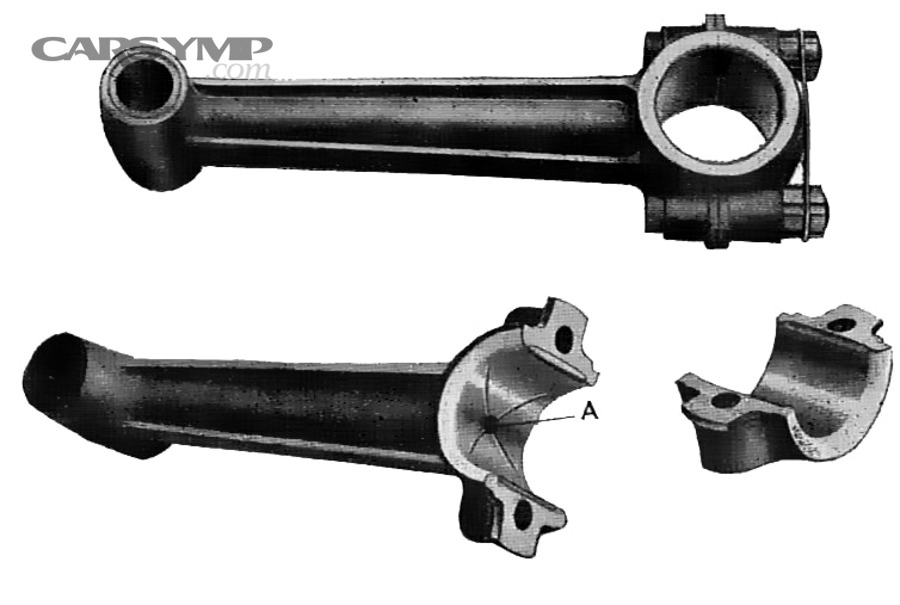
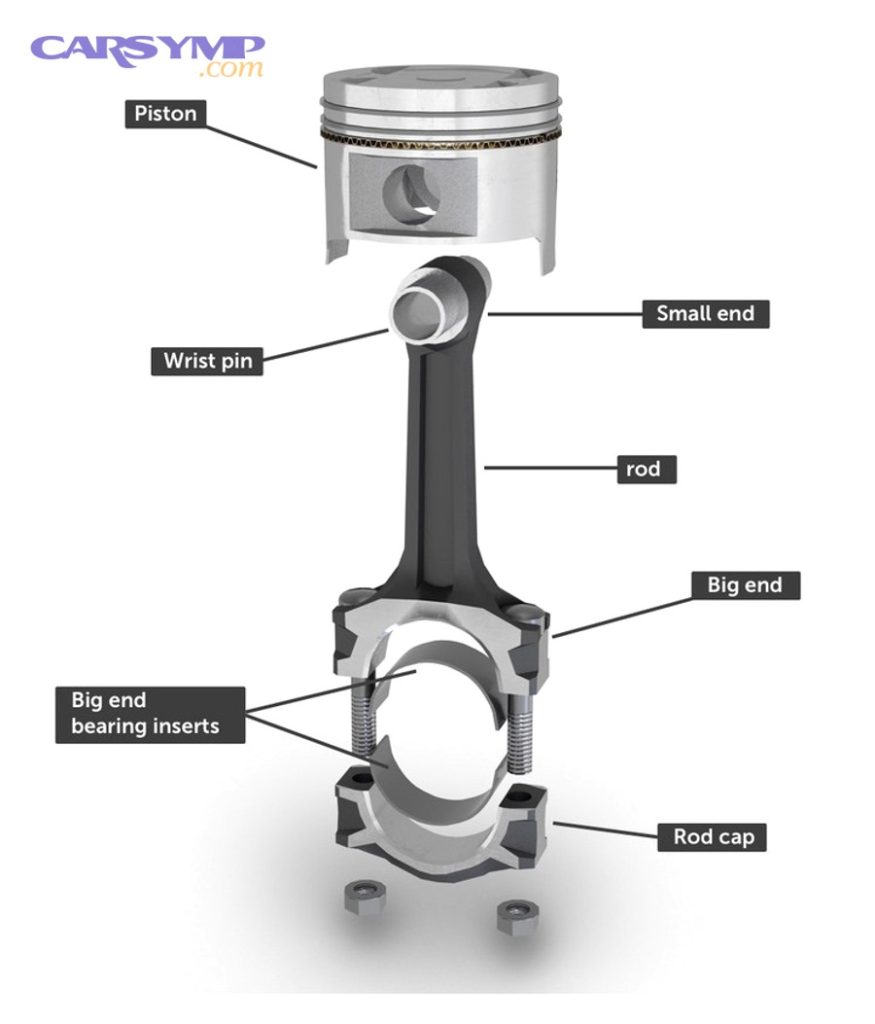
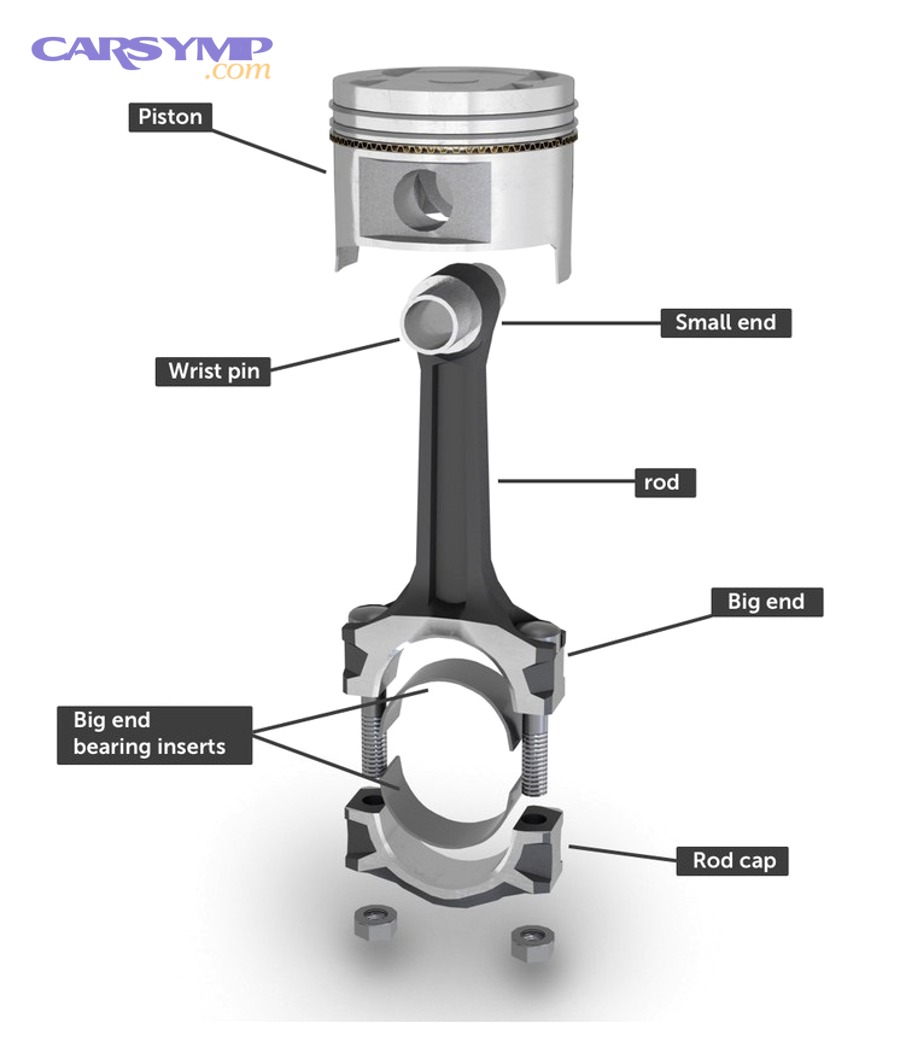
Rod knock or main bearing knock (oil pressure + clearance)
Rod knock is typically a deep, rhythmic knock that:
- often gets louder with RPM,
- may quiet briefly on cold start then worsen as oil thins,
- can change with load transitions (blip throttle, decel, light acceleration).
More specifically, low oil level, wrong viscosity, or oil starvation can accelerate bearing wear. If the sound is deep and you also have low oil pressure, stop driving.
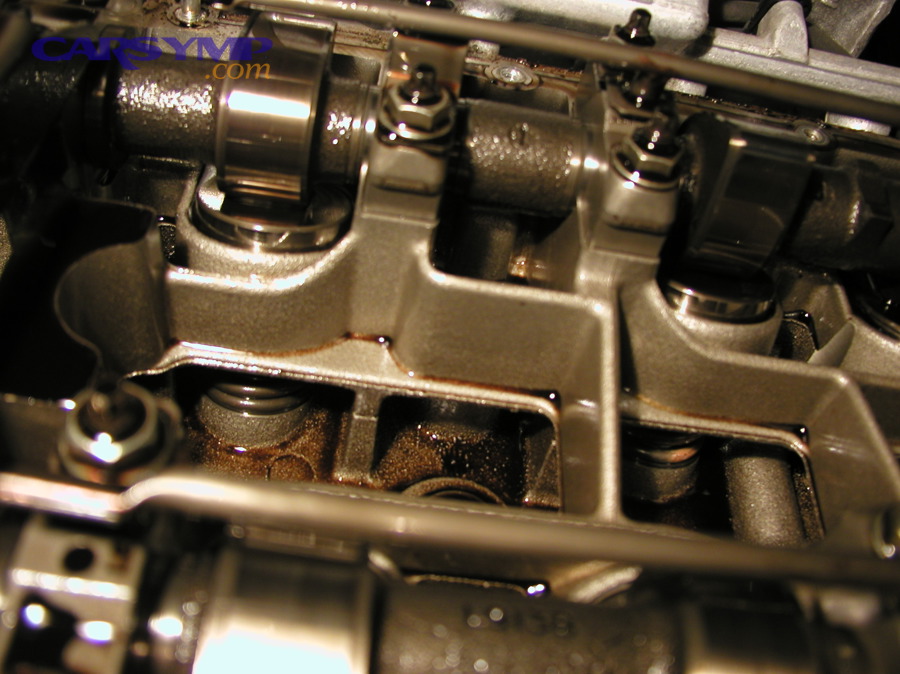
Lifter tick / valvetrain noise
Lifter tick tends to be a faster, lighter tapping from the top of the engine. Clues:
- louder on cold start, may improve as oil pressure builds,
- changes with oil viscosity and maintenance history,
- may correlate with specific cylinder bank on V engines.
It’s often not as catastrophic as rod knock, but it still demands diagnosis—especially if it worsens.
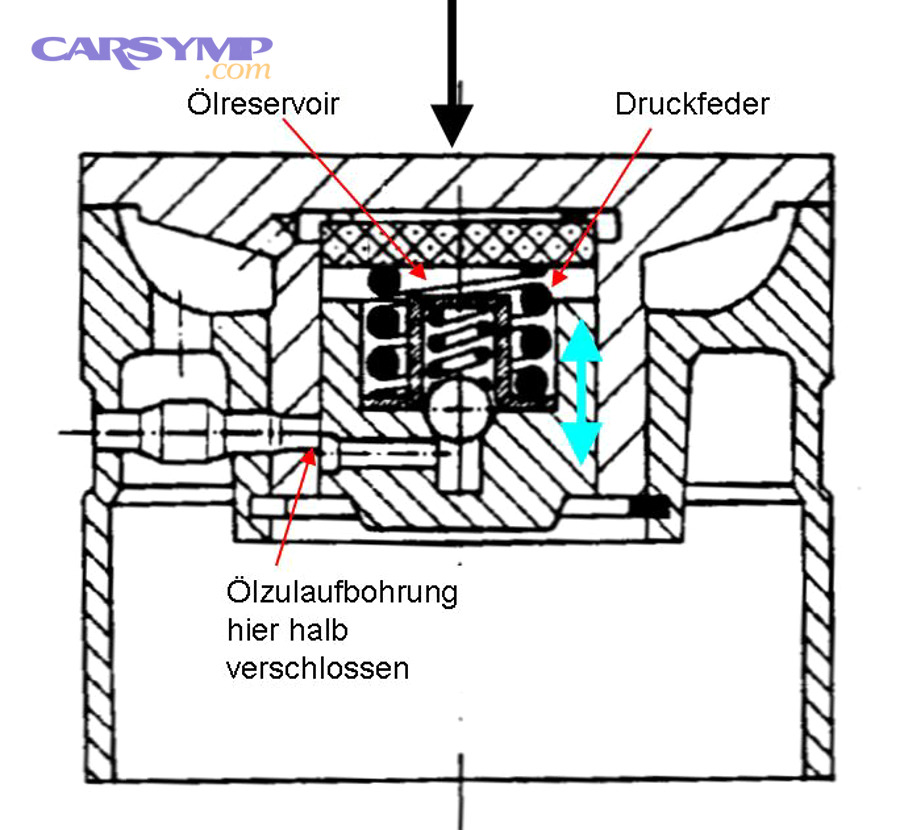
Timing chain/tensioner or cam drive noise
Timing drive noise can sound like:
- rattle at startup,
- tick/knock near the front cover,
- noise that changes with RPM smoothly.
More importantly, a failing tensioner can allow chain slap—sometimes misdiagnosed as bottom-end knock.
Accessory/pulley/flexplate noises
External knocks can come from:
- worn idler pulleys,
- alternator/clutch pulleys,
- A/C compressor clutches,
- loose torque converter/flexplate bolts (automatic),
- dual-mass flywheel issues (manual).
A quick isolator is removing the serpentine belt briefly to see if the noise disappears—this separates internal engine noise from accessory noise.
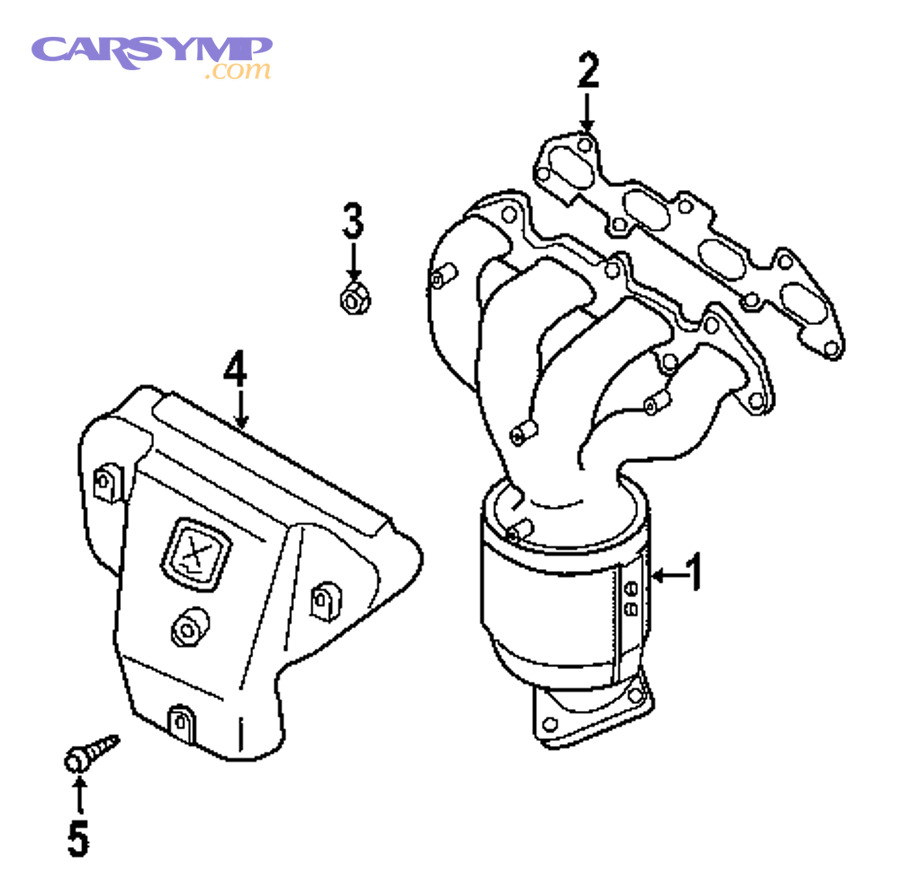
Exhaust leak tick (often mistaken for “engine knock”)
Small exhaust leaks—especially near the manifold—often produce a sharp ticking that speeds up with RPM. It can be loudest at idle and cold start.
Engine mounts or drivetrain “clunk” masquerading as knock
A worn mount can let the engine shift and tap against brackets or exhaust components. Clues:
- knock occurs when shifting from Park to Drive/Reverse,
- knock on throttle tip-in/tip-out,
- visible engine movement on power-brake test (done cautiously).
How can you tell rod knock vs spark knock vs valvetrain tick?
Rod knock wins for “deep and dangerous,” spark knock is best matched to “metallic ping under acceleration,” and valvetrain tick is optimal for “light tapping near the top end,” because each has a distinct pitch, timing, and trigger condition. However, the safest approach is to compare them using consistent criteria: sound character, operating condition, location, and response to simple tests.
Quick comparison table of the three “knocks”
The table below summarizes what each noise usually sounds like and when it appears, so you can match your symptom pattern before you start deeper tests.
| Noise type | Typical sound | When it happens | Where it sounds like it’s coming from | What often changes it |
|---|---|---|---|---|
| Rod knock (bearing) | Deep “thunk/knock” | Idle + revs; may worsen warm | Lower engine/block | Oil pressure, load transitions, RPM |
| Spark knock (detonation) | Metallic “ping/rattle” | Acceleration, hills, towing | Hard to localize; often “in the engine” | Throttle position, octane, heat, timing |
| Valvetrain tick | Light “tap/tick” | Idle + revs; often cold start | Top end/valve cover area | Oil viscosity, time after startup, RPM |
Sound clues you can trust (and ones you can’t)
Some “rules” are reliable:
- If the noise disappears when you lift off the throttle: suspect spark knock or a load-related rattle.
- If the noise is loudest at idle and deep: suspect mechanical bottom end.
- If it’s a fast tick from the top end: suspect lifters/valvetrain or exhaust tick.
Some “rules” are not reliable:
- “Knock always means the engine is done.” (Not true—spark knock can be fixable.)
- “Higher octane always fixes it instantly.” (Sometimes it takes adaptation; sometimes it’s mechanical.)
The cylinder cut-out clue (advanced but informative)
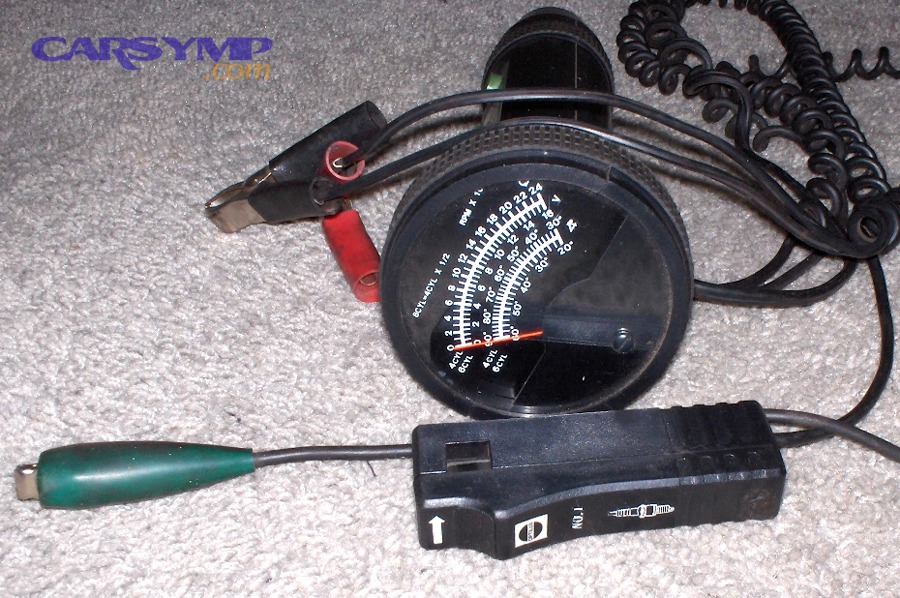
If you can safely perform a cylinder balance/cut-out test (tool-assisted), rod knock sometimes changes when cylinder load is removed (because the pressure on that rod changes). Spark knock, by contrast, usually tracks combustion conditions and may disappear when you reduce load rather than by disabling one cylinder.
Use caution: if you’re not equipped, skip this and follow the safer checklist later.
What is the safest DIY diagnostic checklist to isolate the knock?
The safest DIY method is a 10-step checklist—prioritize safety cutoffs, capture conditions, scan for codes, verify oil and fuel basics, localize the sound, test load sensitivity, check for external tick sources, and only then consider deeper mechanical tests—so you isolate cause without turning a minor issue into a major failure. Next, let’s go step-by-step in a way that protects the engine and your wallet—this is the core of practical engine knocking diagnosis.
Step 1: Apply the “can you drive with engine knocking” safety rule
Before any diagnosing, decide whether driving is safe:
- Stop driving if it’s deep, loud, worsening fast, or paired with oil pressure warnings.
- Limit driving (short, gentle, no load) if it’s light pinging that appears only at heavy throttle and you must relocate.
- Do not test under heavy load just to “recreate the sound” if it might be mechanical.
This single step prevents turning a repairable noise into a thrown rod.
Step 2: Record the conditions like a technician
Write down:
- When it happens (cold start, hot, only uphill, only idle)
- RPM range
- Gear/load (light throttle vs heavy throttle)
- Fuel grade and last refuel
- Any warning lights
This turns vague symptoms into actionable patterns.
Step 3: Scan for codes and look at basic live data
If you have an OBD2 scanner, check:
- Misfire codes (P030x)
- Knock sensor related codes (if present)
- Fuel trims (LTFT/STFT)
- Coolant temperature
- Intake air temperature (IAT)
If fuel trims are very high positive under load, suspect lean/fuel delivery; if temps are high, suspect cooling or heat soak; if the ECU is pulling timing heavily (some tools show it), suspect knock control.
Step 4: Check oil level, condition, and pressure indications
Do the basics:
- Verify oil level on flat ground.
- Note oil condition and smell (fuel dilution).
- Confirm correct viscosity per manufacturer.
- Pay attention to oil light behavior.
If oil is low or wrong weight, correct it before further testing—this is also part of Preventing knock with maintenance.
Step 5: Rule out simple external “fake knocks”
At idle, listen for:
- Exhaust leak tick near manifold
- Heat shields rattling (tap lightly with a tool—engine off and cool)
- Loose brackets contacting the engine or exhaust
- Accessory pulley noises (often change with A/C on/off)
If the noise is external, the fix can be dramatically simpler than an engine teardown.
Step 6: Localize sound with a safe listening method
Use a mechanic’s stethoscope or a long screwdriver (handle to ear, tip to component) to compare:
- valve cover area (valvetrain),
- front cover (timing drive),
- oil pan area (bottom end),
- exhaust manifold.
Do this cautiously, away from belts and fans.
Step 7: Test load sensitivity without abusing the engine
Instead of flooring it:
- Try gentle throttle in a higher gear at moderate RPM.
- Note if the sound appears only when the engine is “lugged.”
- Note if downshifting reduces or removes the knock.
If downshifting (higher RPM, less load) reduces the noise, suspect spark knock or lugging-related issues more than rod knock.
Step 8: Evaluate fuel quality and spark knock risk
If your pattern screams spark knock:
- Confirm you’re using the correct octane.
- Avoid lugging (downshift sooner).
- Consider whether a recent refuel introduced bad fuel.
- Check if the knock correlates with heat.
This is where Fuel quality and timing-related knock becomes a prime suspect, especially if the noise is a light ping under acceleration.
Step 9: Confirm cooling health if heat correlates with knock
Check:
- coolant level (only when cool),
- fan operation,
- radiator blockage,
- thermostat behavior (symptoms: slow warm-up or overheating),
- signs of trapped air (after improper service).
If temperature rises correlate with knock, fix cooling first—knock control can’t overcome excessive heat.
Step 10: Decide your next action based on the “most likely bucket”
- Likely spark knock: address fuel, heat, air/fuel, timing control, carbon.
- Likely external tick/rattle: fix exhaust leaks, shields, mounts, pulleys.
- Likely mechanical knock: stop driving and plan for professional evaluation (oil pressure test, compression/leakdown, bearing inspection).
At this point you’ve used a structured process rather than guessing—and you’ll avoid wasting money on random parts.
Contextual border: you now have enough information to diagnose “under load vs idle” knock patterns and choose the correct repair direction. The next section expands beyond diagnosis into prevention and long-term reliability.
How do you prevent engine knock and avoid repeat problems?
Preventing engine knock is mainly about maintaining knock resistance (proper fuel and cooling), maintaining mechanical clearances (oil health and pressure), and avoiding operating conditions that spike cylinder pressure (lugging, overheating), so the same knock doesn’t return after a short-term fix. Besides, the best prevention strategy depends on whether your root cause is combustion knock or mechanical knock.
What maintenance most directly prevents knock?
Focus on high-leverage items:
- Oil changes on schedule with correct viscosity
- Keep oil level correct (especially on engines known to consume oil)
- Cooling system maintenance (coolant condition, fans, radiator health)
- Spark plugs to correct spec (heat range and gap)
- Intake and fuel system cleanliness (where relevant)
This is the practical core of Preventing knock with maintenance—it reduces both mechanical wear risk and knock-prone combustion conditions.
How do fuel choices reduce repeat knock?
Match the engine’s needs:
- Use the recommended octane (especially in turbo/high compression engines)
- Avoid running low fuel (can heat the pump, stir contaminants)
- If knock started right after refueling, consider diluting with higher-octane fuel and using a reputable station next time
If a vehicle is calibrated near the knock limit, small changes in fuel quality can be the difference between quiet operation and persistent pinging.
Do additives help, or is that mostly myth?
Additives can be situational:
- Some detergents can help reduce deposits over time (if deposits are the cause)
- “Octane booster” may help temporarily, but it’s not a substitute for correct fuel or fixing a lean/heat issue
- If you need boosters regularly, the underlying cause likely isn’t solved
Use them as tools, not as a permanent crutch.
When should you stop DIY and get professional testing?
Stop DIY and seek professional diagnosis when:
- the knock is deep and persistent,
- oil pressure is questionable,
- there’s metal in the oil filter,
- the engine overheated before the noise began,
- or you can’t reliably determine whether it’s combustion or mechanical.
A shop can run oil pressure tests, scope cylinder pressure (in advanced cases), and confirm mechanical wear without guesswork.