Fuel quality and timing-related knock is usually fixable once you confirm it’s true spark knock (not a mechanical knock) and then isolate whether the trigger is low knock resistance from the fuel or spark timing/engine control pushing combustion too hard.
If the knock is fuel-driven, your fastest path is to verify octane and fuel condition, rule out lean conditions, and confirm the noise changes when fuel quality changes—without “band-aid” additives that hide a bigger issue.
If the knock is timing-driven, you’ll focus on scan data (knock retard, spark advance, intake air temp, load), then trace what’s forcing timing into risky territory—bad sensor inputs, carbon buildup raising octane demand, or calibration changes.
Introduce a new idea: once you understand how knock behaves under load and how timing reacts, the diagnosis becomes a repeatable checklist instead of guesswork.
Is the noise you hear actually engine knock (Yes/No)?
Yes—most “engine knock” complaints can be confirmed or ruled out with three fast checks: when it happens (load vs idle), how it reacts to octane changes, and whether it sounds like combustion “pinging” instead of a deep mechanical thud.
Next, to avoid chasing the wrong problem, start by matching the sound and conditions to what spark knock actually does:
- Check 1: When does it happen?
True spark knock typically shows up under load (hill, acceleration, towing) because cylinder pressure and temperature spike. If the noise is loudest at hot idle or on cold start and doesn’t track load, it may be valvetrain tick, accessory noise, piston slap, or something deeper. - Check 2: Does it change with octane or fresh fuel?
A simple “A/B” test often helps: run the tank down, fill with fresh, correct-octane fuel from a top-tier station, and see if the knock decreases within 20–50 miles of mixed driving. If it improves, fuel quality/knock resistance is implicated. - Check 3: What does it sound like?
Spark knock is usually a light metallic rattle/ping (like shaking small coins in a can). A deep knock that worsens quickly can suggest lower-end problems; compare “Rod knock symptoms and severity” before you continue driving.
What is engine knock, spark knock, pinging, and detonation?
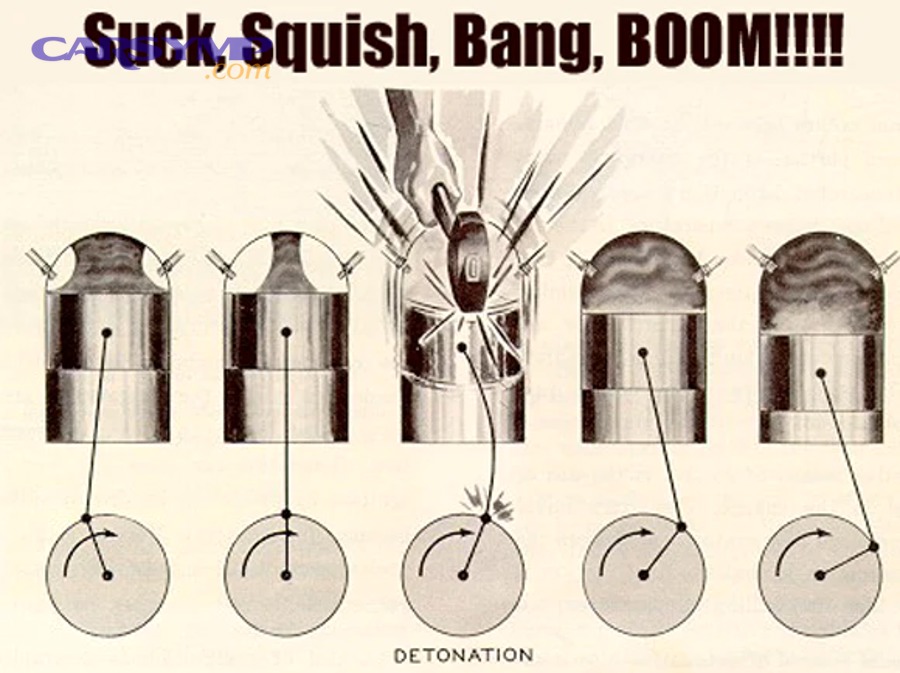
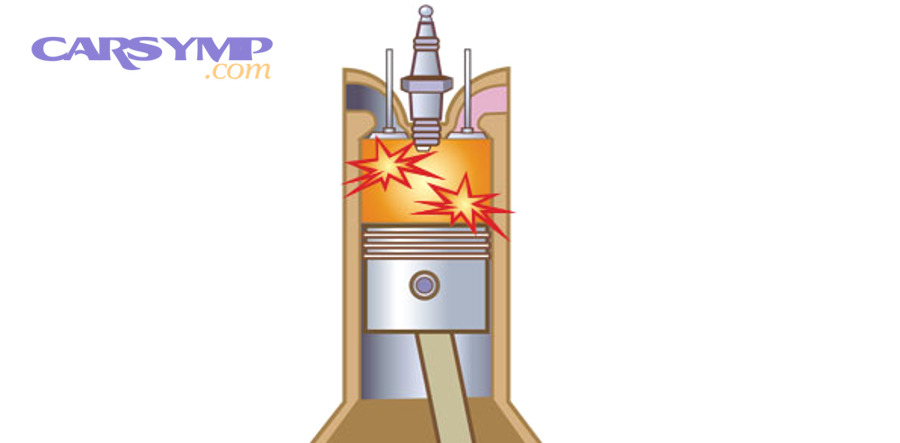
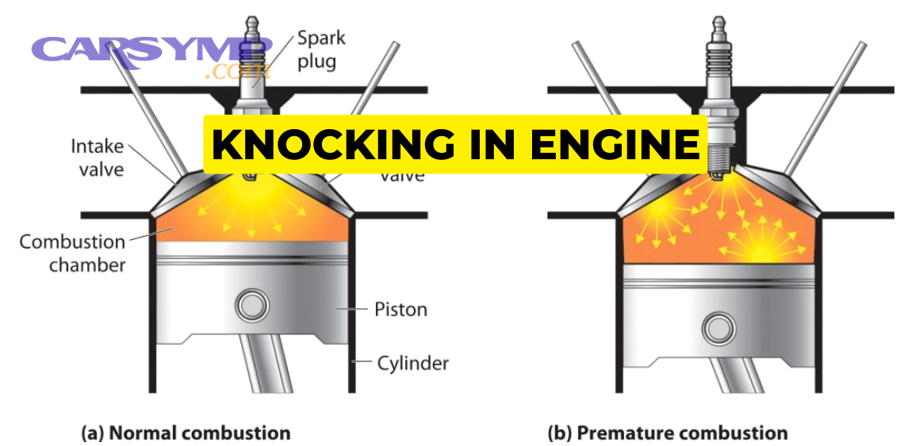
Engine knock (spark knock/pinging) is abnormal combustion in a spark-ignition engine where the unburned “end gas” auto-ignites and creates pressure waves that you hear as a metallic rattle, usually under load.
To better understand why fuel quality and timing both matter, separate the terms the way technicians use them:
- Spark knock / pinging / detonation (practical meaning):
These are commonly used to describe the audible rattle caused by pressure oscillations after the spark event. It’s strongly influenced by octane, mixture, heat, and spark timing. - Pre-ignition (often confused with knock):
Combustion starts before the spark due to a hot spot (glowing deposit, overheated plug tip, etc.). Pre-ignition can be more destructive than knock because it drives cylinder pressure up at the wrong crank angle. - Why “fuel quality and timing-related knock” is a real category:
Fuel with lower knock resistance (wrong octane, contaminated, aged) narrows your safety margin. Aggressive spark advance or conditions that raise combustion temps can push the engine over that margin. The result: pinging that appears “out of nowhere,” but is predictable once you track the conditions.
A useful mental model: fuel determines your knock “ceiling,” timing and heat determine how close you get to it.
What are the most common fuel-quality causes of knock?
There are 4 main fuel-quality causes of knock—low octane, contaminated/aged fuel, incorrect ethanol blend, and fuel-delivery lean-out—based on how they reduce knock resistance or raise combustion temperature.
Then, once you classify which bucket you’re in, you can test each cause with targeted checks instead of swapping random parts:
- Low octane for the engine’s current octane requirement
Even if you buy the “right” octane, your engine’s effective octane requirement can rise with heat, load, and deposits.
Typical clue: knock appears on hot days, steep hills, or when the car is loaded—then fades when conditions ease. - Aged or contaminated fuel (water, poor storage, wrong fuel in tank)
Water contamination, phase separation (in high-ethanol blends), or stale gasoline can cause misfire/lean spikes that promote knock-like noise.
Clue: rough running + knock after a fill-up, especially if the station’s tanks were recently refilled or the vehicle sat for months. - Incorrect ethanol content or mismatch with tune
Some vehicles are sensitive if they’re not flex-fuel and you run higher ethanol than intended, or if a tune expects E85/E30 and you fuel it differently.
Clue: knock plus fuel trims out of range, starting issues, or inconsistent power. - Fuel delivery problems that create a lean condition (pump, filter, injector flow, clogged pickup)
Lean mixtures burn hotter and faster, increasing end-gas temperature and knock tendency.
Clue: knock under load + hesitation + high long-term fuel trim (LTFT) or fuel pressure issues.
According to a study by Aston University from Chemical Engineering & Applied Chemistry, in 1989, combustion-chamber deposits were described as causing octane requirement increase (ORI)—i.e., a higher tendency to knock—because deposits change heat transfer and combustion conditions. (research.aston.ac.uk)
What are the most common ignition timing-related causes of knock?
There are 4 main ignition timing-related causes of knock—over-advanced spark, incorrect sensor inputs, cooling/intake heat pushing the ECU, and calibration changes—based on what forces timing too far advanced or raises end-gas temperature.
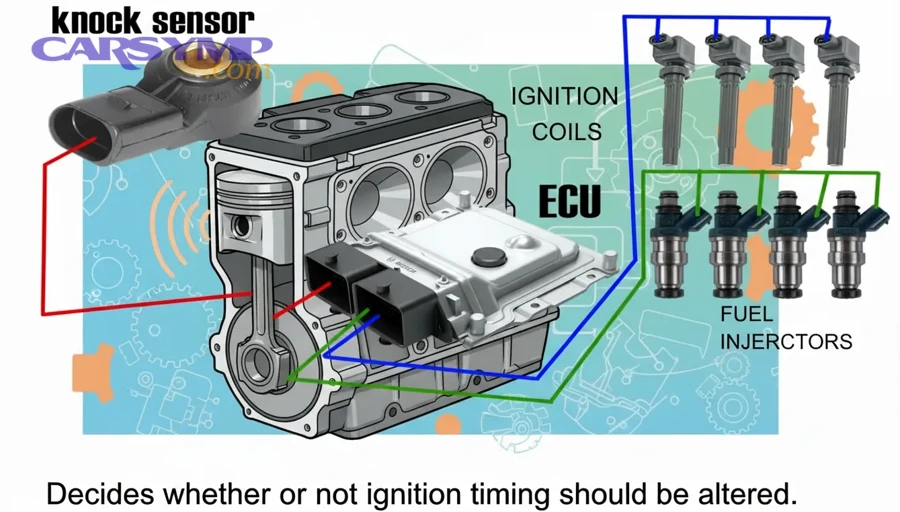
Next, use this list to decide whether your issue is truly “timing” (spark occurring too early) or “timing management” (the ECU is responding to bad inputs):
- Spark advance too aggressive for the conditions
Mechanical distributor systems: timing set too far advanced, stuck/vacuum advance issues.
ECU-controlled systems: tune is too aggressive, or adaptive learning is pushing timing. - Bad or misleading sensor inputs (MAF/MAP, IAT, ECT, knock sensor issues)
If the ECU underestimates load or overestimates octane tolerance, it may command timing that’s unsafe.
Knock sensor faults can also create the opposite problem: the ECU can’t “hear” knock correctly or overreacts. - High intake air temperature (heat soak) and cooling system limits
Hot intake air and high coolant temps shrink the knock margin.
Clue: the car is quiet when cold, then pings after idling in traffic, then accelerating. - Aftermarket calibration or parts mismatch
Wrong heat-range plugs, altered boost (turbo), changed compression, or mismatched fuel to tune can turn “normal” timing into knock.
According to a study by Jilin University from the State Key Laboratory of Automotive Simulation and Control / College of Automotive Engineering, in 2022, the contribution rate to knock tendency was quantified as 45.9% compression ratio, 22.98% spark timing, 19.46% EGR rate, and 11.66% inlet temperature, highlighting spark timing as a major controllable factor. (pmc.ncbi.nlm.nih.gov)
How do you diagnose fuel vs timing-related knock step-by-step?
A simple 7-step engine knocking diagnosis flow—starting with fuel history and ending with scan-tool timing/knock data—will isolate whether fuel quality or ignition timing control is the trigger.
Below is the step-by-step method you can repeat every time you hear pinging:
- Reproduce safely and log conditions
Note RPM, gear, coolant temp, outside temp, load (hill/towing), and whether it’s Knock under load vs at idle clues that point to combustion vs mechanical noise.
If the noise is deep, heavy, and worsens fast, pause and compare to lower-end “Rod knock symptoms and severity” before continuing. - Fuel sanity check (fastest elimination step)
Confirm you used the correct octane for your engine.
If the knock started immediately after a fill-up, suspect fuel quality first. - Do a controlled “fresh fuel” test
Run the tank down, refill with fresh correct-octane fuel.
If knock clearly improves within normal driving, fuel quality/octane margin is implicated. - Scan for codes + capture live data under the same conditions
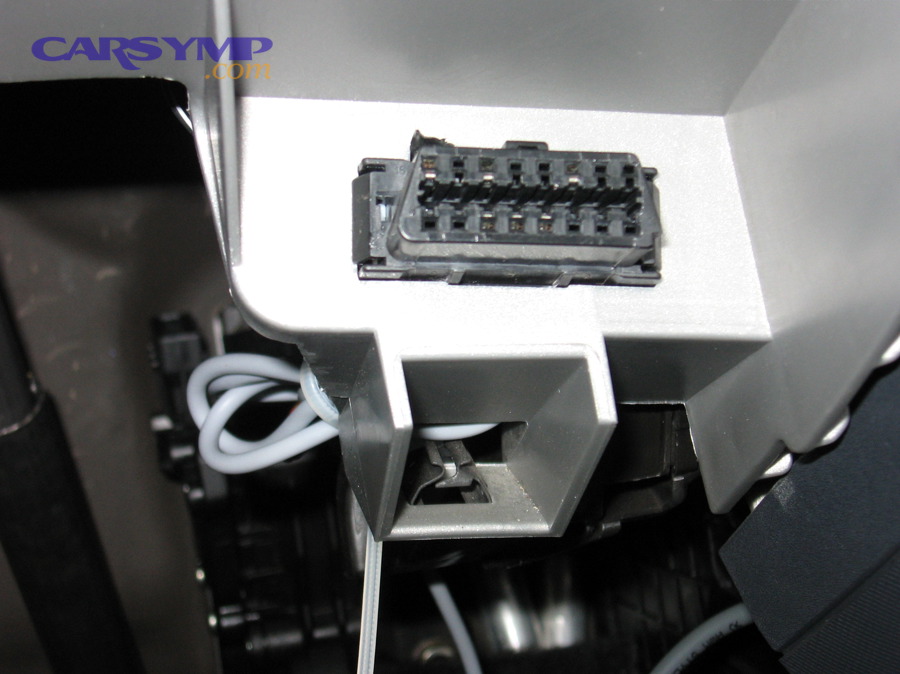
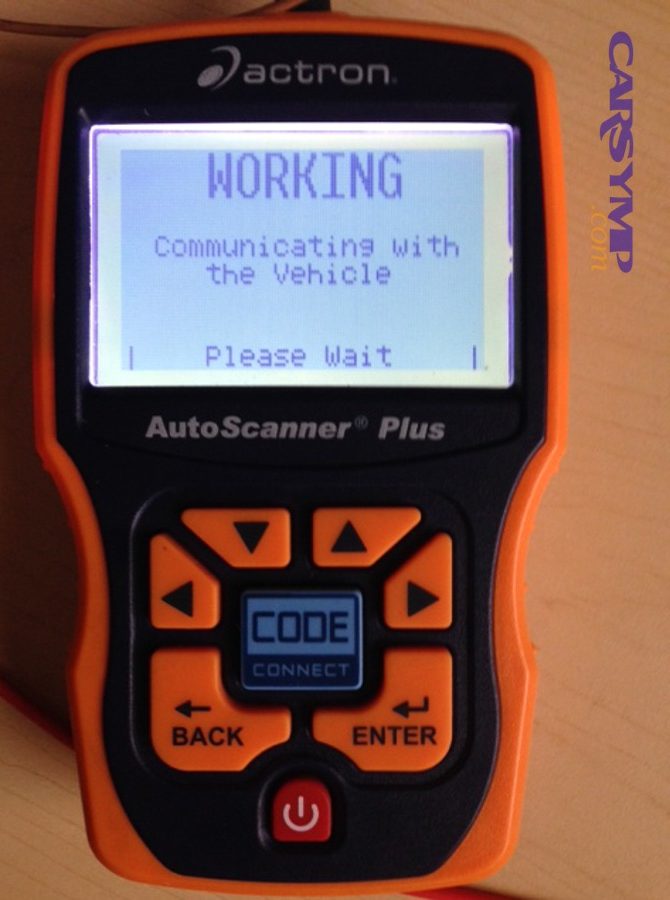
Look at: commanded timing advance, knock retard (KR), intake air temp (IAT), coolant temp (ECT), fuel trims (STFT/LTFT).
If KR spikes and timing is pulled hard under load, you’re seeing the ECU reacting to real knock. - Check for lean/airflow issues
High positive LTFT under load suggests a lean condition.
Inspect for intake leaks, restricted fuel delivery, or injector imbalance. - Inspect plugs and basic combustion health
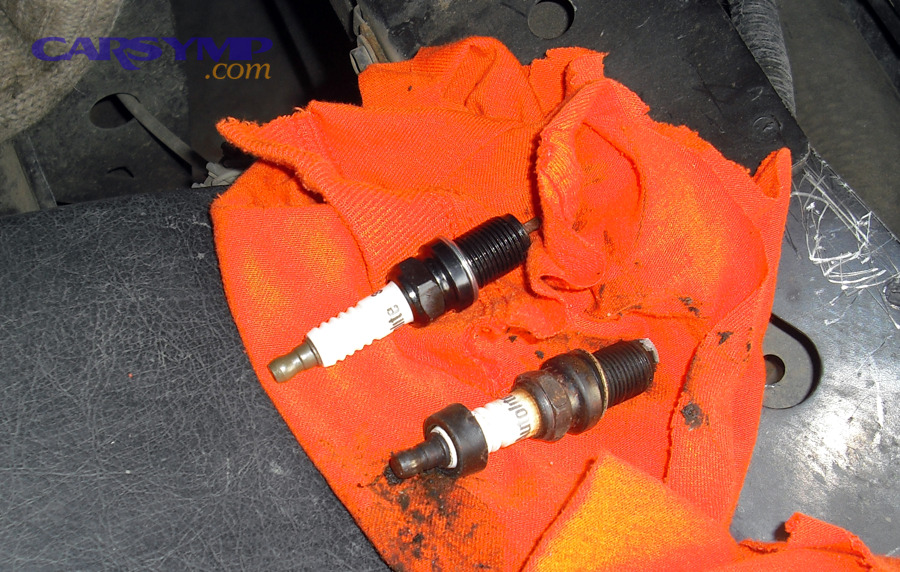
Pull plugs if accessible: check heat range, gap, deposits, and signs of overheating.
Wrong plug type or excessive deposits can push you toward knock even on “good” fuel.
- Timing system verification (mechanical or ECU control)
Distributor engines: verify base timing with a light and ensure advance mechanisms work correctly.
ECU engines: verify sensors (MAF/MAP/IAT/ECT) are plausible and compare commanded vs actual timing behavior.
A quick decision table
The table below summarizes the most common patterns and what they typically indicate, so you can separate fuel-quality knock from timing-control knock and from mechanical noises.
| Pattern you observe | Most likely category | Why it points there | Your next best test |
|---|---|---|---|
| Knock appears only under heavy load; improves on higher octane | Fuel knock margin | More octane increases resistance to auto-ignition | Fresh fuel A/B test + log KR |
| Knock starts after idling hot; IAT/ECT high; KR spikes | Heat + timing management | Hot charge shrinks knock margin; ECU reacts | Reduce heat soak, check cooling/IAT |
| Knock with hesitation + high LTFT | Lean condition | Lean burns hotter; promotes end-gas auto-ignition | Fuel pressure / injector checks |
| Deep knock, present at idle, worse with load | Mechanical risk | Lower-end noises worsen with load | Stop driving and isolate noise |
How do you fix knock caused by fuel quality and timing—without masking the problem?
The most reliable fix is a 6-part repair plan: correct the fuel, remove the trigger (heat/lean/deposits), verify timing control, confirm with scan data, and only then consider parts replacement—so the knock disappears for the right reason.
Then, apply fixes in this order (fastest, highest-signal first):
- Correct the fuel inputs (no guesswork)
Use the manufacturer-recommended octane and buy fresh fuel from a reputable high-turnover station.
If the issue tracks a specific station or batch, treat it as a fuel problem until proven otherwise. - Reduce heat and restore cooling margin
Verify coolant level, thermostat operation, radiator fans, and that the engine reaches and maintains proper operating temperature.
Heat soak + advanced timing is a common “combo trigger.” - Fix lean conditions before touching timing
Address vacuum leaks, MAF/MAP issues, fuel pressure problems, or injector flow issues.
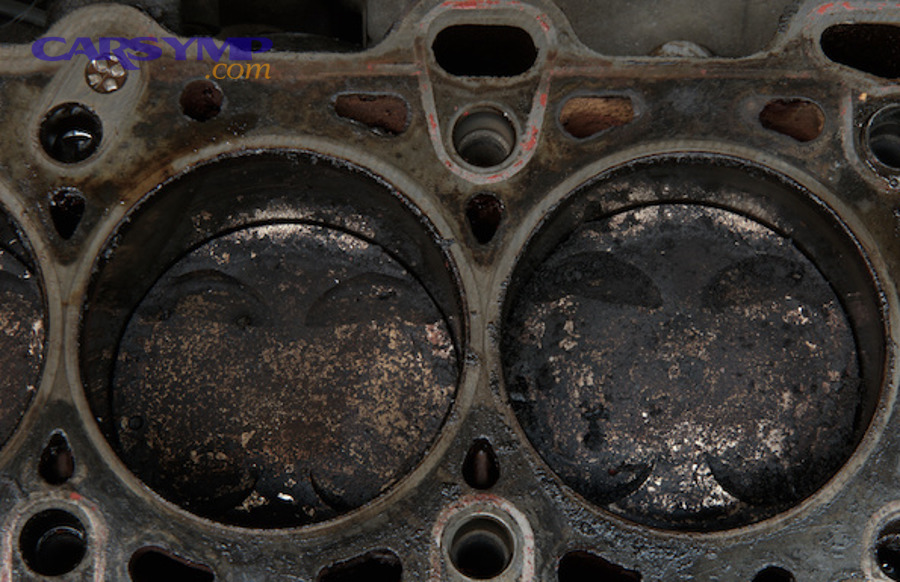
Lean + knock is a damaging pair; don’t “tune around” a fuel delivery fault. - Address deposits that raise octane requirement
If deposits are heavy (especially on DI engines), consider professional cleaning methods appropriate for your engine design.
Deposits can increase knock tendency by raising effective compression and creating hot spots. (research.aston.ac.uk) - Verify spark plug correctness
Confirm heat range, gap, and condition match spec.
Worn plugs can contribute to misfire and combustion instability, which can feel like or worsen knock. - Repair options and cost range
If you identify a knock sensor circuit issue or repeated knock control faults, sensor replacement costs can be significant. RepairPal lists an average knock sensor replacement cost range of $397–$574. (repairpal.com)
If spark plugs are due or clearly wrong, RepairPal lists an average spark plug replacement cost range of $276–$391. (repairpal.com)
Use these as planning numbers, not guarantees—access difficulty and engine layout can swing labor.
When is engine knock dangerous—and when should you stop DIY and see a mechanic?
Yes—engine knock can be dangerous because it can indicate damaging cylinder pressure spikes, it can be caused by heat/lean conditions that melt or crack components, and it can be confused with mechanical knocks that lead to catastrophic failure.
Next, use these “stop now” thresholds to decide when DIY becomes risky:
- Stop driving immediately if:
- The sound is a deep, heavy knock (especially if it worsens under load).
- Oil pressure warning appears, misfire is severe, or the engine runs rough.
- The knock suddenly becomes loud and persistent, not just a faint rattle under heavy load.
- See a mechanic soon if:
- Knock persists even with fresh correct-octane fuel and normal temperatures.
- Knock retard (KR) is consistently high under normal driving, or timing is being pulled aggressively.
- You suspect a lean condition but can’t confirm fuel pressure/injector health safely.
- DIY is usually reasonable if:
- The noise is mild, condition-specific, and clearly improves when you correct fuel and reduce heat.
- You can log repeatable data and the fix is maintenance-level (plugs, sensors, cooling service).
For mechanical-noise comparisons, remember: a rod knock is typically deeper and more severe, and it commonly worsens under load—treat that as a red flag, not a “try one more tank” situation.
What other issues can mimic or worsen knock even after you fix fuel and timing basics?
Several non-obvious problems can mimic or amplify knock—especially carbon buildup, exhaust leaks, incorrect plug heat range, and accessory/valvetrain noises—so you need a final verification step after fuel and timing are corrected.
Next, use this shortlist to protect your diagnosis from “false positives”:
- Carbon buildup and octane requirement increase
Even with correct fuel, deposits can keep octane demand high and trigger pinging under load. (research.aston.ac.uk) - Exhaust leaks near the manifold
A small leak can make a sharp ticking that sounds like pinging, especially on cold start. - Accessory noises (idler pulley, tensioner, alternator)
These can create rhythmic knocks that change with RPM but don’t respond to octane or knock retard. - Valvetrain tick vs lower-end knock
If you’re still unsure after fuel/timing checks, use a stethoscope method and load/RPM behavior to distinguish.