


No—you generally should not keep driving with engine knocking, because the sound can signal either abnormal combustion that worsens under load or a mechanical failure that can turn into catastrophic engine damage with very little warning. The safest approach is to treat knocking as a “reduce load now, diagnose fast” situation and decide quickly whether you can limp home or need a tow.
Many drivers hear a light metallic “ping” on hills or acceleration and wonder if it’s harmless. In some cases, mild spark knock (pinging/ detonation) can be temporarily managed by reducing load and addressing fuel, timing, or heat-related triggers—but only after you verify it’s not low oil, overheating, or a deeper mechanical knock.
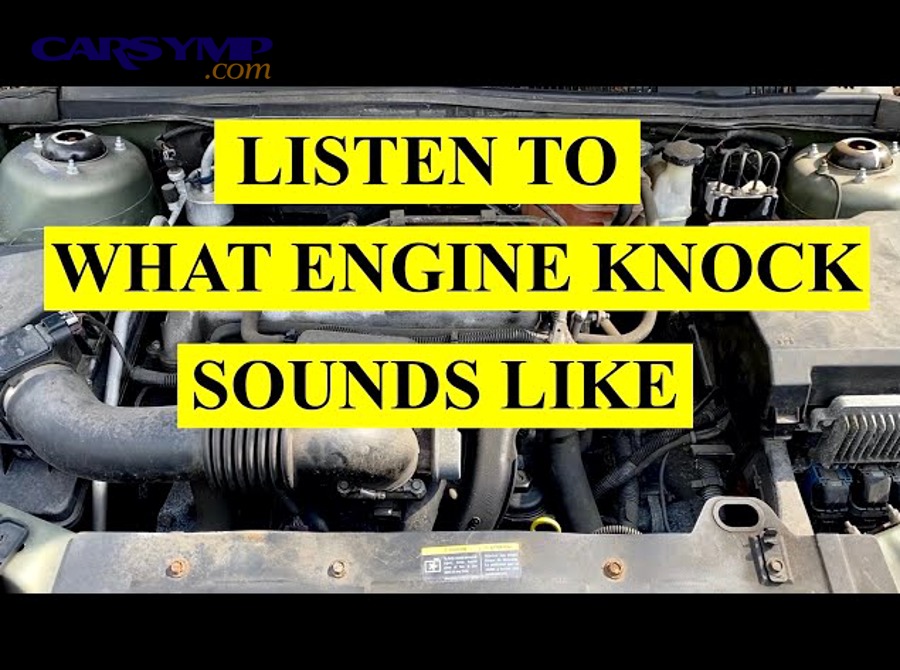
Because “knocking” is used to describe multiple noises, the biggest win is learning the difference between combustion knock (often intermittent and load-sensitive) and rod knock (often deeper, louder, and tied to engine speed and oil pressure). That distinction shapes what you do next, what you test at home, and how urgently you stop driving.
Introduce a new idea: once you know what the knock likely is, you can follow a step-by-step triage plan—quick safety actions, fast checks, and a practical engine knocking diagnosis path that avoids expensive guesswork and focuses on DIY checks before teardown.
Can you keep driving with engine knocking (pinging/detonation)?
No—you should not keep driving with engine knocking because it can (1) spike cylinder pressure and heat, (2) accelerate bearing/piston damage, and (3) mask low-oil or overheating conditions that can destroy the engine quickly.
To begin, the key is that “knocking” is a symptom, not a diagnosis: sometimes it’s mild pinging you can calm by reducing load, and sometimes it’s a deep mechanical knock that demands an immediate shutdown.
Is it ever safe to drive a short distance with mild pinging?
Yes—it can be safe to drive a short distance with mild pinging if (1) the noise only appears under heavy load, (2) the temperature and oil-pressure indicators are normal, and (3) the sound reduces immediately when you lift off the throttle.
More specifically, “short distance” means a conservative limp strategy: keep RPM moderate, avoid wide-open throttle, avoid steep hills, and minimize boost (if turbocharged). Mild spark knock often behaves like this: it appears during acceleration, towing, or climbing; then fades when you reduce load. That pattern suggests combustion knock rather than a bearing knock.
- Reduce cylinder pressure: Ease into the throttle, upshift early, and avoid lugging the engine in a high gear at low RPM.
- Reduce heat: Turn off A/C if needed, and avoid long uphill pulls.
- Listen for escalation: If the sound becomes louder, more frequent, or appears at light throttle, stop and reassess.
If you’re unsure, err on the side of towing—because a wrong call can turn a manageable issue into a full engine replacement.
Should you stop driving immediately if the knock is loud or deep?
Yes—stop driving immediately if the knock is loud or deep because (1) it may indicate rod bearing damage, (2) it can progress to a spun bearing or thrown rod, and (3) continued operation can contaminate oil with metal and damage other components.
Then, treat it like a safety event: signal, move to a safe shoulder or parking area, and shut the engine off. A deep, rhythmic “thunk/rap” that follows RPM—especially if it worsens with a light rev—fits mechanical knock patterns more than spark knock.
- Stop sooner if the oil-pressure light comes on, the temperature gauge climbs, or the knock suddenly appears at idle.
- Do not “test drive” it to see if it goes away—mechanical failures often get worse fast.
What does “engine knocking” mean, and what’s the difference between pinging and rod knock?
Engine knocking is an abnormal knocking noise that can come from (1) uncontrolled combustion (spark knock/pinging/detonation) or (2) mechanical impacts inside the engine (like rod knock), and the difference matters because spark knock is often fixable while rod knock is often a “stop now” condition. (en.wikipedia.org)
Next, you’ll separate “combustion event” from “metal-to-metal event” using sound, driving conditions, and basic checks.
What is spark knock (detonation/pinging) in simple terms?
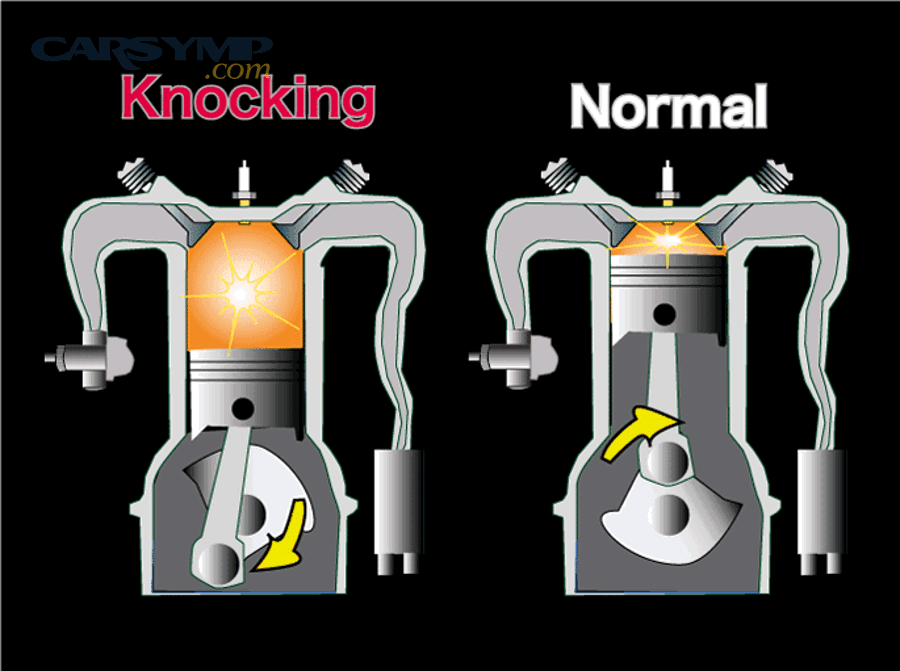
Spark knock is a type of abnormal combustion where parts of the air-fuel mixture ignite outside the normal flame front, creating pressure waves that sound like a metallic ping—often under load, heat, or low-octane conditions. (en.wikipedia.org)
Specifically, spark knock tends to show up when cylinder pressure is high: hard acceleration, towing, climbing, hot weather, or a heat-soaked engine. Modern ECUs often fight it by retarding timing, enriching fuel, and reducing boost—so you might notice reduced power along with the noise.
- Typical triggers: low octane for the engine’s needs, high intake temps, carbon buildup, lean mixture, aggressive ignition timing, excessive boost.
- Typical feel: rattly ping under load, then quieter when you lift.
What is rod knock, and why is it more dangerous?
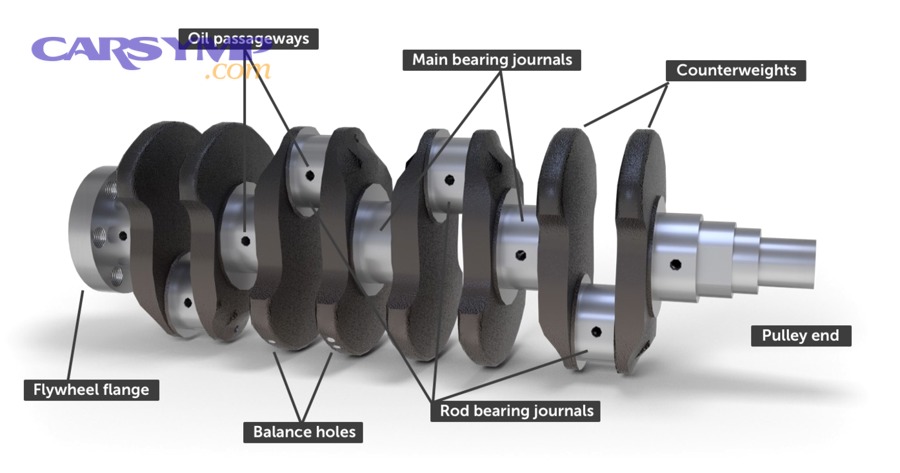
Rod knock is a mechanical knocking sound caused by excessive clearance or damage in the connecting rod bearing area, letting parts impact under load—making it dangerous because it can rapidly lead to bearing failure and catastrophic engine damage.
More importantly, rod knock is not solved by better fuel or “octane booster” because the problem is mechanical wear, oil starvation, contamination, or a prior overheating event that damaged bearings. If you keep driving, the bearing can spin, oil pressure can collapse, and the rod can fail.
According to a study by Brunel University London from the Department of Mechanical, Aerospace and Civil Engineering, in 2018, an optical engine study reported continuous peak in-cylinder pressure up to 150 bar and knock intensity up to 60 bar under induced heavy knock conditions—illustrating how severe abnormal combustion pressure events can become when conditions are extreme. (bura.brunel.ac.uk)
How does spark knock sound vs rod knock under real driving?
Spark knock wins in being lighter and load-dependent, rod knock is more consistent with RPM and often louder/deeper, and valve-train noises can mimic both but usually have a sharper “tap” that doesn’t strongly track load the same way.
However, sound alone can mislead, so use “when it happens” as your tie-breaker:
- Spark knock: light metallic ping/rattle; shows up on hills, acceleration, hot days; improves immediately when you lift.
- Rod knock: deeper knock/rap; can be present at idle and gets faster with RPM; may worsen with light throttle blips.
- Accessory/heat shields: rattles often change with road bumps or specific RPM ranges, not engine load.
What should you do right now if you hear knocking while driving?
There are 3 immediate priorities if you hear knocking while driving: (1) reduce load to limit damage, (2) check for red-flag conditions (oil pressure/overheat), and (3) decide whether to stop-and-tow or cautiously limp to a safe place.
Below, the goal is not perfection—it’s risk control in the next 1–10 minutes.
What are the safest immediate steps to reduce damage in the moment?
There are 5 safe immediate steps: lift off the throttle, avoid lugging, lower heat load, stabilize RPM, and watch gauges.
- Lift and coast: Reduce throttle quickly; spark knock should lessen if it’s combustion-related.
- Downshift if lugging: Low RPM + high load can worsen pinging; use a lower gear to reduce cylinder pressure per combustion event.
- Turn off A/C if needed: Reduces engine load and cooling demand.
- Keep RPM moderate: Don’t rev to “check the sound.”
- Monitor oil/temperature lights: Any warning = treat as tow-worthy.
What quick checks can you do in 5 minutes after stopping?
There are 6 quick checks: oil level, coolant level/overheat signs, obvious leaks, smell/smoke, restart sound at idle, and scan for codes (if you have a reader).
- Oil level: Check dipstick on level ground; very low oil is a common “sudden knock” cause.
- Coolant/temperature: Look for steam, coolant smell, or an overheated gauge history; don’t open a hot radiator cap.
- Leaks: Fresh oil under the engine or a sudden oil spray suggests a “stop now” scenario.
- Idle sound test: A deep knock at idle is more concerning than a ping only under load.
- OBD2 quick scan: Misfire, knock-related timing pull clues, or lean/overheat-related codes change next steps.
When should you tow instead of drive?
Yes—you should tow instead of drive if (1) the knock is deep/loud or present at idle, (2) oil pressure is low or the oil light appears, or (3) the engine overheated or is currently running hot.
Besides those, tow if the knock started suddenly after a loud bang, you see metal flakes on the dipstick, or the engine runs rough with flashing check-engine light (severe misfire risk). A tow costs money, but it can prevent a total engine loss.
What are the most common reasons an engine knocks, and how do you narrow it down?
There are 4 main cause groups for engine knocking: (1) fuel/timing/combustion issues, (2) lubrication problems, (3) heat and deposits, and (4) mechanical wear—and you narrow it down by matching the sound to load, temperature, oil condition, and repeatable triggers.
To better understand what’s most likely, use symptoms as filters instead of guessing parts.
The table below maps common knocking patterns to likely cause groups, so you can prioritize the fastest, safest checks first.
| When the knock happens | How it sounds | Most likely bucket | First narrowing step |
|---|---|---|---|
| Hard acceleration / uphill | Light ping/rattle | Fuel quality and timing-related knock | Reduce load + verify correct fuel octane |
| Idle + gets faster with RPM | Deep rap/knock | Mechanical wear (rod bearing) | Check oil level/pressure; tow if persistent |
| After overheating / hot soak | Pinging or mixed noises | Heat, deposits, cooling system | Verify cooling fan, coolant, and temp behavior |
| Right after oil change | New tick/knock | Wrong oil / low oil / filter issue | Confirm oil level/viscosity and filter fit |
Which causes are “drive-now risky” vs “fix-soon”?
There are 2 urgency groups: “drive-now risky” causes (oil pressure loss, overheating, mechanical knock) and “fix-soon” causes (mild spark knock from fuel/heat/deposits) that still deserve quick attention.
- Drive-now risky: oil light, very low oil, overheating, deep knock at idle, sudden loud knock, misfire with flashing MIL.
- Fix-soon: mild ping only under load, no warnings, normal temps, normal oil level—especially if it improves with gentle driving.
Can low oil or wrong oil cause knocking even without warning lights?
Yes—low oil or wrong oil can cause knock even without warning lights because (1) oil pressure can drop under cornering/acceleration before a sensor triggers, (2) thin or incorrect-viscosity oil can reduce bearing film strength when hot, and (3) a restricted pickup or failing pump can create intermittent starvation.
In addition, some dashboards show only an “idiot light” calibrated for very low pressure—meaning damage can start before the light ever appears. If you suspect lubrication, do not keep driving “to see.” Check level and consider towing for pressure testing.
Can bad gas/low octane cause pinging under acceleration or hills?
Yes—bad gas or too-low octane can cause pinging because (1) lower knock resistance increases abnormal combustion under load, (2) high intake temps and boost amplify the risk, and (3) carbon deposits can raise effective compression and hot spots.
Specifically, if the noise started right after a fill-up and happens mostly on hills, this is a strong clue. The safe narrowing move is to reduce load and verify you’re using the fuel grade the manufacturer recommends—especially for turbocharged or high-compression engines.
Can overheating or carbon buildup trigger knock?
Yes—overheating or carbon buildup can trigger knock because (1) higher combustion temperatures shorten the margin to detonation, (2) deposits can create hot spots and raise compression, and (3) heat soak can push intake and coolant temps high enough to provoke pinging even on correct fuel.
More importantly, if you have a cooling-system issue (fan, thermostat, radiator, low coolant), fixing the knock without fixing the heat is impossible—because the engine will keep returning to knock-prone conditions.
How can you diagnose engine knocking at home vs at a shop?
At home, you can diagnose engine knocking best by identifying patterns (load vs RPM), verifying oil/coolant/fuel basics, and reading OBD2 data; at a shop, technicians confirm root cause with measured oil pressure, scan-tool knock/timing data, and mechanical tests that separate combustion knock from internal wear.
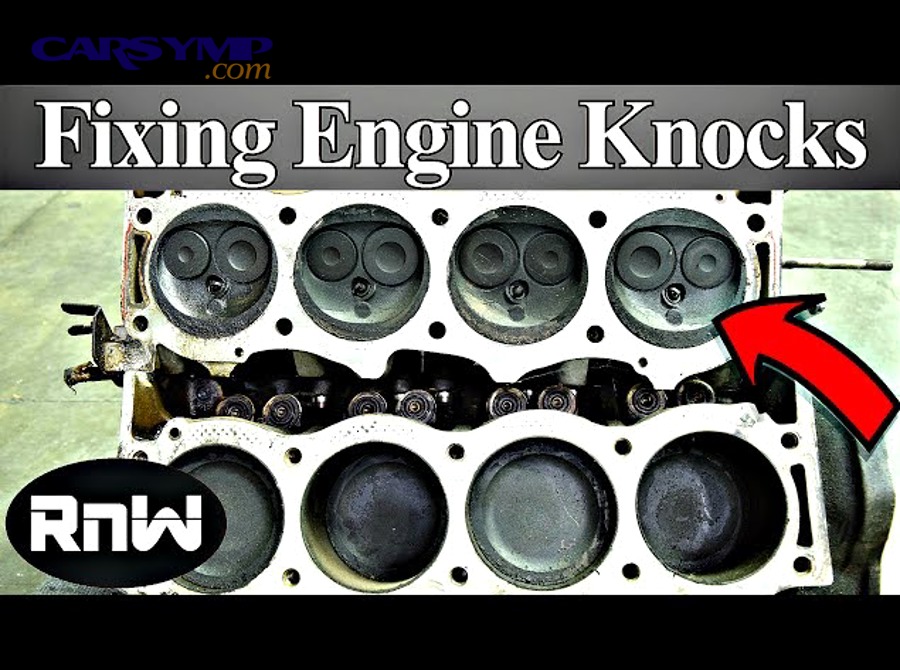
Next, you’ll use a “cheap-to-check first” path that supports accurate engine knocking diagnosis without jumping straight to parts replacement.
What OBD2 codes or data points help confirm knock-related issues?
Helpful OBD2 data points are ECU timing retard (knock response), misfire counters, fuel trims, intake air temperature, coolant temperature, and related codes—because they show whether the computer is actively fighting knock or whether another fault (misfire/lean/overheat) is creating knock-like symptoms.
To illustrate, if you see significant ignition timing pull under load and the noise matches that moment, the ECU is likely responding to combustion knock. If you see misfires and rough running, address misfire first because unburned fuel and abnormal combustion can create confusing sounds and secondary damage.
- Fuel trims: Large positive trims can hint at lean operation (vacuum leak, fuel delivery issue), which can increase knock tendency.
- Temp data: High intake/coolant temps correlate strongly with pinging.
- Knock response: Some scan tools show knock sensor activity or commanded timing changes.
Which tests confirm mechanical damage vs combustion knock?
Combustion knock wins on pattern testing (load/heat/fuel sensitivity), mechanical damage wins on oil pressure, oil condition, and physical noise localization—so use pattern tests first, then confirm mechanically before spending money.
However, do pattern tests only if there are no red flags (no oil light, no overheating, no deep idle knock). Practical comparisons:
- Combustion knock indicators: appears mainly under load; improves immediately when you lift; may reduce with cooler conditions or correct fuel; ECU may pull timing.
- Mechanical knock indicators: present at idle; follows RPM even in neutral; worsens with light blips; low oil pressure or metallic debris may appear.
- Shop confirmations: mechanical oil pressure gauge test; oil filter cut-open inspection; stethoscope localization; sometimes compression/leak-down to check related damage.
For example, if a shop measures low oil pressure at hot idle and hears a deep lower-end knock near the oil pan, that points away from spark knock and toward bearing clearance issues.
How do you avoid misdiagnosing harmless noises as engine knock?
True knock diagnosis wins when you separate engine-speed noises from road-speed noises, while misdiagnosis happens when you chase random rattles—so compare repeatability, location, and load sensitivity before calling it “engine knock.”
Besides, many benign sounds imitate knock:
- Heat shields: rattle at specific RPM bands, worse over bumps.
- Loose accessories: alternator, belt tensioner, pulleys can tick/knock but often change with A/C on/off.
- Injector tick: common on some direct-injection engines; fast clicking, often normal.
A good DIY rule: if the noise changes with road speed more than engine load, it’s probably not combustion knock. If it changes with engine load instantly, it’s more likely combustion-related.
What are the fixes for engine knock, and how urgent are they?
There are 3 fix paths for engine knock: (1) immediate risk reduction (stop, tow, or reduce load), (2) combustion-focused fixes (fuel, timing, heat, deposits), and (3) mechanical repairs (oil pressure and bearing-related work)—and urgency depends on whether the knock is spark knock or rod knock.
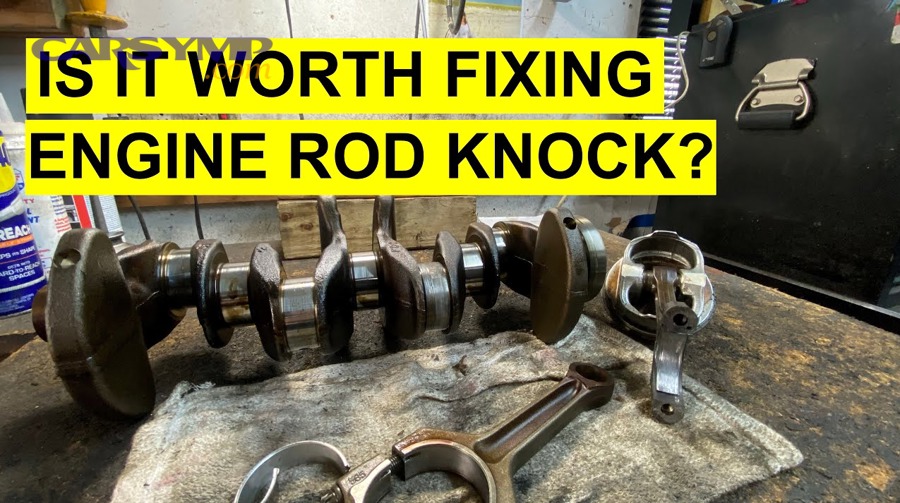
Let’s explore fixes in the same order you should spend money: confirm, then correct the most likely cause, then verify the result.
What quick fixes are legitimate short-term mitigations—and what are myths?
Reducing load and correcting fuel/heat wins as legitimate short-term mitigation, while “miracle additives” and aggressive driving to “clear it out” are myths that often worsen the problem.
- Legit short-term moves: stop towing, avoid lugging, use the correct fuel grade, let the engine cool, fix low oil, address overheating, resolve lean/misfire issues.
- Situationally legit: top-tier fuel and a careful deposit-cleaning plan if carbon buildup is suspected (best paired with proper diagnosis).
- Myths: octane booster as a fix for rod knock; thicker oil as a “repair” (it can mask symptoms but won’t restore damaged bearings); revving the engine to “blow carbon out.”
What repairs typically fix spark knock vs rod knock?
Spark knock repairs win with combustion control (fuel, timing, cooling, deposits), while rod knock repairs require mechanical correction (oil pressure/bearing work) and are generally more urgent and expensive.
More specifically, common repair buckets:
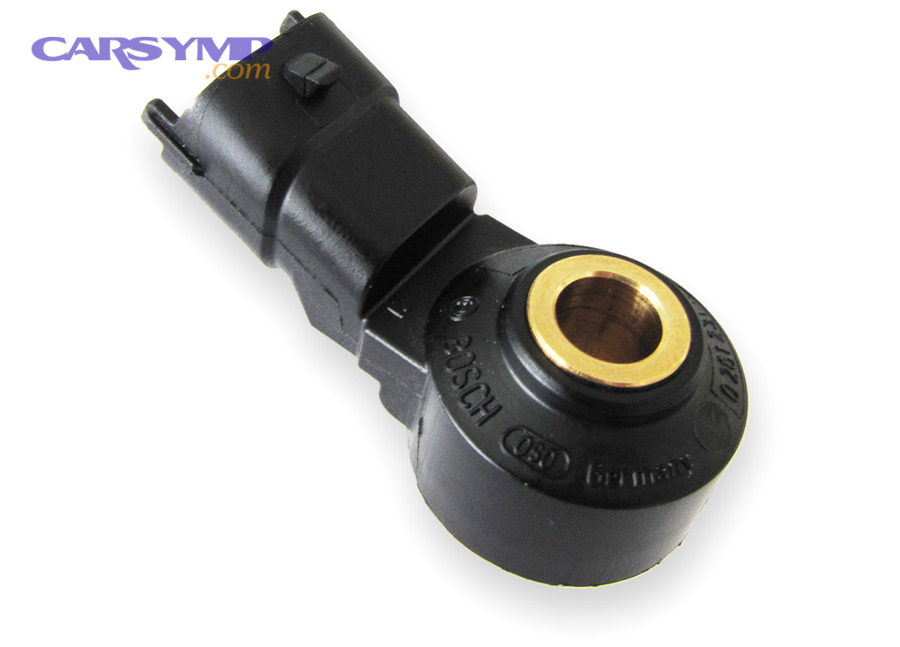
- Spark knock (pÌNG): correct fuel octane; repair cooling system faults; fix vacuum leaks/lean fuel delivery; address EGR issues (where applicable); replace faulty knock sensor/wiring if proven; correct ignition timing or tune problems; manage deposits.
- Rod knock: diagnose oil pressure; inspect oil and filter for metal; repair root cause of oil starvation; bearing replacement or engine rebuild/replace depending on damage.
When in doubt, prioritize confirming oil pressure—because a lubrication failure can destroy an engine faster than most other issues.
How much can repairs cost, and what factors change the price most?
There are 5 big factors that swing repair cost: engine design (turbo/DI complexity), labor access, severity of damage, parts availability, and whether the fix is external (sensor/cooling) or internal (bearings/rebuild).
- Lower-cost scenarios: wrong fuel, minor tune/maintenance issues, cooling fan/thermostat, vacuum leak, basic sensor replacement.
- Higher-cost scenarios: persistent rod knock, spun bearing, low oil pressure requiring teardown, engine replacement.
A practical cost strategy is to pay for diagnosis steps that prevent unnecessary teardown: verified oil pressure, scan-tool timing/knock data, and a targeted inspection of the ignition/fuel/cooling system before you authorize major internal work.
What happens if you keep driving with engine knock?
Keeping driving with engine knock means you continue operating the engine while abnormal combustion or mechanical impacts are occurring, which can rapidly increase heat, wear, and the chance of catastrophic failure—especially if the knock is mechanical or tied to oil pressure loss.
More importantly, “it still runs” is not proof it’s safe; engines often run right up until the moment they don’t.
Can driving with knock damage the catalytic converter or other components?
Yes—driving with knock can damage the catalytic converter or other components because (1) severe knock and misfire can overheat the catalyst with unburned fuel, (2) abnormal combustion increases thermal stress on pistons, valves, and head gasket, and (3) metal debris from bearing wear can circulate through the oil system and accelerate wear elsewhere.
In addition, if the ECU responds by pulling timing and enriching fuel, fuel economy drops and exhaust temperatures can rise in ways that stress emissions components over time.
How quickly can knock turn into engine failure?
Knock can turn into engine failure quickly when it is caused by oil starvation, overheating, or bearing damage, because those conditions can escalate from “noise” to “spun bearing” or “thrown rod” in a short number of miles or even minutes under load.
In short, mild spark knock that disappears with reduced load might give you time to plan repairs, but deep mechanical knock or warning lights should be treated as an immediate shutdown-and-tow scenario.
Why do some engines knock more than others, and how can you prevent it long-term?
There are 4 reasons some engines knock more than others: (1) higher compression/boost, (2) direct injection and hotter combustion environments, (3) calibration and fuel sensitivity, and (4) deposits and heat management—and long-term prevention focuses on correct fuel, clean combustion conditions, and avoiding high-load stress when hot.
Next, you’ll connect engine design to real-world habits that reduce knock risk without wasting money.
Do turbocharged or direct-injection engines have a higher knock risk (including LSPI)?
Yes—turbocharged and direct-injection engines have a higher knock risk because (1) boost increases cylinder pressure, (2) DI combustion environments can create conditions for abnormal events, and (3) certain operating windows raise the chance of severe events like LSPI in specific modern designs.
According to a study by Loughborough University from the Aeronautical and Automotive Engineering context presented in 2024, LSPI is most prevalent in an operating region around 1000–3000 rpm with brake mean effective pressure roughly 10–22 bar, highlighting why “low RPM + high load” driving can be a risk zone in downsized boosted engines. (mdpi.com)
Can tuning, octane requirements, or fuel blends make knock better or worse?
Correct octane and conservative tuning win for knock resistance, aggressive timing/boost makes knock worse, and ethanol blends can be beneficial or mixed depending on concentration, calibration, and hardware.
However, the practical takeaway is simple: follow the manufacturer’s required/recommended octane, avoid lugging under boost, and be cautious with tunes that push timing or boost without proper knock monitoring. If you change fuel blends (like higher ethanol), ensure the tune and fuel system support it.
Can carbon buildup or heat soak cause recurring knock even after “good gas”?
Yes—carbon buildup or heat soak can cause recurring knock even after good gas because (1) deposits can raise effective compression and create hot spots, (2) heat soak increases intake and combustion temperatures, and (3) the engine may reach knock-prone conditions before the fuel’s octane advantage can help.
Especially in stop-and-go traffic followed by a hard on-ramp pull, heat soak can make a normally fine engine ping. The fix is often heat management and driving habit changes, not chasing fuel brands alone.
What maintenance habits reduce knock risk without wasting money?
There are 6 cost-effective habits that reduce knock risk: use correct oil and keep it full, use the correct fuel grade, keep cooling system healthy, address misfires/lean conditions early, avoid lugging under load, and manage deposits based on symptoms—not hype.
- Oil discipline: correct viscosity and regular checks prevent lubrication-related knock surprises.
- Fuel discipline: meet octane requirements; avoid unknown low-quality fuel when possible.
- Cooling discipline: fix small coolant leaks and fan issues early.
- Ignition/fuel health: don’t ignore roughness, misfires, or persistent lean trims.
- Driving style: downshift instead of flooring it at 1500 rpm in a tall gear.
- Deposits: consider a targeted approach if symptoms match (recurring ping when hot/load), rather than random additives.
If you keep these habits, you reduce the odds of severe knock events and make future diagnosis faster if a noise ever returns.