Diagnose Engine Knocking: Step-by-Step Knock vs Pinging Diagnosis for Everyday Drivers
Engine knocking diagnosis starts with one simple truth: “knock” is not one noise, and your fix depends on whether the sound is abnormal combustion (pinging/spark knock) or mechanical impact (like rod knock). The fastest path is to identify when the sound happens (under load vs at idle), where it’s loudest (top end vs bottom end), and what changes it (fuel, timing, oil pressure, temperature).
If your goal is to avoid expensive guesses, you’ll want a structured workflow: first classify the sound, then run a few safe checks, then use scan data and simple cylinder tests to narrow the cause before you authorize teardown at an engine service shop.
You’ll also need a safety rule: some knocks are “limp-home,” but true bottom-end knocking can turn into catastrophic failure quickly—so part of this guide is learning Can you drive with engine knocking and when the right move is to shut it down.
Introduce a new idea: once you understand the difference between knock vs ping and how Knock under load vs at idle clues changes the diagnosis, you can make a confident plan—DIY checks before teardown, Repair options and cost range, and long-term prevention for Car Symptoms.
What is engine knocking, and why does it happen?
Engine knock is a sharp metallic noise caused by either abnormal combustion pressure waves (spark knock/pinging) or mechanical parts striking due to excess clearance or loss of lubrication, and it typically shows up during specific load, RPM, and temperature conditions. Specifically, the key is separating combustion knock (often Fuel quality and timing-related knock) from mechanical knock (often Low oil level and oil pressure knock causes).
Specifically, the key is separating combustion knock (often fuel- and timing-related) from mechanical knock (often oil pressure, bearing, or wear-related).
Is engine knocking always detonation?
No—engine knocking is not always detonation, and treating every knock like “bad gas” is a common reason people waste money. To better understand this, think of “knock” as a symptom with two major buckets:
- Combustion-related knock (spark knock/pinging): abnormal end-gas autoignition after the spark event creates pressure oscillations you hear as a light metallic rattle—often worse under load and sometimes improved by higher octane or reduced timing.
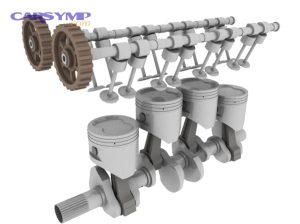
- Mechanical knock: physical impact between moving parts (rod bearing clearance, wrist pin wear, piston slap, flexplate issues). Mechanical knock often persists regardless of octane and may worsen with RPM, heat, or low oil pressure.
According to a study by MIT’s Department of Mechanical Engineering, in 2010, researchers examined knock onset and knock metrics in modern spark-ignition conditions, reinforcing that “knock” is a measurable combustion phenomenon tied to operating conditions—not merely a generic noise label. (dspace.mit.edu)
What parts create the “knock” sound?
The “knock” sound you hear is the result of energy release and vibration traveling through the engine block, which acts like a speaker. More specifically, different sources produce different vibration signatures:
- Combustion knock (pinging): the cylinder pressure oscillation excites the block and head.
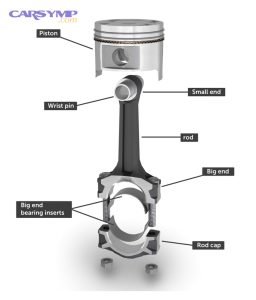
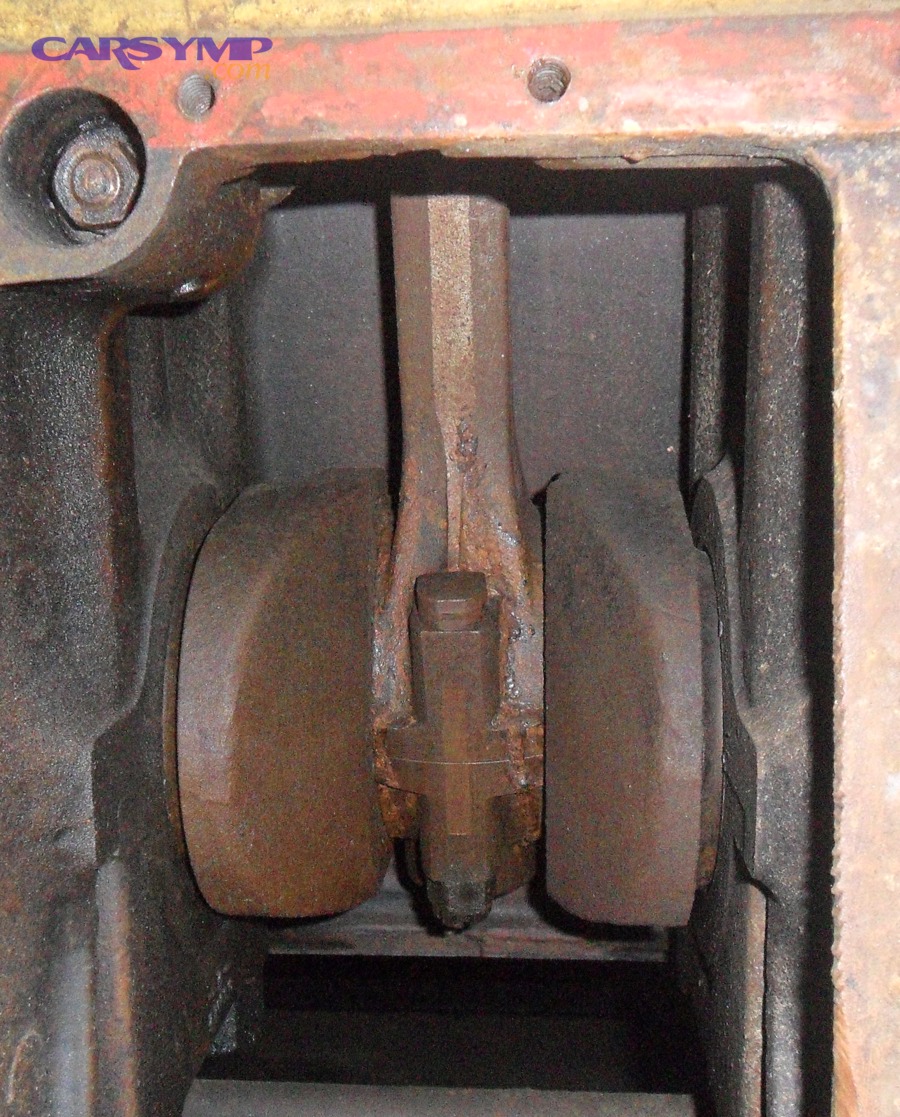
- Rod bearing knock: clearance at the big end allows the rod to hammer the crank journal during load reversal.
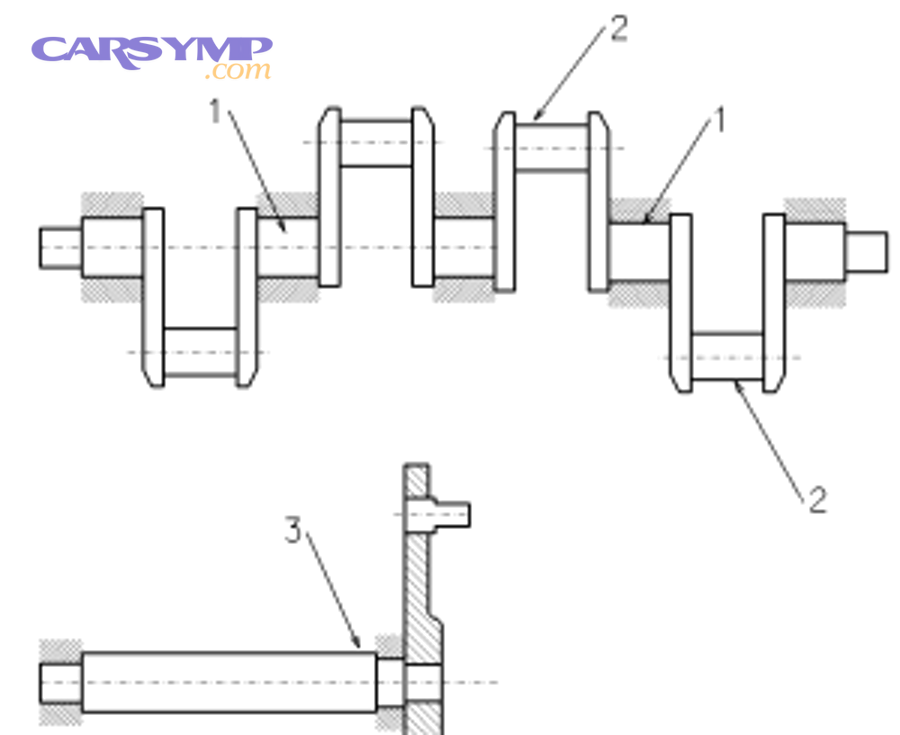
- Main bearing knock: deeper thud, sometimes more “dull,” tied to crank support.
- Wrist pin knock: lighter double-tap that can change with load transitions.
- Valve train/lifter tick: fast tapping at the top end (often half engine speed-related patterns, depending on valvetrain design).
What does “knock under load vs at idle” tell you?
“Knock under load vs at idle” is one of the highest-value clues because it points to pressure and force pathways.
- Knock under load often suggests spark knock/pinging (high cylinder pressure + heat) or rod bearing knock (high torque loads stressing bearings).
- Knock at idle can suggest low oil pressure, worn bearings (clearance audible even at low load), some valvetrain ticks, or accessories/exhaust contact that’s easiest to hear when the cabin is quiet.
A practical way to use this clue is to ask: Does the noise get louder when I gently load the engine (slight throttle) vs when I free-rev in neutral? Combustion knock usually needs load; many mechanical knocks show up across conditions but change character with RPM.
Can you drive with engine knocking?
No—you should not drive with engine knocking unless you have strong evidence it’s mild pinging and you can reduce load immediately, because (1) mechanical knocks can escalate into bearing seizure, (2) detonation can damage pistons and rings, and (3) continued operation can turn a repairable issue into an engine replacement. Next, we’ll separate “limp-home” scenarios from “shut it off now” scenarios so you don’t gamble with the engine.
When is it safe to limp home?
It’s only “limp-home” safe when all of the following are true:
- The sound matches light pinging (a brief metallic rattle) only during heavy throttle or hill climbs.
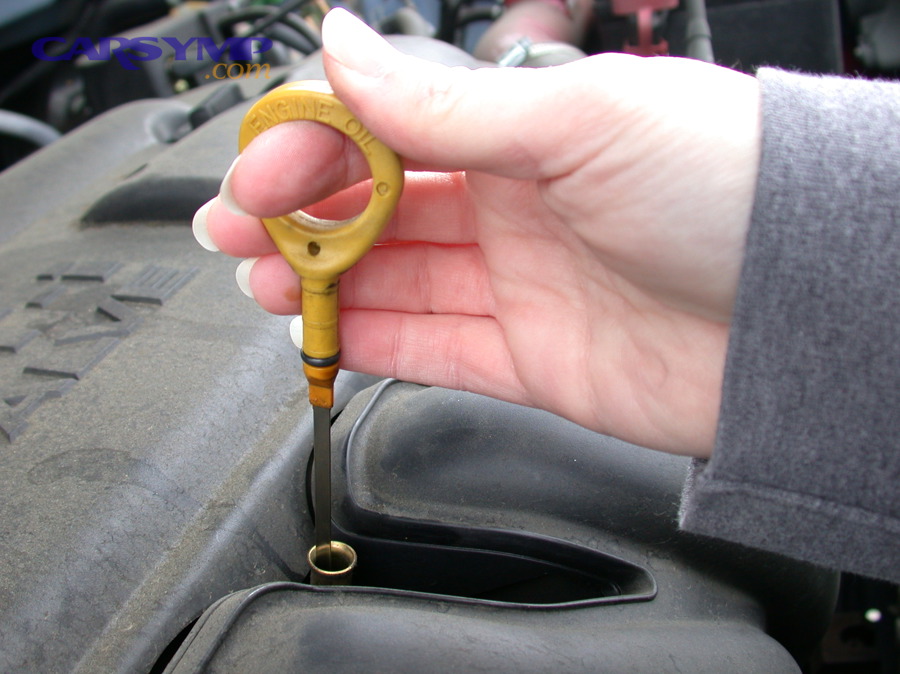
- The oil level is correct and the oil pressure warning is not active.
- You can reduce load and make the noise disappear by:
- easing throttle,
- downshifting to reduce lugging,
- avoiding boost (if turbocharged),
- using the recommended fuel grade.
If you must move the car, keep RPM moderate, avoid wide-open throttle, avoid towing, and head directly to diagnosis or engine service.
When should you shut the engine off immediately?
Shut it off and tow if you see any of these:
- Oil pressure warning light, or you verify low oil pressure on a gauge.
- A deep knocking that increases quickly with RPM (classic bottom-end).
- Knock that gets louder within minutes as the engine warms.
- Misfire + knocking + flashing check engine light (risk of catalyst damage and severe drivability issues).
- Metal flakes in oil, sudden oil consumption, or audible knock right after an oil loss event.
The fastest “save-the-engine” move is often a tow—especially when Low oil level and oil pressure knock causes are suspected.
What happens if you ignore rod knock symptoms and severity?
Rod knock symptoms and severity typically progress like this:
- Early: faint deep knock under load, sometimes only hot.
- Mid: audible at steady throttle, louder during tip-in, may show low oil pressure at idle.
- Late: constant knock, metal in oil, risk of spun bearing.
- Failure: thrown rod, block/window damage, immediate loss of engine.
At mid-to-late stages, you’re no longer choosing between “repair” and “ignore”—you’re choosing between repair now vs replace later.
How to document symptoms for an engine service visit?
Better documentation reduces wasted labor time (and reduces your chance of paying for guesswork). Capture:
- A short video/audio clip at idle and during a gentle load (safe road test).
- Conditions: cold start vs hot, RPM range, gear, incline, fuel grade.
- What changed it: higher octane, turning A/C on/off, steering input, braking, or shifting.
If you’re writing for a site like Car Symptoms, this is also a great “reader action step” because it turns panic into a plan and supports accurate diagnostics.
Engine knock vs ping vs lifter tick comparison: how do you tell the difference?
Spark knock (pinging) wins as the likely cause when the noise is a light metallic rattle under load and improves with better fuel or timing changes, rod knock is best fit when you hear a deep rhythmic bottom-end thud, and lifter tick is optimal for rapid top-end tapping—this is the core Engine knock vs ping vs lifter tick comparison. However, the best diagnosis comes from matching sound + location + operating condition rather than any single clue.
Before the table, here’s what it contains: the quick-reference chart below compares common “knock-like” noises by sound, when they occur, and what usually changes them, so you can narrow your engine knocking diagnosis in minutes.
| Noise type | What it sounds like | When it happens | What changes it fast | Most likely area |
|---|---|---|---|---|
| Spark knock / pinging | Light metallic rattle, “marbles in a can” | Under load, uphill, hot, lugging | Higher octane, less throttle, less timing, cooler intake | Combustion/cylinders |
| Rod knock | Deep rhythmic knock/thud | Under load, often worse with RPM | Often not improved by fuel | Bottom end/oil system |
| Lifter tick | Fast tap/tick | Idle to mid RPM, often cold start | Oil viscosity/level, lifter condition | Top end/valvetrain |
| Piston slap | Hollow skirt noise, sometimes “clack” | Cold start, fades when warm | Temperature (often improves warm) | Cylinder/piston area |
| Exhaust leak tick | Sharp tick near manifold | Cold start, load changes | Heat (may reduce warm), listen near manifold | Exhaust side |
| Accessory knock | Irregular knock or rattle | Idle and rev changes | Belt removal test (brief), A/C on/off | Front of engine |
What does pinging sound like vs rod knock?
Pinging is typically higher-pitched and “rattly,” often most noticeable when you accelerate at low RPM in a high gear (lugging) or climb a hill. Rod knock is typically lower-pitched and rhythmic, often matching engine speed and getting louder under load.
A strong field test: if the noise reduces dramatically when you lighten throttle or use higher octane, you’re leaning toward Fuel quality and timing-related knock; if it doesn’t change, mechanical causes move up the list.
What does lifter tick sound like vs knock?
Lifter tick is a fast, light tapping that seems to come from the valve cover area. It often shows up at cold start and may quiet down as oil pressure stabilizes. Combustion knock usually isn’t loud at idle unless something is seriously off (timing, hot spots, extreme conditions).
If you can localize the sound at the top of the engine with careful listening, you’re often dealing with valve train or an exhaust leak rather than bottom-end knock.
What does piston slap sound like?
Piston slap is commonly a hollow, skirt-like clatter that is worse cold and improves as the piston expands with heat. It can be normal on some engines at cold start in small amounts, but loud slap with other symptoms (smoke, oil consumption, misfire) suggests wear.
The key diagnostic move is to track temperature dependency: piston slap often fades warm; rod knock often stays or worsens warm if oil thins and clearance noise increases.
How does exhaust leak or accessory noise mimic knock?
Exhaust leaks near the manifold can produce a sharp “tick” that people mislabel as knock. Accessories (idler pulley, alternator, A/C compressor, tensioner) can rattle or knock, especially at idle.
A safe approach is to:
- Listen near the manifold area for a “puff-tick” pattern.
- Observe whether A/C engagement changes the noise.
- Avoid unsafe tests; do not run the engine without proper belt routing unless you know the exact procedure and duration limits.
What are the most common causes of engine knocking?
There are four main cause groups for engine knocking diagnosis—(1) fuel and timing issues, (2) oil pressure and lubrication problems, (3) deposits/hot spots and overheating, and (4) sensor/control problems—based on what triggers abnormal combustion or mechanical impact. In addition, each group leaves distinct clues in when the noise occurs and what makes it better or worse.

Fuel quality and timing-related knock: what changes it?
Fuel quality and timing-related knock is the classic “pinging” scenario. It becomes more likely when:
- The engine is lugged (high gear, low RPM, heavy throttle).
- Intake air is hot, coolant temps are high, or under-hood heat is extreme.
- Ignition timing is too advanced (from calibration, sensor errors, or modifications).
- The fuel octane is below what the engine requires (especially turbo/GDI setups).
A peer-reviewed study connected to Tafila Technical University’s automotive laboratories, in 2016, tested different octane grades on a spark-ignition engine and discusses spark knock/detonation behavior under differing fuel conditions. (sciencedirect.com)
Practical fixes that support diagnosis:
- Run the manufacturer-recommended fuel grade.
- Avoid heavy throttle at low RPM.
- Confirm the engine isn’t overheating.
- Address intake leaks, carbon buildup, or calibration issues if the vehicle is modified.
Low oil level and oil pressure knock causes: how do they create noise?
Low oil level and oil pressure knock causes are among the most dangerous because bearings rely on a stable oil film. When oil pressure drops or oil supply is insufficient, parts that should “float” on oil can make contact:
- Rod bearings can develop clearance and hammer under load.
- Main bearings can transmit deeper knocks through the block.
- Lifters can tick when oil pressure or oil aeration is present.
This is why the oil dipstick check is not “basic”—it’s a critical branch point in engine knocking diagnosis.
Carbon deposits and hot spots: how do they trigger knock?
Carbon deposits can raise compression effectively, create hot spots, and promote abnormal combustion—especially in direct-injection engines prone to intake valve deposits and combustion chamber buildup.
Signs that move deposits higher on the list:
- Knock/ping that appears hot and under load,
- reduced performance,
- increased fuel consumption,
- history of short trips and low-quality fuel.
Addressing deposits can involve intake service, combustion chamber cleaning strategies, and verifying PCV and fueling health—done correctly, not as a “miracle-in-a-can” gamble.
Using scan data for knock sensor issues: what codes and data matter?
Using scan data for knock sensor issues is how you avoid swapping parts blindly. Helpful signals include:
- Knock sensor-related DTCs (varies by make, e.g., circuit performance issues).
- Fuel trims (lean conditions can increase knock tendency).
- Intake air temperature (hot IAT increases knock risk).
- Ignition timing advance (timing pulled aggressively under load suggests knock control activity).
- Misfire counters and load/RPM context.
According to a study by Michigan Technological University from the Mechanical Engineering program, in 2024, controlled testing was conducted to analyze factors affecting engine knock in modern spark-ignition contexts, supporting the value of structured testing (conditions, sensors, and data) for accurate engine knocking diagnosis. (digitalcommons.mtu.edu)
How do you diagnose engine knocking at home before teardown?
A safe at-home engine knocking diagnosis uses a 7-step checklist—verify fluids and basic health, reproduce the noise under controlled conditions, localize the sound, then use OBD2 scan data and simple cylinder tests—to narrow the cause before any teardown. Then, you can decide whether you need professional engine service or if the issue is likely manageable.
DIY checks before teardown: quick safety and tool list
Start with safety and the minimum tools that make your results trustworthy:
Safety
- Do not hold high RPM in park/neutral for long periods.
- Avoid wide-open throttle testing.
- If oil pressure warning appears, stop immediately.
Tools
- OBD2 scanner (live data capable if possible)
- Flashlight
- Clean rag/paper towel
- Basic hand tools
- Optional: mechanic’s stethoscope (or a long screwdriver as a listening probe)
These DIY checks before teardown aren’t about “fixing everything”—they’re about preventing expensive wrong turns.
Step 1–3: Verify oil, coolant, and basic mechanical health
Step 1: Check oil level and condition
- Confirm level is within the safe range.
- Look for glitter/metal sheen (a red flag).
- Smell for fuel dilution (thin oil can reduce protection).
Step 2: Check coolant level and temperature behavior
- Overheating increases knock tendency and can cause serious damage.
- Confirm fans operate and coolant level is stable.
Step 3: Inspect for obvious external causes
- Loose heat shields, exhaust contact, cracked manifold, broken mounts.
- These can mimic knock and waste hours if skipped.
A good rule: if oil is low, you’ve earned the right to suspect lubrication first.
Step 4–5: Recreate the knock and localize the sound
Step 4: Recreate the sound safely
- Identify whether it happens at idle, during light rev, or only under load.
- Note whether it appears only hot, only cold, or always.
Step 5: Localize
- Top end loudest → lifter tick, valvetrain, exhaust tick.
- Bottom end loudest → bearing/rod knock suspicion rises.
- Front of engine → accessories, pulleys, belt drive.
If you can’t safely reproduce under load, don’t force it—this is where a shop can road-test with proper equipment.
Step 6–7: Use OBD2 scan data and cylinder tests
Step 6: OBD2 live data review
- Fuel trims: lean conditions can elevate combustion temps.
- Timing advance/retard: if the ECU is pulling timing hard under load, it may be responding to knock.
- IAT and coolant temps: heat increases knock probability.
- Misfire counters: a misfire problem can coexist with noise and confusion.
Step 7: Cylinder contribution / balance checks
- For suspected rod knock, some technicians use controlled cylinder disable tests to see if the noise changes when load is removed from a specific cylinder (this must be done correctly to avoid damage).
- Compression/leak-down tests can support whether there’s mechanical wear vs combustion control issues.
Here’s one helpful video that demonstrates a methodical approach to engine noise diagnosis (use it as process guidance, not as a substitute for your vehicle’s procedures):
Contextual border: At this point you can usually classify the knock and choose the next action. Next, we shift from diagnosis to repair planning—repair options and cost range—plus Preventing knock with maintenance so it doesn’t return.
Repair options and cost range: what fixes engine knocking?
Repair options and cost range depend on whether you have spark knock/pinging (often fixable with calibration, fuel, deposit control, or cooling work) or mechanical knock (often requiring internal repair), and the right fix saves money because it targets the cause instead of the sound. In addition, the best long-term outcome comes from pairing the repair with Preventing knock with maintenance so the same conditions don’t recreate the knock.
What inexpensive fixes can stop pinging?
If your diagnosis points to pinging (combustion knock), these are common “first-line” fixes:
- Use the correct fuel grade (and confirm fuel quality).
- Address overheating (coolant, thermostat, fans, radiator flow).
- Fix vacuum leaks or intake leaks that create lean conditions.
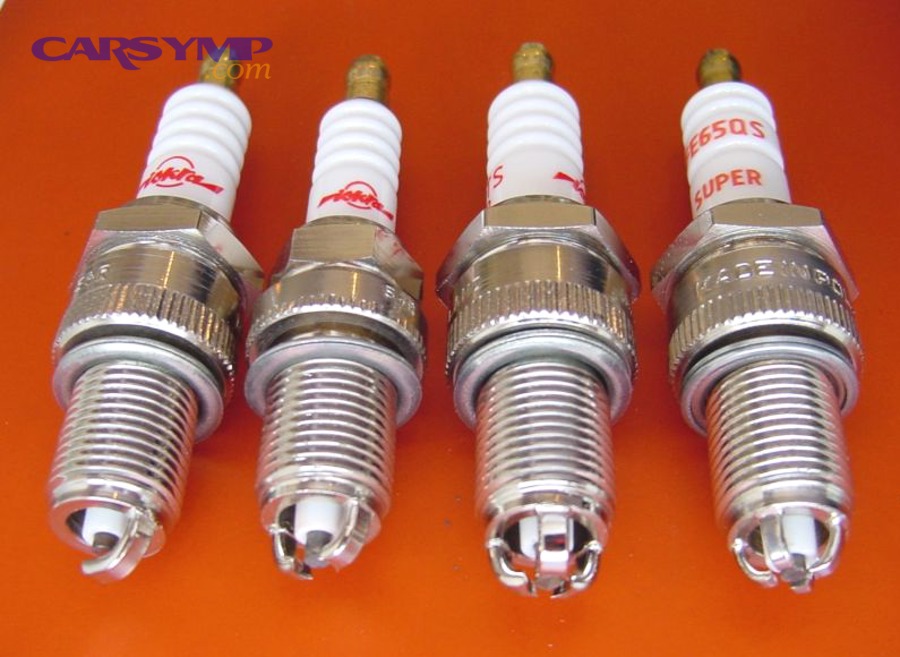
- Service spark plugs if worn or incorrect heat range.
- Clean deposits (proper intake/combustion cleaning strategies).
- Correct timing issues (sensor faults, calibration, or excessive advance).
This is where “engine knock vs ping” matters: pinging often has a high chance of improvement without opening the engine.
When does it need internal engine repair or rebuild?
Mechanical knock tends to cross into internal repair when you have:
- Persistent deep knock that does not respond to fuel/timing changes,
- Evidence of metal in oil,
- Low oil pressure tied to the noise,
- Noise that worsens rapidly with RPM or load,
- Confirmed bearing clearance issues or crank/journal damage.
At that point, “band-aid fixes” can increase the final cost by turning repairable damage into block failure.
How much do common repairs cost and what affects price?
Because labor rates and engine designs vary widely, cost is best expressed as a range tied to categories:
- Combustion knock fixes (tune-up, plugs, cleaning, cooling system service): typically lower-cost relative to internal engine work.
- Oil system work (pump, pickup tube, pan service, pressure diagnosis): mid-range depending on access.
- Internal mechanical repair (bearings, crank work, rebuild, replacement engine): highest cost category.
What changes the price the most:
- Engine layout and accessibility,
- Whether the crankshaft is reusable,
- Availability of remanufactured engines,
- Collateral damage (turbo contamination, oil cooler debris, etc.).
If you’re building content for “Repair options and cost range,” the honest SEO win is to explain why ranges exist and how diagnosis reduces the chance of paying for the wrong category.
Preventing knock with maintenance: what to do after the repair?
Preventing knock with maintenance is not generic advice—it’s targeted to the conditions that produced your knock:
- Keep oil level correct; don’t stretch intervals if the engine is known to consume oil.
- Use the recommended viscosity and quality spec.
- Maintain the cooling system so temps don’t climb into knock-prone territory.
- Use the fuel grade the engine is designed for, especially in boosted engines.
- Avoid chronic lugging (low RPM, high throttle) as a driving habit.
- Periodically review scan data (fuel trims, misfire counters) if you have recurring issues.
Done consistently, prevention reduces both pinging recurrence and lubrication-related wear pathways—so your engine service spend actually lasts.
Evidence (if any)
According to a study by MIT from the Department of Mechanical Engineering, in 2010, researchers compared knock onset and knock metrics under modern spark-ignition conditions, highlighting that knock behavior depends on operating conditions and measurable combustion dynamics rather than being “just a noise.” (dspace.mit.edu)
According to a study by Michigan Technological University from the Mechanical Engineering program, in 2024, controlled testing was conducted to analyze factors affecting engine knock in modern spark-ignition contexts, supporting the value of structured testing (conditions, sensors, and data) for accurate engine knocking diagnosis. (digitalcommons.mtu.edu)