


A misfire that shows up at idle vs under load is not random noise—it’s a diagnostic clue that helps you narrow the fault to air/vacuum, ignition, fuel delivery, or mechanical compression without guessing.
Next, you’ll learn how to translate that “when it happens” pattern into a short list of likely causes, so your checks stay focused and you avoid replacing parts that aren’t broken.
Then, you’ll get a practical way to confirm your hypothesis using scan data and a few simple tests—including the right way to read fuel trims—so the fix is based on proof, not hope.
Introduce a new idea: once you can classify the misfire pattern and verify the system, the rest of the work becomes a repeatable process you can use on nearly any gasoline engine.
What does it mean when a misfire happens at idle vs under load?
A misfire at idle vs under load means the engine is failing under different physical demands—idle emphasizes vacuum and mixture stability, while load emphasizes spark strength and fuel delivery under higher cylinder pressure.
To better understand this clue, start by treating “idle” and “load” as two different test environments: one exposes small air leaks and unstable mixture control, and the other exposes weak ignition and fuel starvation.
At idle, the throttle is mostly closed and manifold vacuum is high. That makes the engine extremely sensitive to small unmetered-air leaks and air-control problems. Under load, the throttle is open, cylinder pressure rises, and the ignition system must “push” a stronger spark across the plug gap—weak coils and marginal plugs that seem fine at idle can fail when you accelerate.
Is an idle-only misfire usually caused by air/vacuum leaks?
Yes—an idle-only misfire is often tied to Vacuum leak misfire signs because (1) idle vacuum is highest, (2) small unmetered air shifts the mixture the most, and (3) idle airflow is low so any leak becomes a bigger percentage of total air.
Specifically, vacuum leaks “matter more” at idle because the engine is trying to hold a stable air-fuel ratio with very little airflow. A tiny crack in a hose that’s irrelevant at 2,500 rpm can be huge at 650 rpm.
Common idle-biased leak points you can check quickly:
- PCV hose and PCV valve grommet (hard, shrunken rubber)
- Intake boot bellows (splits on folds)
- Brake booster hose and check valve
- Intake manifold gasket edges (especially on cold start)
- EVAP purge valve stuck open (acts like a controlled vacuum leak)
What the engine “tells” you at idle:
- Rough idle that improves slightly when you raise rpm
- Lean codes may appear (but not always)
- Fuel trims (STFT/LTFT) often climb positive at idle and drop closer to normal when rpm increases
Is an under-load-only misfire usually caused by ignition breakdown?
Yes—an under-load-only misfire is commonly ignition-related because (1) cylinder pressure rises, (2) spark voltage demand increases, and (3) weak coils/boots/plugs can’t jump the gap reliably under stress.
More importantly, load misfires often look like “it pulls fine until you ask for power.” Under acceleration, the mixture is denser and the spark must fight higher pressure. Any weakness—excessive plug gap, cracked coil boot, moisture tracking, marginal coil saturation—can show up as a stumble, jerk, or “bucking” that you cannot reproduce in Park.
Typical under-load ignition culprits:
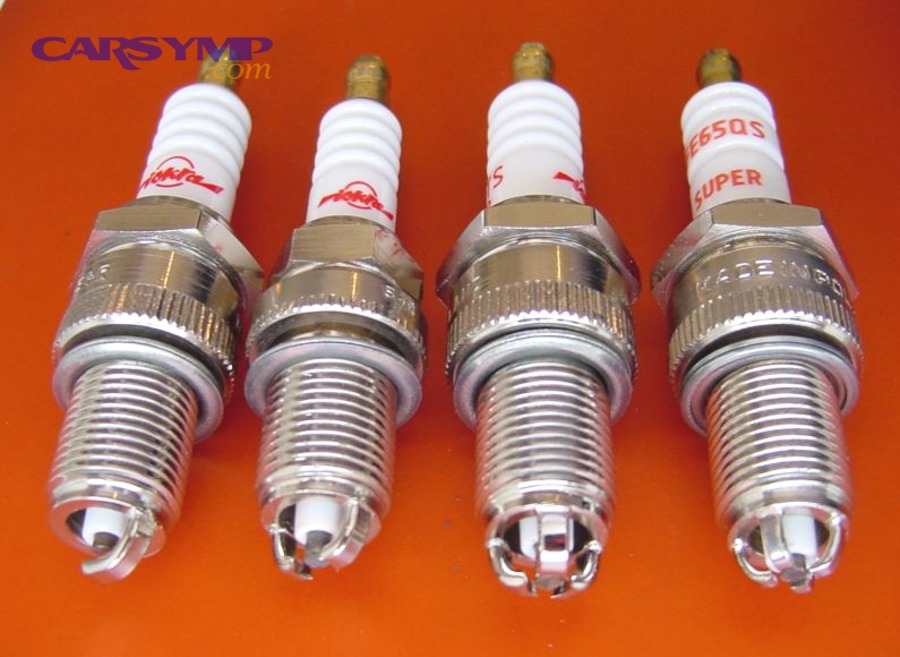
- Worn spark plugs with widened gap (the classic under-load misfire trigger)
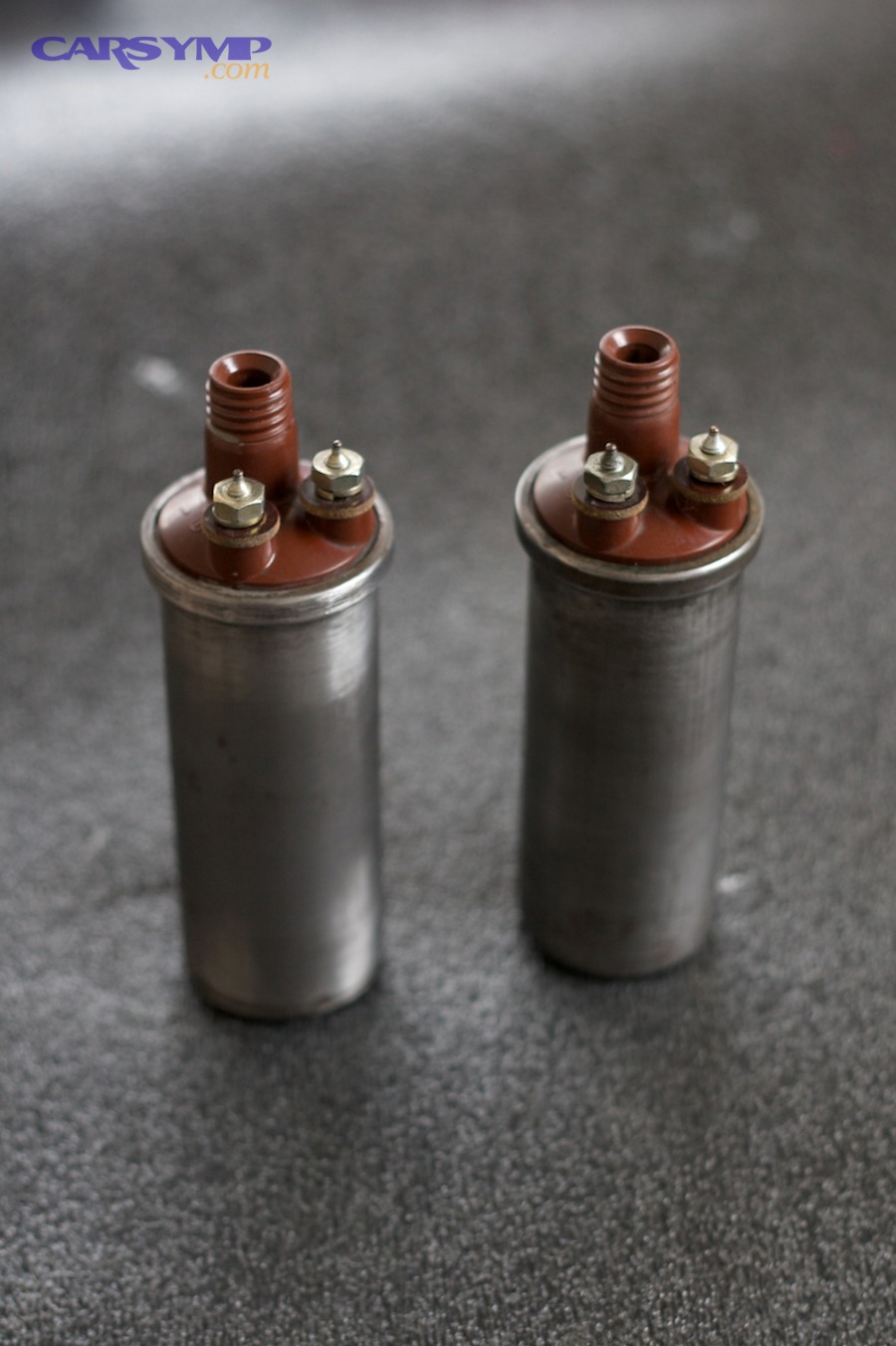
- Coil-on-plug coil breaking down (heat-soaked failures are common)
- Plug wire leakage or high resistance (older systems)
- Carbon tracking inside boots (spark finds an easier path than the plug gap)
How are “idle misfire” and “load misfire” different in symptoms and drive feel?
Idle misfire wins in “roughness you can feel standing still,” load misfire is best identified by “stumble under acceleration,” and a misfire that happens both is optimal for “consistent symptoms across conditions” because it usually indicates a stronger underlying fault.
However, the driver’s report can be misleading if you don’t pin down the condition precisely. Use these feel-based cues as a starting map, not the final answer:
- Idle-only: rough shake in gear, rpm hunting, occasional pop; improves when you slightly raise rpm.
- Under-load-only: hesitation when merging, bucking on hills, stumble at wide-open throttle; may be smooth cruising lightly.
- Both: constant roughness, poor performance everywhere, often a persistent cylinder issue.
Which system is most likely at fault based on the misfire pattern?
There are three main system buckets most likely to cause a misfire pattern—air/vacuum, ignition, and fuel/mechanical—based on whether the symptom shows up at idle, under load, or both.
Next, convert the pattern into a shortlist before you test anything. That’s the core of efficient engine misfire diagnosis: you don’t “hunt,” you classify.
Here’s what the following quick-reference table contains: it maps the misfire condition to the most likely system and the first confirmation test, so you can choose a high-signal step immediately.
| Misfire pattern | Most likely system | What to test first |
|---|---|---|
| Mostly at idle | Air/vacuum / mixture control | Smoke test or fuel trims at idle vs 2,500 rpm |
| Mostly under load | Ignition or fuel supply under demand | Plug gap/condition + fuel pressure under load |
| Idle and under load | Cylinder-specific hard fault or mechanical | Cylinder isolation (swap test) + compression check |
What are the most common causes of an idle-only misfire?
There are 6 main types of idle-only misfire causes: vacuum leaks, PCV faults, EGR stuck open, EVAP purge faults, injector imbalance at low pulse width, and low compression that shows most at idle—based on the criterion of “problems that dominate when airflow and rpm are low.”
Then, treat “idle-only” as a clue that the engine is struggling with stability rather than raw power.
- Vacuum leak / unmetered air
A leak leans out the mixture and creates uneven cylinder-to-cylinder fueling at idle. - PCV system problems
A PCV valve stuck open (or a broken hose) becomes a big unmetered air path. - EGR stuck slightly open (on engines equipped)
EGR flow at idle can dilute the mixture so much that combustion becomes unstable. - EVAP purge valve stuck open
This pulls fuel vapor and air in at the wrong time, acting like an unpredictable vacuum leak. - Injector imbalance at low pulse width
Some injectors flow unevenly at tiny commanded pulses, creating a single-cylinder idle miss. - Low compression that shows up most at idle
A marginal valve seal or weak cylinder can “smooth out” at higher rpm due to momentum and different airflow dynamics—yet idle remains rough.
What are the most common causes of an under-load misfire?
There are 5 main types of under-load misfire causes: spark blowout from weak ignition, excessive plug gap, fuel pressure drop under demand, injector restriction, and airflow measurement errors under load—based on the criterion of “failures that appear when torque demand and cylinder pressure rise.”
Meanwhile, remember that load misfires often happen in a narrow band: climbing a hill, passing, or accelerating hard.
- Weak ignition (coil/boot/wire leakage)
Higher pressure needs higher voltage; the spark fails first when demand peaks. - Spark plug gap too large or plug worn
Bigger gaps demand more voltage; worn plugs shift the failure point into normal driving. - Fuel supply shortfall under demand
A weak pump or restricted filter can meet idle needs but fail at high flow. - Injector restriction or uneven flow
A partially clogged injector may only reveal itself when the cylinder needs more fuel quickly. - Air measurement / control issues under load
Some MAF or MAP issues are “in-range at idle” but wrong at higher airflow, pushing fueling off target.
What causes a misfire both at idle and under load?
There are 4 main types of “everywhere” misfire causes: a hard cylinder fault (coil, plug, injector), major air leak or fueling error, mechanical compression loss, or timing/control issues—based on the criterion of “faults that remain present across operating conditions.”
Especially if one cylinder is consistently involved, treat it as a cylinder-specific fault until proven otherwise:
- Dead or intermittently failing coil
- Injector not delivering fuel consistently
- Plug fouled (oil/coolant/over-fueling)
- Compression loss (burnt valve, ring issues)
- Significant vacuum leak affecting multiple cylinders
How can you confirm whether it’s ignition vs fuel vs compression without guessing?
You can confirm ignition vs fuel vs compression without guessing by using a three-proof-test sequence—(1) cylinder isolation, (2) mixture verification with trims/pressure, and (3) mechanical verification with compression/leak-down—to reach a defensible diagnosis.
Below, the goal is not “more tests,” but the right tests that rule systems in or out with minimal time and cost.
Can a simple swap test (plug/coil/injector) reliably isolate a cylinder-specific fault?
Yes—a swap test can reliably isolate a cylinder-specific misfire because (1) it changes only one variable, (2) it can make the fault “move” with the part, and (3) it’s fast and reversible compared to replacing multiple components blindly.
For example, if cylinder 2 is misfiring and you swap coil 2 with coil 4, then:
- If the misfire moves to cylinder 4, the coil is the likely fault.
- If it stays on cylinder 2, the issue is elsewhere (injector, compression, wiring, vacuum at that runner).
Swap-test rules that keep it honest:
- Swap one component type at a time (don’t swap coil and plug together if you want clarity).
- Clear codes and recheck misfire counters after a short controlled drive.
- If the failure is intermittent, replicate the same condition (idle in gear vs hill pull).
When swap tests mislead:
- Shared coil packs or paired cylinders (wasted spark) complicate attribution.
- Wiring faults can mimic a bad component.
- Multiple weak components can cause “partial moves.”
How do fuel trims at idle vs 2500 rpm help separate vacuum leaks from fuel delivery problems?
Fuel trims at idle vs 2,500 rpm separate vacuum leaks from fuel delivery problems because vacuum leaks dominate at idle (high vacuum, low airflow) while fuel supply issues persist or worsen as load increases—making Fuel trim data interpretation for misfires a reliable pattern test.
In addition, the comparison becomes much clearer if you follow a simple process instead of guessing what “+12” means.
A practical way to read trims:
- Warm the engine fully.
- Observe STFT + LTFT at idle (in Park and then in gear if safe).
- Hold 2,500 rpm in Park for 20–30 seconds and observe the trims again.
- Compare the direction and magnitude.
Typical patterns:
- Vacuum leak pattern: trims high positive at idle, notably lower at 2,500 rpm.
- Fuel delivery shortage (pump/filter/regulator): trims positive at idle and stay positive or worsen with rpm/load.
- Rich condition / leaking injector: trims negative; misfire may be “rich misfire” with fuel smell.
- Cylinder-specific problem: trims may look normal overall, yet one cylinder misfires due to localized fault.
If you want a visual walkthrough, this video demonstrates trims and leak logic in a beginner-friendly way:
What compression and leak-down clues point to mechanical misfire vs ignition/fuel?
Mechanical misfire clues from compression and leak-down win in “hard proof,” ignition/fuel wins in “swap-test proof,” and the combination is optimal for “avoiding false confidence” because a cylinder can have both a weak spark and weak compression.
More specifically, mechanical problems usually show up as:
- Consistently low compression on one cylinder
- Leak-down that shows air escaping through intake/exhaust/crankcase
- Misfire that doesn’t move with coil/plug/injector swaps
How to interpret results (practically, not perfectly):
- Compression: you’re looking for relative differences more than a single magic number. One cylinder significantly lower than the rest is the story.
- Leak-down:
- Air from intake = intake valve sealing issue
- Air from tailpipe = exhaust valve issue
- Air from oil fill/dipstick = rings/cylinder wear
- Bubbles in coolant = possible head gasket issue
What is the best step-by-step diagnostic order for idle vs under-load misfires?
The best step-by-step diagnostic order for idle vs under-load misfires is a 7-step method—scan, verify conditions, quick visual checks, cylinder isolation, air leak checks, fuel delivery checks, then compression/leak-down—because each step removes a major category of causes.
Then, follow the order strictly; skipping ahead usually creates “parts cannon” outcomes.
A clean workflow (use this as your repeatable engine misfire diagnosis template):
- Confirm the conditions: idle in gear? only on hills? only cold? only hot?
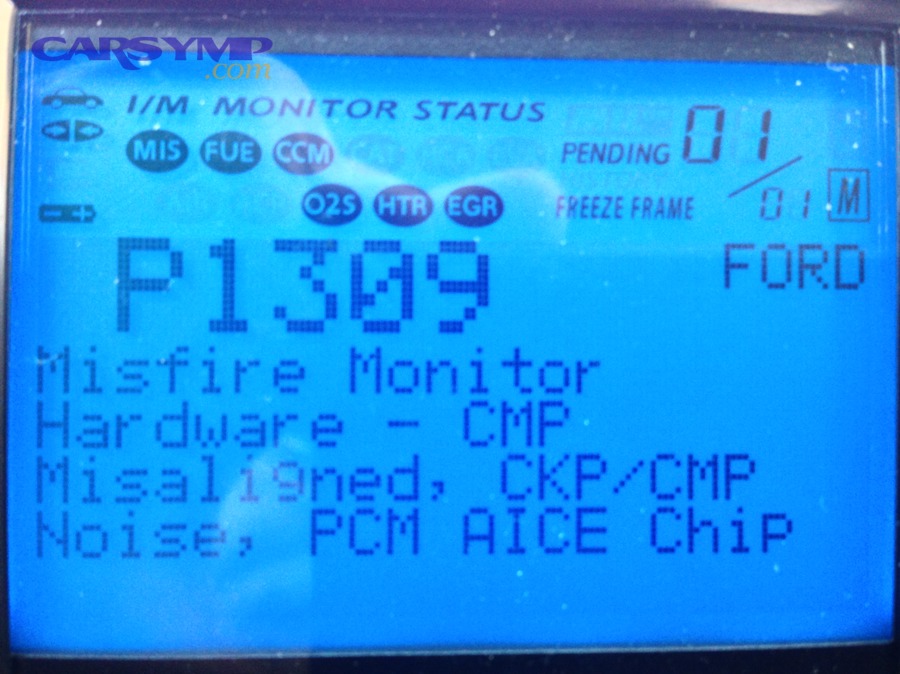
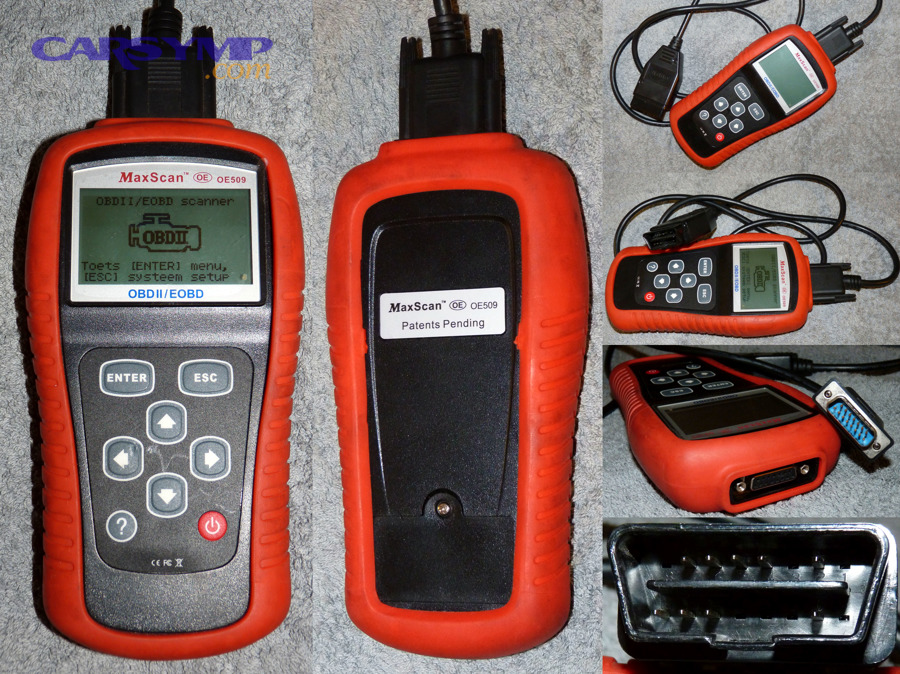
- Scan for codes: P0300 (random) vs P0301–P0308 (specific cylinder).
- Check misfire counters if available: identify which cylinder(s) and when.
- Do quick visual checks: loose coils, cracked boots, unplugged vacuum lines, oil in plug wells.
- Isolate the cylinder: swap coil/plug if you have a single cylinder.
- Validate air and fuel: trims test, smoke test, fuel pressure checks.
- Verify mechanical integrity: compression/leak-down if misfire won’t move.
What should you check first if you have a P0300/P030x and a rough idle?
There are 5 first checks for P0300/P030x with a rough idle: confirm which cylinder, inspect ignition basics, check Vacuum leak misfire signs, verify trims, and evaluate EVAP purge/EGR behavior—based on the criterion of “highest likelihood + lowest effort.”
To begin, don’t treat P0300 as “everything is broken.” Treat it as “the ECU sees misfires but hasn’t pinned a single cylinder,” which often happens with vacuum leaks, mixture issues, or multiple marginal ignition components.
A fast idle-misfire checklist:
- Identify misfiring cylinder(s) with misfire counters (if available)
- Inspect plugs (condition, gap, fouling) and coil boots (cracks/carbon tracking)
- Look for obvious unmetered air paths (PCV, intake boot, brake booster hose)
- Compare idle vs 2,500 rpm trims (pattern test)
- If equipped, test EVAP purge valve for stuck-open behavior
What should you check first if the misfire shows up only when accelerating or climbing hills?
There are 4 first checks for an accelerating/hill misfire: inspect plug gap and plug condition, load-test ignition components, confirm fuel pressure under demand, and check injector contribution—based on the criterion of “failures that show only when torque demand rises.”
Then, replicate the symptom intentionally (safe road, same gear, similar throttle) so your data matches the real misfire.
A high-yield load-misfire checklist:
- Pull and inspect spark plugs; correct the gap if worn
- If coil-on-plug, move coils between cylinders and recheck misfire location
- Verify fuel pressure meets spec while accelerating (not just at idle)
- If one cylinder persists, consider injector restriction or wiring/connector issues
When should you stop diagnosing and get professional help immediately?
Yes—you should stop DIY misfire diagnosis immediately if a key danger sign appears because (1) a flashing MIL indicates catalyst-damaging misfire risk, (2) severe shaking can create drivability hazards, and (3) signs of mechanical damage can turn a minor issue into a major repair.
Moreover, you should stop if you notice:
- Flashing check engine light during the misfire
- Loud mechanical knocking, backfiring through intake, or loss of oil pressure
- Coolant loss/overheating alongside misfire symptoms
- Raw fuel smell or visible smoke that suggests severe rich running
Is it safe to drive with a misfire at idle or under load?
No—it’s not reliably safe to drive with a misfire at idle or under load because (1) sustained misfire can overheat and damage the catalytic converter, (2) load misfires can cause sudden power loss in traffic, and (3) the root cause can worsen quickly if it’s fuel, ignition, or mechanical.
Especially, the risk is not just “it runs rough.” The risk is unburned fuel and unstable torque delivery—both can create expensive downstream damage and safety issues.
A key reason professionals take misfire seriously is converter heat. The Texas Commission on Environmental Quality notes that ignition failures and misfires can drive catalytic converter and downstream exhaust temperatures into very high ranges (reported around 1200–1400°F) because unburned fuel is burned in the catalyst instead of the cylinder instead of the cylinder. (tceq.texas.gov)
Does a flashing check engine light mean you should stop driving right away?
Yes—a flashing check engine light means you should stop driving right away because (1) it signals an active misfire condition, (2) active misfire can rapidly overheat the catalytic converter, and (3) continuing to drive can multiply repair costs from a simple ignition fix into an exhaust and emissions repair.
Then, once you’re safely off the road, your best move is to scan codes and avoid extended idling or repeated “try again” starts that keep dumping unburned fuel into the exhaust.
Which misfire pattern is more likely to damage the catalytic converter: idle or under load?
Under-load misfire wins in “fastest heat buildup,” idle misfire is best for “long-duration damage risk if ignored,” and a misfire that happens under load and at idle is optimal for “highest overall converter threat” because it increases both severity and total exposure time.
However, what really damages the converter is the combination of:
- How often the misfire happens (frequency)
- How rich the misfire is (raw fuel content)
- How long you keep driving with it (duration)
Evidence: According to a study by University of Miami from Mechanical Engineering, in 2022, the author notes that a catalytic converter can overheat under “misfire or partial burns while driving” because unburned fuel oxidizes in the exhaust after-treatment instead of burning in-cylinder. (scholarship.miami.edu)
Introduce a new idea: once you’ve decided whether it’s safe to keep driving, the next step is using deeper scan data and advanced confirmation tests to shorten the path from “symptom” to “proof.”
How do OBD-II data and advanced tests refine an idle vs under-load misfire diagnosis?
OBD-II data and advanced tests refine an idle vs under-load misfire diagnosis by adding cylinder-level evidence (misfire counters, Mode $06) and signal-level confirmation (waveform/pressure/oxygen patterns), which reduces guesswork when patterns overlap.
Next, treat this section as your “tie-breaker toolkit” for cases where basic checks are inconclusive or the misfire is intermittent.
What do misfire counters and Mode $06 results tell you that a basic code reader can’t?
Misfire counters and Mode $06 results tell you what a basic code reader can’t because they show which cylinder is accumulating misses, how fast, and sometimes under what operating window, even before a code becomes “mature.”
For example:
- A code reader may only show P0300, but misfire counters show cylinder 3 and 5 are rising under load.
- Mode $06 can expose a cylinder that is “near threshold” while the MIL is still off.
- You can compare changes after a swap test without waiting for a code to set again.
Practical ways to use this data:
- Log misfire counts at idle, then repeat during a light drive, then again during a hill pull.
- If one cylinder dominates, prioritize ignition and injector isolation on that cylinder.
- If all cylinders increment similarly at idle, prioritize vacuum leaks and mixture stability.
How can an oscilloscope or ignition waveform test confirm a weak coil or plug “spark blowout”?
An oscilloscope or ignition waveform test can confirm a weak coil or spark blowout by showing abnormal voltage demand and burn characteristics that worsen under load, which indicates the spark is failing to sustain combustion at peak cylinder pressure.
More specifically, advanced ignition testing can reveal:
- Excessive KV demand (spark “needs too much voltage” to jump the gap)
- Short or unstable burn time (spark doesn’t sustain)
- Patterns that change predictably with load (the hallmark of load-sensitive ignition weakness)
If you don’t have a scope, you can still approximate “load sensitivity” by:
- Reducing plug gap slightly (only within spec guidance) and seeing if load misfire improves
- Spraying a light mist on coil boots in darkness (watch for arcing—use caution)
- Using a known-good coil for substitution on the worst cylinder
Can EVAP purge, EGR, or carbon buildup create “idle-only” symptoms that mimic ignition failure?
Yes—EVAP purge, EGR, or carbon buildup can mimic ignition failure at idle because (1) they destabilize mixture and airflow at low rpm, (2) they can affect one bank or runner more than others, and (3) the symptom often improves with throttle, which looks like “ignition fixed itself” when it didn’t.
Especially in modern engines, a stuck-open purge valve can create a confusing pattern: rough idle, lean trims, random misfire—yet it drives fairly normally once airflow increases.
Quick verification ideas:
- Pinch off the purge line briefly at idle (if safe and accessible) and watch for idle improvement
- Command purge/EGR on and off with a capable scan tool (if supported)
- Consider intake valve deposits on some direct-injection engines if idle quality is persistently poor despite correct ignition and fueling
What are the most common misdiagnoses when comparing idle vs under-load misfires?
There are 5 common misdiagnoses when comparing idle vs under-load misfires: blaming O2 sensors, skipping plug gap inspection, ignoring fuel pressure under load, overlooking vacuum leaks because “it drives fine,” and replacing multiple coils at once without isolation—based on the criterion of “high frequency mistakes that cause wasted money.”
To sum up, misfire diagnosis fails most often when you treat the symptom as a part name instead of a condition-based clue.
Evidence: According to a study by Chalmers University of Technology from Applied Mechanics, in 2011, researchers report misfire detection signals with response fast enough to detect misfire even at 5,000 RPM, supporting the idea that condition-aware diagnostics can remain reliable under changing engine speed. (publications.lib.chalmers.se)