


Car stalling while driving usually comes down to one of five systems—fuel delivery, ignition, air/idle control, charging/electrical power, or engine management sensors—and a checklist approach can pinpoint which one is failing before you replace parts at random.
Next, safety matters more than diagnosis because a stall can reduce steering and braking assist, especially at speed or in traffic, so you need a clear “what to do right now” routine before you start troubleshooting.
Then, once you’re safe, the fastest path is to match what you felt (instant shutoff vs sputter, hot vs cold, at speed vs at stop) with what the dashboard and OBD data show, so your next test is the correct one instead of guesswork.
Introduce a new idea: you can also reduce repeat stalls long-term by prioritizing the most common root causes and building a small prevention plan that keeps the same fault from returning under the same conditions.
What does “stalling while driving” mean, and how is it different from a misfire or hesitation?
Stalling while driving is an unexpected engine shutdown (or near-shutdown) that removes propulsion and often changes steering/brake assist, while a misfire or hesitation is incomplete combustion that reduces power without fully stopping the engine.
To better understand the problem you’re facing, start by separating “engine truly off” from “engine still running but weak,” because that single distinction guides every later check.
A stall is the moment the engine can no longer sustain rotation and combustion, so RPM drops rapidly and the vehicle becomes a rolling object rather than a powered one. A hesitation is different: the engine continues running, but airflow, fuel, spark, or timing is briefly wrong, so you feel a stumble, a flat spot, or a surge. A misfire sits in between: one or more cylinders fail to fire properly, which can feel like shaking, popping, or a rhythmic loss of power—yet the crankshaft keeps turning.
Here’s why the difference matters:
- True stall often points to a “hard cut” problem (loss of fuel pressure, loss of spark signal, loss of ECU power/ground, crank sensor dropout).
- Misfire/hesitation often points to “degrading” problems (weak ignition coil, fouled plug, dirty MAF, vacuum leak, clogged injector) that may eventually become a stall if severe.
- Engine dies only when coming to a stop often points to idle control or torque converter issues rather than “random engine shutoff.”
Is the engine actually turning off when the car stalls, or is it just losing power?
Yes—your engine may be truly shutting off (not just losing power), and you can confirm it by checking at least three clear signs: the tachometer behavior, the dash-light pattern, and how the engine responds to an immediate restart attempt.
Next, use those quick indicators to choose the right branch of diagnosis instead of treating every symptom as the same fault.
If the engine truly turns off, you’ll usually see:
- Tach drops to zero quickly (or near zero) even while you’re still rolling.
- Dash lights behave like “key on, engine off”—battery and oil pressure lights may appear because the engine isn’t running.
- Restart behavior changes—it may restart immediately (intermittent signal/power) or crank but not start (fuel/spark loss).
If the engine is only losing power (not fully off), you’ll usually see:
- Tach remains above idle and fluctuates.
- The car can still respond slightly to throttle.
- The engine sounds like it’s running rough rather than silent.
A practical tip: if you can safely glance, notice whether the audio changes instantly (engine sound stops abruptly) or degrades first (sputter, cough, then stop). Abrupt silence leans electrical/signal/power; sputter leans fuel/air mixture.
What quick details should you note before diagnosing (speed, temperature, fuel level, lights)?
You should note at least eight details—speed, engine temperature, fuel level, recent refueling, warning lights, weather, transmission behavior, and restart pattern—because these clues narrow the cause faster than any single “common causes” list.
Then, capture the pattern in a simple note on your phone so the next troubleshooting step is based on repeatable conditions, not memory.
Use this short “stall snapshot” checklist:
- When did it stall? (cruising, accelerating, braking, turning, hitting a bump, idling at a light)
- Speed and RPM at the moment it happened
- Engine temperature (cold start, fully warm, heat soak after stopping)
- Fuel level and whether you refueled in the last 10–30 miles
- Dash lights (check engine, battery, oil pressure, traction control, security/immobilizer)
- Weather (heavy rain, humidity, extreme heat)
- Transmission feel (did it shudder and then stall as you slowed?)
- Restart behavior (immediate restart, long crank, won’t start, starts and dies again)
These notes become the hook for your entire diagnosis. When you later test fuel pressure or check live data, you’ll be able to reproduce the scenario that actually triggers the stall, which is the difference between “no problem found” and a confirmed root cause.
What should you do immediately if your car stalls while driving?
If your car stalls while driving, you should prioritize safety by regaining control, communicating with other drivers, moving out of traffic if possible, and only then attempting a restart—because a stalled engine can change steering/braking assist and raise crash risk.
Next, follow a simple routine so you don’t panic, overcorrect, or focus on the wrong task at the worst moment.
A stall is not the time to troubleshoot; it’s the time to stabilize the vehicle and create space. Many modern cars still allow steering and braking after a stall, but the assist can be reduced, and your stopping distance can increase if you’re not prepared. The safest approach is consistent:
- Turn on hazard lights immediately to alert traffic.
- Keep a firm, calm grip and steer smoothly—avoid sudden jerks.
- Brake early and steadily; leave more distance than normal.
- Aim for the safest nearby zone (right shoulder, breakdown lane, parking lot, wide exit ramp).
- Once stopped, shift to Park/Neutral and set the parking brake.
- Try a restart only when safe—a quick restart attempt can restore power, but don’t do it mid-lane while rolling if it increases risk.
A key mindset shift: you’re not “fixing the car” in that moment—you’re managing a traffic hazard.
Should you pull over right away if the car stalls at speed?
Yes, you should pull over as soon as it is safely possible because stalling while driving creates at least three risks: reduced steering/brake assist, loss of acceleration to match traffic flow, and increased exposure to rear-end or side-swipe collisions.
Then, once you’re out of the live lane, you can decide whether a restart attempt is reasonable or whether you need roadside assistance.
“Pull over” does not mean “slam brakes.” It means:
- Signal and move gradually to the safest edge.
- Use hazards to increase visibility.
- If you’re on a highway, prioritize a wide shoulder or an exit over stopping in a narrow lane.
If you stall in a dangerous location (bridge, blind curve, narrow shoulder), stay focused on visibility and protection: hazards on, remain belted if you’re in an exposed position, and call for help if you can’t move the vehicle.
What are the “stop driving now” warning signs when a stall happens?
There are six major “stop driving now” warning signs: oil pressure warning, overheating, smoke or burning smell, loud knocking/metal noises, repeated immediate stalls after restart, and fuel odor/leaking—because continuing can cause rapid engine damage or create a fire/safety hazard.
More importantly, treat these signals as a hard boundary: they shift the situation from “diagnose later” to “prevent harm now.”
If you see oil pressure or overheat warnings, do not keep running the engine to “see if it clears.” Low oil pressure can damage bearings quickly, and overheating can warp components. If you smell fuel or see wet spots under the car, do not attempt repeated restarts.
A practical mini-checklist once you’re stopped:
- Look for temperature gauge reading and warning messages.
- Listen for unusual mechanical noise during crank or idle.
- Scan for smoke at the hood edges or undercarriage.
- Check for strong fuel smell near the rear (fuel lines/tank) or front (injectors/rail).
According to a study by Virginia Tech Transportation Institute from Virginia Tech, in the 100-Car Naturalistic Driving Study, researchers collected more than 42,000 driving hours and recorded thousands of safety-critical events, underscoring how quickly driving risk can change when something unexpected happens and why maintaining attention during an incident matters. (vtti.vt.edu)
What are the most common causes of stalling while driving (a diagnosis checklist by system)?
There are five main types of stalling causes—fuel delivery, ignition, electrical/charging power, air and idle control, and engine management sensors—based on which system fails to sustain combustion and engine rotation.
Next, use this checklist system-by-system so you test the most probable failure points first and avoid expensive “parts roulette.”
Before you dive into systems, align your expectations: engine stalls while driving is rarely a single universal fix. It is a symptom with multiple causes, and the system checklist is how you translate symptoms into targeted testing.
Is it a fuel delivery problem (pump, filter, pressure regulator, injectors)?
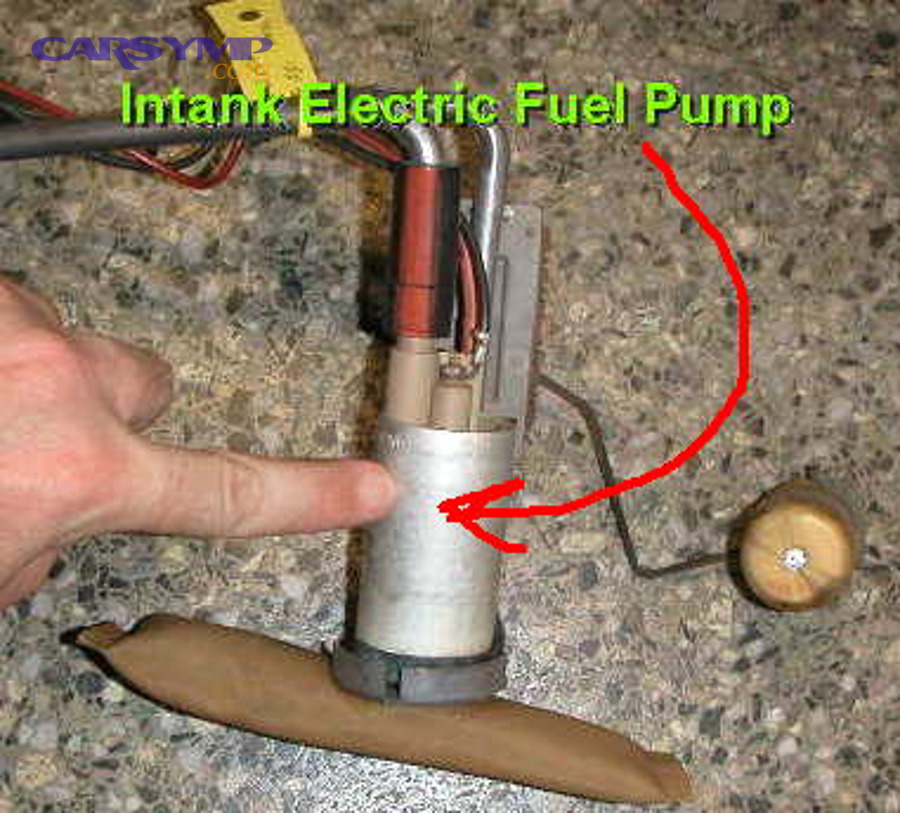
Yes, it can be a fuel delivery problem because at least three common failures—fuel pump overheating, restricted filter/strainer, or pressure regulation faults—can drop fuel pressure below what the engine needs, causing sputter-then-stall or crank-no-start.
Then, focus on whether the stall feels gradual (starving) or instant (cut), because fuel problems more often feel like starvation unless the pump power is cutting out.
Fuel delivery stalls often show these patterns:
- Sputtering or surging before the stall, especially under load (uphill, acceleration).
- Stall after extended driving (pump heats up and weakens) and restart after cooling.
- Long crank or failure to start immediately after the stall.
- Lean fuel trim codes or misfire codes that cluster under load.
Quick checks that are realistic for drivers:
- Listen for the pump prime (many cars briefly run the pump when the key is turned on). No prime can indicate pump, relay, or wiring.
- Note fuel level correlation: if stalling happens near low fuel, a weak pump or pickup issue can show up earlier.
- Check for “after refuel” correlation: stalling shortly after filling up can be EVAP-related, but it can also expose a marginal pump when fuel vapor patterns change.
If you have access to a fuel pressure test, the most useful approach is repeat the test under the same conditions that trigger the stall. Pressure that looks normal at idle in the driveway can collapse on the road.
Is it an ignition problem (spark plugs, coils, crank/cam signal drop)?
Yes, it can be an ignition problem because weak spark components, heat-sensitive crank/cam sensors, or coil failures can cause misfire escalation that ends in a stall—especially when the engine is hot or under load.
Next, connect ignition diagnosis to the stall “feel,” because ignition issues often show roughness before shutdown, but sensor dropouts can feel like a clean switch-off.
Ignition-related stalling commonly looks like:
- Noticeable misfire first (shaking, popping, uneven power).
- Worse under acceleration (higher cylinder pressures demand stronger spark).
- Hot-only failure (crank/cam sensor or coil internal breakdown when warm).
- Misfire codes (P0300 random or specific-cylinder P0301–P0308) and sometimes crank/cam codes.
A practical ignition triage:
- If the engine ran rough for days/weeks before it began stalling, suspect plugs/coils.
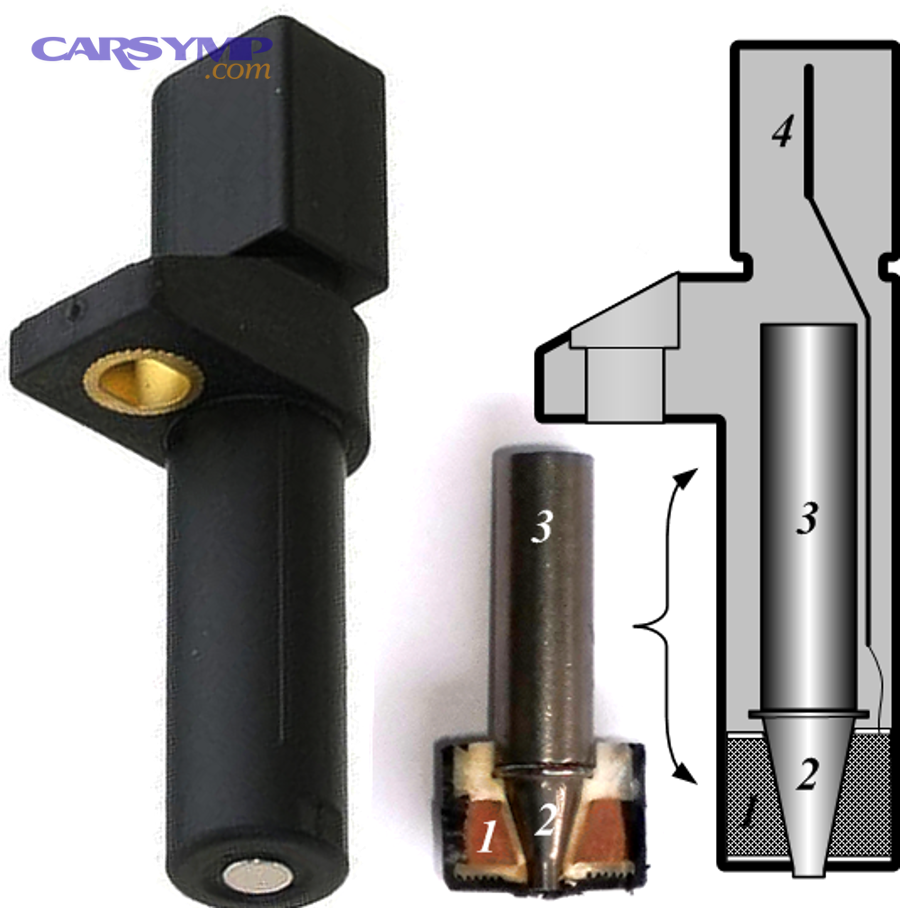
- If the engine instantly cut out and then restarted later, suspect crank sensor, cam sensor, or ignition power/ground paths.
This is where a simple scan tool helps: if you can check for pending misfire counts or misfire history, you can identify whether the stall is “combustion weakening” or “signal disappearing.”
Is it an electrical/charging problem (battery, alternator, grounds, relays)?
Yes, it can be an electrical/charging problem because a failing alternator, weak battery, corroded terminals, or intermittent grounds/relays can drop system voltage or ECU power, leading to sudden shutdown, flickering dash, and repeat stalls.
More specifically, electrical stalls often feel abrupt and “clean,” so the key is to look for power symptoms that happen at the same time.
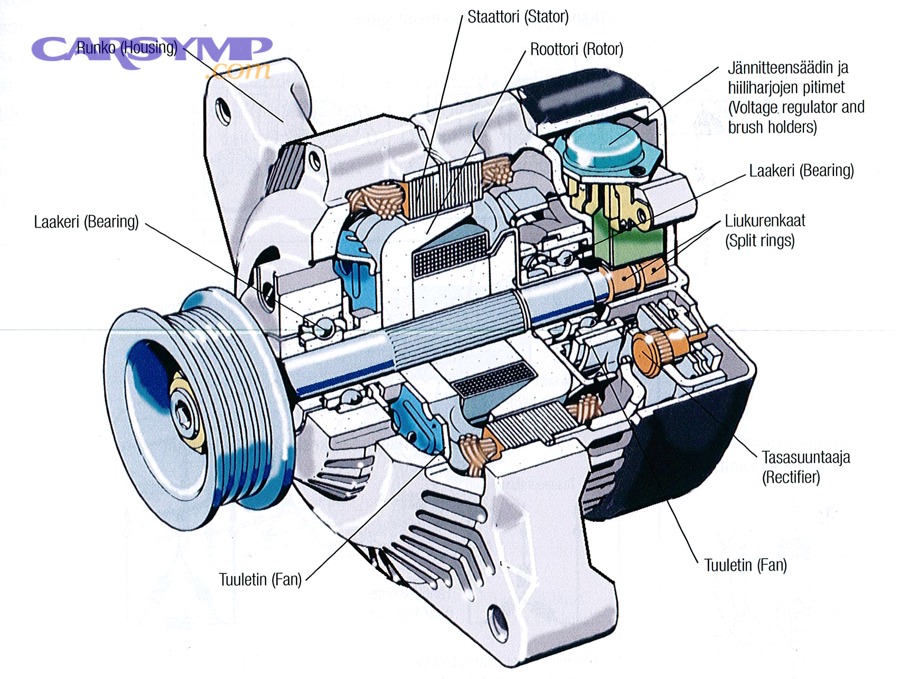
Common electrical stall patterns include:
- Dash lights flicker, radio resets, or gauges behave oddly before/at the stall.
- Battery light appears while driving (not always, but it’s a strong clue).
- The car may restart but stall again as voltage drops.
- The stall may correlate with electrical load (headlights, rear defrost, HVAC blower).
Driver-friendly checks:
- Inspect battery terminals: loose or corroded connections can mimic major failures.
- Observe whether accessories stay stable after the stall: if everything goes dim or dead, suspect main power/ground.
- If you have a multimeter, check for rough charging behavior (voltage should generally be in a stable charging range when running). Extreme fluctuations suggest alternator/regulator problems.
Relays and grounds are classic “intermittent stall” culprits because heat and vibration can open a weak connection for a moment and then restore it. If the stall happens over bumps or during turns, don’t ignore wiring and grounds.
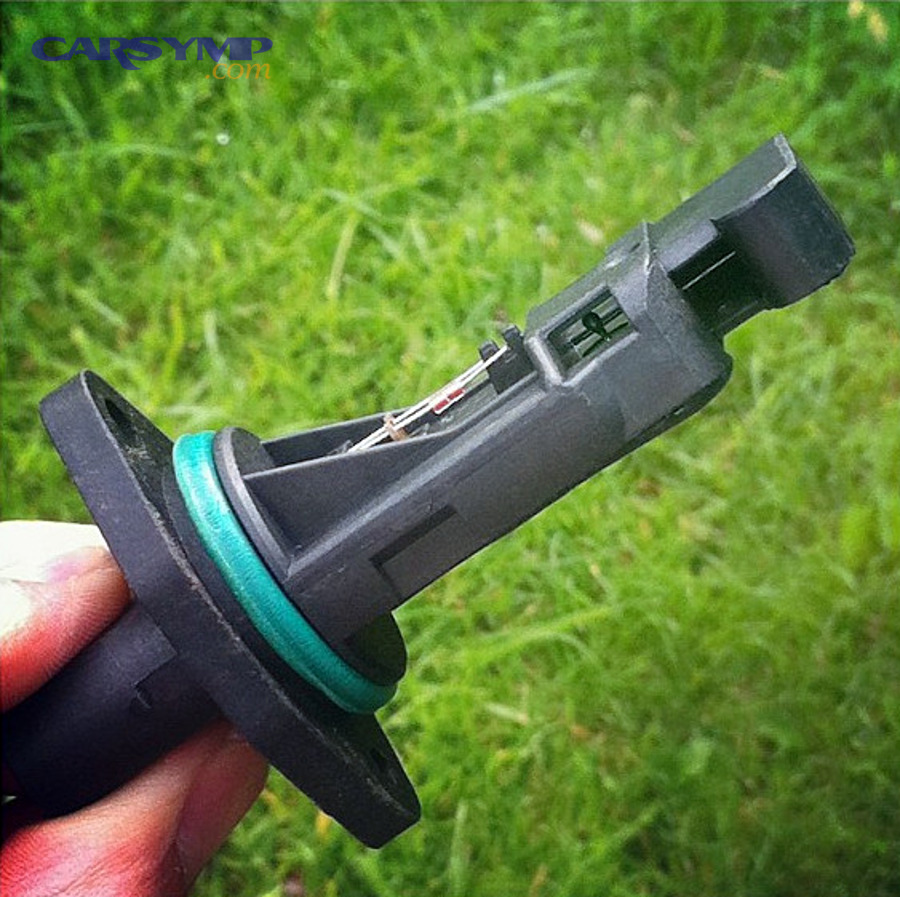
Is it an air/idle control problem (vacuum leak, throttle body, MAF, IAC)?
Yes, it can be an air/idle control problem because vacuum leaks, contaminated airflow sensors, and throttle/idle control failures can create unstable air-fuel ratios—especially on decel or at idle—leading to stalls that happen when you lift off the gas or stop.
Then, focus on the stall timing: if the stall happens during braking, coasting, or idling at lights, air/idle control becomes a top suspect.
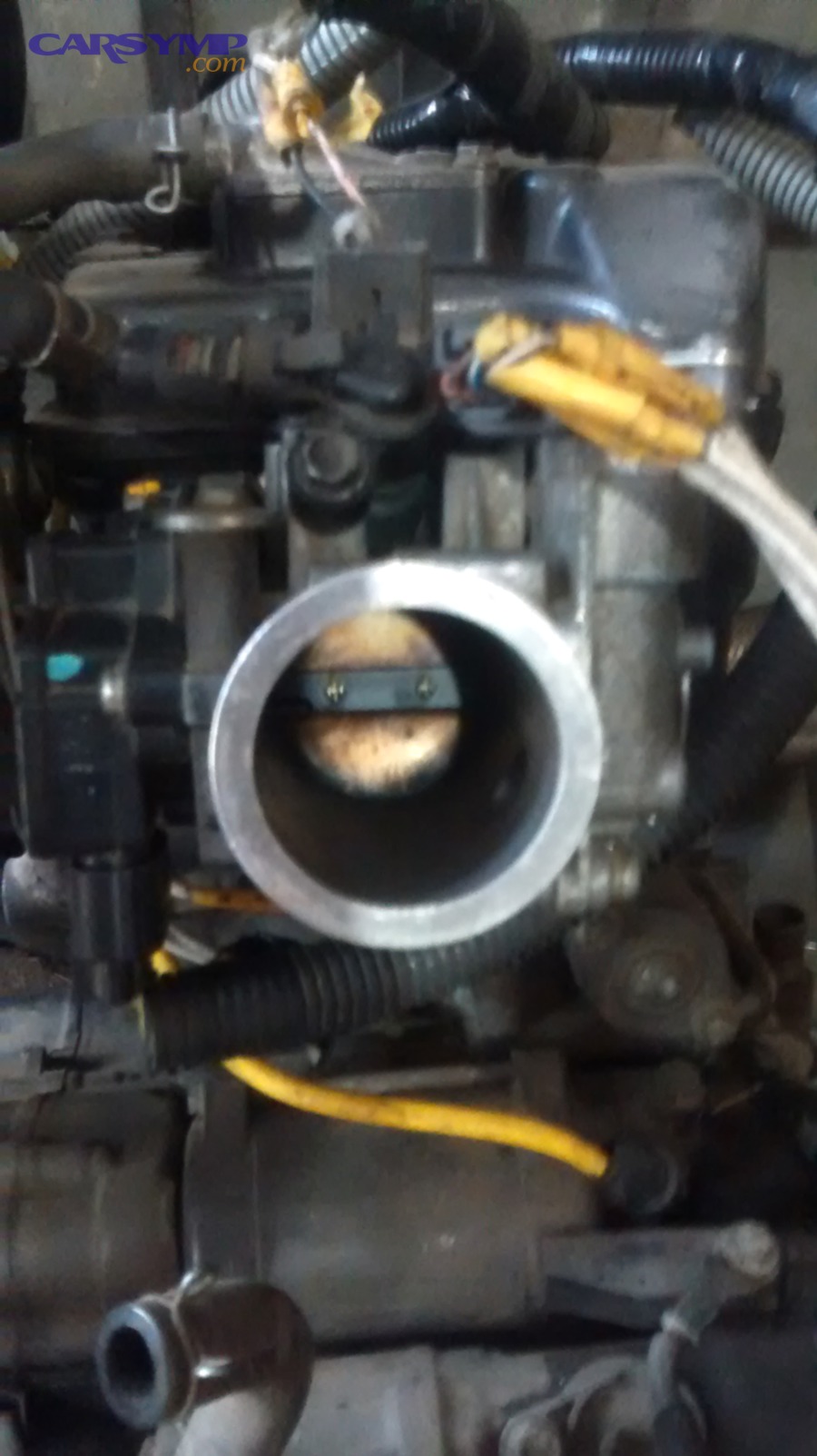
This is where Throttle body and idle control issues deserve special attention. Many modern vehicles manage idle with an electronic throttle body rather than a separate idle air control valve, and deposits can reduce predictable airflow at low throttle angles.
Air/idle-related stalling often looks like:
- Stalls when coming to a stop, not while cruising steadily.
- Rough idle, hunting idle, or stalling after a cold start.
- Stall improves when you keep a slight throttle input (because you’re manually compensating for airflow control).
- Codes may point to MAF/MAP, throttle position, idle control, or fuel trims.
Practical checks:
- If the idle is unstable, inspect the intake tract for cracked hoses or loose clamps.
- If you recently cleaned or replaced a throttle body, confirm whether a relearn procedure is needed on your vehicle (some cars need it to stabilize idle).
- Be cautious with “unplug tests.” On some vehicles, unplugging sensors can force fallback modes, but it can also create new problems; use it only if you know your vehicle’s behavior.
The big concept is simple: at idle and decel, the engine operates near its minimum airflow threshold. Small airflow errors that are harmless at cruise can become stall triggers at low throttle.
How can you narrow down the cause fast using symptoms, lights, and OBD codes?
“Immediate restart” vs “no restart” is the fastest splitter, warning lights tell you which system complained first, and OBD data turns a random stall into a repeatable diagnosis—so the goal is to combine these clues into a clear next test.
Next, treat this as a decision tree: you are not trying to know everything, you are trying to choose the next correct check with the highest probability.
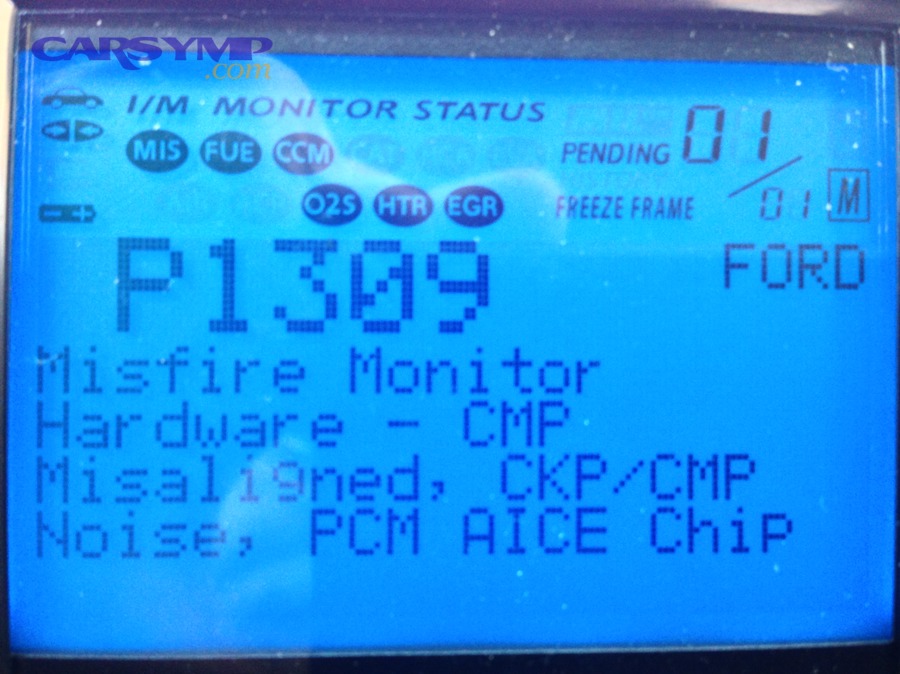
To make this practical, use a simple matrix: what you felt + what you saw + what the car does next.
Below is a quick decision table showing how stall patterns commonly map to likely systems. Use it as a guide to pick your first test, not as a final diagnosis.
| What happened | What it often suggests | Best next check |
|---|---|---|
| Instant engine cut, dash stays powered | ECU power/ground, crank sensor signal, ignition power | Scan for crank/cam codes; check battery terminals and grounds |
| Sputter/surge then stall under load | Fuel pressure drop, clogged filter, weak pump | Fuel pressure test under load; listen for pump prime |
| Stalls when stopping or idling | Air/idle control, throttle body deposits, vacuum leak, TCC | Check idle stability, intake leaks, throttle body condition |
| Stall after refuel or near full tank | EVAP purge stuck open, fueling vapor issues | Scan fuel trims; evaluate EVAP behavior if supported |
| Battery light + electrical weirdness | Charging system failure | Voltage check; alternator output test |
Does “stall + immediate restart” vs “stall + won’t restart” point to different causes?
Yes, “stall + immediate restart” often points to intermittent electrical/sensor issues while “stall + won’t restart” more often points to sustained fuel/spark loss, and this distinction matters for at least three reasons: it changes the likely system, it changes the safest next step, and it changes what data you should capture.
Then, use restart behavior as the primary branch before you chase codes or replace parts.
If it restarts immediately and runs normally afterward, think:
- Intermittent crank/cam sensor signal dropout
- Loose battery terminal or ground
- Failing main relay or fuel pump relay that re-closes
- ECU power interruption from vibration/heat
If it cranks but won’t start, think:
- No fuel pressure (pump, wiring, relay)
- No spark (coil power, crank signal, ignition module)
- Severe mixture issue (massive vacuum leak, major sensor failure)
If it starts and dies again quickly, think:
- Throttle/idle control instability
- EVAP purge stuck open (especially after refuel)
- Security/immobilizer intervention (varies by vehicle)
This branch approach keeps you from doing low-probability work. For example, if the car won’t restart and there’s no fuel pressure, throttle body cleaning won’t help.
What OBD-II codes are most associated with stalling while driving, and what do they usually mean?
There are five common code groups tied to stalling—misfire, crank/cam correlation, fuel trim lean/rich, airflow/throttle, and power/voltage—and each group points to a different diagnostic direction based on what the engine computer detected.
Next, use the codes as signposts, not verdicts, because codes often describe the symptom the computer saw, not the part that failed.
Common “stall-adjacent” code families include:
- Misfire codes (P0300–P0308): combustion instability; can come from ignition, fuel, air leaks, or compression issues.
- Crank/cam codes (varies by vehicle): signal dropout or timing correlation problems; can cause sudden cut-outs.
- Lean/rich trim codes (P0171/P0172 and related): mixture imbalance that can stall at idle/decel.
- MAF/MAP/throttle codes: airflow measurement or throttle control issues that destabilize idle and transient fueling.
- Voltage/power codes (less common but important): electrical supply problems affecting ECU and injectors/ignition.
To get real diagnostic value, don’t stop at “read codes.” Use Scan data to capture stall events: freeze-frame (the snapshot recorded when the fault triggered) and live data (fuel trims, RPM, throttle angle, MAF readings, battery voltage). Even a basic scanner can often show enough to identify whether the engine went lean, lost RPM signal, or dropped voltage.
According to a study by Chalmers University of Technology from the Department of Applied Mechanics (Division of Combustion), in 2011, researchers noted that OBD-related misfire requirements exist because misfires can reduce engine torque and efficiency and can contribute to engine stall, which is why misfire detection and proper fault reporting matter for real-world drivability. (publications.lib.chalmers.se)
What are the most overlooked causes of “stalls/dies/shuts off” while driving?
There are three overlooked categories—refueling/EVAP disturbances, transmission-related “stall-like” behavior, and intermittent wiring/power faults—based on how they can mimic a classic engine problem while hiding outside the usual “fuel/spark” checklist.
Next, use these checks when the common causes don’t fit your pattern, because overlooked issues are often intermittent and condition-based.
Overlooked causes are typically the ones that produce the most frustration: the car behaves perfectly at the shop, but fails during a specific commute, a specific turn, or a specific temperature range. That’s also why your stall snapshot notes matter—overlooked problems live in patterns.
Could EVAP or refueling-related issues cause stalling (especially right after getting gas)?
Yes, EVAP or refueling-related issues can cause stalling because at least three mechanisms—purge valve stuck open, excessive vapor ingestion, and abnormal fuel trim swings—can push the mixture too lean or too rich right after refuel, especially at idle and low speed.
Then, if your stall happens shortly after filling up, treat EVAP as a priority rather than an afterthought.
Common refuel-linked symptoms:
- Rough idle or stumbling within a short distance after refueling
- Stalling at the first stoplight after filling the tank
- Hard starting after refuel (cranks longer than normal)
Why it happens: the EVAP system manages fuel vapors so they’re burned by the engine instead of vented. If the purge valve allows too much vapor at the wrong time, the engine can stumble—especially when airflow is low (idle/decel). Many drivers misread this as a fuel pump problem because it happens near the fuel tank, but the mechanism is mixture control, not pressure.
What to do:
- Scan fuel trims after refuel and compare to normal operation.
- Note if stalling is tied to “full tank” or “immediately after fill-up.”
- If your vehicle supports it, check EVAP-related codes or purge duty cycle behavior.
Could the transmission cause stalling that feels like an engine problem?
Yes, the transmission can cause stall-like behavior because at least three conditions—torque converter clutch staying locked, severe low-speed load, or control faults—can drag the engine down at stops, making it feel like the engine “just died,” especially on automatics.
However, this type of stalling usually has a tell: it often happens as you slow down and stop rather than during steady cruising.
This is the classic pattern:
- The car drives normally at speed.
- As you brake to a stop, RPM drops too far and the engine stalls.
- Restart is normal, but the issue repeats at the next stop.
Why it feels like an engine stall: if the torque converter clutch remains engaged, it can behave like a manual transmission clutch that you forgot to press at a stop—engine stalls because the drivetrain load doesn’t release.
Practical driver-level clues:
- Does it stall only at stops and not at cruise?
- Does it feel like a shudder right before it dies?
- Does it happen after the car warms up (when lockup normally occurs)?
If yes, the diagnostic direction shifts: you may still scan engine data, but you also need transmission-related evaluation rather than focusing solely on ignition or fuel parts.
When should you stop DIY troubleshooting and go to a mechanic—and what should you tell them?
You should stop DIY troubleshooting when the stall is unsafe, frequent, or tied to red-warning symptoms, because a moving stall can create immediate risk and intermittent faults can require advanced testing tools to catch in real time.
Next, the fastest way to save money at the shop is to bring a clear symptom pattern and the right data so the technician can test the correct system first.
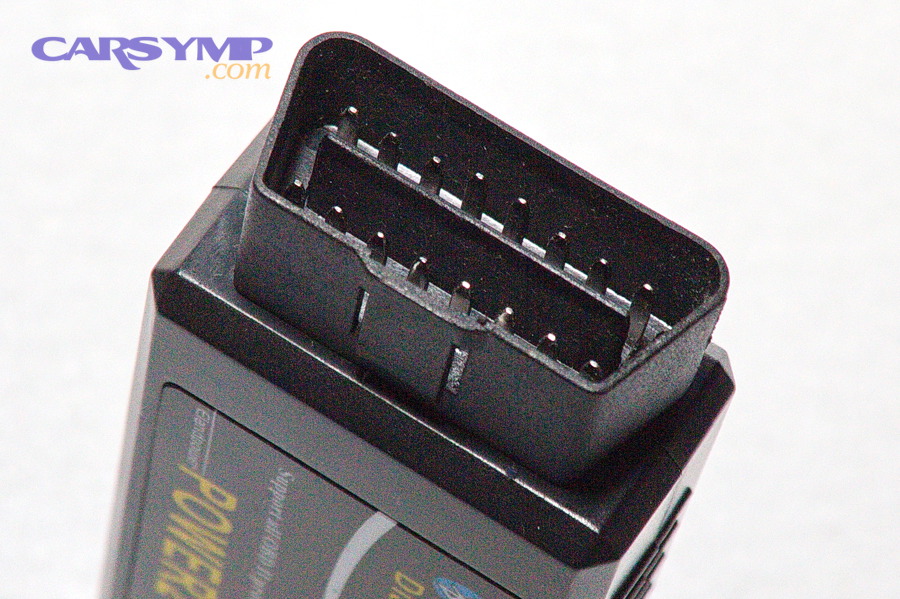
DIY troubleshooting is valuable when it narrows the problem and prevents unnecessary parts replacement. But there is a point where DIY becomes guesswork, and guesswork becomes expensive.
Should you keep driving if the car stalls intermittently but restarts?
No, you should not keep driving if the car stalls intermittently—even if it restarts—because it poses at least three risks: it can stall again in a more dangerous location, it can reduce your ability to avoid hazards, and it can mask a worsening failure that becomes a no-start or a damaging condition.
Then, treat “intermittent” as a warning sign, not a reassurance, because intermittent failures are often on the path to permanent failure.
If you must move the vehicle for safety reasons, do so cautiously and only to reach a safer location. Otherwise:
- Limit driving until you identify the category (fuel/ignition/electrical/air).
- Avoid high-speed roads if the stall is unresolved.
- Don’t rely on “it always restarts” as a plan—it only takes one stall in the wrong place to create danger.
What information and tests should you bring to a shop to reduce misdiagnosis?
You should bring a stall timeline, scan results, and reproduction conditions because at least three things reduce misdiagnosis: clear symptom pattern, objective data (codes and freeze-frame), and evidence of what tests already passed or failed.
More importantly, present the information in a structured way so the shop can verify quickly instead of starting over from zero.
Bring this “diagnostic packet”:
- Your stall snapshot notes (speed, temp, fuel level, refuel timing, weather, restart behavior)
- OBD codes (stored and pending) plus freeze-frame data
- Any live-data observations you captured (fuel trims, RPM, throttle angle, MAF reading, battery voltage)
- Whether the stall happens only warm, only cold, only at stops, or only under acceleration
- Any work done recently (battery replacement, throttle cleaning, fuel system service, sensor replacement)
If you can safely capture a short video of the dash during a stall event (warning lights, tach drop), it can be surprisingly persuasive in intermittent cases.
To reinforce why data matters, note that OBD systems exist specifically to report faults with diagnostic codes and recorded conditions; when you provide those conditions, you reduce the “no fault found” cycle and speed up targeted testing. (publications.lib.chalmers.se)
How can you prevent stalling from coming back, and what does repair priority usually look like?
Preventing recurring stalling issues works best when you prioritize safety-critical and high-probability fixes first, then stabilize idle/airflow and electrical connections, and finally address intermittent or scenario-specific triggers—because recurrence is often a repeat of the same conditions that caused the first stall.
Next, use a prevention plan that contrasts “reactive fixes” (after a stall) with “stability fixes” (reduce the chance of a stall happening again).
Prevention starts with honesty about the pattern. If your stall happens at idle, focusing only on highway fuel pressure won’t prevent it. If your stall happens after rain, cleaning the throttle body may not prevent it. Your prevention plan should match your pattern.
What maintenance items most often prevent stalling ?
There are six maintenance areas that most often prevent stalling—battery/terminals, air filter and intake clamps, spark plugs/ignition health, throttle body cleanliness, vacuum line condition, and fuel quality habits—based on how frequently they influence combustion stability and idle control.
Then, treat these as stability checks, because stable inputs (air, spark, voltage) reduce the chance that a small defect becomes a stall.
A simple schedule mindset:
- Monthly quick check: battery terminals tight/clean, obvious cracked hoses, intake clamps secure
- At regular service intervals: air filter condition, spark plug replacement per manufacturer schedule
- If you have idle issues: inspect/clean throttle body (carefully) and confirm idle relearn needs
- If you suspect contamination: avoid running consistently near empty, use reputable fuel sources
If your vehicle is sensitive at idle, airflow cleanliness matters. This is where “Throttle body and idle control issues” can reappear even after you fix the primary stall cause, because idle stability is the last line of defense against a stall at stops.
Which stalling fixes are typically low-cost vs high-cost (and why)?
Low-cost fixes usually involve cleaning, tightening, or replacing wear items, while high-cost fixes usually involve labor-intensive access or complex diagnostics, because the price is driven more by testing time and component location than by the symptom itself.
However, you can reduce both cost and downtime by confirming the failure category before buying parts.
Typical lower-cost directions (often, not always):
- Cleaning a dirty throttle body (when appropriate)
- Replacing worn spark plugs
- Repairing a cracked vacuum hose
- Cleaning battery terminals or replacing a weak battery
Typical higher-cost directions:
- Fuel pump replacement (labor varies widely)
- Intermittent wiring/ground diagnosis (time-intensive)
- ECU power/communication faults (specialized testing)
- Transmission-related issues like torque converter clutch control
The best cost-control move is not “pick the cheapest part,” but “pick the most probable system first.” If you confirm voltage drops during the stall, you stop buying fuel parts. If you confirm fuel pressure collapse, you stop chasing sensors.
How do weather and driving conditions (heat, rain, stop-and-go) change the most likely causes?
Heat tends to amplify sensor, relay, and electrical intermittency, rain tends to amplify ignition leakage and connection issues, and stop-and-go traffic amplifies idle control sensitivity, because each condition stresses a different part of the system.
Next, use your conditions to refine your checklist: the same car may stall for different reasons in different seasons, but the pattern will usually be consistent.
Condition-to-cause examples:
- Hot-only stalls: crank sensor heat sensitivity, relay/ECU power issues, weak fuel pump when hot
- Rain/humidity stalls: moisture intrusion in ignition components, corroded grounds/connectors
- Stop-and-go stalls: airflow/idle control instability, throttle body deposits, vacuum leaks, TCC behavior
This is also where “scan data to capture stall events” becomes powerful: you can compare fuel trims, idle speed control, and voltage in the exact conditions that trigger the stall.
What should you do if stalling happens only in a very specific scenario (after refuel, when turning, over bumps)?
You should treat scenario-specific stalling as a clue to an intermittent connection, EVAP behavior, or fuel pickup/pressure event because those are the most common mechanisms tied to bumps, turns, and refueling, and they often won’t show up in a stationary test.
Then, move from general diagnosis to scenario testing: reproduce safely, record data, and inspect the components most affected by that scenario.
Scenario micro-checklist:
- After refuel: check EVAP purge behavior, watch fuel trims and idle stability
- When turning: inspect battery/ground connections and harness routing that might tug under engine movement
- Over bumps: suspect loose terminals, failing relays, worn wiring insulation, or ground straps
- Only at low fuel: suspect weak pump, pickup issues, or tank-side fuel delivery problems
When a problem is scenario-driven, the best “tool” is documentation. The more precisely you describe the trigger, the easier it is to test intentionally—and the less likely you are to get a vague “could not replicate” diagnosis.
Evidence (if any)
According to a study by Chalmers University of Technology from the Department of Applied Mechanics (Division of Combustion), in 2011, researchers documented how misfire behavior can reduce torque and efficiency and can contribute to engine stall, supporting why misfire-related diagnostics and accurate fault capture matter when stalling is part of the symptom chain. (publications.lib.chalmers.se)