


Choosing the right oil filter is mostly about fitment first—matching your engine’s required filter type, sealing surface, and valve design—so you get reliable oil flow, clean filtration, and zero leaks from your next oil change.
Next, you’ll learn what “right” really means beyond the part number, including which minimum specs you must verify so you don’t accidentally buy a look-alike that threads on but behaves wrong once the oil is cold, hot, or dirty.
Then, we’ll walk through a step-by-step selection method that removes guesswork—starting from your vehicle application and ending with a filter choice that matches your oil-change interval and driving conditions.
Introduce a new idea: once the basics are locked in, we’ll zoom into the features that actually matter (and the marketing that doesn’t), so every purchase becomes a confident decision instead of a gamble.
What does “the right oil filter” mean for DIY drivers?
The right oil filter is a vehicle-matched full-flow engine filter that seals correctly, flows oil safely, and captures harmful particles at a level that fits your driving conditions and oil-change interval—without causing leaks, oil starvation, or unnecessary bypassing.
To better understand why this matters, start by separating “fits on the engine” from “works correctly on the engine,” because those two are not always the same.
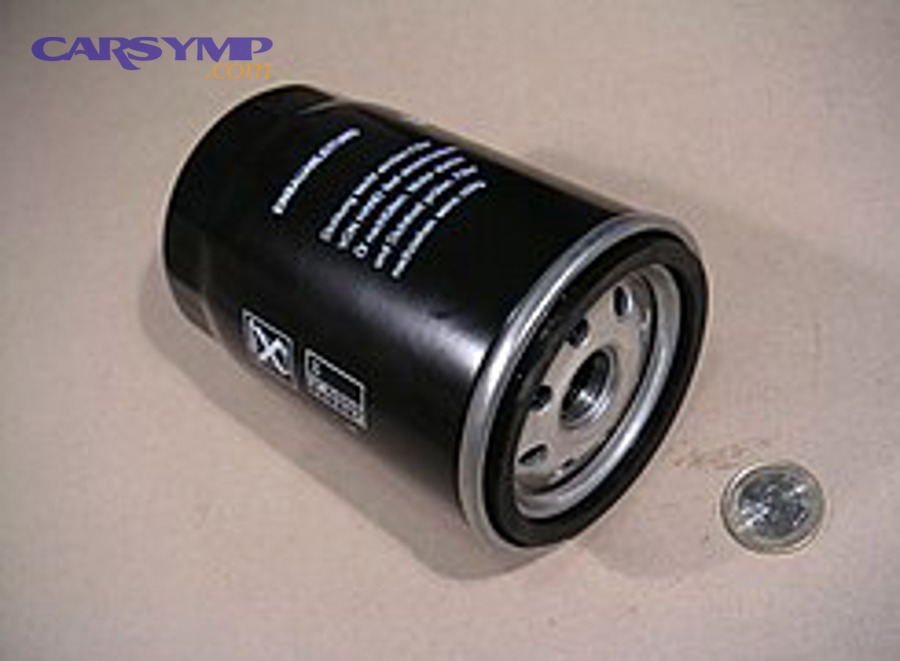
Is matching the exact vehicle application the #1 rule?
Yes—matching the exact vehicle application is the #1 rule for oil filter selection because it protects you from seal mismatch, wrong bypass behavior, and clearance or thread issues that can cause leaks or delayed lubrication.
More specifically, the “oil filter that screws on” is not automatically the “oil filter that belongs,” because the engine and filter are designed as a system.
Here are three reasons application-match beats everything else:
- Correct sealing geometry prevents leaks. The gasket diameter and contact surface must match the engine’s sealing pad. A slightly different gasket can seep, blow out, or “walk” under pressure when the engine heats and cools.
- Correct valve configuration prevents oil starvation or excessive bypass. Many engines depend on specific bypass-valve strategies during cold starts or high flow demand; mismatch can change when oil bypasses the media.
- Correct size and clearance prevents install damage. A longer canister might hit a bracket, suspension component, or skid plate, and a shorter one might reduce media area or change internal design.
If you take only one practical lesson from this section, make it this: use your owner’s manual or a reputable catalog lookup as the “source of truth,” and treat cross-references as a verification step, not the starting point.
According to a study by the International Organization for Standardization from the filtration standards domain, in ISO 4548-12, standardized multi-pass testing measures filtration characteristics, contaminant capacity, and differential pressure—reinforcing why a filter is more than a “bolt-on can.”
What are the minimum specs you must verify before buying?
There are 7 minimum specs you should verify for an oil filter: filter type, thread size, gasket diameter, overall length/clearance, bypass valve presence/strategy, anti-drainback valve need, and service interval match.
Next, use this quick checklist to prevent the most common DIY mistake: buying a filter that “seems equivalent” but changes how oil behaves right after startup.
Minimum oil filter verification checklist (what to check + why it matters):
- Type: spin-on vs cartridge (wrong type = can’t install or wrong sealing method)
- Thread size/pitch (spin-on): must match engine stud
- Gasket outer diameter + inner diameter: must match sealing pad
- Canister length + diameter: must clear nearby components and heat shields
- Bypass valve: confirm where it lives (in filter vs in engine) and avoid mismatched designs
- Anti-drainback valve (ADB): needed on many orientations to prevent drain-back and dry start
- Interval fit: standard vs extended-drain media/capacity
A key detail many DIY drivers miss: oil filter performance is often discussed using capture efficiency and beta ratio concepts . A Purdue University Extension publication explains how beta ratio relates to upstream/downstream particle counts and why 10-micron performance is a common focus for wear-sensitive clearances.
How do you choose an oil filter step-by-step without guessing?
Choose an oil filter reliably by following a 5-step method—(1) confirm application, (2) confirm filter type, (3) match interval, (4) match valve needs, (5) sanity-check size and sealing—so you end up with the correct fit and the right performance for your driving.
Then, once you treat selection like a short process instead of a brand debate, the decision becomes fast and repeatable.
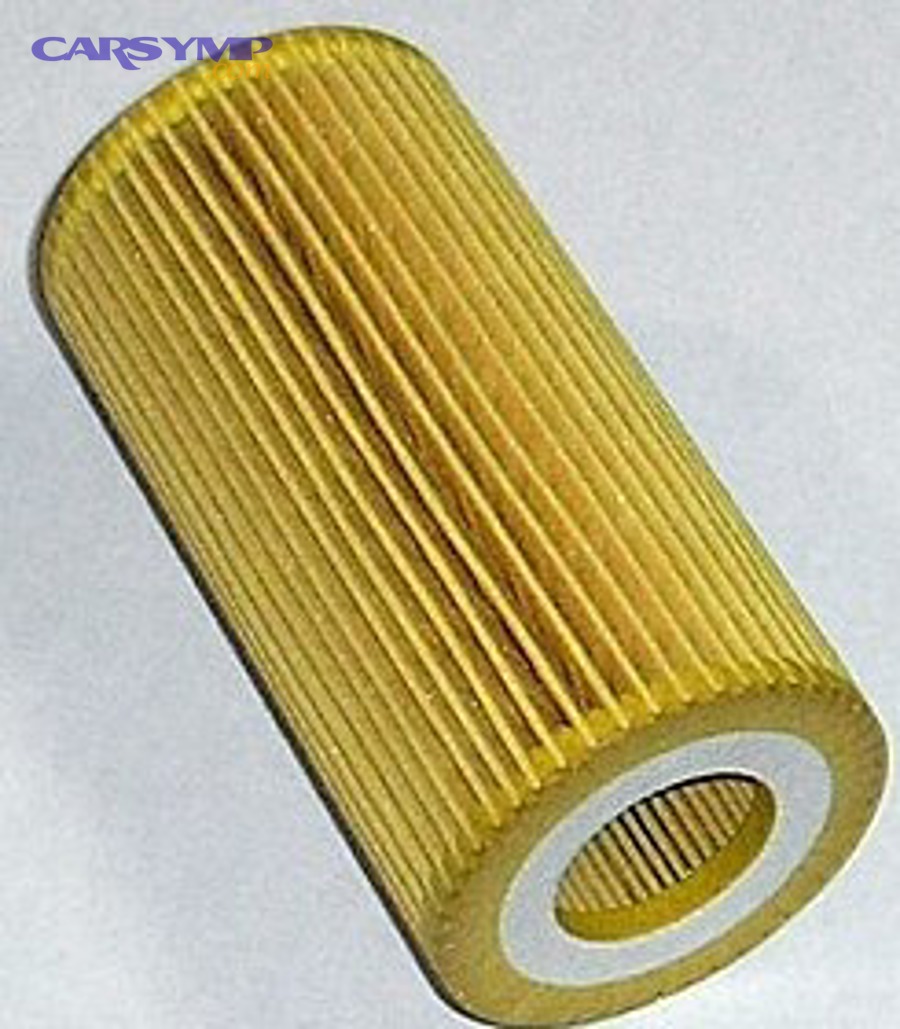
Which oil filter type does your engine use: spin-on or cartridge?
Spin-on wins in convenience, cartridge is best for reducing waste and matching OEM housings, and neither is “better” unless it matches your engine’s design and service procedure.
However, the difference matters because the “wrong” type isn’t just incompatible—it can trick you into buying the right brand in the wrong format.
Spin-on (canister) basics
- Threads onto an engine stud; gasket is built into the filter.
- DIY risk points: double-gasketing (old gasket stuck), over-tightening, wrong gasket diameter.
- Advantage: quick filter replacement with minimal parts handling.
Cartridge (element) basics
- Drops into a reusable housing; seals with O-rings on the cap/housing.
- DIY risk points: pinched O-ring, wrong O-ring placement, overtightened cap, housing cracks.
- Advantage: less metal waste per change and often easier visual inspection of the element.
If your vehicle uses a cartridge filter, follow the housing torque spec and replace the correct O-rings every time—cartridge systems punish “close enough” habits more than spin-ons.
How do you match the filter to your oil-change interval (standard vs extended)?
Extended-drain filters are optimal for long intervals, standard filters are best for normal intervals and budgets, and “premium” is most useful when it adds real capacity or efficiency aligned to your plan.
Specifically, match media and capacity to how long you intend to run the oil, because the filter has to hold contaminants without becoming overly restrictive.
A simple interval-matching framework:
- 5,000–7,500 miles (typical normal service): a quality standard/OEM-equivalent filter is usually sufficient if fitment and valves are correct.
- 7,500–12,000+ miles (extended intervals): choose a filter marketed for extended drains only if it has higher capacity media and you’re consistent with oil quality and maintenance.
- Severe duty (short trips, towing, dusty use): you may need shorter intervals even with a premium filter because contamination and fuel dilution rise faster.
This is where DIY drivers often confuse “best filter” with “best plan.” A premium filter can’t rescue an interval that doesn’t match your driving conditions.
What driving conditions change the “best” choice (short trips, towing, cold starts)?
There are 3 driving-condition groups that change oil filter priorities: cold/short-trip use, heavy-load use (towing/hauling), and high-contamination environments (dusty roads, frequent idling).
Moreover, these conditions don’t just change “how dirty the oil gets”—they can change how often the bypass valve opens and how much capacity you need.
1) Cold starts + short trips
- Oil is thicker, flow demand spikes, and bypass events can be more likely until oil warms.
- Priorities: correct bypass strategy + dependable ADB valve (for many orientations) + consistent interval.
2) Towing/hauling + high load
- Higher oil temperatures and flow rates, more soot/oxidation in some engines, higher stress.
- Priorities: strong construction, good capacity, and an interval matched to severe service.
3) Dusty, gritty, or high-idle environments
- More airborne contamination pathways and more sludge/soot risk depending on engine type.
- Priorities: capacity + efficiency, plus strict oil-change discipline.
If you notice Car Symptoms like persistent startup ticking, oil pressure warnings, or repeated oil leaks after service, treat that as a signal to revisit fitment and valve needs before blaming the oil brand.
Which oil filter features actually matter—and what do they do?
Oil filter features that truly matter fall into 4 practical groups—valves (ADB/bypass), media type, efficiency metrics (microns/beta), and capacity/flow—because these determine whether your engine gets oil quickly and how well contaminants are removed over time.
In addition, understanding these features helps you pay for performance only when it benefits your specific use.
What is an anti-drainback valve, and do you need it?
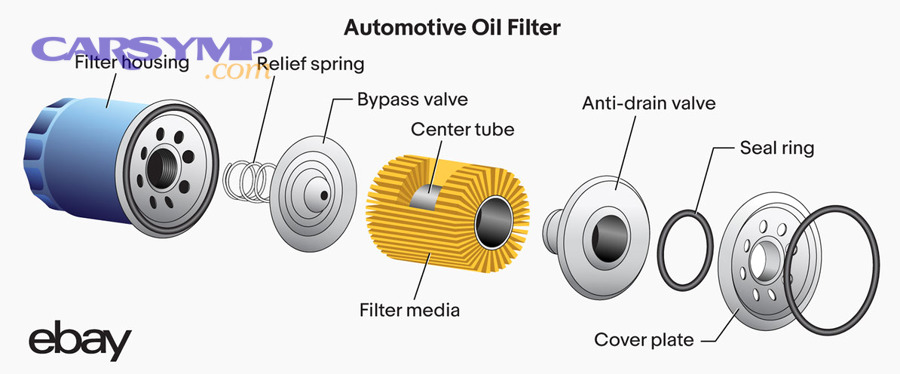
An anti-drainback valve (ADB) is a one-way rubber/silicone valve that helps keep oil in the filter and galleries when the engine is off, reducing delayed oil pressure on startup—and you typically need it when the filter mounts sideways or inverted.
Next, focus on orientation, because gravity decides whether an ADB valve is “critical” or “nice to have.”
You likely need an ADB valve if:
- The filter mounts horizontally or threads upward (open end not facing up).
- You’ve experienced startup rattle/ticking that disappears after a second or two.
- Your engine is sensitive to quick oil pressure buildup (common in many modern designs).
You may not need an ADB valve if:
- The filter mounts vertically with the opening facing up, so oil naturally stays in the canister.
A professional filter guide explains that anti-drainback valves prevent oil from escaping the filter after shutdown, especially when the filter orientation would otherwise allow drain-back.
What is a bypass valve, and when is bypass “normal”?
A bypass valve is a pressure-relief pathway that opens when oil can’t pass through the media fast enough, and bypass can be normal during cold starts or high demand because the engine prioritizes lubrication over perfect filtration.
However, bypass becomes a problem when it’s happening too often due to a clogged filter, wrong filter design, or an interval that exceeds the filter’s capacity.
Common bypass triggers:
- Cold, thick oil right after startup
- High RPM/high flow demand
- Restricted media (clogging or high contamination load)
- Wrong bypass configuration relative to engine design
The goal isn’t “never bypass.” The goal is “bypass only when it protects the engine,” then return to full filtration once normal flow is restored.
What do micron rating and efficiency mean in plain English?
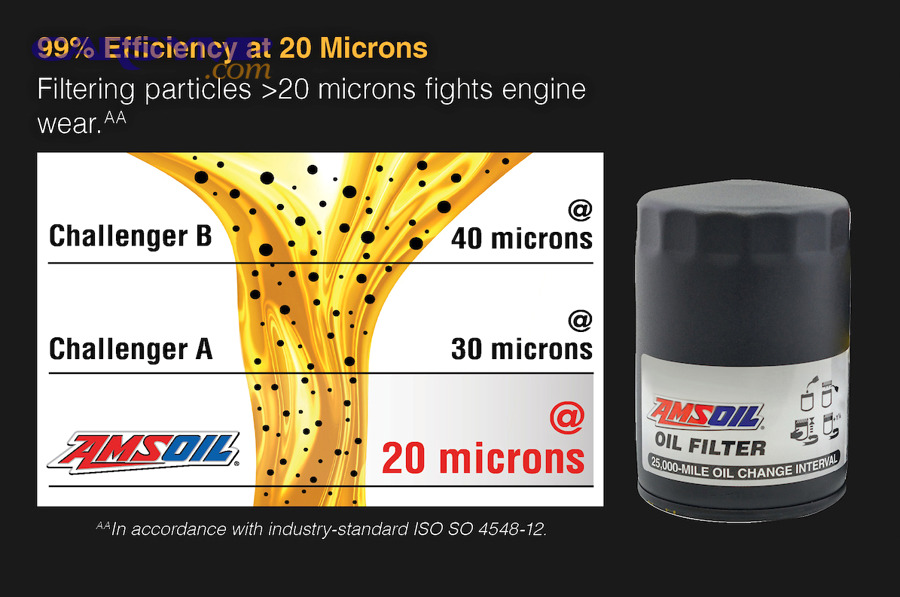
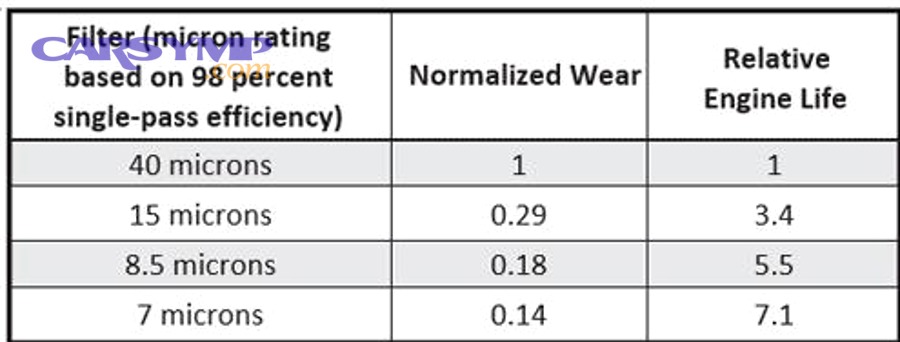
Micron rating and efficiency describe how well a filter removes particles of a specific size, but the safest way to compare filters is with standardized testing terms (like beta ratio) rather than vague “10-micron nominal” marketing.
To illustrate, a “micron number” without test context can mislead because different labs and methods can produce different “ratings” for similar media.
A technical document explains that micron ratings are often not repeatable across labs and don’t reliably translate to overall filtration efficiency, which is why standardized multi-pass test data and beta ratios are more meaningful for comparisons.
Capacity vs flow: which matters more for everyday cars?
Capacity matters more for long intervals and dirty conditions, flow matters more during cold starts and high-demand moments—and everyday cars need a balanced filter that doesn’t sacrifice one so much that the bypass valve becomes a frequent visitor.
Meanwhile, many DIY drivers accidentally pick “tight filtration” without considering flow restriction, which can increase bypassing and undermine the whole point.
A practical way to think about it:
- If you run normal intervals and drive mostly normal conditions, you want reliable fitment + decent efficiency + stable flow.
- If you run extended intervals or severe duty, you want higher capacity + strong media + stable construction so restriction doesn’t rise too quickly.
If you’re not sure which you need, default to the OEM-equivalent class, then upgrade only when your interval or conditions justify it.
How do you compare budget vs premium oil filters without getting misled?
Budget filters win on price, premium filters are best for higher efficiency/capacity claims when verified, and OEM-equivalent filters are optimal for most DIY drivers who follow normal intervals—so the “best” choice depends on your interval, conditions, and the quality of published performance data.
More importantly, you can compare filters without brand drama by focusing on what premium usually adds: media, valve materials, capacity, and consistency.
Do premium oil filters protect better than standard ones?
Yes—premium oil filters often protect better than standard ones because they typically provide higher capture efficiency, more contaminant capacity, and better valve materials, but the benefit is biggest when you run longer intervals or severe service.
On the other hand, if you change oil frequently under normal conditions, a quality standard filter that matches the application can perform perfectly well.
Three reasons premium can be “real” (not just branding):
- Better media (often more synthetic content) can improve capture efficiency and keep restriction stable longer.
- Higher capacity can delay clogging and reduce the chance of frequent bypass.
- Better valves (often silicone ADB) can stay flexible across temperature swings.
A Purdue University Extension publication also notes that higher-end filtration performance is a meaningful part of what you pay for in premium filters, especially around defined particle-size capture efficiency.
Which claims should you trust on the box—and which are mostly marketing?
There are 5 claims you can trust more and 5 claims you should treat carefully, based on whether they connect to measurable specs.
Specifically, trust claims that reference test methods or quantified metrics, and be skeptical of claims that only sound impressive.
More trustworthy claims (usually measurable):
- Stated efficiency at a particle size (with test context)
- Mention of multi-pass testing or beta ratio style metrics
- Stated capacity or “extended drain” supported by published specs
- Clear application/fitment compatibility
- Construction specifics (silicone ADB, metal end caps, reinforced center tube)
Mostly marketing (often vague without proof):
- “99% filtration” with no particle size or method
- “Racing filter” with no efficiency/capacity data
- “Ultimate protection” with no numbers
- “High flow” with no restriction data
- “Long life” without an interval and conditions definition
If your goal is to avoid being misled, aim for filters where you can answer: “Efficient at what size, tested how, and for how long?”
What’s the simplest “good enough” choice for most DIY drivers?
The simplest “good enough” choice is an OEM-equivalent oil filter from a reputable manufacturer, matched to your vehicle application and your oil-change interval—because that combination covers fitment, valve strategy, and baseline filtration performance.
Besides, the DIY win isn’t choosing the most expensive filter—it’s choosing the correct one consistently.
Use this shortcut:
- Normal service interval: OEM-equivalent / mid-tier
- Severe service or longer interval: premium/extended-drain line that still matches application exactly
- If uncertain: choose the filter line closest to OEM spec, not the most aggressive micron claim
To make comparisons easier, the table below summarizes what you usually get as you move up tiers.
Table: typical differences across oil filter tiers (what changes and why it matters)
| Filter tier | Typical use case | What you usually get | What to watch out for |
|---|---|---|---|
| Budget/economy | frequent oil changes, normal driving | basic media, basic valves | vague efficiency claims, lower capacity |
| OEM-equivalent/mid-tier | most DIY drivers | balanced media, correct valve design | still verify exact application |
| Premium/extended-drain | longer intervals, severe duty | higher capacity media, often silicone ADB | “extended” claims without matching your conditions |
How can you avoid the wrong-fit oil filter before you install it?
Avoiding the wrong-fit oil filter is a pre-install verification routine—compare key dimensions, confirm gasket and thread match, check clearance, and verify valve needs—so you prevent leaks, pressure issues, and messy do-overs.
Next, treat this as the final safety net before you pour fresh oil and discover you bought the wrong part.
Can you rely on cross-reference charts to swap filters safely?
Yes, sometimes—but you should not rely on cross-reference charts alone because they can miss gasket differences, bypass strategy differences, or clearance constraints that matter on your specific engine bay.
More specifically, cross-references are best used as a second opinion after you confirm the correct application listing.
Three reasons cross-reference can fail:
- Physical differences hide behind “equivalent” part numbers. A few millimeters in gasket OD or canister length can be the difference between dry and leaking.
- Valve designs can differ by application. A filter family might include versions with different bypass setups across engines.
- Your vehicle packaging is unique. Heat shields, brackets, and skid plates make “fits in theory” fail in practice.
If you do cross-reference, verify the minimum specs from the earlier checklist before installing.
What are the warning signs you bought the wrong oil filter?
There are 7 common warning signs you bought the wrong oil filter: it won’t thread smoothly, the gasket doesn’t seat, the canister hits something, it leaks immediately, the oil pressure light behaves oddly, startup noise worsens, or the old gasket remains stuck and causes sealing failure.
Then, use these signs to stop quickly—because “just tighten it more” is how small leaks become big messes.
Wrong filter signs (stop and re-check):
- Threads bind or won’t start by hand
- Gasket looks misaligned or too narrow/wide on the sealing pad
- Filter body contacts a bracket/axle/heat shield
- Immediate leak at startup around the gasket or seam
- Oil pressure warning stays on longer than normal
- New startup ticking/rattle that wasn’t there before
- Old gasket stuck to engine pad (“double gasket” risk)
This is also where many DIY drivers confuse wrong filter with wrong technique—so check installation errors next.
What installation mistakes look like “bad filter” symptoms?
Overtightening, double-gasketing, dirty sealing surfaces, and incorrect cartridge O-ring placement can mimic bad-filter symptoms—so you need a quick technique check before you blame the part.
Especially when you’re doing filter replacement in a hurry, these mistakes show up as leaks, delayed oil pressure, or messy drips that feel like “the filter is defective.”
Common DIY mistakes and how to prevent them:
- Double gasket: always confirm the old gasket came off with the old filter; wipe the engine pad clean.
- Dry gasket: lightly oil the new gasket so it seats smoothly.
- Overtightening: follow the “hand-tight + specified turn” guidance on the filter or manual.
- Dirty sealing surface: clean oil and grit off the pad so the gasket contacts metal evenly.
- Cartridge cap/O-ring error: replace the O-ring, seat it in the correct groove, and torque to spec.
If you keep seeing repeat oil leaks after service, treat it as a process issue first, then confirm part number and gasket diameter second.
When should you upgrade—or avoid—specialty oil filters?
Upgrade to a specialty oil filter when it solves a real need (long intervals, severe service, temperature extremes), and avoid it when it only adds cost without improving fitment, capacity, or reliability for your driving.
In short, “specialty” should match your use case—not your anxiety.
What’s the difference between standard, high-mileage, and extended-drain oil filters?
Standard filters are best for normal intervals, high-mileage filters are designed for older engines and service patterns, and extended-drain filters are optimized for longer intervals with higher capacity media—so the correct choice depends on your interval and engine condition.
However, the labels are only useful when they connect to tangible upgrades like media area, valve material, and capacity.
Standard
- Built for typical service intervals.
- Good match when you change oil on time and drive normally.
High-mileage
- Often positioned for older engines with broader service needs.
- May emphasize durable sealing/valves and robust construction (varies by brand).
Extended-drain
- Built to hold more contamination and maintain performance longer.
- Best when you truly run extended intervals and your engine is healthy enough to support that plan.
If you’re unsure, don’t let a label override application match. A “high-mileage” filter that doesn’t match the engine’s bypass strategy is still the wrong filter.
Do turbocharged or direct-injection engines need a different oil filter?
No, turbocharged or direct-injection engines don’t automatically need a “different” oil filter, but they often benefit from stricter interval discipline and a filter with strong capacity and stable valves because heat and contamination stress can be higher in real-world use.
More importantly, these engines punish maintenance shortcuts, so the best “upgrade” is usually a consistent plan paired with a properly matched filter.
A smart approach for turbo/DI setups:
- Prioritize correct fitment + valve behavior first.
- If you drive hard, tow, or run extended intervals, choose a filter tier with higher capacity.
- Use a high-quality oil and avoid stretching intervals when the vehicle sees lots of short trips.
If your Car Symptoms include persistent oil consumption, recurring low-oil warnings, or repeated sludge issues, focus on diagnosing the root cause rather than hoping a “turbo-rated” filter label fixes it.
How does cold weather change oil filter behavior (especially bypass events)?
Cold weather increases oil viscosity, which increases restriction through the filter media, which can increase bypass events until the oil warms—so winter driving raises the value of correct bypass design and a reliable anti-drainback valve.
Next, think of cold starts as the moment your filter and valves are most “stress-tested.”
Cold-weather best practices:
- Use the correct oil viscosity grade recommended for your climate.
- Don’t chase ultra-tight filtration claims that raise restriction without proven benefit.
- If your engine is known for startup noise, prioritize reliable ADB behavior (when applicable).
This is also a good time to remember that filtration standards exist because comparing filters without test context can be misleading; standardized multi-pass tests are designed to evaluate filtration and pressure behavior under controlled conditions.
Is used oil analysis or cutting filters open worth it for DIY drivers?
Yes, used oil analysis or cutting filters open can be worth it for DIY drivers who run extended intervals, drive severe duty, or are tracking a suspected issue—because it turns guesses into evidence—but it’s overkill for many normal-interval drivers.
Besides, most people get 80% of the benefit by simply sticking to the correct interval and using the correct filter every time.
When it’s worth it:
- You’re extending oil change intervals and want confirmation.
- You suspect abnormal wear (metal in oil, recurring oil pressure issues).
- You’re optimizing maintenance for heavy towing, track days, or commercial use.
When it’s not:
- You change oil on normal intervals and the engine is healthy.
- You’re looking for reassurance rather than a decision.
If you do explore beyond oil filters, keep maintenance connected: a Transmission filter service overview can help you understand why some transmissions require periodic filter and fluid changes, and how restrictions there can cause shift quality issues. And if you’re building a full maintenance rhythm, How often to replace common car filters (air, cabin, fuel, and transmission where applicable) is a useful framework—because many “mystery drivability” complaints are simply overdue filter replacement showing up as Car Symptoms in different systems.
According to a study by SAE International from the University of California Agricultural Experiment Station, in 1929, an engine oil filter evaluation examined filtration in relation to engine wear—illustrating that filtration effectiveness has been investigated for nearly a century as part of durability and maintenance strategy.