


Replacing your car’s filters is one of the highest-value maintenance jobs you can do at home because it protects the engine and passengers while preventing avoidable performance issues—this guide gives you a complete, repeatable checklist that keeps mistakes to a minimum.
Next, you’ll learn what each filter actually does and the practical signs that tell you it’s time to replace it, so you don’t guess based on mileage alone.
Then, you’ll see the exact prep, tool choices, and common locations so you can plan the job without mid-project surprises.
Introduce a new idea: once you understand the “why” and “where,” the actual replacement steps become straightforward—and you’ll finish with a quick verification routine that confirms everything is sealed, flowing, and safe.
What does “car filter replacement” mean, and why does it matter?
Car filter replacement is routine maintenance where you remove a dirty filter and install a new one to restore clean airflow or fluid flow, protect components, and keep performance consistent.
To better understand why this matters, start by linking each filter to the system it protects.
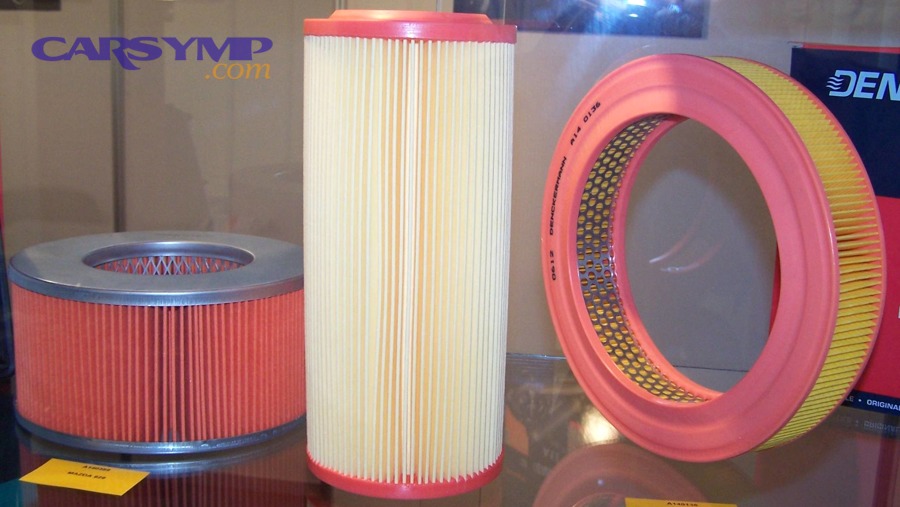
Which filters are included in a typical DIY filter replacement checklist?
Most everyday DIY checklists focus on four filters because they’re common, accessible, and high-impact:
- Oil filter (engine lubrication cleanliness)
- Engine air filter (air entering the engine)
- Cabin air filter (air entering the passenger cabin)
- Fuel filter (fuel cleanliness before injectors/carburetor—location and difficulty vary)
A solid checklist treats these as “systems protection parts,” not just consumables, because each filter prevents downstream wear (bearings, sensors, blower motor strain, injector clogging).
What happens if you delay filter replacement too long?
Delaying replacement usually doesn’t “explode” the car immediately, but it raises risk and cost over time:
- A restricted engine air filter can reduce airflow efficiency and increase throttle demand.
- A clogged cabin air filter can reduce HVAC airflow and comfort while increasing blower workload.
- An overloaded oil filter may bypass more often depending on design/conditions, reducing filtration effectiveness when oil is stressed.
- A restricted fuel filter can cause lean conditions, stumbling, long cranks, or reduced power—especially under load.
The key is that filters are designed to get dirty; the failure is letting them stay dirty beyond their effective service window.
How do you know it’s time to replace a filter (without over-maintaining)?
Use a “mileage + symptom + inspection” rule:
- Mileage/time: Follow the manual’s baseline, then adjust for dust, short trips, heat, towing, or poor fuel quality.
- Symptoms: Reduced HVAC airflow (cabin), hesitation under load (fuel), increased intake noise or reduced responsiveness (engine air), oil leaks after service or low oil pressure warnings (oil system—rare but urgent).
- Inspection: A filter that’s visibly loaded, deformed, wet/oily (unless designed that way), or packed with debris is a replace-now signal.
What tools, parts, and safety prep do you need before you start?
A DIY filter replacement checklist works best when you stage tools and parts first, then complete each filter in a clean, controlled sequence.
Below is the practical setup that prevents the most common “halfway stuck” scenarios.
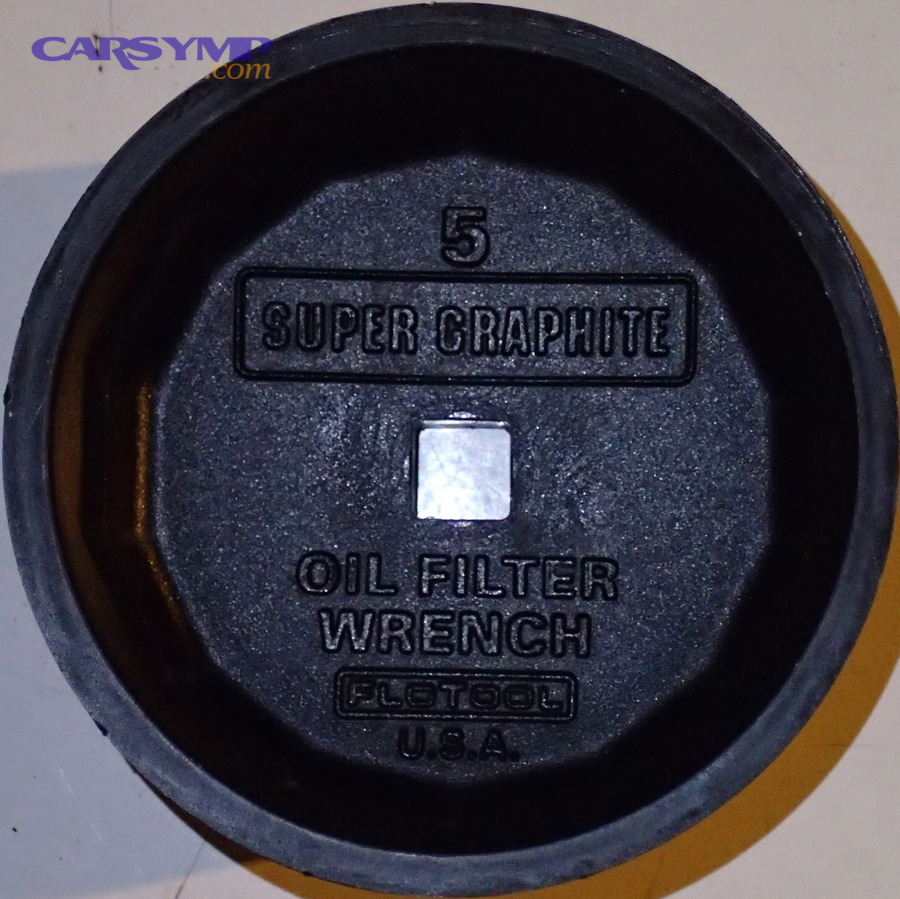
What basic tools cover most filter replacement jobs?
Most drivers can handle oil + air + cabin filters with:
- Nitrile gloves, shop towels, a small flashlight/headlamp
- Flathead screwdriver and/or trim tool (for clips)
- Metric socket set, ratchet, extension
- Pliers (for stubborn clips)
- Catch pan (oil), funnel, and a torque wrench if you want precision
- A small vacuum (helpful for airboxes and cabin filter housings)
Fuel filters may add specialty needs (fuel line disconnect tools, hose pinch pliers, and sometimes a scan tool or procedure for priming).
What parts should you buy before opening anything?
Buy parts by VIN or exact year/make/model/engine:
- Correct filter part numbers (oil, engine air, cabin air, fuel if applicable)
- New drain plug washer (if your oil change style uses one)
- Correct oil type/quantity (if you’re doing oil + filter together)
- Optional: new airbox screws/clips if yours are brittle
This is where filter replacement goes wrong most often: the filter fits physically but seals poorly or is the wrong spec.
What safety prep prevents injuries and messes?
Use a quick safety checklist:
- Work on a cool-to-warm engine (warm oil drains better, but hot parts burn).
- Use wheel chocks if you lift the car.
- Support with jack stands—never rely solely on a jack.
- Keep ignition sources away from fuel work.
- Wear eye protection when working under the car or around pressurized lines.
Where are these filters located on most vehicles?
Most filters live in predictable zones: air filters near air pathways and fluid filters along fluid routes, but models vary—so confirm with your owner’s manual or a reliable service diagram.
Next, use the location logic below to find each filter quickly.
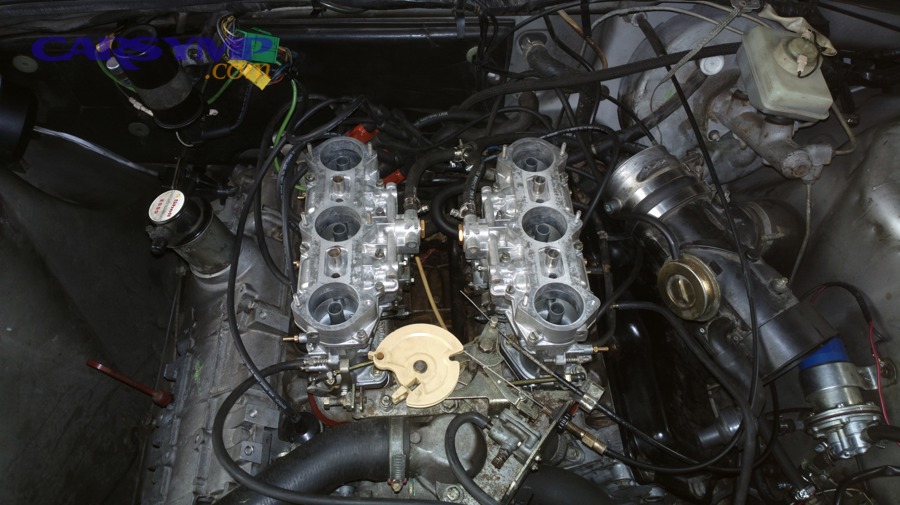
Where is the oil filter usually located?
Common locations include:
- Low on the engine block near the oil pan
- Near the front or rear of the engine, sometimes accessed from below
- Cartridge style: in a plastic or metal housing on top of the engine (increasingly common)
A quick rule: follow the oil pan upward; the filter is usually near the oil flow path from pump to galleries.
Where is the engine air filter usually located?
Typically:
- In a plastic airbox in the engine bay
- Connected to the intake tube leading toward the throttle body
- Often secured with clips or a few screws
If you can find the big intake snorkel duct, it almost always leads to the airbox.
Where is the cabin air filter usually located?
Common spots:
- Behind the glove box
- Under the passenger-side dash near the center console
- At the base of the windshield under the cowl (less common in newer cars)
If your HVAC airflow is weak but the blower sounds normal, the cabin filter location becomes your fastest win.
Where is the fuel filter usually located (and why does it vary)?
Fuel filters can be:
- In the engine bay along the fuel line (older designs)
- Under the car along the frame rail (common)
- Integrated into the fuel pump module in the tank (many modern vehicles)
If yours is in-tank, it may not be a normal DIY service item without special procedures.
How do you replace an oil filter safely without leaks?
Oil filter replacement is a simple, repeatable process—remove the old filter, prep the seal, install the new filter correctly, and verify sealing under pressure.
Then, you reduce leak risk by controlling the two main variables: gasket contact and tightening method.

What is the step-by-step oil filter replacement checklist?
Use this sequence for most spin-on filters:
- Park level, set parking brake, and secure the car.
- Place a drain pan under the filter area (filters often spill when loosened).
- Loosen the filter by hand or with an oil filter wrench.
- As the filter comes off, keep it upright to limit spill.
- Confirm the old gasket came off with the filter (no “double gasket”).
- Wipe the mounting surface clean.
- Lightly oil the new filter gasket with clean oil.
- Thread the new filter by hand until gasket contact, then tighten per instructions (commonly ¾ turn after contact for spin-on, but follow the filter/manufacturer guidance).
- Refill oil if you drained it; start engine and check for leaks.
- Shut off, wait a minute, re-check oil level, and top up.
This checklist prevents the two most common DIY failures: cross-threading and gasket sealing mistakes.
How tight should you tighten the oil filter?
Hand-tight is usually correct for spin-on filters, but “hand-tight” means tighten until the gasket first contacts the base, then rotate the specified additional fraction-turn (guidance varies by filter design).
Overtightening can deform the gasket or make removal difficult later, while undertightening can cause seepage.
What quick checks confirm the oil filter is sealed after startup?
Do three checks:
- Visual: Look for fresh oil around the filter base after the engine runs 30–60 seconds.
- Touch: Carefully feel around the base with a clean towel (avoid hot parts).
- Re-check: After a short drive, inspect again for a thin “wet ring” that signals seepage.
If you see dripping, shut off immediately and re-check gasket seating.
How do you replace the engine air filter correctly?
Engine air filter replacement is a fast job—open the airbox, remove the old element, clean the housing edge, and install the new filter with correct orientation and sealing.
Next, focus on sealing and debris control because that’s what protects sensors and throttle components.
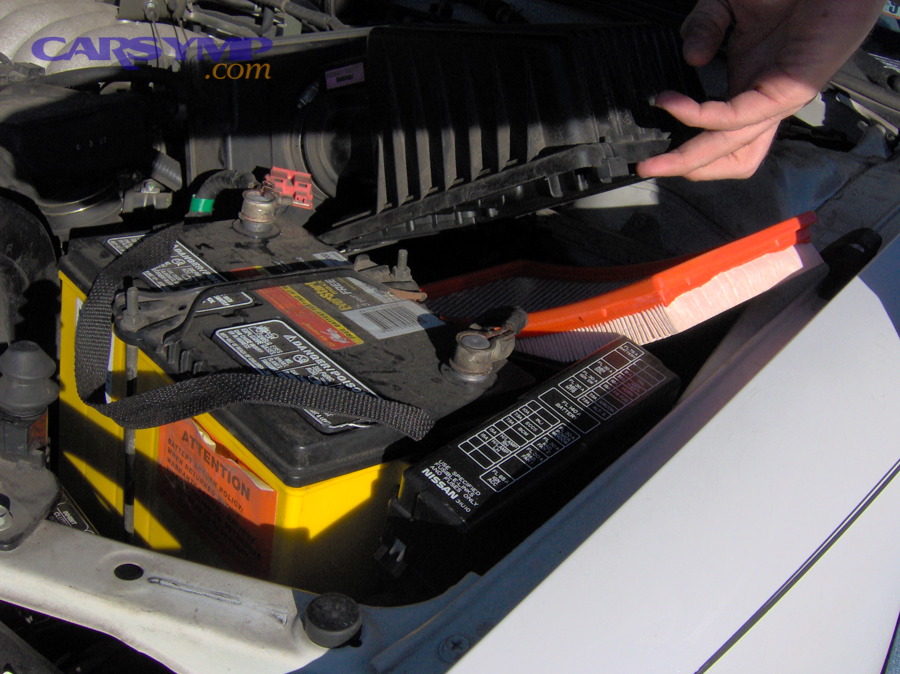
What is the step-by-step engine air filter replacement checklist?
- Open the hood and locate the airbox.
- Release clips or remove screws.
- Lift the lid gently—don’t yank attached sensors or hoses.
- Remove the old filter and note airflow direction/fit.
- Vacuum or wipe loose debris inside the lower airbox (don’t push dirt into the intake tube).
- Install the new filter so the gasket edge seats evenly all around.
- Close the airbox lid and secure all clips/screws.
- Confirm no tools are left inside, then start the engine and listen for air leaks.
This keeps unfiltered air from bypassing the seal—a bigger problem than a slightly dirty filter.
What mistakes cause “unfiltered air” even with a new filter installed?
Common errors:
- The filter isn’t seated fully in its groove.
- The airbox lid is misaligned or a clip is broken.
- A hose clamp or intake duct is loose downstream of the filter.
- The wrong filter is used (looks similar but seals poorly).
A quick “seal check” is running your fingers around the airbox seam—if the lid sits unevenly, re-seat it.
When should you replace vs clean an engine air filter?
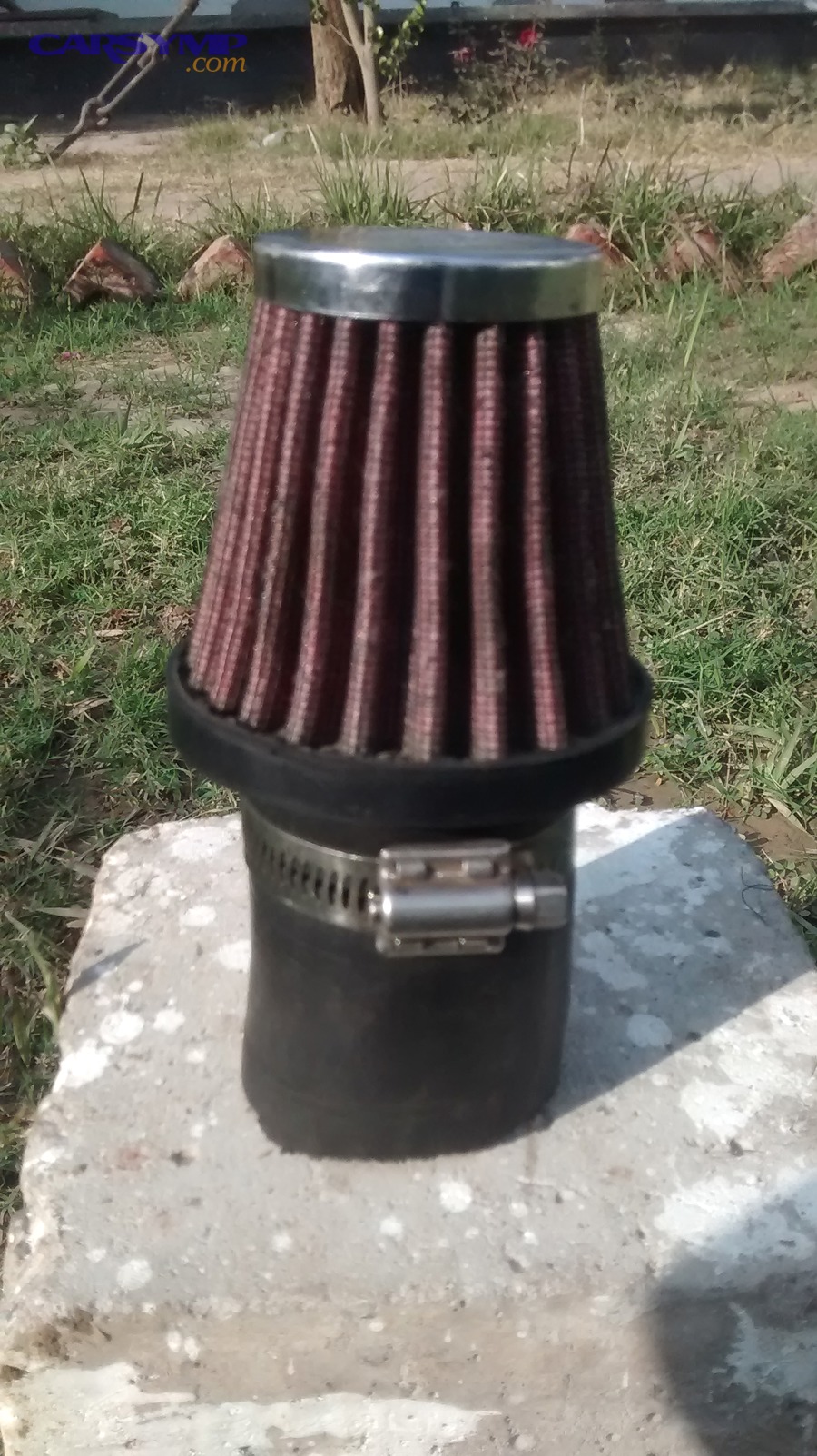
For most paper filters, replacement is safer and more consistent than cleaning. Reusable oiled filters exist, but they require careful servicing and correct oiling; over-oiling can contaminate sensors on some setups. If you want maximum simplicity and consistent filtration, a quality paper filter is the easiest route.
How do you replace the cabin air filter to restore HVAC airflow?
Cabin air filter replacement restores HVAC airflow by removing a clogged barrier that restricts incoming air; you access the filter door, swap the filter with correct airflow direction, and reassemble panels without breaking clips.
Then, you confirm success by testing airflow, odor reduction, and fan noise.

What is the step-by-step cabin air filter replacement checklist?
- Find the cabin filter access (often behind the glove box).
- Empty glove box contents and release stops/dampers as needed.
- Open the filter cover carefully—tabs can be brittle.
- Slide out the old filter slowly to avoid dumping debris.
- Note airflow direction arrow on the old filter.
- Clean loose debris from the housing (vacuum is ideal).
- Insert the new filter with the correct airflow direction.
- Reinstall the cover and return glove box to normal position.
- Run HVAC at several fan speeds to confirm airflow improvement.
This prevents the classic issue: installing the cabin filter backwards, which can increase noise and reduce efficiency.
How do you choose between standard and activated-carbon cabin filters?
A standard cabin filter targets dust and pollen; an activated-carbon version adds odor and some gas adsorption benefits (useful for urban driving or sensitive passengers). If odors and exhaust smells are part of your complaint, carbon is often worth the small cost increase.
What evidence suggests cabin filtration meaningfully reduces in-vehicle particles?
According to a study by University of Ottawa and McGill University (environmental health researchers), in 2023, in-vehicle cabin filtration reduced in-cabin particulate exposure by about one third compared with placebo filtration during commuting conditions.
How do you replace a fuel filter safely without damaging lines or causing leaks?
Fuel filter replacement is doable when the filter is serviceable—depressurize the fuel system, disconnect lines with the correct method, replace the filter in the right flow direction, then prime and leak-check before driving.
Next, treat this as a safety-first job because fuel pressure and brittle connectors can turn a quick swap into a repair.
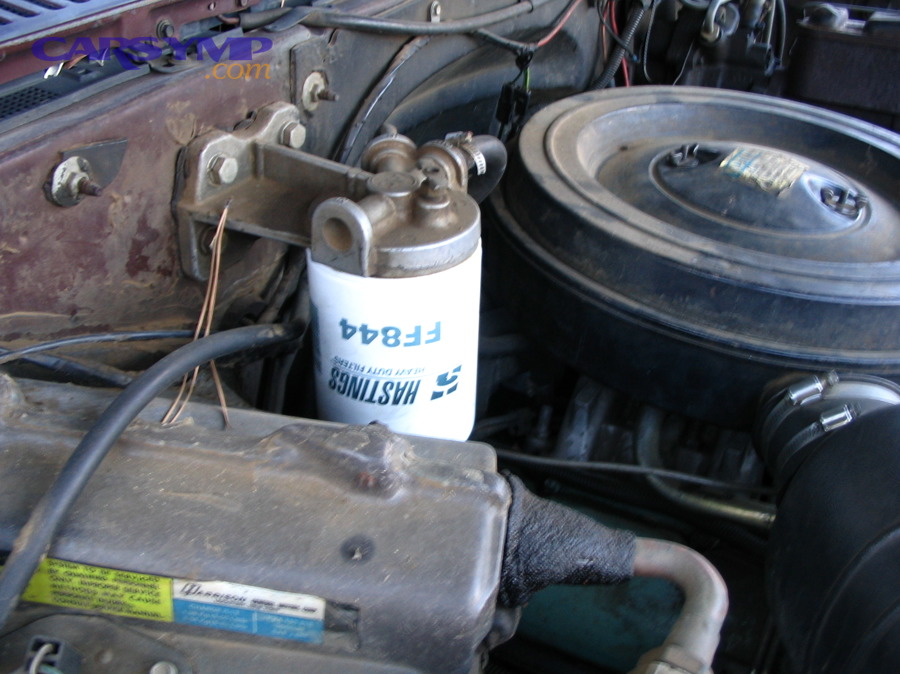
What is the step-by-step fuel filter replacement checklist?
- Confirm your car has a serviceable fuel filter (not in-tank only).
- Relieve fuel pressure (method varies: fuse/relay pull + crank, or scan-tool command, or manufacturer procedure).
- Disconnect the negative battery terminal if recommended for your vehicle.
- Place rags and a catch container to control fuel spill.
- Disconnect lines using the correct release method (push-tabs, quick-disconnect tool, clamps).
- Remove the old filter and note the flow direction arrow.
- Install the new filter in correct direction and secure mounts.
- Reconnect lines until you feel/confirm positive engagement.
- Prime the system (key-on cycles, manual priming pump for diesel, or specified procedure).
- Start engine and inspect for leaks under idle and light rev.
If a connector doesn’t “click” confidently, don’t assume it’s seated—verify.
What are common fuel filter symptoms and replacement timing triggers?
Use this simple diagnostic bundle (not just mileage):
- Long crank or hard starts
- Hesitation, surging, or stumbling under load
- Loss of power at higher RPM
- Misfire-like behavior that disappears at light throttle
- For diesel: water contamination concerns, rough running, or frequent filter restriction warnings
Replacement timing depends on fuel quality and design; if symptoms align and the filter is serviceable, replacement is a rational first step before deeper diagnostics.
What extra steps apply to diesel fuel filters (water separation and priming)?
Diesel filters often combine filtration with water separation, and many require priming:
- Drain any water separator if equipped.
- Use the hand primer or specified priming routine to avoid air pockets.
- Expect longer cranking if priming is skipped.
According to a study by South China University of Technology (materials and separation research), in 2020, a dual-layer diesel/water filter medium achieved 89.5% water separation efficiency under a defined test condition, illustrating how filtration design directly affects fuel system protection.
What final checks confirm your filter replacement job is done correctly?
A successful filter service is confirmed by leak-free operation, restored airflow or stable performance, and a clean maintenance record you can repeat next time.
Then, you lock in reliability by verifying each system with quick, objective checks.
What immediate checks should you do before the first drive?
Run this 2-minute verification:
- Oil filter area: no drips, no wet ring, oil level correct.
- Engine airbox: lid fully seated, clips secure, no hissing air leak.
- Cabin HVAC: airflow improved, no new rattles from glove box area.
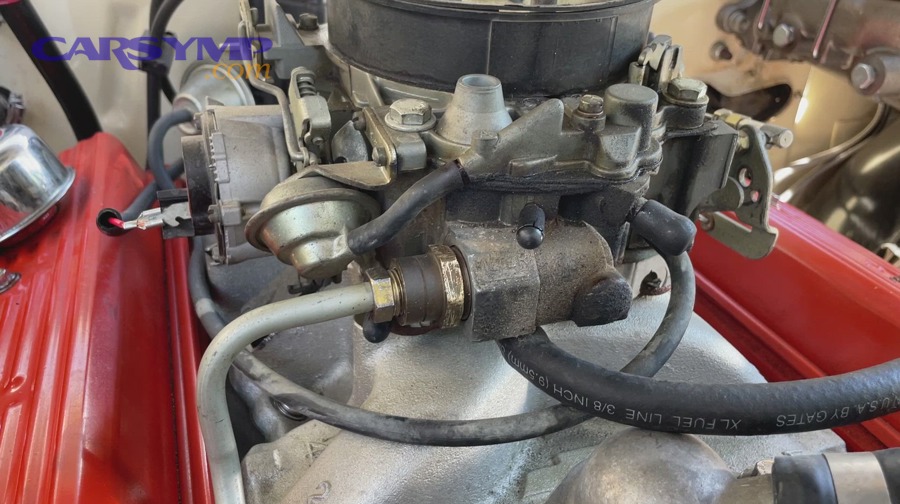
- Fuel system: absolutely no seepage at connectors; no fuel smell; stable idle.
If any check fails, fix it now—small leaks become big problems fast.
How do you dispose of old filters and fluids responsibly?
Use a simple disposal rule:
- Used oil and oil filters: take to an auto parts store or recycling center that accepts them.
- Fuel filters: treat as fuel-contaminated; follow local disposal rules (many locations treat it as hazardous waste).
- Air and cabin filters: usually household waste unless heavily contaminated with fluids/mold.
Contain mess in sealed bags to prevent odor and residue in your workspace.
How do you document the job so your next replacement is easier?
Write down:
- Date, mileage, filter brands/part numbers
- Any abnormal findings (metal in oil? unusual debris?)
- Next target inspection mileage
A maintenance note prevents over-maintaining and helps you spot patterns.
How do you choose the right filter specs and quality level for your car and driving conditions?
Choosing the right filter is about matching fit, seal, and performance to your driving environment—daily commuting, dust, short trips, towing, or poor fuel quality each change what “best” means.
Next, use a simple selection framework that prioritizes correct fit first, then upgrades only where they matter.
What is the fastest way to guarantee correct fit and sealing?
Use one of these:
- VIN-based lookup at a reputable parts catalog
- Owner’s manual part reference (where provided)
- Verified cross-reference by year/make/model/engine (double-check engine code)
Correct fit and sealing prevents bypass—bypass is worse than a slightly lower-rated filter.
What are the practical oil filter selection basics for DIYers?
Oil filter selection basics come down to:
- Correct thread and gasket dimensions (fitment)
- Bypass valve and anti-drainback valve design (function)
- Build quality appropriate for your oil change interval
If you extend oil change intervals, you generally want a filter designed for that duration rather than pushing a basic filter beyond its intended window.
When is a “premium” cabin air filter worth it?
Premium cabin filters (often activated carbon or higher-efficiency media) are most worth it when:
- You drive in heavy traffic regularly
- Passengers have allergies/asthma sensitivity
- Odors and exhaust intrusion are a recurring complaint
If none of those apply, a standard cabin filter replaced on time is already a strong outcome.
When should you upgrade fuel filtration strategy instead of just replacing the filter?
Consider a strategy change when:
- You consistently get poor-quality fuel (contamination history)
- You have recurring restriction symptoms despite correct replacements
- You’re operating diesel equipment or vehicles in conditions where water contamination is common
In those cases, improving filtration and water separation (where applicable) can be more valuable than swapping the same basic filter repeatedly.