


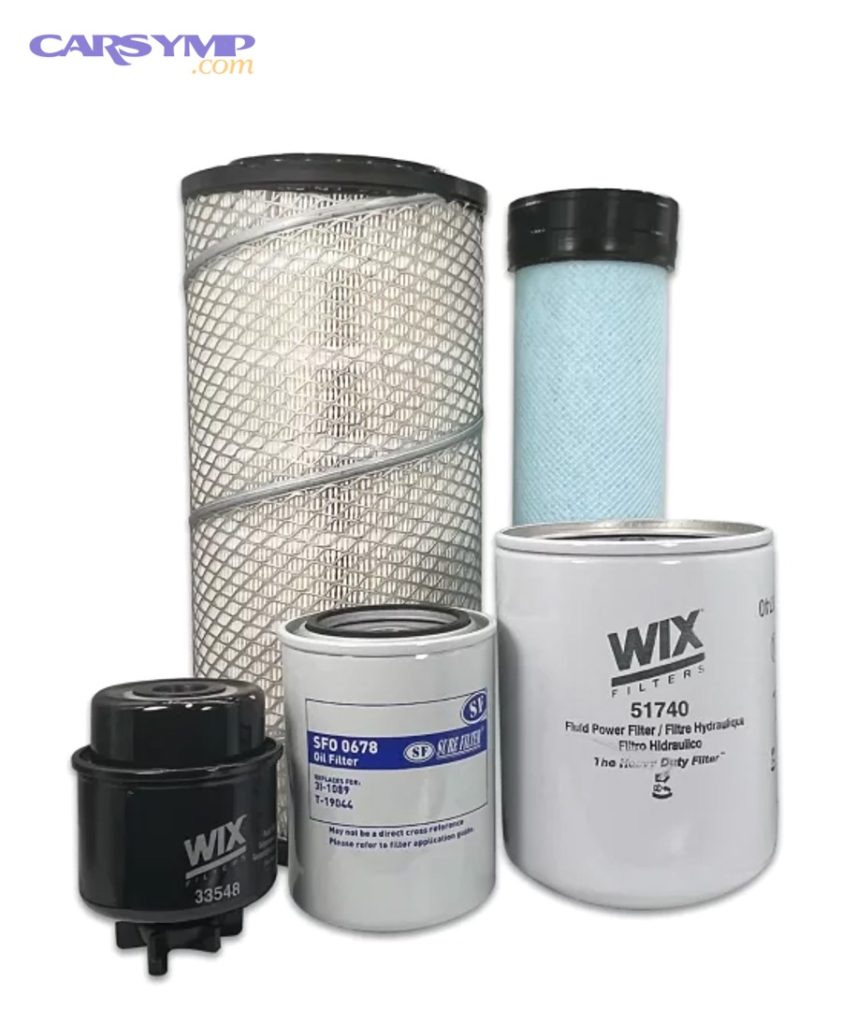
A preventive maintenance filter schedule is a practical system for deciding when to inspect filters, when to service them, and when to replace them—based on risk, operating conditions, and measurable restriction (not guesswork). The core goal is simple: keep airflow and protection stable while avoiding unnecessary labor and parts spend.
Next, you’ll learn how to build a schedule that fits your site: which assets to include (HVAC, process air, compressed air, water, hydraulic systems), what data to track (runtime, pressure drop, contamination), and how to assign inspection frequency by criticality.
Then, we’ll break down the inspection checks that tell you a filter needs action now—like rising differential pressure, visible loading, bypass risk, or downstream contamination—so your team can shift from calendar-based changes to condition-based decisions.
Introduce a new idea: once you have inspection triggers and baseline intervals, you can tune the plan to prevent both over-maintenance (wasting filters and labor) and under-maintenance (equipment strain, IAQ complaints, process drift), while documenting a repeatable standard across your facilities.
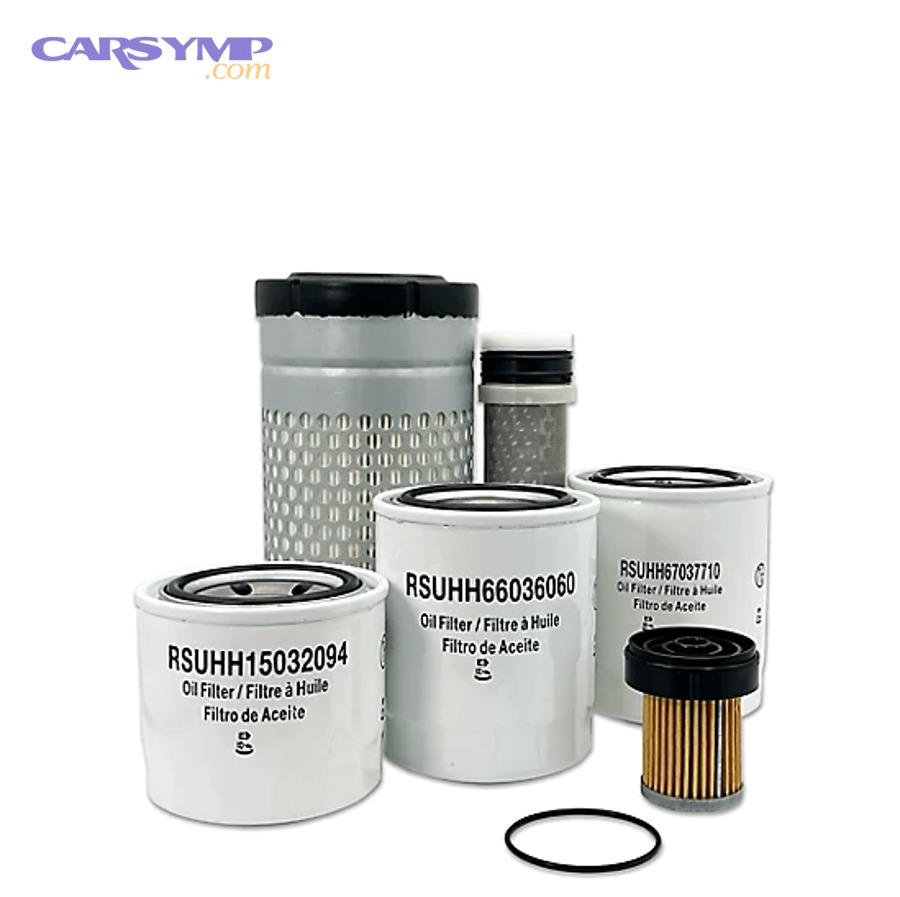
What is a PM (Preventive) filter maintenance schedule?
A PM (preventive) filter maintenance schedule is a documented plan that defines inspection frequency, service triggers, and replacement intervals for each filter in a facility, using asset criticality and condition indicators (like pressure drop) to keep performance consistent.
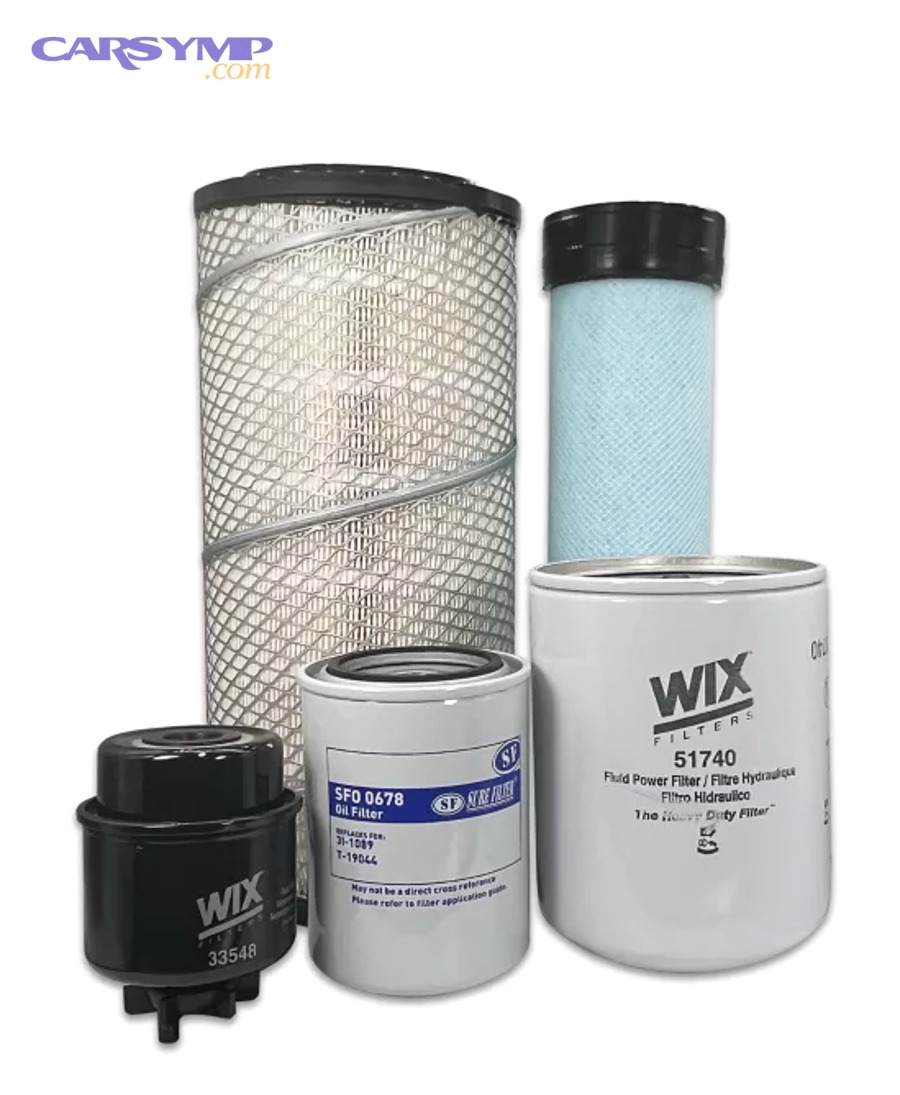
To better understand why it matters, start by separating “filter care” into three decisions—inspect, service, and replace—because each decision has a different cost and risk profile.
What does “filter schedule” mean in facility preventive maintenance?
A facility filter schedule means you assign each filter a repeatable maintenance rhythm . Specifically, it turns filter work from reactive “swap it when it looks bad” into a controlled process:
- Inspection cadence (weekly, monthly, quarterly, seasonal) tied to occupancy, dust load, and uptime.
- Service criteria (clean/washable media, seal checks, housing cleaning, prefilter changes).
- Replacement criteria (pressure-drop threshold, end-of-life media, damage, contamination risk).
This structure matters because filters protect equipment (coils, blowers, compressors, valves) and people (indoor air quality), so poor scheduling shows up as higher energy use, comfort complaints, and shortened component life.
Which “filters” does a PM schedule usually cover?
A good preventive maintenance filter schedule covers any filter that either protects equipment or stabilizes air/water/fluid quality. More importantly, most facilities should include these categories:
- HVAC & air handling: return filters, outdoor air filters, final filters, HEPA (where applicable), fan-coil filters.
- Process air: dust collection/baghouse filters, paint booth filters, cleanroom filtration stages.
- Compressed air: intake filters, coalescing filters, particulate filters, dryer prefilters.
- Water treatment/process water: strainers, cartridge filters, multimedia prefilters.
- Hydraulic/lube systems: suction strainers, pressure/return filters, kidney-loop filtration.
Once you list them, you can group them by what failure looks like: airflow restriction, bypass leakage, contamination, or process instability.
What are the goals and KPIs of a filter PM schedule?
The goal is not “change filters often.” The goal is predictable protection at the lowest total cost. For example, track KPIs that link filter condition to outcomes:
- Condition: differential pressure (ΔP), hours in service, visual loading score, particle counts (where used).
- Reliability: coil fouling events, fan alarms, compressor faults, downstream contamination incidents.
- Energy: fan kWh, static pressure trends, AHU airflow stability, VFD speed drift over time.
- Quality/comfort: IAQ complaints, temperature/humidity stability, process reject rates (if filtration affects product).
According to ENERGY STAR’s maintenance checklist, inspecting/cleaning/changing HVAC filters about monthly is a recommended baseline for central systems, because dirty filters can increase energy costs and contribute to equipment damage. ([energystar.gov](https://www.energystar.gov/saveathome/heating-cooling/maintenance-checklist?))
How do you build a PM filter schedule step-by-step for a facility?
You build a PM filter schedule by completing five steps—inventory filters, classify criticality, set baseline intervals, define condition triggers, and standardize documentation—so the schedule produces predictable airflow/quality with fewer emergency changes.
Next, treat the schedule like a control system: if you don’t define inputs (dust load, runtime, ΔP) and outputs (action thresholds), you’ll end up with inconsistent decisions across technicians and shifts.
What assets and filter points should you inventory first?
Start with the filters that most often cause complaints, alarms, or unplanned downtime. Then expand. A practical inventory order is:
- Top comfort drivers: main AHUs, rooftop units, high-occupancy areas (lobbies, classrooms, call centers).
- High-cost equipment protection: critical air handlers, chiller plant ventilation, MCC/electrical room filtration.
- Process-critical filtration: clean zones, dust collection, compressed air for production lines.
- Hidden-but-expensive: make-up air units, DOAS, server room filtration, specialty exhaust make-up.
For each filter point, record: filter type (panel/pleated/bag/HEPA), size, MERV/efficiency, housing type, access constraints, and whether there’s a prefilter/final filter combination.
How do you set baseline intervals when you have no site data yet?
When data is missing, use a conservative baseline and then tune. For HVAC systems, the U.S. Department of Energy suggests that if you’re unsure, cleaning or replacing filters every month or two during heavy cooling use is a reasonable starting point, especially with dusty conditions or high runtime. ([energy.gov](https://www.energy.gov/energysaver/air-conditioner-maintenance?))
From that baseline, separate “inspect” from “replace.” For example:
- Inspect more frequently than you replace (because inspection is cheaper than wasted media).
- Replace based on either ΔP thresholds or consistent inspection scoring (if ΔP isn’t available).
How do you use differential pressure (ΔP) to schedule changes?
ΔP is the most useful “truth source” for filters because it measures restriction directly. More specifically, you can schedule filter replacement using a “dirty” ΔP threshold (your maximum acceptable restriction) and a “change planning” threshold (a lower ΔP that triggers ordering and work planning).
In practice, this means installing or using existing taps across the filter bank and trending readings. A differential pressure gauge (or transmitter) gives you an objective trigger that works across seasons and occupancy changes.
For example, Camfil illustrates a replacement strategy where changing filters at a lower estimated pressure drop (1.6 in. w.g.) can be more cost-optimal than waiting for a higher manufacturer-recommended “dirty” ΔP (2.4 in. w.g.), because higher restriction increases operating cost over time. ([camfil.com](https://www.camfil.com/en/insights/energy-and-power-systems/filter-replacement-strategies?srsltid=AfmBOortcjFDp0HNlxRoIGkXv7cwDtdNmn_U0e-Gpnma8_HJKzZbyl-d&))
What should you document in a one-page filter PM SOP?
To keep execution consistent, each filter point should have a one-page SOP that any technician can follow. Include:
- Asset ID & location (AHU-3, Roof RTU-12, Cleanroom MAU-2).
- Filter specification (size, MERV/efficiency, stages, gasket type, qty per bank).
- Inspection checklist (visual, seals, housing cleanliness, ΔP reading, bypass signs).
- Action thresholds (ΔP values, visible loading rules, contamination triggers).
- Safety notes (LOTO, PPE, bioaerosol handling, disposal instructions).
- Work time standard (average minutes, access notes, lift requirements).
Once standardized, your CMMS can generate inspections automatically while still allowing condition-based filter replacement decisions.
What inspection checks tell you a filter needs service now?
There are five main inspection checks that show a filter needs immediate service: excessive restriction (ΔP), visible media loading, bypass/leakage at seals, physical damage, and downstream contamination—because each one signals reduced protection or rising operating cost.

Then, apply the same checks every time so you can trend conditions and prevent the “it looked fine to me” problem that causes inconsistent maintenance outcomes.
What visual signs indicate clogging or bypass risk?
Visual checks work best when you define what “bad” looks like. Specifically, look for:
- Uneven loading: one corner dark while others are clean (suggests air bypass paths or poor seating).
- Collapsed media: pleats folded, bag filters sagging, media pulled away from frame.
- Moisture: damp filters can grow microbial contamination and increase restriction quickly.
- Dust streaks past the gasket: clear evidence of bypass around the frame.
- Frayed seals or missing clips on filter racks.
When you see bypass evidence, replacing the filter alone may not fix the issue—your schedule should also include rack repair or gasket replacement tasks.
How do pressure-drop readings translate into action?
A ΔP reading translates into action by comparing current restriction to your “clean baseline” and “dirty limit.” More specifically:
- Below baseline + small drift: keep inspecting; no action needed.
- Moderate rise: plan service soon; order parts; schedule access.
- Near/above dirty limit: perform filter replacement now to protect airflow and equipment.
If you don’t have ΔP instrumentation, you can still create a semi-quantitative rule using a visual score (0–5) and add a simple manometer later as a schedule upgrade.
What operational symptoms correlate with dirty filters?
Operational symptoms are valuable because they show the cost of waiting too long. For example, dirty filters can show up as:
- Higher fan speed on VFD-controlled systems to maintain airflow.
- Reduced airflow and comfort drift on constant-speed systems.
- Rising energy use and longer runtimes to hit setpoints.
- More dust in occupied spaces, or odor complaints tied to poor air changes.
In short, your schedule should treat these symptoms as “inspection accelerators”: if they appear, you shorten the next inspection interval rather than waiting for the calendar.
What quick on-site checks can technicians do in under 10 minutes?
A fast check prevents missed issues and keeps your PM realistic. More specifically, a technician can do this in under 10 minutes per unit:
- Read ΔP (or record a manometer/analog gauge reading).
- Inspect gasket seating and clips.
- Check for visible bypass streaks downstream of the rack.
- Confirm correct airflow direction arrow on the filter frame.
- Take a quick photo for CMMS history (same angle each time).
That small habit builds a trendline that makes future decisions obvious—and reduces arguments about whether filter replacement is truly needed.
How often should filters be inspected and replaced in preventive maintenance?
There are four common interval “bands” for preventive maintenance filters—weekly, monthly, quarterly, and condition-based replacement—based on dust load, criticality, and whether restriction is measured, so you match effort to risk instead of using one interval for everything.
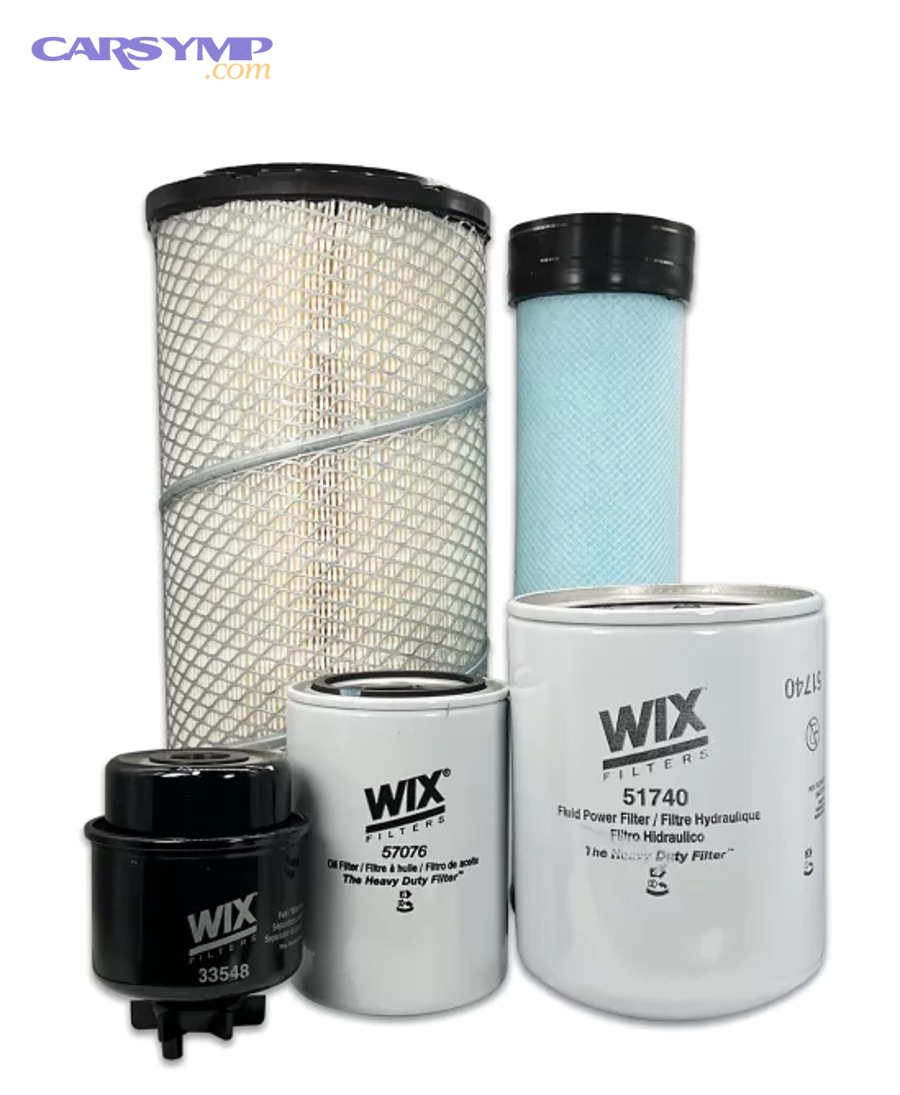
However, the most reliable approach is: inspect on a fixed cadence, replace on condition (ΔP or validated inspection score), and adjust seasonally when runtime changes.
What are typical inspection frequencies by environment and duty cycle?
Inspection frequency should follow exposure, not convenience. For example:
- Weekly: dusty industrial spaces, ongoing construction, high-traffic loading docks, process air with product risk.
- Monthly: typical office/retail/school HVAC, most rooftop units, moderate outdoor air intake.
- Quarterly: low-use spaces, controlled environments with stable loads (after you validate stability).
ENERGY STAR’s guidance to inspect/clean/change HVAC filters about monthly is a solid default when you’re building the first version of the schedule. ([energystar.gov](https://www.energystar.gov/saveathome/heating-cooling/maintenance-checklist?))
How do replacement intervals differ by filter type (pleated, bag, HEPA, process)?
Replacement interval depends on surface area, efficiency, and loading rate. Specifically:
- Disposable pleated filters: often replaced more frequently because they load faster per square inch than deeper media.
- Bag filters: typically last longer due to greater media area and depth, but should still be ΔP-managed.
- HEPA filters: replaced based on validated ΔP limits and contamination control requirements, often with strict documentation.
- Process/cartridge filters: replacement is usually tied to process ΔP limits, product quality, or flow stability.
When you can, anchor replacement to ΔP rather than time. Camfil’s example shows that waiting for a higher final ΔP can increase operating costs, which is why a schedule should define an economic “change point,” not only a maximum allowable restriction. ([camfil.com](https://www.camfil.com/en/insights/energy-and-power-systems/filter-replacement-strategies?srsltid=AfmBOortcjFDp0HNlxRoIGkXv7cwDtdNmn_U0e-Gpnma8_HJKzZbyl-d&))
How do you adjust for seasonality and events (wildfire smoke, construction, peak cooling)?
You adjust by adding “event rules” to your schedule. More specifically, your PM standard should state that the inspection interval tightens when exposure spikes:
- Construction or renovation: increase inspections and consider temporary prefilters at returns and intakes.
- Wildfire smoke / high PM2.5 periods: inspect more frequently because filters load with fine particles faster.
- Peak cooling/heating: shorten inspection intervals because runtime is higher and restriction rises faster.
If you’re unsure, the U.S. Department of Energy notes that monthly or every-1-to-2-month replacement during heavy cooling season is a reasonable rule of thumb, especially in dusty conditions or high runtime. ([energy.gov](https://www.energy.gov/energysaver/air-conditioner-maintenance?))
What’s the recommended cadence for documenting, stocking, and scheduling labor?
A schedule only works if parts and labor align. So, treat filter replacement like a supply chain problem:
- Document: record ΔP and condition score every inspection to create a trendline.
- Stock: keep min/max levels for critical filter SKUs; avoid stockouts that force unsafe “run it longer” decisions.
- Plan: bundle filter work with other access-dependent tasks (belt checks, coil inspection) to reduce lift time.
The table below summarizes a practical starter cadence you can use to build your PM schedule, then tune it using your site’s ΔP trends and inspection history:
| Filter application | Inspection cadence | Replacement trigger | Notes for PM scheduling |
|---|---|---|---|
| Office/school HVAC (pleated) | Monthly | ΔP at dirty limit or heavy visible loading | Start monthly; tighten during peak seasons and dust events |
| High-dust zones (loading docks, workshops) | Weekly to biweekly | Rapid ΔP rise, bypass streaks, collapsed media | Consider prefilters to protect higher-efficiency finals |
| Critical equipment rooms / process support | Monthly | ΔP + contamination risk criteria | Prioritize seal integrity; document for audits |
| Cleanroom / HEPA stages | Defined by SOP (often monthly checks) | Validated ΔP threshold + certification requirements | Use strict change control and verification testing |
| Compressed air filters | Monthly | ΔP/indicator, moisture carryover, downstream quality issues | Align with compressor PM; track pressure/flow impacts |
According to a study by Illinois Institute of Technology from the Department of Civil, Architectural, and Environmental Engineering, in 2015, simulated increases in external static pressure (representing very dirty filtration conditions) were associated with large annual energy impacts—for example, as pressure increased from 50 Pa to 350 Pa, modeled annual energy consumption differences reached about 3250 kWh in Aspen and about 2900 kWh in Helena. ([urj.library.iit.edu](https://urj.library.iit.edu/index.php/urj/article/download/68/29/111)) ([iit.edu](https://www.iit.edu/community-affairs/community-engaged-research-coalition-cerc/brent-stephens?))
How do you prevent over-maintenance and under-maintenance in filter PM?
You prevent over-maintenance and under-maintenance by combining fixed inspections with condition-based triggers, using standardized thresholds and trend reviews, and tying replacement decisions to measurable outcomes—so you avoid wasting filters while protecting airflow, IAQ, and equipment health.
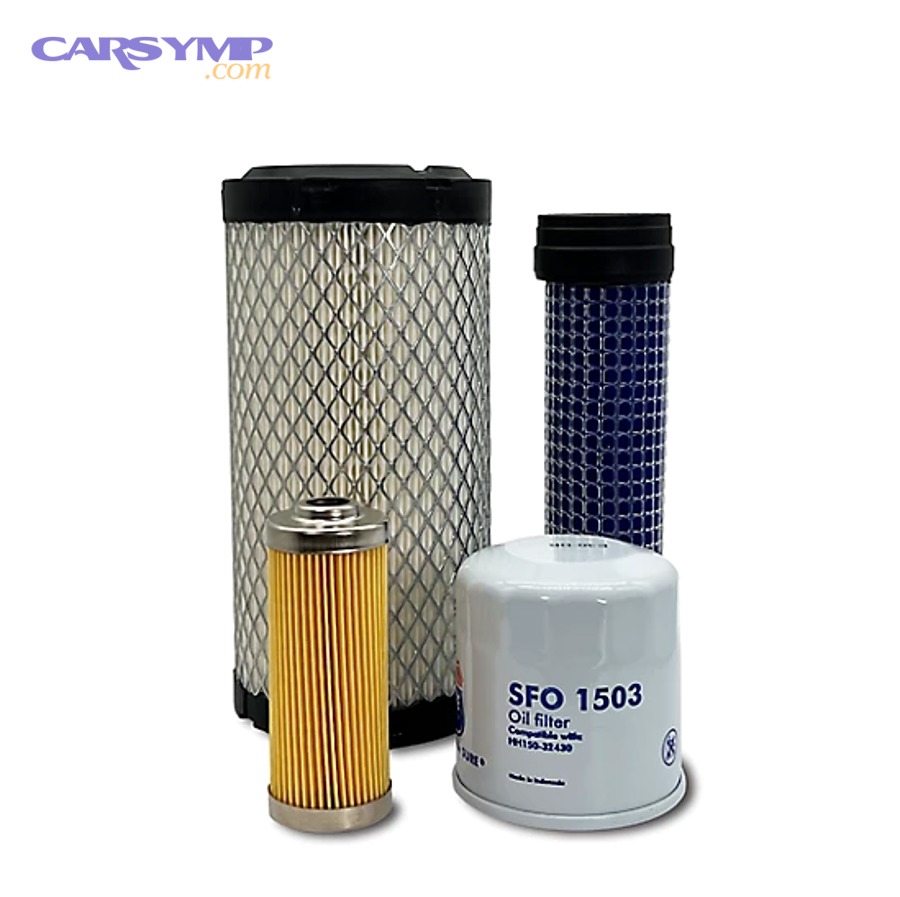
Besides setting intervals, the key is governance: the schedule should include how you review data, who can override intervals, and how you correct systemic issues like bypassing racks or undersized filter banks.
How do you avoid changing filters too early?
Changing too early is expensive and hides underlying problems. More specifically, avoid early replacement by:
- Using ΔP trendlines to predict end-of-life instead of “it looks a little dirty.”
- Setting a planning threshold (order/schedule work) below the dirty limit so you don’t panic-change.
- Standardizing inspection scoring with photos and defined criteria to reduce subjective calls.
This approach makes filter replacement a planned activity, not a reflex.
How do you avoid running filters too long?
Running too long usually happens because access is hard or parts aren’t stocked. More importantly, stop “overrun” by:
- Defining a hard stop (dirty ΔP limit or contamination trigger) that requires immediate action.
- Stocking critical SKUs so the schedule is not blocked by procurement lead times.
- Bundling access tasks so technicians don’t postpone filter work due to lift time.
In addition, remember that restriction isn’t just comfort—it can raise fan energy and reduce system resilience during extreme weather events.
How do you set “good enough” thresholds for ΔP, IAQ, and equipment protection?
Thresholds should reflect what failure costs you. Specifically, define “good enough” using:
- Equipment constraints: minimum airflow for coils, freeze protection, and ventilation requirements.
- Energy constraints: acceptable fan kWh drift or VFD speed drift over time.
- IAQ constraints: complaint rates, particulate monitoring (where available), or sensitive occupancy zones.
Once thresholds are set, you can defend decisions with data instead of opinions.
How do you use CMMS triggers and audits to keep the schedule reliable?
The best PM schedules stay accurate because they self-correct. So, build a simple audit loop:
- Monthly review: top 10 units by ΔP rise rate, top complaint zones, and any bypass findings.
- Quarterly tune: adjust inspection intervals where ΔP trends prove stability or instability.
- Annual reset: revisit filter specs, suppliers, rack conditions, and major building-use changes.
Thus, the schedule becomes a living standard that improves as your dataset grows—without changing the core “inspect on cadence, replace on condition” logic.
How do specialized filter specs and “edge conditions” change your PM schedule?
Specialized specs and edge conditions change your PM schedule by shifting the replacement trigger from time-based assumptions to performance limits (pressure drop, containment risk, or quality requirements), so high-stakes systems get stricter rules while low-risk systems stay efficient to maintain.

Especially in regulated or process-driven environments, the schedule must account for filtration stages, validation requirements, and unusual loading patterns that can make generic intervals misleading.
How do high-efficiency filters (MERV 13+, HEPA) affect pressure drop and energy planning?
Higher-efficiency filters can raise baseline pressure drop, which means you must plan for fan capacity and “economic change points” earlier. Specifically, your PM schedule should:
- Record a clean baseline ΔP at commissioning or immediately after installation.
- Set a planning threshold that triggers ordering and scheduling before restriction becomes operationally painful.
- Verify rack sealing because bypass defeats high-efficiency filtration goals.
Also, if you increase filtration efficiency for health or process reasons, ensure your team understands that the “right” interval might shorten, not because the filter is “worse,” but because it’s capturing more.
How do extreme dust, oil mist, humidity, or bioaerosols change inspection frequency?
Edge conditions usually accelerate loading or create safety issues. For example:
- Extreme dust: faster ΔP rise; use prefilters and tighten inspections.
- Oil mist: media can blind quickly; prioritize capture strategy and disposal controls.
- High humidity: wet filters can deform and foster microbial growth; inspect for moisture and ensure drain/coil issues aren’t the real cause.
- Bioaerosol risk: add PPE and containment steps to the SOP; schedule around occupancy where possible.
In these environments, a schedule that only says “replace every 90 days” will fail, because the true driver is exposure and restriction.
How should multi-stage filtration be scheduled (prefilter + final filter)?
Multi-stage filtration should be scheduled as a linked system: prefilters protect finals, so you replace prefilters more often to extend final-filter life. More specifically:
- Inspect both stages at the same time, recording ΔP if available for each stage or bank.
- Replace prefilters when they load, even if the final still looks good.
- Replace final filters when their ΔP approaches the limit or when downstream cleanliness requirements demand it.
This is where filter replacement becomes a cost strategy: prefilters are cheaper; finals are expensive; the schedule should reflect that economic reality.
How do fleet/vehicle filters fit into a facility PM program?
If your facility team also supports a fleet (service vehicles, forklifts, delivery vans), you can extend the same scheduling logic to vehicle filtration—inspect on cadence, replace on condition—while documenting the Performance and MPG impact of clogged filters as part of your operational rationale.
For modern fuel-injected vehicles, a U.S. Department of Energy summary of a February 2009 Oak Ridge National Laboratory study reports that changing a clogged engine air filter had no measurable effect on fuel economy, but improved performance (acceleration) by roughly 6–11% in testing—so your schedule can prioritize drivability and engine protection rather than assuming automatic MPG gains. ([energy.gov](https://www.energy.gov/eere/vehicles/fact-568-april-27-2009-modern-cars-replacing-air-filter-will-improve-performance-not?))
At the same time, older carbureted equipment may behave differently, so your maintenance plan should note the asset type and operating context rather than applying one blanket rule. If your shop SOP includes a Transmission filter service overview, keep it separate from engine intake filtration: transmission filtration is typically fluid-contamination driven (service intervals, fluid condition, and system wear indicators), not an airflow restriction problem. In other words, the PM schedule stays consistent, but the condition indicators change.