


Most drivers pay anywhere from about $75 to $150+ per filter at a shop, but the real number depends on which filter you’re replacing, how accessible it is on your vehicle, and how the shop prices labor and parts. (Source: repairpal.com)
Next, it helps to separate “cheap and quick” filters (engine air, cabin air) from filters that can turn into a bigger job (some fuel filters), because that’s where quotes can jump unexpectedly.
Then, you’ll want to know what’s included in the quoted price—parts quality, labor time, shop supplies, and taxes—so you can compare a dealer, mechanic, and quick-lube without guessing.
Introduce a new idea: once you understand the cost drivers, you can spot upsells, choose the right filter quality, and time replacements to match real-world wear—not just a generic interval.
What does “filter replacement at a shop” cost in total for most car owners?
For most car owners, a single filter replacement at a shop typically lands between ~$75 and ~$150+, because the final price bundles parts + labor + shop fees + taxes, and those totals vary by filter type and accessibility. (Source: repairpal.com)
More specifically, the “total” cost usually breaks down into four line items:
- Parts price: basic aftermarket vs OEM-style vs premium (activated carbon, electrostatic, etc.)
- Labor: billed time depends on access (top of engine bay vs behind glove box vs under vehicle)
- Shop supplies/fees: rags, cleaners, disposal, “shop supplies” percentages
- Taxes & local rates: your city/state can swing the bottom line
In addition, many shops don’t sell “filter replacement” as a standalone job in real life. They bundle it into oil changes, inspections, or a 30k/60k service package. That bundling can be convenient, but it also makes it harder to see whether the filter line item is priced fairly.
A practical way to sanity-check a quote is to ask two quick questions:
- “Is this parts + labor for just that filter, or part of a package?”
- “Is the filter basic, OEM-style, or premium?”
Evidence: According to RepairPal cost estimates, an engine air filter replacement averages $75–$96 and a cabin air filter replacement averages $85–$114 (parts and labor), showing how even “simple” filters commonly end up near or above $100 once labor and parts are included. (Source: repairpal.com)
How much does an engine air filter replacement cost at a mechanic vs a quick lube?
An engine air filter replacement usually costs about $75–$100 at many repair shops, but a quick lube may quote lower labor (or bundle it) while sometimes charging more markup on the part—so the “cheaper place” isn’t always cheaper on the invoice. (Source: repairpal.com)
However, the best way to understand the difference is to look at what you’re paying for:
What are you paying for in an engine air filter quote?
You’re paying for a relatively inexpensive part plus a small amount of labor, because most engine air filters are designed to be accessible inside the engine bay.
Typical quote components include:
- Filter element: varies by vehicle and quality tier
- Labor time: often short if the airbox is easy to open
- Inspection value: many shops include a quick look for intake leaks, rodent debris, or a mis-seated airbox seal
Because of that design, engine air filter service is one of the most commonly upsold items—easy to perform, fast to bill.
When does engine air filter replacement get more expensive?
It gets more expensive when access isn’t straightforward, for example:
- Tight packaging (some turbo setups and performance airboxes)
- Vehicles where the airbox is buried under covers or ducting
- Cars that require extra steps to reach the airbox clips or screws
Those cases don’t make it a “major repair,” but they can turn a 5-minute job into a longer billed labor line.
Evidence: According to a study by the University of Žilina from the Department of Road and Urban Transport, in 2020, the largest performance differences appeared under extreme clogging, while typical conditions showed a relatively low impact—meaning you should replace on condition/interval, not panic-replace early. (Source: mdpi.com)
How much does a cabin air filter replacement cost at a shop (and why can it vary so much)?
A cabin air filter replacement typically costs about $85–$115 at a shop, but it varies widely because filter quality tiers (basic vs activated carbon vs electrostatic) and access difficulty (glovebox vs under-cowl vs center console) change both parts pricing and labor time. (Source: repairpal.com)
Besides, cabin air filters are where “same service, totally different quote” happens most often. Two cars parked side by side can have cabin filters priced very differently simply because one takes 2 minutes behind the glovebox and the other requires trim removal or tight under-cowl access.
What causes cabin air filter price swings between shops?
The biggest drivers are:
- Location of the filter (easy glovebox drop vs buried access)
- Labor minimums (some shops bill a minimum time even if it’s quick)
- Filter grade (carbon for odor control, electrostatic media for fine particles)
- Markup policy (some shops use a high multiplier on small parts)
A smart comparison move is to ask the shop to write the part description clearly, e.g., “cabin filter — activated carbon” versus “cabin filter — standard.” That single line explains a lot about price differences.
Is paying more for a “better” cabin filter worth it?
It can be, if you’re solving a specific problem—odor, smoke, heavy urban pollution, allergies, or high HVAC use. Otherwise, a standard OEM-style cabin filter is usually enough for most drivers.
Evidence: According to a study by the University of California, Los Angeles (environmental health researchers) summarized in a NIOSH/CDC archival record, HEPA filters reduced in-cabin ultrafine particle number concentration by ~93% on average, compared with ~41–65% for in-use OEM filters under the tested conditions. (Source: stacks.cdc.gov)
How much does fuel filter replacement cost at a shop and when is it a bigger job?
Fuel filter replacement often costs about $90–$142 (parts and labor) as a general range, but it becomes a bigger job when the filter is integrated into the fuel pump module, mounted in a hard-to-access location, or requires special depressurizing/bleeding procedures. (Source: kbb.com)
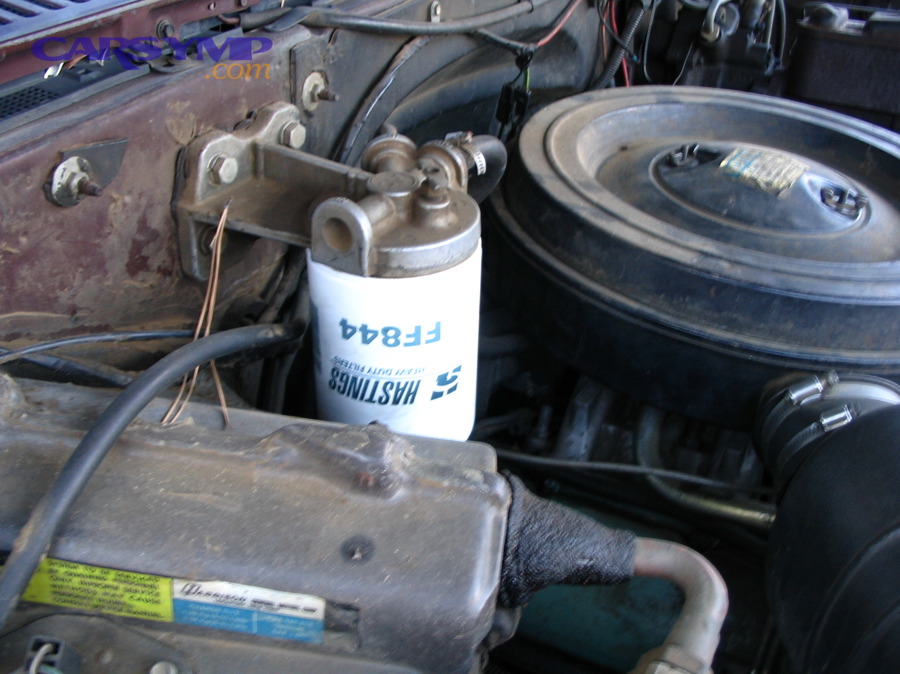
More importantly, fuel filters are not uniform across vehicles. Some are external “inline” filters that are straightforward. Others are effectively “built into the system,” and the service becomes more like fuel system work than simple filter swapping.
When is fuel filter replacement “simple”?
It’s usually simpler when:
- The filter is external and serviceable
- It has quick-connect fittings with accessible placement
- The vehicle has a clear, standard service procedure
In those cases, the job can resemble cabin filter pricing logic: part + modest labor.
When does fuel filter replacement become expensive?
Expect higher quotes when:
- The filter is inside the fuel tank as part of a pump assembly
- Access requires removing a seat, dropping a tank, or significant disassembly
- The shop needs extra steps for pressure relief and leak checks
- The vehicle is diesel with more complex filtration stages
In those scenarios, you’re paying for real labor time and higher-risk handling (fuel leaks, pressure, brittle lines), so the quote may be justified.
Evidence: According to Kelley Blue Book, fuel filter replacement often falls around $90–$142 (parts and labor) as a starting point, reinforcing that typical fuel filter quotes often overlap with cabin filter totals even before you hit “integrated module” complexity. (Source: kbb.com)
What’s the difference in shop cost between engine air vs cabin vs fuel filters?
Engine air filters are usually the lowest-cost shop filter service, cabin air filters are similar or slightly higher depending on access and filter grade, and fuel filters are the most variable—sometimes similar to the others, sometimes much higher when access or design complexity increases. (Source: repairpal.com)
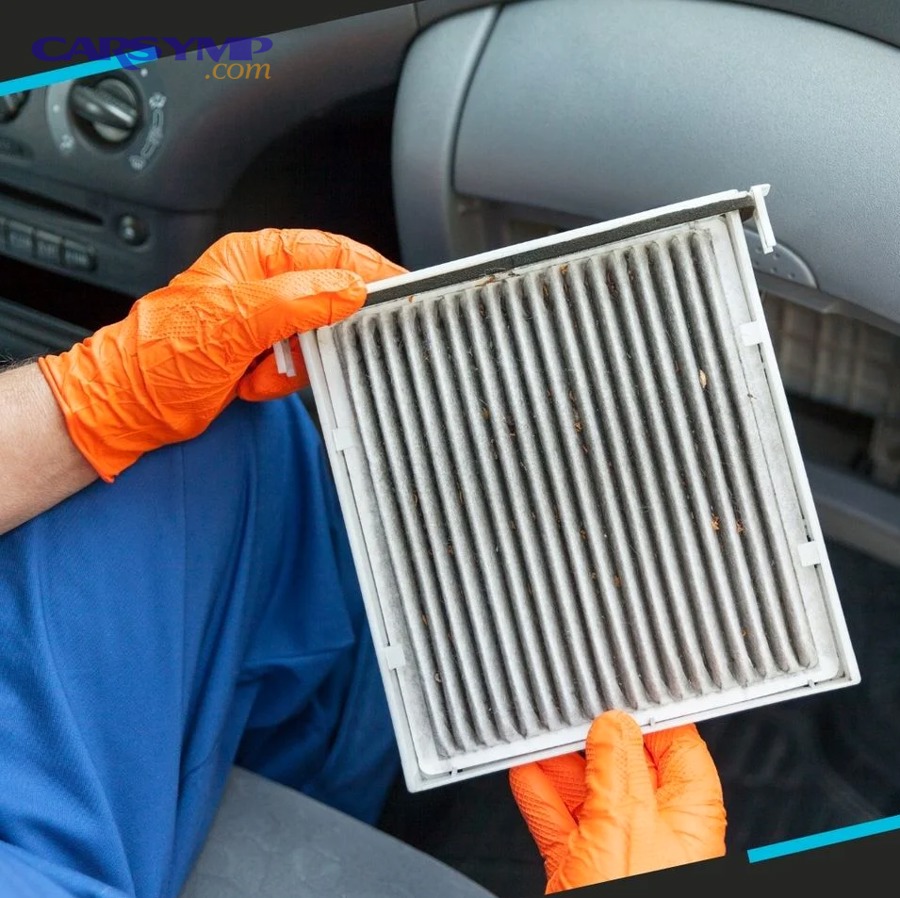
Meanwhile, many drivers don’t realize that the words “filter replacement” can describe three very different jobs. To make the comparison clear, here’s a practical range-style snapshot (not a quote for every vehicle, but a strong expectation-setter).
The table below compares typical shop price ranges and the main reasons those ranges move:
| Filter type | Typical shop cost range (parts + labor) | Why the range moves most |
|---|---|---|
| Engine air filter | ~$75–$96 | Access, shop minimum labor, part markup (Source: repairpal.com) |
| Cabin air filter | ~$85–$114 | Filter grade (carbon/electrostatic), access location (Source: repairpal.com) |
| Fuel filter | ~$90–$142+ | External vs in-tank/in-module design, access, procedure (Source: kbb.com) |
A useful way to interpret that table is: the part itself rarely explains the whole price—labor access and design choices do. That’s why two “filters” can be priced like totally different services.
Evidence: According to a study by Oak Ridge National Laboratory for the U.S. Department of Energy in February 2009, replacing a clogged engine air filter in modern fuel-injected vehicles improved acceleration times by ~6–11% while showing no measurable fuel economy effect—supporting the idea that engine air filter service is primarily about airflow/performance protection rather than guaranteed MPG gains. (Source: energy.gov)
How can you avoid overpaying for filter replacement at a shop?
You can avoid overpaying for filter replacement by getting itemized pricing, matching filter grade to your needs, and comparing the labor reality of access, because most inflated quotes come from unclear parts quality, bundled packages, or excessive markups on small jobs.
To better understand what you’re being quoted, use a simple 5-step approach:
- Ask for line items (parts + labor + fees).
If the shop won’t itemize, you can’t compare fairly. - Ask what filter grade they’re installing.
“Standard vs activated carbon vs electrostatic” changes part cost and value. - Ask where the filter is located and how long the job is billed.
If it’s glovebox access, billed time should usually be modest. If it’s under-cowl or buried, a higher time might be normal. - Compare the quote to a neutral estimate range.
Use a reference range once (not five websites) to keep the decision simple. This is exactly where RepairPal/KBB-style ranges are useful. (Source: repairpal.com) - Decline “replace early” recommendations unless there’s a reason.
If the filter is visibly dirty, airflow is reduced, HVAC smells, or service intervals are met—replace. If the filter looks clean and symptoms aren’t present, ask what they observed.
If you want an even stronger defense against upsells, set a personal rule: you approve filter services only when (a) the shop shows you the old filter, (b) the mileage/interval matches your plan, or (c) a clear symptom supports the replacement.
Evidence: Because reputable estimate sources show engine and cabin filter jobs commonly clustering near ~$100 once labor is included, a quote far above those ranges should trigger an “explain the labor/access/part grade” conversation rather than an automatic yes. (Source: repairpal.com)
How often should you replace each car filter and what special cases change the interval?
The best approach is to follow your owner’s manual plus real-world conditions, using a simple three-part method: check interval guidance, inspect for symptoms, and adjust for environment—so you replace filters often enough to protect the vehicle, but not so often you waste money.
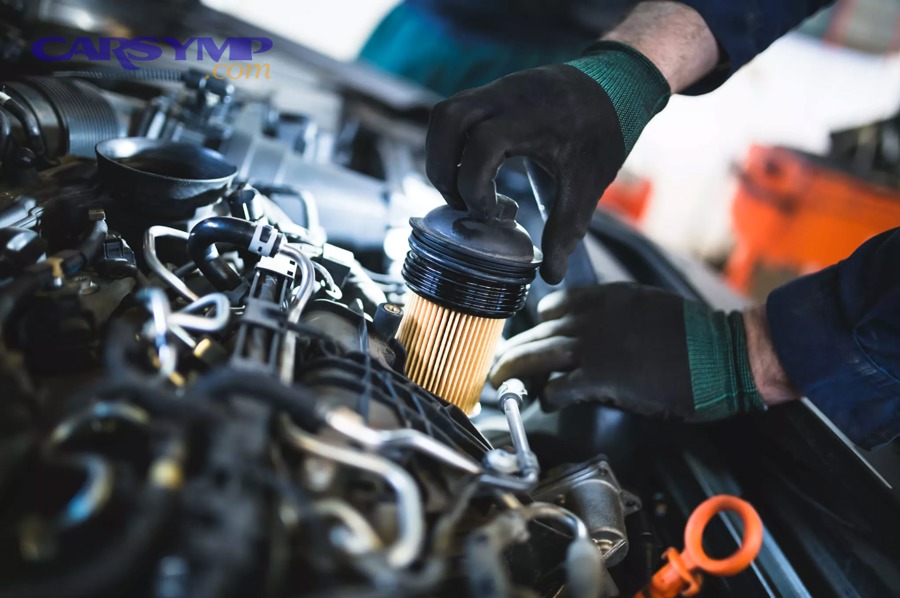
To begin, here’s the baseline logic most drivers can use:
What’s a practical preventive schedule for common car filters?
A Preventive maintenance filter schedule usually looks like this:
- Engine air filter: inspect regularly; replace when dirty or at the manual’s interval
- Cabin air filter: replace when airflow drops, odors appear, or at the manual’s interval
- Fuel filter: follow the manual; some vehicles go long intervals, others vary by engine type/design
This is the core answer to How often to replace common car filters: the “right” interval isn’t universal—it’s vehicle-specific plus environment-specific.
Which driving conditions shorten filter life the most?
Filter life often shortens when you drive in:
- Dusty rural roads / construction zones
- Heavy urban traffic (more particulates, more HVAC use)
- Wildfire smoke periods (cabin filters load quickly)
- High pollen seasons (cabin filters clog faster)
In these cases, inspection matters more than mileage math.
What symptoms mean a filter is overdue right now?
Use symptoms as your tie-breaker:
- Engine air filter: sluggish response at higher load, visible heavy dirt, debris in airbox
- Cabin air filter: weak vents, musty smell, more fogging, louder blower
- Fuel filter: hard starts, hesitation under load (more relevant where filters are serviceable)
When should you upgrade to a higher-grade cabin filter?
Upgrade when you’re targeting a specific problem—smoke, odor, allergies, or high pollution exposure. That’s where higher-efficiency media or activated carbon can add value beyond “just replace it.”
Evidence: According to a study by the University of California, Los Angeles (environmental health researchers) summarized in a NIOSH/CDC archive, higher-efficiency (HEPA) cabin filtration significantly reduced ultrafine particle exposure compared with OEM filters, which supports upgrading filter media in high-exposure scenarios rather than changing standard filters too frequently. (Source: stacks.cdc.gov)