


Clogged (dirty) filters can reduce performance and sometimes MPG because they restrict airflow, limit fuel delivery, and interfere with lubrication pressure—three pathways that force the engine (and driver) to work harder for the same result. (energy.gov)
Many drivers first notice the problem as symptoms—sluggish acceleration, hesitation under load, rough idle, hard starts, or warning lights—yet the symptoms can overlap across air, fuel, and oil systems, so the “which filter is it?” question matters.
You can often narrow the cause with fast, safe DIY checks—starting with the air filter inspection, then moving to fuel delivery clues, and finally treating any oil-pressure warnings as an immediate stop-and-check situation.
Introduce a new idea: the impact isn’t the same on every vehicle; modern fuel-injected engines behave differently from older carbureted setups, and severity (slightly dirty vs severely restricted) changes what you feel, what your MPG shows, and what you should fix first.
Do clogged (dirty) filters reduce performance and MPG? (Yes/No)
Yes—clogged filters can reduce performance and MPG because they restrict the engine’s airflow, starve the engine of fuel under demand, and disrupt oil flow/pressure that protects moving parts.
Next, because those three systems fail in different ways, the fastest path is to match the type of performance/MPG change to the filter most likely causing it.
Is performance loss from a clogged air filter more noticeable than MPG loss?
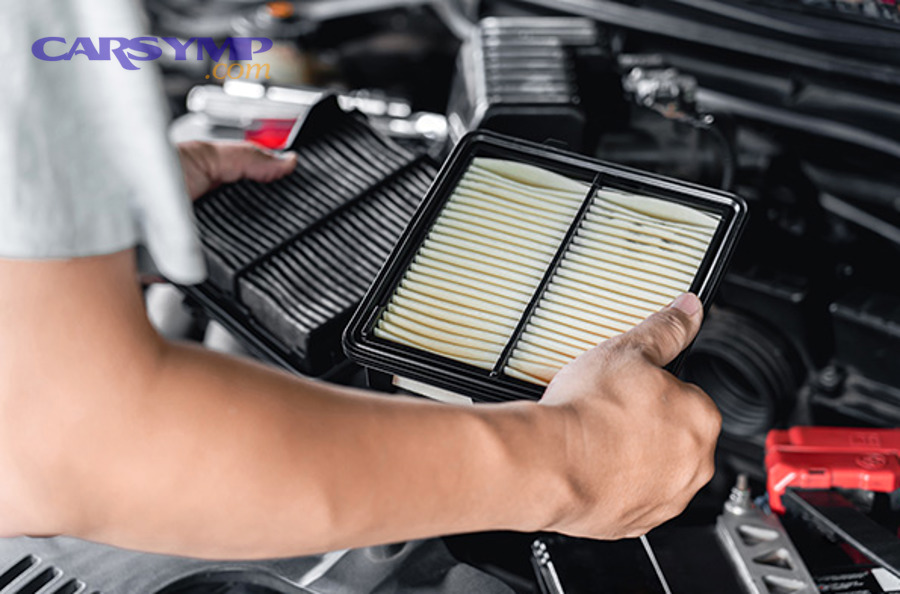
A clogged air filter is more likely to cause noticeable performance loss, while MPG loss is often smaller unless restriction becomes severe or the vehicle is older and more sensitive to intake restriction.
However, because drivers naturally press the throttle more when the car feels lazy, MPG can still drift downward even if the engine computer is trying to compensate.
Modern engines (closed-loop, fuel-injected) measure airflow and adjust fueling to maintain the correct air–fuel ratio. That helps stabilize fuel economy in mild-to-moderate restriction, but it can’t fully preserve power because power depends on how much air (and therefore fuel) the engine can process at higher loads and RPM. You’ll often feel this as:
- slower “pull” when merging,
- reduced throttle response,
- more downshifts on hills,
- and a general lack of pep.
A simple way to think about it: restriction steals peak airflow first, and peak airflow is what you rely on for acceleration. MPG, by contrast, is influenced by many other variables (speed, temperature, tire pressure, driving style), so small changes can be hard to detect without careful tracking.
Evidence: According to a study by Oak Ridge National Laboratory from the vehicle testing program, in February 2009, average acceleration times improved by 6% to 11% when vehicles ran on a clean air filter, while fuel economy showed no measurable effect for modern fuel-injected cars. (energy.gov)
Can a clogged fuel filter lower MPG and power at the same time?
Yes—a clogged fuel filter can lower both MPG and power because it restricts fuel flow during high demand, causes hesitation or misfire, and makes the driver compensate with more throttle and longer time at higher load.
Moreover, fuel restriction tends to show up when you ask for power, which is exactly when the engine needs stable pressure and volume.
A fuel filter’s job is simple: keep debris out of injectors and fuel system components. When it clogs, it becomes a bottleneck. Under light cruising, the engine may “get by,” but under acceleration, uphill driving, towing, or hot conditions, the restriction becomes obvious.
Common “both MPG and power” patterns include:
- Hesitation or stumbling under load: the engine can’t get enough fuel quickly.
- Longer acceleration time: you stay in lower gears longer, burning more fuel.
- Misfires or roughness: incomplete combustion wastes fuel and feels weak.
- Hard starts: pressure bleeds down or builds slowly, increasing cranking time.
If you feel the car struggle most when climbing, merging, or passing, fuel delivery climbs higher on the suspect list than the air filter—especially if the air filter looks reasonably clean.
Evidence: According to Firestone Complete Auto Care, a clogged fuel filter can restrict fuel flow and cause hesitation/stumbling during acceleration, especially uphill or under heavy load—classic conditions where drivers also see MPG drop from increased throttle demand. (firestonecompleteautocare.com)
Does a clogged oil filter affect MPG directly, or mostly engine health?
A clogged oil filter mostly affects engine health, while any MPG impact is usually indirect—through increased friction, protective “bypass” operation, or engine protection strategies triggered by oil-pressure issues.
Meanwhile, the risk is higher here: oil-pressure warnings are not “drive-it-later” symptoms.
Oil filters capture contaminants in engine oil. If the filter becomes restricted (or oil is very thick when cold), the system may route oil around the filter through a bypass path to prevent oil starvation. That keeps oil flowing, but it also means less filtration at the moment the engine needs protection.
So the practical takeaway is:
- You usually won’t see a clean “MPG drop = clogged oil filter” story.
- But you can see noisy operation, oil-pressure warnings, or accelerated wear if lubrication flow is compromised.
- The smartest “fix” is regular oil-and-filter service with the correct specification filter, not waiting for symptoms.
Evidence: According to FRAM, an oil filter bypass valve exists to protect the engine from damage when the filter is clogged or restricted, ensuring the engine still receives oil even if filtration is reduced. (fram.com)
What does “clogged filter” mean in cars, and why does it change MPG and power?
A clogged filter is a flow-restricting barrier (from dirt, debris, varnish, or degraded media) that reduces the volume and stability of air, fuel, or oil reaching critical engine systems, lowering power and sometimes MPG.
To better understand why the same word “clogged” causes different driving problems, it helps to focus on what kind of flow is being restricted.
What is “restriction” and how does it change airflow, fuel pressure, or oil flow?
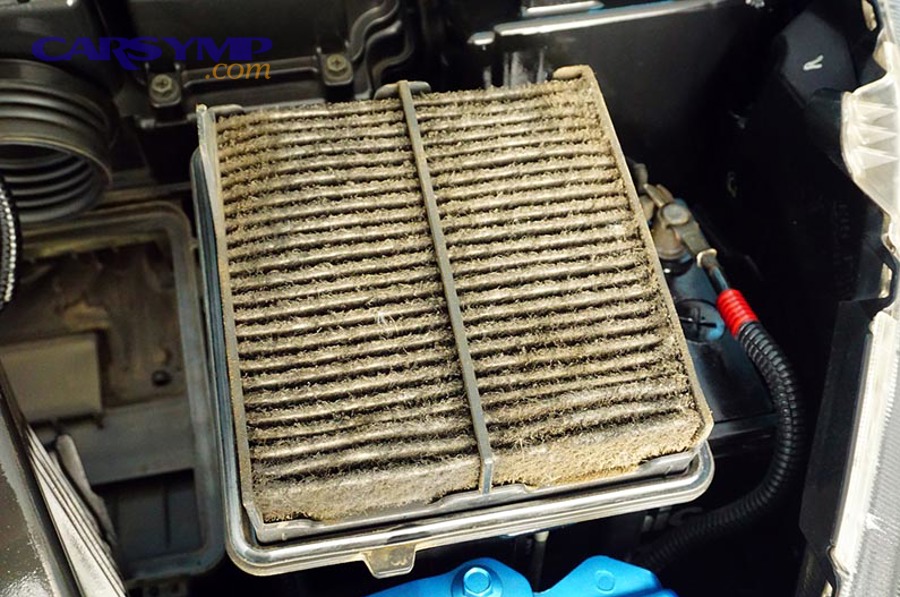
Restriction is the increase in resistance to flow that forces a system to work harder for the same throughput—reducing available airflow, dropping fuel pressure/volume under demand, or limiting oil flow through the filter media.
Specifically, each system reacts in a different, predictable way:
1) Air restriction (engine air filter)
- Less air mass enters the engine at higher demand.
- The engine cannot make the same torque at wide throttle openings.
- Driver perceives slower acceleration and more downshifts.
- MPG may stay similar at steady cruise but can worsen with frequent throttle compensation.
2) Fuel restriction (fuel filter)
- Fuel flow becomes unstable under load.
- Pressure may drop at the rail when you accelerate.
- The engine may hesitate, stumble, or misfire.
- MPG can drop because the engine runs inefficiently and the driver stays in high-load conditions longer.
3) Oil restriction (oil filter / cold oil)
- The oil pump pushes against higher resistance.
- Bypass may open to prevent starvation.
- Unfiltered oil may circulate temporarily.
- MPG effects are small; engine protection becomes the dominant concern.
What’s the difference between “dirty,” “blocked,” and “wrong filter installed”?
Dirty usually means gradual buildup, blocked means severe restriction or collapse that causes abrupt symptoms, and a wrong filter installed means the system may be restricted or leaking even when the filter looks “new.”
In addition, each condition changes how quickly the problem appears:
- Dirty (gradual): You acclimate to slow performance loss; MPG drifts subtly.
- Blocked/collapsed (sudden/severe): The car may hesitate sharply, stall, or throw warnings.
- Wrong filter or poor fit: You can get unfiltered air/fuel/oil bypassing the media (bad sealing) or unexpected restriction (incorrect spec), which creates confusing “new filter made it worse” scenarios.
This is why “I replaced the filter and now it runs worse” often points to a fitment problem, an over-oiled reusable filter affecting sensors, or a separate underlying issue that replacement simply didn’t address.
Which filters matter most for performance and MPG: air vs fuel vs oil?
There are 3 main filter types that most directly affect performance and MPG—engine air, fuel, and oil filters—based on which critical engine flow they protect (airflow, fuel delivery, or lubrication).
Besides, ranking them by “how much you feel it” depends on whether the problem shows up at steady cruise, under load, or as a warning-light event.
Which filter most commonly causes sluggish acceleration and poor throttle response?
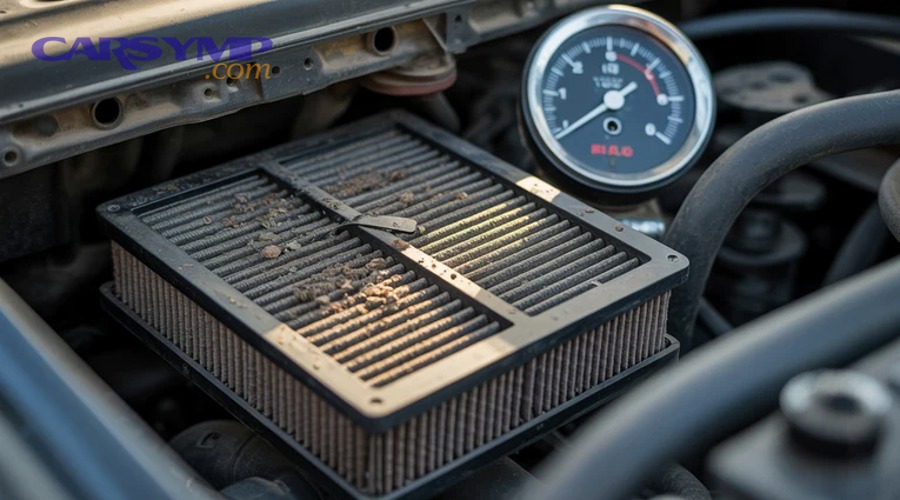
There are 2 most common filter-related causes of sluggish acceleration: a restricted engine air filter (airflow-limited power) and a restricted fuel filter (fuel-starved demand), based on whether the hesitation is smooth-and-weak or stumble-and-surge.
More specifically:
- Air filter restriction often feels like a smooth lack of pull—the car accelerates, just more slowly.
- Fuel filter restriction often feels like hesitation, stumbling, or “falling on its face” when you ask for power.
A quick “feel test” is whether the engine revs cleanly and smoothly (air restriction more likely) or feels like it’s cutting out under load (fuel restriction more likely).
Which filter is most likely to cause stalling, hesitation, or loss of power under load?
There are 2 filter-related culprits most associated with stalling or power loss under load: the fuel filter (most common) and the air filter (less common unless severely clogged), based on fuel-demand sensitivity during acceleration.
For example, if the car:
- stalls after a long hill,
- hesitates when the tank is low,
- struggles most on hot days,
- or loses power at higher RPM,
fuel delivery becomes the prime suspect because fuel volume requirements spike under those conditions.
Which filter is most likely to trigger warning lights or abnormal engine noise?
There are 2 filter-related scenarios most likely to trigger warning lights or abnormal noise: oil filter/oil-flow problems (oil pressure warnings, ticking/knocking risk) and fuel delivery problems (lean/misfire codes) based on system protection thresholds.
Especially with oil pressure, the engine may sound different quickly because lubrication is a protection system, not just a performance system.
What symptoms point to a clogged air filter vs a clogged fuel filter vs a clogged oil filter?
Air filter issues most often show smooth power loss, fuel filter issues most often show hesitation under load, and oil filter/lubrication issues most often show warnings or mechanical noise—each best identified by when the symptom appears and how sharply it occurs.
However, because symptoms overlap, a structured comparison prevents expensive guesswork.
Before the lists, here’s a quick symptom map so readers can self-triage. This table compares the most common symptom patterns across air, fuel, and oil-related restriction.
| Symptom pattern | Air filter restriction | Fuel filter restriction | Oil flow/pressure issue |
|---|---|---|---|
| Smooth weak acceleration | Common | Sometimes | Rare |
| Hesitation/stumble under load | Sometimes (severe) | Very common | Rare |
| Hard starting | Uncommon | Common | Uncommon |
| Rough idle / misfire feel | Sometimes | Common | Sometimes (if severe) |
| Warning light urgency | Low | Medium | High |
| “Stop driving now” risk | Low | Medium | High |
What are the most reliable symptoms of a clogged engine air filter?
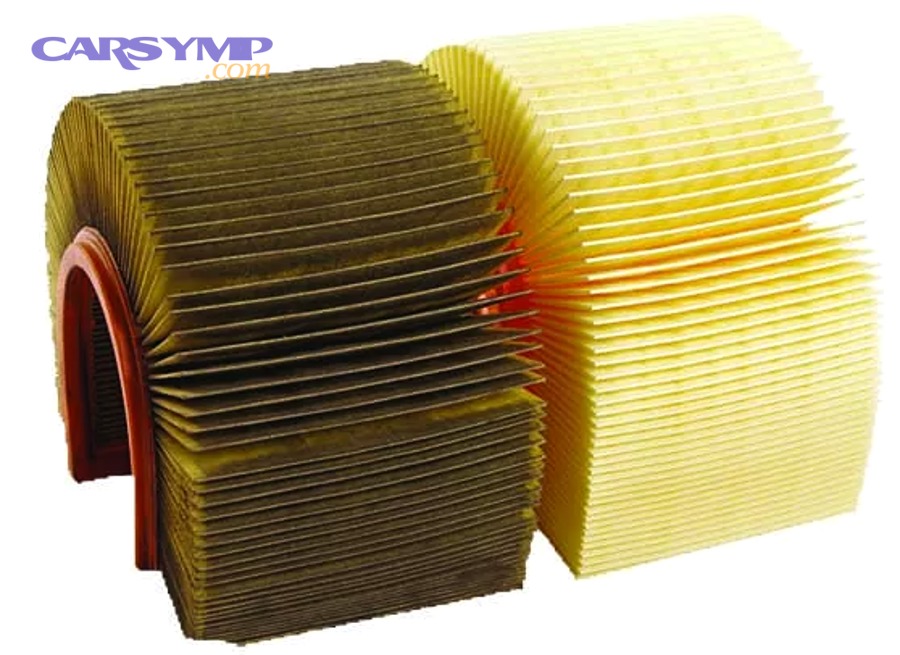
There are 5 reliable symptoms of a clogged engine air filter: smooth loss of power, slower acceleration, reduced high-RPM pull, increased downshifting on hills, and visibly dirty/packed filter media—based on airflow limitation rather than fuel instability.
To illustrate, the air filter pattern is usually consistent (the car is always a bit weaker), not intermittent.
- Gradual sluggishness that you notice most when accelerating.
- Reduced response when you tip into the throttle.
- More downshifts on grades that didn’t bother the car before.
- Dirty filter evidence: packed pleats, heavy debris, damp or oily contamination (especially if reusable).
- Airbox/housing issues: cracked housing, missing seals, or debris downstream.
If you pull the filter and it looks like it’s been through a dust storm, you’ve likely found at least part of the problem.
What are the most reliable symptoms of a clogged fuel filter?
There are 6 reliable symptoms of a clogged fuel filter: hesitation under load, stumbling on acceleration, hard starts, rough idle, stalling, and power loss at higher speeds—based on inadequate fuel flow when demand rises.
In addition, fuel restriction often feels worse when you need the car most: merging, passing, climbing, towing, or carrying heavy loads.
- Hesitation right as you press the accelerator.
- Stumble that can feel like a brief misfire under load.
- Hard starting especially after sitting or on cold starts.
- Stalling at idle or shortly after acceleration.
- Loss of power at highway speeds or at higher RPM.
- Whining fuel pump sound (sometimes), because the pump is working harder against restriction.
Evidence: According to Firestone Complete Auto Care, sluggish acceleration and hesitation—especially uphill or under heavy load—are common signs of a clogged fuel filter restricting fuel flow during higher demand. (firestonecompleteautocare.com)
What are the most reliable symptoms of oil filter/lubrication restriction problems?
There are 4 high-priority symptoms linked to oil flow/pressure problems: oil pressure warning light, ticking/knocking sounds, overheating risk from friction, and sudden worsening noise on cold starts—based on lubrication starvation risk rather than simple performance loss.
More importantly, oil pressure warnings require immediate caution because engine damage can escalate fast.
- Oil pressure light or warning message: stop safely and investigate.
- New ticking/knocking that rises with engine speed.
- Burning smell or overheating accompanied by noise changes.
- Oil filter/housing leaks after a recent service (can cause pressure loss).
Even if the filter is not the root cause, the symptom is severe enough that you should prioritize protection over diagnosis-by-driving.
How can you diagnose clogged filters with DIY checks before major repairs?
There are 4 practical DIY diagnosis stages—air filter inspection, fuel delivery clues, oil-pressure safety checks, and look-alike elimination—that can pinpoint the most likely clogged filter without jumping to major repairs.
Then, once you confirm the likely system, you can choose the most cost-effective next step.
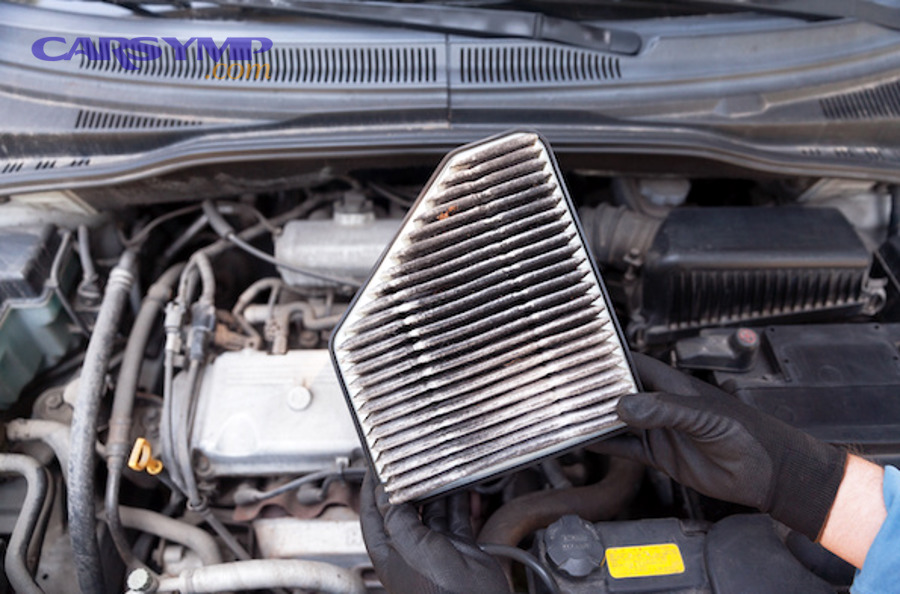
How do you check an engine air filter correctly in 2 minutes?
A correct 2-minute air-filter check is a quick inspection of filter loading, pleat condition, and housing seal that tells you whether airflow restriction is likely and whether simple filter replacement is justified.
To begin, you want a clean, repeatable routine so you don’t miss basic issues.
Fast method:
- Turn engine off and open the airbox clips/screws.
- Lift the filter and check the “clean side” (engine side) for dust—dust there suggests sealing issues.
- Check pleats: if the pleats are packed, dark, or full of debris, restriction is likely.
- Check moisture/oil: wet filters can swell and restrict airflow; oily residue may point to crankcase ventilation issues or over-oiled reusable filters.
- Check the airbox seal: warped covers or missing gaskets can bypass filtration or create turbulence.
If the filter fails inspection, filter replacement is one of the cheapest high-confidence maintenance actions you can take.
How do you confirm a fuel filter restriction without guessing?
You confirm fuel filter restriction by correlating load-based symptoms with measured fuel pressure/volume (or a professional test) and a maintenance history that suggests contamination—rather than replacing parts based on “it feels like fuel.”
Next, the key is to separate flow restriction from pump weakness because both cause similar symptoms.
Practical confirmation options:
- Maintenance history check: If the filter interval is overdue (or unknown) and symptoms match load-based hesitation, restriction becomes plausible.
- Fuel pressure test: A shop or skilled DIYer can measure pressure under load; restriction often shows pressure sag when demand rises.
- Volume test (where applicable): Confirms the system can deliver enough fuel over time, not just peak pressure.
- Filter inspection (if external): On some vehicles, the old filter can be cut open by a shop to check for debris—helpful for diagnosing tank contamination.
When access is difficult (some modern vehicles integrate filters into pump modules), testing becomes more valuable than guessing.
Evidence: According to RepairPal, fuel filter replacement can be a non-trivial job cost-wise on many vehicles, which makes testing and confirmation smart before replacing parts unnecessarily. (repairpal.com)
How do you rule out look-alikes (bad MAF, vacuum leak, weak fuel pump) vs a clogged filter?
A clogged filter is most consistent and load-linked, a vacuum leak often causes lean idle/roughness, a bad MAF can cause wide-ranging fueling errors, and a weak fuel pump often worsens as it heats up—each “wins” in a different symptom pattern.
However, because symptoms overlap, a quick differential checklist saves time and money.
Quick “look-alike” eliminators:
- Vacuum leak: rough idle improves with throttle, possible hissing, lean codes, inconsistent idle.
- MAF contamination/failure: odd fueling across many conditions, sometimes worse right after airbox work or over-oiled filters.
- Weak fuel pump: gradual worsening over time, louder pump, more failure when hot or low fuel.
- Spark/ignition issues: misfire under load, but often accompanied by specific misfire codes and roughness not tied to fuel level.
If you replaced the air filter and immediately got worse drivability, consider:
- airbox not seated,
- torn filter seal,
- MAF disturbed,
- or wrong filter spec.
When is it unsafe to keep driving and you should stop immediately?
Yes—there are times you should stop driving immediately because continuing risks engine damage: an oil pressure warning, severe misfire/stalling in traffic, or sudden power loss that compromises safe merging and braking response.
More importantly, safety and engine protection beat “getting home” when warning signs are clear.
Stop and reassess if you see:
- Oil pressure light / “Stop engine” warnings
- Loud knocking/ticking that appears suddenly
- Repeated stalling at intersections
- Severe hesitation that makes merging unsafe
- Fuel smell or leaks (fire risk)
At that point, diagnosing in a safe location (or towing) is usually cheaper than repairing damage caused by continued driving.
What are the best “fixes” for clogged filters, and how fast will MPG/performance improve?
The best fix is targeted service—replace or correctly clean the restricted filter, verify proper installation, and confirm results with a short test drive—often restoring performance immediately and improving MPG over the next few tanks if the driver previously compensated with extra throttle.
Thus, the goal is not only to “swap parts,” but to restore stable airflow, fuel delivery, and lubrication while avoiding repeat contamination.
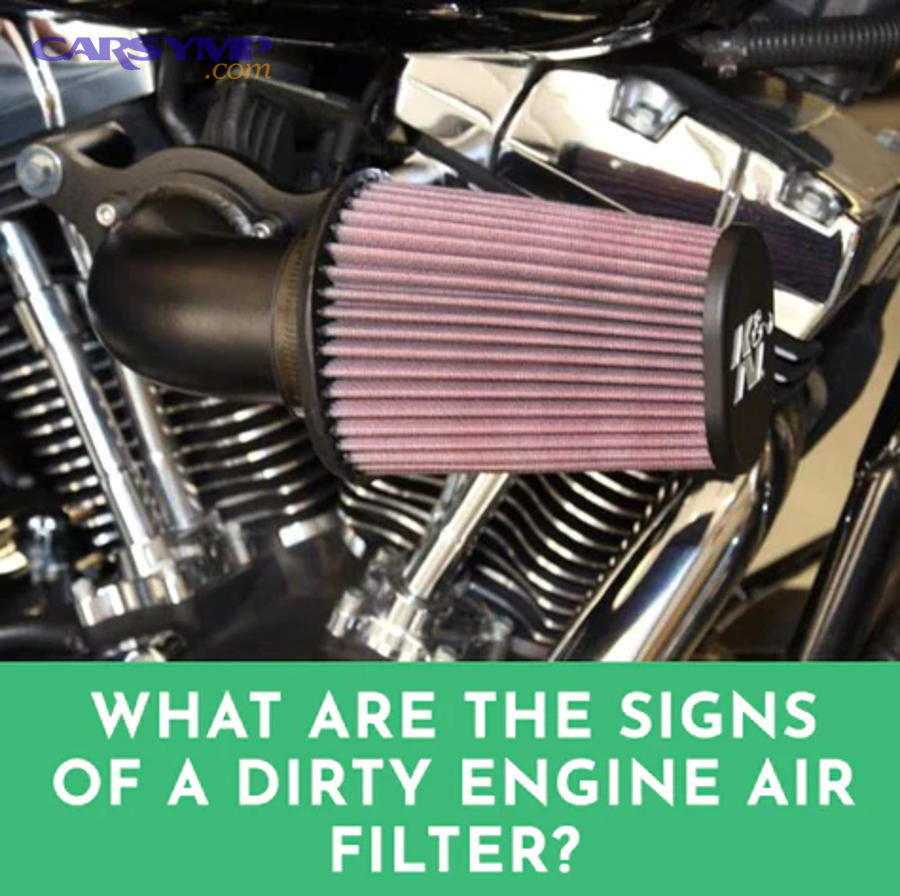
If you want a fast, practical decision framework, use this short guide:
- If the air filter is visibly packed → replace it.
- If the fuel symptoms are load-based and the service history is unknown/overdue → test or replace based on access and cost.
- If oil service is overdue or you have pressure warnings → service immediately and inspect for underlying issues.
And yes—people often ask about “how much will it cost,” so we’ll address the Cost of filter replacement at a shop with realistic ranges (always varying by vehicle, access, and location).
Cost context table: The table below summarizes common shop price ranges mentioned by widely used consumer estimators and cost guides, so you can compare DIY parts-only vs shop-installed service.
| Service | DIY parts-only (typical) | Shop-installed (typical) |
|---|---|---|
| Engine air filter | Low (often under $40) | About $40–$90 in many markets (yelp.com) |
| Fuel filter | Varies widely by vehicle/access | Commonly $242–$305 average estimate (repairpal.com) |
| Oil & filter change | N/A (depends on oil spec) | About $35–$75 conventional; $65–$125 synthetic (kbb.com) |
Should you clean or replace the air filter—and what about reusable/oiled filters?
Replacing wins for simplicity and consistency, cleaning wins for certain reusable designs when done correctly, and oiled filters are optimal only when the user can maintain them precisely without over-oiling—based on reliability, sensor risk, and total cost over time.
However, the “best” choice is the one that restores correct airflow and keeps filtration effective.
Replace (paper element) when:
- the pleats are packed with dust/debris,
- the filter is deformed or water-damaged,
- the seal is crushed or brittle,
- or you want the highest confidence with minimal fuss.
Clean (reusable foam/cotton) when:
- you have the correct cleaner and drying time,
- the filter media is intact (no tears),
- and you can re-oil (if required) sparingly and evenly.
Common mistakes with reusable/oiled filters:
- Over-oiling, which can contaminate sensors on some setups and cause drivability issues.
- Reinstalling damp, which can restrict airflow and pull moisture into the intake.
- Skipping seal inspection, which allows unfiltered air to bypass.
In most daily-driver contexts, a quality standard filter is the most predictable path to stable drivability.
When should you replace a fuel filter, and what else should be checked at the same time?
There are 4 common times to replace a fuel filter: when symptoms match load-based fuel restriction, when the service interval is due/unknown, after contaminated fuel events, or when diagnostic testing shows pressure/volume drop—based on risk and confirmation level.
In addition, fuel restriction often stresses other components, so a “replace and forget” mindset can miss the real cause.
Replace or service fuel filtration when:
- Symptoms are classic (hesitation under load, stumbling, stalling) and other basics check out.
- History is overdue or unknown—especially on vehicles with serviceable inline filters.
- Contamination is suspected (dirty tank, rust, repeated clogged filters).
- Testing confirms it (pressure sag under load, poor volume delivery).
Check alongside the fuel filter:
- fuel pump sound and performance,
- fuel lines for kinks/leaks,
- fuel tank contamination (if repeat issues),
- and injector performance if drivability remains poor after filtration service.
Evidence: According to RepairPal, average fuel filter replacement costs can land in the mid-hundreds on many vehicles, which is one reason confirmation/testing is valuable—especially where access is labor-intensive. (repairpal.com)
Does replacing filters “restore MPG,” or do you need additional maintenance?
Filter service restores the airflow/fuel delivery baseline, but MPG recovery is best when combined with correct tire pressure, proper spark/ignition health, and realistic driving behavior—filters win for mechanical restriction, while other maintenance wins for overall efficiency.
Meanwhile, MPG isn’t a “single-variable” measurement, so you need a clean way to verify improvement.
How fast results show up:
- Performance: often immediate—especially if the filter was severely restricted.
- MPG: typically clearer over 1–3 fill-ups because driving conditions vary.
A simple verification plan:
- Reset your trip meter or MPG tracker.
- Drive a similar route for several days.
- Compare averages over at least a week.
DIY filter replacement checklist (quick, high-confidence):
- Confirm correct part number and orientation.
- Inspect housing seals and mating surfaces.
- Ensure clamps/airbox fasteners fully close.
- Avoid contaminating sensors and connectors.
- Test drive and re-check for unusual noises or warning lights.
If you’re thinking beyond engine filters, a Transmission filter service overview matters for long-term reliability: some transmissions have serviceable filters, others have screens, and many “lifetime fluid” claims still benefit from interval-based fluid service depending on use. (gilshalfmoon.com)
What are the uncommon filter-related edge cases that change performance/MPG outcomes?
There are 4 uncommon but meaningful edge cases—cabin filter HVAC load, oil filter bypass behavior, turbocharger sensitivity to restriction, and frequent false positives—based on indirect load changes and system design differences.
Especially when the “usual fixes” don’t change anything, these edge cases explain why your results may not match someone else’s.
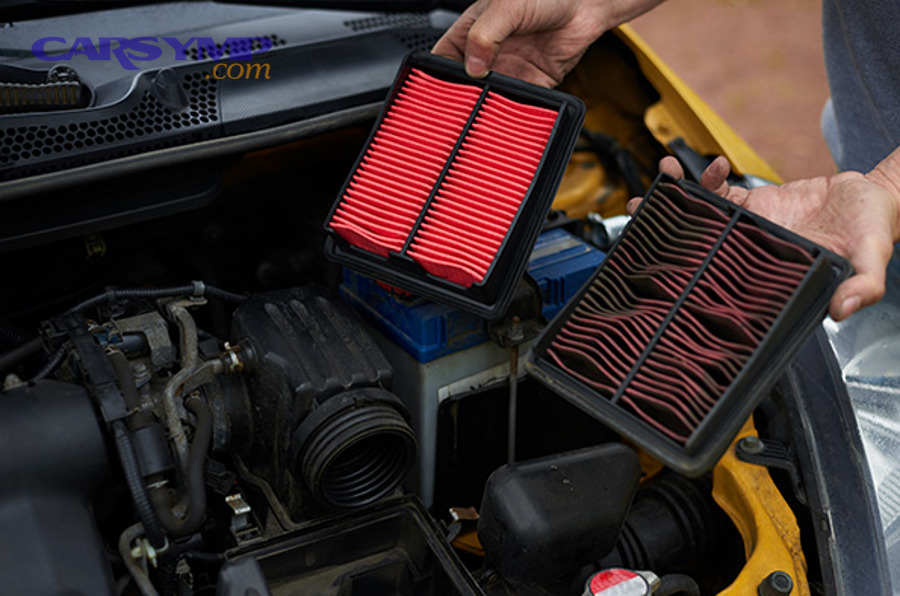
Can a dirty cabin air filter reduce MPG indirectly (clogged vs clean HVAC airflow)?
Yes—a dirty cabin air filter can reduce MPG indirectly because restricted cabin airflow can make the HVAC system work harder, increasing accessory load that the engine must power, even though it does not restrict engine breathing.
However, the effect is usually small and most noticeable when you use A/C or high fan speeds regularly.
A practical way to interpret this:
- Cabin filter restriction affects comfort system efficiency, not engine combustion.
- If airflow is poor, drivers may crank fan speed or A/C longer, increasing load.
- The MPG change is usually modest and situational.
Evidence: According to a peer-reviewed 2023 study on vehicle cabin air systems, increased recirculation reduced average climate system power demand by up to 27% in tested conditions—showing HVAC power can meaningfully change engine load depending on operating mode. (pmc.ncbi.nlm.nih.gov)
How does the oil filter bypass valve affect engine wear when a filter is clogged?
An oil filter bypass valve is a pressure-relief path that opens when the filter is clogged or oil is too thick, allowing oil to reach the engine to prevent starvation, but potentially circulating less-filtered oil that can increase wear over time.
More specifically, it’s a trade-off: “oil now” is safer than “perfectly filtered oil later.”
What this means for drivers:
- Bypass operation is a protective feature, not a performance feature.
- Frequent bypass events (from neglected oil service or wrong oil viscosity) can increase contamination exposure.
- Regular oil-and-filter service is how you keep bypass events rare.
Evidence: According to FRAM, the bypass valve is designed to protect engines from damage due to oil starvation when the filter is restricted. (fram.com)
Do turbocharged engines respond differently to intake restriction than naturally aspirated engines?
Turbocharged engines are often more sensitive to intake restriction at the “feel” level because restriction can affect turbo spool and airflow demand, while naturally aspirated engines show a more linear, smooth power reduction—turbo wins in peak compensation, NA wins in simplicity and predictability.
On the other hand, a turbo can sometimes mask mild restriction at low load, then feel abruptly weak when you ask for boost.
Practical signs restriction may be interacting with turbo behavior:
- boost builds later than normal,
- acceleration feels delayed then flat,
- and performance drops are more obvious on hot days or under sustained load.
If your vehicle is turbocharged and performance issues persist after basic filter service, it becomes more important to rule out boost leaks, intercooler hose issues, or sensor problems.
What are the most common “false positives” where filters are blamed but the real issue is elsewhere?
There are 5 common false positives: vacuum leaks, dirty/failing airflow sensors, weak fuel pumps, ignition problems (plugs/coils), and exhaust restrictions—based on symptom overlap with restricted airflow/fuel flow.
To sum up, a good diagnosis doesn’t ask “which part is popular,” it asks “which failure pattern fits best.”
Use this fast sanity check:
- If symptoms are intermittent and code-driven → suspect sensors, ignition, or leaks.
- If symptoms are load-based and worsening → suspect fuel delivery restriction or pump weakness.
- If symptoms are smooth and constant → suspect intake restriction or mechanical baseline issues.
- If you have warning lights for oil pressure → stop and treat as urgent.
Evidence (selected)
- Oak Ridge National Laboratory / U.S. Department of Energy: modern fuel-injected vehicles showed acceleration improvement (6–11%) with a clean air filter, while fuel economy had no measurable change in that study summary. (energy.gov)
- Firestone Complete Auto Care: load-based hesitation and sluggish acceleration are common symptoms of fuel filter restriction. (firestonecompleteautocare.com)
- RepairPal: average fuel filter replacement cost ranges commonly in the mid-hundreds depending on vehicle and labor. (repairpal.com)
- FRAM: oil filter bypass valve exists to prevent oil starvation when restriction is present. (fram.com)
- Peer-reviewed cabin climate system power findings (context for indirect accessory load impacts). (pmc.ncbi.nlm.nih.gov)