


Most head gasket replacement jobs take about 6–12 labor hours, but the real number depends on engine layout, access, and whether the cylinder head needs machine-shop work. That’s why two quotes for “the same head gasket repair” can land days apart on the schedule.
To plan the downtime correctly, you need more than a single hour estimate—you need to understand what adds time (two cylinder banks, timing components, broken fasteners, overheating damage) and what the shop means by book time vs calendar time.
You also need a clear, step-by-step picture of the job, because the steps explain the time: disassembly and head removal, inspection and surface prep, then reassembly with correct bolt tightening and cooling-system verification.
Introduce a new idea: once you understand the labor-time range and the process, you can compare “repair vs replace” wording and build an apples-to-apples checklist for quotes—so you’re paying for the right work, not surprise add-ons.
How many labor hours does a head gasket replacement usually take?
A head gasket replacement usually takes 6–12 labor hours on many common passenger vehicles, but the range expands because engine access, timing-system complexity, and cylinder-head condition can add multiple hours. Then, that same “labor time” can turn into 1–3+ calendar days when parts, scheduling, or machining enter the picture.
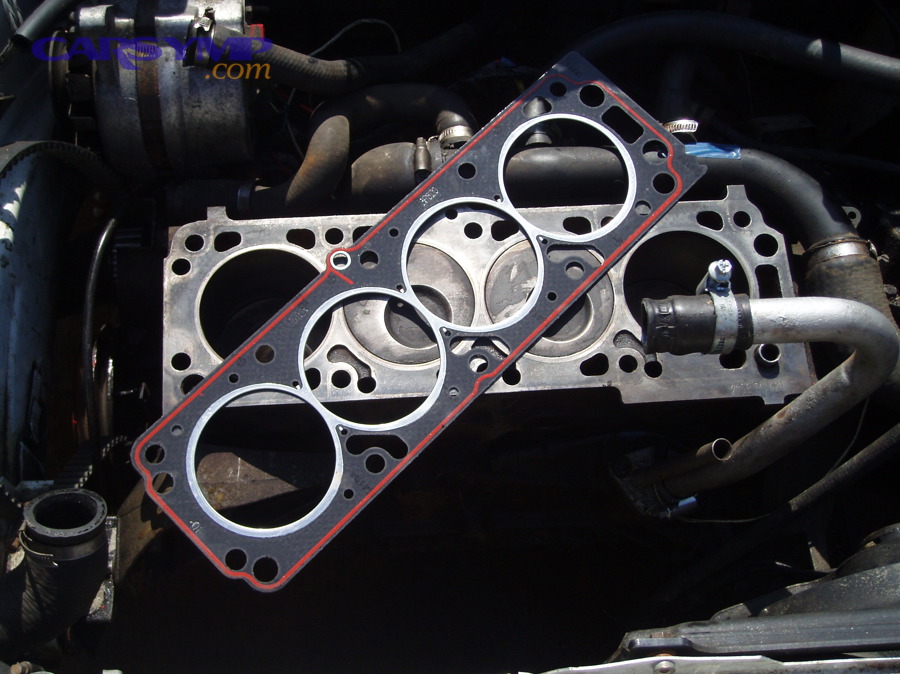
Is head gasket labor time typically 6–12 hours for most cars?
Yes—head gasket replacement labor time is often 6–12 hours for many cars, because (1) many inline engines have one cylinder head and straightforward access, (2) modern shops follow a repeatable removal-and-reinstall workflow, and (3) parts availability and common tools keep the process efficient when there’s no additional damage.
Next, it helps to connect that “yes” to reality, because “most cars” does not mean “all cars.”
Reason 1: Typical packaging keeps the workflow predictable.
On many front-wheel-drive sedans with an inline-4, the engine bay is tight but familiar. A technician removes intake and exhaust connections, drains fluids, removes the valve cover and timing components, and lifts the head. If fasteners cooperate and the head is reusable without machining, the job stays near the common range.
Reason 2: Shops estimate using published labor guides (book time).
Most repair shops don’t guess. They reference labor guides or manufacturer procedures that assign an hour total for the job on that model. That number helps them quote consistently and schedule bays.
Reason 3: The “one big step” is time-controlled: access.
Once a technician can reach the head and timing components, the rest becomes procedural—cleaning, gasket placement, bolt torque sequence, reassembly, refill, and test.
However, you should expect the time to jump above 12 hours when the job includes any of the following:
- Two cylinder heads (many V6/V8 engines)
- Turbocharged engines with extra plumbing and heat shields
- All-wheel-drive packaging that blocks access
- Seized or broken fasteners from rust or heat cycling
- Overheating damage that requires head resurfacing or replacement
According to a study by National Cheng Kung University from the Department of Mechanical Engineering, in 2017, temperature-distribution modeling for a water-cooled engine showed numerical predictions aligning with experimental data within 20%, highlighting how sensitive cylinder-head temperatures are to cooling conditions and why overheating-related head issues can complicate gasket work.
What factors change head gasket labor time the most?
Head gasket labor time changes most because of access, engine layout, and condition-related extra work, and each factor directly controls how much disassembly, cleaning, and verification the technician must perform. Then, the more a shop must “step outside” a standard removal-and-reinstall routine, the more the labor hours expand.
Specifically, these factors tend to matter most:
1) Engine layout and access (the biggest multiplier).
Transverse engines (mounted sideways, common in front-wheel-drive cars) often limit access to the rear of the engine, turning simple bolt removal into careful, time-consuming work. Longitudinal engines (mounted front-to-back, common in rear-wheel-drive trucks) may offer better access, but sometimes require removing heavy accessories.
2) Number of cylinder heads and banks.
A single-head inline engine is one workflow. A V engine often doubles the head-related steps—two head mating surfaces, two sets of exhaust connections, two valve covers, and often more gasket interfaces.
3) Timing system involvement.
Many engines require removing a timing belt or timing chain components to remove the head. That adds steps, alignment requirements, and “do it once” caution because timing errors can cause severe engine damage.
4) Prior overheating and cylinder-head condition.
This is where head gasket repair stops being “just a gasket.” If the engine overheated, the head can warp, the sealing surface can degrade, or cracks can appear. That triggers measurement, potential machine-shop work, or replacement decisions.
5) Fastener risk and corrosion.
Rusty exhaust studs, heat-cycled bolts, and tight engine bays increase the chance of snapped fasteners, which can add hours quickly.
6) Shop workflow variables (calendar time vs labor time).
Even if labor hours are stable, your car may wait for machine shop scheduling, parts delivery, a technician’s bay availability, or re-testing after cool-down and heat cycling.
How do labor times differ for inline engines vs V engines?
Inline engines win in simplicity and labor time, V engines are best for power density but usually higher labor, and “boxer”/flat engines can be optimal for low center of gravity but sometimes difficult access depending on the model. Then, once you compare the layouts, the labor-time spread makes sense.
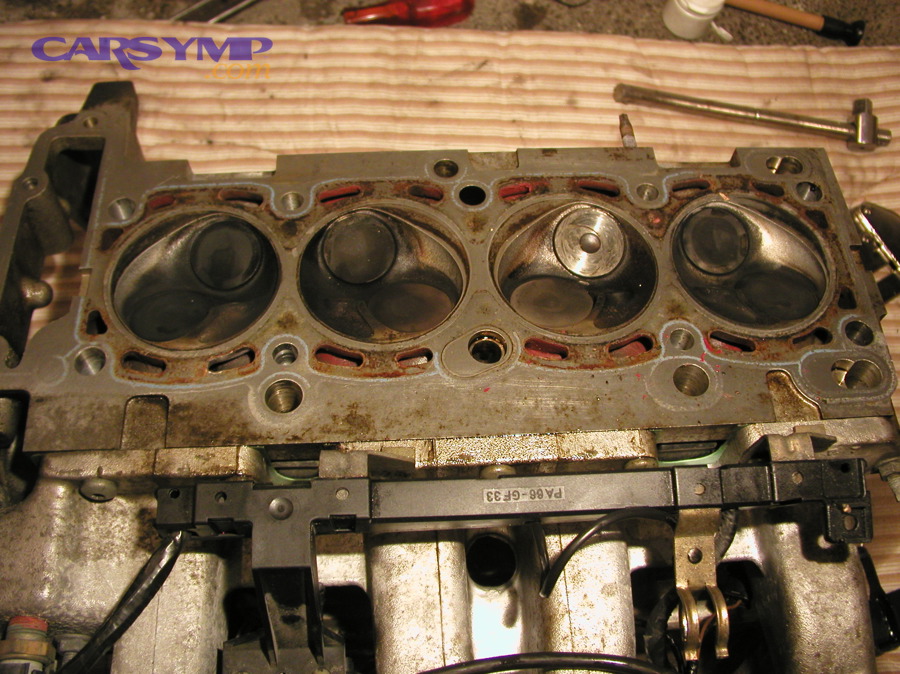
Inline (I4/I6): usually faster.
One cylinder head means fewer head-related parts to remove and reinstall. Fewer exhaust and intake sealing surfaces reduce time spent cleaning and resealing. Many inline engines have a familiar, repeatable workflow that stays closer to baseline labor hours.
V engines (V6/V8): usually slower.
Two cylinder heads often mean more parts, more gasket surfaces, and more “while you’re there” opportunities. One bank may be harder to access than the other, especially on transverse V6 engines. The chance of exhaust fastener issues often rises because of heat and packaging.
Boxer/flat engines: variable.
Heads are on the sides, which can increase access challenges depending on the chassis. Some models require significant component removal to reach head bolts properly.
A practical takeaway for car owners: if your engine has two heads, expect a wider estimate range—and ask the shop whether the quote includes both banks and any required timing work.
What are the exact steps in a head gasket replacement job?
A head gasket replacement is a multi-stage engine sealing procedure that removes the cylinder head, restores sealing surfaces, installs a new gasket with correct bolt clamping, and verifies cooling-system integrity—because a gasket only survives if the head, block, and fasteners create even, stable pressure.
Then, if you match the steps to the labor-time estimate, you’ll see exactly where the hours come from.
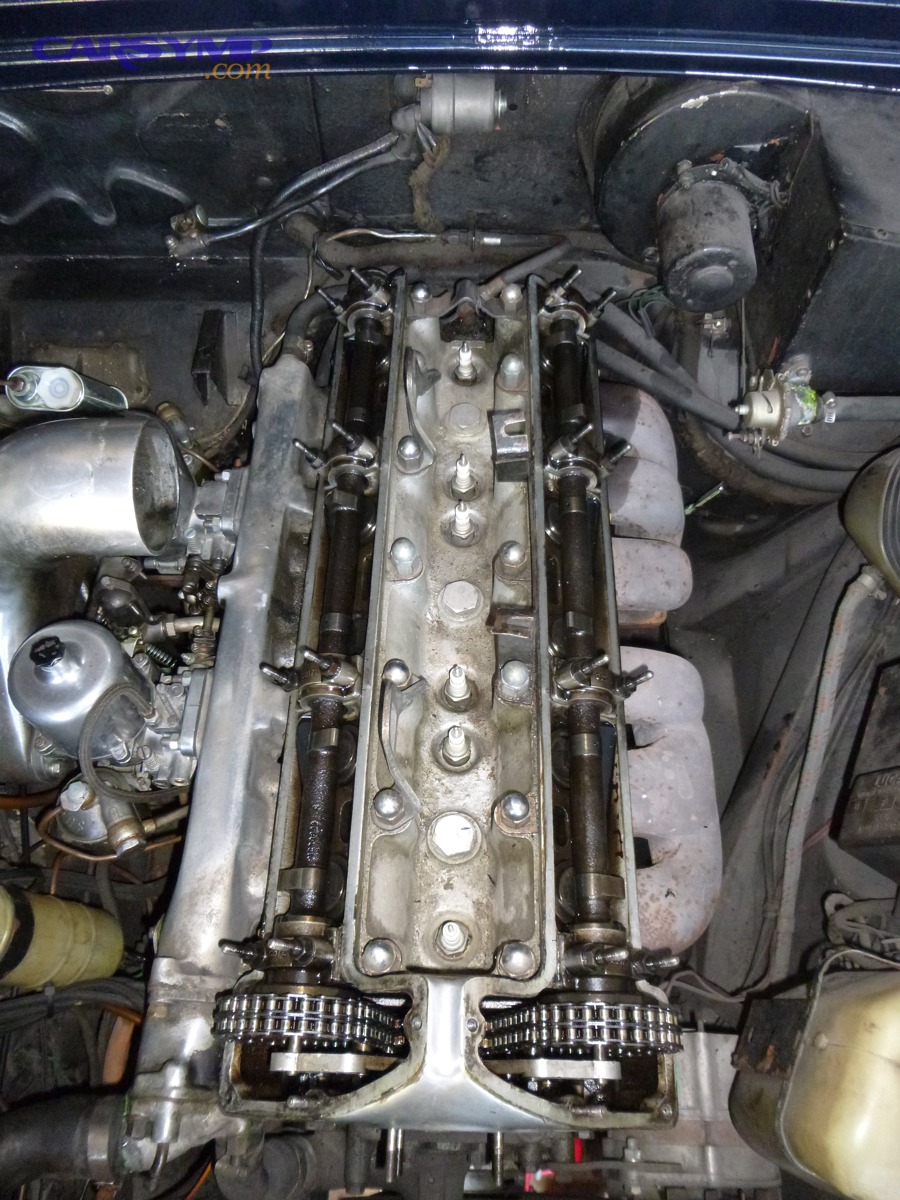
What gets removed before the cylinder head comes off?
There are 6 main removal groups before the cylinder head comes off: (1) fluids and accessories, (2) intake-side components, (3) exhaust-side components, (4) ignition/fuel connections, (5) valve cover and valvetrain access, and (6) timing components—based on what blocks the head bolts and head lift path.
Next, understanding these groups helps you interpret a quote that seems “too high” or “too low.”
1) Fluids and basic access
- Drain coolant (and often oil, depending on contamination risk)
- Remove engine covers, air intake ducting, and splash shields
- Label and protect connectors and hoses
2) Intake-side removal
- Intake manifold or plenum (plus gaskets)
- Throttle body connections
- Vacuum lines, EVAP lines, PCV hoses
3) Exhaust-side removal
- Heat shields, oxygen sensor connectors
- Exhaust manifold bolts/studs (common corrosion point)
- Turbo plumbing (if applicable)
4) Ignition and fuel-related items
- Coil packs or ignition wires
- Injectors/fuel rail (varies by engine)
- Sensor connectors that cross the head
5) Valve cover and valvetrain access
- Valve cover removal
- Cam components (in some designs)
- Rocker assemblies or cam carriers (engine-specific)
6) Timing components
- Timing belt removal and tension release, or timing chain guides/tensioners
- Alignment marks, locking tools, and careful tracking of timing position
A key point: some engines require special fixtures or specific removal order. That doesn’t make the job “mystical,” but it does make it slower when access is tight.
What happens after the head is removed—inspection and prep steps?
After head removal, the job shifts to inspection and surface preparation, which means cleaning mating surfaces, checking for warpage or cracks, and confirming the cause of failure—because installing a new gasket on damaged surfaces is a common reason for repeat Head gasket failure symptoms.
Specifically, this stage is where “head gasket repair” becomes either a straightforward replacement or a bigger decision.
1) Confirm failure patterns
- Look for breach areas between combustion rings and coolant passages
- Check for coolant tracks, oil contamination, or combustion staining
- Note cylinder-to-cylinder leakage areas (compression escape paths)
2) Clean and protect the engine block
- Remove old gasket material carefully without gouging
- Prevent debris from entering oil/coolant passages
- Clean bolt holes and chase threads when appropriate
3) Measure and evaluate the cylinder head
- Check head flatness with a straightedge and feeler gauge (method varies)
- Inspect for erosion around coolant ports
- Evaluate cracks (especially after severe overheating)
4) Decide on machine-shop work
- Resurfacing (milling) if the head is warped beyond acceptable limits
- Pressure testing (common on aluminum heads after overheating)
- Valve inspection if the engine ran hot long enough to affect seating
According to a study by SAE International (technical paper 2021-28-0152) from an engine thermal safety investigation, in 2021, researchers noted that running an engine without coolant can lead to multiple failures including cylinder head gasket failure, reinforcing why overheating history can turn a “simple gasket” job into inspection-heavy work.
What are the critical reassembly steps that prevent repeat failure?
The critical reassembly steps are correct gasket placement, correct bolt clamping, correct timing alignment, and correct cooling-system refill/bleed, because the head gasket survives by maintaining even clamp load while the engine repeatedly heats and cools.
Then, if you want to avoid a comeback, these are the steps that deserve the most attention.
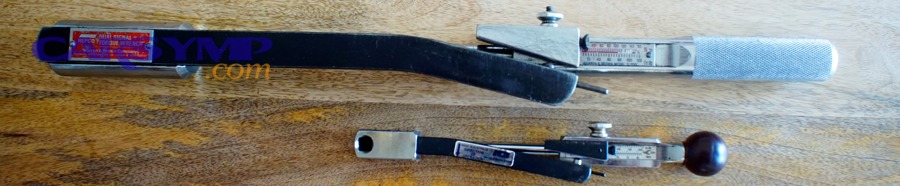
1) Use the right parts and sequence
- Install the correct head gasket for the engine and orientation
- Replace head bolts if the engine uses torque-to-yield bolts
- Replace any single-use seals specified by the service procedure
2) Follow the bolt torque sequence exactly
- Tighten in the correct order (usually center-out pattern)
- Use the specified torque stages and torque-angle steps
- Pause intervals if the procedure requires it
3) Restore timing correctly
- Align timing marks precisely
- Install tensioners/guides as specified
- Rotate the engine by hand (when required) to verify timing
4) Refill and bleed the cooling system correctly
- Use the correct coolant type and mix ratio
- Bleed air properly (some engines require specific bleed points or vacuum-fill tools)
- Verify fans cycle and temperature stabilizes on test drive
5) Verify sealing and operation
- Check for external leaks (coolant and oil)
- Monitor misfires, overheating, and pressure behavior
- Recheck fluid levels after a heat cycle
This is also where “Preventing head gasket failure” starts to look practical: correct torque technique, cooling system integrity, and avoiding overheating are the long-term safeguards.
Does “head gasket repair” mean repair—or replacement?
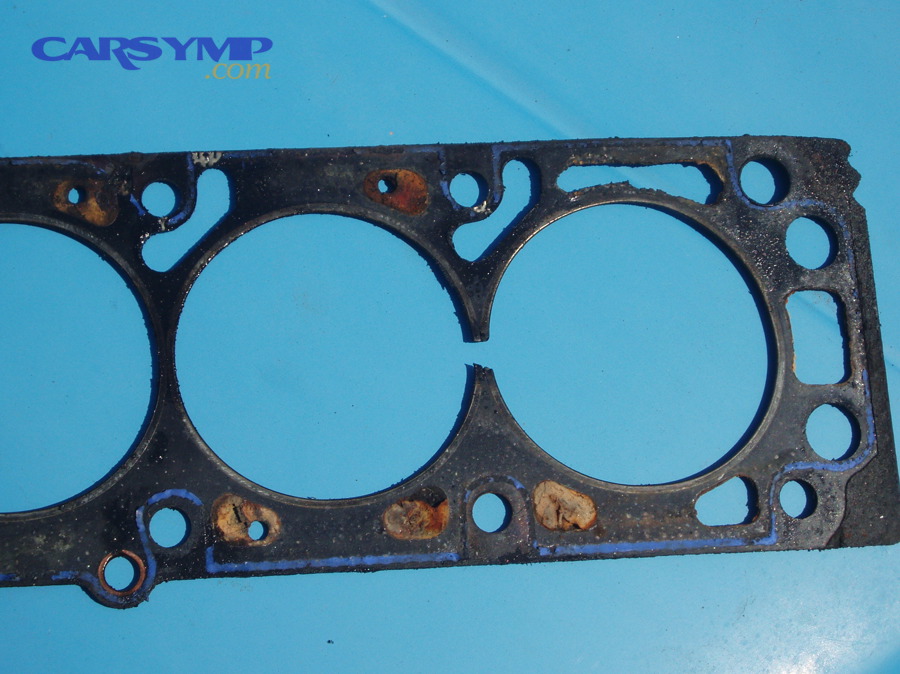
“Head gasket repair” is usually a head gasket replacement service with additional corrective steps when needed, because the gasket itself is not typically “patched” in a durable way—shops remove the head and install a new gasket to restore sealing between the block and head.
Next, clarifying the wording matters because quotes can hide scope differences behind a single phrase.
Is a “head gasket repair” basically always a head gasket replacement?
Yes—“head gasket repair” is basically a head gasket replacement in most professional settings, because (1) the gasket is a crush-style seal designed for one-time clamping, (2) reliable sealing requires head removal and surface prep, and (3) the causes of failure often involve heat and surface condition that must be corrected, not covered.
Then, once you accept that reality, you can evaluate the quote for what it truly includes.
Reason 1: The gasket is not a reusable component.
A head gasket is engineered to seal combustion pressure, coolant, and oil passages under temperature cycling. Once crushed and heat-cycled, it isn’t designed to be resealed by “tightening a little more.”
Reason 2: The sealing surfaces matter as much as the gasket.
A new gasket can’t compensate for a warped head, pitted surface, or debris in the mating area. Proper repair focuses on the surfaces and clamp load.
Reason 3: Coolant and oil contamination risks require proper remediation.
When a gasket fails, fluids can mix. A “repair” that doesn’t address contamination and system integrity increases the chance of recurring Head gasket failure symptoms.
That said, you may see chemical sealants marketed as “repair.” Those products can sometimes reduce symptoms temporarily, but they rarely match the durability of proper mechanical replacement—especially when the failure involves combustion pressure leakage.
What’s included in labor vs what is billed as extra?
Labor typically includes the remove-and-reinstall work needed to access and replace the gasket, while “extra” items are usually machine-shop services, replacement hardware, and overlapping maintenance that are optional or condition-based. Then, the safest way to compare quotes is to identify which line items are in each bucket.
To illustrate how quotes differ, here’s what each category often contains:
Usually included in base labor (depending on shop and engine)
- Disassembly to reach the head
- Head removal and gasket replacement
- Reassembly and basic testing
- Fluid refill (sometimes fluids are separate)
Commonly billed as extra
- Cylinder head resurfacing and pressure testing
- New head bolts (especially torque-to-yield designs)
- Timing belt/chain components if the procedure requires removal or if wear is found
- Thermostat, water pump, hoses (sometimes recommended for reliability)
- Oil and coolant flushes if contamination occurred
- Additional diagnostics if the failure cause is unclear
If you’re seeing large differences in estimates, ask the shop to spell out which items are assumed and which are conditional.
When does the job shift from “replace the gasket” to “major engine repair”?
Replacing the gasket stays a standard job when the engine has no significant overheating damage, but it shifts into major engine repair when the head or block shows warpage, cracks, erosion, or bearing-risk contamination. Then, the decision becomes less about the gasket and more about the engine’s structural health.
Here are the typical “upgrade” triggers:
1) Severe overheating history
- Warped cylinder head beyond serviceable limits
- Softened aluminum head material or eroded sealing surfaces
- Repeated overheating events that suggest systemic cooling failure
2) Cracks or pressure-test failure
- Cracks between valves or in combustion areas
- Pressure-test results that show internal leakage paths
3) Coolant in oil (bearing risk)
- Milky oil, sludge, or confirmed coolant contamination
- Extended driving with contamination can damage bearings and journals
This is where the Risks of driving with a bad head gasket become critical. Continued driving can escalate a manageable gasket replacement into a rebuild or engine replacement by compounding heat damage and lubrication failure.
Can you estimate your own labor time before getting quotes?
You can estimate your own head gasket labor time by using a 4-factor checklist—engine layout, access level, timing involvement, and overheating damage risk—to predict whether the job fits a baseline range or belongs in a higher bracket, which helps you plan downtime and evaluate quotes.
Next, this estimation approach becomes most useful when you use it to ask smarter questions rather than trying to “out-guess” a shop.
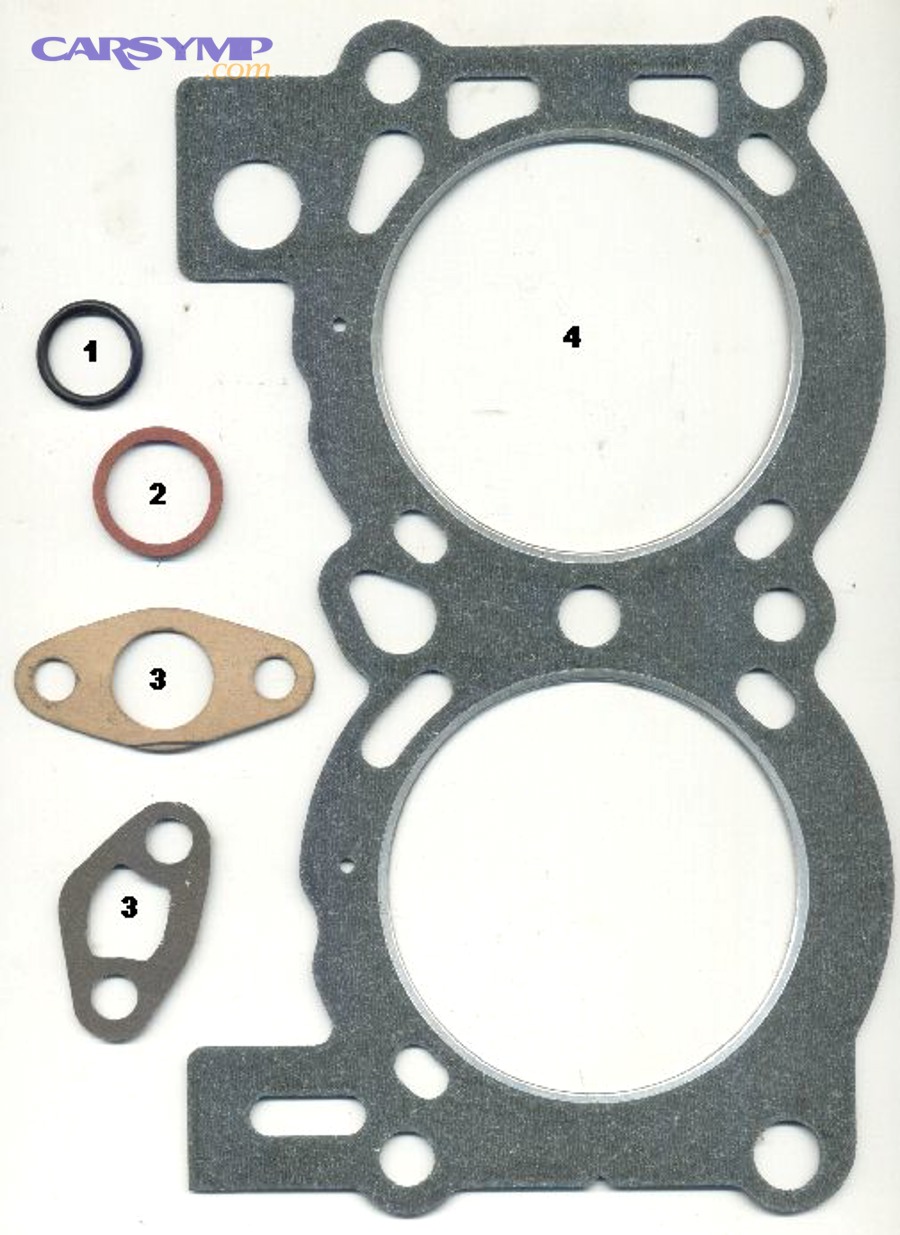
What questions should you ask a shop to confirm the labor estimate?
There are 8 essential questions to confirm a head gasket labor estimate: (1) what labor guide hours they’re using, (2) whether the quote assumes machining, (3) whether head bolts are included, (4) what timing work is included, (5) what fluids are included, (6) what “while you’re there” items are recommended, (7) what testing is included, and (8) what warranty terms apply—based on separating baseline labor from conditional work.
Then, you can compare quotes without getting trapped by vague wording.
- What labor hours are you quoting (book time), and for which exact engine?
- Does the estimate assume the head is reusable as-is, or does it include resurfacing/pressure testing?
- Are new head bolts included (especially torque-to-yield bolts)?
- Does the job require timing belt/chain removal, and is timing component replacement included or optional?
- Are coolant and oil included, and does the job include flushing if contamination is found?
- What happens if fasteners break or the head is cracked—how do you handle additional authorization?
- What verification tests will you run after completion (pressure test, combustion gas test, road test)?
- What warranty do you provide on parts and labor, and what conditions can void it (overheating, neglected coolant)?
These questions also help you track Head gasket failure symptoms and ensure the shop verifies the fix rather than stopping at reassembly.
How do you translate labor hours into days without guessing?
You translate labor hours into days by combining quoted labor hours with three schedule variables—shop backlog, parts lead time, and machine-shop turnaround—to forecast realistic calendar time, which prevents the common mistake of assuming “10 hours” means “one day.”
Then, you can plan transportation and avoid pressure decisions.
Step 1: Start with labor hours.
If a shop quotes 8–12 labor hours, that’s the hands-on work time.
Step 2: Ask how those hours are scheduled.
Some shops schedule the job across multiple blocks, not a single continuous day.
Step 3: Add the biggest calendar-time drivers.
Backlog (earliest bay slot), parts availability, and machine shop turnaround all affect completion dates.
Step 4: Add verification time.
Good shops often do a heat cycle, recheck fluids, and confirm no leaks after cool-down.
This is why two shops can quote the same labor hours but different completion dates.
Should you DIY a head gasket replacement to save labor time or money?
Head gasket DIY can win on money, a professional shop is best for speed and reduced risk, and a hybrid approach is optimal for experienced DIYers with machine-shop support and proper tools. Then, the right choice depends on whether your goal is cost reduction or minimizing downtime and risk.
DIY advantages (money and learning)
- You avoid shop labor rates
- You can replace related components on your own schedule
- You gain direct control over parts selection
DIY disadvantages (time and risk)
- The job often takes significantly longer without lift access, specialty tools, and experience
- Timing errors or improper bolt clamping can damage the engine
- Surface prep mistakes can cause leaks and repeat failures
When DIY is most reasonable
- You have strong mechanical experience
- You can follow a service manual precisely
- You have a reliable machine shop for head inspection/resurfacing
- You can tolerate longer downtime
If you’re considering DIY because you’re already seeing Head gasket failure symptoms, remember that the “extra” steps—surface prep, bolt procedure, cooling-system bleeding—are often where first-time DIYers lose time and create repeat problems.
What “rare” issues can extend head gasket labor time or cause repeat failure?
Rare issues extend labor time or cause repeat failure because they change the job from a standard replacement into a precision sealing and verification project, where machining, surface finish, hidden cracks, and post-repair testing become essential.
Then, knowing these micro-issues helps you understand why one quote includes “extra steps” that another shop skips.
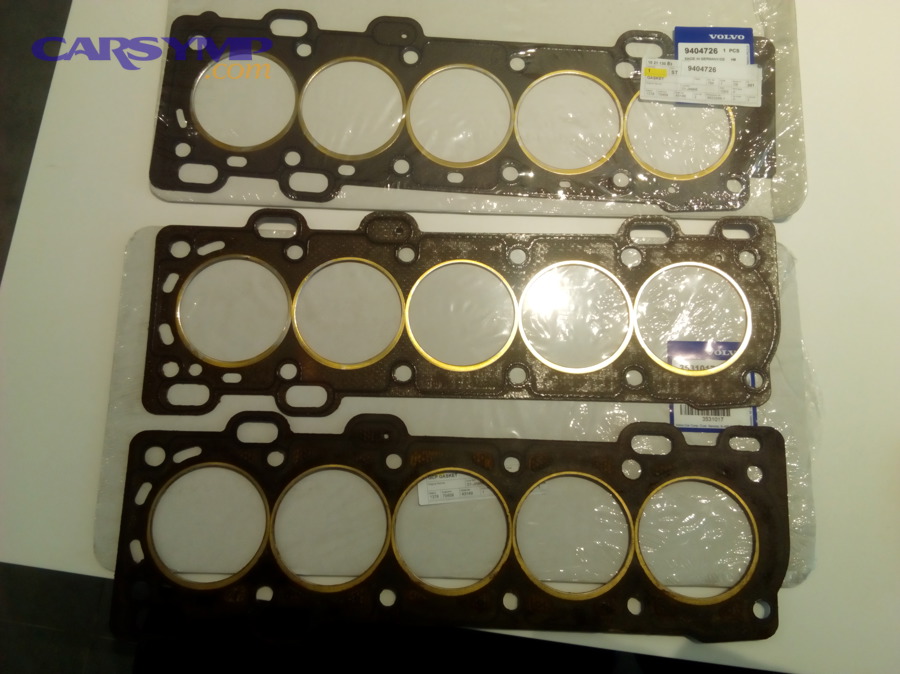
How do machine shop steps (pressure test/resurface) change total turnaround time?
Machine-shop steps change turnaround time by adding off-vehicle processing—inspection, pressure testing, and resurfacing—so the car often waits even when labor hours don’t rise dramatically. Then, the job becomes dependent on third-party scheduling and measurement results.
Common machine-shop operations that affect time:
- Pressure testing: Confirms whether the head has internal leaks or cracks
- Resurfacing (milling): Restores flatness and sealing surface condition
- Valve inspection/service: Sometimes recommended if overheating was severe
Why this matters for head gasket repair: resurfacing can be the difference between a durable seal and a repeat leak—especially after an overheating event.
According to a study by SAE International from an engine thermal safety investigation, in 2021, researchers described how coolant loss can cascade into multiple failures including head gasket failure, supporting the idea that overheating-related head concerns justify deeper inspection steps.
Why do surface finish requirements matter for MLS head gaskets?
Surface finish requirements matter for MLS (multi-layer steel) head gaskets because MLS designs seal best when the head and block surfaces are flat and properly finished, allowing the layers and coatings to maintain micro-sealing under thermal cycling. Then, even a new gasket can fail if the surface is rough, gouged, or improperly cleaned.
Key points to understand without getting lost in jargon:
- MLS gaskets rely on consistent clamp load and surface conformity.
- Deep scratches, leftover gasket material, or aggressive abrasives can create leak paths.
- Overheating can change how surfaces behave under clamping and heat expansion.
If a shop includes resurfacing in the plan, it’s usually responding to this reality—not padding the bill.
What post-repair tests confirm the fix actually worked?
There are 4 practical post-repair tests that confirm the fix: (1) cooling system pressure testing, (2) combustion gas testing (when needed), (3) controlled road test with temperature monitoring, and (4) post-heat-cycle leak and fluid recheck—based on verifying sealing under both static pressure and real operating temperature.
Then, these tests connect directly to the real-world fear: “Did we actually solve the problem, or did we just reassemble it?”
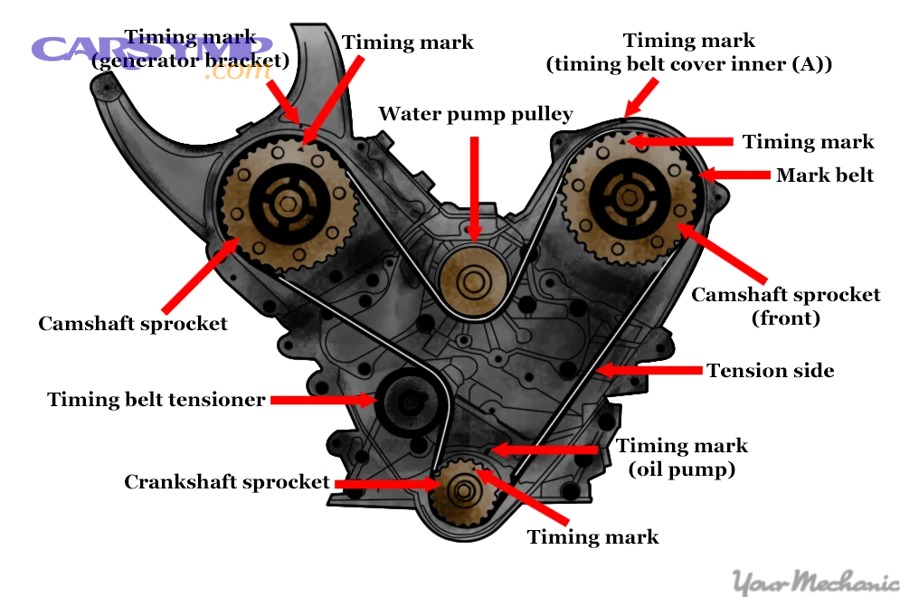
- Cooling system pressure test: Pressurizes the cooling system to reveal external leaks and detect slow coolant loss.
- Combustion gas test: Checks for combustion gases in coolant when overheating or unexplained coolant loss persists.
- Road test with temperature monitoring: Confirms stable operating temperature under load and proper fan/thermostat behavior.
- Heat-cycle recheck: After cool-down, recheck coolant level, oil level, and visible leaks.
Which symptoms after replacement suggest a comeback risk?
There are 5 key comeback-risk symptom groups after replacement: (1) recurring overheating, (2) ongoing coolant loss, (3) persistent misfire/rough running, (4) oil/coolant cross-contamination, and (5) pressurization signs in the cooling system—based on whether the engine still shows the classic Head gasket failure symptoms.
Then, the safest move is to respond early, because continued driving can escalate damage.
- Temperature climbs under load or spikes unexpectedly
- Coolant level drops with no visible external leaks
- White exhaust smoke persists after the system is properly bled
- Bubbles in coolant reservoir or hoses harden quickly after startup
- Milky oil or repeated contamination indications
- Misfires that don’t resolve after normal post-repair adaptation
If these appear, don’t assume the gasket itself is “bad again” immediately. Sometimes the issue is trapped air, a cooling-system component failure, or incomplete verification. Still, these symptoms deserve immediate rechecking because the Risks of driving with a bad head gasket include rapid overheating and potential engine damage.
Evidence (if any)
According to a study by SAE International from an engine thermal safety investigation, in 2021, researchers noted that coolant-loss scenarios can lead to several failures including cylinder head gasket failure, supporting the need to treat overheating history as a major driver of both labor time and repair scope.
According to a study by National Cheng Kung University from the Department of Mechanical Engineering, in 2017, researchers reported engine temperature-distribution predictions that aligned with experimental data within 20%, reinforcing how strongly cylinder-head temperatures depend on cooling conditions and why overheating can complicate head gasket repair decisions.