


Preventing head gasket failure is mostly about preventing the conditions that overwhelm the seal—especially overheating and chronic coolant loss—so a practical cooling-system maintenance checklist is the fastest way for most car owners to reduce risk.
Next, it helps to understand what “head gasket failure” actually is, why heat damages the sealing surfaces, and how small cooling-system faults snowball into big repair bills when they’re ignored.
Then, you need a simple way to catch early warning signs—because the best prevention is acting early, before temperature spikes and repeated heat cycles warp parts and compromise sealing.
Introduce a new idea: once you know what true prevention looks like, you can also avoid expensive dead-ends like “stop-leak” shortcuts that may mask symptoms while raising the stakes for a proper repair.
Can you prevent a blown head gasket with cooling-system maintenance?
Yes—cooling-system maintenance can prevent a blown head gasket in many everyday cases because it (1) prevents overheating, (2) stops coolant loss before it becomes chronic, and (3) protects the engine from repeat heat cycles that weaken sealing and warp parts.
Specifically, head gasket prevention is really overheat management plus early leak control, because the gasket usually fails after the engine is pushed beyond normal operating temperature for long enough—or often enough—that sealing surfaces and clamp loads can’t recover.
Does preventing overheating significantly reduce head gasket failure risk?
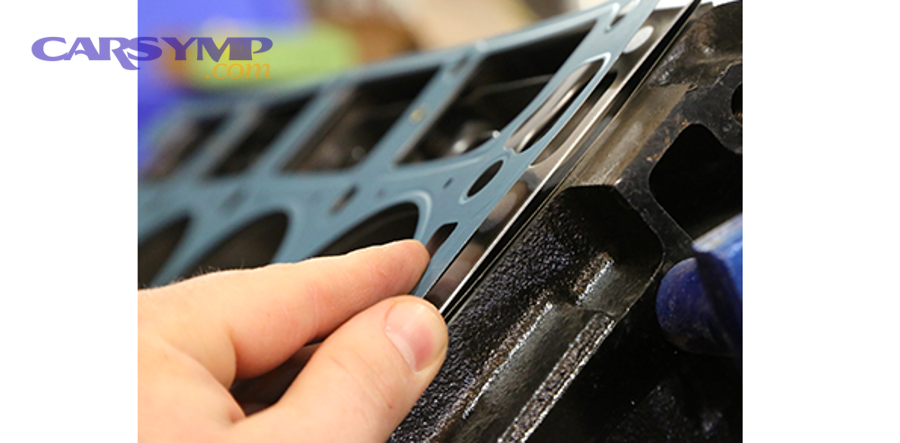
Yes—preventing overheating significantly reduces head gasket failure risk because overheating creates thermal stress, changes metal expansion rates, and can deform the head-to-block sealing surfaces that the gasket relies on.
To better understand why this matters, picture the head gasket as a “pressure dam” between three zones that should never mix: combustion pressure, coolant passages, and oil galleries. When temperature rises too high, metal expands unevenly, the cylinder head can distort, and clamp force from head bolts is no longer distributed evenly across the gasket. That’s when tiny leak paths start—and once leak paths start, they tend to grow.
Here’s how overheating turns into failure in a realistic chain:
- High temperature reduces sealing stability. The gasket’s job is hardest at the combustion ring, where pressure pulses are extreme. Any loss of clamp uniformity makes blow-by more likely.
- Distortion compounds the problem. Even small warpage changes how the gasket is compressed. A gasket can’t “fill” a shape change forever.
- Coolant loss becomes both a symptom and a cause. When coolant escapes (externally or internally), the system can’t remove heat, so overheating becomes easier the next time.
According to a study by the University of Windsor from the Department of Mechanical, Automotive and Materials Engineering, in 2013, thermo-mechanical loading in the head-gasket joint was modeled to correlate how distortion and stress behavior affects sealing performance under operating loads. (academia.edu)
Is “driving it a little longer” safe when the temp gauge rises?
No—driving “a little longer” with a rising temperature gauge is not safe because (1) temperature can spike rapidly after coolant drops, (2) hot spots can warp the head even if the gauge looks “not too bad,” and (3) repeated overheating events dramatically increase the odds you’ll need major head gasket repair later.
Moreover, the most damaging moments often happen after you decide to keep going—like when the cooling system finally boils over, an air pocket forms, or the thermostat can’t control flow.
A safer, prevention-first response looks like this:
- Reduce load immediately: turn off A/C, turn on heat (yes, it’s miserable), and ease off speed.
- Pull over early, not late: a controlled stop beats an emergency breakdown.
- Do not open the cap hot: a pressurized system can erupt and burn you.
- Let it cool, then inspect: check reservoir level, look for obvious leaks, and arrange a tow if overheating returns quickly.
This is also where prevention protects you from the Risks of driving with a bad head gasket: persistent overheating can escalate from a leak into warped surfaces, contaminated oil, misfires, and catalytic converter damage if coolant enters the chambers.
What is head gasket failure (and why does overheating destroy it)?
Head gasket failure is a loss of sealing between the engine block and cylinder head that allows combustion pressure, coolant, and/or oil to leak into places they don’t belong, often triggered by overheating-driven distortion and clamp-load changes.
In addition, understanding the gasket’s sealing jobs makes prevention feel logical instead of mysterious.
What does the head gasket seal, and what fails first?
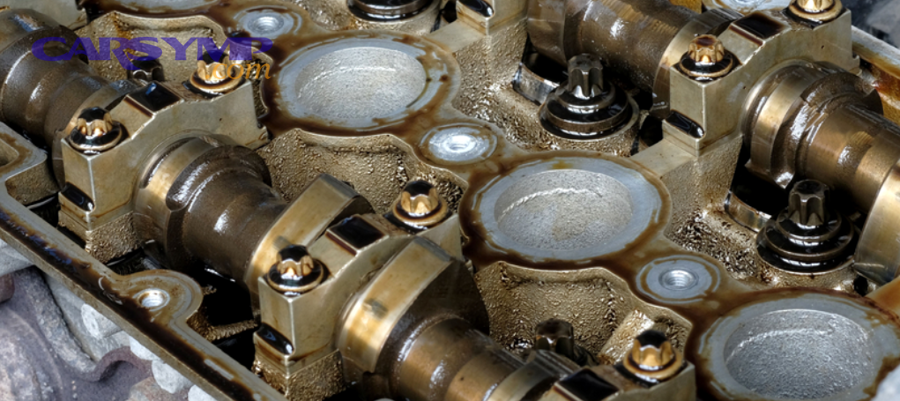
The head gasket seals three critical boundaries: (1) the combustion chambers, (2) coolant passages, and (3) oil passages.
Next, the “first failure” depends on where the seal is weakest and what stress dominates:
- Combustion seal weakness: You may see misfires, loss of compression, or combustion gas pushing into the cooling system.
- Coolant passage breach: Coolant can leak externally, or internally into cylinders, causing steam-like exhaust and overheating.
- Oil passage breach: Oil and coolant can mix, reducing lubrication and heat transfer.
When this happens, the engine often enters a feedback loop: leaks reduce cooling efficiency, reduced cooling causes more heat, and more heat increases leakage.
Why does overheating cause leaks and warping that lead to failure?
Overheating causes head gasket failure because aluminum heads and iron/aluminum blocks expand and contract at different rates, and extreme heat creates uneven temperature zones that distort sealing surfaces and reduce gasket compression uniformity.
Then, even if the engine cools down, the parts don’t always return to their exact original shape. That “new shape” may be within tolerance for normal driving—until it isn’t. The gasket is the sacrificial interface, and once the sealing bead or fire ring loses stable compression, leak paths form.
A practical prevention takeaway is simple: one severe overheat can be enough, but multiple mild overheats can also cause cumulative damage.
What are the most common causes of head gasket failure you can control?
There are 6 common causes of head gasket failure you can control—coolant loss, neglected coolant condition, airflow restriction, thermostat faults, fan/control problems, and water pump/flow issues—because each one raises operating temperature or creates hot spots that destabilize sealing.
To better understand what to do, it helps to group these causes by what they change: coolant quantity, coolant quality, and heat rejection capacity.
Which cooling-system problems most often trigger overheating?
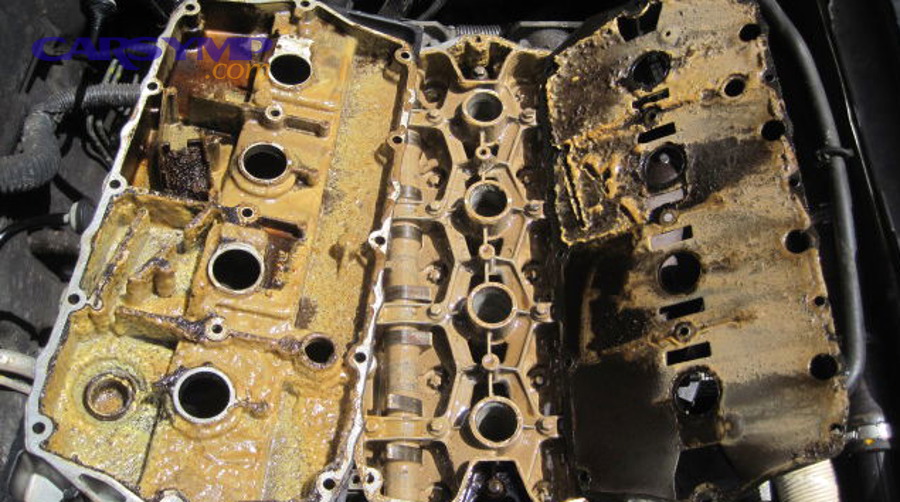
The most common overheating triggers are low coolant from leaks, thermostat failures, radiator restrictions, fan failures, and water pump problems because they either reduce heat transfer or stop coolant circulation when the engine needs it most.
More specifically, watch these “high-frequency” issues:
- Low coolant / small leaks: Hose clamps, radiator end tanks, heater core seepage, water pump weep hole.
- Radiator airflow blockage: Dirt, bugs, bent fins, debris trapped between condenser and radiator.
- Thermostat stuck closed (or slow): Coolant can’t circulate properly into the radiator.
- Cooling fan failure: Electric fan motor, relay, temperature sensor, or fan control module faults.
- Water pump degradation: Impeller wear, belt slip, or bearing failure reduces flow.
If you’re troubleshooting, the phrase Coolant loss and overheating linked diagnosis matters: a low system can overheat under load but cool down at idle, or the opposite, depending on where flow and air pockets form.
Which maintenance mistakes increase risk over time?
The biggest maintenance mistakes are using the wrong coolant, mixing incompatible coolant types, ignoring minor leaks, skipping coolant service intervals, and reusing weak pressure caps because these issues reduce corrosion protection, raise boiling risk, and silently lower the system’s safety margin.
For example:
- Wrong coolant chemistry: Some modern coolants use different inhibitor packages; mixing can reduce protection and create deposits.
- Over-diluted coolant: Too much water lowers boiling margin and can raise corrosion risk.
- Ignoring cap health: A weak cap can reduce system pressure, lowering boiling point and encouraging boil-over under load.
- “Topping off forever”: Constant topping off without fixing leaks hides the real problem until overheating becomes routine.
These mistakes matter because a head gasket rarely fails “randomly.” It fails after the cooling system loses consistency.
What cooling-system maintenance checklist prevents head gasket failure best?
A prevention-focused checklist uses 3 layers—quick visual checks, functional checks, and interval services—to keep coolant stable, flow reliable, and heat rejection efficient so the engine stays in its normal temperature window.
Below, the goal is not perfection; the goal is building enough margin that one bad day (traffic, heat, hills) doesn’t turn into a head gasket repair.
What should you check weekly or monthly under the hood?
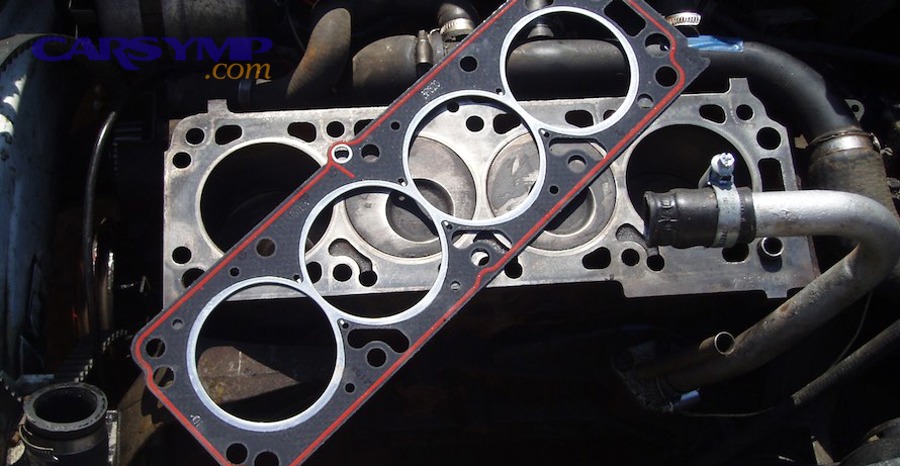
There are 7 high-value monthly checks: coolant level trend, visible leaks, hose condition, radiator cap area residue, fan operation cues, heater performance shifts, and temperature gauge behavior—because these catch coolant loss early and protect overheat management.
Then, use a simple routine:
- Check coolant level when cold: Compare the reservoir to “MIN/MAX.” Track trends, not one-time readings.
- Look for fresh residue: White/green/pink crust around hose joints, radiator seams, water pump area.
- Squeeze hoses gently (cold): Look for soft spots, cracks, or swelling near clamps.
- Scan the radiator face: Remove leaves/debris; ensure fins aren’t packed with dirt.
- Listen after shutdown: A fan that runs excessively can indicate heat-soak or sensor/control issues.
- Notice cabin heat changes: Weak heat can signal low coolant or air in the system.
- Observe the gauge under load: Hills and highway are revealing—stable is good; creeping is a warning.
To make this checklist easier to follow, here’s a quick-frequency table that summarizes what you’re checking and why.
Table: Quick checklist frequency for head gasket prevention
| Check | Frequency | What it prevents |
|---|---|---|
| Coolant level trend (cold) | Weekly/monthly | Hidden leaks → overheating |
| Visible leak scan | Monthly | Chronic coolant loss |
| Hose condition + clamps | Monthly | Sudden hose failure, rapid overheat |
| Radiator/condenser airflow | Monthly/seasonal | Heat rejection loss in traffic |
| Gauge behavior under load | Weekly | Early overheating detection |
What should you service at coolant-change intervals?
At coolant-change intervals, service coolant quality, inspect/replace the cap if weak, consider thermostat health, and do a system pressure test because these steps restore boiling margin, inhibitor protection, and leak detection reliability.
Moreover, interval service is where prevention becomes measurable:
- Coolant replacement (per manual): Restores corrosion inhibitors and correct concentration.
- Cap testing/replacement: Restores designed system pressure and reduces boil-over.
- Thermostat evaluation: A thermostat that reacts slowly can cause borderline overheating.
- Pressure test: Finds leaks that don’t drip until hot/pressurized.
If you’re unsure why pressure matters, remember: higher pressure increases coolant boiling point, which helps prevent localized boiling at hot spots.
What should you inspect seasonally (summer/winter) to prevent overheating?
Seasonal inspection focuses on airflow, fan control, coolant concentration, and heater circuit health because temperature extremes and load changes expose weak points that normal driving hides.
Especially before summer:
- Clean airflow path: debris between condenser and radiator is common.
- Verify fan operation: fans should engage when coolant temp rises and when A/C is on (vehicle-dependent).
- Confirm coolant concentration: too weak increases boil risk; too strong can reduce heat transfer if extreme.
Before winter:
- Check freeze protection: correct mix prevents freezing and cracking.
- Confirm heater performance: poor heat can reveal low coolant or trapped air.
This is prevention that pays off: stable temperature year-round reduces gasket stress cycles.
How do you spot early warning signs before a head gasket fails?
There are 2 groups of warning signs—cooling-system trouble signs and strong head gasket leak signs—because you want to intervene when the problem is still “cheap and fixable,” not when it becomes major head gasket repair.
Next, the key is to avoid guessing: symptoms are clues, and a few basic tests can turn clues into a plan.
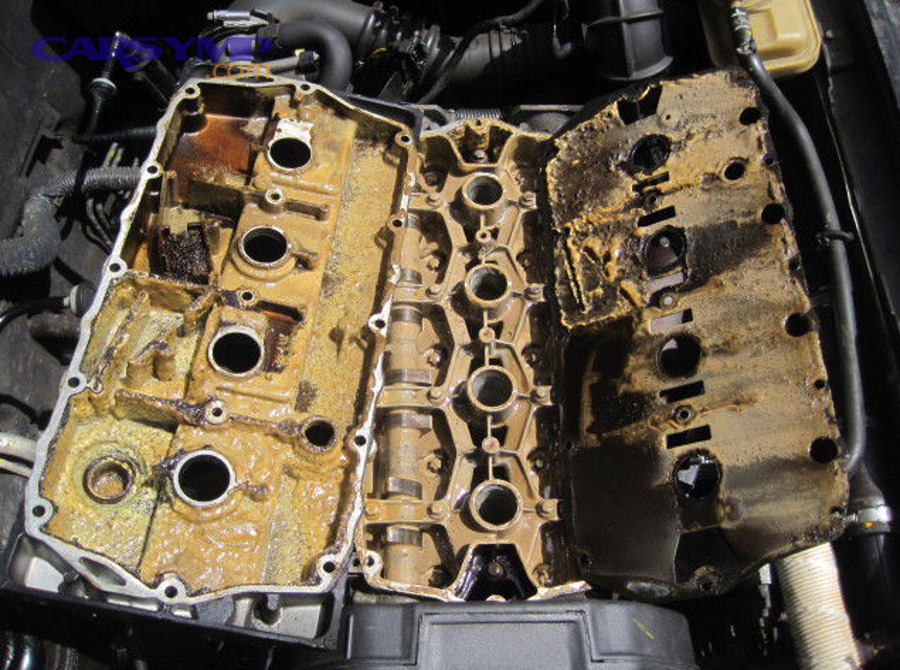
Which symptoms suggest cooling-system trouble (not yet a blown gasket)?
The most common “not yet” symptoms are intermittent overheating, coolant smell, small puddles, a slowly dropping reservoir, fans running unusually often, and heater output changes because these usually indicate leaks, airflow limits, or flow-control problems rather than a confirmed gasket breach.
For example:
- Overheats at idle but cools at speed: often fan/airflow related.
- Overheats at speed or hills: often coolant level, flow, or radiator efficiency related.
- Sweet smell after driving: often a small leak evaporating on hot parts.
- Reservoir drops over weeks: almost always a leak or cap issue.
This is the stage where prevention is strongest: fix the leak, restore coolant, and stop the next overheat event.
Which symptoms strongly suggest a head gasket leak?
The strongest head gasket leak signs include persistent overheating, unexplained coolant loss with no visible leak, bubbling in the reservoir, white exhaust steam after warm-up, and misfires on startup because combustion pressure or coolant intrusion is affecting normal operation.
Now connect these to the phrase you need in real diagnosis: Coolant loss and overheating linked diagnosis—because either symptom can cause the other. A head gasket leak can push combustion gas into the cooling system (forcing coolant out), and coolant loss can cause overheating that warps surfaces and creates a leak.
If you suspect a leak, it’s also smart to understand Compression/leak-down tests explained, because these tests help separate gasket problems from rings or valves:
- Compression test (cranking): shows whether a cylinder builds pressure; good for screening.
- Leak-down test (pressurized cylinder): shows where air escapes (intake, exhaust, crankcase, or cooling system), which helps pinpoint a head gasket leak. (alldata.com)
This is also the point where Risks of driving with a bad head gasket become real: if coolant is entering cylinders or oil is contaminated, continued driving can escalate into bearing damage, overheating events, or secondary component failures.
What’s the difference between real prevention and temporary “stop-leak” fixes?
Real prevention wins because it stops overheating and coolant loss at the root, while “stop-leak” fixes mostly mask symptoms, can clog small passages, and often increase the complexity of eventual head gasket repair when the underlying issue returns.
However, people reach for additives because they want an easy answer—so the useful comparison is: maintenance and diagnosis vs. chemical hope.

Do head gasket sealers prevent failure or just mask symptoms?
Head gasket sealers generally mask symptoms rather than prevent failure because they don’t restore flatness, clamp load, or proper gasket compression, and they can create deposits that restrict heater cores or radiators.
Meanwhile, true prevention is mechanical and measurable:
- Coolant level stays stable.
- Temperature stays stable.
- Pressure holds in the system.
- Leaks are repaired—not “sealed over” blindly.
If an additive “works,” it often works temporarily by slowing a leak path. That does not reverse heat damage or eliminate the original cause of overheating.
Is replacing a thermostat/radiator cap better prevention than additives?
Yes—replacing a suspect thermostat or weak radiator cap is better prevention than additives because these parts directly control coolant flow and system pressure, and they restore the system’s designed safety margin without adding clogging risk.
In addition, these parts are relatively low-cost compared to the downstream costs of a true head gasket repair. If the engine has already overheated, the most prevention-focused approach is: diagnose, fix cooling faults, and confirm stability with a proper test drive under load.
Contextual Border: At this point, you have the full prevention framework: overheat management, leak control, a checklist with frequency, early-warning recognition, and a clear decision about prevention versus shortcuts. The next section expands into advanced checks and rarer issues that matter for specific cases.
What advanced checks and niche issues can also help prevent head gasket failure?
Advanced prevention includes air-pocket control, targeted testing, and rare electrical/chemical issues because these factors can create hidden hot spots, slow leaks, or corrosion patterns that don’t show up in basic inspections.
Next, use these topics when you have repeat overheating, unexplained coolant loss, or a history of prior cooling-system work.
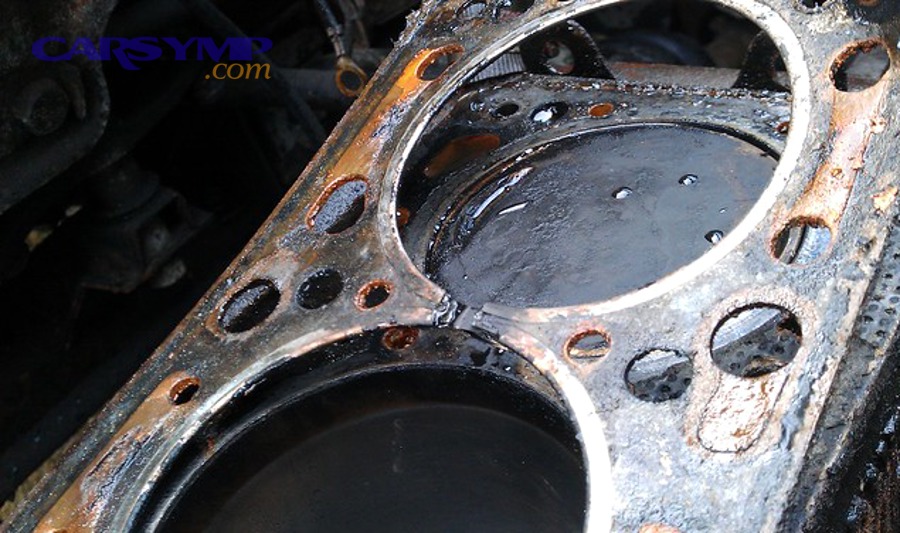
How can trapped air (air pockets) and improper bleeding create hot spots that mimic “random overheating”?
Trapped air can create hot spots that mimic random overheating because air reduces heat transfer, interrupts coolant flow, and can prevent sensors from “seeing” the true temperature at the hottest point.
Then, the symptoms often look inconsistent:
- Overheats suddenly, then drops.
- Heater blows cold intermittently.
- Coolant level changes after cool-down.
Prevention steps after cooling-system service:
- Use the correct bleed procedure for your engine (some require a bleed screw or vacuum fill).
- Park on an incline if recommended to move air toward the bleed point.
- Run the heater during bleeding (vehicle-dependent) to purge heater core air.
- Recheck level after a full heat cycle and cool-down.
According to a study by the University of Oulu from the Faculty of Technology, in 2025, work referencing cylinder head gasket simulation and sealing performance emphasizes how gasket joint behavior depends on operating conditions and the integrity of the assembled system under thermal-mechanical loads. (oulurepo.oulu.fi)
What tests confirm cooling-system integrity before a failure happens (pressure test vs combustion-gas test)?
A pressure test wins for finding external leaks, while a combustion-gas test is best for detecting combustion gases entering the cooling system, and using both is optimal when coolant loss and overheating are linked but the leak source is unclear.
More specifically:
- Pressure test: pressurizes the system (engine off) to reveal leaks at hoses, radiator, pump, heater core, and fittings.
- Combustion-gas (“block”) test: checks for exhaust gases in coolant, which points toward a head gasket leak or crack.
When prevention is the goal, these tests help you fix the real problem early—before the engine experiences another overheat event.
Can electrolysis/stray current damage cooling components and accelerate failures?
Yes—electrolysis (stray current corrosion) can damage cooling-system metals and accelerate leaks because electrical current flowing through coolant can corrode aluminum components and create pinhole leaks that reduce coolant volume and heat transfer capacity.
Moreover, this is rare in everyday cars, but it’s worth checking if you see repeated radiator or heater core failures, unexplained pinholes, or rapid corrosion. (ipswichradiators.com.au)
Do towing and extreme heat require different prevention steps than normal commuting?
Towing and extreme heat require stricter prevention because sustained load increases combustion heat and cooling demand, leaving less margin for small leaks, weak fans, and partially restricted radiators.
In addition, prevention upgrades and habits can matter more:
- Shorten your inspection cadence: check coolant level and airflow more often.
- Reduce heat soak: idle briefly after hard pulls (vehicle-dependent) and avoid immediate shutdown after severe load.
- Watch gauge behavior under load: hills reveal weakness early.
- Maintain the whole system, not one part: a new radiator won’t help if the fan control is failing.
Evidence (if any)
According to a study by the University of Windsor from the Department of Mechanical, Automotive and Materials Engineering, in 2013, head gasket finite-element correlation work modeled how operating thermal-mechanical loads relate to deformation and sealing behavior in the head-gasket joint. (academia.edu)