


Driving with a bad (blown) head gasket is not safe because it can turn a manageable sealing problem into catastrophic engine damage through rapid overheating, loss of compression, and oil/coolant contamination that destroys lubrication.
Next, the most important decision is whether you can move the car at all, because “it still runs” does not mean it’s safe to keep driving—even a short trip can escalate damage if the temperature spikes or coolant starts mixing with oil.
Then, you also need to recognize the warning signs that predict immediate failure, because symptoms like overheating, white exhaust steam, or milky oil often show that the engine is already being harmed.
Introduce a new idea: the fastest way to protect your engine is to understand what the head gasket does, what failure paths look like, and what actions reduce risk—and that’s exactly what the sections below walk you through.
Is it safe to drive with a bad (blown) head gasket? (Yes/No)
No—driving with a bad (blown) head gasket is not safe because (1) overheating can warp the cylinder head fast, (2) coolant/oil mixing can strip lubrication and accelerate wear, and (3) combustion leaks can cause misfires and sudden breakdown under load.
Next, because the danger is not “the gasket” by itself but the chain reaction it triggers, you’ll want to judge risk by what the engine is doing right now—temperature, coolant loss, and running quality.
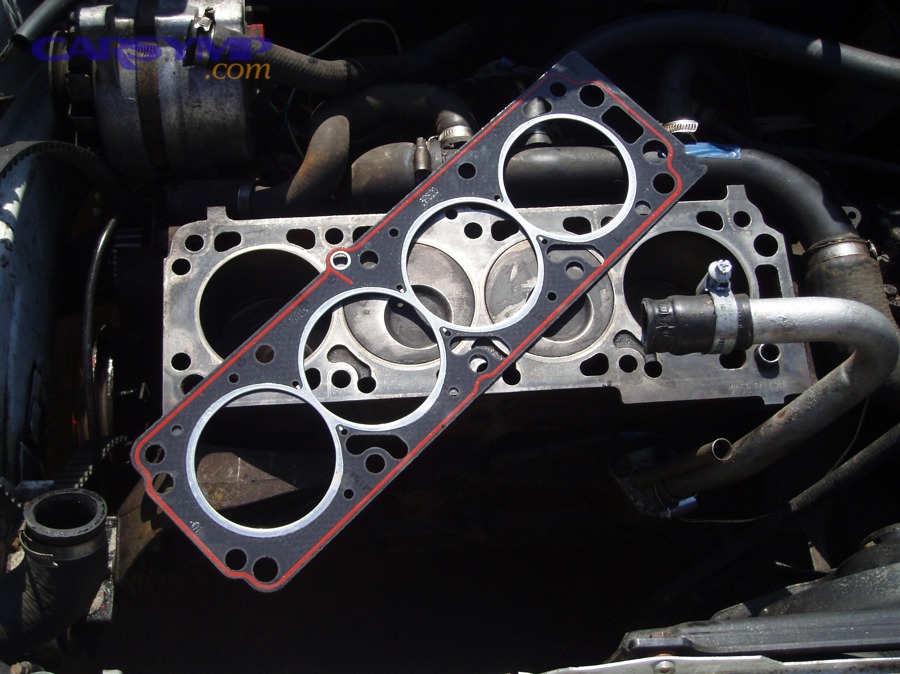
Can you drive a short distance with a bad head gasket without ruining the engine?
You might be able to move the car a very short distance, but there is no guaranteed “safe distance” because the failure can change suddenly as temperature and pressure rise.
Then, the practical rule is simple: if you cannot keep the engine cool and stable, you cannot keep driving—and with a failing head gasket, stability is unpredictable.
What makes “short distance” risky (even if it seems okay at idle):
- Load changes temperature quickly. An engine can idle without overheating, then spike under light acceleration or a hill because combustion gases push into the cooling system and reduce heat transfer.
- Coolant loss may be hidden. A small internal leak can consume coolant without leaving a puddle, so the radiator looks “fine” until it suddenly isn’t.
- Misfire can start after a few minutes. Coolant entering a cylinder can foul a plug or disrupt combustion, creating shaking that stresses mounts and increases heat.
- Oil contamination does damage even without noise. When coolant mixes with oil, bearings and cam surfaces can lose protective film long before you hear anything.
When “move it a little” is still reasonable (risk-reduction, not safety):
- You are moving from a dangerous location (traffic lane) to a safe shoulder/parking lot.
- The temperature gauge stays normal and you see no steam, no misfire, and no active coolant loss.
- You keep RPM low and avoid load (no hills, no highway).
What to do before moving at all (if you’re stuck):
- Let the engine cool fully.
- Check coolant level (only when safe to open).
- Plan the route as if you’ll stop at any moment.
What immediate “stop driving now” signs should you watch for?
There are 7 “stop now” signs that indicate a head gasket problem is actively damaging the engine: overheating, steam/white exhaust, rapid coolant loss, bubbling/pressurizing coolant, misfire or shaking, milky oil, and oil pressure warning.
More specifically, these signs matter because they are direct signals of heat overload or loss of lubrication, which is how “bad gasket” becomes “ruined engine.”
Stop driving now if you notice:
- Temperature gauge climbing or fluctuating (especially jumping quickly).
- Steam from under the hood or a sweet smell paired with white vapor.
- White exhaust smoke/steam that persists after warm-up (not just condensation).
- Coolant reservoir bubbling or pushing coolant out (combustion gases entering coolant).
- Misfire, rough idle, power loss, or shaking, especially with a flashing check-engine light.
- Milky oil under the cap or on the dipstick (coolant in oil).
- Oil pressure warning light (oil film failure can become catastrophic quickly).
Why these signs are urgent:
- Overheating warps sealing surfaces and turns a gasket job into machine work or replacement.
- Coolant in oil can ruin bearings and cam journals because lubrication film collapses.
- Combustion gas in coolant can create hot spots and “burp” coolant out, accelerating overheating.
What does a “bad head gasket” mean, and what is the head gasket’s job?
A bad head gasket is a failed sealing layer between the engine block and cylinder head that can leak combustion pressure, coolant, or oil; its job is to keep compression sealed while preventing coolant and oil passages from cross-contaminating.
To better understand why driving becomes dangerous, you first need a clear picture of the gasket’s sealing roles and how different leak paths create different risks.
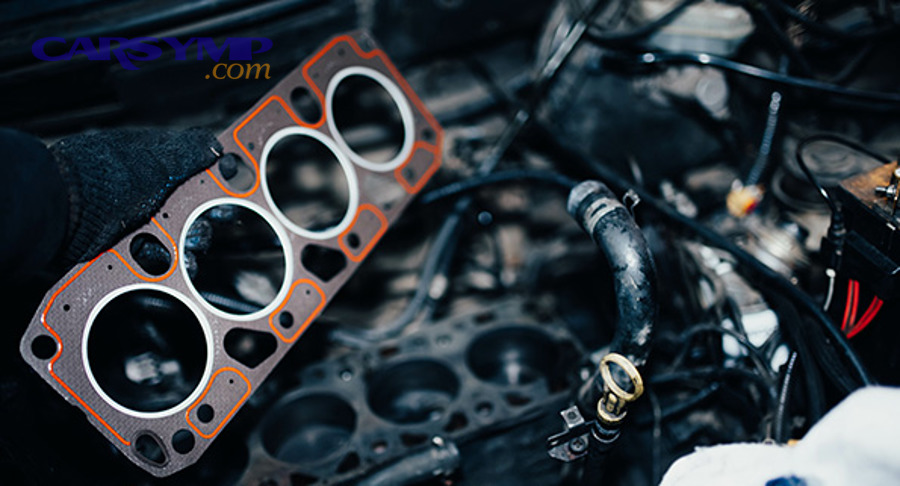
How does a blown head gasket cause overheating and power loss?
A blown head gasket causes overheating and power loss by letting combustion gases enter the cooling system (raising pressure and creating hot spots) and/or letting coolant enter cylinders (causing misfires), while also reducing cylinder compression.
In addition, the same leak can cause multiple symptoms at once, which is why a car can feel “weak” and then overheat minutes later.
Overheating mechanisms (what’s actually happening):
- Combustion gas pressurizes the cooling system. This can force coolant out of the reservoir/overflow and reduce coolant contact with hot metal surfaces.
- Local hot spots form. Even if the gauge looks “okay,” a pocket near a combustion chamber can run extremely hot and warp the head.
- Coolant volume drops. Less coolant means less heat capacity, so temperature rises faster under load.
Power loss mechanisms:
- Compression leak = less effective combustion. The engine must work harder for the same speed.
- Coolant intrusion causes misfire. The spark plug can become wet/steam-cleaned and combustion becomes unstable.
- Overheat protection may engage. Some vehicles reduce power to protect the engine when overheating is detected.
What are the common failure paths (coolant leak, oil contamination, compression leak)?
There are 3 main failure paths for a bad head gasket—coolant leak, oil contamination, and compression leak—based on what fluid/gas crosses the sealing surface.
Meanwhile, knowing the path helps you predict what will fail next and whether you should tow immediately.
Here’s what each path typically looks like in real life:
1) Coolant leak path (coolant enters cylinder or leaks externally)
- Symptoms: coolant loss, white exhaust steam, sweet smell, occasional misfire, overheating.
- Risk: overheating and hydro-lock risk (rare but severe) if coolant fills a cylinder.
2) Oil contamination path (coolant mixes with oil, or oil mixes with coolant)
- Symptoms: milky oil, rising oil level, sludge under cap, overheating from coolant contamination.
- Risk: bearing wear and cam damage due to lubrication film failure.
3) Compression leak path (combustion pressure leaks into coolant or between cylinders)
- Symptoms: bubbling in reservoir, hoses hard when cold, overheating under load, rough running.
- Risk: sudden overheating events, coolant being pushed out, progressive sealing failure.
Why the “same car” can show different paths on different days:
- A leak can open/close with temperature (thermal expansion).
- A gasket can fail in multiple areas.
- Overheating can worsen the seal and create new leak routes.
What damage can happen if you keep driving with a bad head gasket?
There are 6 major engine-damage outcomes from driving with a bad head gasket—warped cylinder head, cracked head, damaged head gasket surface, bearing wear from contaminated oil, cylinder wall scoring, and full engine failure—based on how heat and lubrication break down.
More importantly, these outcomes don’t require weeks of driving; they can develop rapidly once overheating or oil contamination begins.
Which parts are most likely to fail next (and why)?
The parts most likely to fail next are the cylinder head sealing surface, head bolts/fasteners integrity, engine bearings, and the cooling system because they are directly stressed by overheating and contamination.
Specifically, a head gasket failure is like pulling a pin on two grenades—heat and lubrication—so the damage spreads to whatever depends on those systems.
Most common “next failures”:
- Cylinder head warpage: Aluminum heads expand quickly; repeated overheating can distort the head so it no longer seals flat.
- Head gasket surface damage: Once the sealing surface is compromised, combustion gases cut channels and worsen leakage.
- Rod/main bearings: Coolant in oil reduces film strength; bearings are designed for a clean oil wedge.
- Cooling system components: Overpressure and boiling can damage hoses, radiator cap, reservoir, and thermostat function.
- Spark plugs and coils: Coolant intrusion causes misfire and can foul ignition components.
Less common but serious failures:
- Cracked cylinder head: Thermal gradients can initiate cracks in stressed areas.
- Cylinder wall scoring: Overheat + poor lubrication can score surfaces and reduce compression permanently.
What’s worse: coolant in the oil vs oil in the coolant vs compression leaking into coolant?
Coolant in the oil wins in fastest internal wear, compression leaking into coolant is best described as fastest overheating escalation, and oil in the coolant is most damaging for cooling-system efficiency and contamination cleanup.
However, the worst-case scenario is when more than one is happening, because the engine loses both temperature control and lubrication at the same time.
To illustrate the differences, use this table as a quick risk map (it summarizes what to fear first):
| Failure mode | Primary danger | How fast it can escalate | What it often leads to |
|---|---|---|---|
| Coolant in oil | Lubrication film collapse | Fast once contamination begins | Bearing damage, cam wear, seizure |
| Compression into coolant | Sudden overheating/overpressure | Very fast under load | Warped head, blown hoses, breakdown |
| Oil in coolant | Poor heat transfer + sludge | Moderate | Overheating, radiator/heater core issues |
Evidence: According to a study by University of California, Berkeley from the Department of Civil and Environmental Engineering, in 2015, researchers reported that coolant leaks past a faulty engine head gasket into engine cylinders can produce ethylene glycol emissions that likely are not fully removed by the catalytic converter, showing that head-gasket-related coolant intrusion can persist through the exhaust path and reflect real, active leakage mechanisms.
When should you tow vs “limp” the car to a shop?
Towing wins for engine protection, limping is only acceptable for immediate safety relocation, and driving normally is never appropriate when a head gasket is suspected because the risk of sudden overheating and severe damage is too high.
Besides, the choice is not about convenience—it’s about whether you’re willing to gamble the entire engine to avoid a tow.
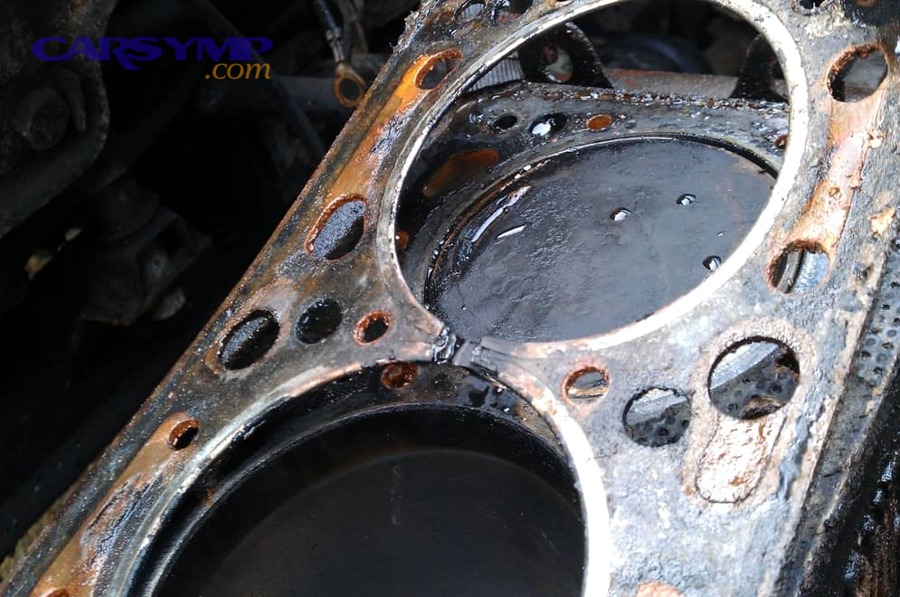
If the temperature gauge looks normal, is it safe to keep driving? (Yes/No)
No—even with a normal temperature gauge, it’s not safe because (1) the gauge can lag behind actual hot spots, (2) combustion gas leaks can trigger sudden spikes under load, and (3) oil contamination can damage bearings without changing coolant temperature immediately.
More importantly, head gasket failures often behave like “threshold problems”: stable… until suddenly not.
Why “normal gauge” can be misleading:
- The sensor reads coolant temperature at one location, not metal temperature near the combustion chamber.
- The gauge often dampens movement to avoid alarming drivers.
- A leak may only open when cylinder pressure rises (acceleration, hill, highway).
What should you do immediately if you must move the vehicle?
If you must move the vehicle, the safest method is low-load, low-distance driving with constant monitoring in 6 steps to reduce the chance of catastrophic overheating.
Then, these steps connect directly to the biggest threats: heat spikes and lubrication failure.
6 risk-reduction steps (not a guarantee):
- Let the engine cool completely before restarting (heat-soak worsens the seal).
- Check coolant level safely (never open a hot system).
- Plan the shortest, flattest route to a safe spot or shop—avoid highways and hills.
- Keep RPM low and avoid hard acceleration (pressure increases leak rate).
- Run cabin heat if needed to shed heat (it can buy time, not fix the cause).
- Stop immediately if temperature rises, steam appears, or misfire starts.
What not to do:
- Don’t keep “testing it” after it overheats once.
- Don’t keep topping coolant and driving as a routine.
- Don’t assume “it cooled down, so it’s fine now.”
Where the repair conversation starts: Once the car is safe, the next step is a diagnosis and a plan for head gasket repair, because continuing to operate the engine is what usually turns a repairable problem into a replacement-level problem.
Repair consequences: What’s the difference between fixing early vs driving until failure?
Fixing early wins in lower total cost, driving until failure is best for turning one repair into many, and delaying is optimal only for making the engine irrecoverable—because heat and contamination compound damage over time.
In short, the difference is whether you are repairing a seal or rebuilding an engine.
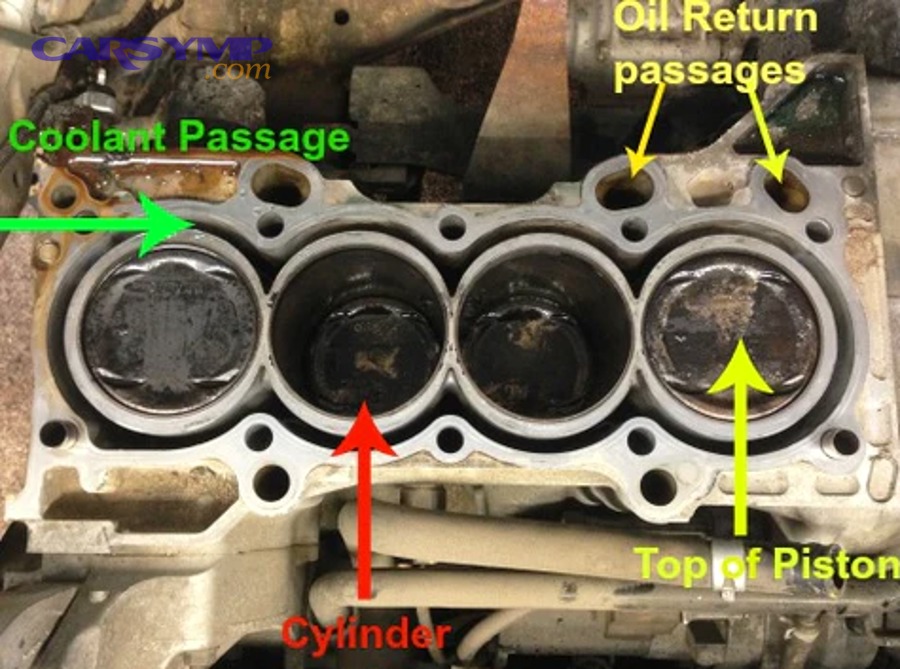
How does repeated overheating change the repair from “gasket job” to “engine rebuild”?
Repeated overheating changes the repair because it can warp the cylinder head, damage the block surface, and destroy bearing surfaces, which adds machining, parts replacement, and labor beyond the gasket itself.
More importantly, overheating is not a single event—it’s a structural stress that accumulates.
What “early repair” often looks like:
- Replace head gasket, head bolts (as required), and related seals.
- Inspect head and block flatness; minimal or no machining.
- Flush coolant and change oil after repair.
What “late repair” often turns into:
- Cylinder head machining or replacement due to warpage.
- Cooling system overhaul (radiator, thermostat, hoses) due to overpressure and sludge.
- Bottom-end damage from coolant-contaminated oil (bearings, crank journals).
- Catalytic converter damage risk if coolant is burned and exhaust treatment is stressed.
How to talk about money without guessing a price:
- A realistic Head gasket repair cost estimate depends on engine layout (V vs inline), accessibility, whether the head needs machining, and whether secondary damage occurred.
- The cost jump usually happens when overheating repeats, because machining and added components multiply labor hours.
Why the “just drive it until you can schedule it” plan is expensive:
- Every overheating episode increases the odds that the head won’t seal even after a new gasket.
- Every mile with contaminated oil increases wear you can’t “undo” later.
What tests confirm a blown head gasket (and what can mimic it)?
There are 4 reliable confirmation tests for a blown head gasket—block (combustion gas) test, cooling-system pressure test, compression test, and leak-down test—while several other problems can mimic symptoms, including a cracked head, oil cooler failure, or intake gasket leak.
Next, testing matters because guessing wrong can waste money and still leave the car overheating.
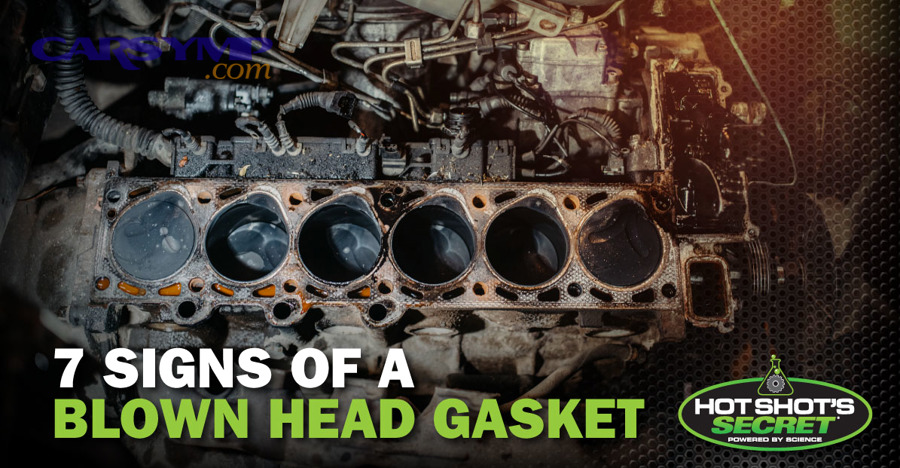
Which shop tests are most reliable (block test, pressure test, leak-down, compression)?
The most reliable approach is a combined test strategy: block test for combustion gases, pressure test for coolant loss, and leak-down/compression for sealing integrity—because each test detects a different failure path.
Specifically, this combination avoids false confidence from a single “normal” result.
1) Block test (combustion gas test)
- What it detects: combustion gases in coolant (compression leaking into cooling system).
- Why it’s powerful: it targets a classic head gasket failure mechanism.
- Limitations: may miss failures that only occur under load/heat.
2) Cooling-system pressure test
- What it detects: external leaks and some internal leaks if pressure drops.
- Why it’s useful: confirms whether the system holds pressure.
3) Compression test
- What it detects: low compression in one or adjacent cylinders.
- Why it’s useful: quick screening for sealing problems.
4) Leak-down test
- What it detects: where compression is escaping (listening for air in coolant, intake, exhaust, crankcase).
- Why it’s useful: more diagnostic than compression alone.
Blown head gasket vs cracked cylinder head: how do the symptoms differ?
A head gasket failure is more likely to show intermittent leakage that changes with temperature, while a cracked head often shows persistent coolant loss or repeated overheating even after gasket replacement, and may worsen with heat cycles.
However, the symptoms overlap, so confirmation tests are the real separator.
Clues that lean toward cracked head (not proof):
- Symptoms persist after a proper gasket replacement.
- Coolant loss is severe with no external leak found.
- Repeated pressurization of cooling system happens quickly after start.
Clues that lean toward gasket failure (not proof):
- Leakage pattern changes with heat (fine cold, bad hot).
- Adjacent cylinder compression issues (gasket breach between cylinders).
- Overheating mainly under load, not at idle.
Blown head gasket vs intake manifold gasket leak: what’s the difference?
A head gasket failure typically involves combustion sealing and head-to-block leakage, while an intake manifold gasket leak more often causes vacuum leaks, coolant leaks into intake runners on some engines, and drivability issues without the same combustion-to-coolant pressurization pattern.
On the other hand, some engines can leak coolant at the intake gasket and mimic “head gasket symptoms,” which is why testing matters.
How they commonly present differently:
- Head gasket: bubbling in reservoir, overheating under load, compression problems, white exhaust steam.
- Intake gasket (on relevant engines): coolant loss with fewer combustion-gas signs, rough idle from vacuum leaks, sometimes milky oil if coolant reaches lifter valley (engine-dependent).
Can a blown head gasket cause hydro-lock or catalytic converter damage?
Yes—a blown head gasket can cause hydro-lock (rare, but severe) if coolant fills a cylinder, and it can contribute to catalytic converter stress/damage if coolant is burned and deposits contaminate the exhaust after-treatment.
More importantly, these are the “small chance, huge consequence” outcomes that justify towing rather than gambling.
Hydro-lock (what it is and why it’s dangerous):
- Liquid coolant does not compress like air-fuel mixture.
- If enough coolant enters a cylinder, the piston can’t complete its stroke.
- Result: bent connecting rod, broken piston, or catastrophic mechanical damage.
Catalytic converter risk (why coolant burning matters):
- Coolant burning can create deposits and abnormal exhaust chemistry.
- Persistent coolant intrusion can overwhelm emissions systems and raise repair costs beyond the engine itself.
Where symptoms connect back to action: When you see classic Head gasket failure symptoms—especially overheating, bubbling in coolant, white steam, or milky oil—the safest plan is to stop driving, confirm with testing, and decide quickly on repair versus replacement based on how much secondary damage has already occurred.