Estimate Head Gasket Repair Cost vs Replacement for Car Owners: Pricing, Options, and When to Swap the Engine
A head gasket problem usually becomes a money decision before it becomes a wrench decision: you need a realistic Head gasket repair cost estimate, you need to know what drives that number, and you need a clear way to compare repair vs replacement before the engine overheats itself into a bigger failure.
If the cost feels shocking, it helps to frame it as a high-labor engine service where access, engine layout, and machine work decide the bill more than the price of the gasket itself—and those details also decide whether the fix is likely to last.
If you’re weighing Alternatives: engine replacement vs repair, the smartest approach is to treat your car like a project with a budget and risk profile: assess contamination and overheating history, confirm the failure mode, and then choose the option that minimizes total risk—not just today’s invoice.
Introduce a new idea: once you understand what “head gasket repair” really includes, you can use the same decision logic to evaluate sealers, DIY, shop quotes, and the point where an engine swap is the more rational move.
What does “head gasket repair” mean, and is it the same as head gasket replacement?
Head gasket repair is a corrective engine service that restores the seal between the cylinder head and engine block, usually by replacing the gasket and addressing warpage/contamination that caused the leak in the first place. Next, the key is that “repair” often includes several steps beyond simply installing a new gasket.
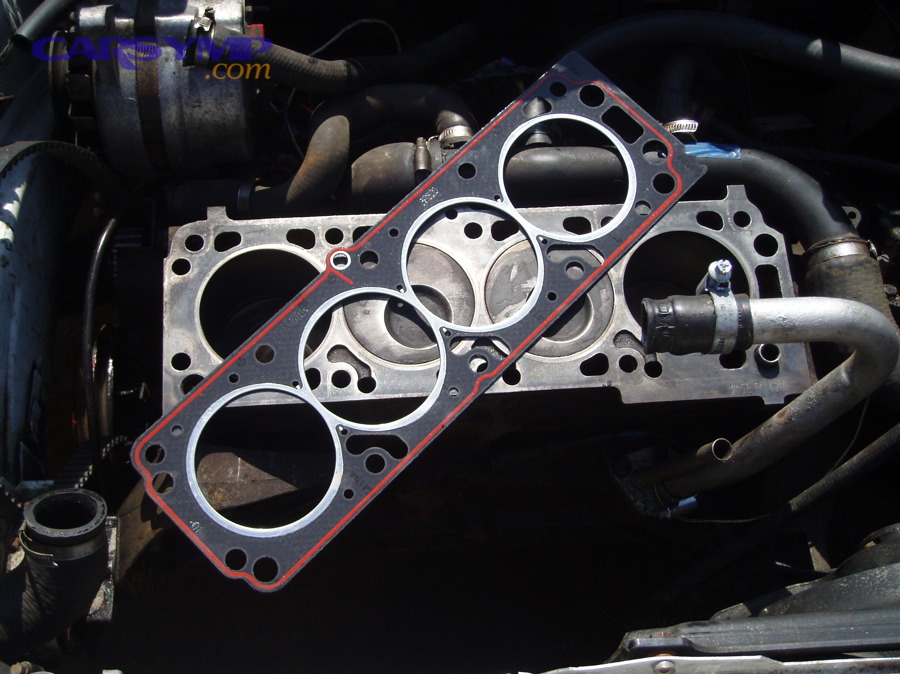
In everyday shop language, “head gasket repair” and “head gasket replacement” are often used interchangeably because you rarely “patch” a head gasket the way you might patch a hose. The gasket’s job is to seal combustion pressure, oil passages, and coolant passages at the same time. Once that seal is compromised, the engine can mix fluids, overheat, lose compression, or pressurize the cooling system.
What matters for your wallet and your outcome is the scope: a proper repair means identifying why the gasket failed (overheat, corrosion, improper torque, detonation, aging), correcting the cause, and verifying the engine is still mechanically healthy.
What parts and labor are typically included in a complete head gasket job?
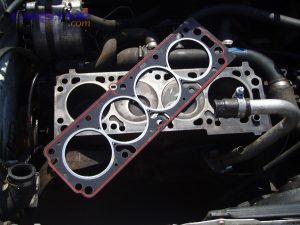
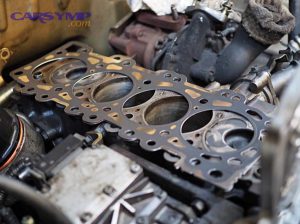
A complete head gasket job typically includes disassembly, inspection, gasket replacement, and reassembly with correct torque procedures, plus any machine work required to restore flat sealing surfaces. Then, because the cylinder head comes off, many “while you’re in there” items become practical—sometimes necessary.
A typical scope looks like this:
- Preparation and teardown
- Drain coolant and oil
- Remove intake/exhaust components, ignition, accessories
- Remove timing components if they block access (belt/chain system depends on engine)
- Cylinder head removal
- Remove head bolts in sequence to reduce warping risk
- Lift the head and inspect for cracks, warpage, and erosion
- Surface inspection and machine work
- Clean mating surfaces
- Measure flatness; resurface if out-of-spec
- Pressure test the head (common when overheating occurred)
- Parts replacement
- New head gasket (often part of a gasket set)
- New head bolts if they’re torque-to-yield (TTY)
- Fresh fluids, filters, and sometimes new thermostat/radiator cap
- Reassembly and verification
- Correct torque sequence and angle specs
- Bleed cooling system properly
- Confirm no combustion gases or pressure issues remain
This is why the labor portion dominates: the job is less “swap a part” and more “remove half the engine to reach one critical seal.”
What symptoms suggest a head gasket issue that can affect the repair plan and cost?
There are several Head gasket failure symptoms, and the specific pattern matters because it changes both urgency and what else may be damaged. Next, think in terms of failure mode—coolant-to-combustion, combustion-to-coolant, coolant-to-oil, oil-to-coolant, or compression leak between cylinders.
Common symptom groups include:
- Coolant loss and overheating linked diagnosis
- Unexplained coolant loss with no visible leak
- Overheating under load or at highway speed
- Heater stops blowing hot (air pockets from pressurization)
- Combustion leak indicators
- Bubbles in the reservoir or radiator neck
- Cooling system over-pressurizes quickly after startup
- Sweet smell/white steam from exhaust (especially when warm)
- Oil contamination indicators
- “Milkshake” oil (coolant in oil) or rising oil level
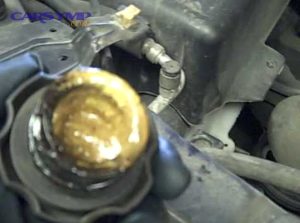
- Sludge under oil cap (not always diagnostic by itself)
- Performance indicators
- Misfires, rough idle, compression loss
- Hard start after sitting (coolant seep into a cylinder)
The cost jumps when symptoms suggest overheating and warpage, because resurfacing and related cooling-system repairs become more likely.
How much does head gasket repair cost for most car owners, and why do prices vary so much?
Head gasket repair typically costs thousands rather than hundreds because labor hours and engine access dominate the price, while the gasket itself is only a small fraction. Then, the fastest way to understand the spread is to separate baseline replacement from replacement plus machine work plus related repairs.
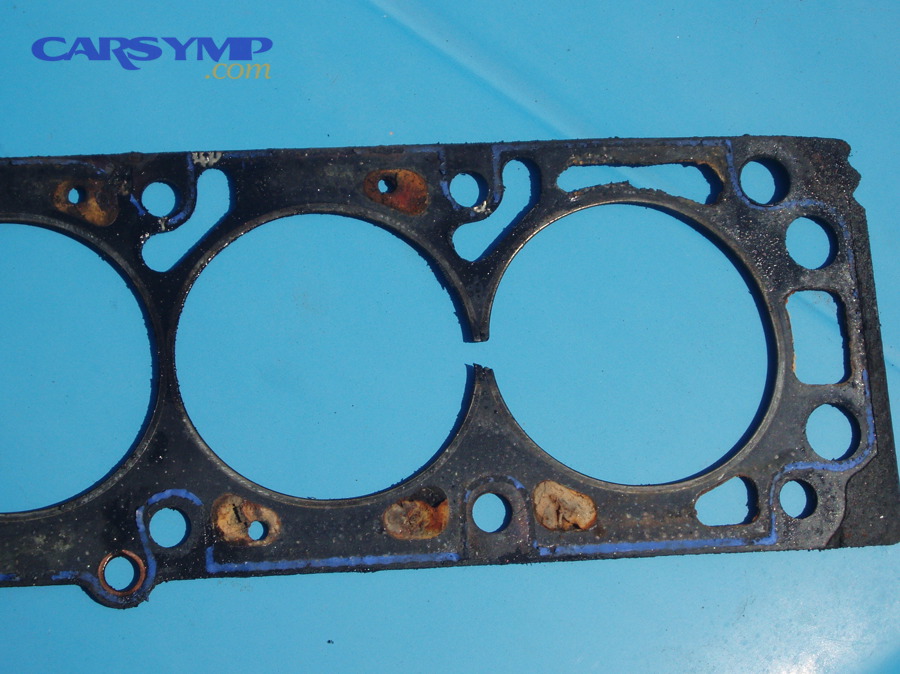
A useful way to read pricing is:
- Base head gasket replacement (no major surprises)
- Head gasket replacement + machining (common after overheating)
- Head gasket replacement + secondary damage (contamination, cracked head, catalytic converter issues)
To make this concrete, here is a simple reference table that shows how costs tend to scale based on what the job reveals. (These ranges are illustrative; your engine layout and shop rate drive the final number.)
| Scenario | Typical work included | Cost behavior |
|---|---|---|
| Baseline replacement | gasket + bolts (if required) + fluids + labor | “Expected” quote |
| Replacement + machine work | baseline + resurface/pressure test | jumps due to machine shop + extra downtime |
| Replacement + secondary damage | above + cooling system parts, sensors, possible head replacement | becomes a “project,” costs can rival engine replacement |
For a widely cited benchmark, RepairPal lists an average head gasket replacement range between $2,475 and $3,246, with labor often the largest portion. (repairpal.com)
What are the typical price ranges for 4-cylinder vs V6 vs V8 head gasket jobs?
There are three common pricing bands based on engine configuration and access: inline-4 (often least complex), V6 (often highest access difficulty in transverse layouts), and V8 (variable—easy in trucks, harder in tight engine bays). Next, the reason is simple: more cylinders and tighter packaging usually mean more parts to remove and more hours billed.
Typical tendencies (not guarantees):
- Inline 4-cylinder
- Often the most straightforward access
- Fewer components, fewer gaskets disturbed during teardown
- Still labor-heavy, but usually the “lower end” of head gasket pricing
- V6
- Transverse V6 (common in front-wheel-drive vehicles) can be difficult
- Rear bank access can be the labor killer
- More intake/exhaust complexity
- V8
- In trucks/SUVs, access can be decent and labor is manageable
- In performance cars or tight bays, complexity rises quickly
- Two cylinder heads may increase gasket-set scope depending on layout and failure
If you want a quick sanity check, JD Power notes many owners see head gasket replacement costs in the $1,000–$3,000 neighborhood on average, though real-world quotes can go higher depending on factors like damage and labor.
Which factors drive head gasket repair cost the most: labor rate, engine layout, or machine work?
Labor rate wins in hourly impact, engine layout wins in time required, and machine work wins in surprise escalation—and your final price is the combination of all three. Next, treat your estimate like a formula:
Total cost ≈ (labor hours × shop rate) + parts + machining + “while you’re in there.”
Here’s how the big drivers compare:
- Labor rate (shop hourly rate)
- Multiplies everything
- A job that takes 10–15 hours swings wildly between markets
- Engine layout and access
- Determines labor hours and risk of broken fasteners/extra seals
- Transverse engines, turbo plumbing, and buried timing components add time
- Machine work
- Resurfacing/pressure testing becomes likely after overheating
- If the head is cracked or warped beyond spec, costs jump further
A practical takeaway: the “same” head gasket job on two vehicles can differ by thousands because one engine is simply harder to open up and close back down correctly.
What “hidden” add-on costs should you expect during head gasket repair?
There are five common add-on categories that can appear in a head gasket quote: fasteners, timing components, cooling system parts, sensors/seals, and fluid cleanup. Next, these add-ons aren’t always upsells—many are risk reducers.
Common add-ons to anticipate:
- Head bolts (TTY fasteners)
- Many modern engines specify one-time-use torque-to-yield bolts
- Timing service
- If a timing belt/chain system must come off, it can be cost-effective to renew wear items
- Cooling system refresh
- Thermostat, radiator cap, hoses, water pump (especially if near end-of-life)
- This is a major pillar of Preventing head gasket failure going forward
- Seals disturbed during teardown
- Intake/exhaust gaskets, valve cover gasket, coolant crossover seals
- Contamination cleanup
- Oil and filter changes, possible multiple changes if coolant entered the oil
- After repair: coolant flush and break-in steps are often recommended to stabilize the cooling system and remove debris
If your engine overheated, expect the shop to push harder for cooling system verification—because fixing the gasket without fixing overheating is how repeat failures happen.
Is head gasket repair worth it, or should you replace/swap the engine instead?
Yes—head gasket repair can be worth it if the engine’s bottom end is healthy, overheating was limited, and the repair cost stays below the vehicle’s usable value, but no—it’s not worth it when contamination or severe overheating makes future failure likely. Next, you can decide rationally by comparing repair cost, engine condition, and your ownership horizon.
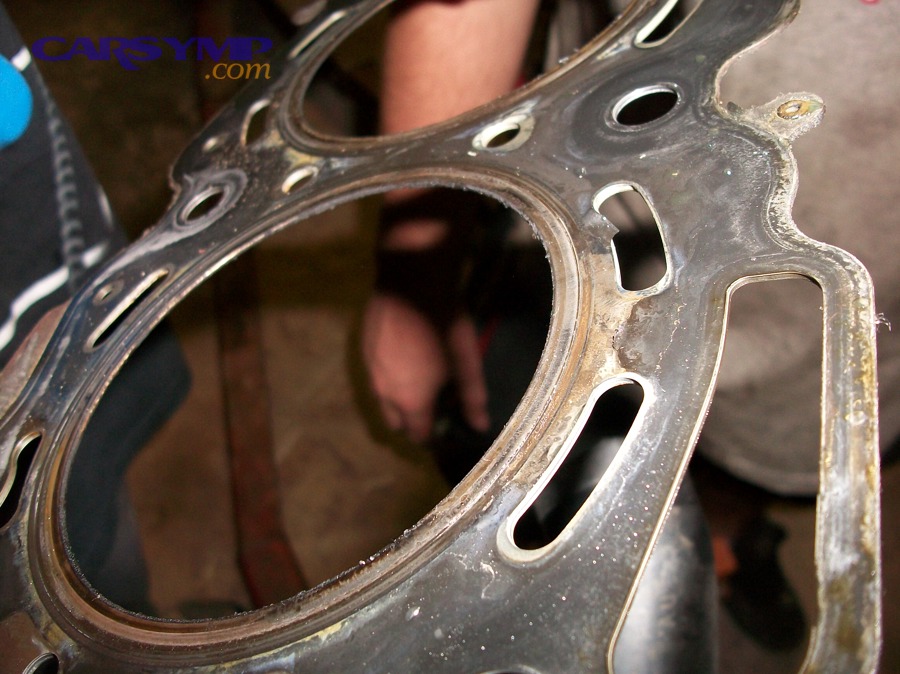
Think of this as a three-question gate:
- Is the engine mechanically healthy besides the gasket?
- Is the repair cost proportionate to the vehicle’s value and your plans?
- Does repair reduce risk, or just postpone a larger failure?
Is it worth fixing a head gasket on a high-mileage car: yes or no?
Yes, it can be worth fixing a head gasket on a high-mileage car if (1) compression and leak-down results are acceptable, (2) the engine hasn’t been repeatedly overheated, and (3) the total repair cost fits your usage plan; no, it’s usually not worth it if contamination and overheating suggest bearing damage. Next, mileage matters less than condition history.
Use these decision signals:
“Yes” signals
- Stable oil pressure and no knock
- Minimal coolant-in-oil time (caught early)
- Cooling system failure cause is correctable (thermostat, radiator, fan control)
- You plan to keep the car long enough to amortize the repair
“No” signals
- Severe overheating events (multiple redline temp incidents)
- Persistent coolant contamination in oil
- Low compression across multiple cylinders from deeper wear
- Repair quote approaches the cost of a warrantied replacement engine
This is where Compression/leak-down tests explained becomes your best friend: they convert “maybe” into measurable risk.
When is an engine replacement or swap the better option than head gasket repair?
Head gasket repair wins when the engine is fundamentally healthy and you’re restoring a known-good motor; engine replacement/swap wins when you need risk reduction and predictability, especially after severe overheating or contamination. Next, you should compare them on total cost and probability of long-term success.
Key situations where engine replacement often makes more sense:
- Coolant-in-oil ran long enough to threaten bearings
- Cylinder head is cracked or warped beyond machining limits
- The block deck is damaged/warped, making sealing unreliable
- Your quote includes many escalating “unknowns”
- You can source a lower-mile engine with warranty and similar labor cost
JD Power notes engine replacement can run thousands to five figures depending on vehicle and availability, which is why the “repair vs swap” decision is often close in mid-value cars.
How do you compare repair vs engine swap using a simple decision checklist?
You can compare repair vs swap using a checklist of six measurable items: test results, overheating history, contamination evidence, machine shop findings, quote structure, and warranty coverage. Next, this turns an emotional decision into a structured one.
Repair vs Swap Checklist
- Compression test: even cylinders suggest a healthier baseline
- Leak-down test: identifies where sealing is failing (rings vs valves vs head gasket)
- Cooling system pressure behavior: rapid pressurization suggests combustion leak
- Oil condition: signs of glycol/coolant contamination elevate bearing risk
- Machine shop report: head flatness, cracks, valve condition
- Quote + warranty: what’s included, what’s excluded, how long it’s covered
If three or more items point to “unknown internal damage,” an engine replacement quote becomes more attractive—not because it’s cheaper on paper, but because it lowers the chance of paying twice.
What repair options exist besides full replacement, and how do they compare?
There are three main options for addressing head gasket failure: professional gasket replacement, DIY replacement, and chemical sealer, and each option fits a different risk tolerance and budget. Next, the best choice depends on whether you need a durable fix or a short-term bridge.
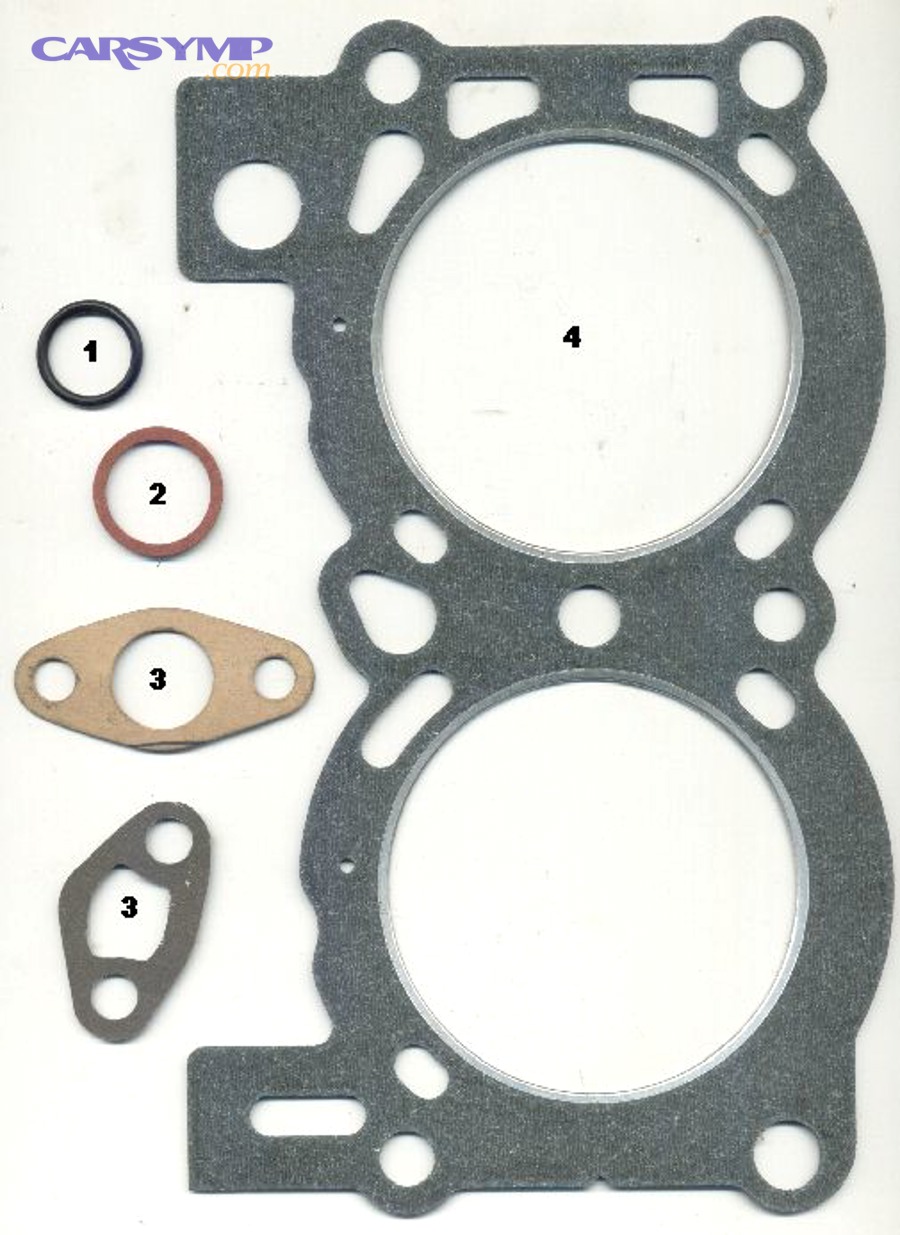
The critical point: head gaskets fail in different ways. A small external seep is not the same as combustion gases pumping into the cooling system. So the option you choose should match the failure mode.
Does head gasket sealer work as a real fix or only a temporary patch?
No—head gasket sealer is usually not a permanent fix for most failures, but yes—it can provide temporary symptom relief in limited cases such as minor seepage without overheating or combustion pressurization. Next, the risk is that sealers can clog passages and mask a worsening problem.
Where sealers are most likely to help:
- Small, slow coolant seep with stable temperatures
- Older vehicle where short-term use is acceptable
- Owner understands it may not last and monitors closely
Where sealers tend to disappoint:
- Combustion gases entering coolant (pressure rises quickly)
- Repeated overheating
- Oil and coolant mixing
- Warped cylinder head or cracked components
A useful mental model is the Combustion gas test in coolant overview: if combustion gases are confirmed in the cooling system, a sealer is usually fighting a high-pressure, high-heat leak path, which is a hard scenario for any chemical patch.
DIY head gasket replacement vs shop repair: which is cheaper after tools, mistakes, and machine work?
DIY wins in cash outlay if you already have tools, space, time, and experience; a shop wins in predictability and warranty, especially when machine work is needed. Next, the real cost comparison must include the value of your time and the cost of one mistake.
DIY: what you actually pay for
- Full gasket set + new bolts (if required)
- Torque wrench, angle gauge, specialty tools (often)
- Machine shop services you can’t DIY (resurface/pressure test)
- Fluids, sealants, cleaners
- Extra parts due to broken fasteners or “while you’re in there” discoveries
Shop: what you pay for
- Labor hours + parts
- Coordination of machining
- Procedures, experience, warranty
- A shorter path to verification (test drives, rechecks)
If your engine requires significant teardown (timing chain service, turbo plumbing), DIY can still be “cheaper,” but the margin shrinks quickly if you need multiple weekends, rework, or towing.
What is the safest “minimum viable repair” if you need the car running short-term?
The safest “minimum viable repair” is a controlled stabilization plan: confirm the failure mode, stop overheating, reduce pressure/contamination risk, and drive only when conditions are stable—while planning a real repair or replacement. Next, this is not a cure; it’s risk management.
Minimum-viable steps (short-term survival plan):
- Confirm cooling system integrity (cap, thermostat function, fans)
- Top off coolant correctly and bleed air
- Avoid high load and long trips
- Watch temperature constantly; stop immediately if it climbs
- Change oil if contamination is suspected (even before the “real” repair)
This approach is only justified when you accept that you’re buying time—not reliability.
Can you drive with a blown head gasket, and how urgent is the repair?
No, it is generally not safe to keep driving with a blown head gasket because the Risks of driving with a bad head gasket include rapid overheating, warped heads, oil contamination, and sudden loss of power; in rare, mild cases you may limp briefly, but the risk remains high. Next, urgency depends on whether overheating and contamination are already occurring.

A head gasket leak is not static. Heat cycles and pressure pulses can turn a slow leak into a major failure quickly—especially once combustion gases start pressurizing the cooling system.
Is it ever safe to drive short distances with head gasket symptoms: yes or no?
Yes, it can be marginally safe for very short distances only if (1) the engine does not overheat, (2) there is no evidence of coolant-in-oil, and (3) power is stable without misfires; otherwise, no, you should tow it. Next, you should decide based on hard stop conditions—not hope.
Hard stop conditions (do not drive)
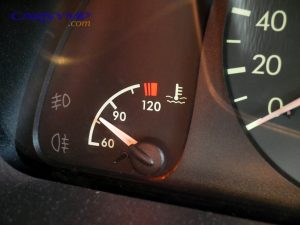
- Temperature rising above normal range
- Misfire with flashing check-engine light
- Coolant disappearing rapidly
- Milky oil or oil level rising
- Cooling system becomes rock-hard quickly after startup
If any of these appear, “one more trip” can turn a gasket job into an engine job.
What happens if you delay head gasket repair: what damage gets worse first?
There are four common escalation paths when you delay head gasket repair: overheating damage, warpage/cracking, lubrication failure from contamination, and emissions system damage. Next, the earliest and most destructive is usually overheating.
Escalation sequence (common pattern):
- Cooling system pressurization pushes coolant out and creates air pockets
- Overheating worsens because coolant can’t circulate properly
- Cylinder head warpage increases sealing failure and leakage
- Coolant in oil reduces lubricity and threatens bearings
- Misfires and coolant burning can damage the catalytic converter
This is why “delay” is expensive: you’re not only waiting—you’re letting heat and fluids rewrite your engine’s mechanical tolerances.
How do you get an accurate quote for head gasket repair and avoid overpaying?
You get an accurate quote by confirming the failure mode with the right tests, ensuring the estimate includes machining and critical parts, and comparing multiple quotes using the same scope checklist. Next, the easiest way to overpay is to approve an estimate that’s vague on what’s included.

A head gasket quote is only meaningful if it matches the diagnosis. A shop that quotes replacement without confirming symptoms may be guessing; a shop that confirms and explains failure mode is reducing your risk.
What questions should you ask a shop about machining, head bolts, and warranty?
You should ask at least five questions to ensure the quote is complete and the repair has a realistic chance of lasting. Next, these questions also protect you from paying twice.
Ask the shop:
- Will the cylinder head be measured for flatness and resurfaced if needed?
- Will the head be pressure-tested for cracks if the engine overheated?
- Are head bolts torque-to-yield, and are new bolts included?
- What cooling system cause will be addressed to prevent repeat failure?
- What warranty is included (parts + labor), and what voids it?
If the answers are vague, your risk is higher—because head gasket success depends on surface prep, torque procedure, and cooling-system reliability.
Which diagnostic tests best confirm a head gasket problem before authorizing the repair?
There are four high-value tests that confirm head gasket issues: combustion gas testing, cooling pressure testing, compression testing, and leak-down testing. Next, the best combination depends on symptoms and whether the engine is currently runnable.
1) Combustion gas test (block test)
- Detects combustion gases in coolant—strong evidence of combustion-to-coolant leak
- This is the core of a solid Combustion gas test in coolant overview
MotorTrend describes how chemical test fluid changes color when combustion gas is present in the cooling system.
2) Cooling system pressure test
- Pressurizes the system to see if pressure drops (external leak) or triggers internal leak behavior
- Helpful for coolant loss without visible leaks
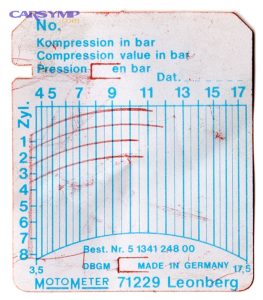
3) Compression test
- Quick screening for cylinders with low compression
- Useful but not definitive alone
4) Leak-down test
- More diagnostic than compression: pinpoints where air escapes (rings, valves, head gasket)
- This is where Compression/leak-down tests explained becomes actionable: it tells you whether your “gasket problem” is actually a worn engine problem
Here’s a practical rule: if a shop confirms diagnosis with at least two complementary tests (for example, block test + leak-down), you’re less likely to authorize the wrong expensive repair.
According to a study by Yale University researchers (Gentner Lab), in 2015, engine coolant (commonly a 50% ethylene glycol solution) circulates at high temperature and pressure and coolant leaks can develop at engine head gaskets, among other locations. (gentnerlab.yale.edu)
According to a study by University of Maryland, College Park researchers, in 1987, radiometric methods were used to examine how engine coolant contamination (ethylene glycol and water) in lubricating oil relates to journal bearing load capacity, highlighting why coolant-in-oil is treated as a high-risk condition. (researchgate.net)
What technical details and prevention steps can reduce head gasket failure risk after repair?
You can reduce repeat head gasket failure risk by matching gasket type to surface requirements, restoring cooling-system control, and validating sealing after the repair, because most repeat failures trace back to heat management or surface/torque issues rather than “bad luck.” Next, prevention is essentially disciplined cooling-system ownership.

A successful head gasket job is not only “no leaks today.” It’s “the engine can manage heat and pressure for the next 50,000+ miles without slipping back into the same failure mode.”
What is the difference between MLS and composite head gaskets, and when does it matter?
MLS gaskets win in high-temperature durability and sealing stability when surfaces are correctly prepared, while composite gaskets can be more forgiving on surface finish and are often used in older designs; the “right” choice depends on OEM spec and machining quality. Next, gasket material matters because it changes how sensitive the seal is to flatness and torque.
MLS (multi-layer steel)
- Excellent durability under heat/pressure
- Often requires tighter surface finish and flatness control
- Common in modern engines
Composite
- More compliant material that can tolerate minor imperfections better
- Often used in older engines or specific applications
- Can be less tolerant of severe heat cycling in some cases
The practical takeaway: follow OEM recommendations, and if machining changes the surface condition, ensure the gasket choice matches the new reality.
How do aluminum heads vs iron blocks affect warpage risk and long-term reliability?
Aluminum heads are more prone to thermal distortion than iron, so overheating events can warp the head faster and make resurfacing more likely, while iron components tend to be dimensionally more stable under the same heat stress. Next, that’s why overheating history is a key part of your decision: it predicts whether sealing surfaces stayed true.
If your engine ran hot, your long-term reliability hinges on:
- Measuring head flatness
- Resurfacing within spec (not excessive material removal)
- Ensuring the cooling system prevents a repeat overheat
Overheating is not just a symptom; it’s a structural event that can change the geometry of sealing surfaces.
Which “while you’re in there” items most reliably prevent repeat head gasket failure?
There are four high-leverage items that most reliably support Preventing head gasket failure after the gasket is replaced: thermostat control, pressure control, coolant flow integrity, and heat rejection. Next, these parts are cheap compared to repeating the labor.
Most impactful supporting items:
- Thermostat (stuck thermostat = repeat overheat risk)
- Radiator cap (pressure control affects boiling point and purge behavior)
- Water pump and drive components (flow stability)
- Hoses and radiator condition (collapse, restrictions, sludge)
Also consider:
- Fan operation (electric fans, relays, fan control modules)
- Correct coolant type and proper bleed procedure
This is where owners often save money the wrong way—skipping a $40 thermostat that prevents a $3,000 repeat repair.
What post-repair checks confirm the fix worked and the engine is healthy?
There are four post-repair checks that confirm the repair is stable: pressure verification, combustion gas recheck, temperature stability under load, and fluid condition monitoring. Next, these checks are the bridge between “installed” and “trusted.”
Post-repair verification checklist:
- Cooling system pressure test after heat cycling
- Recheck for combustion gases if symptoms previously indicated pressurization
- Stable temperature behavior in varied driving (idle + highway + load)
- Oil and coolant monitoring for a few weeks:
- no rising oil level
- no recurring coolant loss
- no sludge or abnormal residue
Finally, treat the first few heat cycles as a proving period: follow After repair: coolant flush and break-in guidance from your mechanic, recheck coolant level after cooldown, and address any small leaks immediately—because small leaks become air pockets, and air pockets become overheating.
Evidence (if any)
- RepairPal’s estimator lists an average head gasket replacement cost range of $2,475–$3,246 and highlights labor as the largest portion. (repairpal.com)
- Yale University researchers note that coolant (often a 50% ethylene glycol solution) operates at elevated temperature/pressure and that leaks can occur at engine head gaskets, among other points in the cooling system. (gentnerlab.yale.edu)
- University of Maryland, College Park researchers studied how coolant contamination (ethylene glycol and water) in lubricating oil relates to journal bearing load capacity, supporting why coolant-in-oil raises the stakes of delaying repair. (researchgate.net)