


If you’re trying to calculate a head gasket replacement cost estimate, start by thinking in two buckets: labor hours × shop rate plus parts and fluids—then add a realistic buffer for teardown findings. Most owners can build a usable “ballpark” estimate in minutes, even before calling a shop, as long as they account for the job’s labor-heavy nature and common add-ons.
Next, you’ll get a clear labor vs. parts breakdown so you can read a quote like a mechanic does—spotting what’s included, what’s missing, and what’s likely to change once the engine comes apart. This matters because “head gasket repair” pricing is rarely one flat number; it’s a range shaped by access, engine layout, and what overheating may have damaged.
Then, we’ll walk through the big variables that move your estimate up or down—engine configuration, vehicle packaging, and local shop rates—plus the hidden line items that often appear after teardown (machining, head bolts, fluids, and “while you’re in there” parts). Finally, we’ll compare Alternatives: engine replacement vs repair so you can choose the option that makes financial sense for your car and timeline. Introduce a new idea: once you understand what a quote means, you can predict the final invoice far more accurately.
What does a “head gasket replacement cost estimate” include?
A head gasket replacement cost estimate is a total price projection for removing the cylinder head(s), replacing sealing components, reassembling the engine, and restoring proper operation—typically combining labor + parts + fluids, with some items listed as “if needed” after inspection.
To better understand why the estimate can feel vague, it helps to separate what’s normally included from what’s conditionally added after teardown, because head gasket failures are often linked to Coolant loss and overheating linked diagnosis that may warp the cylinder head or damage related components.
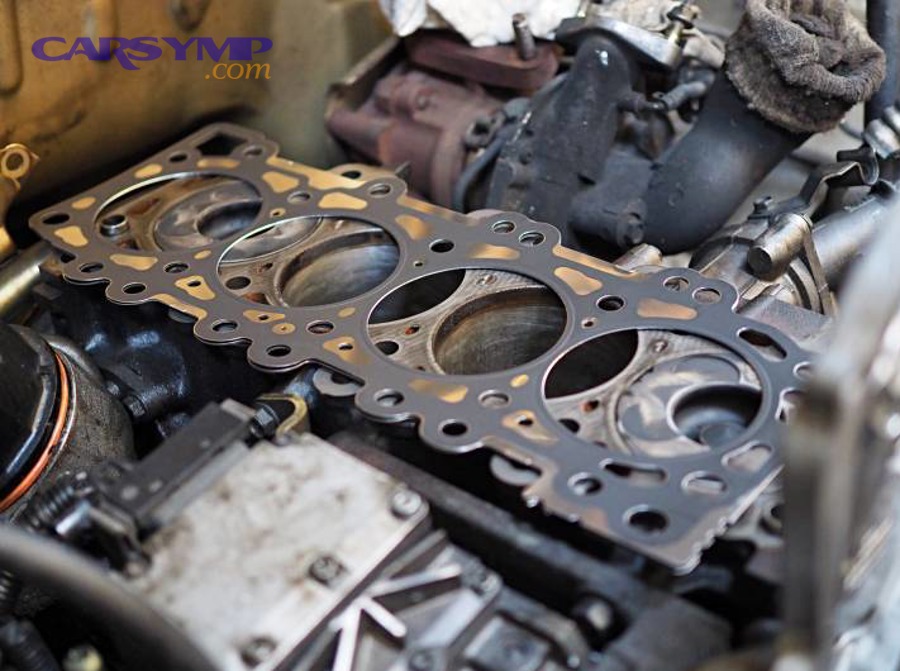
In practice, a thorough estimate often includes:
- Base labor to access and remove the cylinder head(s), then reinstall and time the engine correctly
- Core parts (head gasket, related gaskets/seals, and often new head bolts)
- Fluids and consumables (coolant, oil, filter, sealants, shop supplies)
- Verification steps (cooling system bleed, test drive, recheck for leaks)
However, many estimates exclude or list separately:
- Machine shop work (resurfacing/pressure testing)
- Diagnostics that confirm the failure (some shops roll this into labor; others bill separately)
- Repairs for damage discovered after teardown (cracks, severe warpage, corrosion)
- Towing/rental car time
What parts are typically replaced during a head gasket job?
A standard head gasket job usually replaces a cluster of sealing parts, not just the gasket itself, because once the engine is opened, old seals often cannot be reused reliably.
Then, to keep your estimate realistic, treat the parts list as two tiers: required vs. best-practice replacements, because that’s how many shops price it.
Typically required (most common):
- Head gasket (obviously)
- Intake manifold gasket(s)
- Exhaust manifold gasket(s)
- Valve cover gasket (often disturbed or removed during access)
- Coolant and engine oil (plus filter)
Often required depending on engine design and shop policy:
- New head bolts (especially torque-to-yield designs; more on this later)
- Thermostat and radiator cap (common preventive replacements after overheating)
- Spark plugs or ignition components if contaminated
Best-practice “bundle” items (situational but frequent):
- Upper radiator hose(s) and heater hoses if aged or swollen
- Water pump or timing components when access overlaps (varies by engine)
A quick way to keep your estimate honest is to request (or build) a parts subtotal in these two tiers. That prevents the shock of “Oh, we should replace those bolts/seals anyway” halfway through.
What labor steps are you paying for in a head gasket replacement?
You’re paying for time-intensive disassembly and precise reassembly, plus inspection steps that reduce the risk of repeat failure.
More specifically, the labor isn’t one action—it’s a chain of steps that must be done in the correct order, because a head gasket seals combustion pressure, coolant passages, and oil passages simultaneously.
Typical labor steps include:
- Confirmation and preparation
- Verify symptoms and plan the job (leak test, visual inspection, contamination checks)
- Disassembly for access
- Remove intake, exhaust connections, accessory brackets, and sometimes timing covers
- Cylinder head removal
- Unbolt and lift the head; keep lifters/rockers organized if applicable
- Surface cleaning and inspection
- Clean gasket surfaces; check for warpage; inspect for cracks or corrosion
- Reassembly with correct torque procedure
- Install gasket; torque head bolts in sequence (often torque-angle); re-time engine
- Fluids, bleeding, and verification
- Refill oil/coolant; bleed air; heat-cycle; recheck leaks; road test
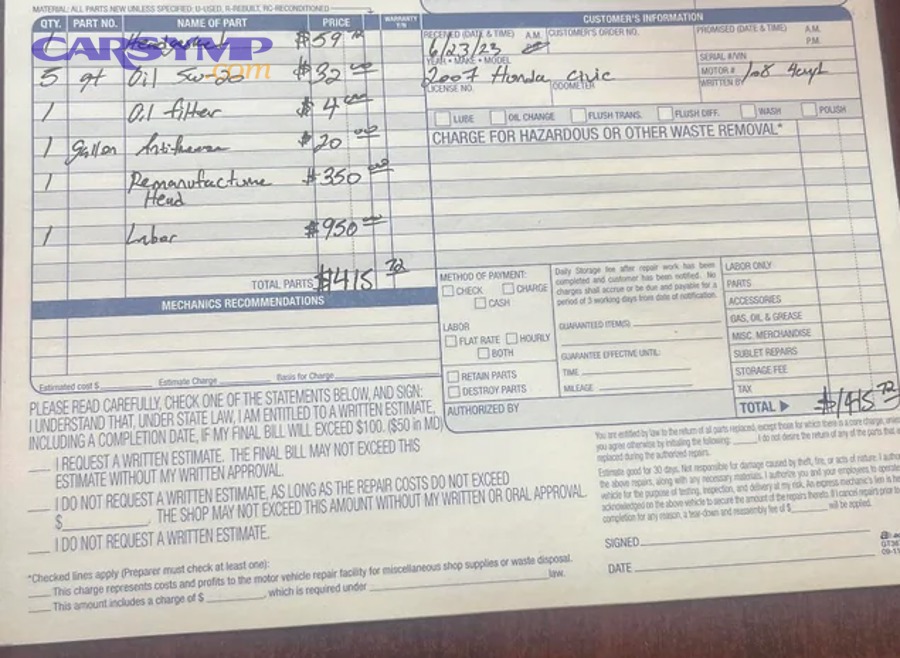
This is why head gasket work stays expensive even when the gasket itself is not. According to RepairPal, the average cost for head gasket replacement is $2,475 to $3,246, with labor often exceeding parts. (repairpal.com)
How much does head gasket replacement cost on average, and what range should car owners expect?
On average, head gasket replacement commonly lands in the low-thousands for many passenger vehicles, but your “true” estimate should be treated as a range that can widen significantly if overheating caused warpage or if the engine is difficult to access.
Next, instead of memorizing one number, build your estimate using a repeatable structure: base labor + base parts, then add conditional items.
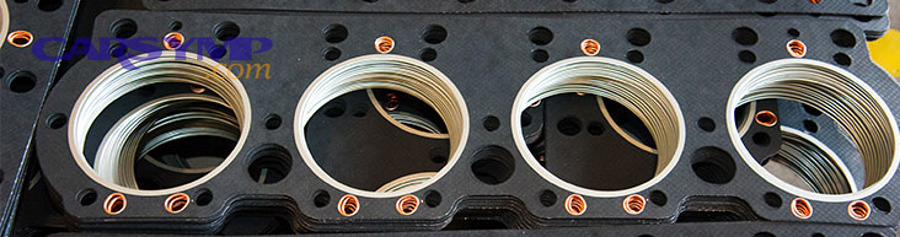
A practical way to think about cost ranges:
- Mid-range mainstream vehicles (many 4-cyl and some V6): often cluster around a few thousand dollars
- Higher complexity (tight packaging, turbo, AWD, V engines): can push higher quickly
- Severe overheating or damage: may change the job from “gasket replacement” into “cylinder head repair/replacement” or even engine replacement
For a reference point, RepairPal’s estimate breaks down to labor $1,574–$2,310 and parts $901–$936 for a typical case (excluding taxes/fees and location differences). (repairpal.com) Other consumer-facing guides report broader ranges because they include more scenarios and higher-damage outcomes. (synchrony.com)
Is the labor cost usually higher than the parts cost?
Yes—labor is usually higher than parts for head gasket replacement for three main reasons: (1) deep engine disassembly, (2) precision reassembly and timing, and (3) inspection/cleanup that can’t be rushed.
Then, once you connect those reasons back to your estimate, you’ll see why the gasket price is not the story—the labor hours are.
1) Deep disassembly drives hours
A head gasket sits between the engine block and cylinder head. Getting there often requires removing intake/exhaust components, accessories, and sometimes timing components.
2) Precision reassembly matters
Correct torque sequence, torque-angle steps, and engine timing alignment can be time-consuming—especially when access is tight.
3) Inspection and surface prep are non-negotiable
Cleaning mating surfaces and checking flatness reduces the chance of repeat failure. If the engine overheated, these steps become even more important.
This is also why some sources describe labor as roughly two-thirds of the bill for typical modern cars. (carparts.com)
How do you create a quick cost estimate using labor hours + shop rate?
A quick estimate uses one method with three steps—estimate labor hours, multiply by shop rate, then add parts/fluids—to produce a realistic total range you can refine with vehicle-specific data.
To illustrate, the key is to treat hours as a variable, not a constant, because packaging differences can swing labor dramatically.
Step 1: Estimate labor hours (ballpark)
A broad labor window for head gasket work can be 8–12+ hours depending on engine design and access complexity, with some jobs exceeding that when teardown or machining is required. (carparts.com)
Step 2: Multiply by local shop rate
Example: 10 hours × $150/hour = $1,500 labor
Step 3: Add parts + fluids + fees
- Parts/seals/bolts bundle: often hundreds to over a thousand (varies widely)
- Fluids and consumables: usually a meaningful add-on
- Taxes/shop supplies: region and shop dependent
Below is a simple table showing how the same job swings when hours and shop rate change. It’s not a quote—it’s a decision tool to help you build your own estimate framework.
| Labor Hours | Shop Rate ($/hr) | Labor Subtotal |
|---|---|---|
| 8 | 120 | 960 |
| 10 | 150 | 1,500 |
| 12 | 180 | 2,160 |
Once you have this labor subtotal, add your expected parts/fluids, then hold a contingency for teardown findings (explained later). That’s how you turn “I heard it’s expensive” into a controllable estimate.
Which factors change a head gasket repair quote the most?
There are five main factors that change a head gasket repair quote the most—engine layout/access, vehicle drivetrain packaging, turbo/extra plumbing, overheating severity, and local labor rates—because each factor alters labor hours or adds specialized steps.
Besides, understanding these quote drivers helps you compare estimates fairly, especially if two shops give you numbers that seem miles apart.
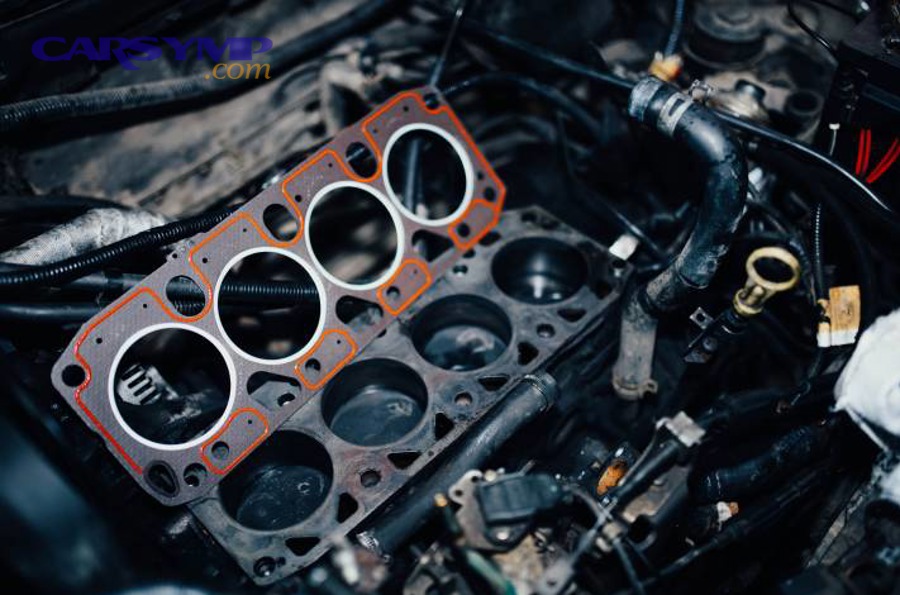
Here’s how each factor moves the price:
- Engine layout and access
- Cylinder count and complexity (more components, more surfaces, more time)
- Drivetrain/packaging (FWD transverse vs. longitudinal layouts; AWD components)
- Turbocharging and emissions equipment (extra plumbing and heat shielding)
- Overheating damage level (warpage/cracks/machining needs)
- Local shop rates and shop type (independent vs dealer; region)
The most useful mindset is: quotes aren’t random—they’re the outcome of hours and risk.
Does engine layout (inline vs V vs boxer) change the price?
Engine layout changes price because inline engines often win on access, V engines add complexity through two banks, and boxer engines can be labor-intensive due to packaging, so your total cost depends on which layout reduces labor hours for your specific vehicle.
However, layout alone isn’t the whole story—vehicle design and access paths matter just as much.
Inline engines (often simpler access):
- One cylinder head (in many designs)
- Potentially fewer disassembly steps depending on engine bay space
V engines (often more labor):
- Two cylinder heads and more associated components
- More gaskets/seals disturbed during disassembly
- Tight access on the rear bank can increase time
Boxer engines (can be time-consuming):
- Packaging can make access challenging
- Depending on model, labor can increase substantially
If your vehicle has a layout known for tight access, your estimate should assume higher labor hours even before discussing parts.
Do turbocharged engines and AWD vehicles cost more to repair?
Yes—turbocharged engines and AWD vehicles often cost more for head gasket work because (1) they add plumbing and heat management components, (2) they reduce access space, and (3) they can require extra disassembly such as subframe or drivetrain-related steps.
More importantly, those “extra” hours compound quickly when multiplied by shop rate.
Turbo adds:
- Intercooler piping and charge plumbing
- Additional heat shielding and cramped fasteners
- Higher under-hood heat, which can worsen gasket/surface issues after overheating
AWD adds:
- More drivetrain hardware in the way
- Potentially more labor to create clearance for head removal
- Greater complexity in reassembly verification
If you’re building an estimate and your vehicle is turbocharged or AWD, treat your “base labor hours” as the high end of your initial range—not the low end.
What “extra costs” commonly appear after teardown, and how can you plan for them?
There are six common extra costs that appear after teardown—machining, head bolts, additional gaskets/seals, contaminated fluids cleanup, cooling system parts, and “while you’re in there” maintenance—and you can plan for them by budgeting a contingency and demanding itemized “if needed” lines.
Next, the goal isn’t to fear add-ons; it’s to predict them before they surprise you.
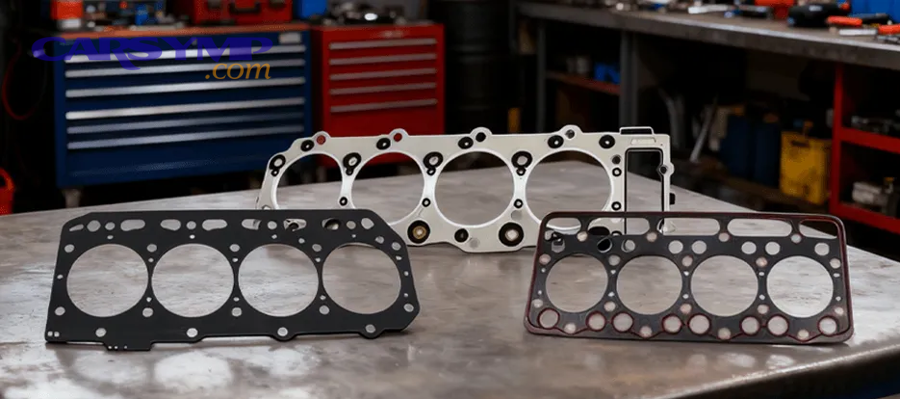
A smart planning approach is to build your estimate in layers:
- Layer 1 (Base job): labor + core gasket/seals + fluids
- Layer 2 (Probable add-ons): head bolts, valve cover gasket, coolant hoses (depending on age)
- Layer 3 (Conditional teardown findings): machining, crack testing, replacement head, additional internal repairs
When is cylinder head machining or resurfacing required, and what does it cost?
Yes—machining or resurfacing is often required when overheating causes the cylinder head surface to warp beyond tolerance, because a new gasket cannot seal reliably against an uneven surface.
Then, once machining is on the table, your estimate must expand because the job adds machine shop fees and may add turnaround time.
Machining is more likely when:
- The vehicle ran hot after a coolant leak
- The head gasket failed and exhaust gases pressurized the cooling system
- The engine repeatedly overheated (even if briefly)
This ties directly into Coolant loss and overheating linked diagnosis: coolant loss can spike temperatures, and extreme heat can distort metal surfaces, turning a gasket replacement into a surface-restoration job.
RepairPal’s cylinder head replacement estimate (a more severe scenario than simple resurfacing) illustrates how costs jump when the head itself becomes a major parts line. (repairpal.com)
What other components are smart to replace “while you’re in there,” and when does it save money?
There are four smart “while you’re in there” replacements—timing components, water pump, thermostat, and aging hoses/seals—based on one criterion: whether replacement later would repeat the same labor you’re already paying for now.
To better understand the savings logic, think in labor duplication: if the part sits behind components you’ve already removed, replacing it now can be cheaper than paying for the same teardown again.
Common examples:
- Timing belt service (if your engine uses a belt and access overlaps with head removal)
- Water pump (especially if driven by timing belt or buried behind covers)
- Thermostat (cheap part, high consequence if it sticks and triggers overheating again)
- Hoses and plastic fittings (especially brittle components near the head)
When does it not save money?
- When the part is easily accessible without repeating major disassembly
- When the part is new or recently replaced with documentation
- When replacement is speculative and not supported by condition or mileage
The best way to prevent upsells is to ask the shop to label each add-on as:
- Required for repair quality
- Strongly recommended prevention
- Optional convenience
This keeps your estimate grounded and your decisions intentional.
How can you tell if a head gasket replacement is worth it compared to alternatives?
Head gasket replacement wins on keeping your known car on the road, engine replacement wins when damage risk is high, and selling/trading becomes optimal when repair cost approaches vehicle value or downtime is unacceptable—so the “best” choice depends on value, risk, and timeline.
Meanwhile, this is where many owners get stuck: they’re not just pricing a repair; they’re choosing between Alternatives: engine replacement vs repair under uncertainty.
Use a quick decision framework:
- Vehicle value (as-is vs repaired)
- Known maintenance history (do you trust the rest of the car?)
- Overheating severity (minor episode vs repeated redline overheating)
- Estimate structure (base vs contingent costs)
- Downtime tolerance (days vs weeks)
- Warranty offered (shop warranty can reduce your risk)
Is it cheaper to replace the head gasket or replace the engine?
Head gasket replacement usually wins on lower upfront cost, engine replacement is best for reducing unknown internal damage risk, and buying a different vehicle becomes optimal for avoiding compounding repair cycles—so the cheaper choice depends on how badly overheating may have harmed the engine.
In addition, you should treat the comparison as “expected total cost,” not just the quote you see first.
Head gasket replacement is usually cheaper when:
- Overheating was caught early
- Oil/coolant contamination was limited and quickly addressed
- Compression is healthy and there are no signs of bottom-end damage
Engine replacement may be smarter when:
- The engine repeatedly overheated
- The cylinder head is cracked or severely warped
- The vehicle has known issues that make repeated repairs likely
For context, J.D. Power notes engine replacement can span a very wide range depending on vehicle and labor. (jdpower.com) That range overlap is why you should compare your head gasket estimate (including contingencies) against your engine replacement estimate (used/reman/new, warranty included).
Should you get multiple estimates, and what should you ask each shop to itemize?
Yes—you should get multiple estimates for head gasket work because (1) labor-hour assumptions vary, (2) included parts lists differ, and (3) machining/contingency policies can change the final invoice.
More importantly, itemization is how you turn quotes into comparable decisions instead of guessing.
Ask each shop to itemize:
- Labor hours and shop rate (or flat labor price with hours implied)
- Parts list with brands (gasket type, bolts, seal kits)
- Fluids and consumables (coolant, oil, filter, sealant)
- Diagnostic approach
- Machining policy (included, not included, or “if needed”)
- Warranty (time/miles and what it covers)
- Contingency communication (approval process if damage is found)
If you want a simple way to sanity-check advice, it can help to read a symptom/diagnosis guide on a site like carsymp.com and compare it to what the shop is telling you—but always rely on testing and itemized documentation, not just web checklists.
What niche technical details can increase head gasket replacement cost and risk?
These niche technical details—torque-to-yield bolts, MLS gasket surface requirements, crack testing outcomes, and contamination cleanup—can increase cost and risk because they add specialized parts, machining standards, or “decision points” that may shift the repair into larger work.
Especially when you’re facing a borderline case, these details explain why two estimates for “the same job” can look wildly different.
Do torque-to-yield (TTY) head bolts change the parts list and total price?
Yes—TTY head bolts change the parts list and total price because (1) they’re commonly single-use, (2) they require torque-angle installation steps, and (3) reusing them can increase the risk of improper clamping force and repeat leaks.
Then, since bolts are relatively cheap compared to labor, many reputable shops automatically include new bolts to protect the repair’s reliability.
What this means for your estimate:
- Expect an added parts line for head bolts (and possibly washers)
- Expect labor time to include torque-angle steps and sequence compliance
- Expect the shop to refuse reusing old bolts, even if you request it
From an estimating perspective, this is a “small” part cost that can protect you from a “big” repeat labor bill later.
Do MLS (multi-layer steel) gaskets require special machining or surface finish that raises costs?
Yes—MLS gaskets can require tighter surface preparation because (1) they seal best on smooth, flat surfaces, (2) surface finish can affect sealing, and (3) imperfect prep increases the risk of micro-leaks under heat and pressure.
However, the practical takeaway is simple: if your engine uses MLS gaskets and it overheated, the shop may be more likely to recommend (or require) machining or stricter prep, which increases cost.
How this changes your estimate:
- Higher likelihood of machine shop involvement
- More time spent on inspection and surface verification
- Greater emphasis on torque procedure accuracy
This is not a reason to panic—it’s a reason to ask the shop what gasket type they’re using and what surface checks they perform.
When do crack testing and pressure testing add cost—and what happens if cracks are found?
Crack testing and pressure testing add cost when overheating severity makes hidden damage plausible, and if cracks are found, head gasket replacement may stop being the correct repair, shifting the decision toward head replacement or engine replacement.
In addition, this is the exact moment when a good shop becomes invaluable: they present evidence (measurements, test results) and options, not guesses.
Common tests and what they do:
- Pressure testing: checks for leaks through the head casting
- Dye penetrant testing: reveals surface cracks
- Flatness measurement: confirms whether resurfacing can restore sealing
If cracks are found, typical outcomes include:
- Replace the cylinder head (new/reman/used)
- Replace the engine (used/reman)
- In some cases, stop and reassess whether the vehicle is worth further investment
This is why contingency language matters: “If we find cracks, we’ll call you” should be written into the estimate process.
Can oil/coolant cross-contamination increase the final bill through extra flushing and cleanup?
Yes—oil/coolant cross-contamination can increase the final bill because (1) the cooling system may need repeated flushing, (2) oil contamination can degrade hoses and seals, and (3) prolonged contamination can create secondary failures that must be addressed to complete the repair reliably.
More specifically, contamination cleanup is a “hidden labor multiplier”: it’s not glamorous, but it’s required for a trustworthy outcome.
What you may see added to the invoice:
- Multiple coolant flush cycles and extra coolant
- Oil changes beyond the first fill (in severe cases)
- Replacement of contaminated hoses or reservoir components
- Additional diagnostic checks after the repair to confirm stability
If your symptoms include unexplained coolant loss, overheating episodes, or signs of contamination, treat cleanup as part of the estimate logic—not an afterthought. That’s how you avoid the classic trap of underestimating what a “simple gasket job” becomes after real-world overheating.
Evidence (if any): According to RepairPal, the average head gasket replacement cost is $2,475–$3,246, with labor estimated at $1,574–$2,310 and parts at $901–$936. (repairpal.com)