


If you’re trying to figure out the cost to improve heater performance, the fastest path is to match your symptom pattern to the most likely repair category—because a $30–$200 fix and a $900–$2,500 fix can both feel like “weak heat” from the driver’s seat.
Then, you need to understand what you’re actually paying for: diagnosis time, labor access (easy vs dashboard-level), parts quality, coolant service, and the post-repair bleed/test that determines whether your cabin heat and defrost are truly restored.
Next, you’ll get a practical “10-minute estimate” process to avoid paying for the wrong repair, plus the most common cost drivers that make two identical-sounding heater problems get wildly different quotes.
Introduce a new idea: once you can estimate the likely fix (flush vs replacement vs thermostat vs blend door), you can also choose wisely between DIY and a shop—without gambling on safety, overheating risk, or poor defrost visibility.
What does it mean to “improve car heater performance,” and what are you actually paying for?
Improving car heater performance is restoring strong, stable cabin heat and reliable defrost by fixing the system that converts engine (or heat-pump) heat into warm airflow—typically through coolant flow, temperature control, and air-mixing doors. More importantly, “cost” is not just a part price; it’s the combined bill for diagnosis + labor access + parts/service + coolant/bleeding + verification that the fix actually worked.
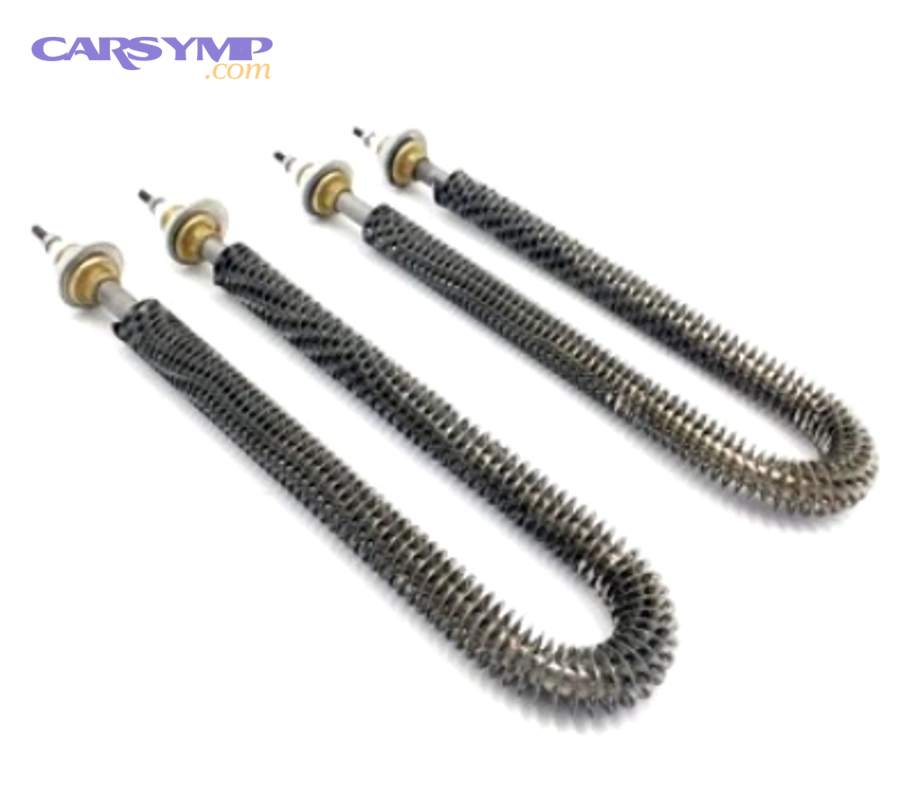
A useful way to think about heater performance is this: your vehicle needs heat production (engine warms up properly), heat delivery (hot coolant reaches the heater core), and heat distribution (air is forced across the heater core and routed correctly to vents/defrost). If any one of those fails, you feel weak heat—even if the other two are fine.
What are the most common signs of weak heater performance?
Weak heater performance usually shows up in a few repeatable patterns, and each pattern points toward a different price tier:
- Airflow is strong but the air is lukewarm
This often suggests the heater core isn’t getting enough heat (coolant flow restriction, air pocket, low coolant, thermostat issue) or the HVAC blend door isn’t routing air through the heater core properly. - Airflow is weak on all speeds
This points toward airflow restrictions (cabin filter, blocked intake) or blower-related issues. It can mimic “no heat” even when the coolant side is healthy. - Heat improves only while driving, but fades at idle
That pattern can suggest low coolant level, air in the system, marginal water pump flow, or a partially restricted heater core. - One side hot, the other side cold (dual-zone systems)
This frequently involves a blend door actuator/door problem, or a heater core with uneven flow. - Defrost is weak or slow, windshield stays foggy
This can be a heater output issue, airflow routing issue (mode door), or simply a clogged cabin filter reducing airflow to the windshield vents. If you’re looking for Defrost performance improvement tips, the starting point is always: confirm airflow volume, confirm hot coolant supply, and confirm the HVAC is routing air to the defrost outlet.
This symptom grouping matters because it prevents you from paying heater-core-replacement money when the real problem is airflow restriction—or from paying for repeated flushes when the heater core is leaking internally.
Is the cost mostly parts or labor for heater performance fixes?
Yes—for most heater performance fixes, labor is the dominant cost, and there are three practical reasons:
- Access complexity: many heater components sit behind the dashboard, console, or HVAC case, so time-to-reach is the real bill driver.
- System steps: coolant drain/refill, bleeding air, and verifying temperature performance add paid time even when the part is cheap.
- Diagnosis time: weak heat is a symptom with multiple causes, so shops often charge diagnostic labor to avoid guesswork.
That’s why a thermostat part might be inexpensive but still billed as a mid-range repair, and why heater core replacement can become a high-ticket job on vehicles that require major dash disassembly.
Which repair is most likely to improve heat—and what does each typically cost?
There are five main repair paths that improve heater performance—cabin airflow fixes, thermostat replacement, coolant service/bleeding, heater core flush, and heater core replacement—and their costs differ mainly by labor time and access. To better understand what your quote should look like, you’ll want to match your symptoms to the repair type and then check what the job includes.
Here’s a quick cost map (typical ranges; varies by vehicle and labor rates):
- Cabin filter / airflow restriction fixes: ~$20–$150 DIY/parts; ~$80–$250 installed
- Thermostat replacement: ~$150–$450 common range; higher on some modern designs
- Coolant bleed / refill / pressure test: ~$100–$300 (more if paired with coolant exchange)
- Heater core flush (service): ~$120–$350 typical shop range
- Heater core replacement: often ~$900–$2,500+ depending on dash removal time
Those numbers are not meant to replace an estimate; they’re meant to keep you from being surprised by category-level pricing.
How much does a heater core flush cost, and when does it actually work?
A heater core flush typically costs $120–$350 at a shop, and it works best when the heater core is partially restricted (reduced flow), not when it’s leaking or fully blocked. Next, the key is understanding what you’re buying: you’re paying for a service that attempts to restore coolant flow through the heater core without replacing it.
A proper flush usually includes:
- Disconnecting heater hoses (or using a service adapter)
- Flushing in both directions (backflush) to dislodge debris
- Refilling coolant and bleeding air from the system
- Verifying inlet/outlet temperature difference and cabin vent temperature
Flush success is most likely when:
- You get lukewarm heat with strong airflow
- Heat is inconsistent (good at highway speed, weak at idle)
- Coolant looks dirty but not contaminated with stop-leak sludge
Flush is less likely to help when:
- You have a sweet coolant smell inside the cabin
- Windshield fogs with an oily film (possible heater core leak)
- Coolant level drops over time (possible leak)
- Heat is completely cold even after bleeding (could be blend door, thermostat, or severe blockage)
If your goal is a durable heater performance fix, flushing is best viewed as a cost-effective attempt before replacement—unless there are clear leak symptoms.
How much does heater core replacement cost, and why is it expensive on some cars?
Heater core replacement commonly costs $900–$2,500+ because the heater core is often buried inside the HVAC case behind the dashboard, and labor hours can dwarf the part cost. Then, the reason quotes swing so widely is simple: on some vehicles the heater core is reachable from an access panel, but on others it requires extensive dash removal.
What the replacement cost usually includes:
- Labor time to access the HVAC box (sometimes dash/console removal)
- New heater core (and sometimes seals/foam strips)
- Coolant drain/refill and bleeding
- Optional add-ons while “you’re in there” (blend door actuator, evaporator inspection)
Replacement becomes the right call when:
- The heater core is leaking (coolant smell, wet carpet, fogging)
- Flushing fails quickly or repeatedly
- The core is internally corroded or severely clogged
- Coolant contamination keeps returning (indicates bigger system issues)
Practically, heater core replacement is the “high confidence” fix for certain symptoms—but it’s also the one you want to avoid unless evidence supports it.
How much does a thermostat replacement cost, and can it really fix weak heat?
Yes—thermostat replacement can absolutely fix weak heat when the engine never reaches or maintains normal operating temperature, and it commonly costs $150–$450 depending on vehicle design and labor access. More specifically, Thermostat replacement impact on cabin heat is direct: if the thermostat is stuck open, coolant circulates too early, the engine runs cooler, and the heater core never gets consistently hot coolant.
Signs a thermostat is likely involved:
- Temperature gauge stays low longer than usual
- Cabin heat is weak on cold days even after driving
- Heat improves slightly at idle but drops at speed (or vice versa, depending on vehicle)
- Fuel economy drops and the engine feels “cold-natured”
Why this matters for cost: thermostat repair is often a mid-tier job—cheaper than heater core replacement but more than a cabin filter—so confirming “engine reaches normal temp” is the fastest way to prevent a wrong category quote.
How much does a blend door actuator fix cost, and what’s the difference between recalibration vs replacement?
A blend door actuator fix typically costs $200–$700 depending on access and whether it’s recalibration or replacement, and the difference is whether you’re paying for procedure time or part + procedure time. However, it’s crucial to know what the actuator does: it moves a door inside the HVAC box that decides how much air passes through the heater core (hot) versus bypass (cool).
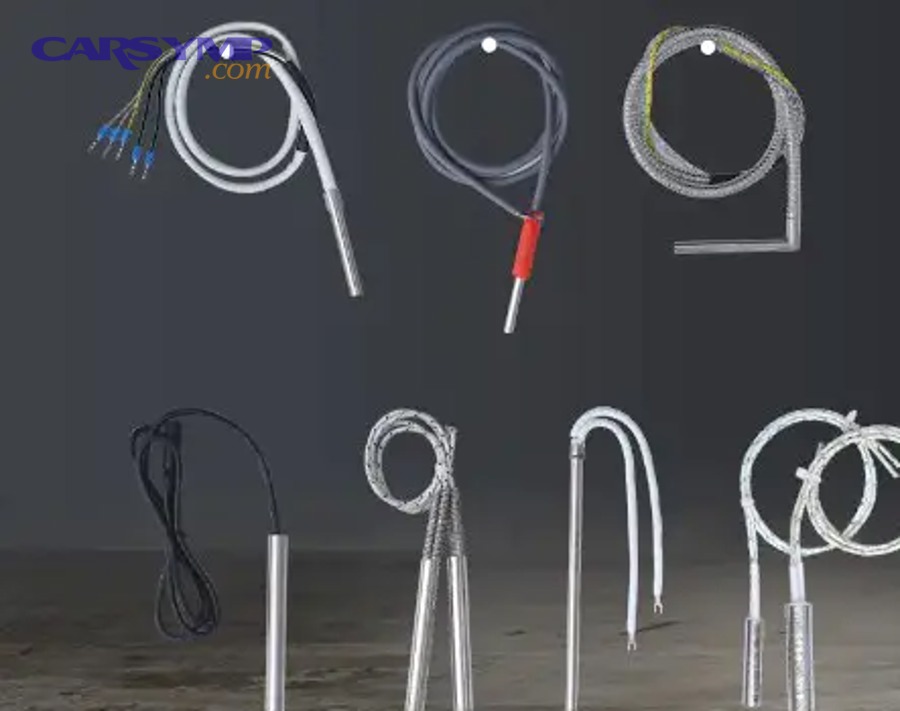
Common symptoms of blend door/actuator problems:
- Clicking or knocking behind the dash
- Temperature changes unexpectedly
- Dual-zone mismatch (driver hot, passenger cold)
- Air won’t route correctly to defrost/floor modes (mode door actuator)
Recalibration (sometimes called relearn/reset) is often:
- Cheaper
- Faster
- Worth trying when the actuator is functional but “lost position” after battery disconnect or control module changes
Replacement is likely when:
- The actuator gear is stripped (persistent clicking)
- The motor fails (no movement)
- The door is stuck and the actuator can’t overcome it
A good estimate strategy is to ask the shop whether they tested door movement and whether recalibration is appropriate before replacement.
How can you estimate your cost accurately in 10 minutes before calling a shop?
You can estimate your heater repair category in 10 minutes by checking (1) whether the engine reaches normal temperature, (2) whether airflow is strong, (3) whether heat changes at idle vs driving, and (4) whether the HVAC doors behave normally—so you can request the right estimate type. Below, the goal is not to “diagnose like a mechanic,” but to avoid paying for the wrong repair category.
Start with two safety rules:
- Only open coolant-related caps when the engine is cold.
- If you suspect overheating or coolant loss, stop driving and address that first.
Does your engine reach normal operating temperature (and stay there)?
Yes/No questions are powerful because they immediately sort your cost path.
- No, it takes forever or never reaches normal → thermostat or coolant system control is a strong suspect. Expect a mid-range estimate request (thermostat + coolant service).
- Yes, it warms normally and stays stable → move to airflow and heater core flow checks.
Why this step is first: the heater core can only deliver heat that the engine (or heat source) produces. If the engine is running too cool, a flush won’t magically create heat.
Is airflow strong but the air is not hot?
If airflow is strong but heat is weak, you’re usually deciding between:
- Heater core flow restriction / air pockets / coolant level issues
- HVAC blend door not routing air through the heater core
A quick user-level check:
- Turn temperature to max hot and fan to medium/high
- Switch between vents and defrost
- Observe whether airflow direction changes correctly and whether heat changes meaningfully
If direction changes but temperature doesn’t, coolant-side issues rise in probability. If temperature changes inconsistently or one side differs, blend door issues rise.
Cost implication:
- Coolant bleed/flush category tends to be lower than replacement
- Blend door actuator category is often mid-range unless access is difficult
Is airflow weak even on high fan speed?
If airflow is weak on all fan speeds, yes—you can improve “heater performance” without touching coolant, because the cabin never receives enough warm air.
Most common airflow culprits:
- Clogged cabin air filter
- Debris in the intake cowl
- Blower motor/resistor issues
- Blocked ducts or stuck mode door
This is often the cheapest repair category and an easy win before you pay for deeper HVAC work. According to an Auto Care Association bulletin, cabin air filters that aren’t changed can restrict airflow and reduce heating/air conditioning performance. (autocare.org)
Do you have clicking behind the dash or temperature changes side-to-side?
Yes—clicking or side-to-side temperature mismatch is one of the strongest user-observable signals for a blend door actuator issue.
A practical approach:
- If clicking starts right when you change temperature settings, suspect the actuator.
- If one side stays cold no matter what, dual-zone blend door control may be failing.
Cost implication:
- Ask for an estimate that includes “recalibration attempt” when appropriate, because that can lower total cost if the actuator isn’t physically damaged.
What factors make heater performance fixes cost more or less?
Heater repair cost changes because labor time, access complexity, HVAC configuration, and coolant requirements change from vehicle to vehicle—and those factors can outweigh the part price. In addition, the same symptom can require a different workflow on a different model, so understanding cost drivers helps you interpret quotes without frustration.

A helpful way to read a quote is to separate it into:
- Diagnostic labor (time)
- Repair labor (access + steps)
- Parts (quality tier + quantity)
- Fluids and shop supplies
- Verification (bleed, test drive, temperature checks)
Which vehicle features increase labor time (and therefore cost)?
The biggest labor multipliers include:
- Dash removal requirements
Some heater cores are accessible; others require substantial disassembly. That alone can shift a job from “expensive” to “very expensive.” - Dual-zone or tri-zone HVAC
More actuators, more doors, more calibration possibilities, and more failure points. - Rear heater circuits (many SUVs and vans)
Longer coolant routing, additional control valves, and more air-bleeding complexity. - Tight packaging or modern designs
Some vehicles integrate thermostat housings, sensors, or coolant outlets in ways that increase labor.
If you want a more accurate estimate, always provide the shop with: year/make/model/engine, whether it’s dual-zone, and whether the issue is “airflow weak” or “airflow strong but not hot.”
What add-on services might appear on the invoice, and are they worth it?
You may see add-ons that look optional but are sometimes essential:
- Coolant refill/bleeding: often required after thermostat work, heater hose work, or flushes.
- Pressure test: valuable if coolant is low or you suspect leaks.
- Cabin filter replacement: worth it if airflow is weak or filter age is unknown.
- HVAC recalibration: relevant for electronic actuators and climate control modules.
A key rule: add-ons are “worth it” when they protect the success of the main repair. For example, a thermostat replacement without proper bleeding can leave air pockets and produce weak heat again—so the “extra” procedure prevents a repeat visit.
Should you DIY or pay a shop to improve heater performance?
Yes—you should DIY some heater performance fixes because they’re low-risk and low-cost, but you should pay a shop when the repair involves pressurized coolant systems, HVAC case disassembly, or calibration steps you can’t verify safely. Besides cost, the three deciding reasons are safety, repeat-failure risk, and ability to confirm the fix.
DIY is best when:
- The task does not require opening a hot/pressurized cooling system
- The task has a clear success/fail test you can perform
- The consequence of a mistake is low (no overheating risk)
Shop repair is best when:
- Overheating or coolant loss is possible
- Major disassembly is required
- The job requires scanning/calibration or leak verification
Which fixes are safe for DIY (and which are not)?
Safe-ish DIY options (for many drivers):
- Cabin air filter replacement (often minutes, minimal tools)
- Clearing intake debris near the cowl (leaves, snow blockage)
- Basic HVAC setting checks (defrost mode, recirculation behavior)
- Visual coolant level check when cold (without opening hot caps)
Often not a good DIY idea:
- Heater core replacement (dash removal, leak risk, high labor complexity)
- Major coolant work without proper bleeding procedures
- Repeated flush attempts when contamination is present (you can spread debris)
- Electrical actuator diagnosis when access is tight and parts are easily damaged
If your goal is a reliable heater performance fix, DIY should be used to eliminate the cheap, common causes first—then escalate only if symptoms persist.
When does weak heat become an urgent problem (cost aside)?
Yes—weak heat can become urgent when it’s tied to coolant loss, overheating risk, or defrost visibility, and there are at least three reasons you should act immediately:
- Coolant loss can escalate into overheating and engine damage.
- A leaking heater core can fog the windshield and reduce visibility.
- Poor defrost performance can create a safety hazard in cold or wet conditions.
Defrost isn’t just comfort—it’s safety. SAE publications emphasize the importance of maintaining adequate windshield visibility and the role of vehicle defrost systems in meeting visibility requirements. (sae.org)
What hidden or rare issues can cause repeat weak heat—and how do they change the final cost?
Hidden repeat-heat issues usually come from misdiagnosed restrictions, recurring contamination, electronic calibration needs, or unusual corrosion mechanisms, and they raise cost by adding diagnostic steps and preventing one-and-done repairs. In short, these are the reasons someone pays for a flush, feels improvement, and then ends up back at the shop weeks later.
What is heater-core inlet vs outlet temperature testing, and when should you ask for it?
Heater-core inlet vs outlet temperature testing is a diagnostic method that compares the temperature of coolant entering and leaving the heater core to infer coolant flow and heat transfer performance. Next, you should ask for it when your symptoms suggest restriction but you’re trying to avoid unnecessary replacement.
How it helps your cost decision:
- If inlet is hot and outlet is much cooler, flow may be restricted or heat transfer is impaired.
- If both are similar but cabin air is cold, the issue may be airflow routing (blend door) rather than coolant flow.
This type of test supports smarter choices: it can justify a flush attempt, confirm that flushing failed, or redirect you toward blend door diagnosis instead of repeated coolant work.
Can mixed coolant, stop-leak residue, or sludge raise the cost beyond a basic flush?
Yes—contamination can raise the cost beyond a basic flush because it can require deeper cleaning steps, repeated flush cycles, and sometimes component replacement to stop debris from re-clogging the heater core. More specifically, mixed coolants and residue often reduce reliability because the heater core has narrow passages that clog before the radiator does.
What cost changes when contamination exists:
- A simple “heater core flush” becomes a more involved cooling system service
- Shops may recommend coolant exchange, hose inspection, pressure tests, and follow-up verification
- If the system is repeatedly contaminated, replacement becomes more likely
Related insight: heavy-vehicle cooling systems commonly use a 50/50 ethylene glycol/water mixture, reflecting the balance between freeze protection, corrosion control, and thermal performance expectations. (publications.anl.gov) (This doesn’t mean 50/50 is always best for every car—follow your owner’s manual—but it explains why coolant composition is treated as a system-level variable, not a minor detail.)
Do electronic HVAC systems require a scan-tool calibration after repairs?
Yes—many electronic HVAC systems require calibration (relearn) after actuator replacement, battery disconnects, or module work, and skipping this step can mimic “the repair didn’t work.” Moreover, calibration affects cost because it adds procedure time and sometimes requires scan-tool access.
When recalibration matters most:
- Automatic climate control vehicles
- Dual-zone systems with multiple actuators
- After actuator replacement or HVAC module replacement
If your quote includes calibration labor, it can be legitimate—especially when the alternative is repeated comebacks and unnecessary parts swapping.
Could electrolysis/stray current be damaging the heater core, and what does fixing it involve?
Electrolysis/stray current damage is a rare condition where electrical current accelerates corrosion in cooling system components, potentially shortening heater core life and creating recurring leaks or restrictions. To illustrate why it changes cost: it turns a one-time replacement into a repeat failure unless the underlying electrical/corrosion issue is addressed.
What remediation may involve:
- Checking grounds and electrical system integrity
- Confirming coolant condition and correct type
- Inspecting for corrosion patterns and repeated component failures
This is not the first thing to suspect, but it’s worth discussing if you have repeated heater core issues despite correct repairs.
Evidence (if any)
- According to an Auto Care Association bulletin, cabin air filters not changed at recommended intervals may restrict airflow and reduce heating and air conditioning performance. (autocare.org)
- According to an SAE technical paper on automotive defrost/demisting requirements, maintaining adequate windshield visibility is critical and defrost systems are required to clear windshields and side windows for safe operation. (sae.org)
- According to an Argonne National Laboratory publication discussing heavy-vehicle cooling systems, a 50/50 ethylene glycol/water mixture is a common design baseline, underscoring how coolant composition is treated as an engineering variable in thermal management. (publications.anl.gov)