


Cabin heat often gets weaker after a thermostat replacement because the engine is no longer reaching (or holding) normal operating temperature, or because air trapped during the repair reduces coolant flow through the heater core. The fastest path to restore normal heater output is to confirm operating temperature, verify coolant level, and bleed the cooling system correctly.
Next, you’ll get a practical diagnostic checklist that separates coolant-flow problems (air pockets, low coolant, wrong thermostat, restricted heater core) from HVAC-airflow problems (blend door, fan delivery, and Cabin airflow restrictions and cabin filter checks). This keeps you from replacing parts blindly.
Then, you’ll learn how thermostat temperature ratings influence warm-up speed and winter comfort, including why a “cooler” thermostat can reduce heater output even if the thermostat is brand-new, and when sticking to OEM specs is the smarter heater performance fix.
Introduce a new idea: even if the thermostat was installed correctly, weak heat can be a safety issue when you need defrost performance, so the final sections include clear “safe-to-drive” rules and the cost/edge-case items that can complicate the diagnosis.
Did the thermostat replacement cause weak cabin heat, or did it reveal an existing problem?
Yes—thermostat replacement can cause weak cabin heat, and it usually happens for three reasons: trapped air after service, an incorrect thermostat temperature rating (or faulty new thermostat), or a pre-existing coolant-flow/HVAC issue that becomes obvious once the system is disturbed.
To begin, the quickest way to avoid chasing the wrong repair is to decide whether the problem is “engine too cool,” “coolant not flowing through the heater core,” or “air not moving through the cabin vents.”
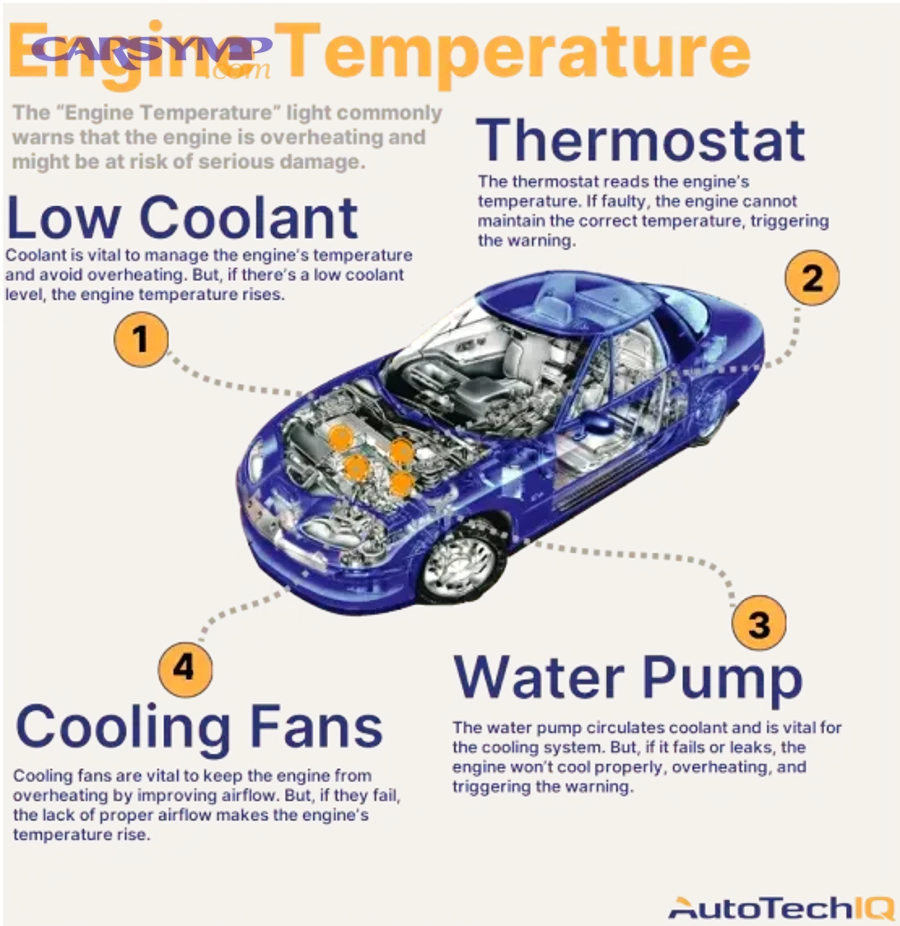
When heat changes right after a thermostat job, the timeline matters. A thermostat swap usually requires draining some coolant, opening the system, and refilling—each step increases the chance of air pockets. Meanwhile, if the old thermostat was stuck open, you may have already had weak heat; installing the correct thermostat should improve it, not worsen it. That’s why the first checks focus on temperature behavior and repeatable patterns (idle vs driving, left vs right vents, sudden swings).
Is the engine reaching normal operating temperature within the usual time?
A “too-cool engine” is the most direct reason cabin heat feels weak after thermostat replacement, because the heater core can only deliver the heat the coolant carries. When the engine runs cool, the coolant entering the heater core is cooler, so the air across the core cannot get hot.
Use these fast indicators:
- Warm-up time changed: it takes noticeably longer to produce warm air than before.
- Gauge stays low (or scan tool shows coolant temp below typical range for your vehicle).
- Heat fades on highway: the engine cools off under airflow because coolant never stabilizes at the intended setpoint.
If the engine never reaches normal temperature, your “cabin heat problem” is often a “thermostat setpoint/installation/spec problem.” That includes a wrong thermostat temperature rating (example: using a lower-temp thermostat than OEM), a thermostat stuck open out of the box, or an installation issue (mis-seated seal, incorrect orientation in designs that require it).
Is the heater hot while driving but cool at idle?
If you get decent heat at speed but weak heat at idle, coolant circulation and air pockets move to the top of the suspect list. At idle, coolant flow and fan airflow are lower, so small restrictions or trapped air can show up as lukewarm vents.
Common patterns:
- Hot at speed, cool at idle → marginal coolant flow through the heater core, trapped air that shifts, or a partially restricted heater core.
- Cool at speed and idle → engine too cool, coolant level low, thermostat stuck open, or heater core not receiving flow at all.
This pattern matters because it points you toward bleeding and flow checks before you touch HVAC electronics.
Is the heat output inconsistent between vents or sides (driver vs passenger)?
Uneven heat left-to-right (or front-to-rear in vehicles with rear HVAC) often indicates an HVAC air-mixing issue rather than a thermostat issue.
Typical interpretations:
- Driver hot / passenger cool (or vice versa): dual-zone blend door/actuator issue or calibration error.
- Defrost hot but dash vents cool: mode door or control problem.
- Rear cold while front warm: rear heater core flow issue, auxiliary valve/pump, or air trapped in a branch circuit.
That’s why “after thermostat replacement” doesn’t automatically mean “thermostat is bad”—it may be the event that exposed a blend door or airflow problem you didn’t notice until you were already paying attention to cabin temperature.
What does “no heat after thermostat replacement” actually mean in the cooling/heating system?
“No heat after thermostat replacement” means the heater core is not transferring enough engine heat into cabin air, either because the coolant entering the heater core is not hot enough, the coolant is not flowing through the heater core, or the HVAC system is not directing air across the heater core and into the cabin.
More specifically, the phrase is a shortcut for a chain of components that must all work together: engine heat → coolant temperature → coolant flow → heater core heat exchange → blower airflow → blend/mode doors → vent delivery.
Once you map the system, you can diagnose with fewer guesses. The thermostat sets the engine’s temperature behavior by regulating coolant flow to the radiator and bypass. The heater core sits like a small radiator inside the dash. The HVAC box decides whether air goes through that core (hot) or bypasses it (cool), and where it exits (defrost/floor/dash).
How does a thermostat’s opening temperature affect heater output and defrost performance?
A thermostat’s opening temperature influences heater output because it influences the coolant temperature available to the heater core and how quickly the engine warms up.
- A higher-temperature OEM thermostat generally helps the engine reach its normal operating temperature sooner in cold weather, which can improve early cabin heat and defrost effectiveness.
- A lower-temperature thermostat can keep the engine cooler under some conditions, which often means less heat potential at the heater core during short trips and very cold mornings.
The key is not “higher is always better,” but “correct for your engine’s calibration.” Many modern engines are designed to run within a specific temperature band for efficiency and emissions, and deviating from OEM spec can create side effects.
Evidence: According to a study by Chalmers University of Technology from the Department of Applied Mechanics, in 2011, modeling of engine coolant warm-up behavior is used to detect whether a thermostat is functioning correctly during the warm-up phase—highlighting how thermostat behavior directly governs coolant temperature rise during warm-up.
What is “air trapped in the cooling system,” and why does it reduce cabin heat first?
Air trapped in the cooling system is a pocket of gas inside coolant passages that blocks or reduces liquid coolant flow. It often reduces cabin heat first because the heater core is frequently located higher than parts of the engine and radiator, so air naturally rises into it.
Practical symptoms include:
- Heat that comes and goes when you accelerate, brake, or park on different slopes
- A gurgling sound behind the dash
- One heater hose hot and the other noticeably cooler
- Coolant level that drops after the first drive because air finally purges into the reservoir
This is why bleeding (burping) is one of the most reliable Weak heat output causes and solutions after thermostat replacement.
What is the difference between a coolant-flow problem and an HVAC-airflow problem?
A coolant-flow problem is about hot coolant not moving through the heater core, while an HVAC-airflow problem is about air not being pushed through the heater core or not being routed correctly.
A quick comparison that guides your next step:
- Heater hoses hot + vents cold → likely HVAC airflow/blend door/mode door issue
- Inlet hose hot + outlet hose cool → likely restricted heater core or heater control valve not opening
- Both hoses cool → likely low coolant, trapped air, thermostat stuck open, or engine not reaching temperature
This one distinction prevents a common mistake: replacing thermostats repeatedly when the real issue is a blend door actuator or restricted airflow.
What are the most common causes of weak heat after a thermostat change?
There are 6 main causes of weak heat after a thermostat change: air trapped in the cooling system, low coolant level, incorrect thermostat temperature rating, a faulty/stuck-open new thermostat, restricted heater core flow, and HVAC air-mixing or airflow restrictions.
However, the repair sequence matters: start with the causes that are most common immediately after service (air pockets and coolant level), then verify thermostat correctness, and only then move to heater core and HVAC controls.
Which cooling-system causes are most likely right after replacement?
Right after a thermostat job, the cooling-system causes that dominate are the ones created by opening the system:
- Air pockets from incomplete bleeding
- Low coolant level after refill (especially after the first heat cycle)
- Wrong thermostat temperature rating (installed part doesn’t match OEM spec)
- Defective new thermostat (stuck open or inconsistent operation)
- Thermostat installation problems (pinched seal, misalignment, housing leak)
The highest-impact concept is simple: coolant must be full and moving before the heater can work. Even a small air pocket can keep the heater core from filling completely, leaving you with lukewarm airflow.
Which HVAC causes can look like a thermostat problem?
HVAC issues often mimic thermostat issues because the symptom is identical at the vents: “no heat.”
Top HVAC look-alikes include:
- Blend door actuator failure (door stuck on cold or not traveling fully)
- Loss of calibration in electronic HVAC systems (especially after battery disconnect)
- Cabin airflow restrictions and cabin filter checks problems (clogged filter reduces airflow, making heat feel weak even if the heater core is hot)
- Mode door faults (air not routed to the expected vents, especially defrost)
If the heater hoses are hot but the vents are not, you can often stop blaming the thermostat and start verifying blend door behavior.
Which “bigger problems” can appear coincidentally after thermostat service?
Some problems are not caused by the thermostat itself but can become visible after the service event:
- Leaks from disturbed hoses or seals leading to low coolant
- A weak water pump that was marginal before, now exposed by air or refill conditions
- A partially restricted heater core that finally shows symptoms when flow changes
- Cooling system contamination (scale, sludge) that reduces heater core heat transfer
The strategy here is to follow the temperature-and-flow logic rather than focusing on “what was just replaced.”
How do you diagnose and restore cabin heat step-by-step after thermostat replacement?
A reliable heater performance fix is a 4-part method: confirm coolant level, bleed the cooling system, measure heater hose temperature behavior, and verify thermostat spec and HVAC door operation—done in that order to restore cabin heat without guesswork.
Below is a practical workflow you can follow in one afternoon, with decision points that tell you what to do next.
How do you confirm coolant level and properly bleed/burp the system?
Coolant bleeding is the most common fix because air pockets are the most common cause after the system is opened.
Step-by-step (general method):
- Start cold and safe. Never open a hot pressurized system.
- Fill correctly. If your vehicle has a radiator cap, fill at the radiator when cold (not only at the reservoir). If it’s a sealed system, fill per the manufacturer method.
- Set HVAC to maximum heat. This opens heater circuits in many systems and allows the heater core to fill.
- Use a spill-free funnel or proper fill adapter to keep the fill point above the engine and help air escape.
- Run the engine and watch for thermostat opening. You should see coolant circulation changes and the upper radiator hose warm when the thermostat opens (varies by design).
- Top off as bubbles release. Keep the level stable as air purges.
- Cool down and recheck. After a full heat cycle and cool-down, recheck coolant level and top off again.
Important cautions:
- A cooling system can trap air in specific engine layouts; follow any factory bleed screw procedure if equipped.
- If coolant level repeatedly drops after drives, treat it like a leak or persistent air intrusion until proven otherwise.
Evidence: According to a study by Clemson University, in 2006, thermostat-regulated coolant flow is fundamental to controlling heat exchange during warm-up, underscoring why correct circulation and stable temperature depend on proper coolant flow—something air pockets directly disrupt.
How do you use heater hose temperatures to pinpoint the failure?
Heater hoses give you a “truth test” for whether hot coolant is reaching and passing through the heater core.
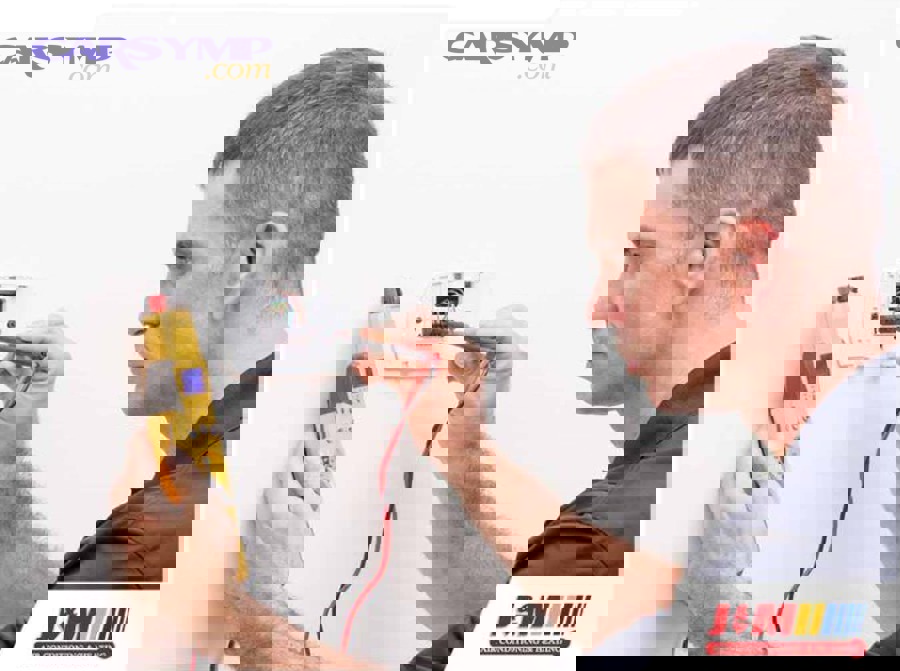
Use a careful touch test (with caution) or an infrared thermometer:
- Both hoses hot and similar temperature
- Likely coolant is flowing through the heater core properly
- Focus on HVAC doors, blower airflow, and cabin filter restriction
- Inlet hot, outlet significantly cooler
- Coolant reaches the heater core but doesn’t flow well through it
- Suspect a restricted heater core or a heater control valve not opening
- Both hoses cool or only warm
- Coolant isn’t hot enough or isn’t reaching the heater core
- Suspect low coolant, trapped air, thermostat stuck open, or engine not reaching temperature
This step prevents you from guessing. If the heater core is hot, the cooling system is doing its job, and the HVAC system becomes the main suspect.
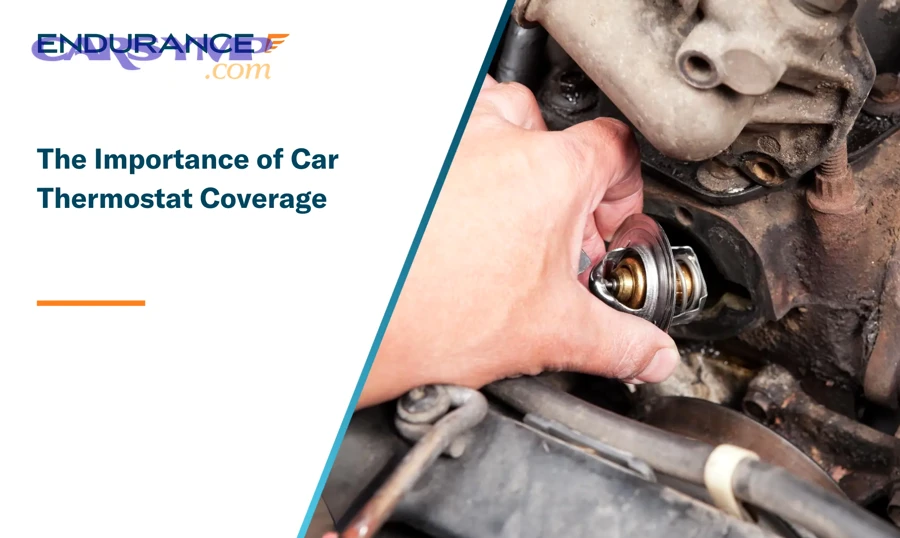
How do you check thermostat correctness and installation without tearing everything apart?
You can verify thermostat correctness by confirming the temperature target and how the engine behaves during warm-up.
Checklist:
- Confirm OEM temperature spec for your exact engine (many are designed around ~195–203°F / ~90–95°C, but it varies).
- Verify the part number and whether it’s an integrated housing thermostat (common on newer vehicles).
- Watch warm-up behavior:
- Does temperature rise steadily, then stabilize?
- Does it drop at highway speed (suggesting stuck-open behavior)?
- Check for leaks around the thermostat housing—small leaks can pull in air as the system cools.
If you can access scan data, compare the coolant temperature to your vehicle’s typical range. A stable “too low” temperature is a strong sign the thermostat is wrong-spec or stuck open.
Evidence: According to a study by SAE International, in 2018, engine coolant temperature has measurable influence on fuel consumption and emissions, reinforcing that correct coolant temperature control (thermostat function) is a core design target, not a minor preference.
How do you verify blend door operation and HVAC calibration steps?
If coolant is hot at the heater core but cabin heat is still weak, HVAC air-mixing is the likely bottleneck.
What to do:
- Set temperature from cold to hot while the engine is warm.
- Listen for actuator movement (small electric motor sounds behind the dash).
- Feel for temperature change at vents within ~10–30 seconds (varies).
- If dual-zone: test each side separately.
Signs of a blend door problem:
- One side never gets hot
- Temperature changes are delayed or inconsistent
- Clicking noises from behind the dash (stripped actuator gears)
Some vehicles require an HVAC recalibration procedure after battery disconnect or control changes. If you recently disconnected the battery during the thermostat job, calibration becomes more relevant.
Should you choose a higher- or lower-temperature thermostat for more cabin heat?
A higher-temperature thermostat “wins” for faster warm-up and stronger early cabin heat, a lower-temperature thermostat is best only for specific performance or heat-management goals, and the OEM-specified thermostat is optimal for most car owners because it balances heat, efficiency, and engine protection.
However, the best choice is not the one that “sounds hotter,” but the one that matches the engine’s intended operating strategy—especially for modern powertrains.
Does a 195/203°F thermostat provide more heat than a 180°F thermostat in winter?
In many everyday winter driving scenarios, yes: a thermostat closer to OEM spec (often around 195–203°F in many gasoline engines) helps the engine warm up sooner and maintains higher coolant temperature, which increases heater core heat potential—especially on short trips.
But two clarifications prevent confusion:
- If your current thermostat is wrong-spec (too cold), switching to correct OEM spec can feel like a dramatic upgrade.
- If your heating system has airflow restrictions or a blend door fault, a hotter thermostat won’t “fix” the vent temperature because the heat isn’t reaching the cabin air effectively.
When is changing thermostat temperature a bad idea (or a band-aid)?
Changing thermostat temperature is usually a bad idea when you’re using it to mask a real restriction or airflow problem.
Common “band-aid” scenarios:
- The heater core is partially restricted, so you raise thermostat temp hoping to “push more heat.”
- The cabin filter is clogged, so airflow is weak and you chase temperature instead of airflow.
- The engine has a cooling system issue (air intrusion, leaks), and thermostat changes distract from the cause.
The safer principle is: fix flow and airflow first; only then consider thermostat choice—preferably OEM spec.
Which thermostat choice is best for car owners in cold climates vs mild climates?
For most car owners, the right answer is consistent across climates: use OEM temperature spec. Cold climates mainly increase the penalty of a too-cool thermostat (slow warm-up, weak defrost), while mild climates reduce that penalty.
Practical guidance:
- Cold climates / short trips: OEM spec matters more because warm-up time dominates comfort.
- Mild climates / long highway trips: differences may feel smaller, but wrong-spec can still reduce efficiency and heater output consistency.
Is it safe to drive if cabin heat is weak after thermostat replacement?
It depends: Yes, it’s often safe to drive with weak cabin heat after thermostat replacement if engine temperature is stable and coolant level is correct, but No if you see overheating, rapid temperature swings, coolant loss, or you can’t defrost the windshield safely—and three clear warning signs should stop you immediately.
Next, use the rules below as a decision tree so you can protect the engine and keep defrost performance reliable.

Is weak heat dangerous if the engine temperature is normal and stable?
If temperature is normal and stable, weak heat is usually not immediately dangerous to the engine. In that situation, you’re typically dealing with HVAC air-mixing, airflow restriction, or a partial heater core restriction rather than a severe cooling failure.
However, weak heat can still be a safety issue if it reduces windshield defogging/defrosting in humid or freezing conditions. If you can’t keep the windshield clear, treat it as unsafe driving even if the engine itself is fine.
Evidence: According to a study by NHTSA, in standards related to FMVSS 103, vehicles are required to have effective defrost/defog systems, emphasizing that defrost performance is a safety function, not a comfort feature.
Do you need to stop driving immediately if you see overheating or coolant loss?
Yes—stop driving if you observe any of these:
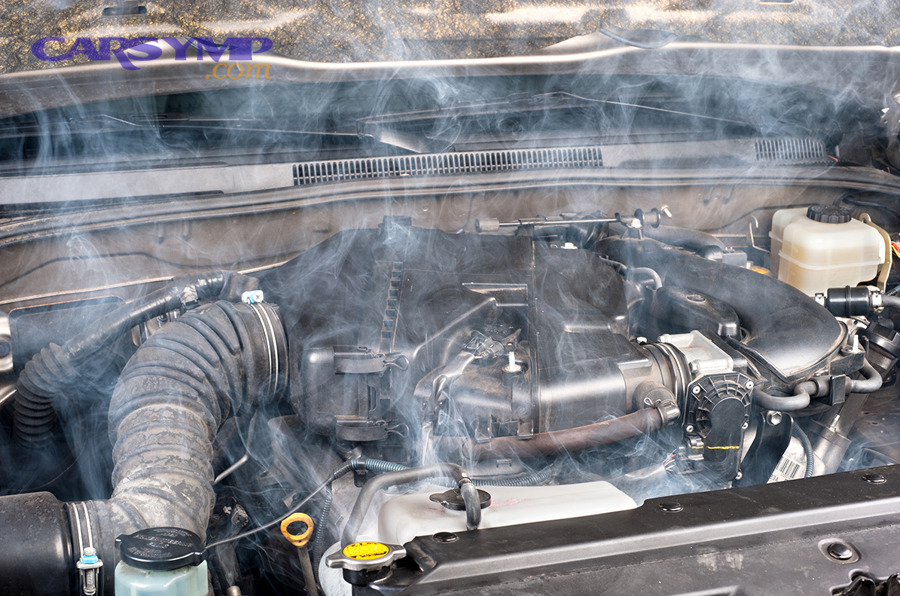
- Temperature gauge rising toward hot or warning light on
- Coolant smell, steam, or visible leaks
- Coolant reservoir emptying repeatedly
- Rapid swings from hot to cold (suggesting air pockets or loss of circulation)
Overheating can cause expensive engine damage quickly. A thermostat replacement event can sometimes reveal a weak hose, clamp, or gasket seal; if coolant loss begins after the repair, treat it as urgent.
When should you seek a professional diagnosis instead of continuing DIY checks?
Seek professional help when:
- You must bleed the system repeatedly and the problem returns (persistent air intrusion or leak).
- Heater hoses indicate restriction (inlet hot, outlet much cooler) and flushing is uncertain or risky for your vehicle.
- The vehicle uses an electronic thermostat, auxiliary coolant pumps, or complex valves that require scan-tool commands.
- Cabin heat is uneven in a way that suggests actuator calibration or module faults that need diagnostic codes.
What else can affect cabin heat after thermostat replacement (costs, uncommon parts, and special HVAC designs)?
This issue can persist even after correct bleeding because three “less obvious” factors can dominate: cost-driven repair choices (flush vs replace), vehicle-specific heater valves/aux pumps/rear HVAC branches, and contamination or coolant-mix problems that restrict heater-core flow.
Besides the main diagnostic path, this section expands micro-level coverage so you can plan next steps with fewer surprises—including Cost to improve heater performance.
What is the cost to restore heater output if bleeding doesn’t fix it?
Cost varies by vehicle layout and what the tests reveal, but you can think in “repair tiers”:
Low-cost tier (common):
- Proper coolant top-off and bleed procedure
- Replace cabin air filter (if restricted)
- Basic HVAC recalibration (if applicable)
Mid-cost tier (frequent on older vehicles):
- Heater core flush (when inlet/outlet hose temps suggest restriction)
- Replace a heater control valve (if equipped and not opening)
Higher-cost tier (vehicle-dependent):
- Blend door actuator replacement (dash access varies widely)
- Heater core replacement (labor intensive)
- Water pump replacement (if flow is insufficient)
A practical way to control Cost to improve heater performance is to use hose temperature testing first; it often tells you whether you’re heading toward HVAC labor or coolant-flow work.
Do rear heaters, dual-zone systems, or heater control valves change the diagnosis?
Yes—these designs change how heat problems appear:
- Rear HVAC systems may have separate heater cores or long coolant lines; air pockets can trap in those runs first.
- Dual-zone HVAC introduces more blend doors and actuators, increasing the chance of a left-right mismatch.
- Heater control valves (vacuum or electrically actuated) can stick closed, producing “no heat” despite a hot engine.
If your front heat is good but rear heat is weak, focus on rear circuit bleeding, valve operation, and line temperature checks rather than swapping thermostats again.
Can coolant type, mixing, or stop-leak cause heater-core restrictions after service?
Yes—coolant issues can create or worsen restrictions, especially in heater cores with narrow passages.
Watch for:
- Brown sludge or particulate in coolant
- A history of stop-leak use
- Inlet hose hot / outlet hose cool pattern that persists after bleeding
If you suspect contamination, a careful flush (or professional service) may restore flow. If contamination is severe, replacement can be the only durable fix.
What’s the opposite problem—too much heat or overheating after thermostat replacement—and what does it indicate?
The antonym of “weak cabin heat” is not simply “great heat”—it can be overheating, which indicates a different failure path:
- Thermostat stuck closed or blocked flow path
- Severe air pockets causing localized hot spots
- Cooling fan issues revealed during refill
- Radiator restriction
If cabin heat is strong but the engine overheats, do not treat it as “a good sign.” That pattern often means the engine is generating heat but cannot reject it through the radiator circuit.
Evidence: According to a study by Springer, in 2021, thermostat behavior influences warm-up period and fuel consumption, reinforcing that thermostat control affects system temperature dynamics—both underheating and overheating are meaningful diagnostic signals.