


If you want faster windshield clearing, the most reliable defrost performance improvement tip is to run Defrost + A/C (dehumidify) + high fan + warm temperature + fresh air—because dry, moving air clears condensation and haze far quicker than warm-but-humid air.
Next, if your defrost is “on” but the windshield still stays foggy or clears slowly, you’re usually dealing with either restricted airflow (often a cabin filter or blower issue) or excess cabin moisture (wet mats, leaks, fog-prone glass film).
Then, if the real problem is that the air never gets properly warm, defrost speed becomes a heating-system issue (coolant level, thermostat behavior, heater core flow), and the “right settings” won’t compensate for weak heat.
Introduce a new idea: once you lock in the fastest settings, you can use a quick condition-based sequence (fog vs frost vs ice) and a simple diagnosis checklist to get consistent visibility every morning.
Is there a “fastest defrost” setting combo that works in most cars?
Yes—there is a fastest defrost setting combo for most cars because it (1) forces airflow at the windshield, (2) dries the air using A/C dehumidification, and (3) replaces humid cabin air with drier outside air.
Next, because the windshield fogs when moisture condenses on cool glass, the winning combo is the one that lowers humidity and moves warm, dry air across the glass as quickly as possible.

To make this practical, use this baseline “fastest combo” on most vehicles:
- Mode: Front Defrost (windshield icon)
- Temperature: Warm to hot (start high, then adjust for comfort)
- Fan speed: High (then step down after clearing)
- A/C: ON (if your system allows it; many cars auto-enable A/C in Defrost)
- Air source: Fresh air (recirculation OFF)
- Optional assist: Crack a window slightly if cabin humidity is extreme
The logic is simple: defrost works fastest when it attacks the fog’s root cause—humidity near the glass—not just the symptom. Consumer Reports recommends using Defrost mode because it pushes air to the windshield and typically engages A/C and high fan speed to deliver warm, dry air faster. (consumerreports.org)
To make the settings easier to remember, here’s a quick reference table showing what each control is doing—so you can adapt if your car labels differ.
| Control | Best starting position | Why it helps defrost speed |
|---|---|---|
| Mode | Defrost | Directs the strongest airflow to the windshield (where visibility matters). |
| Fan | High | Moves more dry air across glass, accelerating evaporation/clearing. |
| Temp | Warm/Hot | Raises air’s moisture-holding capacity and warms glass over time. |
| A/C | On | Removes moisture from air as it passes over the evaporator coil. |
| Recirc | Off | Avoids trapping moisture from breath/wet cabin inside the vehicle. |
Should you turn the A/C on when defrosting in winter?
Yes—turning the A/C on usually improves defrost performance because it dehumidifies cabin air, reduces the dew point, and helps prevent refogging after the windshield clears.
To begin, the key is understanding that A/C is not “cold air mode”—it’s a dehumidifier.
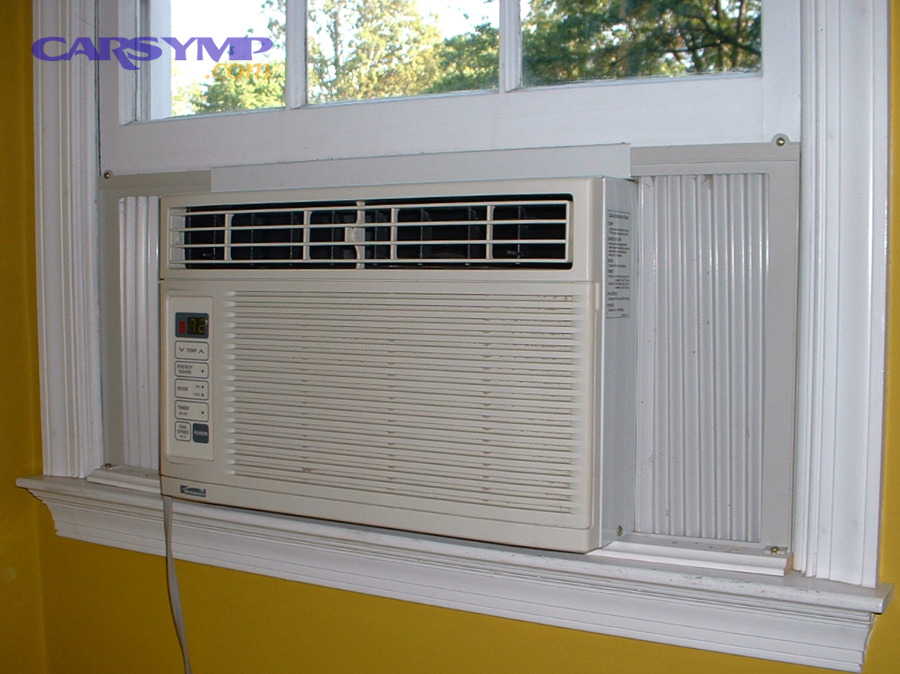
When humid air passes over the A/C evaporator, water condenses out, leaving drier air. Heating that drier air afterward makes it feel “dry” because it’s now well below its dew point. The University of Illinois Physics Van explains that air conditioning dehumidifies air because water condenses inside it as air passes over the cold coils, and reheating the air helps evaporate condensation on the windshield more quickly. (van.physics.illinois.edu)
When might A/C not run? Some cars limit compressor operation at very low temperatures to protect the system. Even then, Defrost mode is still correct—you just may rely more on heat and fresh air until the compressor engages.
Evidence: According to a study by National Chiayi University from the Department of Mechanical and Energy Engineering, in 2021, researchers evaluating a vehicle HVAC defog/dehumidification approach reported measurable dehumidification performance and emphasized that effective defogging depends on removing moisture from cabin air, not only heating it. (mdpi.com)
Should you use recirculation or fresh air for faster defogging?
Fresh air wins for faster defogging, recirculation is best for keeping heat in once the cabin is dry, and a brief “mix” approach can help in special cases.
However, because the fog problem is usually too much humidity inside, recirculation often traps moisture from passengers’ breath and wet clothing, which slows clearing and increases refogging risk.

Use this rule of thumb:
- Fog on inside of windshield: Fresh air (recirc OFF) + A/C ON + Defrost
- Very cold, already-dry cabin: You can reduce fan later and choose comfort settings after visibility is restored
- If your car fogs worse on Defrost at first: keep A/C on and fresh air on; the windshield may be cold enough to condense moisture briefly before warming
The Physics Van discussion also flags that recirculation can be a problem because moisture from breath accumulates, while outside air exchange helps remove that moisture. (van.physics.illinois.edu)
What fan speed and temperature clear the windshield fastest?
The fastest clearing happens with high fan speed and warm-to-hot temperature because maximum airflow strips moisture from the glass while warmer air increases evaporation and gradually warms the windshield.
Specifically, the first 60–180 seconds are about moving volume: you want the blower pushing the driest air possible across the glass.
Practical approach:
- Start hot + high fan to get immediate drying and airflow.
- After the glass clears, reduce fan to medium and adjust temperature for comfort.
- If the cabin is already hot but still foggy, that’s a sign the air is humid—keep A/C on and fresh air on until the moisture load drops.
If your car has automatic climate control, “AUTO” can work well—but only if it actually selects Defrost + dehumidification. When in doubt, manual settings give faster results.
Do you need to crack a window to defog faster?
Yes—cracking a window can help in high-humidity situations because it vents moist cabin air, reduces condensation risk, and speeds the drop in interior humidity.
Next, treat it as an “assist,” not a requirement: the main engine of fast clearing is still Defrost + A/C + fresh air.
Use it when:
- Multiple passengers are breathing moisture into a cold cabin
- Wet mats, snow on boots, or wet jackets are present
- You smell mustiness (often a sign of trapped moisture)
Avoid it when:
- You’re driving in heavy rain where outside humidity is extremely high (it may not help much)
- You need maximum cabin heat retention for comfort or safety (e.g., extreme cold with limited heater output)
What’s the step-by-step sequence to clear fog, frost, and ice quickly?
There are 3 main sequences—interior fog, exterior frost, and thick ice—based on what’s on the glass and how much heat/dehumidification you need: (A) dry the air for fog, (B) add heat + scrape for frost, and (C) combine scraping + de-icer + sustained defrost for ice.
Below, you’ll use the same core settings but change the order and the “assist” tools depending on conditions.
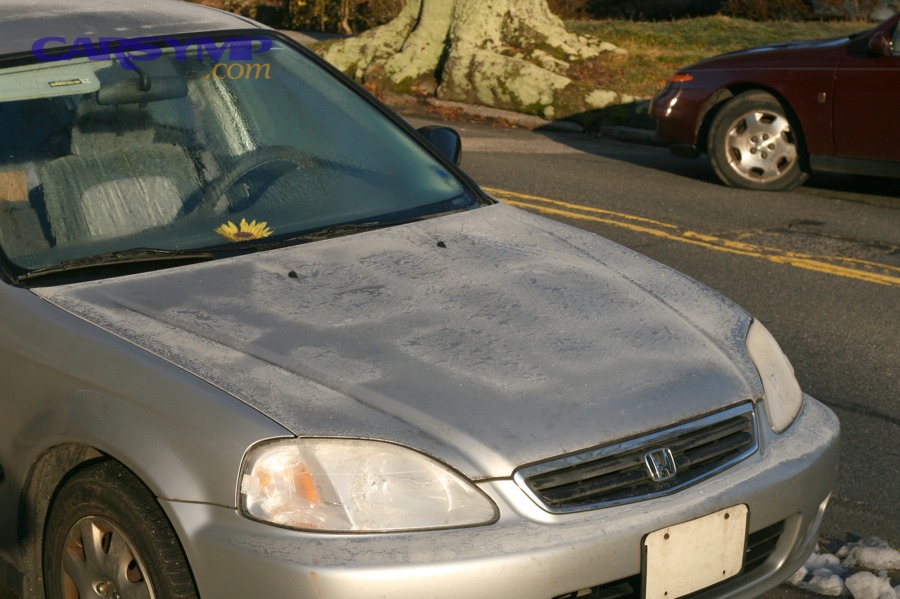
How do you clear interior fog on the windshield fastest?
To clear interior fog fast, use a 5-step method—Defrost mode, A/C on, fresh air on, high fan, warm temperature—then remove moisture sources so the windshield stays clear.
To better understand why this works, remember that fog is condensed water, and you clear it by delivering air that can absorb moisture and carry it away.
Fast interior fog sequence (morning routine):
- Start the engine and select Front Defrost immediately.
- Set fan to high and temperature to warm/hot.
- Ensure A/C is ON (or let Defrost auto-enable it).
- Turn recirculation OFF (fresh air ON).
- Wipe only if needed (microfiber), then keep the airflow running until the glass stays clear.
Two high-impact upgrades that people skip:
- Clean the inside of the windshield: oily film attracts moisture and fogs faster.
- Dry the cabin: shake off snow, dump water from floor mats, and don’t leave soaked gear inside.
Evidence: According to Consumer Reports, selecting Defrost mode is the fastest approach because it directs airflow to the windshield and typically engages A/C and high fan speed to deliver warm, dry air that clears fog faster. (consumerreports.org)
How do you remove light frost without waiting forever?
To remove light frost quickly, combine continuous Defrost airflow with early scraping: start Defrost immediately, scrape within 1–3 minutes, and keep warm airflow on the glass to prevent refreeze.
Then, the key is timing—scraping too early is hard; scraping too late wastes time.
Fast light-frost sequence:
- Turn on Defrost + high fan + warm/hot temp.
- Turn A/C on if available (it helps keep the inside dry and improves visibility while you work outside).
- After a short warm-up, use a proper ice scraper on the outside.
- Clear wipers gently (don’t rip frozen blades off the glass).
- Keep Defrost running until the windshield is completely clear.
What not to do: Don’t pour hot water on cold glass. The thermal shock can crack the windshield.
What’s the safest way to deal with thick ice when defrost feels weak?
The safest thick-ice strategy is a 4-part approach: scrape first for visibility, apply de-icer if needed, run continuous Defrost with high airflow, and avoid forcing wipers or driving before full sightlines are clear.
More importantly, “weak defrost” during thick ice often isn’t a settings problem—it can be a heat output problem, which is where a heater performance fix mindset matters.
Safe thick-ice sequence:
- Start Defrost immediately (high fan, warm/hot, fresh air, A/C on).
- Use an ice scraper to open a clear “driver sight window” first.
- Apply a windshield-safe de-icer to speed surface melt.
- Clear the entire windshield and side windows before moving.
- Don’t engage wipers until the blades move freely.
If you notice any of these while fighting thick ice, your HVAC might not be producing enough heat:
- Airflow is strong but stays lukewarm for a long time
- Engine temperature gauge stays low while driving
- Cabin heat is weak even after 10–15 minutes
That’s when you shift from “defrost tips” to “heating system diagnosis.”
What causes weak defrost airflow or slow clearing in a car?
There are 3 main causes of weak defrost performance—(1) restricted airflow, (2) insufficient heat output, and (3) excessive cabin moisture—based on whether the problem is “not enough air,” “not enough warmth,” or “too much humidity.”
Next, you can diagnose quickly by matching what you feel at the vents to what you see on the glass.
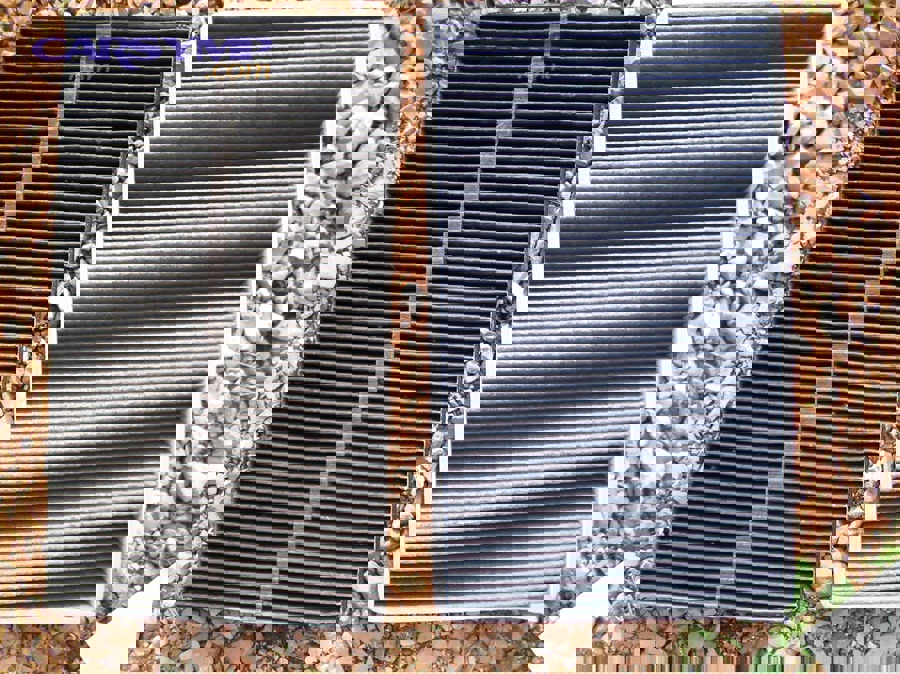
Is a clogged cabin air filter causing weak defrost airflow?
Yes—a clogged cabin air filter can cause weak defrost airflow because it restricts intake air, reduces blower throughput, and lowers the volume of dry air reaching the windshield.
Besides being easy to overlook, it’s one of the simplest fixes because it’s often accessible behind the glove box.
A restricted filter shows up as:
- Weak airflow on all modes (face, feet, defrost)
- Fan sounds loud but little air exits vents
- Slow clearing even when temperature is hot
Both Shop Owner Magazine and Tomorrow’s Technician explicitly note that restricted airflow from dirty cabin air filters can slow defrosting and reduce visibility. (shopownermag.com)
Quick check: With the fan on high, switch between modes. If airflow is weak everywhere, check the cabin filter first.
Evidence: According to a report by Tomorrow’s Technician (industry training publication), restricted cabin filter airflow can slow defrosting and reduce visibility—meaning a filter swap can be a direct defrost performance improvement step. (tomorrowstechnician.com)
What does it mean if airflow is strong but the air isn’t warm?
If airflow is strong but not warm, the defrost is slow because the HVAC isn’t getting enough heat from the engine coolant loop—most often due to low coolant, thermostat behavior, or heater core flow restriction.
In addition, this is where people feel the Thermostat replacement impact on cabin heat most clearly: a correctly operating thermostat helps the engine reach proper temperature, which supports strong heater output.
Common causes (from easiest to more involved):
- Low coolant level / air in system: heater core may not get full hot coolant flow.
- Thermostat stuck open: engine runs too cool, cabin heat stays weak.
- Heater core restriction: heat transfer drops, especially at idle.
- Blend door/actuator issues: airflow bypasses the heater core.
Multiple automotive service sources describe that a thermostat stuck open can keep the engine running too cool and cause poor or weak cabin heat, which directly hurts defrost speed.
If you already replaced the thermostat and cabin heat is still weak, look for:
- Air trapped after coolant service (needs proper bleeding)
- Heater core restriction (often improves briefly when engine RPM rises)
- Control issues (blend door not reaching full hot)
This is a good moment to think like a technician: fast defrost needs both airflow and heat. If either is missing, you can’t “button-combo” your way out of it.
What if the defroster blows warm air but the windshield stays foggy?
If the air is warm but the windshield stays foggy, the cabin air is still too humid (or the glass has a film), so defrost performance stays poor because moisture keeps re-condensing faster than the system can remove it.
More specifically, this is usually a moisture-load problem, not a temperature problem.
Top drivers of “warm air, still foggy”:
- Wet floor mats and carpets (snow melt is a fog factory)
- Water leaks (door seals, windshield seal, sunroof drains)
- A/C not dehumidifying (compressor off or system fault)
- Dirty interior glass (smoke/vape residue, oily cleaners)
The University of Illinois explanation ties fogging to condensation at the dew point and highlights that A/C dehumidifies air, which is why turning A/C on often resolves interior fog quickly. (van.physics.illinois.edu)
Quick isolation test:
- If A/C ON improves things quickly, humidity was the problem.
- If A/C ON changes nothing and airflow is weak, airflow restriction is likely.
- If the air never gets truly warm, revisit heating system issues.
How can you tell if the problem is HVAC mode doors or a control issue?
Mode door faults win as the likely cause when airflow direction is wrong or inconsistent, blower problems win when airflow is weak everywhere, and temperature blend issues win when air direction is correct but heat control is inconsistent.
Next, you can use symptom patterns to narrow it down without disassembly.
Common signs:
- Mode door issue: air keeps blowing from the dash when Defrost is selected; clicking behind dash; changes slowly or not at all.
- Blower/resistor issue: only certain fan speeds work; airflow cuts in/out.
- Blend door/temperature issue: one side hot and one side cold (dual-zone), or temperature doesn’t change when you move the dial.
If you suspect doors/actuators and you also have weak heat, don’t skip the basics. Many “actuator” complaints are actually weak coolant heat to begin with.
How can you prevent repeat fogging and make defrost work better every day?
There are 3 main prevention strategies—reduce cabin moisture, keep glass clean, and use defrost-friendly HVAC habits—because fog returns when humidity stays high, the windshield stays cold, or the glass surface encourages condensation.
Then, once you remove the recurring causes, you’ll find you need less “max fan” time to maintain clear visibility.
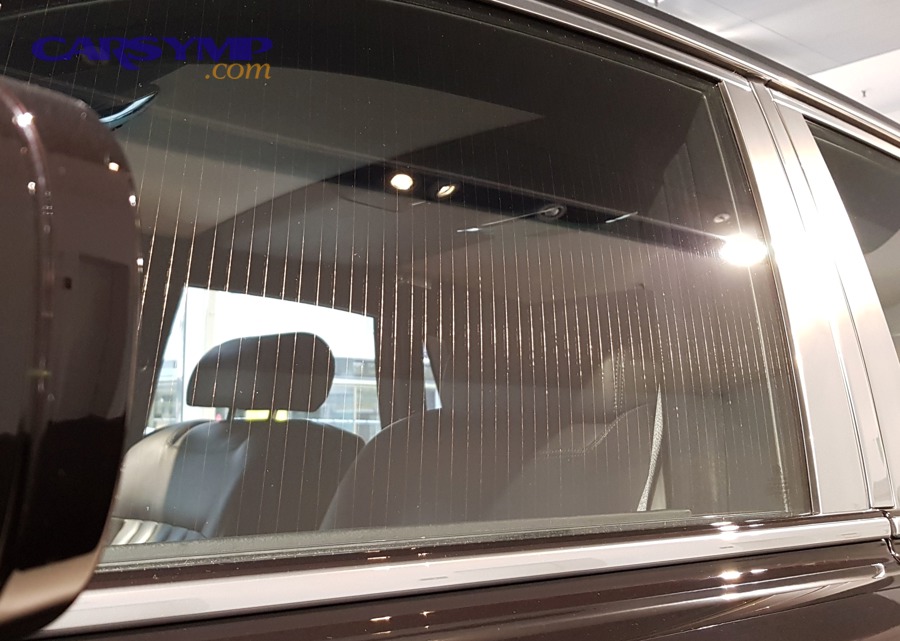
Which habits reduce fogging the most: drying the cabin, cleaning glass, or changing settings?
Drying the cabin reduces fogging the most, cleaning the inside glass is the fastest ‘multiplier,’ and changing settings delivers the quickest short-term win.
In addition, you get the best results when you combine all three—because they address different parts of the fog cycle.
Ranked by long-term impact:
- Dry the cabin: remove wet mats, shake off snow, air out the car.
- Fix leaks: wet carpet is a persistent moisture reservoir.
- Clean interior glass: remove film so fog doesn’t “stick.”
- Use fresh air + A/C in Defrost: keep humidity low while driving.
A practical daily routine:
- Before driving: dump melted snow/water from mats.
- Start: Defrost + A/C + fresh air for 1–3 minutes.
- While driving: keep a small amount of fresh air coming in if you’re carrying passengers.
What mistakes make defrost slower or damage the car?
The biggest mistakes are using recirculation during fog, keeping fan speed too low, and trying dangerous ‘shortcuts’ like hot water—because they either trap moisture, slow evaporation, or risk cracking glass and damaging wipers.
Especially in winter, you want fast clearing without creating repair problems.
Common mistakes to avoid:
- Recirculation ON during interior fog: traps moisture and refogs fast.
- Low fan + high heat: heat without airflow clears slowly.
- Wipers on frozen glass: tears rubber and stresses the wiper motor.
- Hot water on windshield: thermal shock risk.
- Ignoring cabin filter: airflow drops over time until defrost feels “weak.”
If you’re doing everything right and still struggling, it’s time to consider mechanical causes and not just habits.
When is weak defrost a safety issue that needs a mechanic?
Yes—weak defrost needs a mechanic when you have (1) no airflow or intermittent blower function, (2) overheating or coolant loss, or (3) persistent wet carpets/leaks, because these conditions can cause sudden visibility loss and signal deeper system faults.
More importantly, fast defrost is a safety system: if it doesn’t work reliably, you shouldn’t treat it as a minor inconvenience.
Go in for service if you notice:
- No airflow on any setting (possible blower motor, resistor, fuse, or control issue)
- Sweet smell / fog that smells like coolant (possible heater core leak)
- Coolant level dropping (leak, air in system, heater core/radiator issues)
- Engine runs cold all the time (thermostat stuck open)
- Persistent wet carpet (leak or HVAC drain issue)
If your mechanic recommends restoring heat output, you may hear about a heater performance fix such as proper coolant bleeding, thermostat testing, or heater core flow testing.
When heater output is weak due to restriction, a shop may recommend a Heater core flush procedure—but it should be done with care, because aggressive flushing on an old system can reveal leaks. For a general overview of heater core flushing and the idea of back-flushing to clear blockage, CarParts.com outlines a step-by-step approach and notes that a back-flush can unclog a blocked heater core.
What special features or uncommon faults can affect defrost performance in modern cars?
Modern defrost performance can change dramatically due to (1) automatic climate “auto defog” logic, (2) differences between front defrost and rear defogger hardware, and (3) uncommon moisture/airflow faults like clogged drains or actuator issues—so the best fix depends on what system your car actually uses.
Next, this section helps you avoid misdiagnosing a normal feature as a fault (or missing a rare issue that keeps fog coming back).

What is “Auto Defog/Automatic Climate Control,” and does it actually clear the windshield faster?
Automatic climate systems are designed to choose settings that maintain comfort and visibility, and some include an “auto defog” feature that detects humidity or windshield conditions and proactively switches modes. The upside is convenience; the downside is that “AUTO” may not always choose the most aggressive clearing strategy immediately.
If you want maximum speed:
- Force Front Defrost manually
- Confirm A/C is engaged (some cars show an A/C indicator, others hide it)
- Disable recirculation during active fog clearing
- Use high fan briefly, then step down
How is rear defogger performance different from front defrost, and what fails most often?
Front defrost is an HVAC airflow + heat + dehumidification process. Rear defogger is typically an electrical grid heater embedded in the rear glass. That difference matters because the failure patterns are completely different.
- Front defrost fails from airflow restrictions, weak heat, high humidity, or control doors.
- Rear defogger fails from electrical issues (grid damage, connectors, relay/fuse, switch problems).
This is where SUV owners get tripped up: rear defog may work perfectly while front defrost is weak (or vice versa).
Can an evaporator drain blockage or wet carpet leak cause constant fog even with correct settings?
Yes—if water is accumulating inside the HVAC case or soaking the carpet padding, the cabin becomes a moisture reservoir that keeps humidity high. A clogged drain can leave moisture where it shouldn’t be, and the system can reintroduce that moisture into cabin air.
Clues you’re in this rare-but-real category:
- Musty odor that returns quickly
- Wet carpet near the firewall or under mats
- Fog that returns minutes after clearing
- You hear water sloshing or see unexplained interior condensation
If you suspect leaks, fix them first. Otherwise, you’ll be “defogging forever.”
Do EVs/hybrids with heat pumps defrost differently than gas cars?
Yes—many EVs and hybrids manage cabin heat differently, and heat pump behavior can affect warm-up and humidity control. In some systems, heat pumps provide efficient heating but may not remove humidity the same way a traditional A/C dehumidification cycle does without specific defog logic.
A 2021 paper in Energies (MDPI) includes researchers from National Chiayi University and Southern Taiwan University of Science and Technology discussing an HVAC approach that combines heating with defog/dehumidification functionality for electric vehicles—highlighting that EV HVAC design must address humidity removal to maintain visibility. (mdpi.com)
Practical EV/hybrid guidance:
- Use manufacturer “Defog/Defrost” modes (they often trigger the right system state).
- Precondition when possible (warming glass early is powerful).
- Keep fresh air enabled during active fog clearing.
Finally, if you’re driving an SUV with a rear HVAC unit and you notice the front clears slowly while the rear passengers complain about temperature, don’t ignore the system layout. In some cases, Rear heater issues in SUVs diagnosis points to rear blend doors, rear heater cores, or coolant flow distribution—issues that can indirectly signal broader coolant or HVAC control problems affecting overall defrost performance.
Evidence (if any)
- Consumer Reports explains that Defrost mode typically engages A/C and high fan speed, directing warm, dry air to clear fog faster. (consumerreports.org)
- The University of Illinois Physics Van explains fogging as condensation at the dew point and describes how A/C dehumidifies air by condensing moisture on cold coils. (van.physics.illinois.edu)
- A 2021 study in Energies (MDPI) from National Chiayi University’s Department of Mechanical and Energy Engineering evaluates HVAC defog/dehumidification performance for EVs and emphasizes humidity removal for visibility. (mdpi.com)
- Industry training sources note that restricted cabin air filter airflow can slow defrosting and reduce visibility. (tomorrowstechnician.com)
- CarParts.com provides an overview of a heater core flush/back-flush approach for restoring heater core flow when restricted.