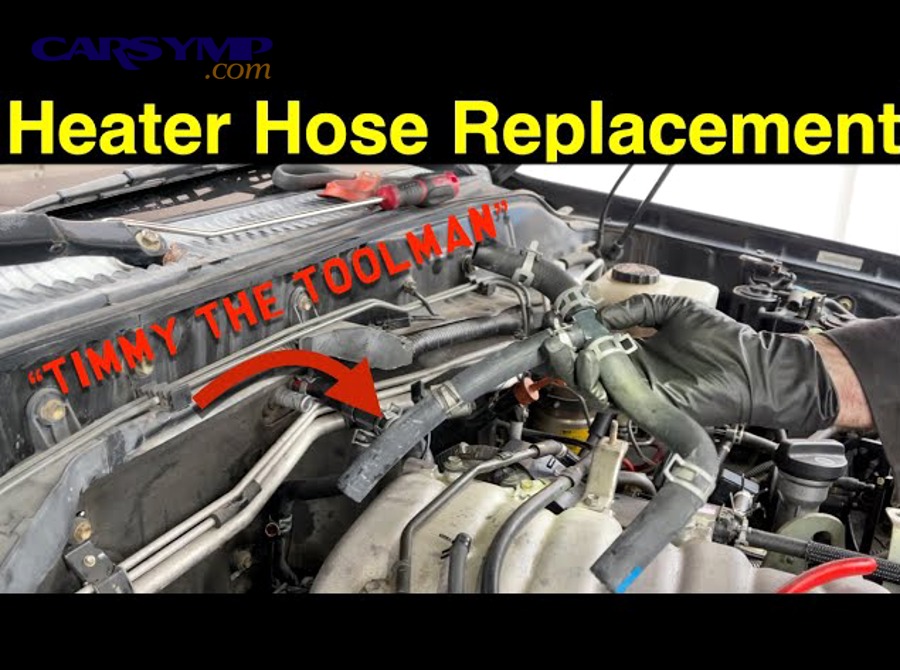
Replacing a heater hose is one of the most practical cooling-system repairs a DIY car owner can learn because it follows a repeatable pattern: identify the correct hose, remove it safely, install the replacement without creating new leaks, and confirm the cooling system is air-free and stable. This guide gives you a complete overview you can apply to most vehicles, even if your engine bay layout looks different.
Next, you’ll learn what symptoms actually point to a failing heater hose (and which symptoms usually point somewhere else), so you don’t start a hose replacement project for the wrong reason. That clarity matters because “coolant smell,” “foggy windows,” and “low coolant” can all come from different places.
Then, you’ll get a step-by-step replacement overview that focuses on safe pressure control, correct clamp handling, and reliable refill/bleed habits—because most “repeat leaks” happen after the new hose is already installed.
Introduce a new idea: after you’ve replaced a heater hose, the job isn’t truly finished until you verify the repair under heat and pressure, and you understand a few uncommon causes of repeat failures—especially when the problem that feels like a coolant hose issue is actually something else.
What is a heater hose (coolant hose) and what does it do in your car’s heating system?
A heater hose is a reinforced rubber or silicone coolant line that carries hot engine coolant to and from the heater core (a small radiator), letting your cabin heater use engine heat while keeping coolant circulation stable.
To better understand why heater hose replacement is more than “swap a tube,” it helps to visualize what the hose connects and what changes when it leaks or collapses.
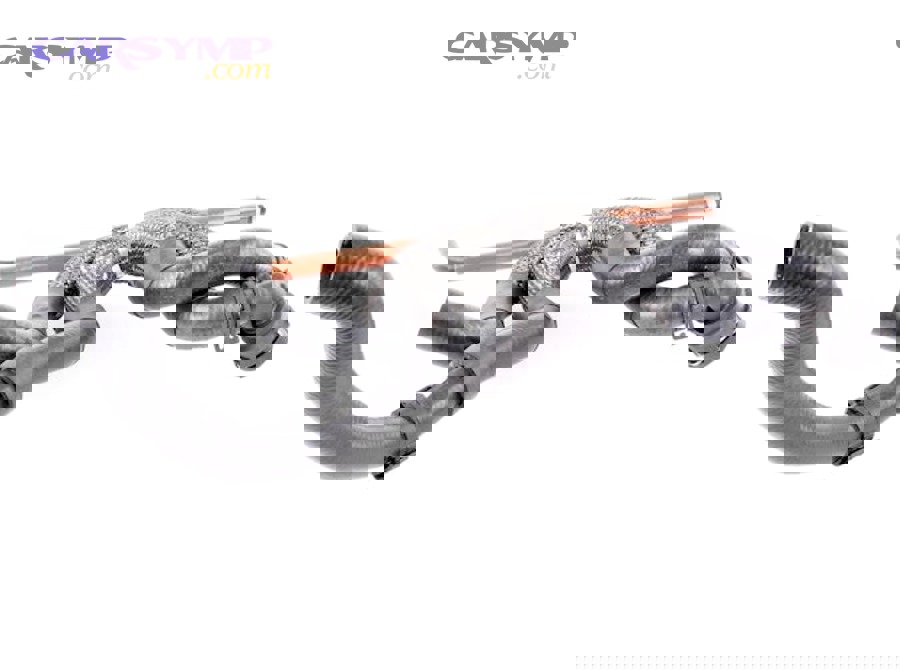
Your vehicle typically has two heater hoses:
- Heater inlet hose: brings hot coolant from the engine (or thermostat housing area) toward the heater core.
- Heater outlet hose: returns cooler coolant from the heater core back to the engine or water pump area.
These hoses matter for three reasons:
- Cabin heat depends on coolant flow. No flow through the heater core means weak heat—even if the blower is strong.
- Engine cooling depends on a sealed system. A heater hose leak is a coolant leak, and coolant leaks can lead to overheating.
- Hose condition affects pressure behavior. A soft, swollen, or internally delaminated hose can restrict flow or slip off under pressure.
Is a “heater hose” the same thing as a “coolant hose”?
A heater hose is a type of coolant hose, but not every coolant hose is a heater hose.
Next, keep the terminology simple: “coolant hose” is the big category, and heater hoses are the subset that specifically service the heater core circuit. That’s why parts listings may call the same item:
- “heater hose”
- “heater core hose”
- “coolant hose (heater)”
- “engine-to-heater hose” or “heater return hose”
When you’re shopping, the safest approach is to match by:
- vehicle year/make/model/engine
- “heater inlet” vs “heater outlet”
- molded shape (if it’s a formed hose)
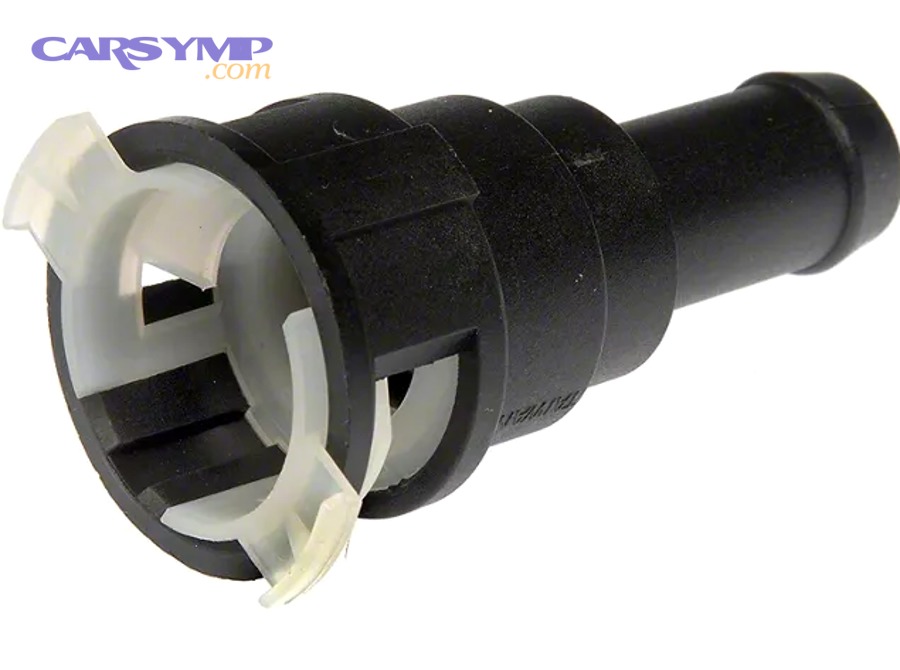
- connector style (if it’s a quick-connect)
Which parts are connected to heater hoses (engine, firewall, heater core, clamps)?
Heater hoses connect multiple components that each influence how easy (or frustrating) the job becomes.
Then, use this mental map while you inspect your engine bay:
- Engine-side connection: often near the thermostat housing, intake manifold coolant passage, or water pump area.
- Firewall connection: heater core tubes pass through the firewall; hoses clamp onto those tubes.
- Heater core: the small radiator-like component inside the HVAC box (you usually won’t touch it during hose replacement).
- Clamps: spring clamps (factory common), worm-gear clamps, or constant-tension clamps.
- Heater control valve (some cars): a valve in-line that can block or modulate flow.
- Plastic connectors/quick-connect fittings (common on some makes): can become brittle with age and create repeat leaks if not replaced.
A quick way to find the heater hose route is to follow the hoses that disappear into the firewall on the passenger side (many vehicles), then trace them back toward the engine.
What are the common signs a heater hose needs replacement?
There are 6 main signs a heater hose needs replacement: visible coolant seepage at a hose end, wetness along the hose body, swelling or soft spots, cracking/brittleness, repeated coolant loss, and heat-related symptoms caused by poor coolant flow.
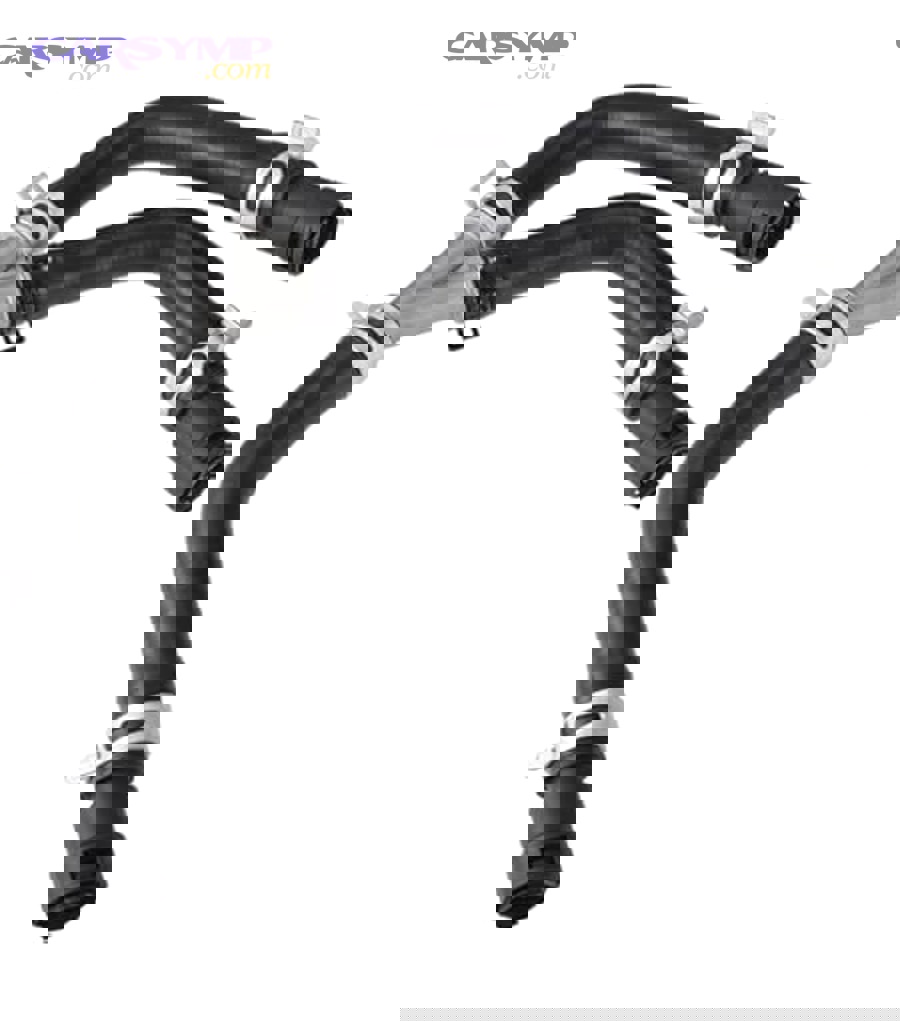
Specifically, heater hose failures often start “small”—a slow leak at a clamp—before they become obvious. Catching early signs prevents roadside breakdowns.
Common signs to look for:
- Coolant smell near the engine bay after driving
- Dried coolant residue (often white, pink, orange, or green crust) around hose ends
- Wet clamps or dampness at the firewall connections
- Bulges, ballooning, or spongy feel when the hose is squeezed (engine cold)
- Cracks near the ends where the hose bends and heat cycles are harsh
- Low coolant warning / frequent top-offs
- Steam from under the hood after a drive (serious—stop and investigate)
- Weak cabin heat (can be hose-related, but also has other causes)
Can you drive with a leaking heater hose?
No, you should not drive with a leaking heater hose because coolant loss can trigger overheating, the leak can suddenly worsen under pressure, and coolant loss can introduce air pockets that reduce cooling and heater performance.
Moreover, “it’s only a small drip” often becomes “it blew off the fitting” because cooling systems run under pressure and heat. If you must move the vehicle a short distance to safety:
- Keep it short and low load
- Monitor the temperature gauge constantly
- Stop immediately if the gauge rises or you see steam
- Let the engine cool before opening anything pressurized
If the hose is actively spraying or steaming, treat it as a tow situation.
How can you confirm the leak is the heater hose (and not the heater core or radiator hose)?
Heater hose leaks usually show wetness near the firewall connections or along the hose path in the engine bay, while heater core leaks tend to show moisture inside the cabin and radiator hose leaks usually show wetness closer to the radiator area.
Next, use these practical checks:
1) Check the firewall area first (engine bay).
Look where two hoses attach to metal tubes at the firewall. If you see wetness, crusty residue, or staining, suspect heater hoses or clamps.
2) Check inside the cabin (heater core clues).
Signs that point more toward a heater core than a hose:
- damp passenger-side carpet
- sweet coolant smell inside the cabin
- greasy film on the inside of the windshield that fogs easily
3) Check the radiator hoses and thermostat area.
If the wetness is concentrated at the radiator neck, upper/lower radiator hoses, or thermostat housing, that’s a different hose circuit.
4) Pressure makes small leaks visible.
Even without a pressure tester, you can sometimes find seepage after a warm drive (engine off, hood open, careful—hot parts). A proper cooling-system pressure test is ideal if the leak is elusive, especially before you commit to hose replacement.
How do you replace a heater hose safely (step-by-step overview) as a DIY car owner?
The safest heater hose replacement method follows 7 steps—cool down, depressurize, capture coolant, remove clamps, detach the hose without damaging fittings, install the correct replacement, then refill and bleed air—so the outcome is a leak-free system and stable temperature.
Let’s explore the steps in a way that works for most vehicles, including the common “gotchas” that cause repeat leaks after hose replacement.
What tools, parts, and supplies do you need for heater hose replacement?
You need 8 essentials for heater hose replacement: the correct hose, correct clamps, pliers (or clamp tool), a drain pan, coolant, funnel, rags, and basic hand tools—plus optional tools that make stubborn hoses safer to remove.
Then, gather the following:
Parts
- Correct heater hose (molded/formed if required, or heater hose bulk line if your vehicle uses straight runs)
- New clamps (recommended)
- spring clamps or constant-tension clamps often seal better across heat cycles
- worm-gear clamps can work, but need correct sizing and careful tightening
- Correct coolant (match the vehicle spec; avoid random mixing)
- Distilled water (if you’re mixing concentrate)
Tools
- Drain pan / catch container
- Hose clamp pliers (best for spring clamps) or angled pliers
- Flathead screwdriver or nut driver (for worm-gear clamps)
- Utility knife (only as a last resort to split an old hose—careful near fittings)
- Pick tool / hose removal tool (helps break the seal without gouging)
- Funnel (a spill-free funnel helps during bleeding)
Safety
- Gloves and eye protection
- Shop towels and water for immediate cleanup (coolant is toxic and slippery)
A quick note on selection: If you’re wondering How to choose correct hose material, treat it as a heat-and-chemistry decision. EPDM rubber heater hoses are common because they handle hot coolant and pressure cycling well; silicone hoses can be excellent when designed for coolant systems, but they still must be the correct type, diameter, and reinforcement for the application.
What are the key replacement steps from cooling down to bleeding air out?
Heater hose replacement works best when you remove the hose with zero system pressure, protect the fittings, and refill/bleed until the heater is hot and the coolant level stabilizes.
Next, follow this reliable overview:
Step 1: Let the engine cool completely.
A “warm” engine can still hold pressure. Wait until upper hoses are cool enough to comfortably touch.
Step 2: Depressurize slowly.
Crack the reservoir cap or radiator cap slowly (only when cool). If you hear pressure release, pause and let it vent.
Step 3: Capture coolant the smart way.
Place a drain pan under the hose area. Many heater hoses sit higher than the radiator drain, so you may spill less by draining some coolant first:
- If accessible, open the radiator drain (petcock) and drain enough to drop coolant level below heater hose height.
- If not accessible, expect some spillage and plan for cleanup.
Step 4: Remove clamps without damaging them (or your hands).
- For spring clamps: use clamp pliers, compress, and slide the clamp back onto the hose.
- For worm-gear clamps: loosen until it slides freely; don’t strip it.
Step 5: Break the hose seal before pulling.
Old hoses “bond” to fittings. Don’t yank straight off—twist gently first.
- Twist the hose to break adhesion.
- Use a pick tool carefully around the edge if needed.
- Avoid gouging metal tubes or cracking plastic connectors.
Step 6: Remove the hose and compare it to the replacement.
Match:
- inside diameter
- molded bends and length
- connector type (quick-connect vs slip-on)
- orientation (inlet vs outlet)
Step 7: Install the new hose and clamp it correctly.
- Push the hose fully onto the fitting until it bottoms out.
- Position the clamp behind the fitting bead (not on the edge).
- For worm-gear clamps: tighten snug, not “crush tight.”
Step 8: Refill coolant and bleed air.
- Refill the reservoir/radiator with the correct mix.
- Set the HVAC to HOT (and on some cars, set fan low).
- Start the engine and let it reach operating temperature while monitoring:
- coolant level (it will drop as air purges)
- temperature gauge (should rise normally and stabilize)
- heater output (should become steadily warm/hot)
Step 9: Verify, cool down, and recheck level.
- Check for leaks at both ends.
- After a full cool-down, recheck and top off as needed.
Here’s one detailed walkthrough video you can use as a visual reference (vehicle-specific, but the clamp and seal-breaking technique is widely applicable):
Evidence: According to a study by Kharkiv National Automobile and Highway University from the Department of internal combustion engine research, in 2021, researchers reported that thermal damage to the cylinder head can occur within roughly 10–15 seconds after a cooling failure associated with rapid coolant loss—underscoring why even “small” leaks deserve urgent attention.
What mistakes cause repeat leaks after replacing a heater hose?
Repeat leaks after heater hose replacement typically come from 5 avoidable mistakes: using the wrong hose type, reusing tired clamps, misplacing the clamp, damaging the fitting during removal, and leaving trapped air that spikes pressure or reduces circulation.
More specifically, watch out for these common problems:
- Wrong hose geometry (molded vs universal). A universal straight hose forced into a tight bend can kink and pull at the ends, loosening seals over time. If your old hose had strong molded curves, that shape often matters.
- Incorrect clamp choice or size. A clamp that’s too large never seals evenly; a clamp that’s too small can cut into the hose. Spring clamps maintain tension as the hose expands and contracts.
- Clamp placement on the wrong “zone.” The clamp should sit behind the fitting bead, not on the very edge of the hose. Incorrect placement is a classic slow seep.
- Over-tightening worm-gear clamps. Cranking too hard can distort the fitting or cut the hose, especially on plastic connectors.
- Damaging the barb or connector. A screwdriver used aggressively can scratch sealing surfaces. A scratched fitting can seep even with a new hose.
- Poor refill and bleeding habits. Air pockets can cause inconsistent heater output and pressure fluctuations. If cabin heat is weak after replacement, trapped air is a prime suspect.
How much does heater hose replacement cost (DIY vs mechanic), and what changes the price?
Heater hose replacement costs vary because DIY typically costs mainly parts and coolant, while a mechanic adds labor time driven by access difficulty, hose design, and whether connectors or additional hoses must be replaced at the same time.
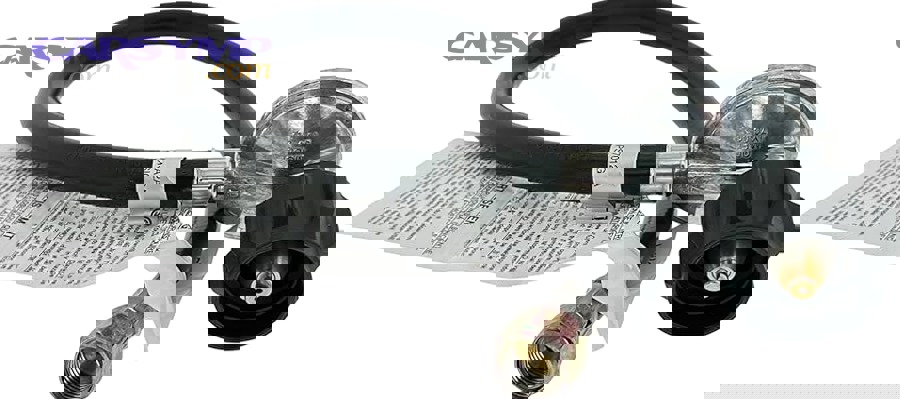
However, you can predict the price direction quickly by understanding what shops charge for time and what increases the time.
Cost drivers (what changes the price most)
- Access and engine layout: Easy access near the top usually means lower labor time; tight access behind the engine or under intake components usually means higher labor time.
- Hose type: Simple straight hose with clamps is usually cheaper; molded hose with multiple bends is often a more expensive part; integrated assemblies can increase both part cost and labor.
- Connectors and tees: Quick-connect fittings (especially plastic) can break during removal and may need replacement; heater hose tees can turn a “hose job” into a “hose-and-connector job.”
- Coolant and bleeding: Systems requiring a specific coolant type and strict bleeding procedure (or vacuum fill) can cost more.
DIY cost expectations (typical)
DIY often includes heater hose(s), clamps, coolant top-off or refill, and optional tools like clamp pliers. DIY becomes more expensive if you also replace a brittle connector, multiple hoses as preventive maintenance, or related parts during the same service.
Shop cost expectations (typical)
A shop invoice often includes parts and coolant, labor time, shop supplies, and sometimes a cooling system pressure test.
If you’re planning your first hose replacement, it helps to budget extra time and coolant. Mistakes usually cost coolant, not just money.
Is it cheaper to replace just one hose or both inlet and outlet hoses together?
Replacing both heater hoses is usually cheaper per hose than replacing just one because the same access time, coolant handling, and bleeding effort often covers both—while the risk of a second hose failing soon remains high if the hoses are the same age.
Meanwhile, replacing only one can make sense when the other hose is clearly newer, the failure is caused by localized damage, or you need an emergency fix. A simple decision rule is: same age and similar condition—replace both; one is newer or clearly healthier—replace the failed one and inspect the other carefully.
When is a mechanic a better option than DIY?
Yes, a mechanic is the better option when access is severely limited, fittings are plastic or quick-connect and likely to break, overheating has already occurred, or you’re not confident bleeding the system without trapping air.
Besides safety, professional help can be cost-effective when it prevents secondary problems like snapped connectors, stripped fasteners, or persistent air pockets. Consider a mechanic if you see brittle plastic heater connectors, repeated overheating history, coolant contamination, or leaks you can’t clearly localize.
How do you check your work after replacement to prevent overheating and no-heat issues?
You check your heater hose replacement by verifying 5 outcomes: no leaks under pressure, stable coolant level after heat cycles, steady engine temperature, strong cabin heat, and no gurgling/air-pocket behavior.
In addition, a structured post-repair check stops small issues from turning into “why is it overheating two days later?”
A practical post-repair checklist
- Leak check (hot and cold): Inspect clamp areas cold for dampness; after reaching operating temperature, inspect again carefully.
- Temperature gauge behavior: It should rise normally and stabilize; spikes can indicate air or coolant loss.
- Cabin heat performance: Heat should ramp up and remain steady; intermittent heat can indicate air pockets or restriction.
- Coolant level stability: After cooling fully, check and top off if needed; recheck the next day cold for final confirmation.
- Hose behavior under heat: A normal hose feels firm when warm; excessive swelling suggests incorrect hose spec or clamp problems.
Should you top off coolant again after the first drive cycle?
Yes, you should top off coolant again after the first drive cycle because air can purge into the reservoir, the coolant level often drops after a full heat-soak and cool-down, and maintaining the correct level protects both engine cooling and heater performance.
To begin, always top off only when the engine is fully cold, and always use the correct coolant type (and correct mix ratio). If you’re repeatedly topping off, treat it as a sign you still have a leak or trapped air.
What uncommon problems can mimic heater hose failure (or cause repeated hose leaks) after replacement?
Uncommon repeat problems usually fall into 4 buckets: the issue is not actually the heater hose (airflow controls or vacuum-related), the coolant chemistry or electrical grounding is damaging components, a connector is failing rather than the hose, or the system still contains air and needs a better bleed.
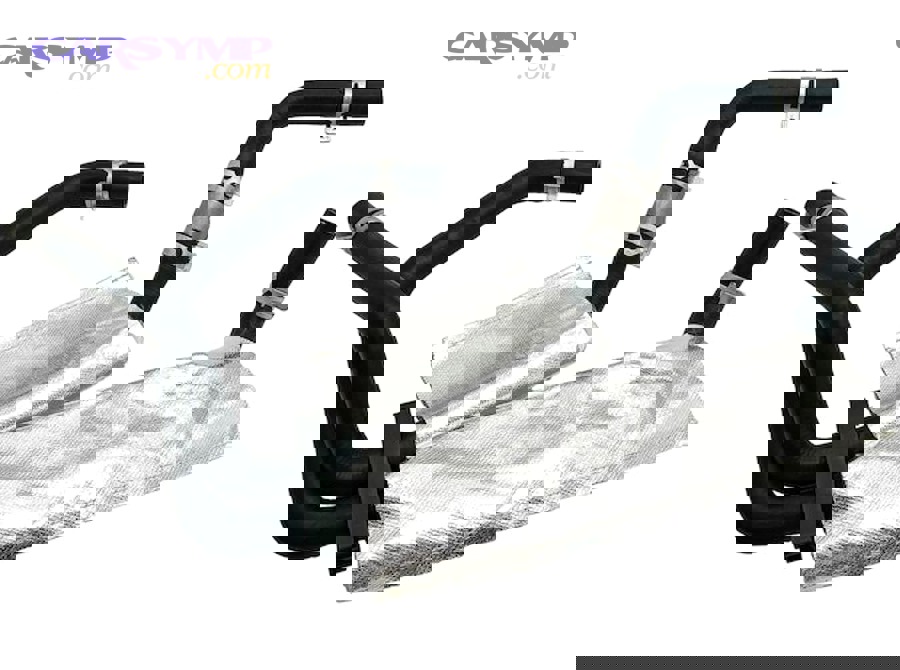
Especially after a hose replacement, people often assume “same symptom = same leak,” but cooling and HVAC systems can create look-alike symptoms.
Could “no heat” be caused by something opposite to a hose problem (airflow/blend door) rather than coolant flow?
Yes—no heat can come from airflow control failures (like blend door issues) even when coolant flow is fine, which is the opposite of a hose-flow problem where the heater core never receives enough hot coolant.
Next, separate the two quickly:
- Signs of airflow/blend door problems: engine reaches normal temperature; heater hoses at the firewall feel hot; air from vents stays cold or inconsistent; controls sound stuck or you hear clicking behind the dash.
- Signs of coolant flow problems: one heater hose hot and the other much cooler; gurgling sounds in dash; low coolant level; weak heat that improves briefly when revving.
This is also a good place to clarify a common confusion: Vacuum hose leaks causing rough idle is a different problem category. Vacuum leaks can affect idle quality and HVAC mode doors on some vehicles, but they are not the same as a coolant leak.
Can electrolysis or incorrect coolant damage heater hoses prematurely?
Electrolysis or incorrect coolant can contribute to premature cooling-system component damage by accelerating corrosion and degrading protective additives, especially when grounding issues or mixed coolant chemistry reduces inhibitor performance.
Then, treat this as a “pattern problem” clue: if you replace a hose and soon notice repeated seepage, unusual deposits, or widespread corrosion, it’s worth checking coolant type, coolant condition, and grounding integrity.
Do quick-connect fittings or plastic heater hose connectors need replacement too?
Yes, quick-connect fittings or plastic heater hose connectors often need replacement when they show brittleness, cracking, staining, or seepage because the connector can be the true leak point and a new hose cannot reliably seal against a damaged connector surface.
Moreover, many repeat leaks happen when the hose is new and the clamp is tight, but the connector’s sealing ridge is deformed or cracked. If your vehicle uses a connector, consider replacing the connector and any related O-ring (if applicable).
Should you pressure-test the cooling system after replacement?
Yes, a pressure test after heater hose replacement is one of the fastest ways to confirm the repair because it recreates operating pressure without driving, it reveals slow seepage at clamps and connectors, and it helps you confirm you’re not losing coolant elsewhere.
To sum up, pressure testing is especially helpful when your leak was intermittent, the repair involved significant coolant loss, or you replaced only one hose but suspect other weak points.
Evidence (if any)
According to a study by Kharkiv National Automobile and Highway University from the Department of internal combustion engine research, in 2021, researchers reported that thermal damage to a cylinder head can occur within roughly 10–15 seconds after a cooling failure associated with rapid coolant loss—highlighting how quickly a hose-related coolant leak can become an engine-damage event.