


Choosing the correct hose material is easiest when you treat it like a matching game: match the fluid (or gas), temperature, pressure, and environment to a material whose tube and cover can survive those conditions without softening, cracking, swelling, or leaking.
Next, you’ll learn the selection factors to check first—what to measure, what to look up in a datasheet, and what usually gets people into trouble—so you can narrow options fast and avoid costly misapplications. (cejn.com)
Then, you’ll see a practical comparison of rubber vs PVC vs PTFE, including where each material wins, where it loses, and the common “rubber sub-types” (EPDM, nitrile, silicone, polyurethane) that quietly decide real-world performance.
Introduce a new idea: once you’ve made a selection, you still need to confirm it before you buy or install—because many “hose problems” are actually fitting, routing, or inspection problems that show up later as leaks and downtime. (new-line.com)
What does “choosing the right hose material” actually mean for performance and safety?
Choosing the right hose material means selecting a hose tube + cover (and reinforcement) that stays chemically compatible, within temperature and pressure limits, and mechanically stable under bending and movement—so it carries the media safely for its intended service life.
To better understand what “right” really means, start by separating the hose into functional layers. A hose is not “just rubber” or “just PTFE”; it’s a system where each layer has a job, and the wrong layer fails first.
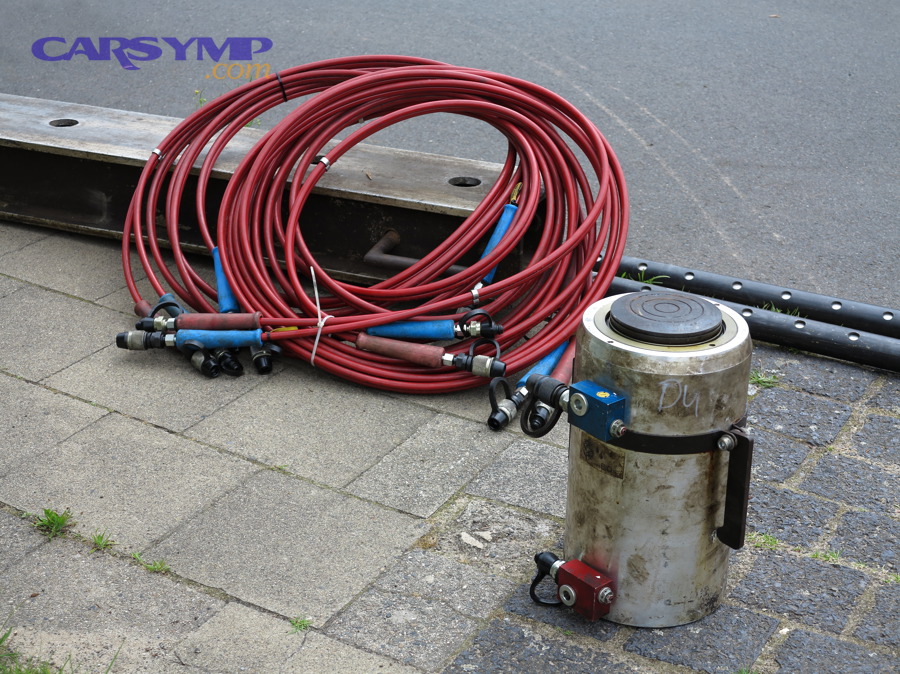
What parts of a hose determine chemical resistance—tube, cover, or both?
Chemical resistance is primarily determined by the inner tube, while the cover determines resistance to the environment around the hose—sunlight, abrasion, ozone, oils, road grime, and incidental splashes.
Here’s the practical way to think about it:
- Tube (inner liner): Touches the fluid or gas. If the tube is incompatible, you’ll see swelling, softening, blistering, cracking, or permeation (smell/vapor loss) depending on the media. Chemical compatibility guides are used to predict this behavior across many compounds. (parker.com)
- Reinforcement (braid/spiral/textile): Carries pressure loads and controls expansion. If pressure pulses or spikes exceed what the reinforcement can handle, the hose can burst even when the tube is chemically “fine.”
- Cover (outer jacket): Protects against UV, abrasion, heat sources, and external chemicals. A great tube can still fail early if the cover is chewed up by abrasion or degraded by UV and ozone.
This is why you’ll see the same “material family” used differently: two hoses both labeled “rubber” can behave very differently if one uses EPDM in the tube (great for hot coolant/water) and another uses nitrile (better for oils and fuels).
Is hose material the main cause of leaks and failures?
No—hose material is a major contributor, but many real-world leaks happen because the hose was assembled, routed, or inspected incorrectly, even when the material choice was acceptable.
More importantly, failures cluster around predictable triggers:
- Mismatch to temperature or media (tube softens, swells, cracks, or becomes brittle).
- Routing and bend issues (kinks or tight bends create localized stress and heat).
- Abrasion and external damage (cover wears through and exposes reinforcement).
- End connection mistakes (wrong fitting style, clamp torque, crimp spec, or sealing method).
- Aging and thermal stress (repeated heat cycles and gradients drive material fatigue).
In heavy-duty hydraulic applications, researchers at Monash University (Mechanical & Aerospace Engineering) reported in 2014 that temperature gradients through hose thickness induce thermal stresses in addition to pressure stresses—helping explain why “heat + pressure” accelerates risk in service. (research.monash.edu)
Which selection factors should you check first when choosing hose material?
There are 7 main selection factors you should check first—Size, Temperature, Application, Material/Media, Pressure, Ends, and Delivery—because this STAMPED-style checklist forces you to define real conditions before you fall in love with a material. (cejn.com)
Below, each factor becomes a decision gate. If you can’t answer a gate confidently, you don’t yet have enough information to “choose the right hose material,” because the choice is conditional.
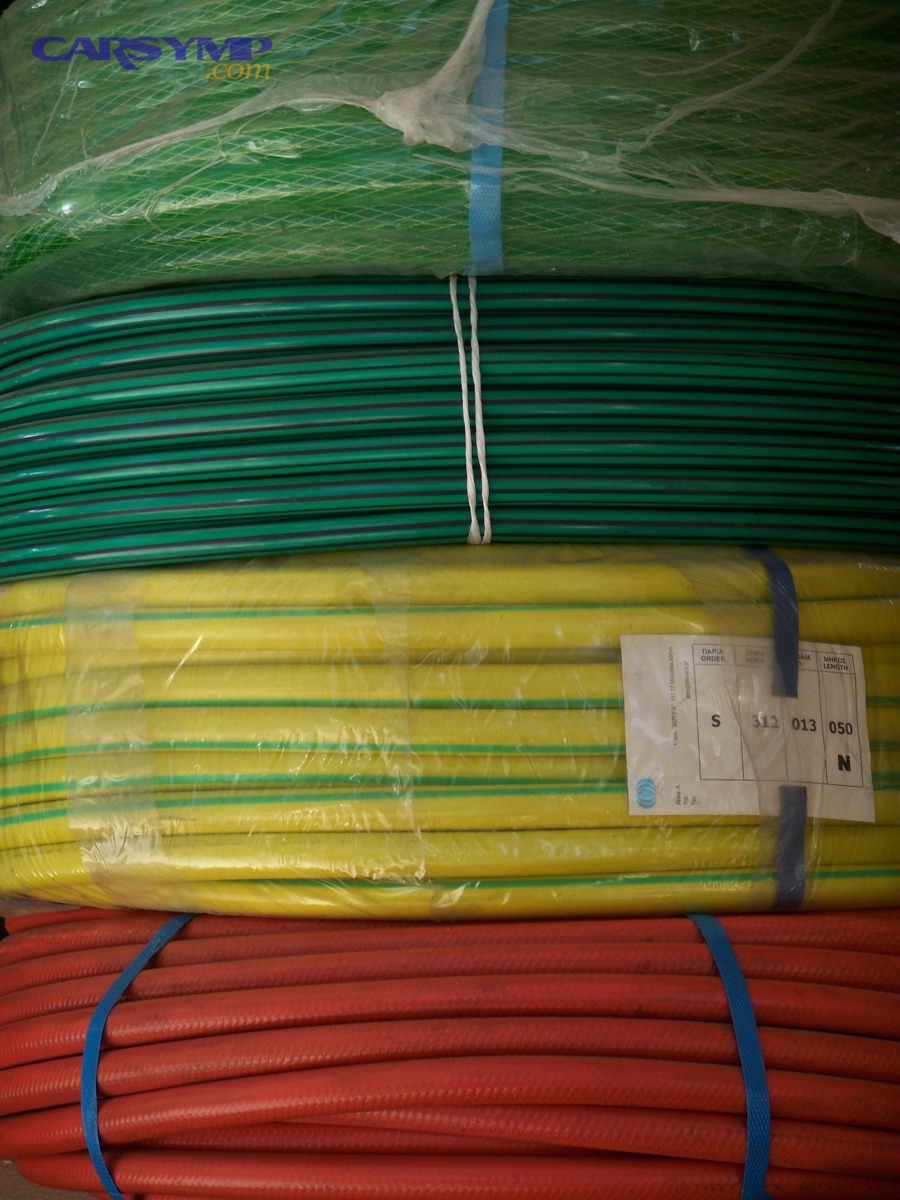
What fluid or gas will flow through the hose, and why does it decide the material?
The fluid or gas decides the material because chemical compatibility is not “general”—it’s specific to the media, concentration, and operating temperature.
Use this mindset:
- Start with the media name (water, compressed air, coolant, gasoline, diesel, hydraulic oil, solvent, acid/base, steam, refrigerant).
- Add modifiers (concentration %, additives, contamination, pH, and whether oxygen is present).
- Add operating temperature (because compatibility can change drastically as temperature rises).
- Check compatibility using a reputable chemical guide or manufacturer datasheet as a starting point, then validate with the exact hose series you plan to use. (parker.com)
Practical examples:
- Hot coolant generally favors EPDM-type rubber tubes (common in cooling systems) because EPDM tolerates hot water/coolant well, while many oil-focused rubbers are not ideal for hot water service long-term.
- Fuels and solvent vapors often push you toward PTFE or specialized fuel-rated elastomers because permeation and odor transfer matter as much as liquid compatibility.
- Compressed air can work with many materials, but oil carryover from compressors can degrade certain plastics or low-grade rubbers over time.
When the media is not “clean,” plan for the worst. A hose carrying oily air or chemically treated water needs a tube that tolerates additives, not just the base fluid.
What temperature limits matter—ambient temperature or media temperature?
Media temperature matters most, but ambient temperature still matters because the hose sees both—and the hot spot usually wins.
Think in three layers:
- Media temperature: the temperature of what’s inside the tube.
- Ambient temperature: the air or environment around the cover.
- Localized heat sources: exhaust components, engine bays, hot machinery surfaces, or direct sunlight.
If any one of these pushes the tube or cover beyond its rated range, you can get:
- Softening and expansion (clamps loosen; crimps leak)
- Hardening and cracking (rubber loses elasticity; plastics embrittle)
- Accelerated aging (heat cycling speeds degradation even if you never “cross the limit”)
This is why “it’s only hot sometimes” still counts. Thermal cycling often creates damage faster than steady conditions.
Do you need pressure rating, vacuum rating, or both?
You may need both, because pressure rating protects against bursting while vacuum rating protects against collapse under suction.
Use these rules of thumb:
- If the system pushes fluid (pressure side), you must meet or exceed working pressure, and you should understand burst pressure and safety factors.
- If the system pulls fluid (suction side), you must verify vacuum rating (or “suction service” capability), because some hoses that handle pressure can still collapse under suction.
- If the system pulses (hydraulic spikes, pump pulsation), choose for the dynamic case, not the average.
Also remember: fittings, bend radius, and routing affect effective pressure handling—tight bends can concentrate stress where pressure is highest.
How do bend radius and motion (dragging, flexing) change the best material choice?
Bend radius and motion change material choice because they determine whether the hose will kink, fatigue, or abrade—mechanical failure modes that ignore chemical compatibility.
Evaluate motion like this:
- Static routing: hose stays in place; prioritize temperature, chemical compatibility, and abrasion resistance at contact points.
- Dynamic flexing: hose moves every cycle; prioritize flex life, minimum bend radius, and reinforcement design.
- Dragging/handling: hose gets pulled across floors or ground; prioritize cover abrasion resistance and consider protective sleeves.
A “perfect” chemical match that kinks at the first tight turn is the wrong choice. Kinks reduce flow, raise local pressure/temperature, and can break reinforcement over time.
Rubber vs PVC vs PTFE: which hose material is best for your use case?
Rubber wins in durability and flexibility, PVC is best for light-duty cost-effective water/air transfer, and PTFE is optimal for chemical resistance and high-temperature stability—so the “best” material depends on what you’re optimizing: ruggedness, budget, or chemical/thermal extremes. (rubberandspecialties.com)
To keep this comparison actionable, the table below summarizes typical decision criteria. It’s not a replacement for a specific manufacturer datasheet, but it helps you choose the right direction before you select a series and fittings.
| Criteria | Rubber (general elastomer hoses) | PVC (vinyl/thermoplastic) | PTFE (Teflon liner, often braided) |
|---|---|---|---|
| Best for | Rugged general use, abrasion, flex | Light-duty water/air, budget | Aggressive chemicals, high temps, low permeation |
| Temperature tolerance | Often moderate to high (varies by rubber type) | Often lower, can stiffen in cold | Very wide range depending on design |
| Flexibility | Usually high | Medium; can stiffen | Often lower than rubber unless designed for flex |
| Chemical resistance | Depends heavily on rubber type (EPDM vs NBR etc.) | Limited vs solvents/fuels | Excellent for many chemicals |
| Cost | Medium | Low | High |
Now, use the H3 sections below to choose based on the situations you actually face.
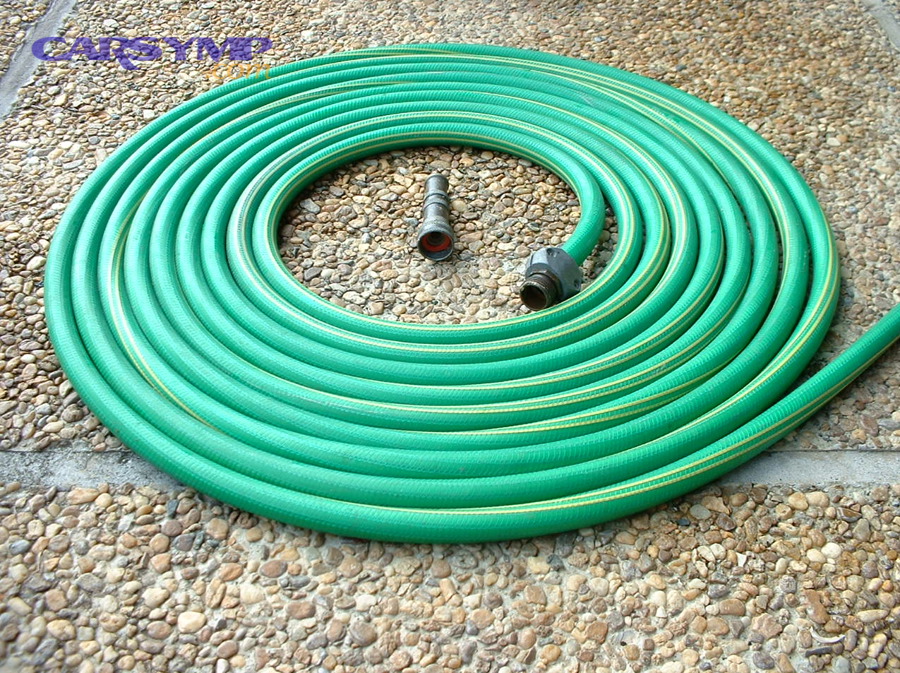
Is rubber hose better than PVC for durability and outdoor use?
Yes—rubber hose is usually better than PVC for durability and outdoor use because rubber typically offers (1) better abrasion resistance, (2) better flexibility across temperature swings, and (3) better resistance to ozone/UV cracking when the cover is designed for exposure.
However, PVC can still be the correct choice when:
- The duty cycle is light (intermittent water/air use)
- The environment is controlled (indoors, limited sunlight, minimal abrasion)
- Weight and cost are primary constraints
- The hose doesn’t need to flex continuously in cold weather
Outdoor performance is not only about the tube—it’s also about the cover. If a hose drags across concrete daily, cover wear becomes a leading factor. This is where rubber often earns its reputation in “real use,” especially for industrial hoses.
When is PTFE (Teflon) the right choice—and when is it overkill?
PTFE is the right choice when you need chemical resistance and temperature stability that rubber or PVC can’t provide, and when permeation (vapor loss/odor) or cleanliness is critical.
PTFE tends to be worth it when:
- You handle aggressive chemicals (strong solvents, acids/bases depending on concentration)
- You need high temperature tolerance and stable properties over cycles
- You care about low permeation for fuels and vapors
- You need consistent performance in demanding environments with strict specs
PTFE is often overkill when:
- The media is simple (water/air) and temperatures are low to moderate
- Flex life and low cost matter more than chemical extremes
- The system is frequently assembled/disassembled without proper fittings tools
- The user can’t validate end connections and bend radius (a common cause of early PTFE assembly issues)
In short, PTFE solves a specific set of problems extremely well, but it often requires more discipline in fitting selection and routing.
What are “hyponym” material options beyond the big three (EPDM, nitrile, silicone, polyurethane)?
There are 4 common “sub-types” you’ll encounter—EPDM, nitrile (NBR), silicone, and polyurethane (PU)—and they matter because they explain why two “rubber hoses” can behave like totally different products.
- EPDM (ethylene propylene diene monomer): Common in coolant/radiator hoses and hot water service. EPDM is chosen because it performs well in hot coolant/water environments, which is why it dominates many automotive cooling applications. (worldscientific.com)
- Nitrile (NBR): Frequently used when oil resistance is required (fuel/oil/hydraulic fluids depending on formulation).
- Silicone: Often selected for high-temperature flexibility and certain engine-bay uses, but not automatically compatible with every oil/fuel exposure.
- Polyurethane (PU): Known for abrasion resistance and flexibility in many air-tool and shop applications; a strong pick when dragging and wear are constant issues.
This “hyponym map” (rubber → EPDM/NBR/silicone, etc.) is the semantic key to choosing correctly: don’t buy “rubber,” buy the rubber type that matches your media and temperature.
How do you confirm the hose material is correct before buying or installing?
You confirm the hose material is correct by validating (1) ratings and markings, (2) chemical compatibility for your media and temperature, and (3) end connections and routing—because these three checks catch the most common misapplications before they become leaks.
Below, the goal is simple: reduce surprises after installation. This is where you prevent downtime, reduce repeated hose replacement, and build a routine for Preventing hose failures that doesn’t rely on luck. (new-line.com)
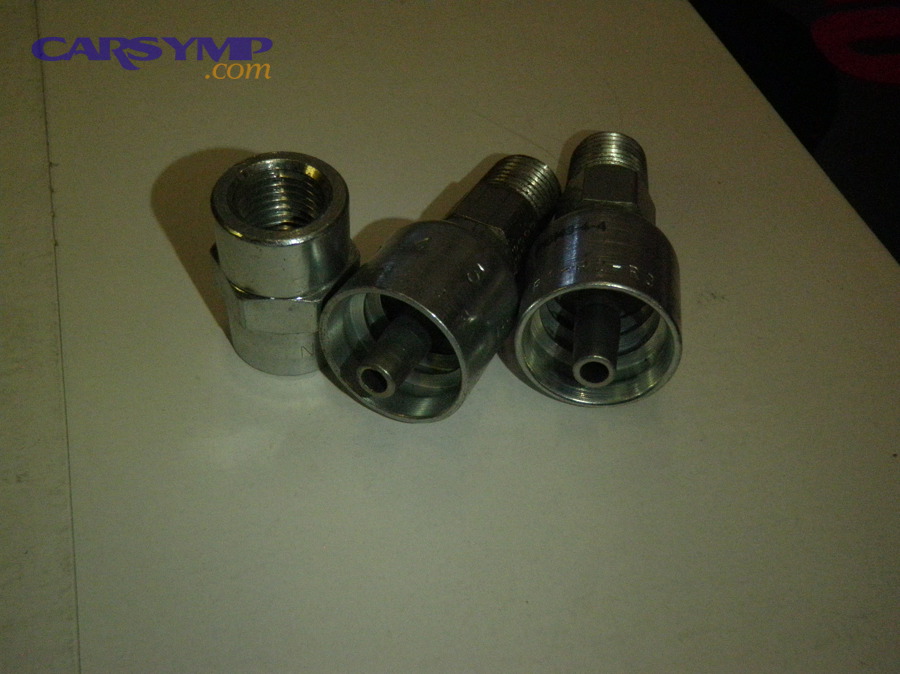
What markings and specs on the hose or datasheet should you verify?
Verify the items that directly connect to your real operating conditions:
- Tube material and cover material (explicitly listed, not assumed)
- Temperature range (min/max; note any derating conditions)
- Working pressure and burst pressure (and whether pulsation is addressed)
- Minimum bend radius (especially if space is tight)
- Standards/compliance (potable water ratings, food-grade requirements, etc.)
- Intended service (suction, discharge, steam, chemical transfer, hydraulic, fuel)
- Warnings about incompatible fluids or installation limitations
If you’re using chemical resistance information, treat it as a starting gate. Many compatibility guides emphasize they are “general indications” and that specific compounds and designs should be matched by the manufacturer’s technical guidance. (parker.com)
Do fittings and clamps affect material choice (and failure risk)?
Yes—fittings and clamps affect material choice and failure risk because the same hose can leak or hold pressure depending on how the ends are sealed and supported.
Common connection truths:
- Soft hoses can cold-flow under clamps if over-tightened, creating leaks later.
- PTFE assemblies often require specific fitting designs and assembly methods; wrong ends can lead to weeping, pull-off risk, or premature failure.
- Reinforced hoses need end connections that match the reinforcement style and wall thickness; “close enough” is where intermittent leaks live.
A practical rule: if your application is safety-critical or high pressure, choose a hose-and-fitting system that’s designed to work together, not a mix-and-match experiment.
What quick “red flags” indicate you chose the wrong material?
Red flags show up as changes in feel, shape, and surface condition. Watch for:
- Swelling or soft spots (tube incompatibility or overheating)
- Hardening and surface cracks (aging, ozone/UV, heat cycling)
- Blistering/bubbles (permeation, chemical attack, or layer separation)
- Kinks or flattened sections (bend radius violation; reinforcement damage)
- Weeping at ends (connection mismatch, thermal cycling, clamp/crimp issues)
- Abrasion-through of the cover exposing reinforcement (external wear)
If the hose is part of a vehicle cooling system, add a focused routine for Coolant hose leak symptoms and inspection: look for crusty residue at joints, dampness near clamps, a sweet smell, swelling near ends, or soft “ballooning” after warm-up. Industry guidance emphasizes inspecting coolant hoses for cracking, hardness, swelling, and cover damage as part of routine maintenance. (gatesaustralia.com.au)
When you find these red flags, treat them as a decision moment: either correct routing/ends (if the hose is still structurally sound) or plan a controlled hose replacement before the failure becomes an emergency.
What specialized hose-material considerations matter in regulated or high-risk applications?
Specialized hose-material considerations matter because regulated and high-risk applications add requirements beyond basic compatibility—such as compliance, static control, permeation limits, and suction/cleaning constraints—so the “right material” becomes the “right material + right certification + right risk control.”
Below are four micro-level questions that expand your semantic coverage and help you avoid the silent failure modes that don’t show up until after installation.
Do you need food-grade or potable-water compliance, and what changes in material choice?
Yes—if the hose carries drinking water, beverages, or anything that contacts food, you need food-grade or potable-water compliance because some polymers can leach unwanted compounds, transfer taste/odor, or fail compliance audits.
What changes in your material choice:
- You prioritize listed/approved materials and documented compliance for the exact hose series.
- You pay more attention to taste and odor transfer (some plastics are notorious for this in water service).
- You avoid “general purpose” hoses that don’t specify potable-water suitability.
Potable water hoses are typically made from polymers tested not to leach harmful materials, which is why compliance listings matter in selection. (en.wikipedia.org)
Should you choose conductive (static-dissipative) or non-conductive hose material?
Conductive (static-dissipative) hose is best when static discharge is a hazard, while non-conductive hose is preferred when electrical isolation is required—so the correct choice depends on whether you’re trying to remove static or avoid conduction.
Use this antonym-driven decision:
- Choose static-dissipative / conductive when moving fuels, solvents, powders, or other media where static can ignite vapors or dust (and where the entire system is properly grounded).
- Choose non-conductive when the hose is near energized equipment and electrical isolation is part of safety design.
The key is system thinking: static control is not just a hose property—it’s also grounding, fittings, and maintenance.
Is permeation a problem for fuels, solvents, or gases—and which materials reduce it?
Yes—permeation can be a serious problem for fuels, solvents, and gases because vapors can migrate through some hose materials even when the hose “doesn’t leak liquid,” causing odor, loss of product, and safety concerns.
Materials that often reduce permeation:
- PTFE-lined hoses (commonly selected when vapor resistance matters)
- Specialized barrier layers in engineered hose constructions
This is especially relevant in confined spaces. When vapor control matters as much as liquid containment, material selection shifts from “won’t dissolve” to “won’t transmit.”
Do you need vacuum/collapse resistance or steam/CIP/SIP cleaning compatibility?
You may need vacuum/collapse resistance or steam/CIP/SIP compatibility when the application involves suction, sanitation cycles, or high-temperature cleaning—because hoses can fail by collapse or by degradation from repeated cleaning chemistry and heat.
Two high-risk scenarios:
- Suction service: A hose that works on pressure discharge may still collapse under vacuum if not designed for suction. Verify vacuum rating and reinforcement intended for collapse resistance.
- Cleaning and sterilization: Steam and aggressive cleaners can accelerate aging, change hardness, and weaken layers. Material selection becomes a balance of chemical and thermal resistance plus mechanical stability over cycles.
If your work includes maintenance response planning, this is also where you define your boundary between safe shutdown and “get it running now.” In truly urgent cases, Emergency hose repair temporary measures (like a temporary clamp on a minor seep or a short bypass in low-risk systems) should be treated as a time-limited bridge to proper replacement—not a permanent fix—because the underlying material mismatch or degradation remains.
Evidence (if any)
According to a study by Monash University from Mechanical & Aerospace Engineering, in 2014, thermal gradients through a hydraulic hose can induce thermal stresses in addition to pressure stresses, and understanding the combined stress state helps reduce and control failure risk in service. (research.monash.edu)