


Checking coolant level properly is a cold-engine, reservoir-first process: park on level ground, let the system cool fully, locate the expansion/overflow tank, and confirm the fluid sits between the MIN and MAX (or FULL COLD) marks—then close the cap securely.
Next, the “properly” part is mostly about safety and accuracy: a hot cooling system is pressurized, so you avoid opening caps when hot and you read the markings at eye level on a stable surface to prevent false “low” readings.
Then, if the level is low, you top up the right antifreeze (coolant) in small amounts, stopping at the correct cold mark—and you treat repeat low coolant as a symptom that needs diagnosis, not just another refill.
Introduce a new idea: once you know the correct checking steps, you can use what you see (level changes, residue, warning lights) to decide whether you’re dealing with normal expansion, a slow leak, or something like a sensor issue.
What does “coolant level” mean and where should you check it on most cars?
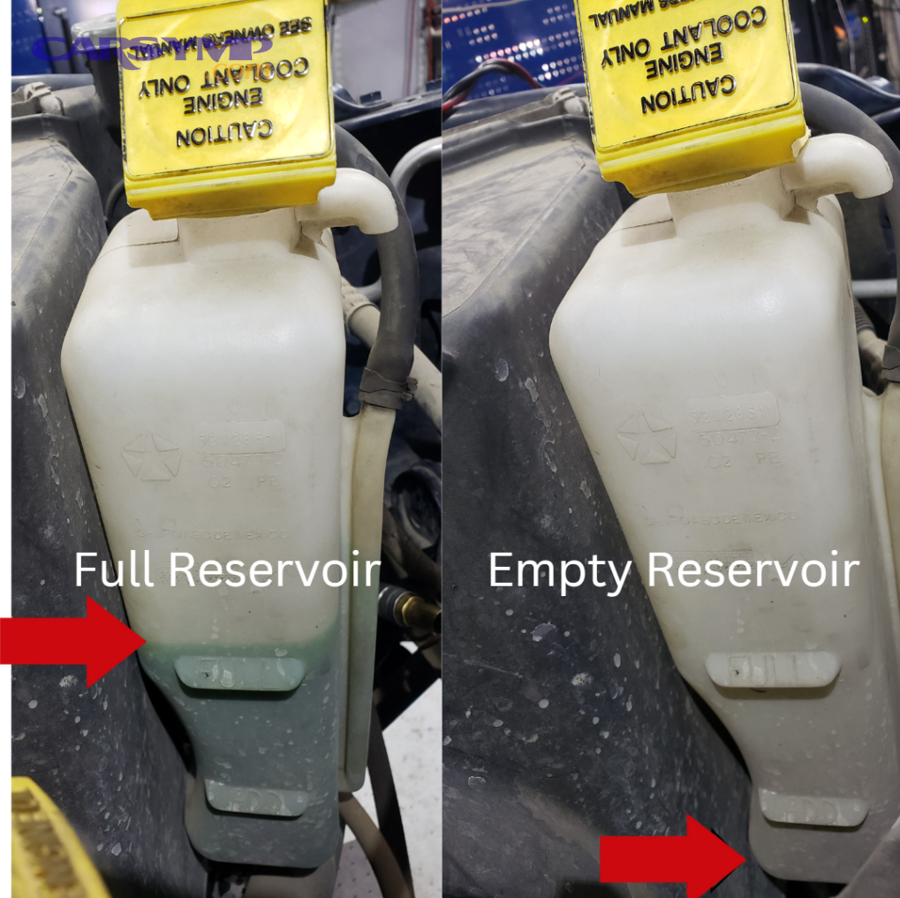
Coolant level is the height of antifreeze (coolant) in your vehicle’s cooling system, and on most modern cars you check it at the translucent coolant reservoir (expansion/overflow tank), not by opening the radiator. To better understand what you’re looking at, start by identifying the correct container and then learn what the markings mean.
What is the coolant reservoir (expansion/overflow tank) and how do you identify it?
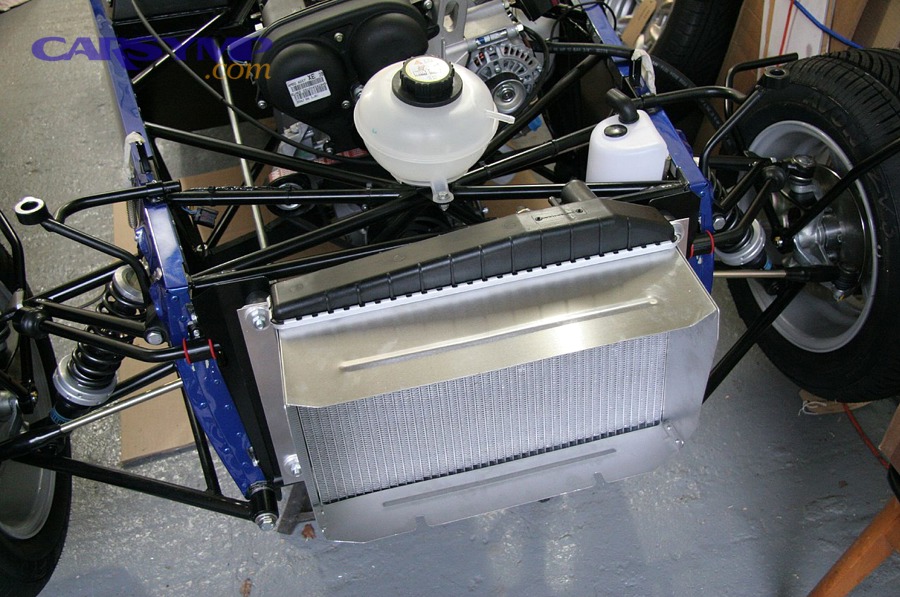
The coolant reservoir is a plastic tank connected to the radiator/engine by hoses that collects expanding coolant and returns it as the engine cools. Specifically, you can identify it quickly by combining three cues:
- Location and shape: usually a semi-transparent plastic tank near the radiator or along the side of the engine bay.
- Cap and labels: often labeled “coolant,” “engine coolant,” or shows a temperature/steam warning icon.
- Hose routing: one or more hoses run from the tank toward the radiator neck, thermostat housing, or a pressurized expansion point.
A common mistake is confusing it with the windshield washer reservoir. Washer fluid tanks often have a blue cap and a windshield spray icon, while coolant reservoirs tend to have warning symbols and MIN/MAX marks molded into the plastic.
What do MIN/MAX or FULL COLD/FULL HOT marks mean?
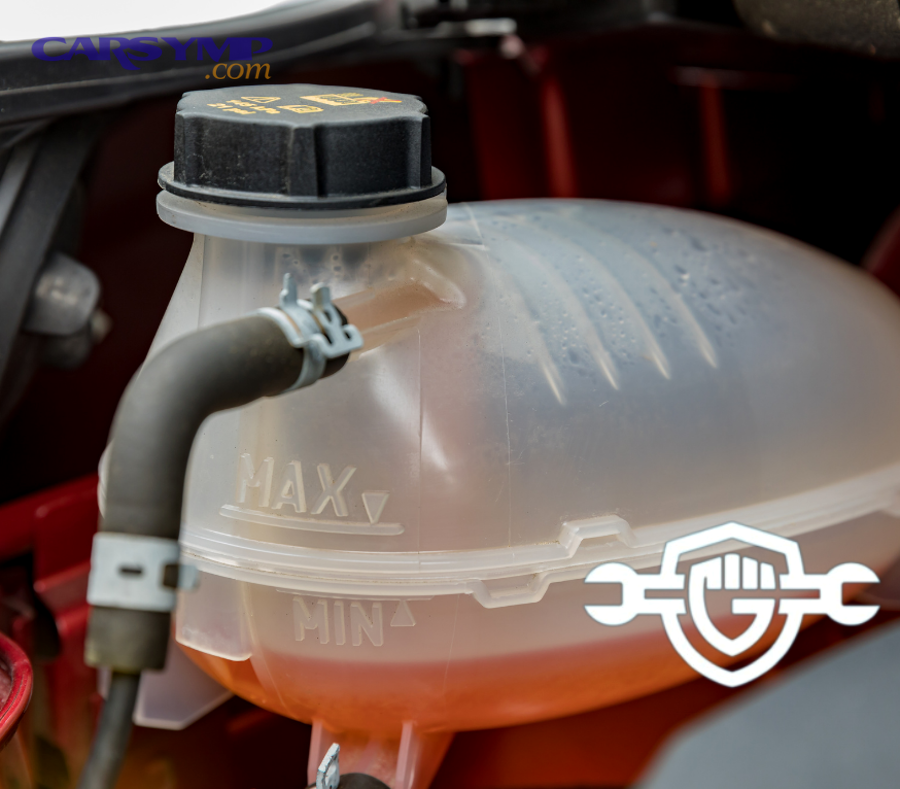
MIN/MAX (or LOW/FULL) marks show the acceptable coolant range for the reservoir, while FULL COLD/FULL HOT marks account for expansion as the engine heats up. More specifically:
- Coolant expands when hot, so the level rises during normal driving.
- Cold marks (MIN/MAX when cold, or FULL COLD) are the reference you use for a “proper” check.
- If your reservoir has FULL HOT, it’s there so you can sanity-check that the hot level isn’t abnormally low or overflowing—but you still avoid opening caps and you don’t treat hot readings as your main measurement.
If you can’t see the line clearly, use a flashlight behind the tank and read it at eye level, because looking from above can make a “near MIN” level look higher than it really is.
Should you check coolant level only when the engine is cold?
Yes—check coolant level only when the engine is cold because it prevents burns from pressurized hot coolant, gives the most accurate reading against the cold markings, and reduces the chance of introducing air into the system. Next, the safest habit is to treat “cool engine” as a non-negotiable step, not a suggestion.
How long should you wait after driving before checking coolant safely?
You should wait until the cooling system is fully cooled—meaning the engine bay no longer feels hot and there’s no residual pressure behavior—before you check level properly. Then, use practical indicators that connect to safety:
- The upper radiator hose should feel cool or only mildly warm to the touch.
- There should be no hissing near the cap areas.
- The temperature gauge should have been off for long enough that heat soak has passed.
If you’re unsure, it’s safer to wait longer. A “quick peek” while hot often turns into a wrong reading (coolant expanded above MAX) or a risky cap-opening impulse.
Does parking on a slope or uneven ground affect the reading?
Yes—parking on a slope can skew a reservoir reading because the coolant surface tilts and the molded MIN/MAX marks assume a level vehicle. In addition, a sloped reading can create a false “low” on one side of the tank. To avoid that:
- Park on flat pavement.
- If you must check where you are, reposition the vehicle or at least interpret the level cautiously and re-check on level ground later.
A correct reading is a calm, controlled measurement—not a rushed glance while the car is angled in a driveway.
How do you check coolant level properly in the reservoir step-by-step?
The proper method is a reservoir-first check with 6 steps—cool engine, level ground, locate tank, read MIN/MAX at eye level, inspect coolant condition, and secure the cap—so you get an accurate level and catch problems early. Below is the step-by-step that keeps the process both safe and repeatable.
What are the exact steps to read the level accurately on a translucent reservoir?
Here are the exact steps to read the reservoir level accurately, based on the cold marks and a clear viewing angle:
- Park on level ground and set the parking brake.
- Turn the engine off and let it cool completely.
- Open the hood and locate the coolant reservoir (look for warning icons + molded marks).
- Clean the viewing area: wipe dust or grime off the tank so the fluid line is visible.
- Use a flashlight behind or to the side of the tank (not directly above) to highlight the fluid line.
- Read at eye level and confirm the level is between MIN and MAX (or at FULL COLD, depending on your markings).
- Check the cap area: look for crusty residue, wetness, or staining that suggests seepage.
- Close the cap firmly (snug and seated) so the system can maintain pressure properly.
If the tank is opaque and has no visible line, some vehicles use a dipstick-style cap or an internal float indicator. In that case, the owner’s manual diagram matters—but the cold-engine rule stays the same.
What quick condition checks should you do while you’re there (color, smell, debris)?
You should do three quick condition checks—appearance, contamination clues, and evidence of leakage—because coolant level alone doesn’t tell you if the system is healthy. More specifically, look for:
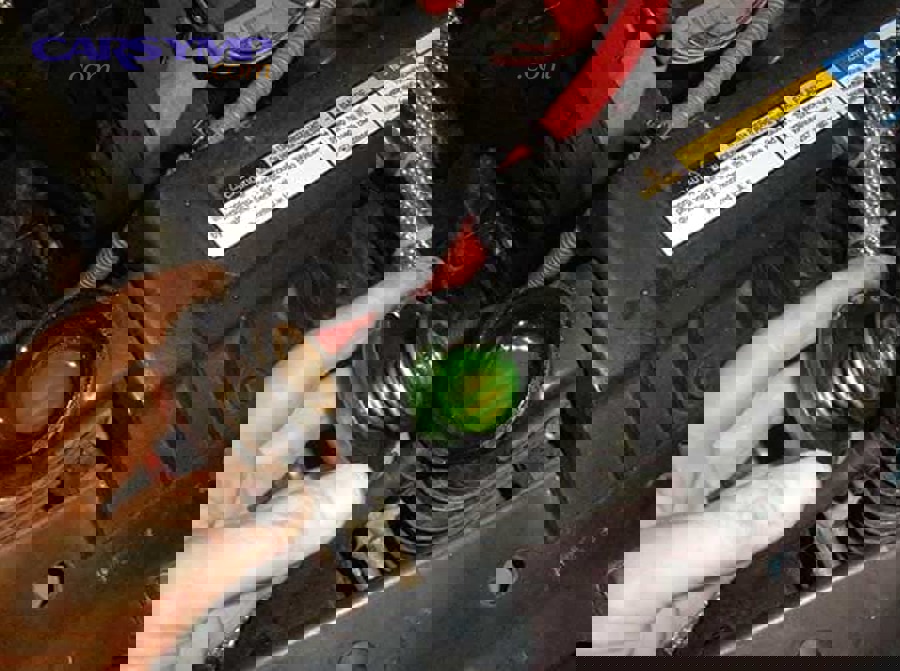
- Color and clarity: coolant may be green, orange, pink, blue, or yellow depending on chemistry; what matters is that it looks relatively clean, not muddy.
- Debris or sludge: particles, rust tint, or thick gel-like material can signal corrosion or incompatible mixing.
- Oil sheen or milky residue: can suggest oil contamination and needs prompt diagnosis.
- Smell: a sweet odor around the engine bay can indicate a small seep or evaporating coolant.
- Tank seam residue: dried crust near seams/cap often points to slow leaks.
If you see contamination signs, don’t keep “topping up and forgetting.” Level checks become meaningful only when paired with a quick “is this fluid still normal?” scan.
Evidence: According to a study by Kırıkkale University from the Faculty of Engineering and Architecture (Mechanical Engineering), in 2021, testing water–ethylene glycol mixtures in an automobile radiator found that heat transfer decreased as ethylene glycol ratio increased, even as airflow, inlet temperature, and flow rate increased heat transfer. (dergipark.org.tr)
If coolant is low, what is the correct way to top it up without damaging the cooling system?
If coolant is low, the correct way to top it up is to add the right antifreeze (coolant) to the reservoir in small increments until it reaches the cold mark, while avoiding overfilling and avoiding incompatible fluids. Next, treat “low” as both a fill task and a diagnostic clue—because coolant doesn’t normally disappear without a reason.
Which coolant should you use (antifreeze vs water, premix vs concentrate)?
Antifreeze (coolant) wins for freeze/boil protection, premix is best for convenience and correct ratio, and distilled water is only a temporary helper when the right coolant isn’t available. However, the most important rule is to match the manufacturer specification, not the color.
Here’s a practical decision guide:
- Best choice: the exact coolant spec your owner’s manual calls for (often an OAT/HOAT/IAT family).
- Premix (50/50) vs concentrate:
- Premix reduces mistakes because it’s already diluted correctly.
- Concentrate is fine if you mix it with distilled water to the correct ratio.
- What coolant to add in an emergency: if you’re low and the engine is cool, add distilled water (or clean water if that’s all you have) to reach a safe level temporarily, then correct it with the proper coolant as soon as possible.
If you’re dealing with a low coolant warning light, don’t default to “random universal coolant.” The wrong chemistry mix can create sludge or reduce corrosion protection over time, turning a simple top-up into a bigger cooling-system problem.
How much coolant should you add and what happens if you overfill?
Add coolant until it sits at the correct cold mark (between MIN and MAX, or at FULL COLD), and stop—because overfilling can push excess fluid out through the overflow path and create messy residue that looks like a leak. In addition, follow a controlled top-up routine:
- Add a small amount, wait a moment for the level to settle, then re-check.
- Stop at the target mark—don’t chase a “perfectly full” tank if the mark is slightly below the cap neck.
- Reseat the cap fully to preserve pressure and prevent evaporation.
If you accidentally overfill, it usually doesn’t “blow up” anything—most systems expel excess into overflow—but it can leave dried coolant crust, confuse future inspections, and make you think you have a leak.
Reservoir vs radiator: where should you check coolant level on different car designs?
The reservoir wins for most modern cars because it’s designed for safe level checks, the radiator check is mainly for older designs or specific service procedures, and a pressurized expansion tank sits in between as a hybrid that still uses markings and caution. Meanwhile, the reason this matters is that many “I checked coolant and it was fine” stories come from checking the wrong place at the wrong time.
When is it appropriate to check the radiator directly instead of the reservoir?
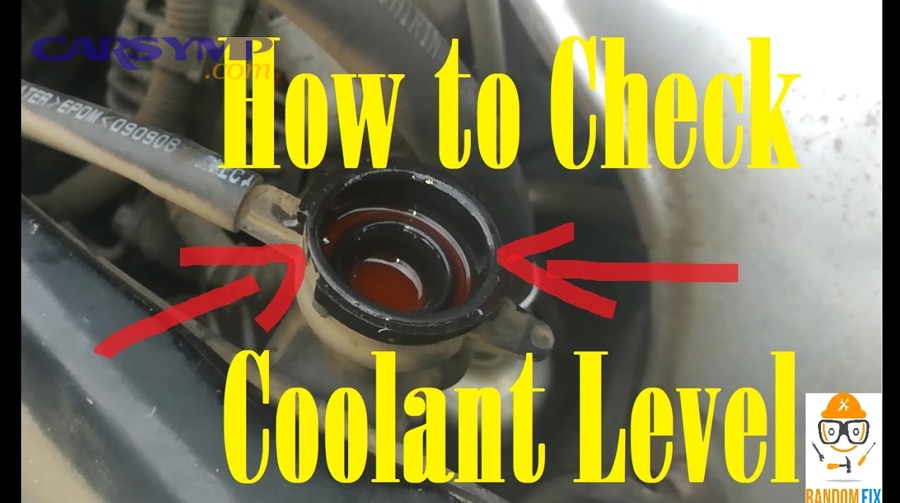
Yes—but only in limited cases and only when the system is completely cold, such as on older vehicles without a marked reservoir or when a repair manual specifically directs a radiator-level verification after service. More specifically, radiator checks are appropriate when:
- The vehicle does not have a translucent reservoir with marks.
- You’ve just had cooling system work done and a procedure calls for checking the radiator neck level.
- You’re troubleshooting persistent air in the system and the manufacturer’s process requires a radiator-level confirmation.
Even then, the safety point stays constant: never open a radiator cap on a hot engine.
What’s the difference between an overflow tank and a pressurized expansion tank?
An overflow tank is typically non-pressurized and collects excess coolant that expands out of the radiator, while a pressurized expansion tank is part of the sealed pressure system and holds coolant under pressure as the primary fill point. In addition, the differences affect how you interpret level:
- Overflow tank: level moves more dramatically with heat cycles; you usually reference cold marks.
- Pressurized expansion tank: cap is a pressure cap; markings may include FULL HOT/FULL COLD and the tank can be the main fill point.
If your cap sits on the expansion tank and looks like a pressure cap, treat it like a radiator cap: don’t open hot, and prioritize cold-level checking.
What does it mean if the coolant level keeps dropping after you top it up?
A coolant level that keeps dropping usually means coolant is escaping (an external leak or internal loss), the system is purging trapped air after recent service, or you have a measurement/sensor issue that needs confirmation. More importantly, “repeat low” is when you stop treating coolant like a consumable and start treating it like a diagnostic signal.
What are the most common leak spots you can spot quickly at home?
There are 6 common places to check for external coolant loss: reservoir and cap, hoses and clamps, radiator seams, water pump area, thermostat housing, and the cabin heater core clues. Specifically, look for:
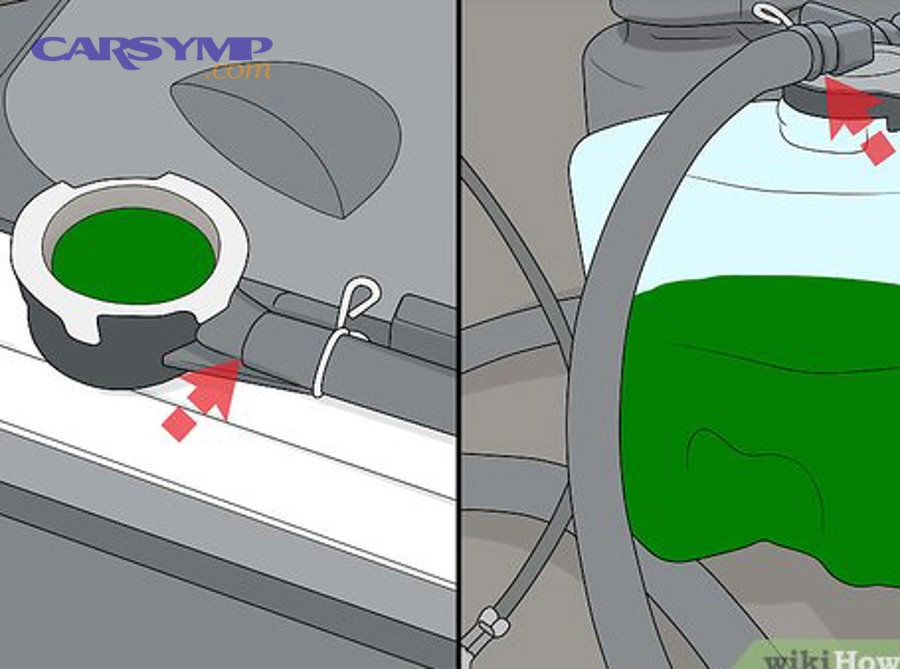
- Reservoir seams and cap: crusty residue, wetness, hairline cracks.
- Upper/lower radiator hoses: swelling, splits, damp clamp areas.
- Radiator end tanks: wet corners, staining, or a sweet smell after driving.
- Water pump: drips near the pump area or a “weep hole” trail.
- Thermostat housing: seepage at gaskets.
- Heater core clues: foggy windows with sweet smell, damp passenger-side carpet.
If the level drops but you see no external signs, that’s when a Pressure test to find coolant loss becomes the next logical step because it can reveal slow leaks that don’t drip on the ground. (static.nhtsa.gov)
When should you avoid driving and get professional help immediately?
Yes—avoid driving and get help immediately if you have overheating, steam, a rapidly dropping reservoir, or warning indicators that return after topping up, because those signs can lead to engine damage fast. In addition, treat these as “stop now” triggers:
- Temperature gauge climbs into hot zone or an overheating warning appears.
- Steam or a strong sweet odor is coming from the hood.
- The reservoir empties quickly after you just filled it.
- The low coolant warning light returns repeatedly in short intervals.
This is also the moment for Coolant leak vs sensor fault diagnosis: you confirm the actual reservoir level cold, inspect for leaks, and if the level is stable but the warning persists, you scan for related trouble codes and check the sensor/connector integrity per service information. (static.nhtsa.gov)
What else should you check after verifying coolant level to prevent repeat low-coolant issues?
After verifying coolant level, you should check coolant strength, trapped air behavior, compatibility risks, and contamination clues—because these micro-details often explain why “the level looks fine” but problems keep coming back. Next, this is where you move from a simple level check to a more authoritative understanding of the cooling system’s health.
How can you test coolant strength (freeze/boil protection) with strips or a refractometer?
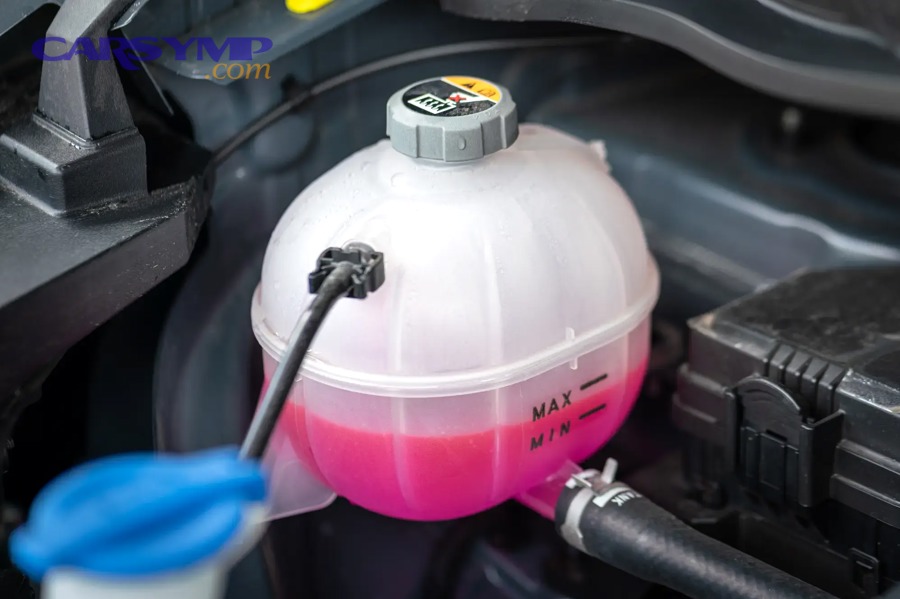
Coolant strength testing is measuring the mixture concentration so you know whether you have adequate freeze protection and boiling protection for your climate and operating load. Specifically, a refractometer or test strips can help you:
- Confirm whether the mixture is roughly in the recommended range (often near 50/50).
- Detect a system that has been “topped with water” repeatedly, diluting protection.
- Decide whether a drain/refill or full flush is smarter than continued topping.
This matters because concentration changes can reduce protection even if the level stays perfect.
Why can coolant level drop after a coolant change due to air pockets, and what is “bleeding” the system?
Coolant can drop after service because trapped air burps out during heat cycles, lowering the reservoir level as the system finally fills completely, and “bleeding” is the procedure used to remove that air. For example, an air pocket can cause:
- Inconsistent cabin heat (heater blows cool at idle).
- Temperature fluctuations that don’t match the reservoir level.
- A level that drops once or twice after service and then stabilizes.
Bleeding methods vary by vehicle (bleeder screws, vacuum fill tools, specific warm-up routines), so the safe approach is to follow the manufacturer procedure rather than improvising.
Is coolant color a reliable way to choose the right antifreeze, and what mixes are risky?
No—coolant color is not a reliable selector because different brands use different dyes, and mixing incompatible chemistries is the risky part that can cause deposits or reduced corrosion protection. Meanwhile, here’s the safer logic:
- Choose coolant by specification, not color.
- If you don’t know what’s in the system, use the owner’s manual spec or a professional identification approach.
- Avoid “mixing just because it’s the same color.”
If you’re forced into an emergency top-up and you can’t confirm chemistry, adding distilled water temporarily is usually less risky than mixing unknown coolants—then correct it properly later.
What are uncommon but serious signs of coolant contamination (oil sheen, sludge, exhaust smell)?
There are 4 uncommon but serious contamination signs: oil sheen on coolant, milky sludge, gritty debris/rust sludge, and an exhaust-like smell or bubbles that suggest combustion gas intrusion. Especially watch for:
- Oily film floating in the reservoir.
- Thick brown sludge (possible mixing issue or severe corrosion).
- Persistent bubbles in the reservoir after warm-up (not just initial burp).
- Repeated overheating + rapid coolant loss with no external leak.
If you see these, topping up is not the solution—diagnosis is.
Evidence: According to a study by Kırıkkale University from the Faculty of Engineering and Architecture (Mechanical Engineering), in 2021, radiator testing across multiple water–ethylene glycol ratios showed that higher ethylene glycol content reduced heat transfer performance while improving freeze protection—highlighting why correct mixture and system health both matter. (dergipark.org.tr)
Evidence (if any)
- Kırıkkale University (Mechanical Engineering), 2021 experimental radiator study on water–ethylene glycol mixture ratios and heat transfer performance. (dergipark.org.tr)