


A low coolant warning light usually comes back for one simple reason: the cooling system is still losing coolant (or it thinks it is). The fastest way to prevent repeat warnings is to confirm the true coolant level, stop the loss at its source, and then monitor the system until the level stabilizes.
Next, you also need Safe-to-drive guidance when light comes on because the wrong “just keep going” decision can turn a minor leak into overheating and engine damage. The same checklist you use to prevent repeat warnings also tells you when to stop driving.
Then, we’ll break down Low coolant light causes and what to do—from the common leak points (hoses, radiator, water pump) to the less obvious pressure and cap issues that quietly push coolant out.
Introduce a new idea: once the real root cause is addressed, you can lock in prevention with a routine and keep an eye on Overheating risk signs to monitor so the warning doesn’t surprise you again.
What does a low coolant warning light actually mean in a closed cooling system?
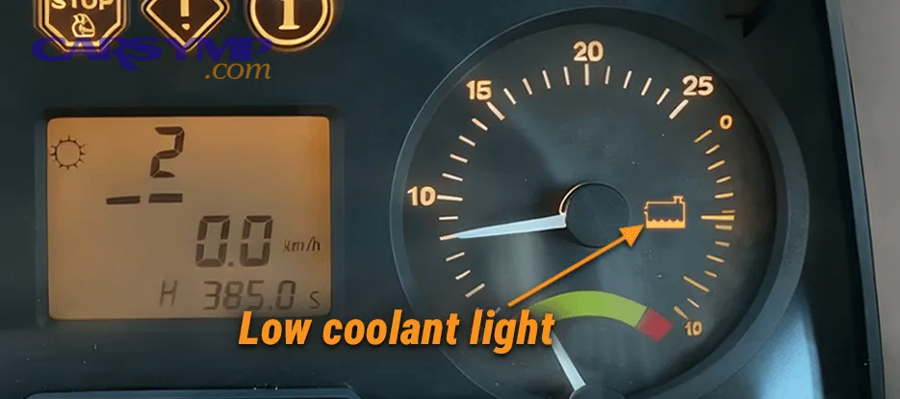
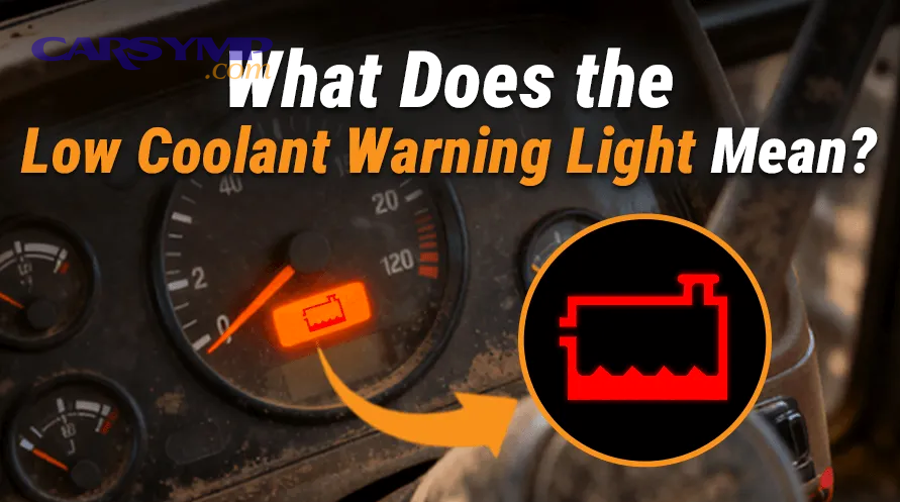
A low coolant warning light is a dashboard alert that the system has detected coolant level below the intended range (or a sensor signal that resembles low level), and in a healthy closed system that usually points to loss, improper fill, or faulty level sensing.
Next, because the alert is about “level” (not always “temperature”), you need to treat it as an early warning and verify what’s happening before you keep driving.
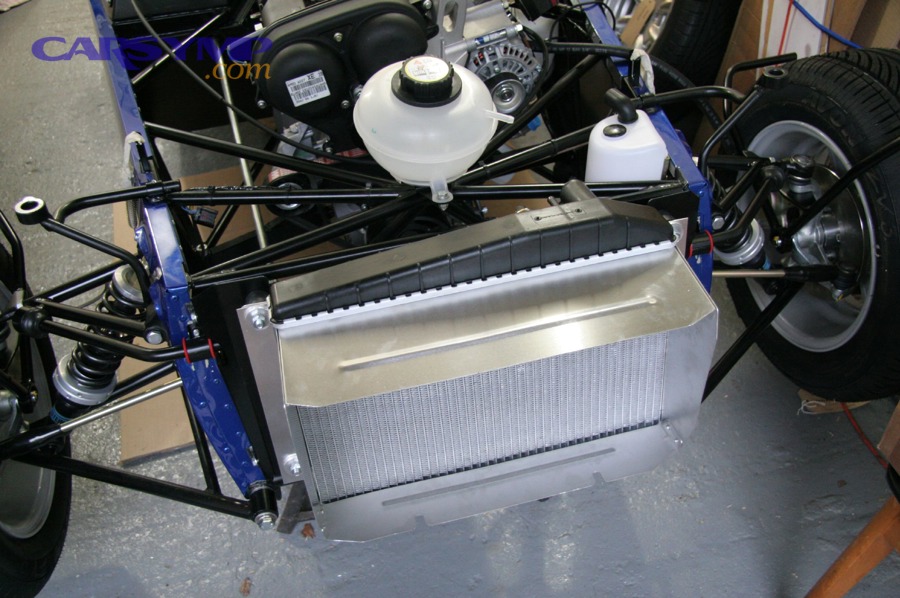
A modern cooling system is designed to circulate coolant through the engine and radiator and maintain pressure so the coolant can absorb and move heat efficiently. In normal operation, coolant should not “disappear” quickly. If the reservoir level keeps dropping, one of these is usually true:
- Coolant is leaking externally (you may or may not see puddles).
- Coolant is escaping under pressure (cap, overflow, small seep that evaporates).
- Coolant is leaking internally (heater core, engine-related internal paths).
- The system was not filled/bleed correctly after service (air pockets can make the level fluctuate).
- The level sensor or wiring is sending an incorrect signal.
Is it safe to keep driving when the low coolant warning turns on?
No—driving with a low coolant warning light is not safely “fine” because (1) the engine can overheat rapidly if coolant is truly low, (2) hot, low-volume coolant can’t carry heat away effectively, and (3) the warning can be the first sign of a leak that worsens under pressure.
However, the safest choice depends on what you observe in the next 60 seconds.
Use this quick “stop or go” decision:
Stop driving immediately (pull over safely and shut down) if you notice any overheating risk signs:
- Temperature gauge climbing abnormally or warning for high temperature
- Steam from the hood, sweet smell, or visible coolant spray
- Heater suddenly blowing cold air while the engine is hot
- Misfiring, loss of power, or a “hot” smell
You may drive a short distance only to reach a safe place if:
- The temperature gauge remains normal
- No steam or smell is present
- You can safely reduce load (no hard acceleration, turn off A/C, turn on heat to pull heat away)
- You plan to check the reservoir level as soon as the engine cools
The key is that “safe to drive” is never a blank check. It’s a short, risk-managed move to prevent overheating, not a plan to finish your day.
What are the most common reasons coolant level drops over time?
There are 4 main types of reasons coolant level drops over time: external leaks, pressure/boil-over losses, internal leaks, and fill/bleed issues, based on where the coolant goes and whether you can see evidence.
Specifically, sorting causes this way prevents the biggest mistake: topping off repeatedly without finding the pathway of loss.
- External leaks (most common and most fixable)
- Hose ends, clamps, and plastic fittings
- Radiator tanks, seams, or pinholes
- Water pump weep hole or gasket
- Thermostat housing gaskets
- Reservoir cracks
- Pressure-related losses (coolant pushed out rather than dripping)
- Weak radiator cap that can’t hold pressure
- Overflow or venting events under load
- Small leaks that only open when hot/pressurized and evaporate on contact
- Internal leaks (less visible, higher risk)
- Heater core seep (sweet smell inside, fogging windows, damp carpet)
- Internal engine-related leakage (may show oil/coolant mixing or recurring overheating)
- Fill/bleed problems after service
- Air pockets expand/contract and change the reservoir reading
- The system “burps” air and the level drops after a few heat cycles
Low coolant warning vs overheating warning: what’s the difference?
Low coolant warning wins as the earlier “cause-side” alert, overheating warning is best for immediate “damage-side” danger, and a temperature gauge is optimal for trend tracking while you troubleshoot.
Meanwhile, confusing these alerts leads to the wrong response—either ignoring low coolant until it overheats, or panicking when the level sensor is the only issue.
- Low coolant warning light: “The system may not have enough coolant volume for stable temperature control.”
Action: verify level (cold), look for loss, top off correctly only as a temporary step, then diagnose. - Overheating warning / high temp light: “The engine is already too hot.”
Action: pull over, shut down, let it cool, do not open caps hot, and address root causes before driving again. - Temp gauge creeping up: “Your margin is shrinking.”
Action: reduce load, turn on heat, stop sooner rather than later, and treat it as the system failing to shed heat.
What should you do immediately to prevent the warning from coming back (the 10-minute checklist)?
There are 10 main steps you can take immediately to prevent the warning from coming back: cool down safely, verify the reservoir level, inspect for fresh loss, top off correctly if needed, and document the baseline so you can confirm whether the system is stable.
To begin, this checklist works because it turns a vague light into measurable evidence you can track.
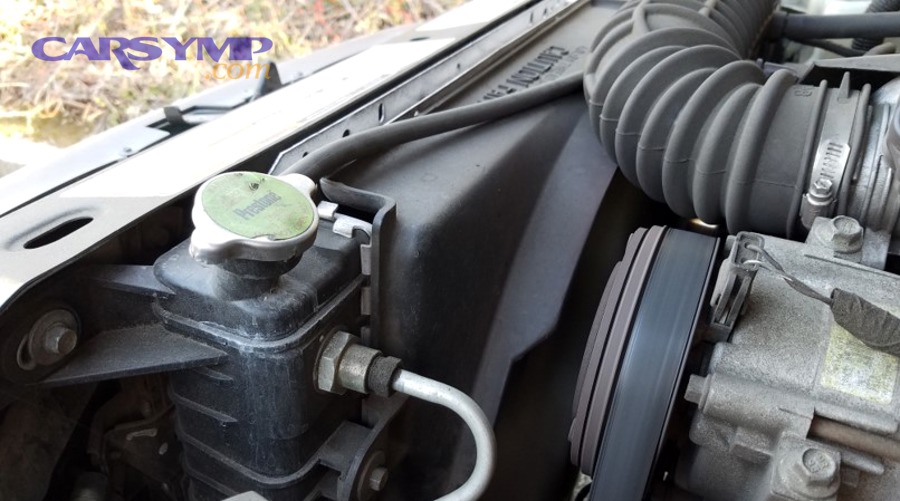
The 10-minute checklist (do this with the engine cold or after it cools):
- Park safely, shut off engine, and let it cool fully (pressure is the danger).
- Locate the coolant reservoir and read the MIN/MAX marks.
- If the reservoir is low, inspect around the reservoir for cracks and wetness.
- Look under the vehicle for fresh drips, especially near the front and passenger side.
- Check hose ends for crusty residue (dried coolant) and wet clamps.
- Check around the radiator end tanks and seams for staining.
- Check around the water pump area for wetness or sling marks.
- If low, top off with the correct coolant (or correct premix) to the proper mark.
- Start the car and watch temperature behavior on the next drive cycle.
- Recheck the level after 1–2 heat cycles and again the next morning (cold).
Can you top off coolant to stop the warning—yes or no?
Yes—you can top off coolant to stop the warning temporarily, because the sensor needs the reservoir level to be back in range, but it will return if (1) the system is still losing coolant, (2) the cap can’t hold pressure, or (3) the level sensor is faulty.
More specifically, topping off is a stabilization step, not the repair.
- Do top off to reach MIN/MAX when cold, then monitor changes.
- Do not overfill “just in case” (it can vent/overflow and mimic loss).
- Do treat a second warning as proof you must find the leak or fault.
How do you check coolant level correctly (cold vs hot, MIN/MAX, radiator cap safety)?
Checking coolant level correctly means reading the reservoir MIN/MAX marks when the engine is cold, confirming the level is within the safe band, and avoiding opening any pressurized cap while hot because hot coolant can spray and burn you.
Besides safety, correct checking prevents false conclusions—hot coolant expands and can make the level look “fine” when it’s actually low cold.
- Cold engine (preferred): reservoir level should sit near the MAX line or within the marked range.
- Warm engine: level may be higher due to expansion—don’t rely on it for diagnosis.
- Radiator cap warning: only open if you are trained and the engine is fully cool; many cars don’t require opening the radiator at all for routine checks.
Which coolant should you add (premix vs concentrate, OEM spec vs universal)?
Premix wins for simplicity and correct dilution, concentrate is best for controlled mixing with distilled water, and OEM-spec coolant is optimal for compatibility with your vehicle’s materials and long-term corrosion protection.
Especially when preventing repeat warnings, using the wrong coolant can create sludge, seal issues, or sensor contamination that complicates the real diagnosis.
- If you don’t know what’s in the system, choose the manufacturer-recommended type if possible.
- Use distilled water only as a short-term emergency measure if you must restore level to prevent overheating and you plan to correct it soon.
- Avoid mixing incompatible coolant chemistries when you can’t confirm what’s already in the system.
Where are the leak and loss points that most often cause repeat low-coolant alerts?
There are 6 main leak and loss points that cause repeat low-coolant alerts—hoses/clamps, radiator, water pump, thermostat housing, reservoir/lines, and radiator cap/overflow—based on where coolant is under pressure and where seals age fastest.
Next, inspecting these points in order gives you the highest probability of catching the real cause quickly.
What are the fastest at-home leak checks that actually work?
There are 5 main at-home leak checks that work best: cold visual inspection, residue tracing, cardboard drip test, smell/cabin check, and post-drive recheck, based on how coolant leaves evidence when it dries or evaporates.
For example, many leaks don’t leave a puddle—they leave a crusty trail.
- Cold visual inspection: Look for wet spots, staining, or crust around hose ends and plastic joints.
- Residue tracing: Dried coolant often leaves white/green/pink crust depending on coolant type.
- Cardboard drip test overnight: Put clean cardboard under the engine bay area; check drips location next day.
- Smell and cabin clues: Sweet smell in cabin, fogging windows, damp passenger carpet suggests heater core.
- Post-drive recheck (after cool-down): Some leaks appear only after pressure builds; recheck after a short drive and cool-down.
If you find any of these, treat it as proof of loss—not a “maybe.”
How do you tell if the radiator cap is causing coolant loss?
A radiator cap causes coolant loss when it cannot hold the system’s designed pressure, which lowers the boiling point margin and can push coolant into overflow or vent it as vapor, leaving you with repeated low-level warnings.
However, because cap failures don’t always drip, you must look for “loss without puddles.”
- Coolant smell after a drive but no visible leak trail
- Wetness or staining near the cap area or overflow hose
- Coolant level drops mainly after highway driving or heavy load
- The warning returns even after topping off and no obvious leak is found
If the cap seal looks cracked, hardened, or contaminated, it’s a strong suspect—especially on older vehicles.
Heater core leak vs radiator leak: how can you compare symptoms?
Heater core leak wins for inside-the-cabin signs, radiator leak is best identified by front-end staining/drips, and thermostat housing leaks are optimal suspects when you see wetness near the engine top/side.
More importantly, comparing symptoms prevents you from chasing the wrong area.
Heater core leak symptoms:
- Sweet smell inside the cabin
- Foggy film on the windshield
- Damp carpet (often passenger side)
- Heat output changes unpredictably
Radiator leak symptoms:
- Wetness/staining at radiator seams or end tanks
- Drips near the front of the car
- Level drops after drives, sometimes with visible residue near the radiator
Thermostat housing / engine-side leaks:
- Wetness around housing seams
- Drips that run down engine block
- Crust near gasket edges
How do you stop “phantom” or intermittent low coolant warnings from coming back?
A “phantom” low coolant warning is typically caused by a level sensor or wiring signal that falsely indicates low level—often intermittent due to float sticking, connector corrosion, or sloshing/angle effects—so the fix is to confirm stable coolant level first, then test the sensing path.
Then, once you separate real loss from false alerts, you can stop the warning from hijacking your attention.
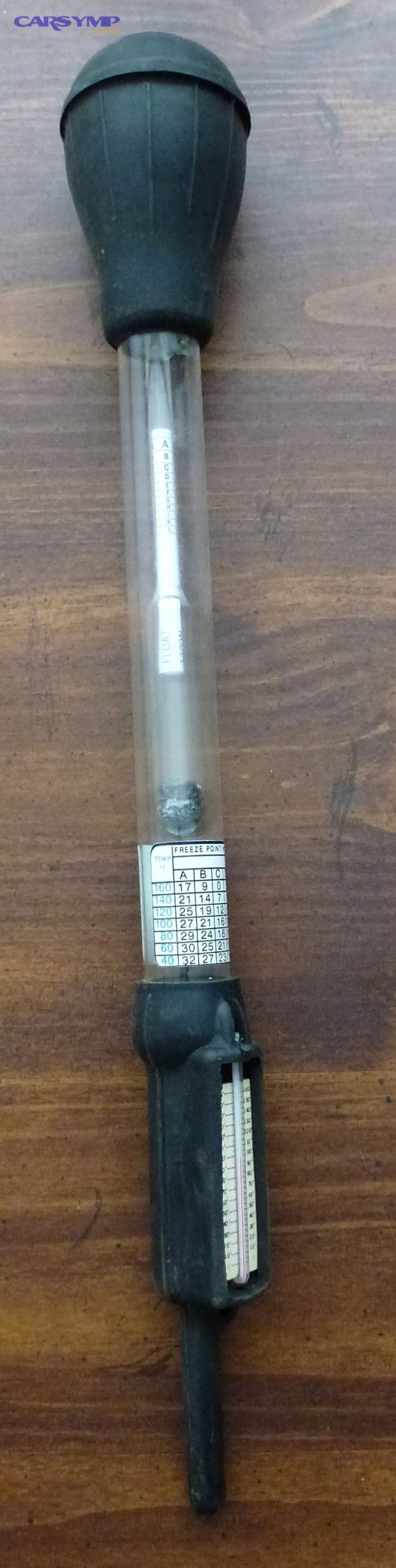
Can a bad coolant level sensor cause the warning even when coolant is full?
Yes—a bad coolant level sensor can cause the warning even when coolant is full, because (1) a stuck float or probe can misread level, (2) corrosion or a loose connector can interrupt the signal, and (3) contaminated coolant or tank residue can interfere with sensor movement or readings.
However, you must confirm the actual level is stable before you blame the sensor.
- Fill to correct range (cold).
- Drive normally for 1–2 cycles.
- Recheck cold level next morning.
- If level is unchanged but warning returns, the sensor path becomes the top suspect.
What are the most common sensor-related causes and fixes?
There are 5 main sensor-related causes and matching fixes: stuck float (clean/replace tank), corroded connector (clean/reseat), damaged wiring (repair harness), faulty sensor electronics (replace sensor/tank assembly), and software/cluster logic issues (scan/diagnose), based on where the signal breaks.
Specifically, most intermittent cases are mechanical float sticking or connector problems.
- Inspect connector for moisture/corrosion; reseat firmly.
- Check wiring for rub-through near the reservoir and along the harness path.
- Clean the reservoir if sludge or deposits are visible (some tanks are easier to replace than clean).
- Replace the sensor or tank assembly if the sensor is integrated and confirmed faulty.
- Scan for codes if you have access; some cars log coolant level or cooling system plausibility faults.
According to a study by University of Education, Winneba from Department of Automotive and Electrical Technology Education, in 2021, experiments showed that under low coolant running the engine and coolant temperature sensors could display a large disparity—about 130°C vs 20°C—and the authors developed a magnetic float sensor backup model that prevented running under low coolant level.
Coolant loss vs sensor fault: how do you compare evidence to decide?
Coolant loss wins in physical evidence and level change, sensor fault is best indicated by stable level with recurring alerts, and an overheating event is optimal for urgent shutdown decisions.
Meanwhile, this comparison keeps you from replacing parts blindly.
Use this decision table (and what it means):
| What you observe | Most likely | What to do next |
|---|---|---|
| Level drops cold-to-cold over 24–72 hours | Real coolant loss | Find leak points, pressure-test if needed |
| Level stable but warning appears randomly | Sensor/connection issue | Inspect connector, harness, sensor/tank |
| Warning + temp rises | Cooling system failure in progress | Stop driving, cool down, diagnose urgently |
| Level only “low” right after service | Air pocket/bleed issue | Re-bleed per procedure, recheck cold level |
The goal is simple: prove the system is holding coolant before you trust the warning to be “just a sensor.”
How can you prevent low coolant warnings long-term with a maintenance routine (avoid vs fix)?
A long-term routine prevents low coolant warnings by combining three habits—monthly level checks, periodic visual inspections of leak points, and “fix-first” decision rules—so you avoid repeated top-offs that mask a real problem.
More importantly, “avoid vs fix” means you choose prevention actions that remove the cause rather than only silencing the symptom.
Is “just topping off” an effective strategy long-term—yes or no?
No—“just topping off” is not effective long-term because (1) it hides developing leaks until they become overheating events, (2) it can dilute coolant concentration and reduce corrosion protection over time, and (3) it prevents you from establishing a stable baseline that proves the system is healthy.
In addition, repeated top-offs can create a false sense of safety when the real issue is pressure loss or intermittent leakage.
- Top off once to protect the engine and start monitoring.
- If you top off again within days or weeks, treat that as a diagnostic trigger, not routine maintenance.
- Repair the leak or sensing problem, then confirm the fix with cold-to-cold level stability.
DIY prevention vs mechanic diagnosis: when should you choose each?
DIY prevention wins for basic checks and early detection, mechanic diagnosis is best for pressure testing and hidden leaks, and a dealer/OEM specialist is optimal for model-specific cooling management systems.
Especially when you want the warning to stop coming back, choose the level of help based on what evidence you have.
DIY is appropriate when:
- You can confirm the reservoir level and it’s only slightly low
- You find visible residue at a hose end or clamp
- The temperature gauge stays normal
- You can monitor cold-to-cold level over a few days
A mechanic is the better choice when:
- The level drops repeatedly and you cannot see a leak
- You smell coolant but find no wet spots (possible pressure-only leak)
- The car overheats or the heater behavior becomes erratic
- You suspect heater core or internal issues
Escalate immediately if overheating occurs. Prevention ends the moment the engine is running hot.
What does a “good baseline” look like after you fix the root cause?
A good baseline after fixing the root cause is a stable coolant level that stays within the correct range across multiple cold checks, no fresh residue appears at leak points, the temperature remains steady under normal driving, and cabin heat behaves normally.
Thus, the “baseline” is your proof the system is sealed and controlled.
A simple baseline protocol:
- Fill to correct level (cold).
- Check again the next morning (cold).
- Check after 3–5 normal drive cycles.
- Check weekly for a month.
According to a study by Drexel University from Department of Mechanical Engineering and Mechanics, in 2003, a Formula SAE cooling system project specified a 50/50 mixture of water and antifreeze and set a reliability target for the car to complete a 16-mile race without overheating, highlighting how stable coolant mixture and system sizing support overheating prevention.
What advanced diagnostics help find hidden coolant loss when the warning keeps returning?
Advanced diagnostics help find hidden coolant loss by using pressure-based testing and evidence amplification (like UV dye), and by checking rare-but-real scenarios such as trapped air after service or internal combustion-gas intrusion, so you can stop repeat warnings when basic inspection finds nothing.
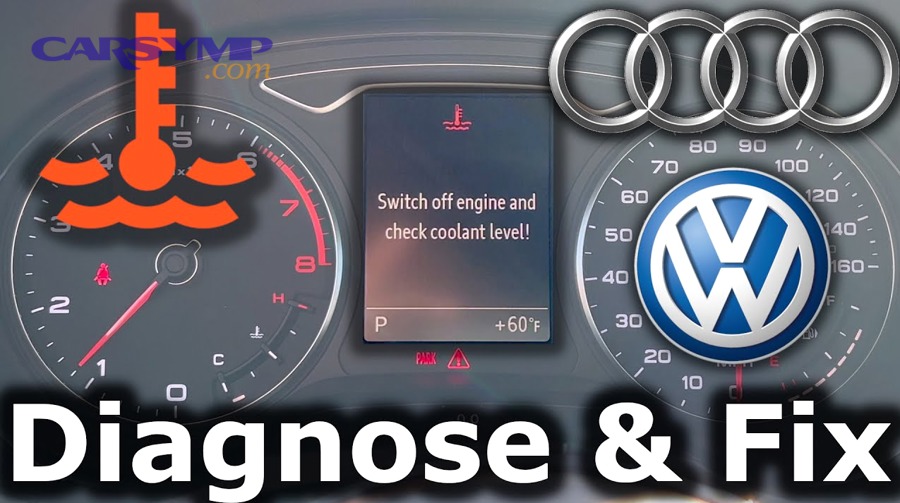
Below, these methods matter most when the low coolant warning light keeps returning with no obvious puddles.
How can a pressure test and UV dye help locate intermittent leaks?
A pressure test and UV dye locate intermittent leaks by forcing the system to reveal weak seals under controlled pressure and by making tiny seepage paths visible under UV light, which is especially useful when leaks only occur hot and evaporate on contact.
To illustrate, this is the “missing puzzle piece” when you smell coolant but never see drips.
- Pressure test: simulates operating pressure without driving, exposing leaks at hoses, radiator seams, water pump, and housings.
- UV dye: marks coolant so small leaks leave a visible trail under UV inspection.
If the level drops but no external leak appears even under test conditions, internal pathways become more likely.
Can trapped air after a coolant service trigger repeat low coolant warnings—yes or no?
Yes—trapped air after a coolant service can trigger repeat low coolant warnings because (1) air pockets migrate and “burp” out after heat cycles, lowering the reservoir level, (2) the sensor may briefly see low level during sloshing, and (3) uneven circulation can create temperature swings that mimic instability.
However, the key clue is timing: it often starts right after service.
- The warning appears after recent coolant replacement, radiator work, thermostat work, or hose replacement.
- The reservoir level drops once or twice over a few heat cycles, then stabilizes after correct bleeding.
- Heater output may fluctuate during the first drive cycles if air is present.
Head gasket vs external leak: how do you compare warning signs?
External leak wins when you see residue, wetness, or pressure-test leaks; head gasket suspicion rises when coolant disappears without external evidence and is paired with overheating patterns or cross-contamination signs; and heater core issues are optimal suspects when cabin symptoms dominate.
More specifically, you’re comparing where the coolant goes.
More consistent with external leak:
- Crusty residue at fittings
- Drips after parking
- Leak found during pressure test
More consistent with internal engine-related concerns:
- Coolant loss with no external trace
- Repeated overheating under load
- Unusual exhaust behavior or oil/coolant mixing indicators (varies by case)
This is the point where professional diagnosis is usually worth it—because the cost of guessing wrong can be high.
Wrong coolant type vs correct OEM coolant: what changes for sensors and system health?
Correct OEM coolant wins for material compatibility and corrosion control, universal coolant can be acceptable for broad compatibility when used correctly, and mixed/incorrect coolant is worst for deposit formation and unpredictable sensor behavior.
In short, coolant chemistry affects not only freezing/boiling protection but also long-term sealing surfaces, deposits, and the reliability of level sensing.
- If you can’t confirm compatibility, avoid mixing and plan a correct service at the next opportunity.
- If you already have a recurring warning, don’t add “chemistry uncertainty” to the problem—use the correct coolant to keep diagnosis clean.
Evidence (if any)
- University of Education, Winneba (Department of Automotive and Electrical Technology Education), 2021: coolant sensing experiments reported large sensor temperature disparity under low coolant (about 130°C vs 20°C) and demonstrated a float-sensor backup model to prevent running under low coolant.
- Drexel University (Department of Mechanical Engineering and Mechanics), 2003: Formula SAE cooling system design project defined a 50/50 coolant mixture and targeted completing a 16-mile race without overheating, emphasizing stability and system sizing for overheating prevention.